Argentina
argentina
South America
south-america

Updated October 10, 2026

Hot springs in Argentina

Argentina's hot springs are termas, from volcanic mud pools high in the Andes to warm riverside spa towns on the eastern Litoral plains.
All of the listed termas are paid spa complexes reached by road, most with hotels on site, so an overnight stay is the usual way to visit.

Map of hot springs in Argentina

Argentina's hot springs are termas, and at least 6 of them sit in this directory, stretched from the Andes to the eastern river plains. The volcanic mud and mineral pools of Termas de Copahue rise near a Patagonian volcano, while Termas de Cacheuta sits in a canyon outside Mendoza. 4 of the 6 listed here are resort spas, and all of them are paid. Developed termas, not wild pools, define the country.

Where Argentina's hot springs cluster

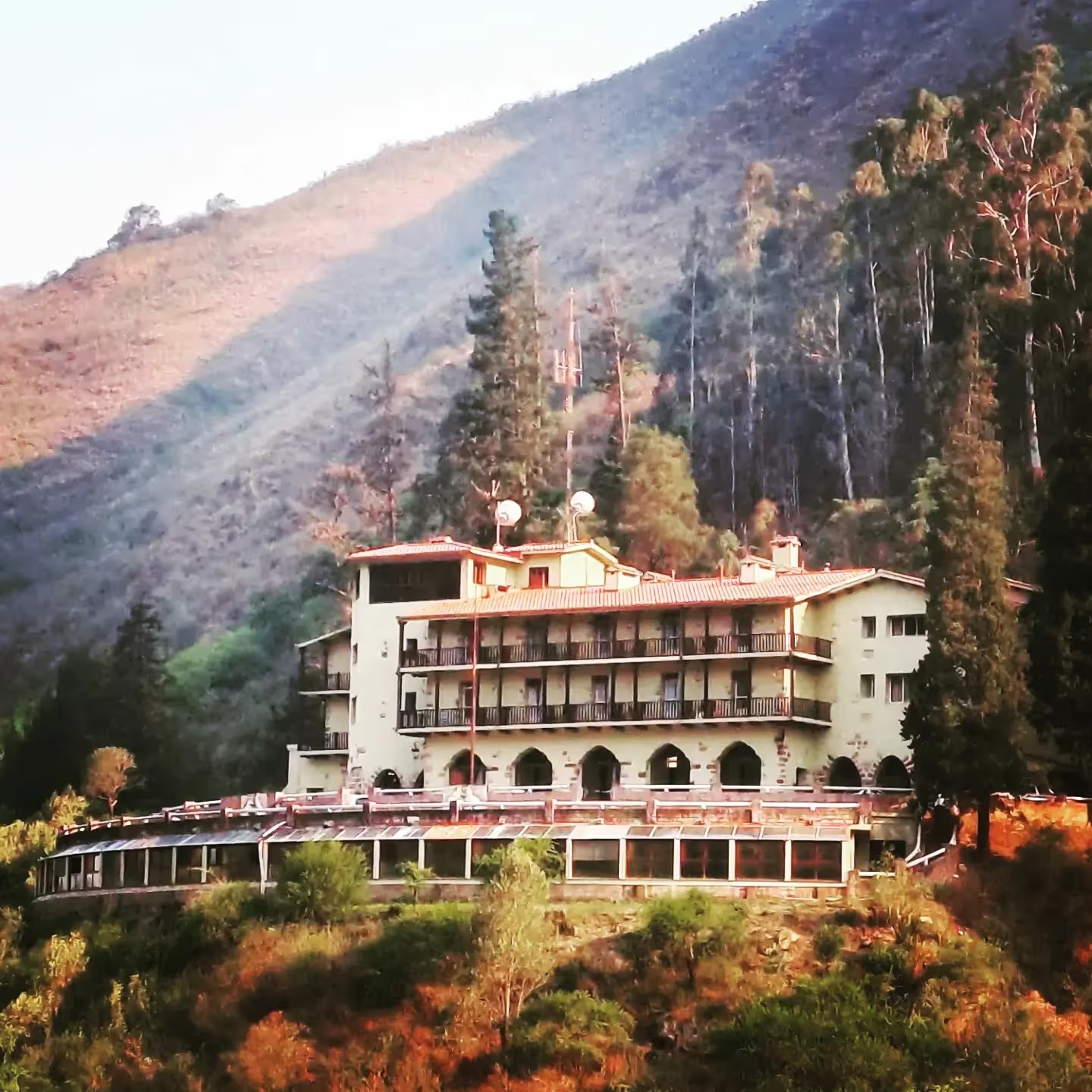
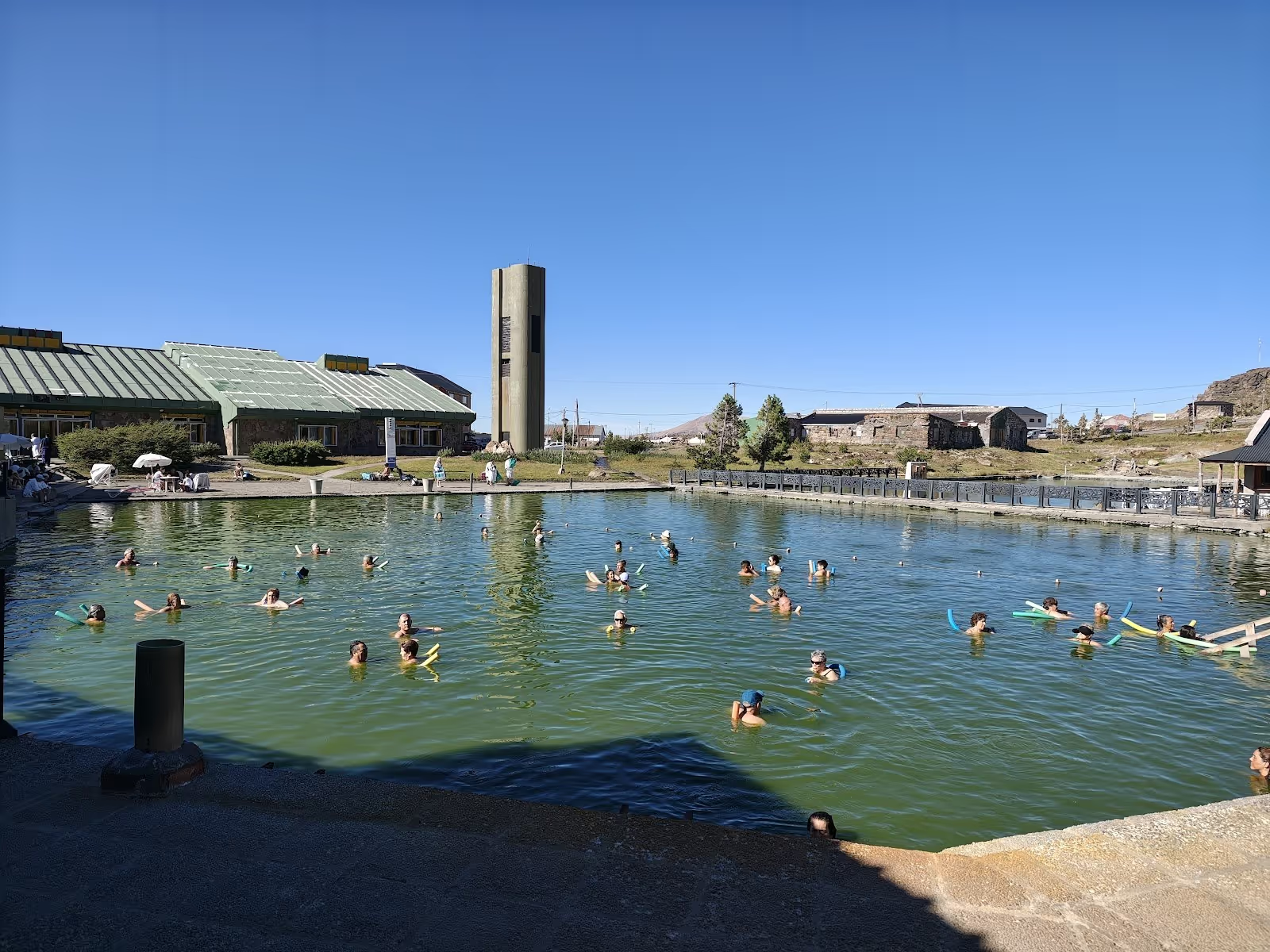
The Andes and the Cuyo wine country hold Argentina's best-known volcanic and mountain termas. The sulphur mud baths of Termas de Copahue near the Caviahue volcano draw health visitors each summer, while Termas de Cacheuta fills canyon pools in the mountains above Mendoza. Two of the directory's Argentine springs sit along this western mountain spine, both set among peaks and reached on winding roads from the nearest wine towns.

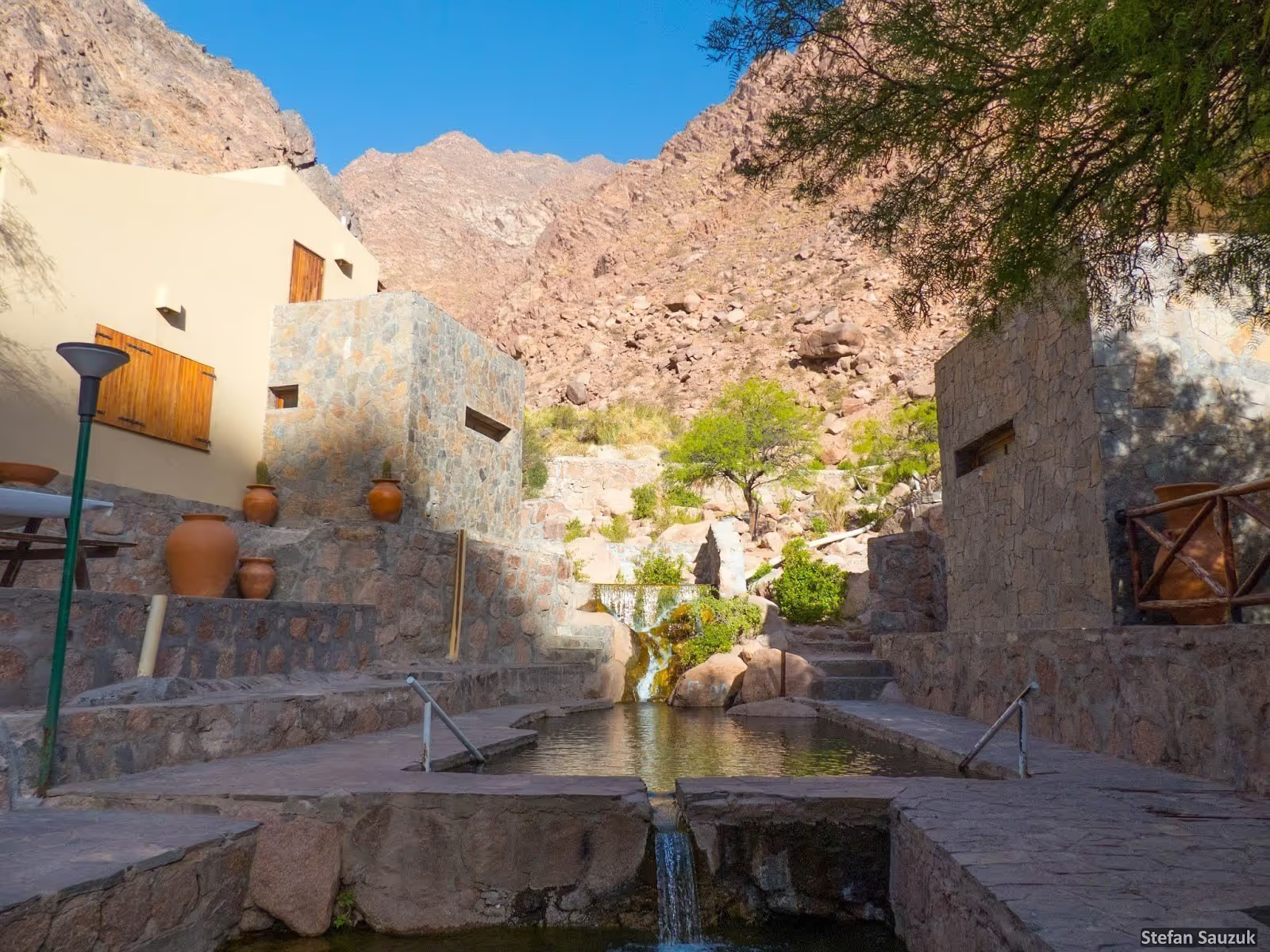
The northwest gathers high-desert termas across Catamarca and Jujuy. Terraced pools climb a mountainside at Termas de Fiambala in Catamarca, while Termas de Reyes fills a green canyon in the hills above San Salvador de Jujuy. Both sit at altitude in the arid Andean northwest, hours from the nearest city, where thermal water has drawn travellers along old mountain routes for generations.

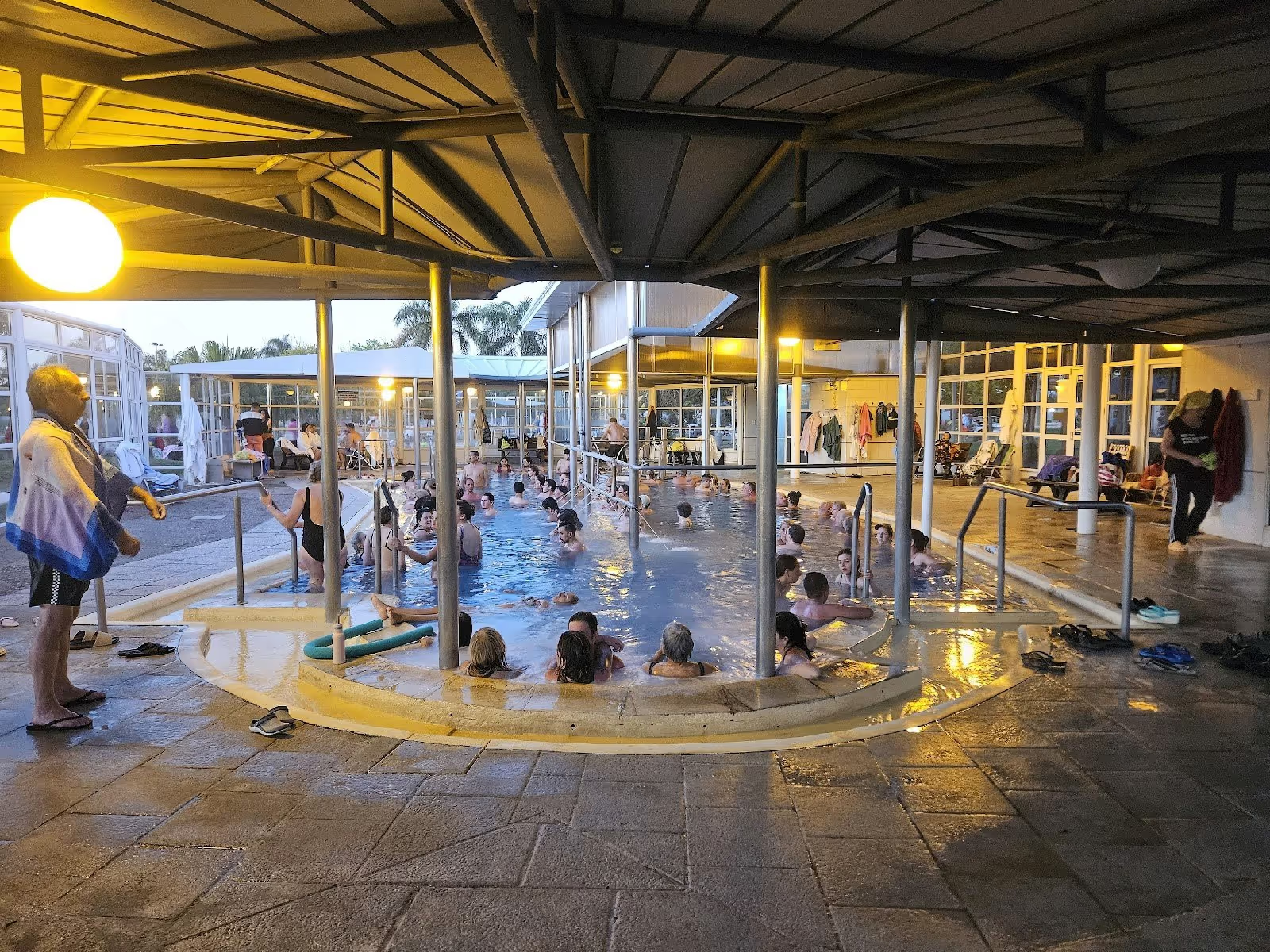
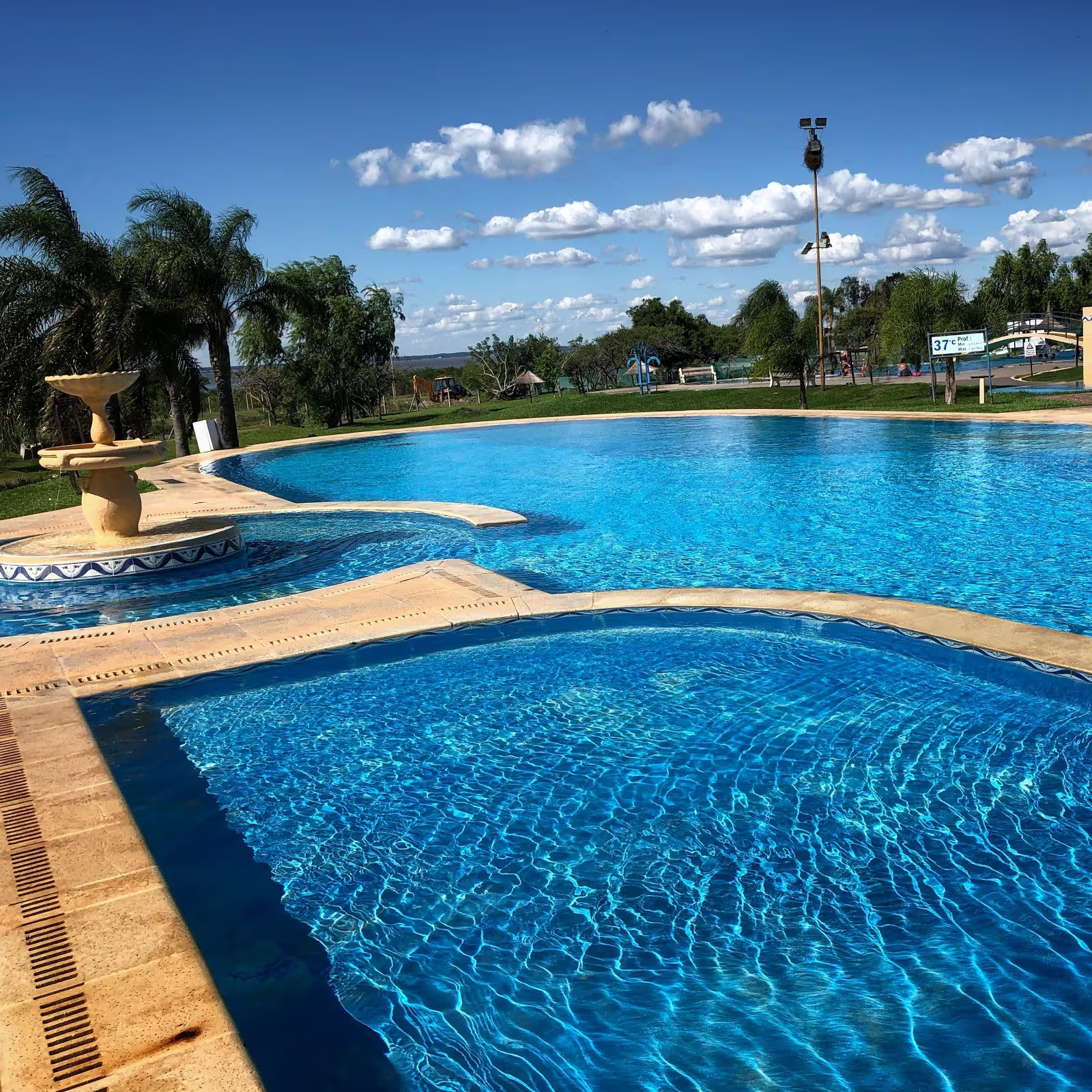
The eastern Litoral, on the warm plains of Entre Rios, holds riverside spa parks fed by deep thermal wells. Family water parks at Parque Termal Federacion and Termas Villa Elisa draw weekend visitors from across the region near the Uruguay River. These lowland termas round out the directory's Argentine entries, and their warm wells and shallow family pools stay busy through the cooler winter months.

What makes Argentina's hot springs different

Argentine thermal bathing centres on the termas, a paid spa complex with warm pools and an on-site hotel, rather than free wild springs. The volcanic mud baths of the Andes contrast with the deep-well water parks of the eastern plains, giving the country two distinct styles. All 6 springs listed in this directory charge entry, and none is free. Water at the highland sites runs warm to hot before cooling for bathing. These sit within the wider hot springs in South America.
Frequently Asked Questions

1
How many hot springs are in Argentina?
At least 6 hot springs in Argentina are listed in this directory, spread from the Andes to the eastern Litoral plains. Others exist beyond this directory across the country. A good starting point is Termas de Copahue in northern Patagonia, known for its volcanic mud. All are paid termas.
2
What is the best hot spring in Argentina?
Termas de Copahue in Neuquen is among the most celebrated, a high-altitude spa known for sulphur mud, algae pools, and volcanic steam near the Caviahue volcano. For a mountain resort soak, Termas de Cacheuta near Mendoza is a favourite. Both rank among the 6 springs listed here.
3
What are termas in Argentina?
Termas is the Spanish word for thermal baths, and all 6 Argentine sites listed here are developed termas rather than wild pools. Most pair warm mineral water with a hotel, restaurant, and treatment rooms, such as Termas de Fiambala in Catamarca. The eastern ones draw water from deep thermal wells.
4
Are Argentina's hot springs free to visit?
No, all 6 hot springs in Argentina listed here charge for entry, as they are resort termas and water parks rather than wild pools. A day pass to a riverside park like Parque Termal Federacion covers the thermal pools, and most sites add hotels on site. Wild free soaking is rare here.
5
When is the best time to visit Argentine hot springs?
It varies by region. The Andean termas like Termas de Copahue open mainly in the warm months from December to April, while the eastern Litoral parks run year-round. Winter, from June to August, is the busiest season at the lowland pools. All 6 springs listed here are developed sites with set hours.