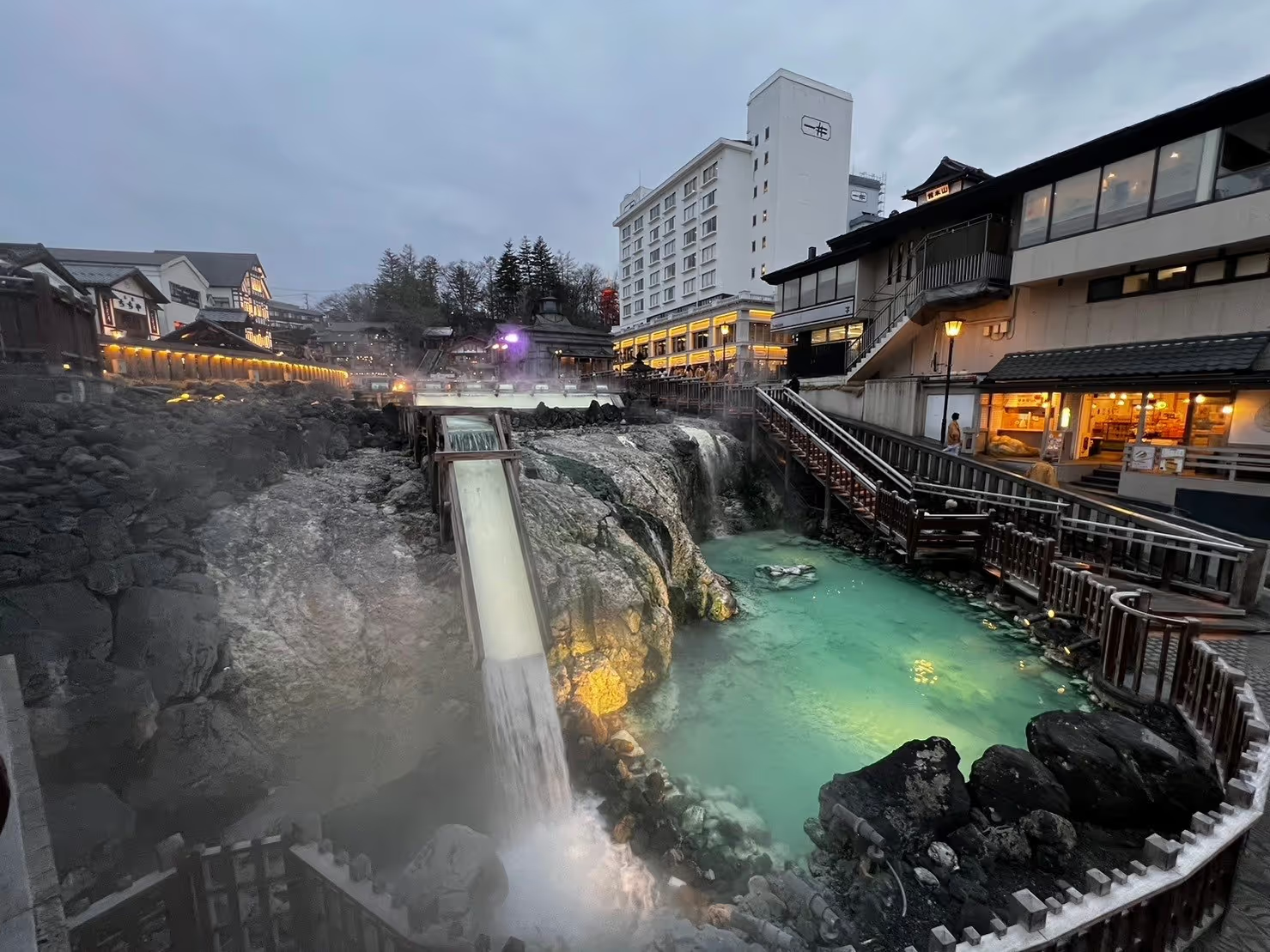
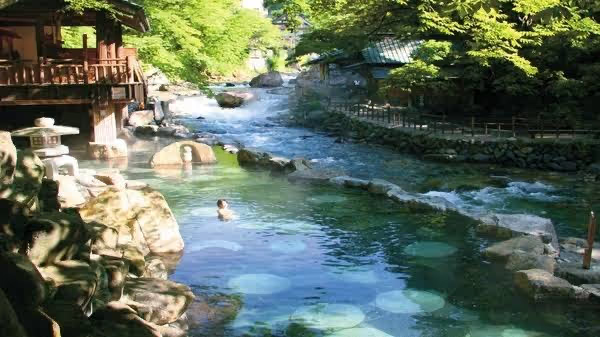
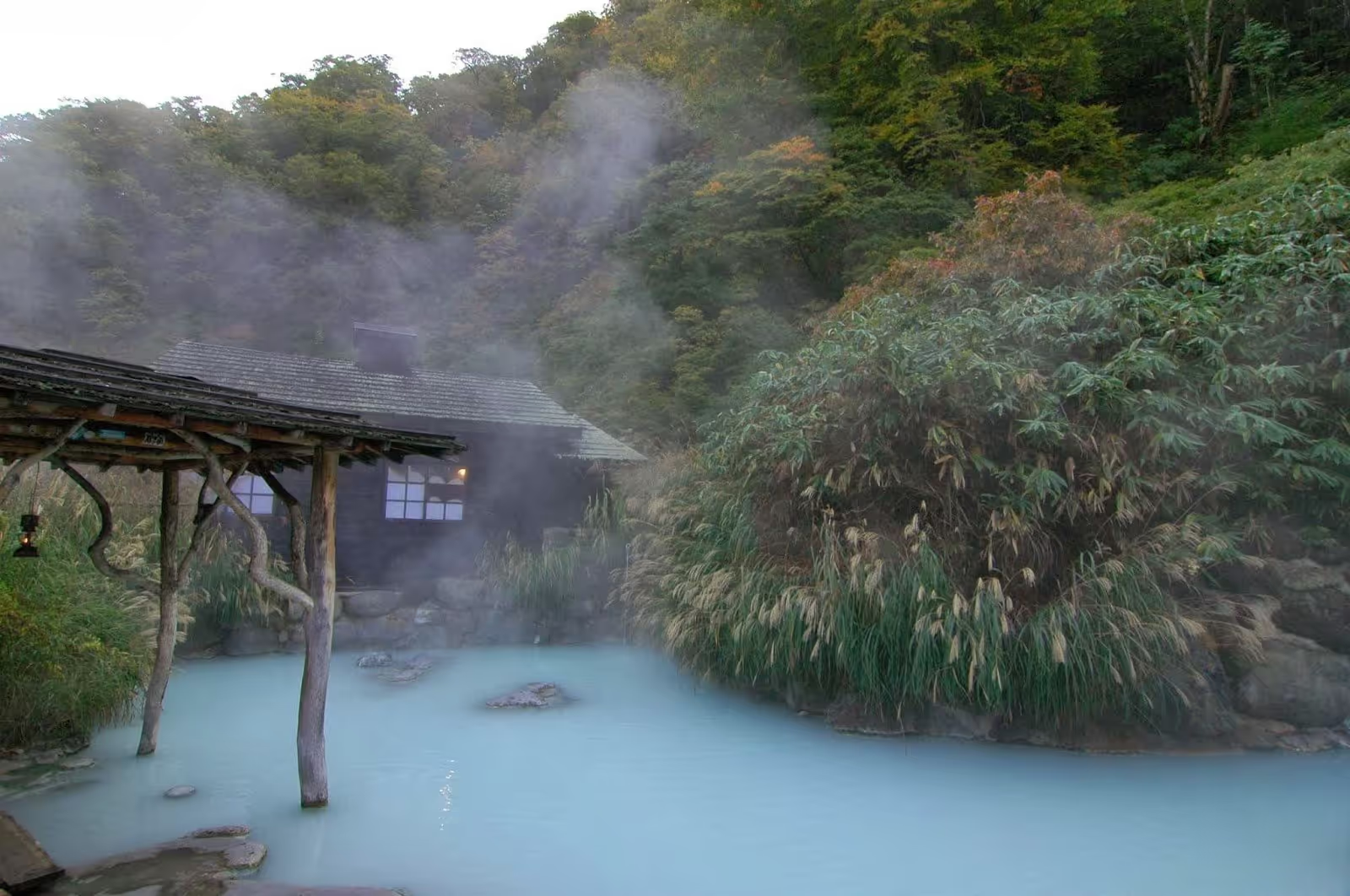
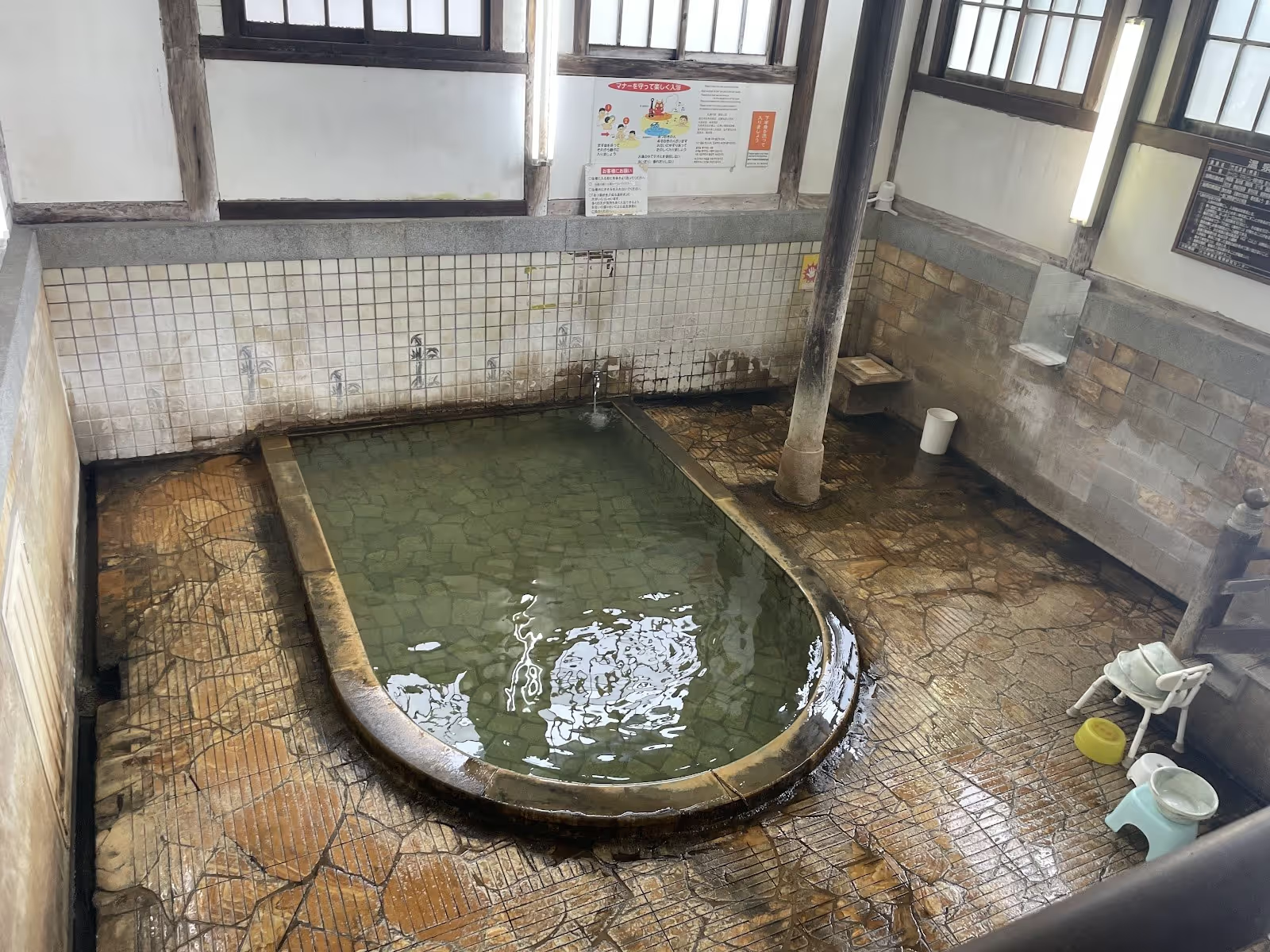
Japan's hot springs are onsen, and all 81 listed in this directory are natural geothermal baths rather than developed pools. Kusatsu Onsen in the central mountains pours out an enormous volume of hot water, while Beppu Onsen on Kyushu steams from dozens of vents. Only 2 of the 81 onsen here are free to enter. Most sit inside ryokan inns or public bathhouses.
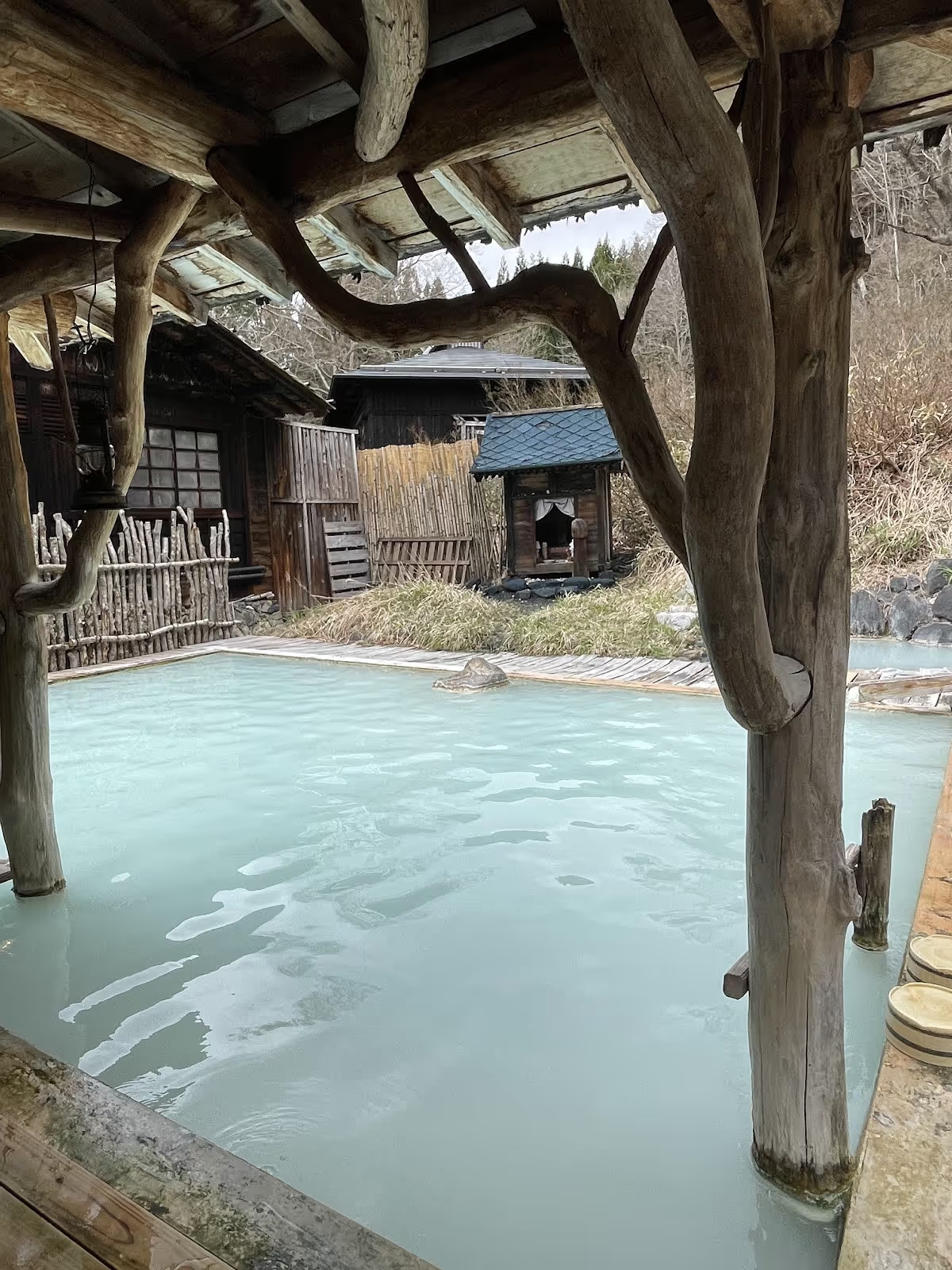
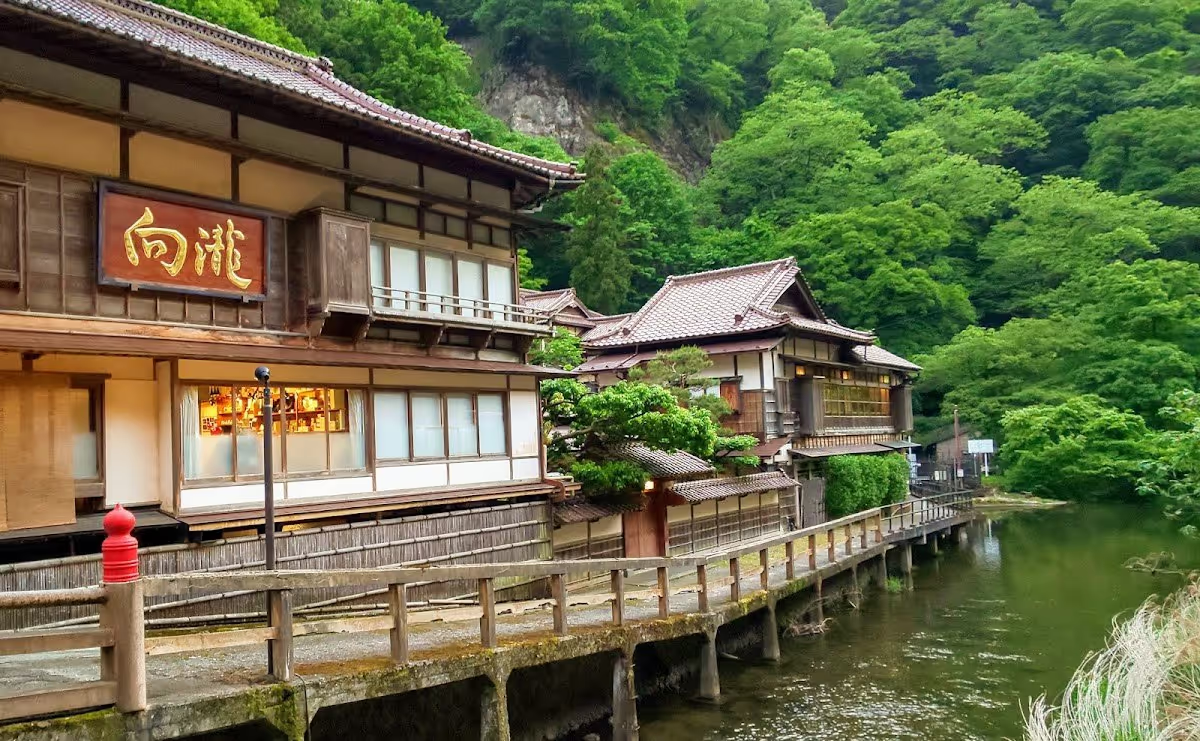
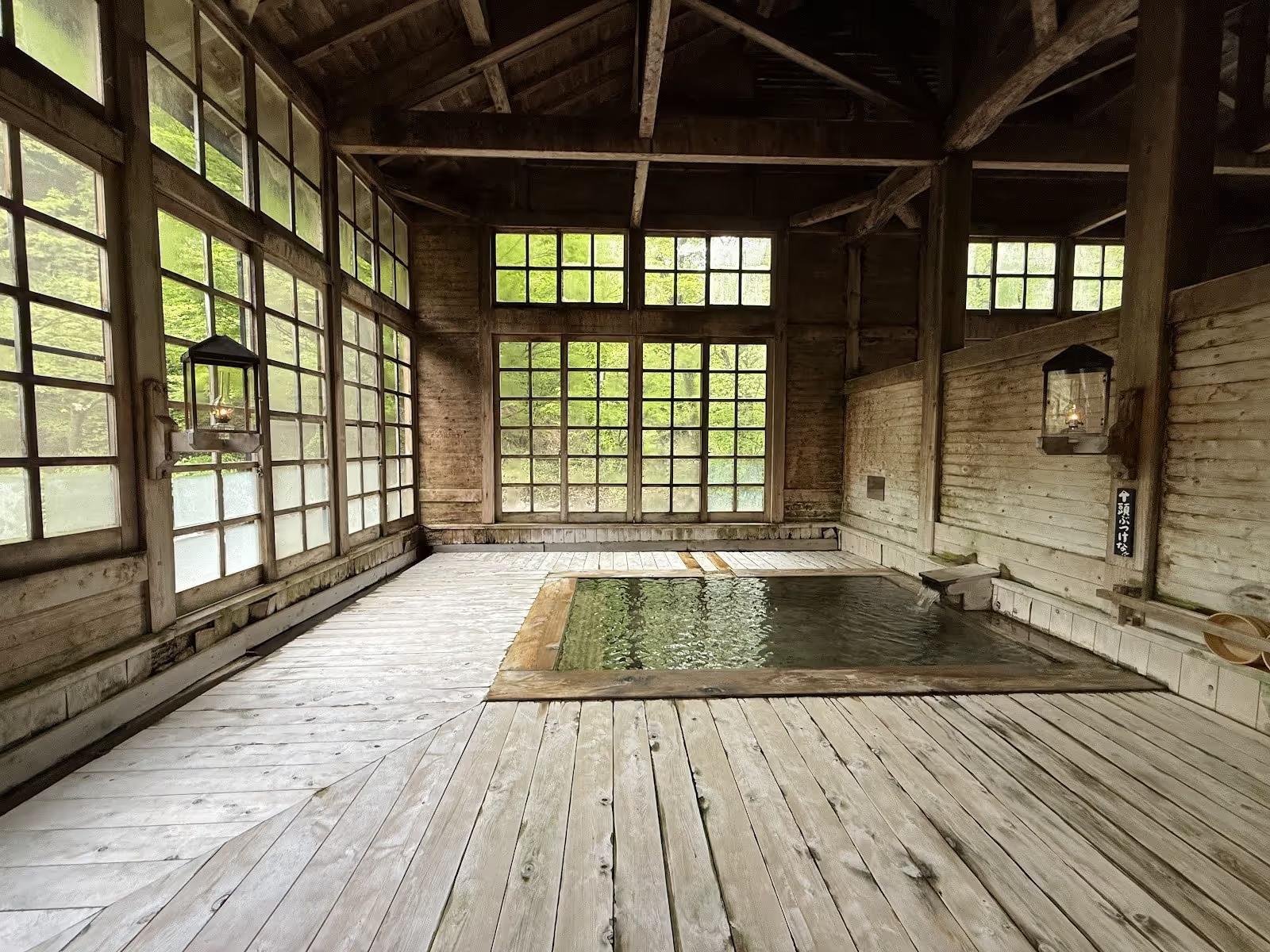
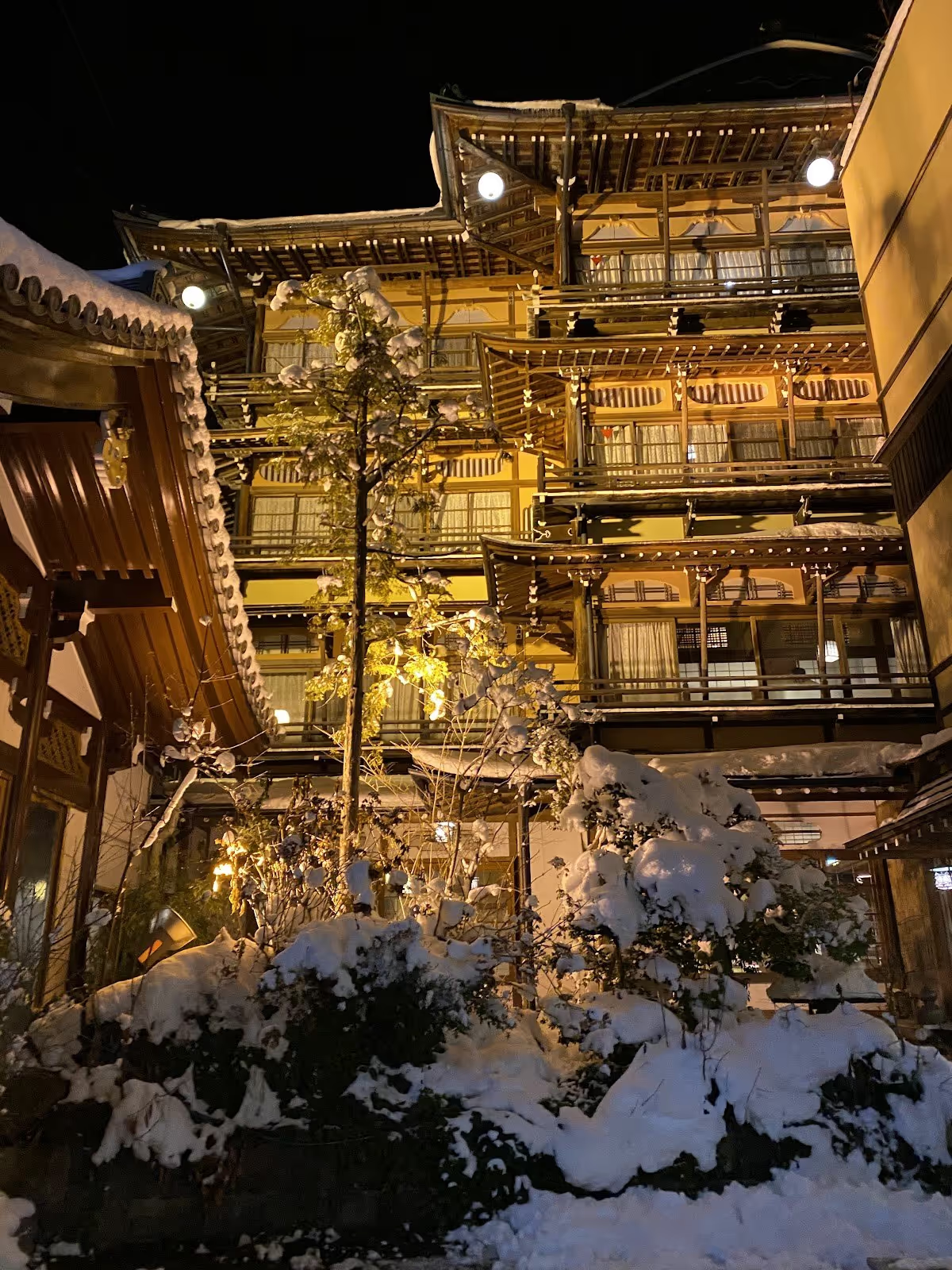
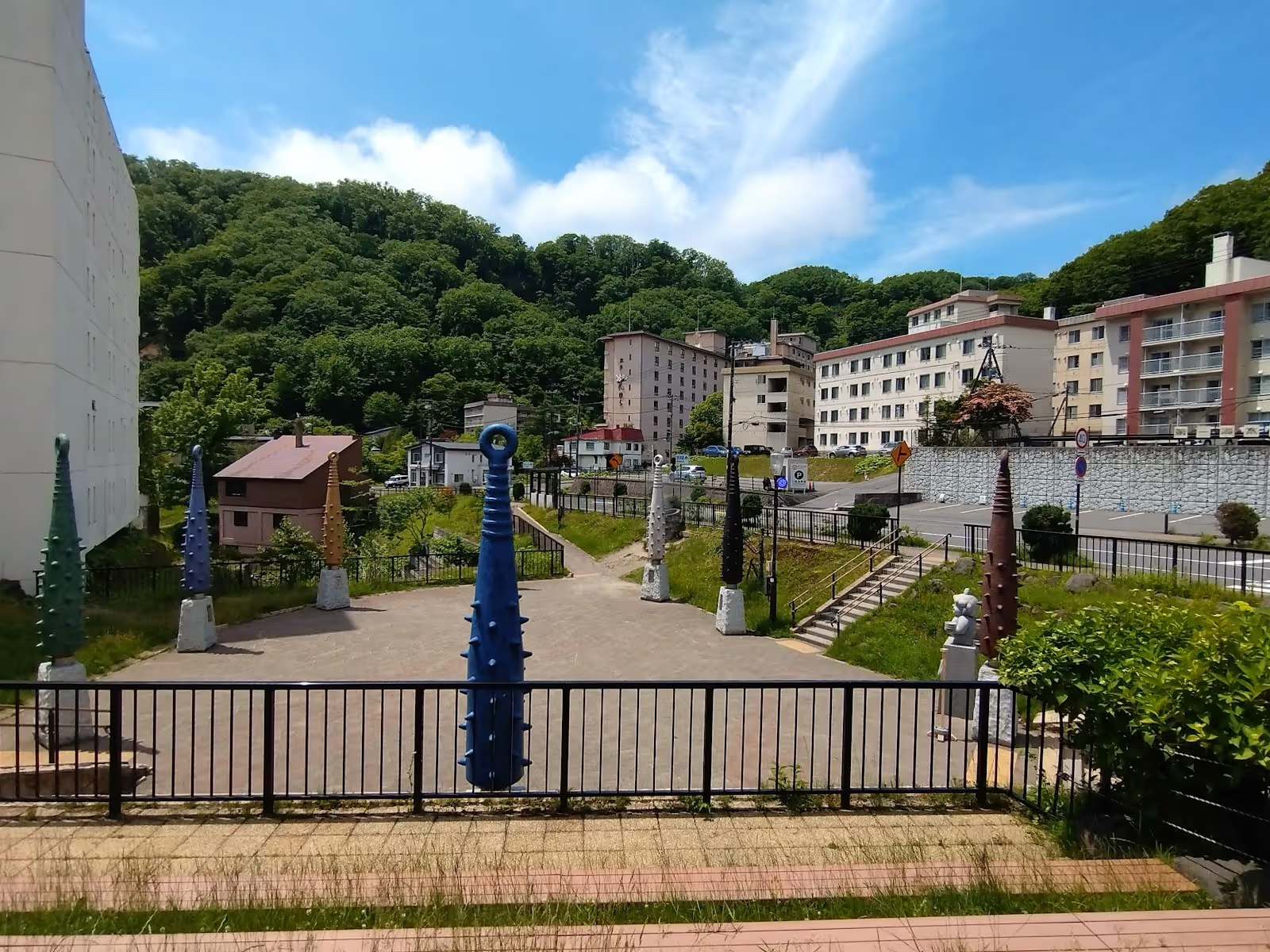
The far north carries volcanic baths through Hokkaido and the Tohoku snow country. Hokkaido's best-known resort is Noboribetsu Onsen, while Tohoku keeps rustic wooden baths such as Tsurunoyu Onsen and the lantern-lit streets of Ginzan Onsen. Dozens of the directory's Japanese onsen sit across these two northern regions, from coastal resorts to remote mountain huts.
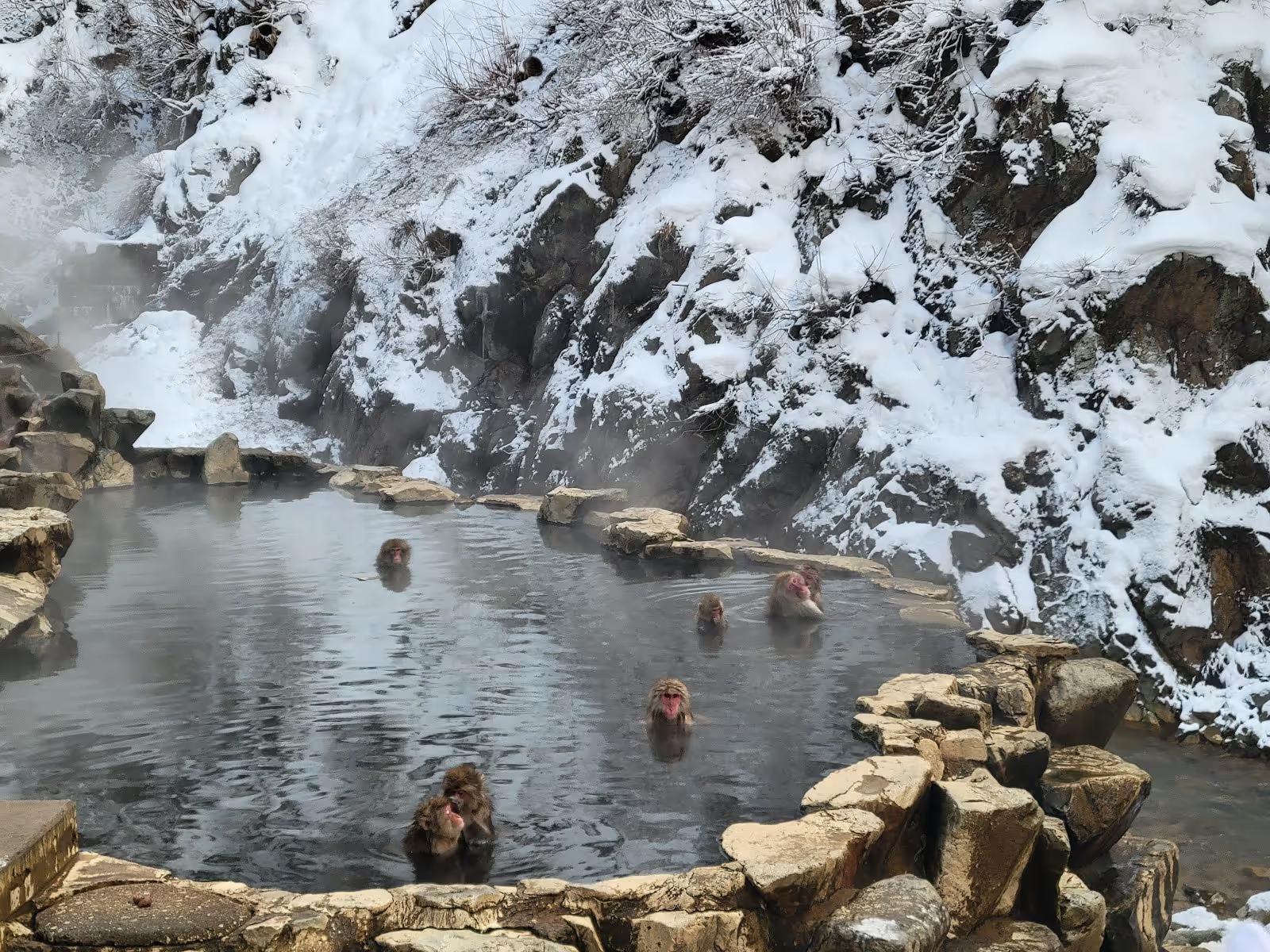
Central Honshu packs the most celebrated names within reach of Tokyo and the Japan Alps. Kusatsu Onsen and Gero Onsen rank among the country's top spa towns, and the snow monkeys of Jigokudani Monkey Park bathe in their own valley pool. This central belt around the capital holds the largest share of onsen listed here, and many are reachable on a day trip from Tokyo.
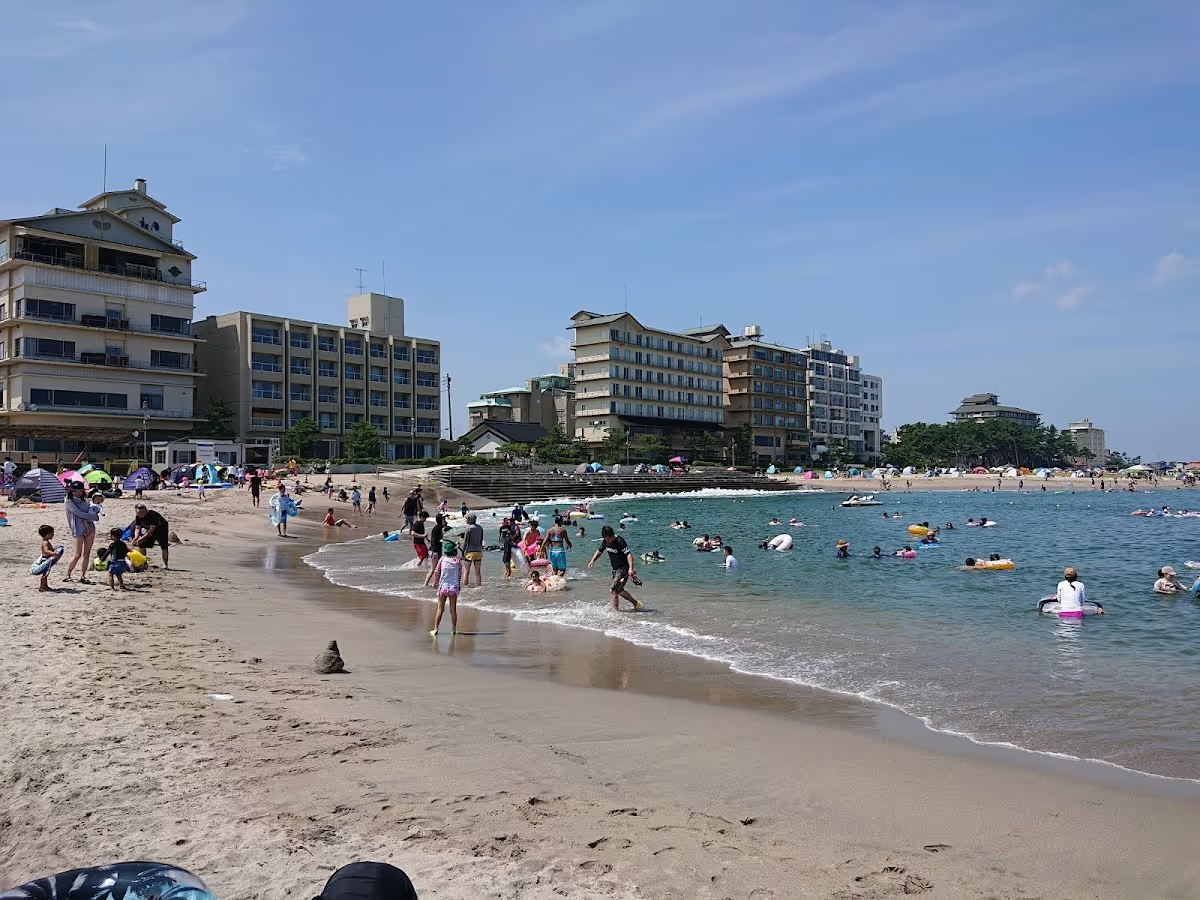
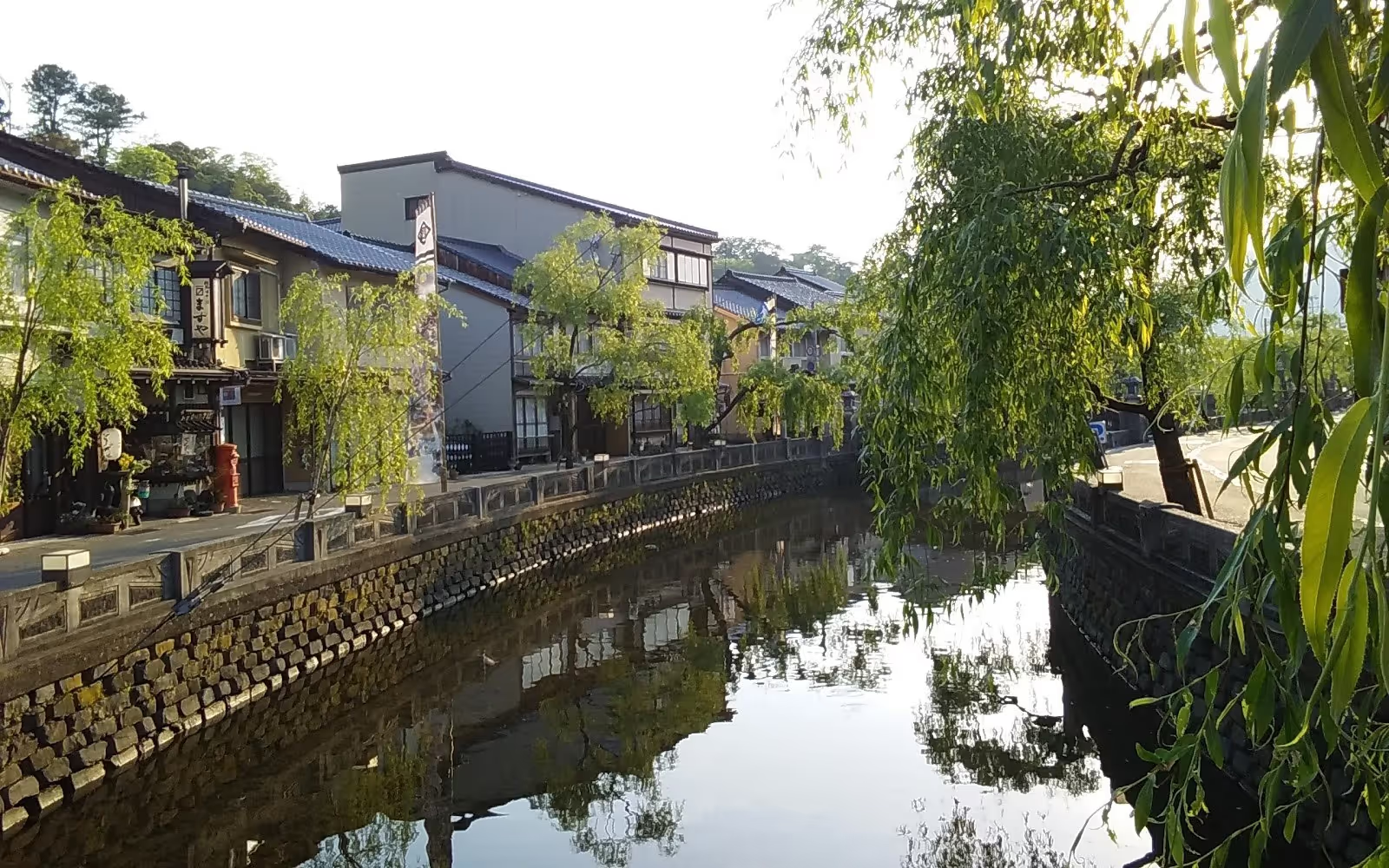
Kansai and the western coast gather some of the oldest recorded baths in the country. Arima Onsen near Kobe and Kinosaki Onsen on the Sea of Japan draw ryokan guests, while Dogo Onsen Honkan on Shikoku counts among Japan's oldest recorded bathhouses. Several of the onsen listed here line this western stretch, from the Kii Peninsula up to the Sea of Japan coast.
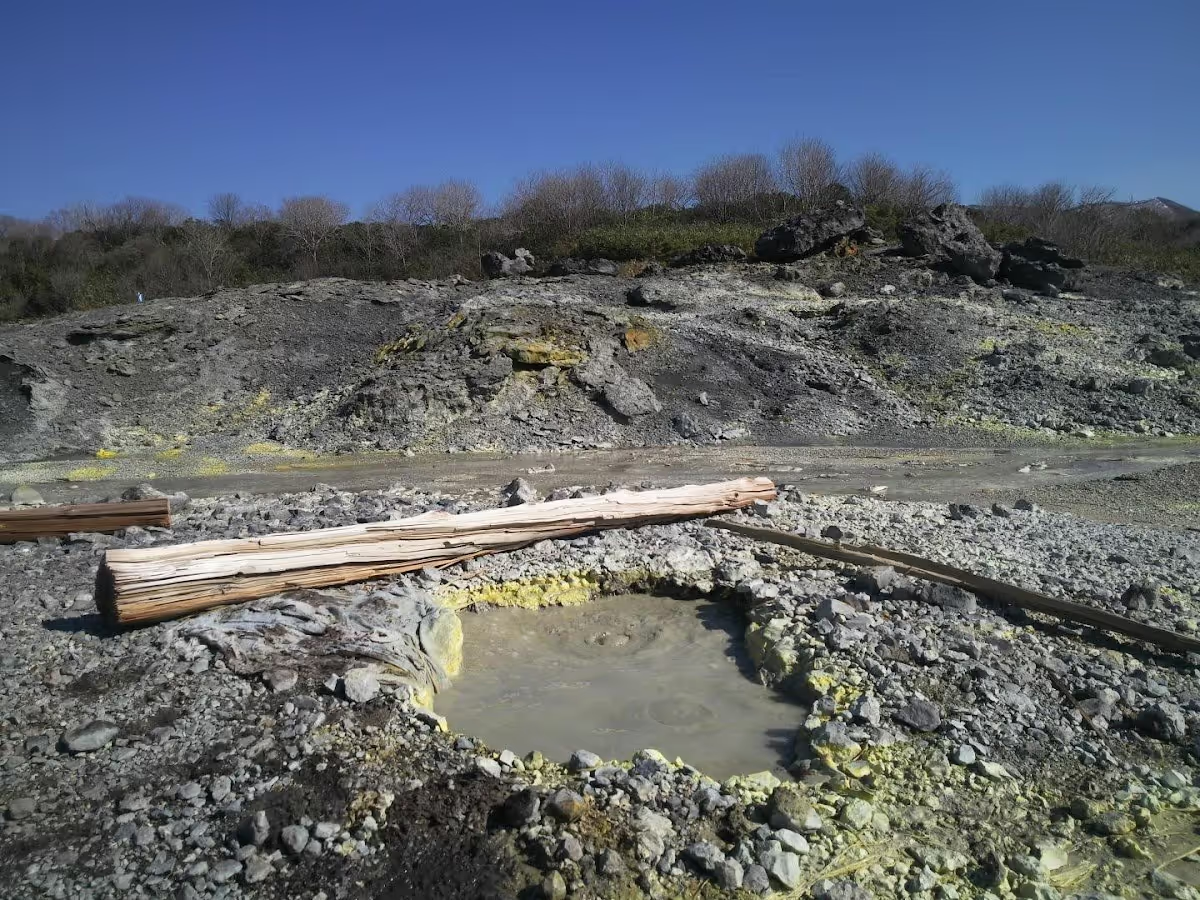
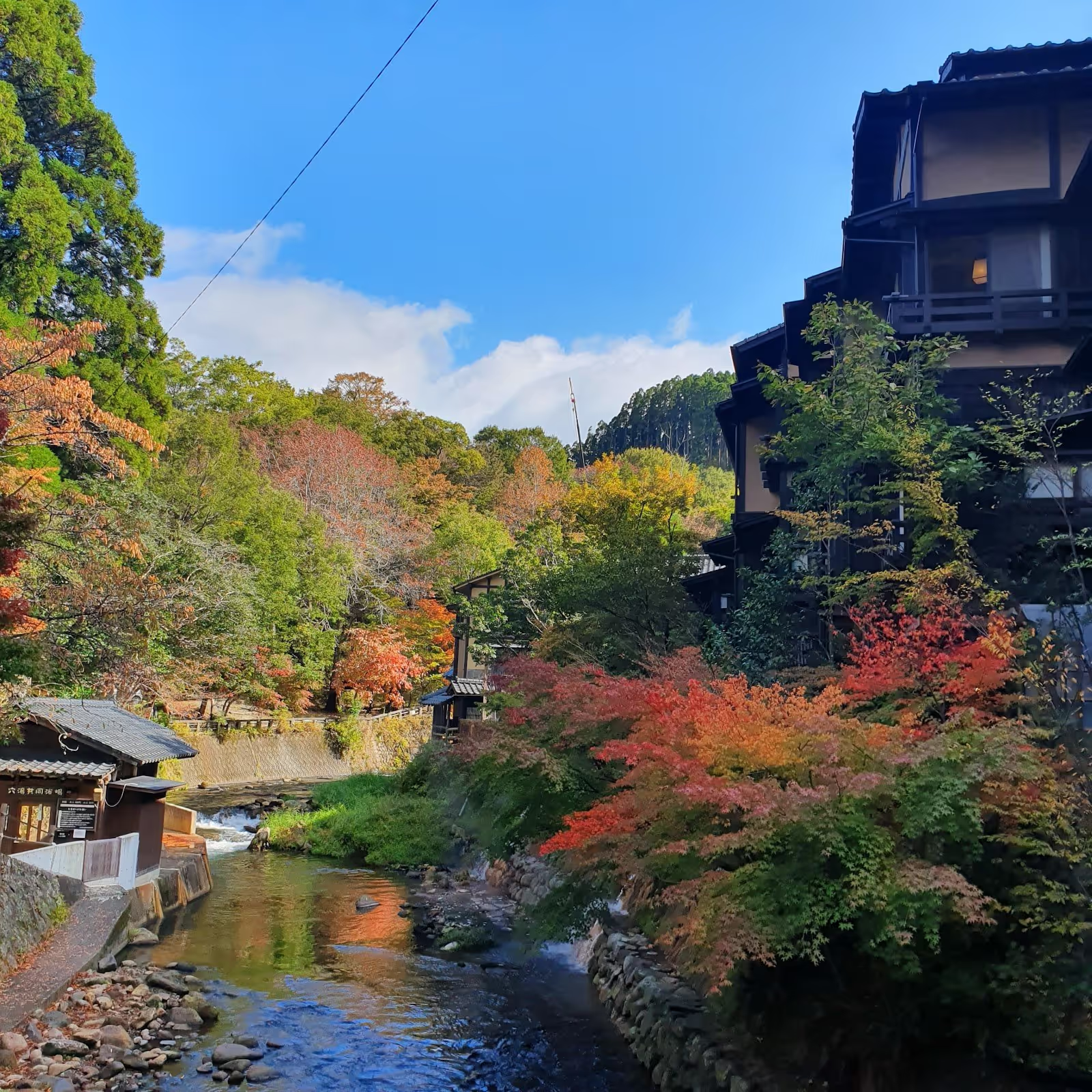
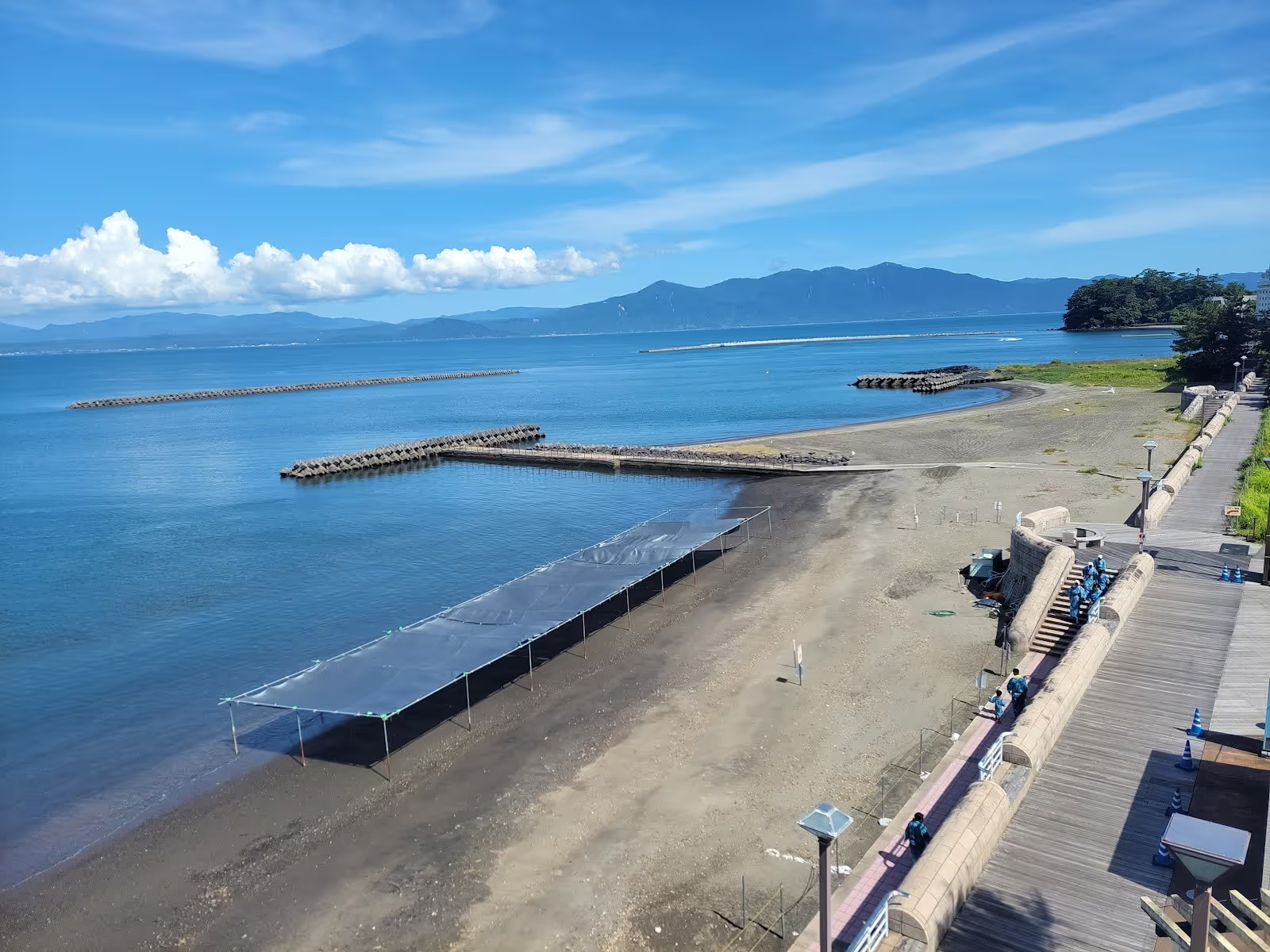
Kyushu in the south sits on heavily volcanic ground with intense geothermal activity. Beppu Onsen produces enormous volumes of water, Kurokawa Onsen keeps a quiet ryokan feel, and Ibusuki Onsen buries bathers in naturally heated volcanic sand. These southern springs round out the directory's Japanese entries and cover some of the archipelago's most active geothermal ground.
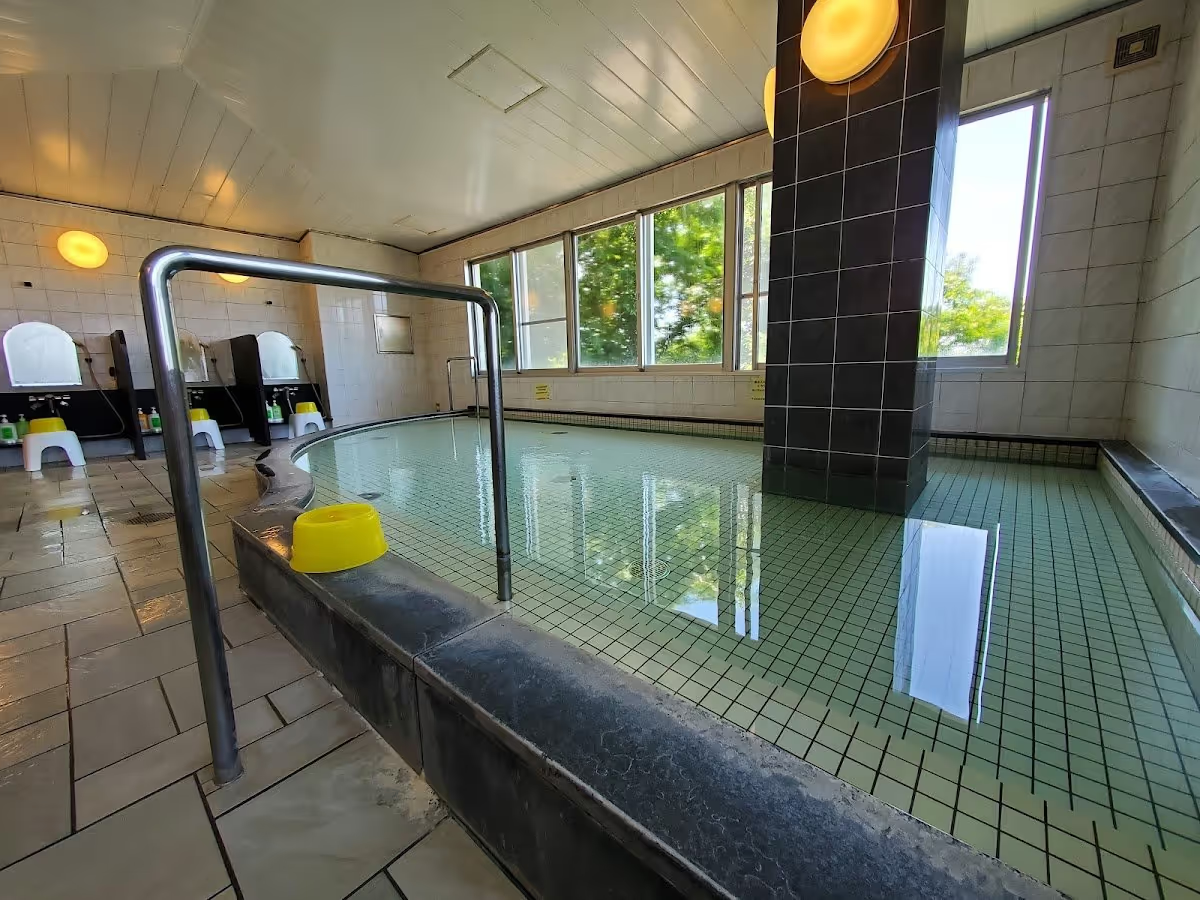
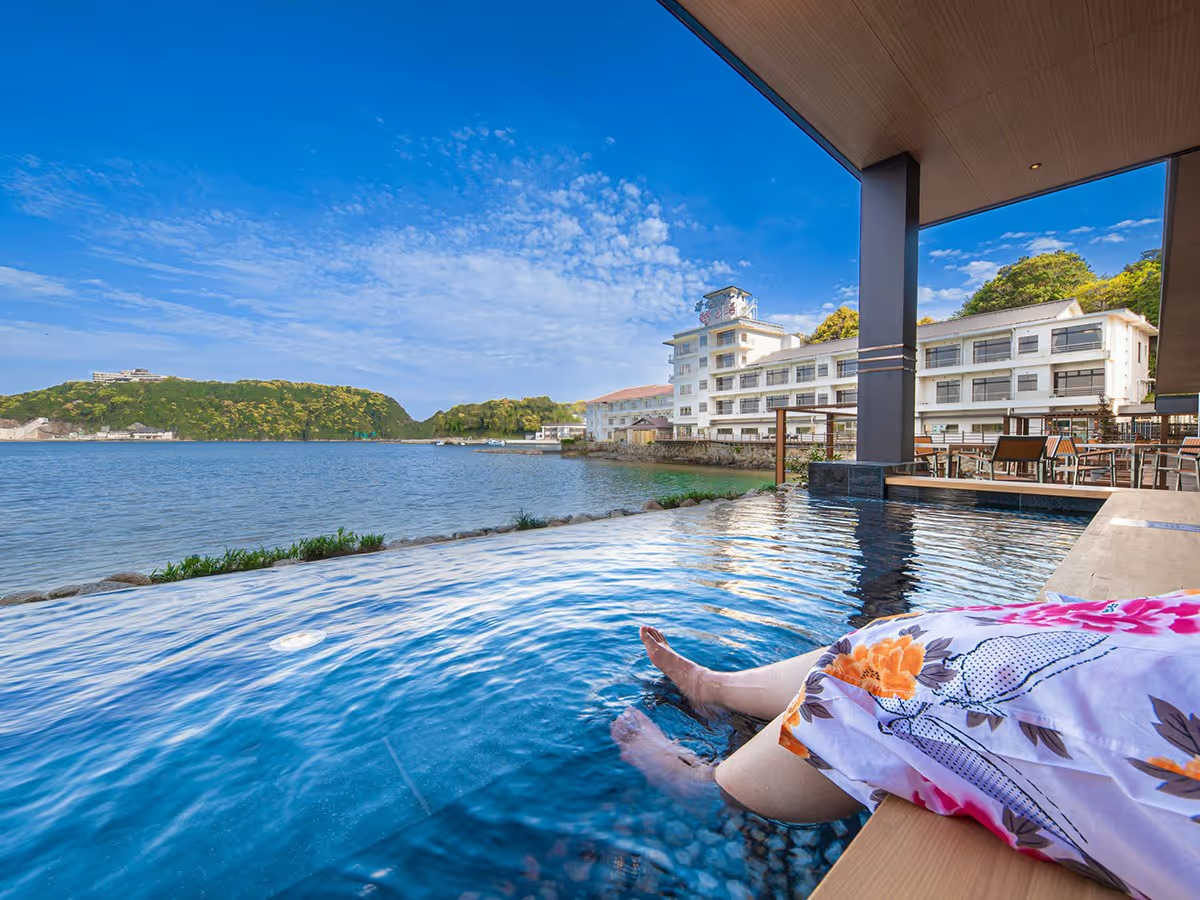
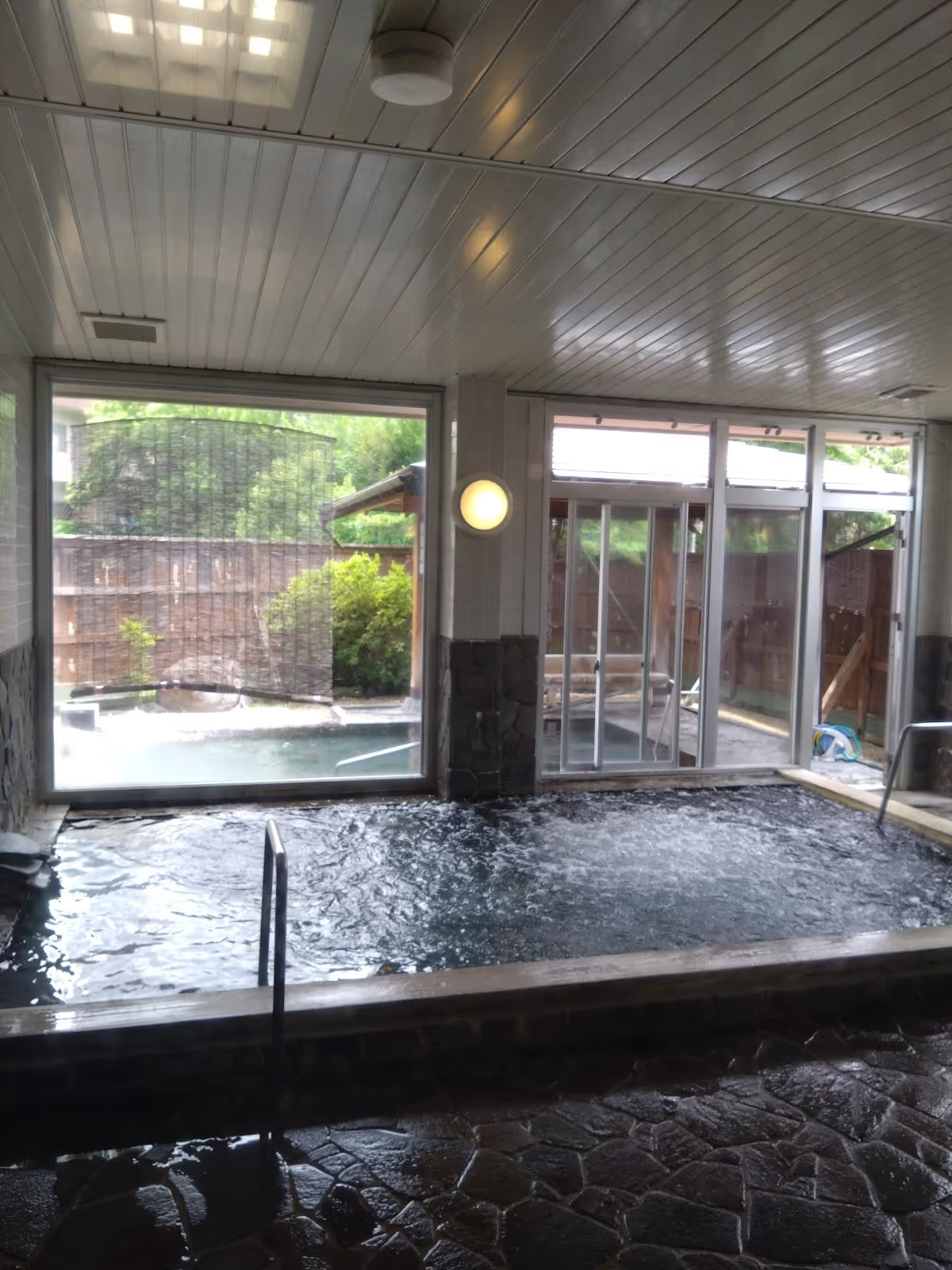
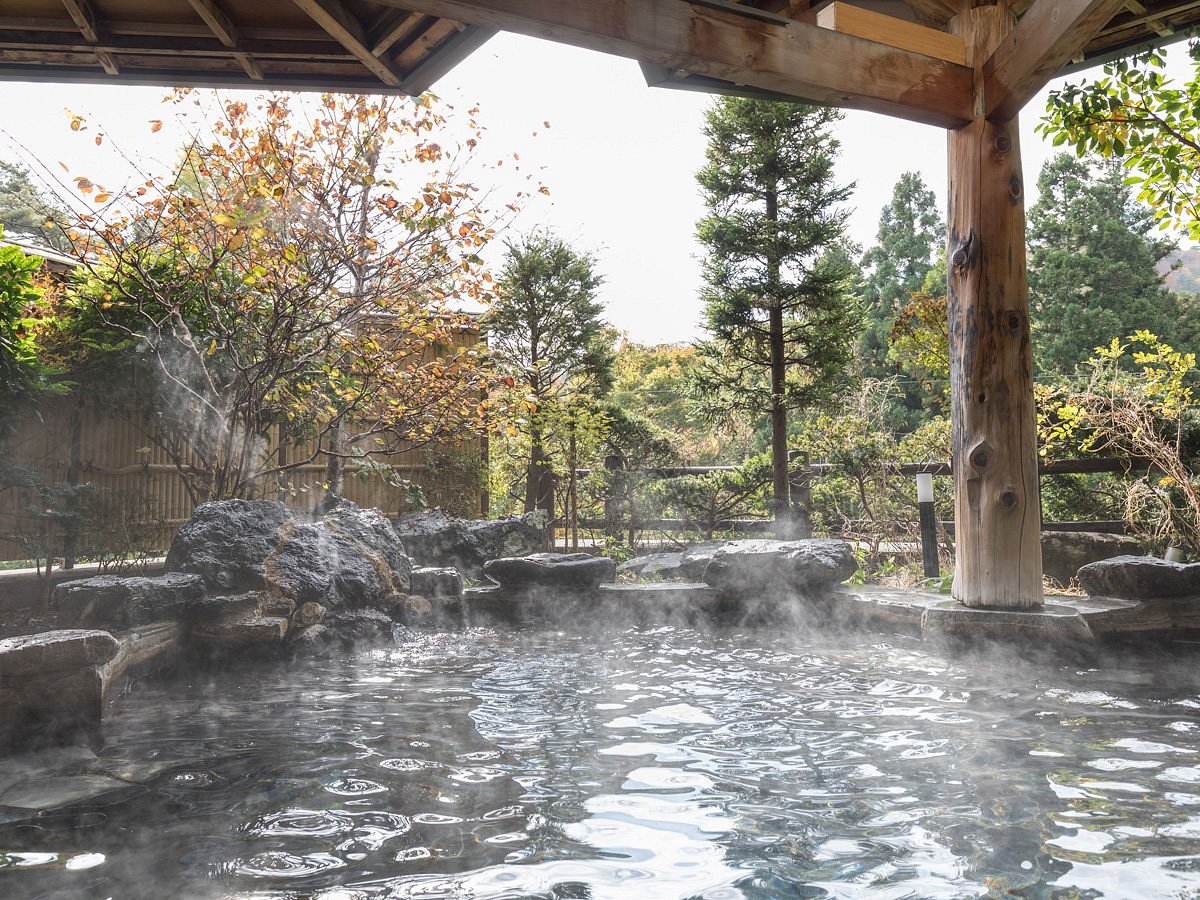
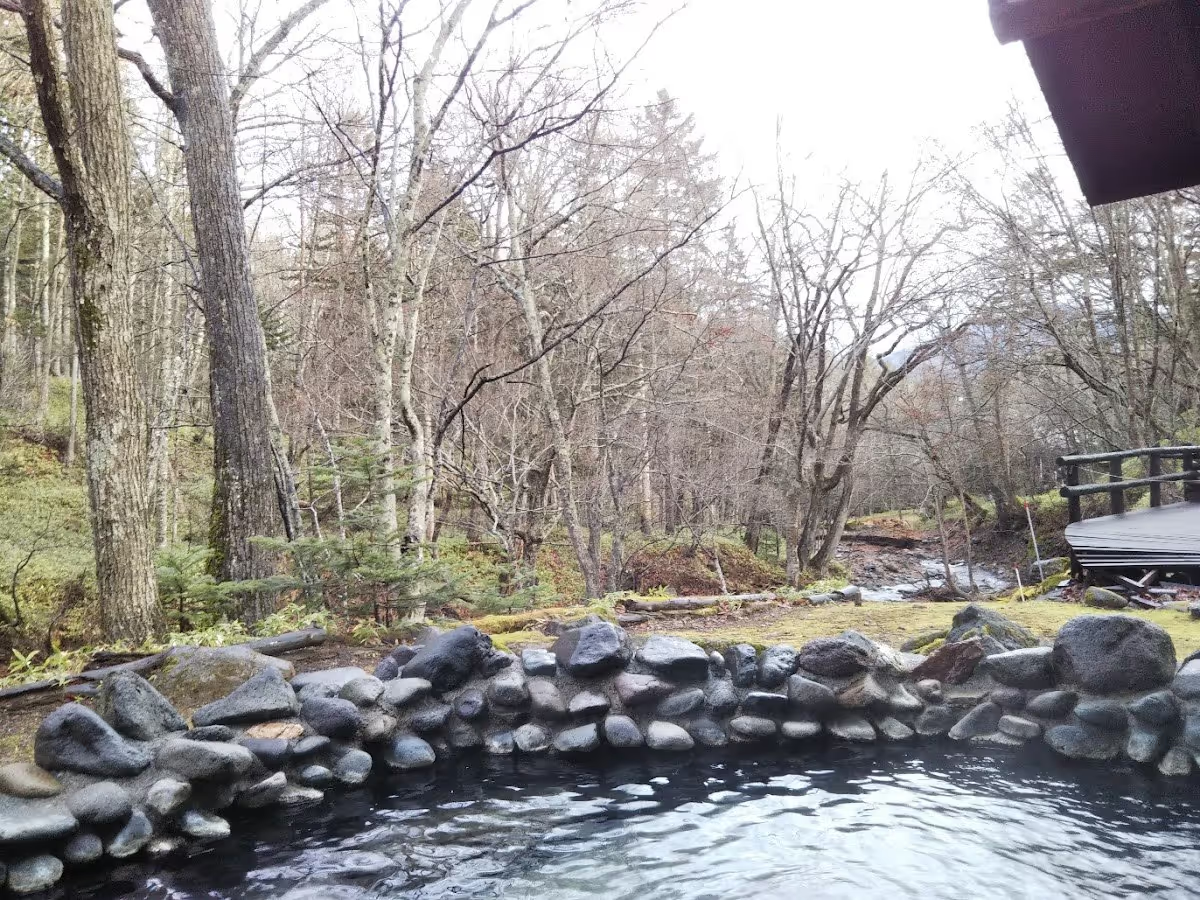
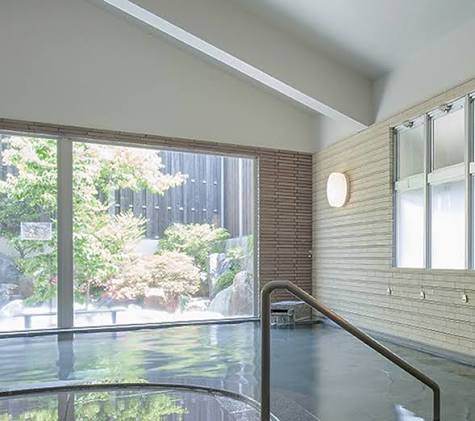
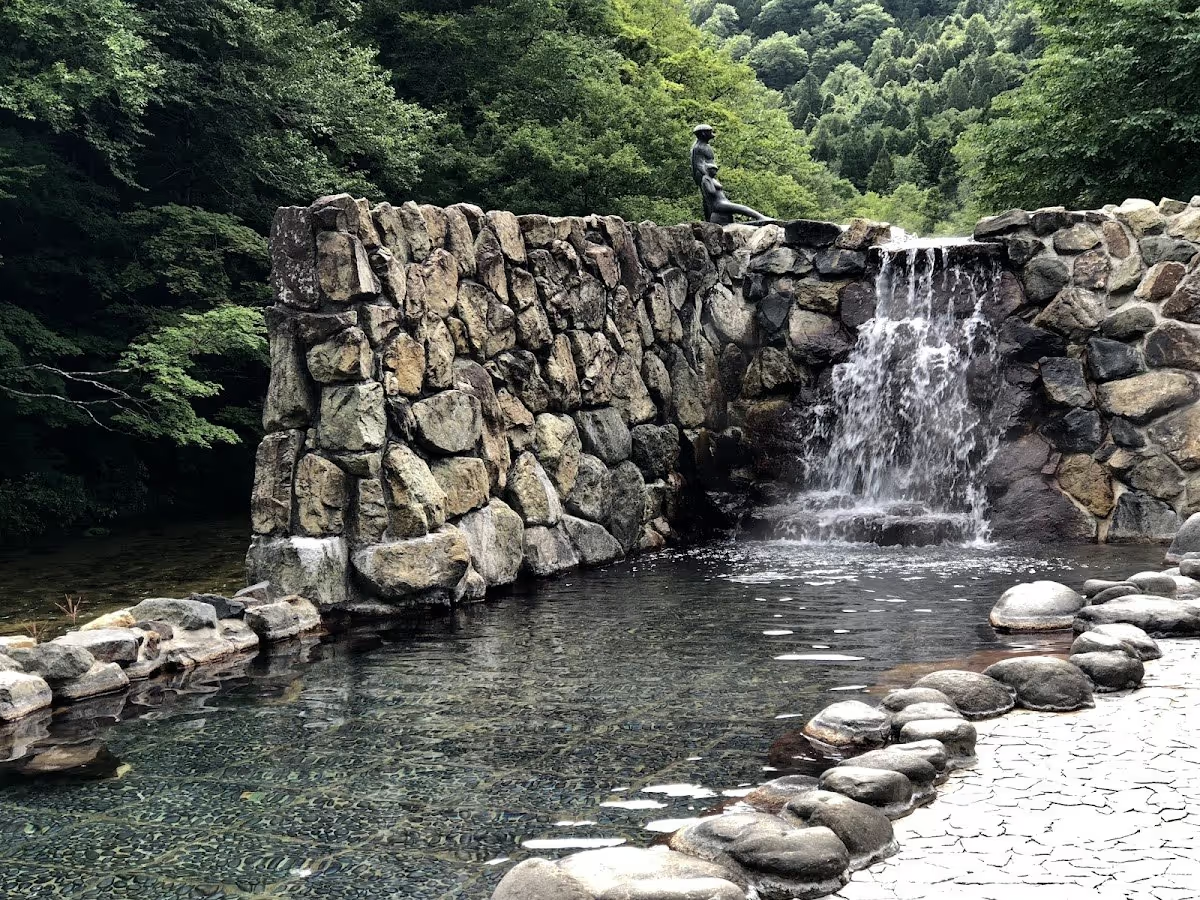
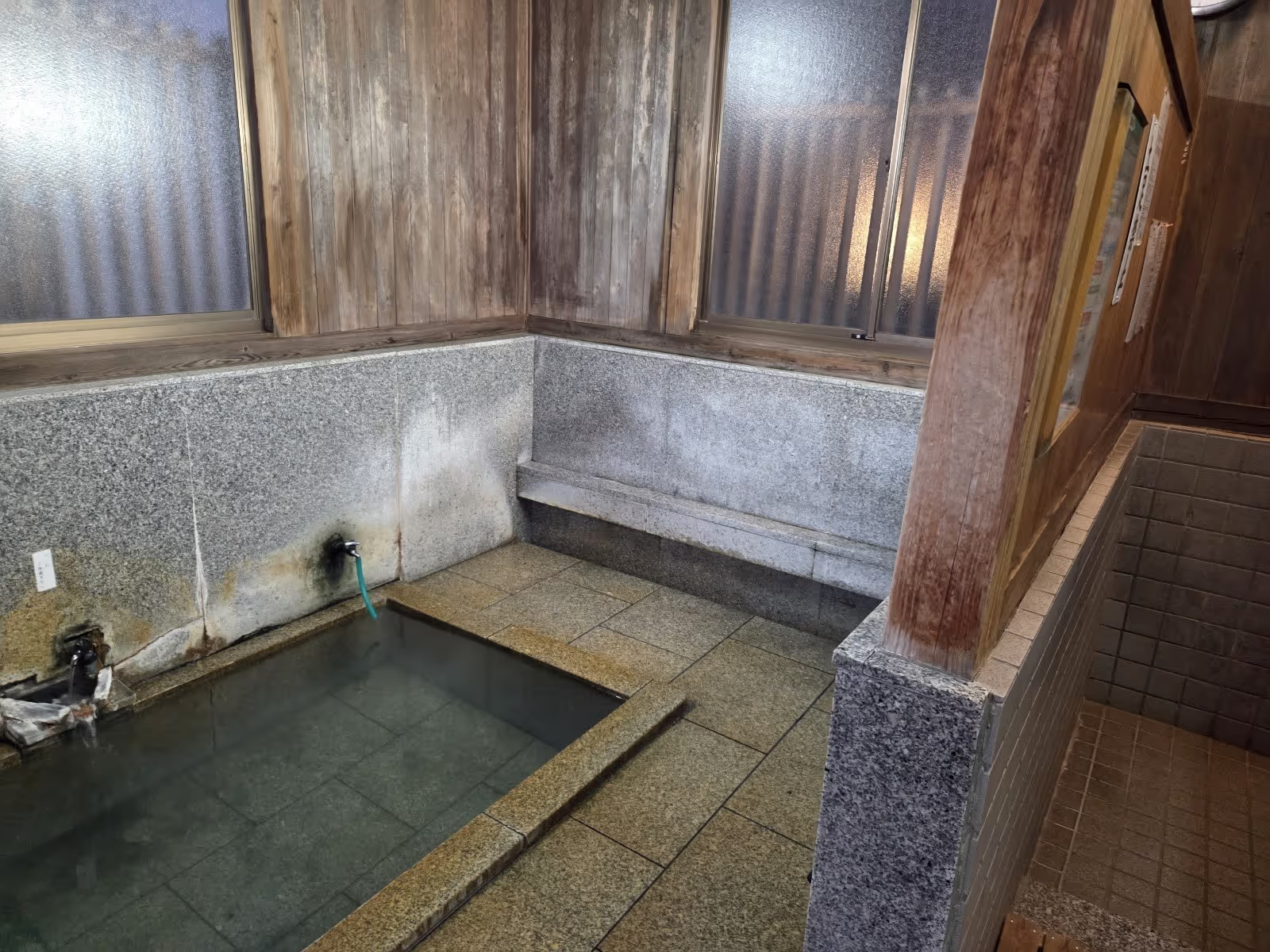
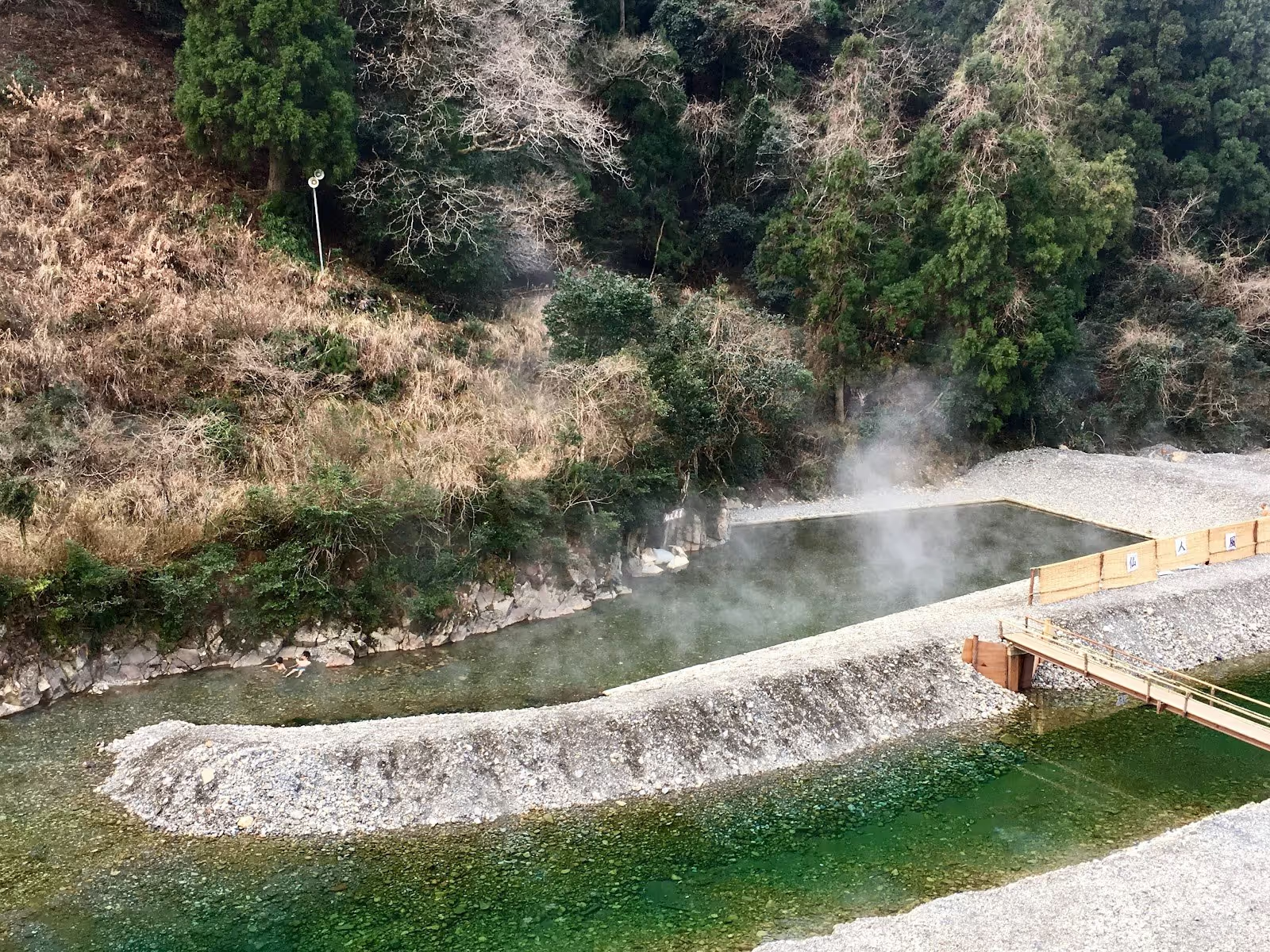
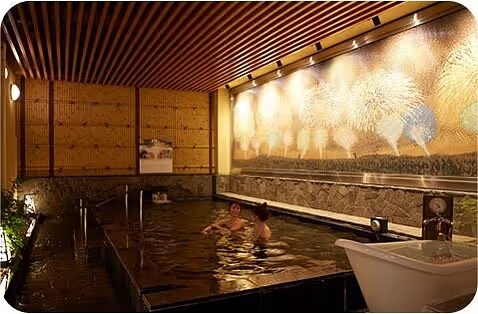
Onsen bathing is bound up with ryokan inns and a careful etiquette, where guests wash and rinse fully before soaking without swimwear in the shared bath. Many sites add an open-air rotenburo (露天風呂) that looks onto a mountainside, a river, or the sea. Of the 81 onsen listed in this directory, 79 charge for entry and just two, Nozawa Onsen and the Kawayu river bath, are free public pools. Water is drawn from volcanic sources and fed into both indoor baths and outdoor pools. These form part of the wider hot springs in Asia.