
Quick FactsOverview
About Sukayu Onsen
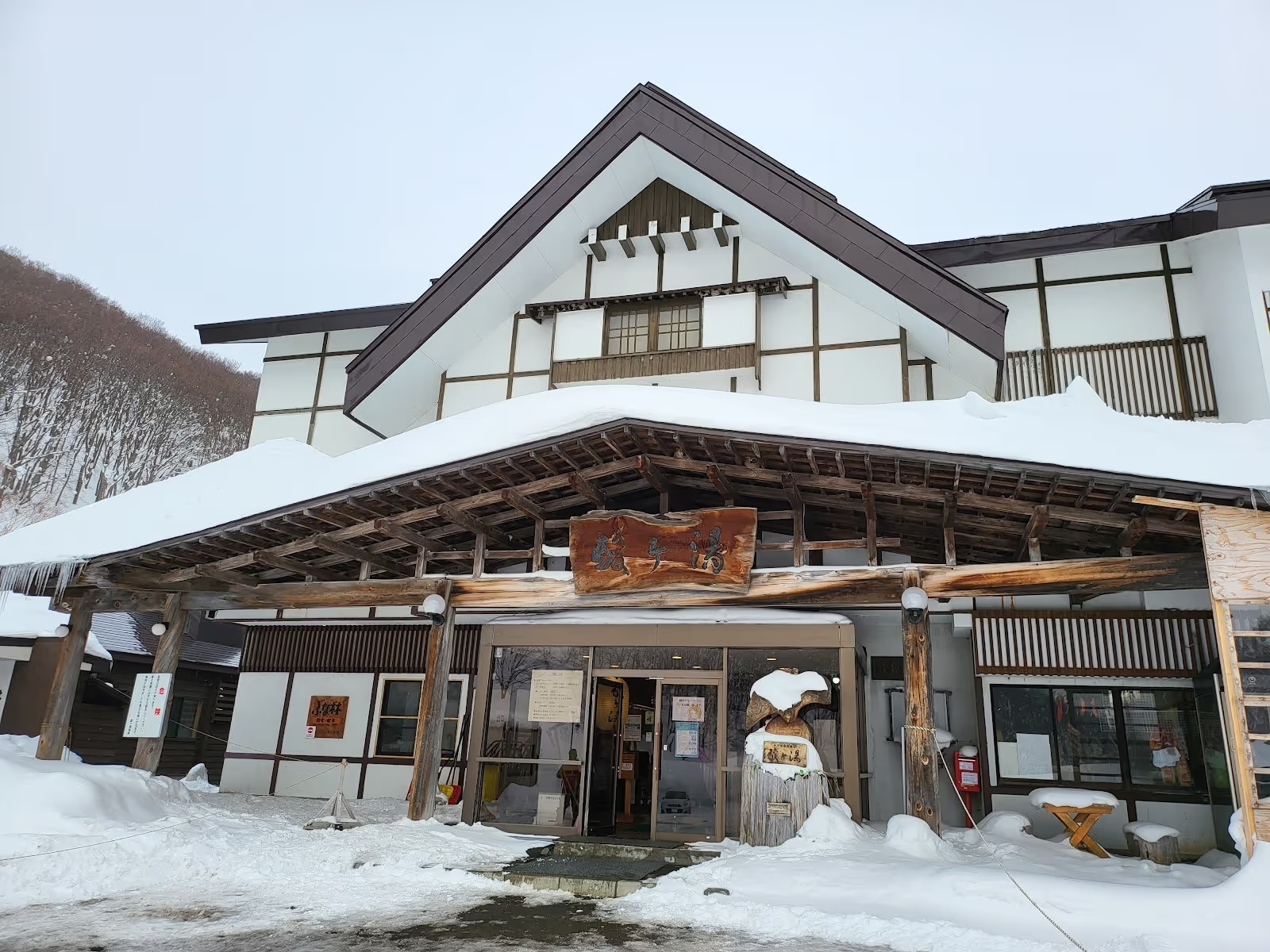
Sukayu Onsen, Japan is a historic hot spring ryokan at 900 metres elevation in the Hakkoda Mountains, Aomori City, Aomori Prefecture, within Towada-Hachimantai National Park. It has operated for approximately 340 years and was the first facility in Japan to be designated a National Health Onsen Resort, in 1954. The name Sukayu derives from a legend in which an injured deer was found to have healed its wounds in the hot spring, the water being too acidic to call by the original name Shikayu. The ryokan occupies a large traditional timber building, the oldest in the Hakkoda area.
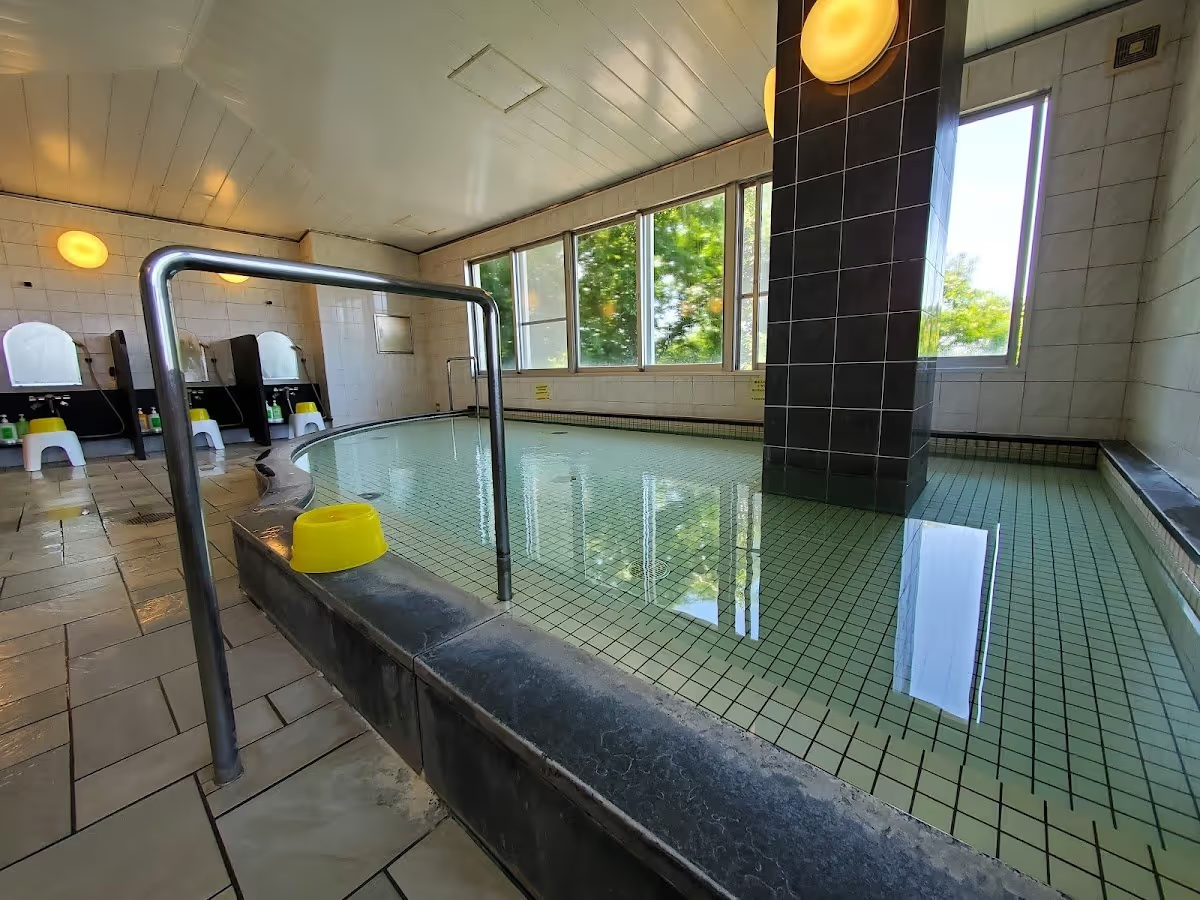
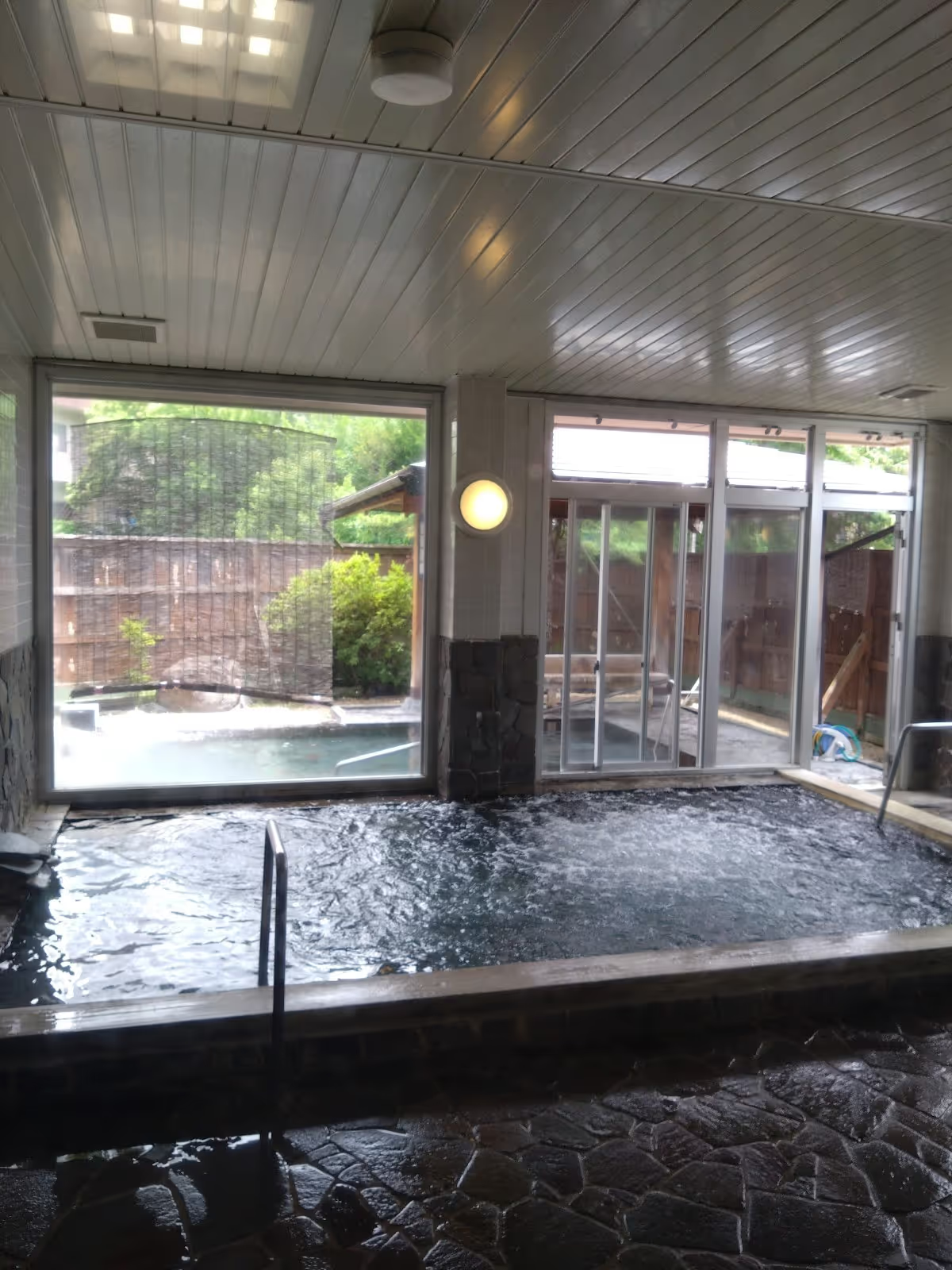
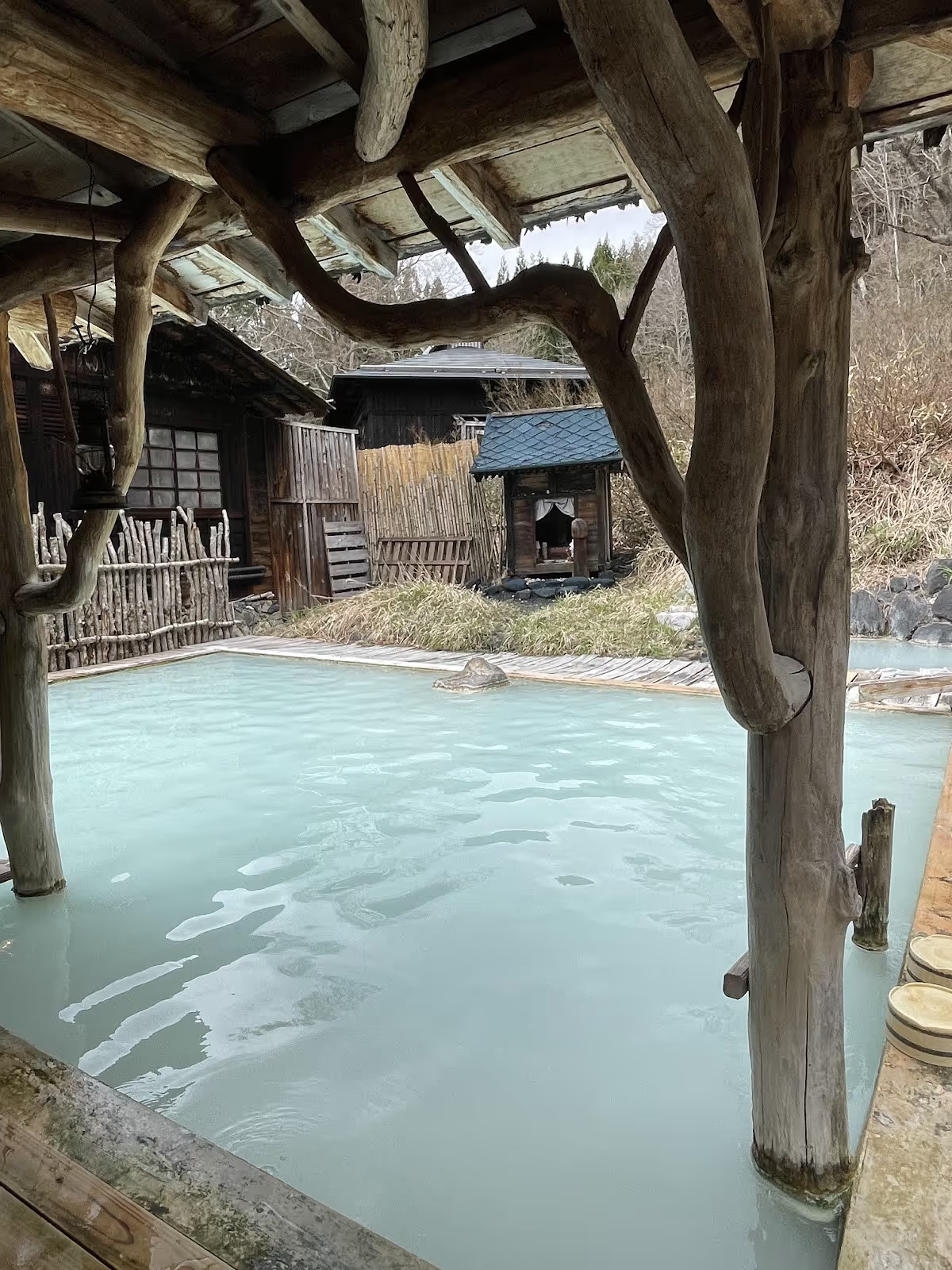
The most famous feature is the Hiba Sennin-buro, or Bath of a Thousand Bathers, a vast indoor co-ed bath covering approximately 248 square metres, constructed entirely from Aomori hiba cypress. The Sennin-buro contains five pools including hot, cold, and waterfall baths, and is filled with milky opaque acidic sulfate spring water with a strong sulfurous scent. Gender-separated bathing is available in the adjacent Tamanoyu. The Sennin-buro is co-ed for most of the day, with a women-only period from 08:00 to 09:00 each morning. Sukayu is also recorded as the snowiest inhabited place on Earth, with an average yearly snowfall of 17.6 metres, making it a popular destination for skiers in winter.
Location & Access
Getting to Sukayu Onsen
Sukayu Onsen is approximately 40 to 45 minutes by car from Aomori City and is accessible by road all year round despite extreme winter snowfall. By public transport, take the JR Bus Mizuumi-go from Aomori Station (East Exit) to the Sukayu Onsen Mae stop, approximately 70 to 80 minutes and 1,360 yen one way; this service is also covered by the JR Tohoku Area Pass and the Japan Rail Pass. From Shin-Aomori Station, the same bus route takes approximately 80 minutes. Only three bus departures per day operate from Aomori, so checking the schedule in advance is essential. From Tokyo, take the JR Tohoku Shinkansen to Shin-Aomori Station, approximately three hours and 10 minutes, then connect to the bus.
Day-use bathing is available without overnight accommodation. The Hiba Sennin-buro (co-ed) is open for day visitors from 07:00 to 17:30 with last entry at 17:00; the women-only period is 08:00 to 09:00. Tamanoyu (gender-separated) is open 07:00 to 17:00. Day-use admission is 600 yen for access to one bath; a 1,000 yen option includes access to both baths, rest area use, and a rental towel. Overnight accommodation includes access to all baths and restaurant; room rates start from approximately 8,910 yen per person. An on-site restaurant serves local Sukayu soba and regional cuisine.
Suitability & Accessibility
Who Sukayu Onsen Suits
Sukayu Onsen suits visitors who want a historic, large-scale mountain onsen experience with genuine co-ed bathing in a traditional setting. The sheer scale of the Hiba Sennin-buro and its continuous-flow spring water make it unlike typical urban or resort onsens. It attracts a mix of onsen traditionalists, hikers using the Hakkoda mountain trail network, and skiers accessing Hakkoda ski area in winter. The combination of mountain wilderness, traditional timber architecture, and the first-designated National Health Onsen status gives it a particular cultural weight among hot spring enthusiasts.
Day visitors are welcome for 600 yen without booking, making it practical for a half-day stop from Aomori City. Those who are not comfortable with co-ed bathing can use the Tamanoyu gender-separated bath instead, or use the Sennin-buro during the morning women-only period. Swimwear can be purchased on-site for those who want additional modesty in the co-ed bath. Families are welcome.
Wheelchair access is not practically achievable given the mountain location and traditional building layout. The water is highly acidic; those with sensitive skin should take precautions. Winter visits are dramatic with deep snow, but the location receives extreme snowfall and visitors should be prepared for winter driving conditions on the mountain approach. This is one of the more remote hot springs in Japan accessible by public transport.
Safety & Etiquette
Sukayu Onsen Safety Tips
Sukayu Onsen is generally safe as a staffed ryokan and day-use facility, but the highly acidic spring water, the very hot temperatures, and the remote mountain setting require specific awareness that is not needed at most hotel or urban onsens.
The spring water is an acidic sulfate type with a strong sulfurous odour. Do not submerge the face or eyes in the water, and rinse skin thoroughly after bathing. People with sensitive skin or active skin conditions may find the acidity irritating; exit and rinse immediately if any irritation occurs. Bath temperatures vary across the five pools in the Sennin-buro; test each pool before entering fully, and use the cold pool to cool down between hot pool sessions. Limit soaking to 10 to 15 minutes per session, exit and rest, drink water between soaks, and do not combine long soaks with alcohol. People with heart conditions, hypertension, or open wounds should consult a doctor before bathing. The highly acidic water discolours some materials; avoid bringing valuable jewellery into the bath.
In winter, Sukayu receives some of the heaviest snowfall of any inhabited place on Earth. The mountain road is kept open all year but conditions can be severe; use winter tyres and check road conditions before departing from Aomori. The ryokan building and outdoor access paths can be snow-covered; take care on slippery surfaces. The co-ed Sennin-buro uses opaque milky water, which provides natural privacy; observe conventional co-ed bathing etiquette and do not stare or photograph other guests. Shampoo, conditioner, and body wash are available inside the bath area.