Quick FactsOverview
About Nachikatsuura Onsen, Wakayama
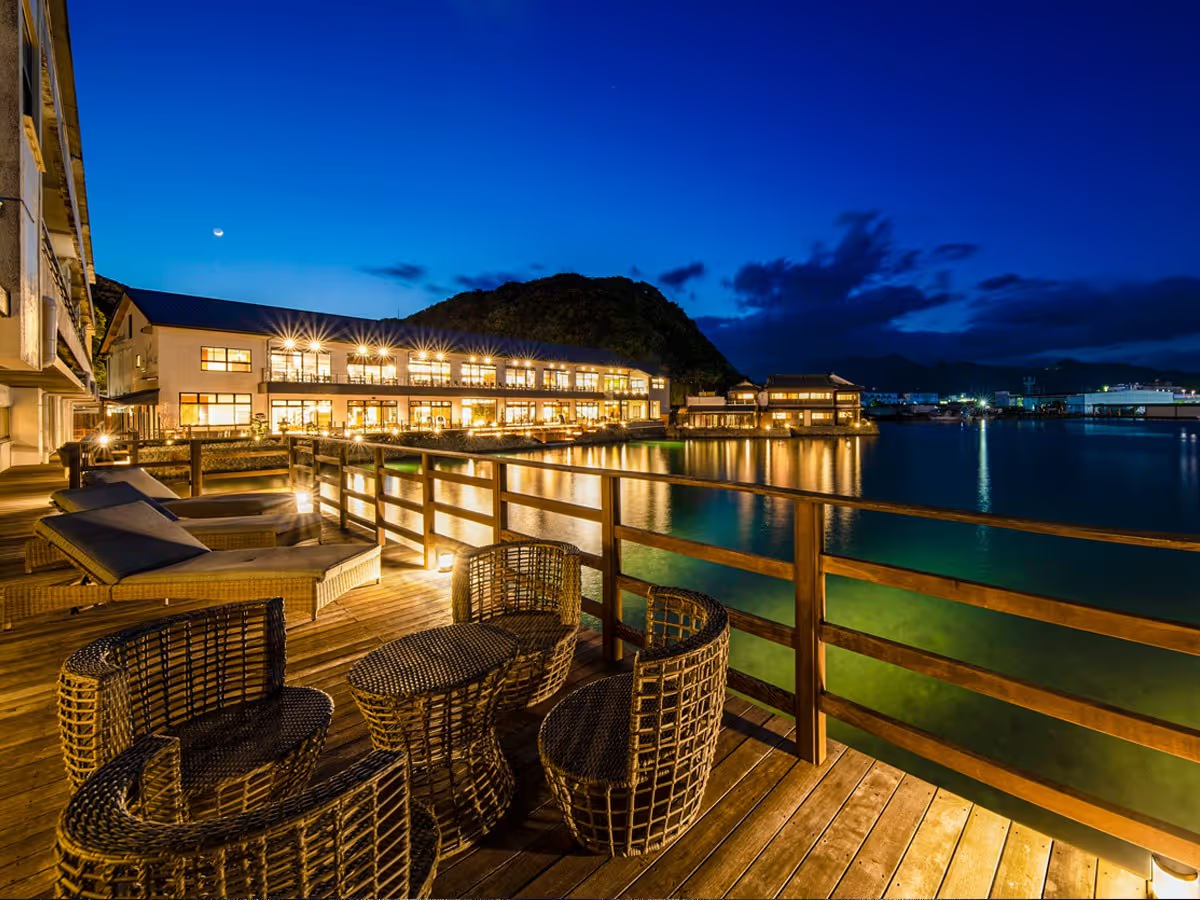
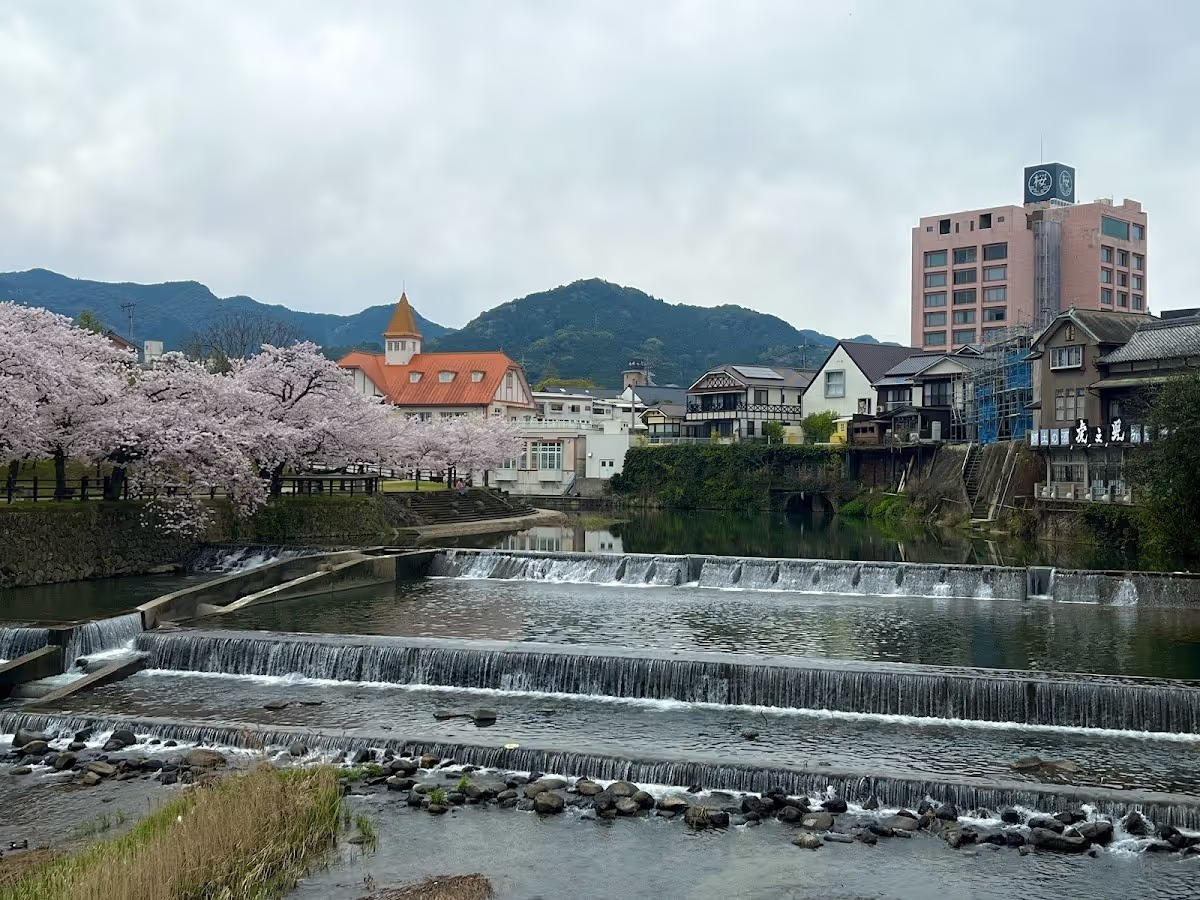
Nachikatsuura Onsen, Japan is a hot spring resort town located on the Pacific coast of Higashimuro District, Wakayama Prefecture, on the southern tip of the Kii Peninsula, approximately 130 kilometers south of the city of Shingu and directly adjacent to Katsuura Bay and the deep-water tuna fishing port of Katsuura. The town sits within the broader Kumano UNESCO World Heritage area and is the primary accommodation base for visitors exploring the Nachi area of the Kumano heritage landscape, including Nachi Falls, the tallest single-drop waterfall in Japan, and Kumano Nachi Taisha shrine, one of the three grand shrines of the Kumano pilgrimage network. The combination of onsen resort facilities, Pacific ocean frontage, and immediate access to the most celebrated waterfall and pilgrimage shrine on the southern Kii Peninsula gives Nachikatsuura a layered and well-positioned character among Wakayama onsen destinations.
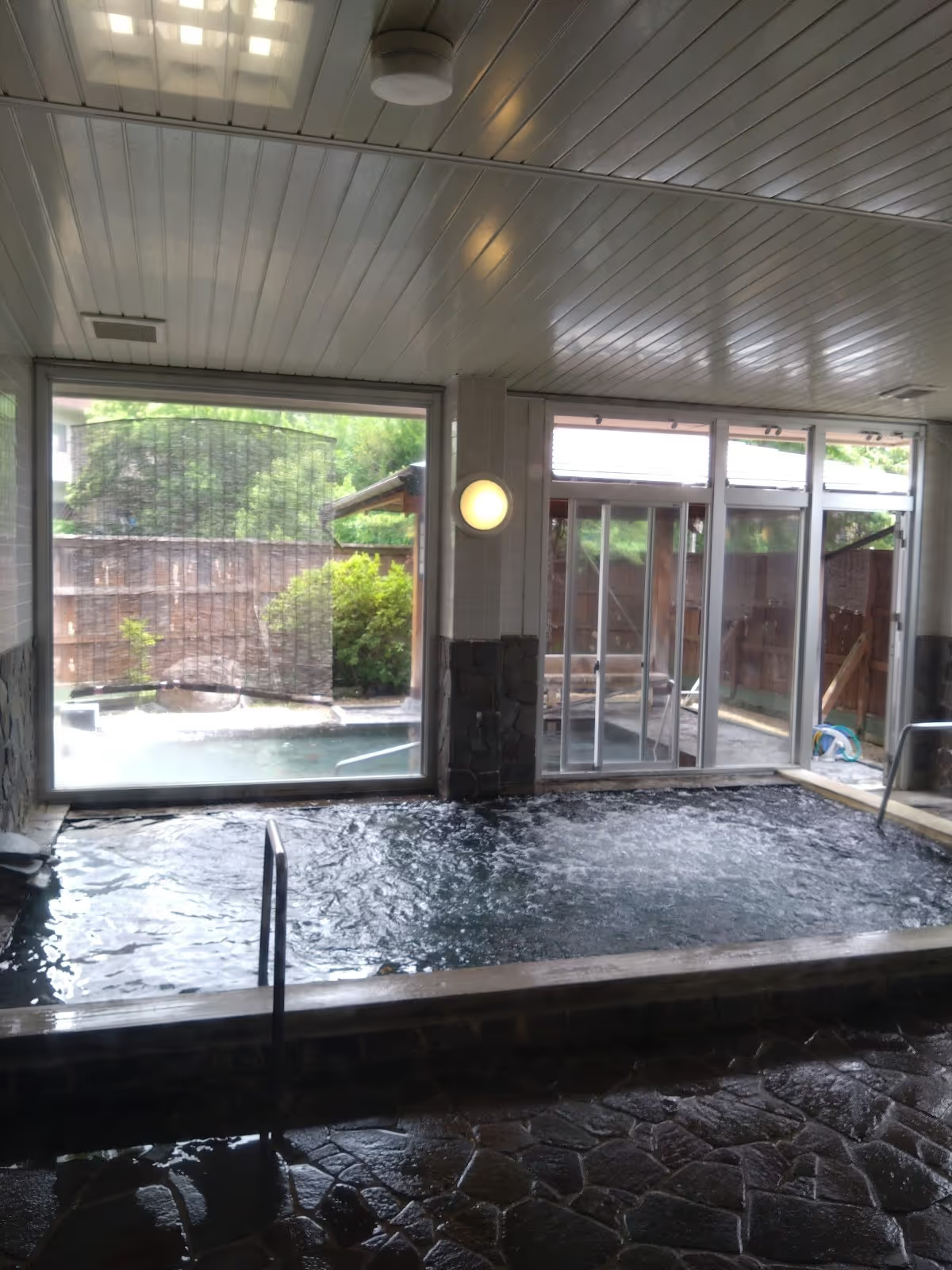
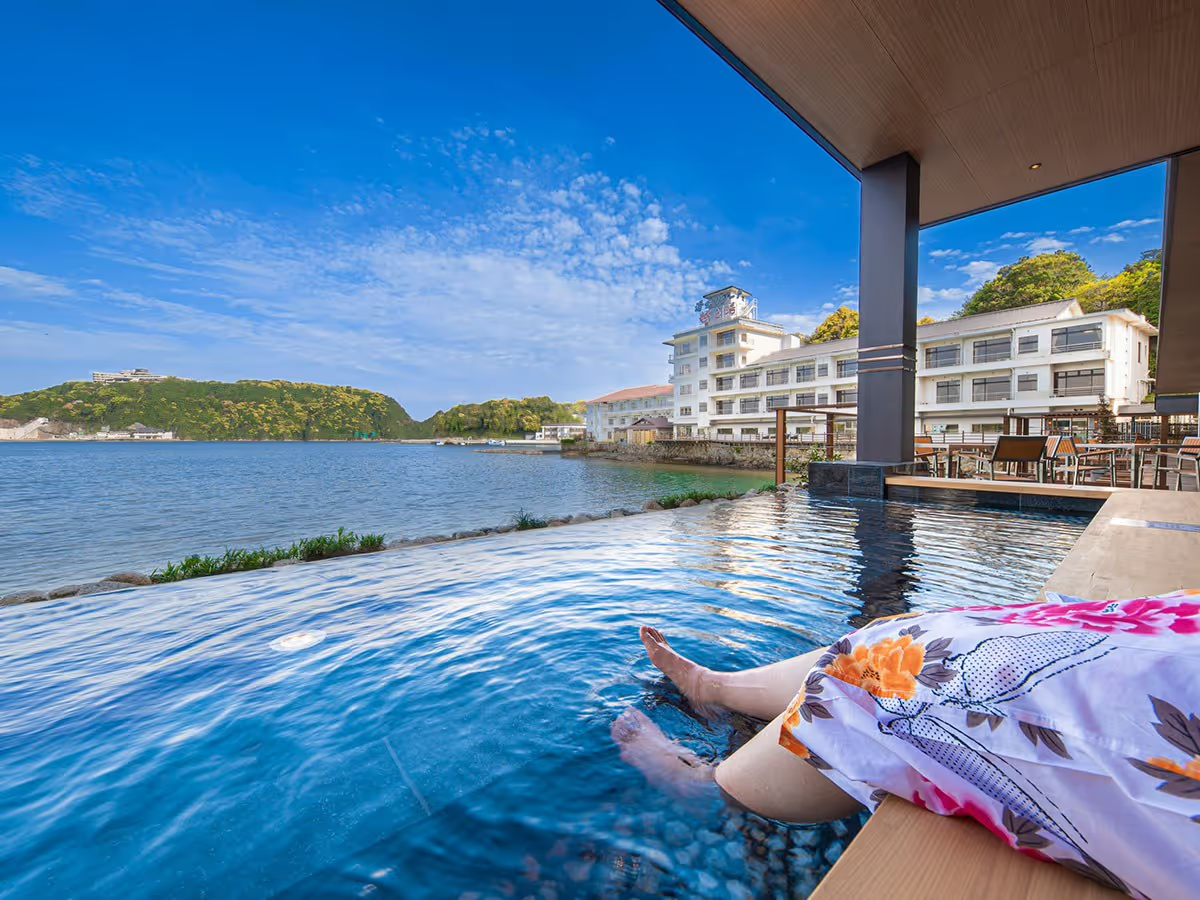
The spring water at Nachikatsuura is sodium bicarbonate in type, clear and mild, distributed to the large hotel ryokan and smaller inns arranged along the bay and hillside above the port. Several larger properties have outdoor rotenburo or bathing floors with direct views over Katsuura Bay and the Pacific, a setting that gives the onsen experience an oceanic scale and openness distinct from the more enclosed gorge or forest bathing found at inland Wakayama destinations. The port town character of Katsuura, with its fresh tuna auction, seafood restaurants, and fishing vessel traffic, gives the stay a strongly regional food culture dimension. Bluefin tuna is one of the defining products of the Katsuura port and is featured prominently at ryokan meals and local restaurants throughout the town. For visitors seeking hot springs near Nachikatsuura with access to both the Kumano pilgrimage landscape and a Pacific coast seafood culture, the town is the most complete base on the southern Kii coast.
Location & Access
Getting to Nachikatsuura Onsen
Nachikatsuura is served by Kii-Katsuura Station on the JR Kisei Main Line. The Kuroshio limited express runs from Osaka Tennoji to Kii-Katsuura in approximately two hours and 45 minutes, and from Shin-Osaka in a similar time. From Nagoya, the Nanki limited express on the Kisei Main Line reaches Kii-Katsuura in approximately three hours and 30 minutes. The station is located at the edge of the port town and the main ryokan district along the bay is within walking distance or a short taxi ride from the station.
Visitors traveling by car can reach Nachikatsuura from the Kinki Expressway and Kisei Expressway network, with the drive from Osaka taking approximately two hours and 30 minutes to three hours depending on the specific route and traffic. The coastal and mountain roads of the southern Kii Peninsula are scenic but winding, and journey times by road can be longer than expected for visitors unfamiliar with the terrain. Parking is available at most ryokan and at public car parks near the port and station area.
From Kii-Katsuura Station, buses serve Nachi Falls and Kumano Nachi Taisha shrine, with journey times of approximately 20 to 25 minutes. The falls and shrine are the primary day excursion from the town and are accessible without a car. For those seeking hot springs near Nachikatsuura as a base for the Kumano Nachi heritage area, the combination of the limited express from Osaka and the local bus connection to the falls makes Nachikatsuura one of the more transport-accessible heritage onsen bases on the southern Kii coast. The town is also a stopping point on some Kumano Kodo pilgrimage route segments, and walkers completing sections of the pilgrimage often use the town as a rest and recovery base.
Suitability & Accessibility
Who Nachikatsuura Onsen Suits
Nachikatsuura Onsen suits visitors who want to combine Pacific coast onsen bathing with access to the Kumano UNESCO World Heritage landscape, particularly Nachi Falls and Kumano Nachi Taisha shrine. The town is the most practical overnight base for visitors who want to visit the falls and shrine without day-tripping from a more distant city, and the large ryokan along the bay provide a comfortable and food-rich stay that pairs naturally with a morning visit to the waterfall and shrine complex. Couples and solo travelers with an interest in both onsen culture and the Kumano pilgrimage heritage will find Nachikatsuura well positioned for a two-night stay.
Visitors with a serious interest in Japanese seafood culture will find the tuna-port character of Katsuura a compelling draw in its own right. The fresh tuna auction at the port, the seafood market, and the multi-course tuna-focused meals at the larger ryokan are a distinctive regional food experience that gives the stay a dimension beyond the onsen and the heritage sites. Families are accommodated at several ryokan, and the accessible bus connection to the falls and shrine provides a practical family excursion from the town center without requiring a car.
Visitors looking for accessible hot springs in Japan should note that the bay-facing resort area of Nachikatsuura is relatively flat along the waterfront, though some hillside properties involve inclines. The larger hotel-style ryokan are more likely to have accessible room and bathing configurations than smaller traditional inns. Guests with mobility concerns should confirm specific arrangements before booking. Among the onsen towns in Japan that combine Pacific coast bathing, fresh seafood culture, and UNESCO World Heritage access within a single destination, Nachikatsuura Onsen offers one of the most complete and regionally distinctive experiences available on the southern Kii Peninsula.
Safety & Etiquette
Safety and Etiquette at Nachikatsuura Onsen
Nachikatsuura Onsen is a well-managed and safe resort town. The spring facilities at ryokan and hotels are maintained and present no unusual hazards. The coastal location on the Pacific introduces some weather-related considerations specific to the southern Kii Peninsula. The area is within the typhoon track zone and late summer and early autumn can bring heavy rainfall, high surf, and strong winds. Visitors should check weather conditions before travel during the typhoon season from late August through October and follow any local guidance during severe weather events.
Tsunami preparedness is relevant in this coastal area. Nachikatsuura and the broader southern Wakayama coast are in a zone considered at risk from tsunamis generated by offshore seismic events in the Nankai Trough. Evacuation routes and designated high ground areas are marked throughout the town, and visitors should familiarize themselves with the nearest evacuation point when checking into accommodation. In the event of a major earthquake, moving immediately to higher ground without waiting for an official warning is the recommended response for coastal areas in this zone.
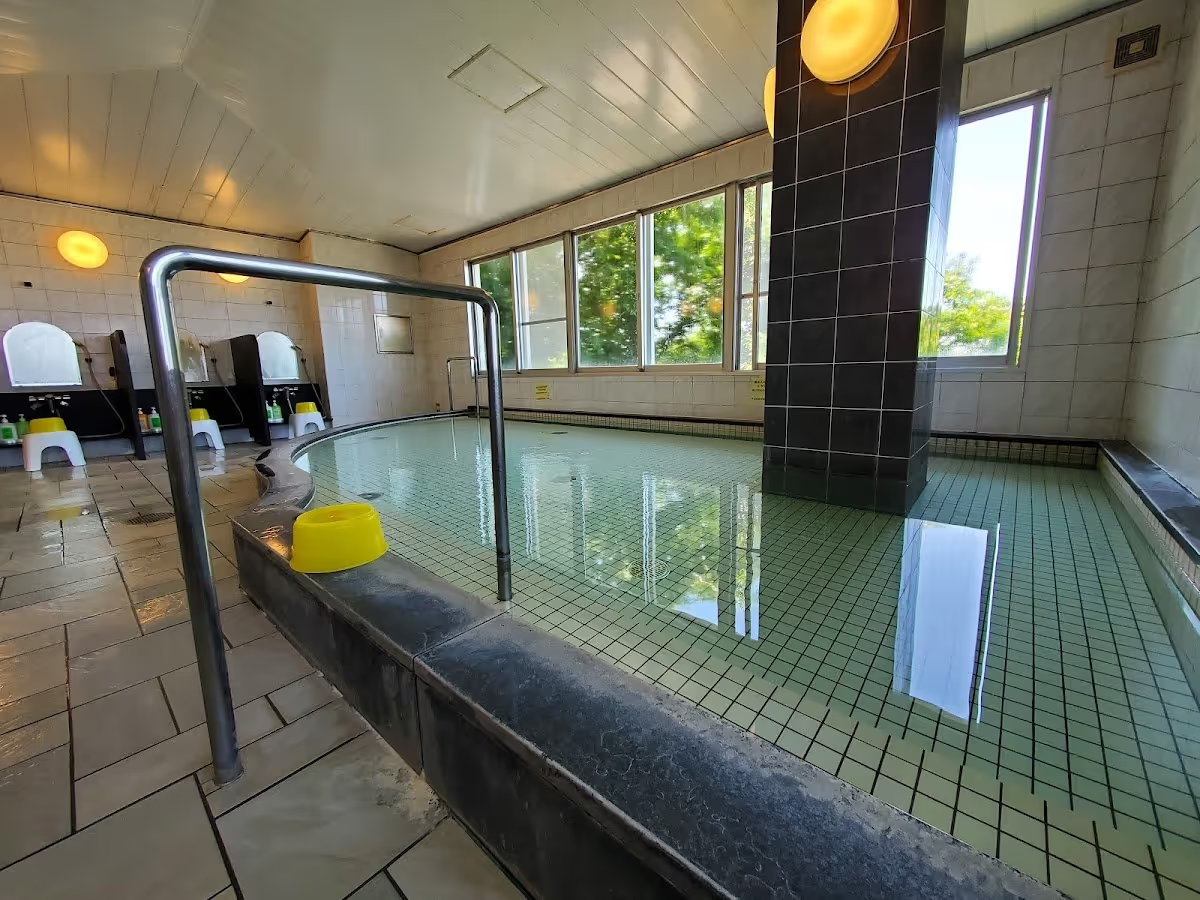
Standard Japanese onsen etiquette applies at all ryokan and hotel bathing facilities in Nachikatsuura. Bathers must shower and wash thoroughly at the provided wash stations before entering any communal bath. Towels must not be submerged in the water. Bathing areas are gender-separated at most facilities. Swimwear is not worn in traditional indoor baths. The sodium bicarbonate water is mild and produces no significant staining of fabric or jewelry.
Tattoo policies at Nachikatsuura ryokan follow general Japanese practice. Some larger hotels may offer private bath arrangements for tattooed guests. Confirming policy when booking is recommended. Photography inside enclosed bathing facilities is not permitted. The outdoor ocean-facing baths at some properties may permit photography of the sea view in designated areas, but this should be confirmed with staff. Children should be supervised at all times in bathing areas and near the coastal waterfront. Guests with cardiovascular conditions should seek medical advice before bathing in hot water.