Quick FactsOverview
About Ureshino Onsen, Saga
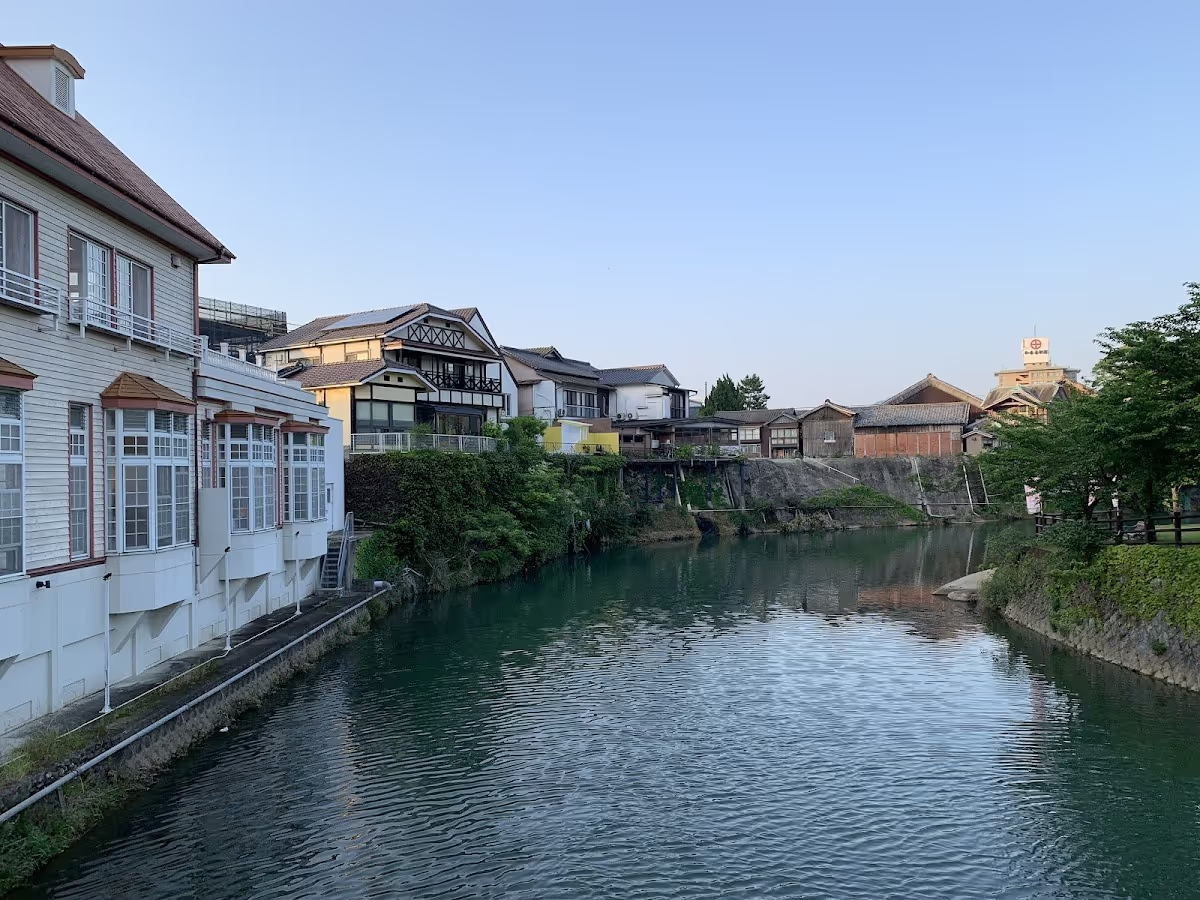
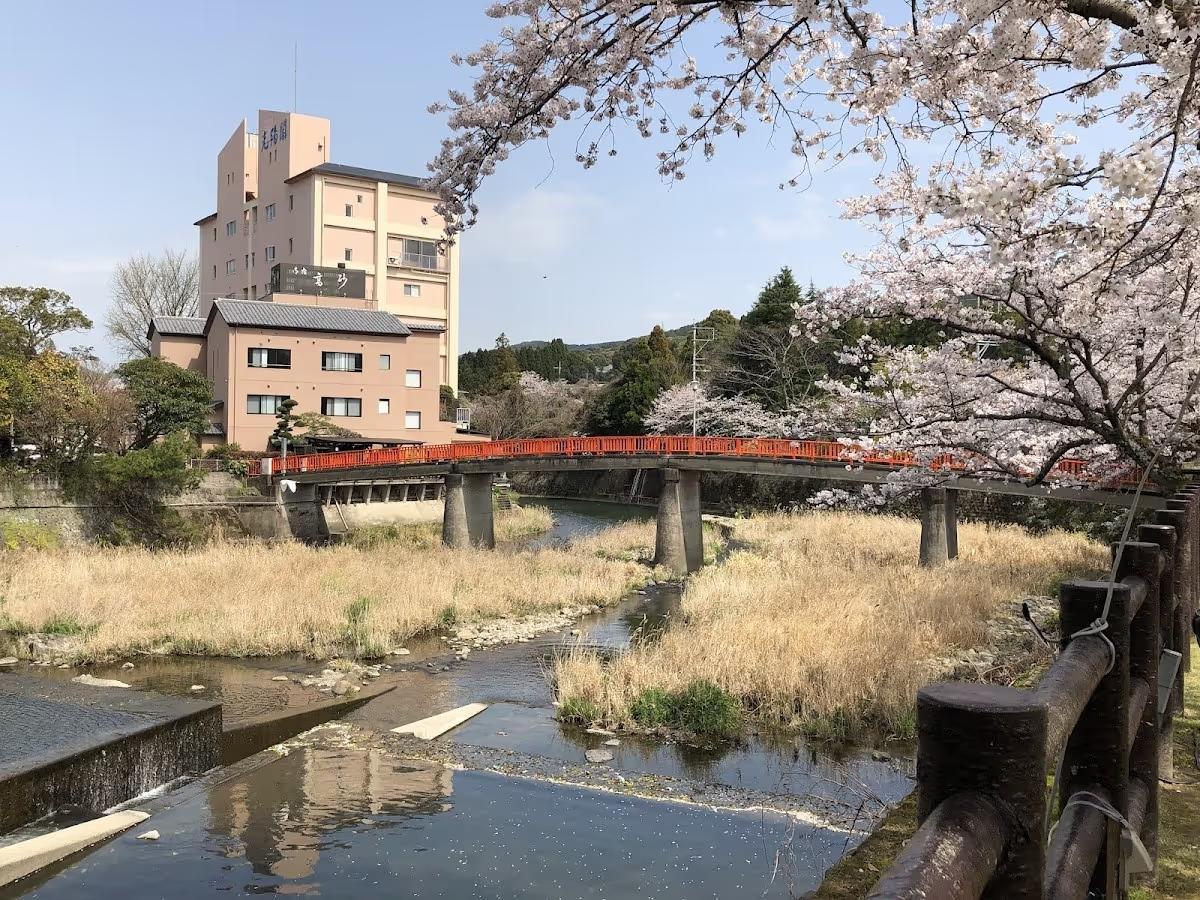
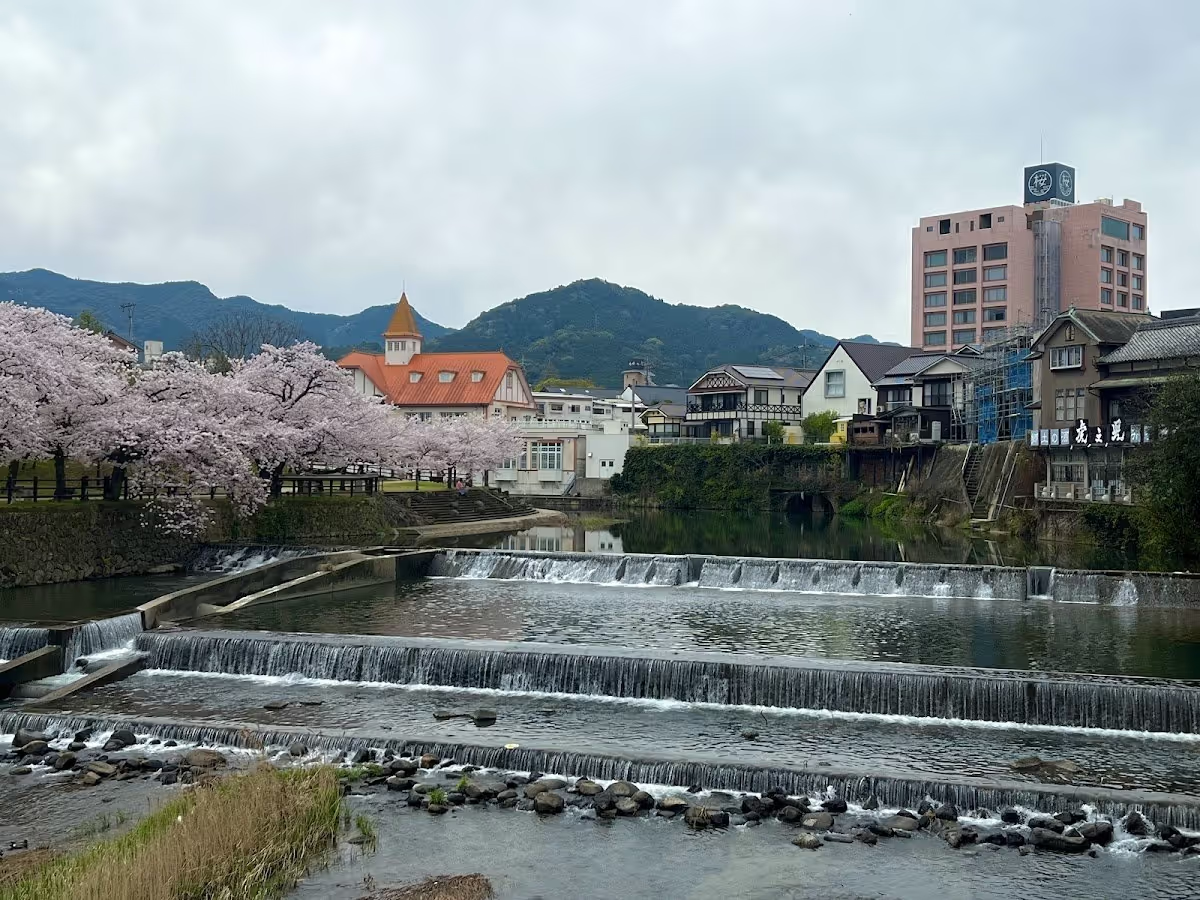
Ureshino Onsen, Japan is a hot spring town located in Ureshino City, Saga Prefecture, on the island of Kyushu, in a river valley surrounded by tea-cultivating hillsides approximately 40 kilometers south of Saga City. It is one of the most established onsen destinations in the Kyushu region and is particularly well known within the Japanese onsen tradition for the strongly alkaline character of its spring water, which has a notably high pH and produces a pronounced skin-softening effect that is among the most immediately perceptible of any spring type in Japan. The town sits along the Ureshino River, with ryokan arranged on both banks of the river and a bridge connecting the main bathing and accommodation district.
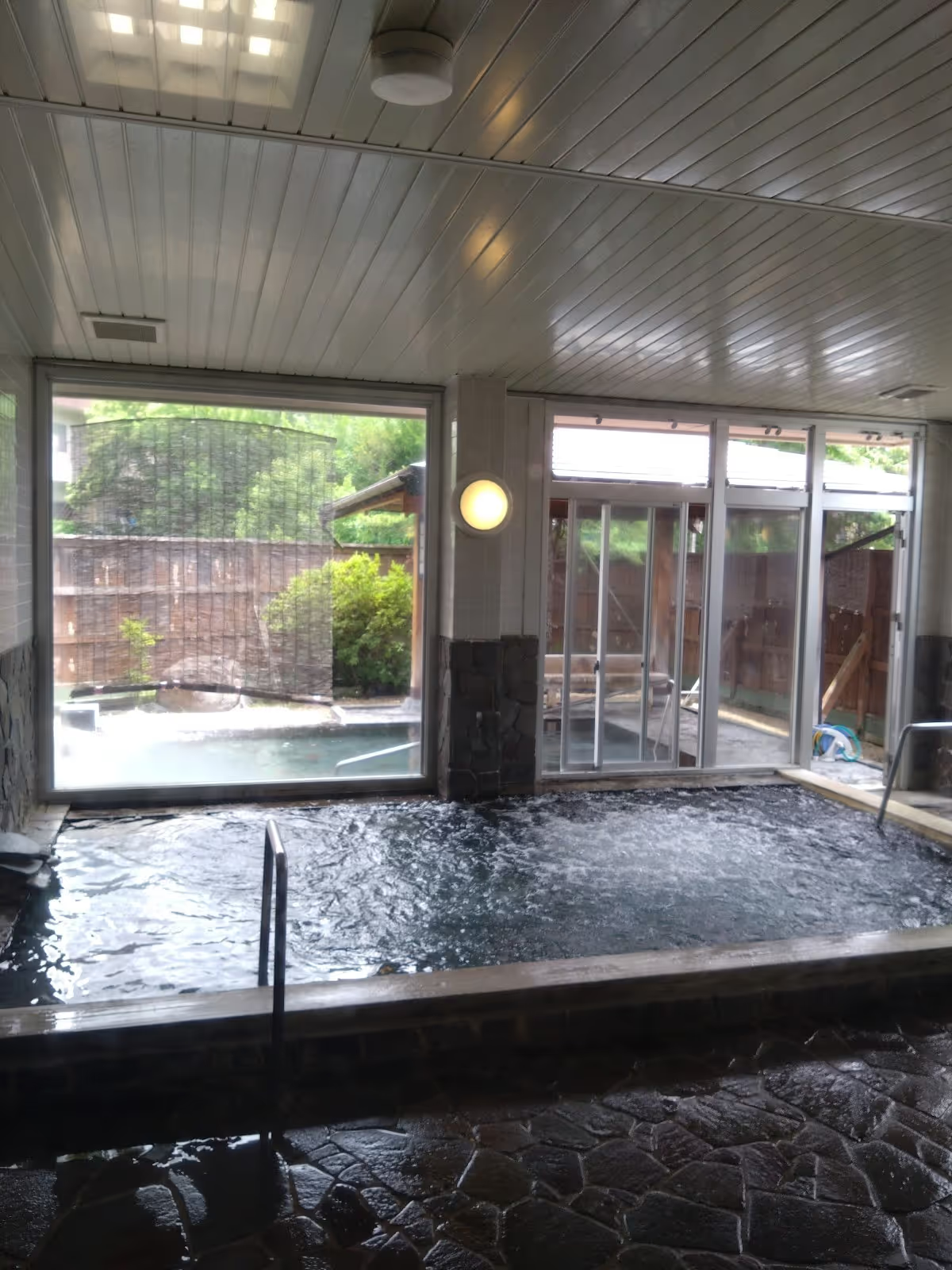
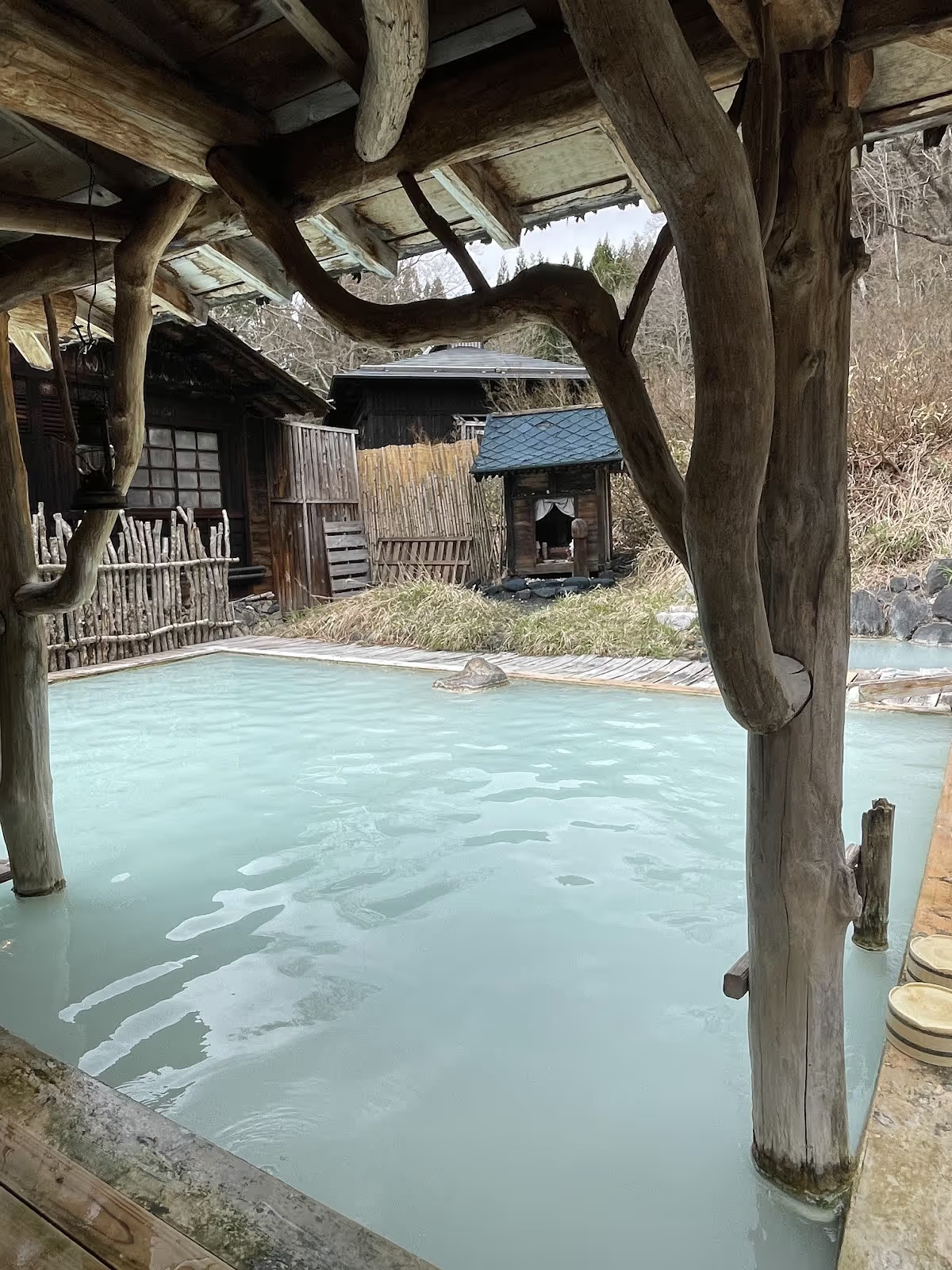
The spring water at Ureshino is sodium bicarbonate in type with an unusually high alkalinity, producing a slippery and smooth sensation on the skin that is commonly described in Japanese as bijin-no-yu, meaning water that beautifies. This alkaline character is the defining feature of the Ureshino spring and has historically been cited as the primary reason visitors choose the town over other Kyushu onsen destinations. Several public bathhouses are open to day visitors alongside the ryokan district, and the town has a well-functioning public bathing culture that makes it accessible without an overnight booking. Ureshino is also a significant tea-producing area, with the surrounding hillsides cultivating Ureshino tea, a green tea variety with its own regional character. Ryokan meals and local restaurants in the town incorporate tea into several dishes including a local specialty of tea-infused tofu known as cha-tofu. The combination of highly alkaline spring water, riverside ryokan culture, and distinctive regional food makes Ureshino one of the more characterful onsen towns in northern Kyushu. For visitors seeking hot springs near Ureshino in Saga Prefecture, the town is the most significant and historically documented onsen destination in the area.
Location & Access
Getting to Ureshino Onsen
Ureshino Onsen is most practically reached by bus or car, as the town does not have a direct rail connection. The nearest rail access points are Hizen-Kashima Station on the JR Nagasaki Main Line and Takeo Onsen Station, also on the JR Nagasaki Main Line. From Takeo Onsen Station, Nishitetsu Bus services run to Ureshino Onsen in approximately 25 minutes. Takeo Onsen Station is accessible from Hakata Station in Fukuoka via the Nishi-Kyushu Shinkansen to Takeo Onsen, a journey of approximately 30 minutes from Hakata. This combination of Shinkansen and bus makes the total journey from Fukuoka to Ureshino approximately one hour.
Visitors traveling by car can reach Ureshino from the Nagasaki Expressway via the Ureshino interchange, with the drive from Fukuoka taking approximately one hour and 20 minutes and from Nagasaki approximately one hour. Parking is available at most ryokan and at public car parks near the riverside bathing district. The town center and riverside area are flat and compact once you arrive, and parking near the main street is generally accessible.
From Takeo Onsen Station, the bus connection to Ureshino is the most reliable option for visitors without a car. The Nishi-Kyushu Shinkansen, which opened in 2022, has improved access to the Takeo area significantly and makes Ureshino more straightforwardly reachable from Fukuoka and Nagasaki than it was previously. For those seeking hot springs near Ureshino with a Shinkansen connection, the Takeo Onsen bus combination is the current most practical public transport route, and the short overall journey time from Fukuoka makes a day visit feasible as well as an overnight stay.
Suitability & Accessibility
Who Ureshino Onsen Suits
Ureshino Onsen suits visitors who are specifically drawn to the skin-softening quality of highly alkaline spring water and who want to experience one of the most pronounced examples of this spring type available at an established onsen town in Japan. The bijin-no-yu reputation of the water is the primary draw for many visitors, and the immediate tactile effect of the high-pH water on the skin is something that can be experienced within the first bath session. Visitors who place particular value on the physical sensation and perceived skin effect of the spring water will find Ureshino more specifically rewarding than destinations where the water character is milder or less distinctive.
Couples and solo travelers seeking a comfortable riverside ryokan stay with strong regional food culture will find Ureshino well suited to a one or two night visit. The tea culture of the surrounding hills and the incorporation of Ureshino tea into local cuisine give the food dimension of a ryokan stay here a regional specificity that distinguishes it from more generic onsen town meal offerings. Families are accommodated at several ryokan, and the accessible public bathing facilities and flat riverside layout make the town manageable with children.
Visitors looking for accessible hot springs in Japan should note that the central riverside area of Ureshino is flat and manageable for most visitors. The larger and more recently built ryokan properties are more likely to offer accessible room and bathing configurations. Guests with significant mobility limitations should confirm specific arrangements with accommodation providers before booking. Among the onsen towns in Japan with a documented and immediately perceptible spring water character, Ureshino Onsen holds a well-established reputation as one of the most distinctive alkaline spring destinations in Kyushu and is a practical and rewarding choice for visitors in the Saga and Nagasaki region.
Safety & Etiquette
Safety and Etiquette at Ureshino Onsen
Ureshino Onsen is a safe and well-maintained town destination. The spring facilities at ryokan and public bathhouses are managed and present no unusual hazards. The riverside setting introduces some standard considerations around river levels during and after heavy rainfall, though the main onsen district is set at a safe distance from the normal river channel. The Ureshino area is in the Kyushu typhoon zone and late summer and early autumn can bring heavy rainfall. Checking weather conditions before travel during this season is advisable.
The strongly alkaline nature of the Ureshino spring water is its defining characteristic and is safe for bathing under normal conditions. The high pH can cause a mild tingling sensation on some skin types, particularly for visitors who are new to highly alkaline spring water. This is normal and not a cause for concern in healthy visitors. Visitors with very sensitive skin, eczema, or open wounds should exercise caution and may wish to limit initial session length to assess their skin's response before longer soaking. Rinsing with fresh water after bathing is generally recommended for visitors with sensitive skin after using strongly alkaline baths.
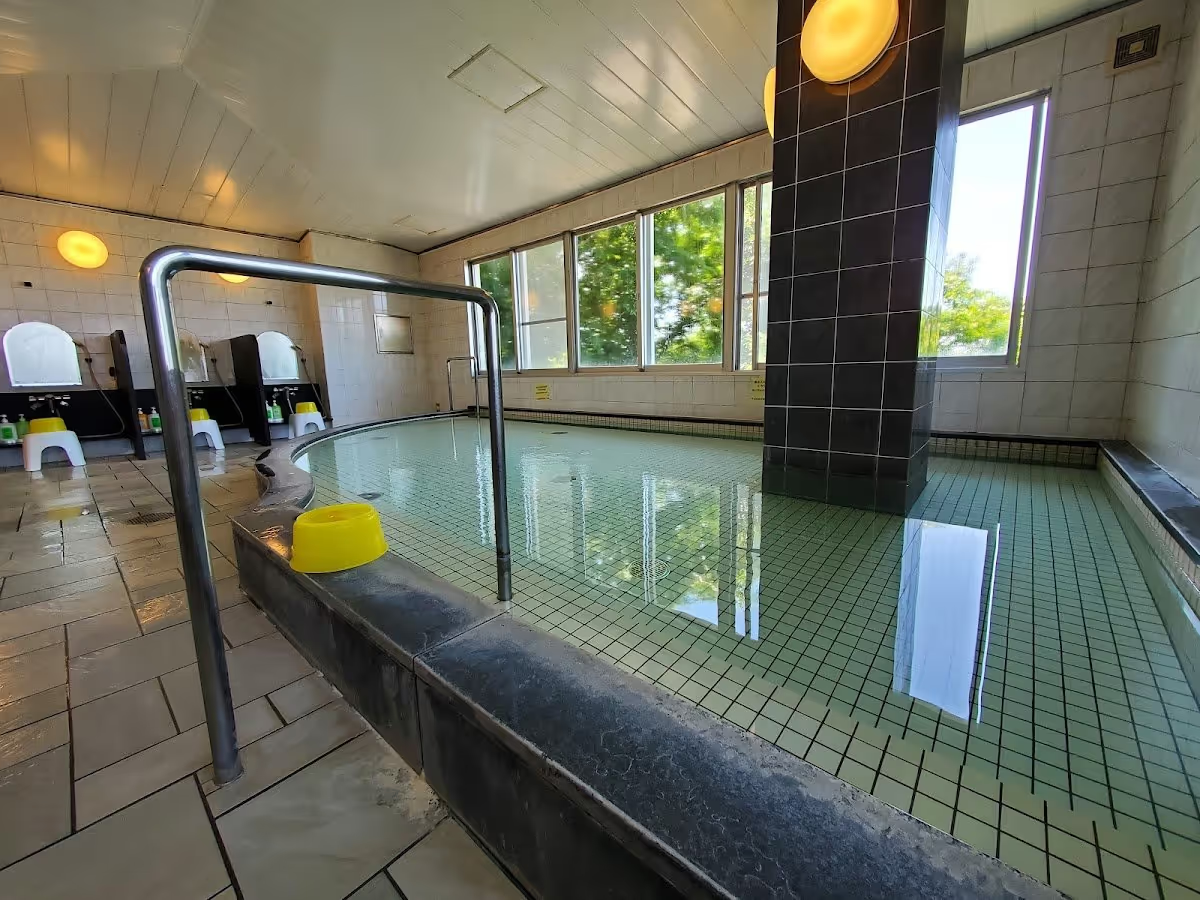
Standard Japanese onsen etiquette applies at all facilities in Ureshino. Bathers must shower and wash thoroughly at the provided wash stations before entering any communal bath. Towels must not be submerged in the water. Bathing areas are gender-separated. Swimwear is not worn in traditional indoor baths. The alkaline water produces no significant staining of fabric or jewelry, and no special preparation beyond standard etiquette is required. Tattoo policies at Ureshino ryokan and public bathhouses follow general Japanese practice. Visitors with tattoos should confirm private bath availability when booking. Photography inside bathing facilities is not permitted. Children should be supervised at all times in bathing areas. Guests with cardiovascular conditions should seek medical advice before bathing.
The public bathhouses in Ureshino are used by local residents as well as tourists, and visitors should be mindful of sharing the space respectfully. Visiting on weekday mornings or early afternoons generally provides a quieter experience. Visitors should hydrate before and after bathing and limit session length in the highly alkaline water, particularly on a first visit when the skin's response to the spring type is not yet known.