Quick FactsOverview
About Kawaguchiko Onsen, Yamanashi
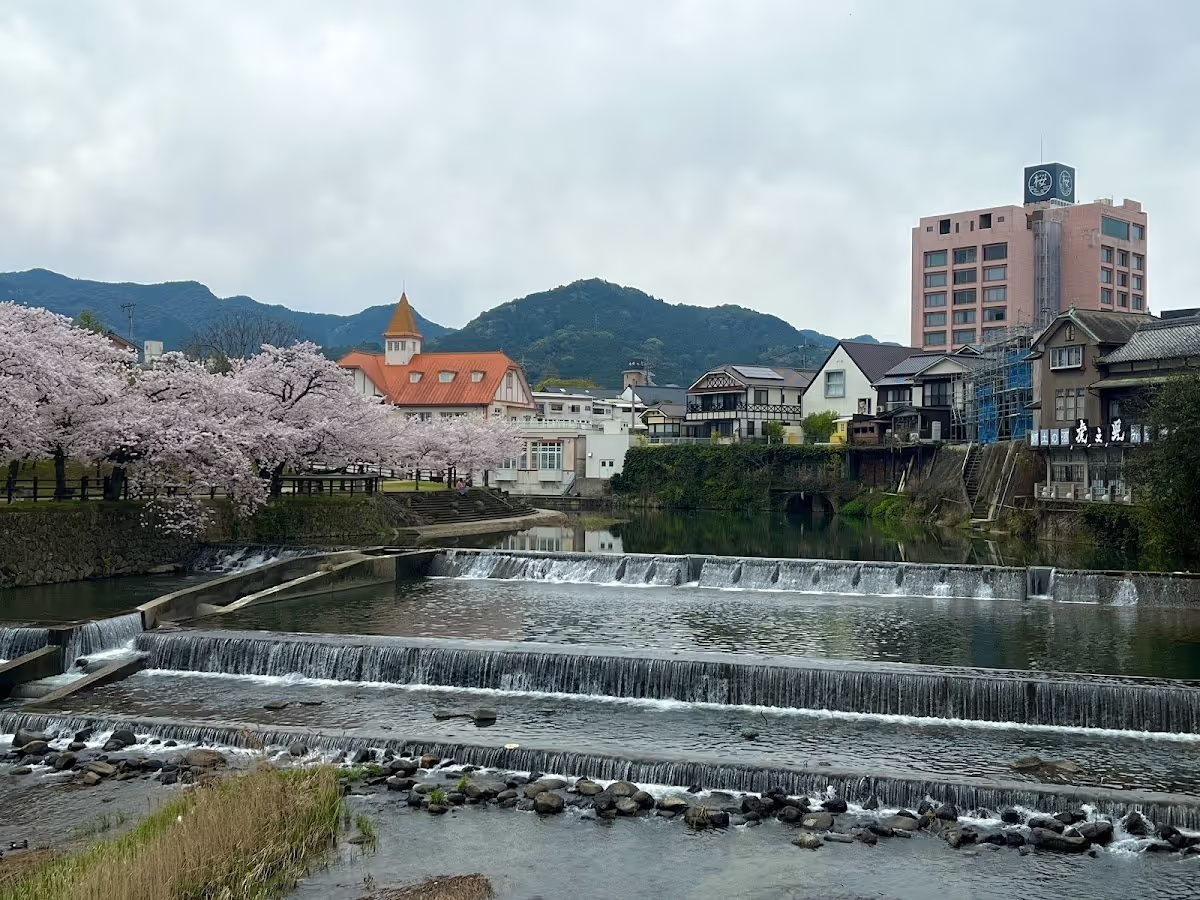
Kawaguchiko Onsen, Japan is a hot spring resort area situated on the northern and western shores of Lake Kawaguchi in Fujikawaguchiko Town, Minamitsuru District, Yamanashi Prefecture, at the base of Mount Fuji. Lake Kawaguchi is one of the five Fuji lakes formed by ancient lava flows from Fuji's eruptions, and it sits at an elevation of approximately 830 meters within the Fuji-Hakone-Izu National Park. The resort draws visitors primarily for the combination of hot spring bathing and the iconic view of Mount Fuji reflected in the lake on clear days, a view that has been reproduced widely in Japanese art and photography and remains one of the most recognized landscape compositions in the country.
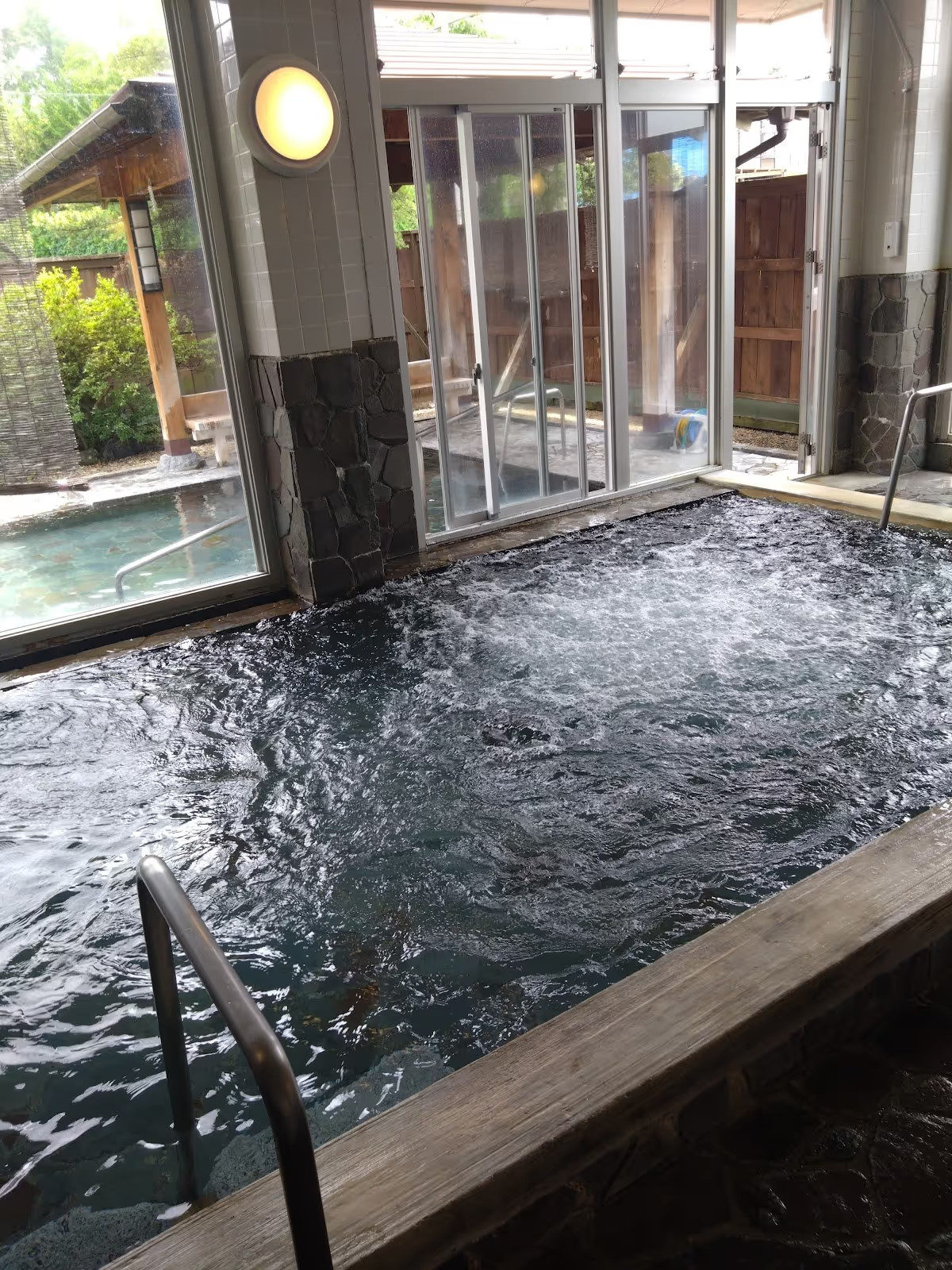
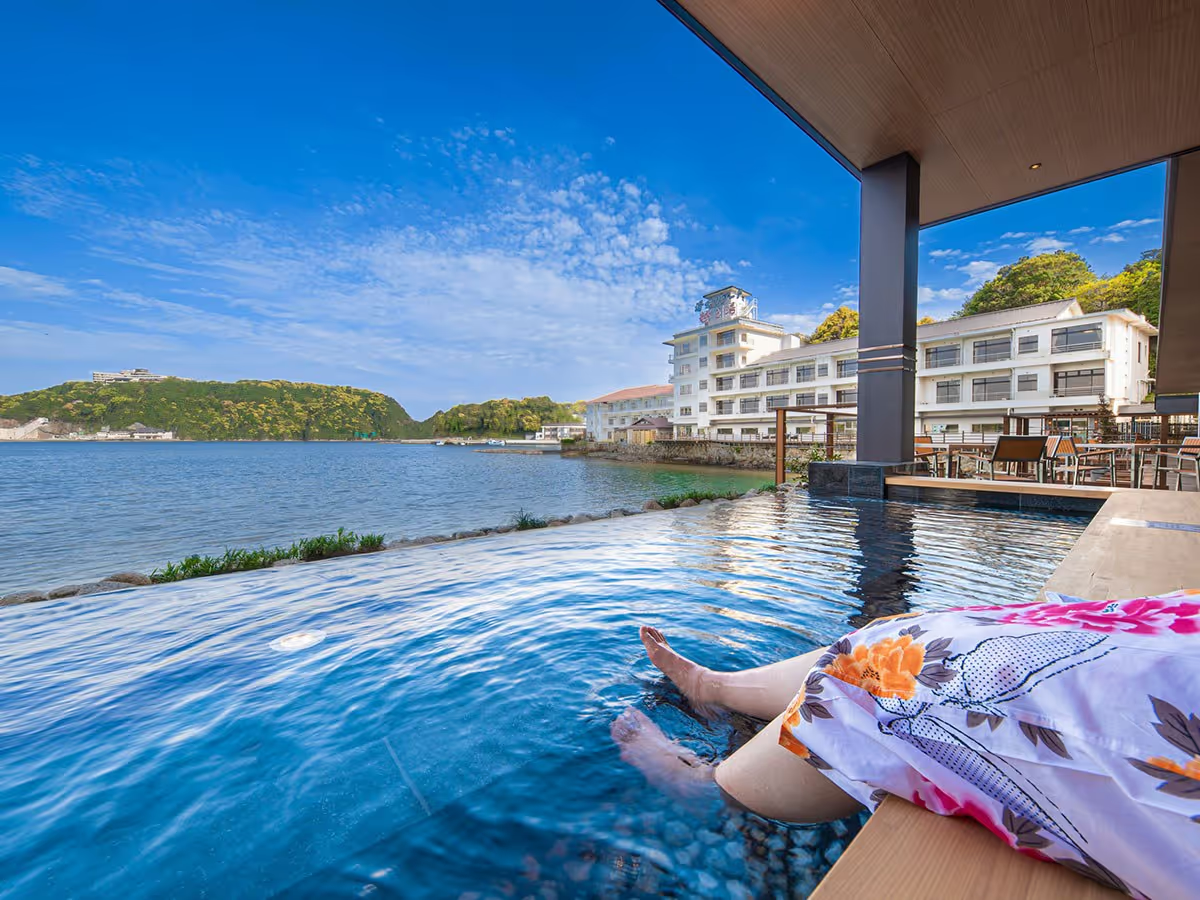
The spring water in the Kawaguchiko area is predominantly sodium bicarbonate in type, clear and mild, distributed to the ryokan, hotels, and public bathing facilities arranged around the lake. The resort has a distinctly international character compared to more remote onsen towns, drawing large numbers of visitors from overseas as well as domestic tourists, and the accommodation ranges from large modern hotels with panoramic Fuji-facing bathing facilities to smaller traditional ryokan with more intimate settings. Several properties have designed their bathing areas specifically to frame the Mount Fuji view, and a room or bath with a clear Fuji vista is among the most sought-after onsen experiences in Japan. The combination of UNESCO World Heritage landscape, lakeside setting, and accessible spring water makes Kawaguchiko one of the most visited onsen destinations in the entire country. For visitors seeking hot springs near Fujikawaguchiko within the Fuji Five Lakes area, the resort is the primary and most developed onsen destination on the lake circuit, accessible by direct bus from Tokyo and by rail via the Fujikyuko Line.
Location & Access
Getting to Kawaguchiko Onsen
Kawaguchiko is served by Kawaguchiko Station, the terminus of the Fujikyuko Line, which connects to Otsuki Station on the JR Chuo Main Line. From Shinjuku in Tokyo, the Fujikyuko Line runs a direct limited express service to Kawaguchiko in approximately two hours, with some services requiring a transfer at Otsuki. The JR Chuo Main Line also provides a connection from Shinjuku to Otsuki, where the Fujikyuko Line begins. Highway bus services run frequently from Shinjuku Bus Terminal and Tokyo Station to Kawaguchiko Bus Terminal, with journey times of approximately one hour and 45 minutes to two hours and 30 minutes depending on traffic, and these are often the most practical option for visitors without rail passes.
Visitors traveling by car can reach Kawaguchiko from the Chuo Expressway via the Kawaguchiko interchange, with the drive from central Tokyo taking approximately one hour and 30 minutes under favorable traffic conditions. Parking is available at most hotels and ryokan and at public car parks near the lake. The Kawaguchiko area can experience significant traffic congestion during peak tourist seasons, including cherry blossom season in spring, summer holidays, and autumn foliage season, and advance planning for parking and transport is advisable during these periods.
From Kawaguchiko Station, a sightseeing loop bus known as the Retro Bus serves the main attractions and accommodation areas around the lake. The resort area is spread along the lakeshore and is not walkable in its entirety, but the loop bus provides reliable connections between the station, the main hotel district on the north shore, and the western shore viewpoints. For those seeking hot springs near Fujikawaguchiko with direct connections from Tokyo by bus or rail, Kawaguchiko is one of the most straightforwardly accessible onsen resort areas from the capital and requires no Shinkansen or complex transfers.
Suitability & Accessibility
Who Kawaguchiko Onsen Suits
Kawaguchiko Onsen suits visitors who want to combine a traditional ryokan or hotel onsen experience with access to the Mount Fuji landscape and the Fuji Five Lakes area. The combination of lakeside setting, potential Fuji views from bathing facilities, and the cultural and natural heritage of the Fuji UNESCO World Heritage area makes Kawaguchiko one of the most complete destination stays within reach of Tokyo. Visitors with a particular interest in the Mount Fuji view from a bath or a lakeside room will find the properties on the north shore of Lake Kawaguchi the most directly positioned for this experience.
International visitors to Japan who want to incorporate an onsen experience into a broader Fuji-area itinerary will find Kawaguchiko well suited, as the resort has a more internationally oriented service culture than many remote onsen towns, with English signage and multilingual staff more commonly available at the larger hotels. Families are accommodated at most properties and the Fuji Five Lakes area has a range of family-oriented activities including museums, theme parks, and nature trails that complement an onsen stay. Couples seeking a memorable overnight stay with a Fuji view are the core market for the premium rooms at the north shore ryokan.
Visitors looking for accessible hot springs in Japan will find Kawaguchiko one of the more practically accessible onsen areas in the Fuji region. The larger and more modern hotels are significantly more likely to have accessible room and bathing configurations than smaller traditional ryokan. The loop bus service reduces the need to walk long distances around the lake. Guests with mobility concerns should confirm specific arrangements with their chosen property before booking. Among the most scenically distinctive hot springs in Japan within easy reach of Tokyo, Kawaguchiko Onsen offers a combination of iconic landscape, accessible spring water, and varied accommodation that makes it one of the most visited onsen destinations in the country.
Safety & Etiquette
Safety and Etiquette at Kawaguchiko Onsen
Kawaguchiko Onsen is a well-managed and safe resort area within the Fuji-Hakone-Izu National Park. The spring facilities at ryokan and hotels are maintained and present no unusual hazards. The principal safety consideration in the Kawaguchiko area relates to the proximity to Mount Fuji, which is an active volcano monitored continuously by the Japan Meteorological Agency. In normal conditions the lake and resort area are fully safe and well removed from the summit, but visitors should be aware of current volcanic activity advisories and follow any guidance issued by local authorities. In the very unlikely event of elevated activity, official evacuation guidance would be issued and should be followed promptly.
The lake itself is not used for swimming in the resort area. The lakeshore paths and viewpoints are well maintained but can become icy in winter, and appropriate footwear is advisable between December and March. The Kawaguchiko area receives significant visitor numbers during peak seasons, and the main lakefront areas and popular viewpoints can be crowded, particularly on weekends and holidays. Visitors should be patient and considerate in shared public spaces.
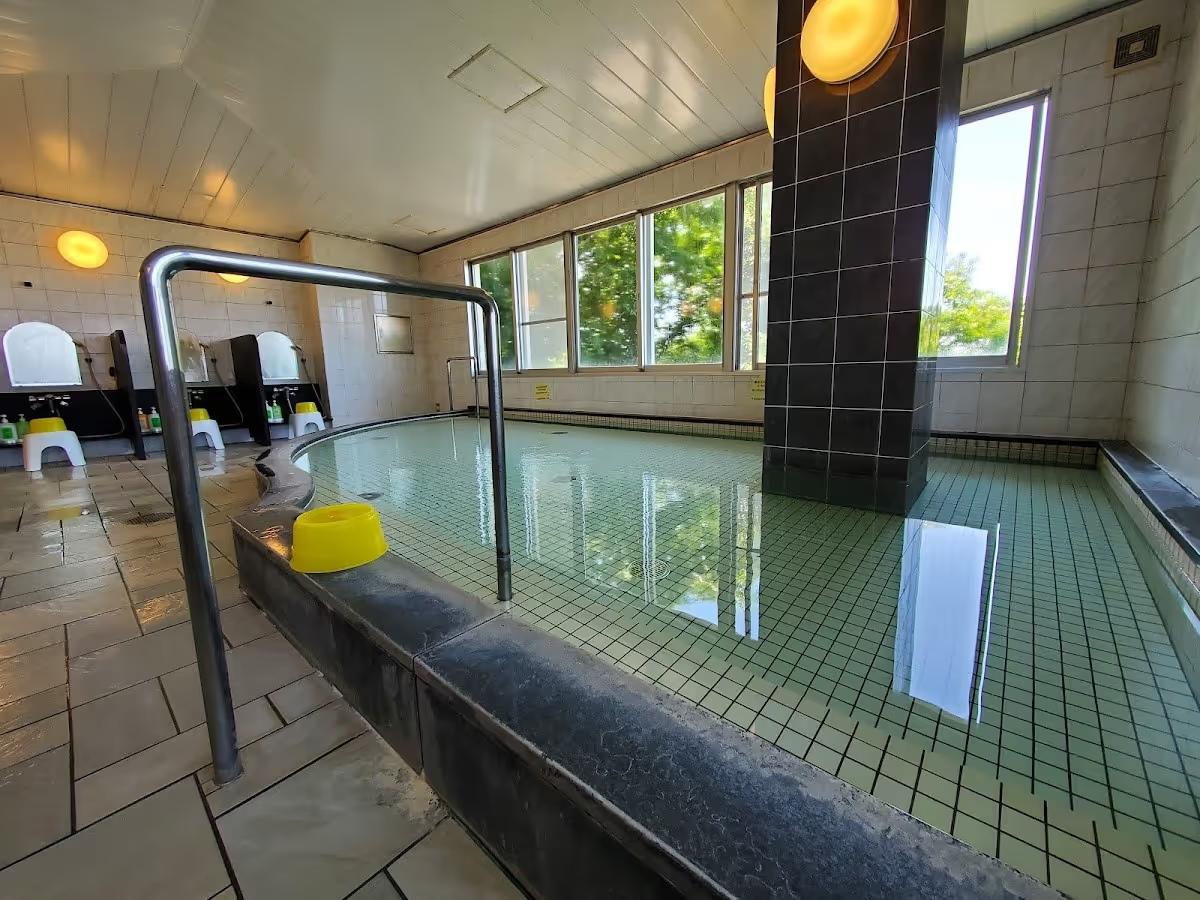
Standard Japanese onsen etiquette applies at all ryokan and hotel bathing facilities in Kawaguchiko. Bathers must shower and wash thoroughly at the provided wash stations before entering any communal bath. Towels must not be submerged in the water. Bathing areas are gender-separated at most facilities. Swimwear is not worn in traditional indoor baths. The sodium bicarbonate water at Kawaguchiko is mild and produces no significant staining of fabric or jewelry.
Tattoo policies at Kawaguchiko properties vary more than at traditional rural onsen towns. Some larger hotels have become more accommodating of tattooed guests through private bath arrangements, while smaller traditional ryokan tend to follow standard Japanese practice. Confirming policy with the specific property when booking is recommended. Photography of the Mount Fuji view from outdoor bathing areas is a common practice where facilities permit it, but photography inside enclosed bathing facilities is not permitted under any circumstances. Children should be supervised at all times in bathing areas and near the lakeshore. Guests with cardiovascular conditions should seek medical advice before bathing.