Quick FactsOverview
About Nyuto Onsenkyo, Akita
Nyuto Onsenkyo, Japan is a collective name for seven individual hot spring inns located deep in the forests of the Nyuto mountain area in Semboku City, Akita Prefecture, on the slopes above Lake Tazawa in the Towada-Hachimantai National Park. The seven inns, which include Tsurunoyu, Kuroyu, Ganiba, Magoroku, Taenoyu, Oagawa, and Nabewari, each sit on separate spring sources and operate independently, with their own distinct spring water types, bathing facilities, and atmospheres. The area as a whole is one of the most celebrated collection of wild forest onsen in Japan and is particularly well known among domestic onsen enthusiasts who value the combination of remote beech forest setting, varied spring water, and the opportunity to move between multiple inns on a single visit using the area pass system.
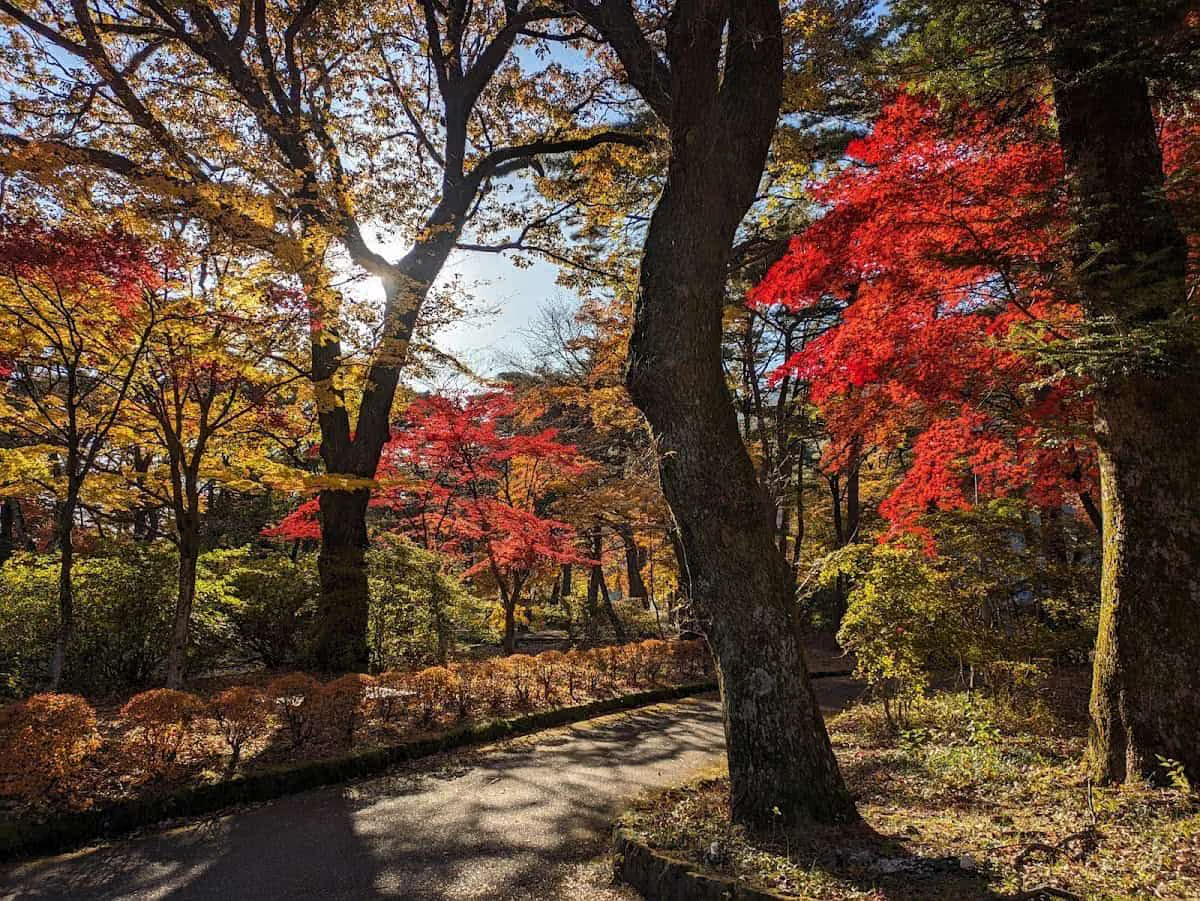
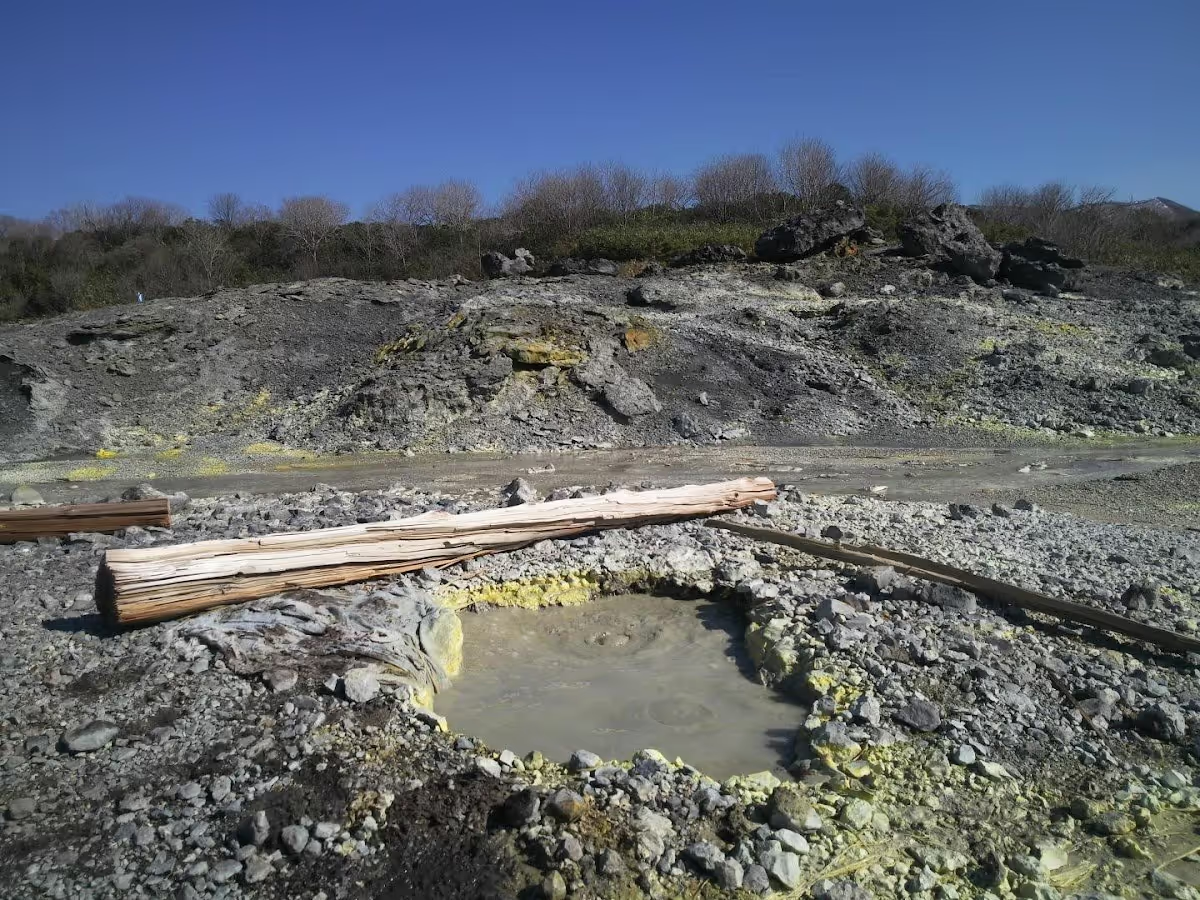
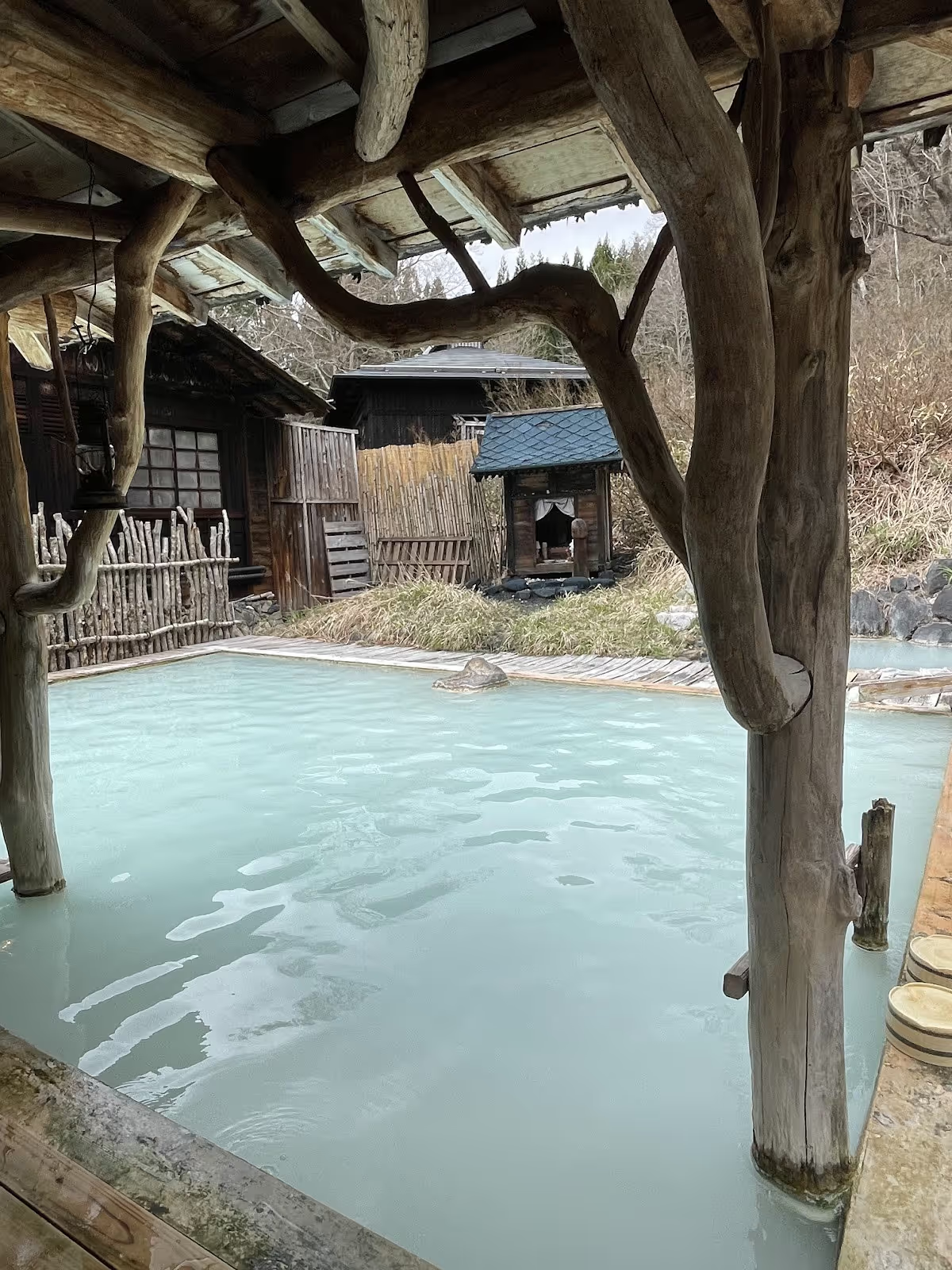
The spring water across the seven inns varies significantly. Tsurunoyu, the oldest and most visited of the seven, produces a milky white sulfurous water that feeds a famous mixed-gender outdoor bath surrounded by forest. Kuroyu has a dark iron-rich water. Magoroku has a clear and mild spring. The variety across the group gives the area a depth of bathing experience that a single inn cannot provide, and visitors who stay for two or more nights and use the all-inn pass can experience multiple spring types within a single forest setting. The beech forests of the Nyuto area are particularly atmospheric in autumn when the foliage turns, and in winter when snow covers the mountain landscape. Nyuto Onsenkyo is a well-regarded and deeply traditional example of remote mountain onsen culture in the Tohoku region. For visitors seeking hot springs near Semboku or Lake Tazawa in a genuine forest wilderness setting, Nyuto Onsenkyo is the most significant and most celebrated onsen destination in the area.
Location & Access
Getting to Nyuto Onsenkyo
Nyuto Onsenkyo is accessible by bus from Tazawako Station on the JR Tazawako Line, which is the local connection from Kakunodate and from Morioka on the Akita Shinkansen. From Tazawako Station, Ugo Kotsu buses run toward the Nyuto area, with services stopping at or near the individual inns. Journey time from Tazawako Station to the main Nyuto area is approximately 40 to 50 minutes. The Akita Shinkansen connects Tazawako Station to Tokyo in approximately two hours and 50 minutes via Morioka, making the total journey from Tokyo roughly three and a half hours.
Bus frequency into the Nyuto area is limited, particularly outside the main tourist seasons of summer and autumn. Some inns, including Tsurunoyu, are not directly accessible by public bus and require a short shuttle from the nearest bus stop. Confirming transport arrangements with the specific inn when booking is essential, as each of the seven properties has its own access situation and some offer shuttle services from Tazawako Station or the nearest bus stop. Visitors without a car should plan connections carefully and not rely on frequent services throughout the day.
Visitors traveling by car can reach the Nyuto area from the Akita Expressway via the Kyowa or Kakunodate interchanges, then follow Route 46 and prefectural roads toward the lake and mountain area. Road conditions in winter require winter tires, and access to some of the more remote inns on the mountain slopes can be restricted or subject to snow conditions between November and April. For those seeking hot springs near Semboku with a desire to experience multiple spring types across the seven inns, a car provides significantly more flexibility than public transport and is the practical choice for multi-inn exploration within the area.
Suitability & Accessibility
Who Nyuto Onsenkyo Suits
Nyuto Onsenkyo suits visitors who are specifically drawn to remote forest onsen culture and who value the experience of bathing in a wild mountain setting over resort comfort and convenience. The seven inns range from extremely rustic to moderately comfortable, and visitors should research individual properties before booking to ensure their chosen inn matches their expectations. Tsurunoyu, the most famous of the seven, is also the most rustic, with accommodation in traditional thatched buildings and a famous outdoor mixed bath that has been photographed widely. It is fully booked well in advance for peak periods and requires early reservation.
Solo travelers and couples with a deep interest in Japanese onsen culture, beech forest landscape, and the Tohoku mountain environment will find Nyuto Onsenkyo among the most rewarding onsen destinations in the entire country. The all-inn day pass, known as the Yumepa, allows holders to use the bathing facilities at all seven inns on a single day and is one of the most practical ways to experience the variety of spring types across the area. Families with older children who are comfortable with rustic accommodation and a remote mountain environment are welcome at several of the inns, though the rustic format of the most traditional properties and the remote forest location make it less suited to families with very young children.
Visitors looking for accessible hot springs in Japan should be aware that the remote forest setting, rustic inn buildings, and outdoor bathing areas at Nyuto Onsenkyo make accessibility for guests with significant mobility limitations very limited across most of the seven inns. The terrain between inns involves forest roads and uneven ground. Individual inns vary, and confirming specific accessibility with the chosen property directly before booking is essential. Among the most celebrated and atmospherically distinctive hot springs in Japan in the Tohoku interior, Nyuto Onsenkyo occupies a position at the top of many onsen enthusiasts' destination lists and rewards visitors who invest the effort to reach it.
Safety & Etiquette
Safety and Etiquette at Nyuto Onsenkyo
Nyuto Onsenkyo presents safety considerations appropriate to a remote mountain forest area in northern Japan. The principal seasonal concern is winter conditions, which can be severe on the Nyuto mountain slopes. Heavy snowfall between November and April creates significant accumulation around the inns and on the forest roads between them. Visitors should not attempt to walk between inns in heavy snow without local guidance, and driving on mountain roads in winter requires winter tires and awareness of current conditions. Some inns have limited or altered access in deep winter and confirming the situation directly when booking is advisable for winter visits.
Brown bears are present in the Akita forest interior including the Nyuto area. Visitors walking on paths between inns or on trails in the surrounding forest should carry a bear bell and follow any guidance provided by inn staff on current bear activity. Venturing off marked paths in the forest without local knowledge is not recommended.
The famous outdoor mixed-gender bath at Tsurunoyu requires visitors to enter wearing a towel and to conduct themselves with appropriate restraint and decorum. The mixed bathing format is part of the traditional character of the inn and is not a casual or social environment. Bathers should enter and exit calmly, avoid extended eye contact with other bathers, and treat the space as the reflective and traditional setting it is. Photography in and around the outdoor bath area is strictly not permitted.
Standard Japanese onsen etiquette applies at all seven inns. Bathers must shower and wash thoroughly before entering any bath. Towels must not be submerged in the water. Sulfurous water at inns such as Tsurunoyu and Kuroyu will stain metal jewelry and light-colored fabric. Removing jewelry before bathing and using older towels is advisable. Tattoo policies vary by inn and visitors with tattoos should confirm private bath availability when booking. Children must be supervised at all times in bathing areas and on forest paths. Guests with cardiovascular or respiratory conditions should seek medical advice before bathing, particularly at inns with strongly sulfurous water.