Quick FactsOverview
About Yuasa Onsen, Wakayama
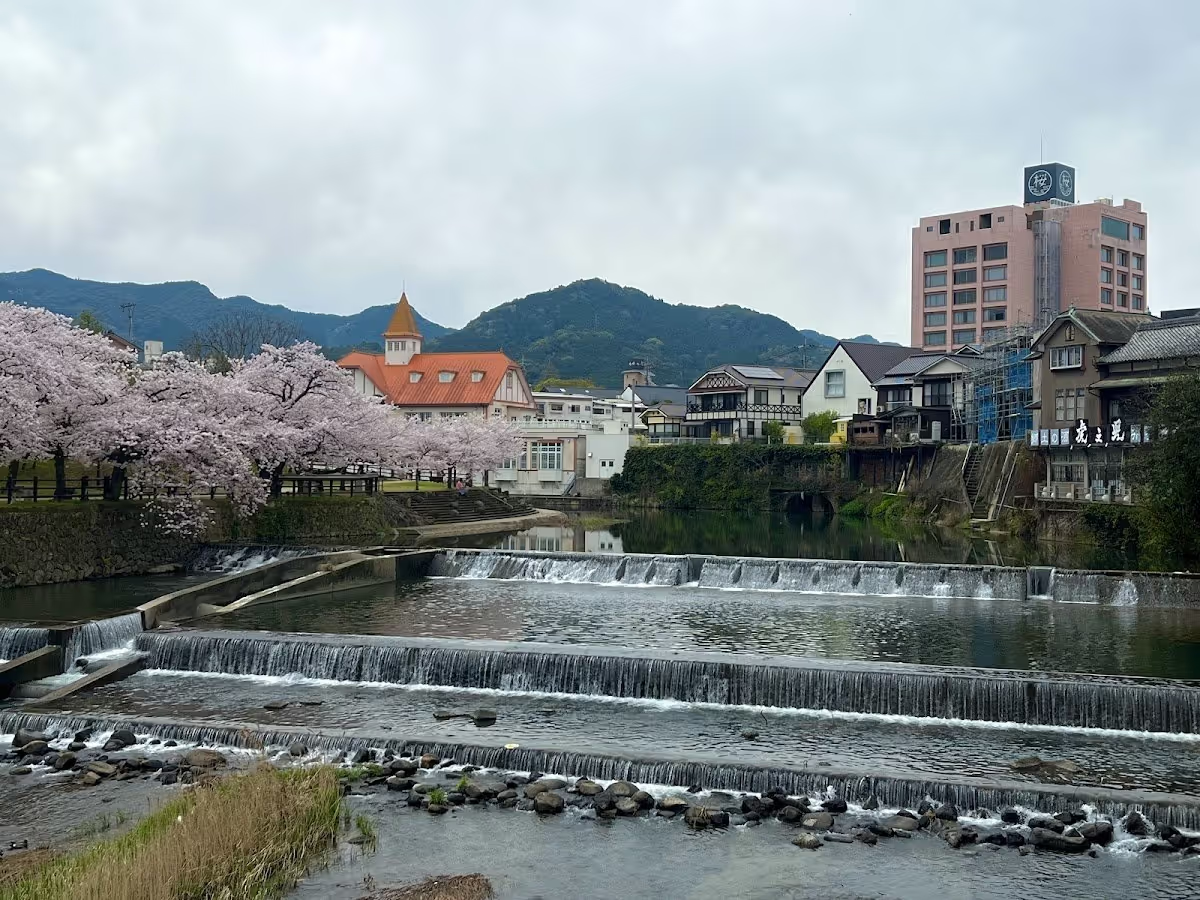
Yuasa Onsen, Japan is a hot spring facility located in Yuasa Town, Arida District, Wakayama Prefecture, on the Kii Peninsula coast approximately 60 kilometers south of Osaka. Yuasa is a small historic town best known nationally as the place where soy sauce production in Japan is considered to have originated in the thirteenth century, and the old town district retains a well-preserved streetscape of traditional merchant and brewing houses that gives it a cultural heritage character unusual for a town of its size. The onsen facility serves as a public bathing option for residents and visitors within this heritage town context, providing access to spring water in a community that is more broadly known for its culinary history than for its onsen.
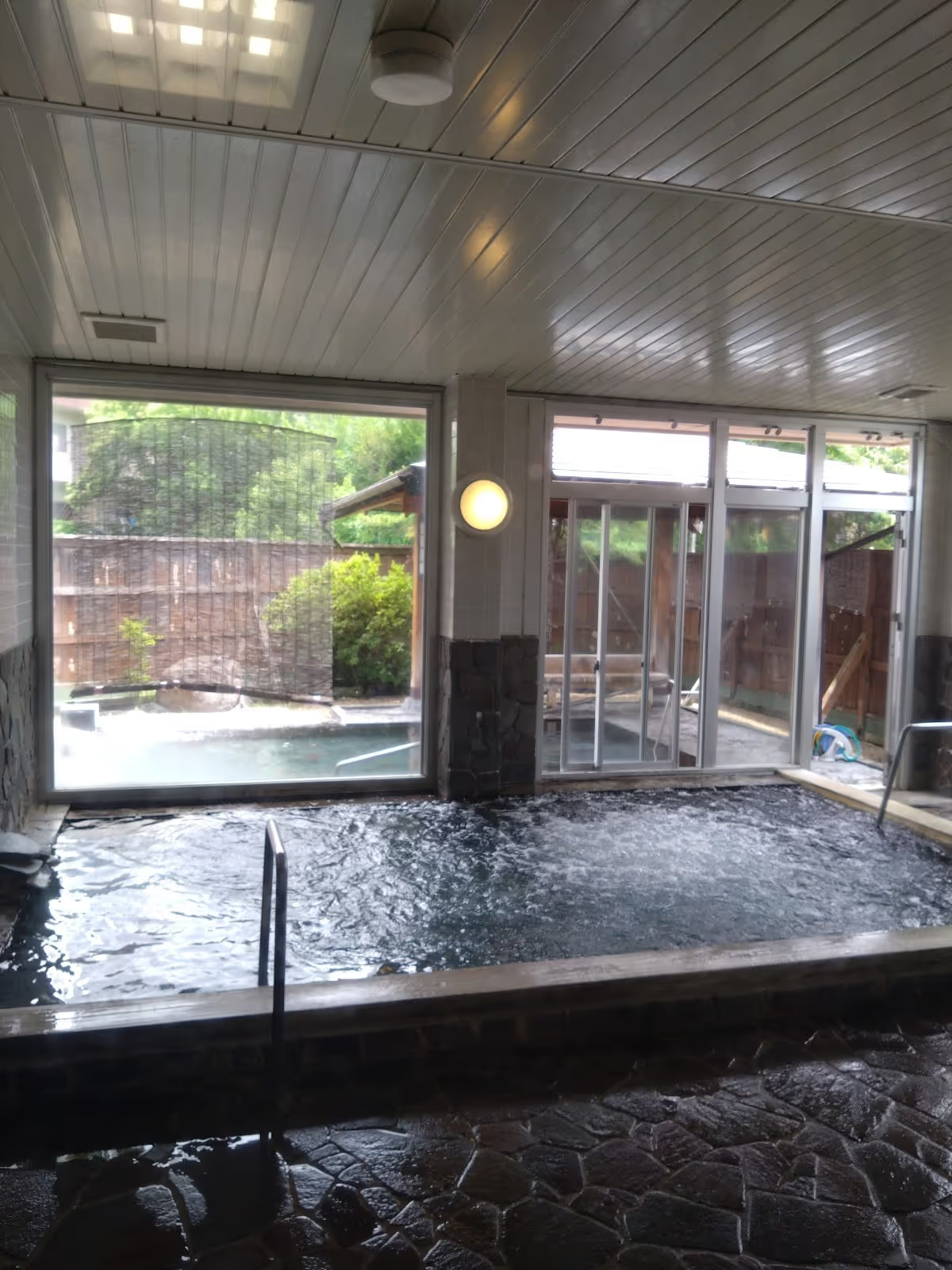
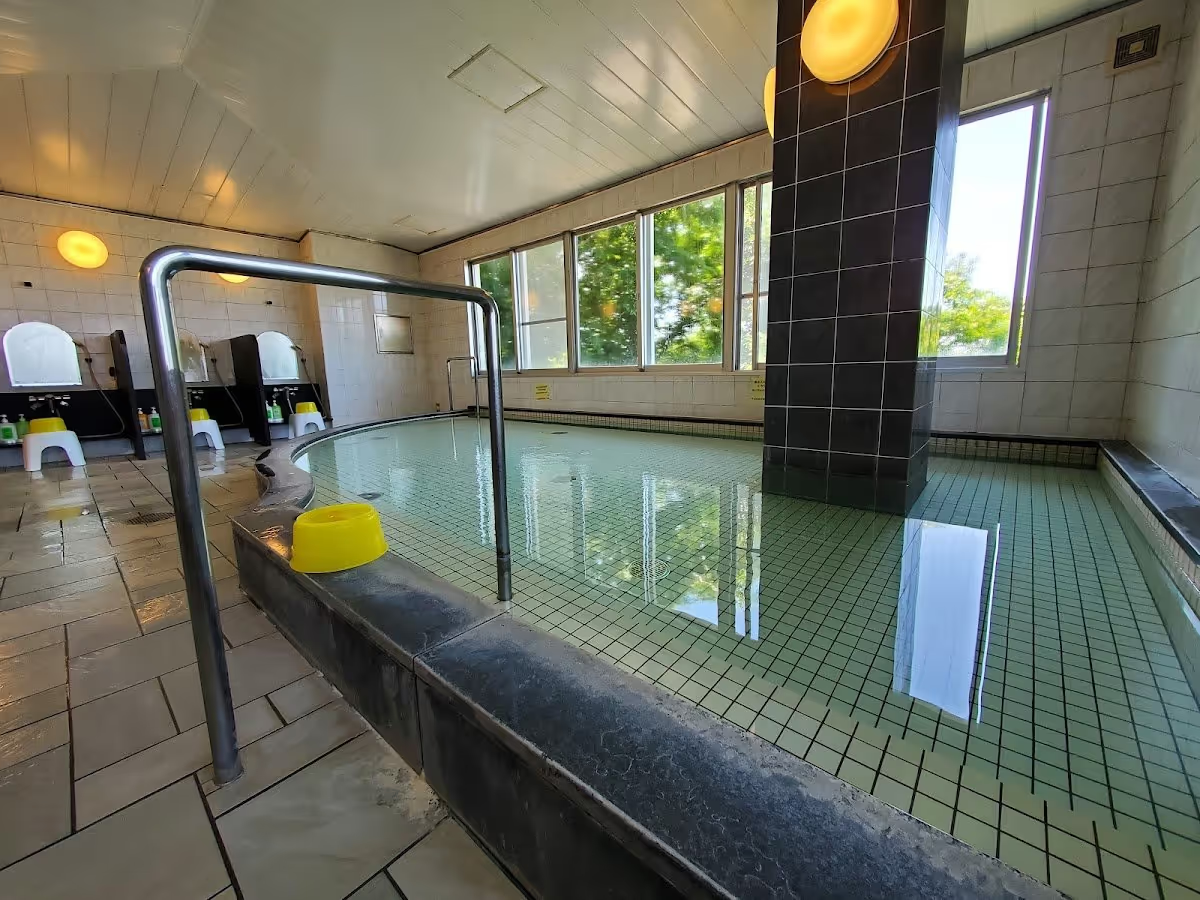
The spring water at Yuasa Onsen is sodium bicarbonate in type, clear and mild, with a smooth quality suited to a broad range of visitors. The facility is a public bath format rather than a resort destination, offering accessible bathing without the full-service ryokan experience of larger onsen towns. It functions as a practical complement to a visit to the historic Yuasa townscape rather than as a standalone onsen destination in its own right. Visitors to Yuasa typically combine the onsen with a walk through the preserved merchant district, a visit to one of the traditional soy sauce breweries that continue to operate in the town, and the broader coastal landscape of the Arida area. The combination of a small public spring facility, a nationally recognized food heritage townscape, and a coastal Wakayama setting gives Yuasa a distinctive and unhurried character among the onsen options on the Kii Peninsula coast. For visitors seeking hot springs near Yuasa town on the northern Wakayama coast, the facility is the most accessible bathing option in the immediate area and is reachable by local train from Osaka.
Location & Access
Getting to Yuasa Onsen
Yuasa is served by Yuasa Station on the JR Kisei Main Line. The journey from Osaka via the JR Hanwa Line and Kisei Main Line takes approximately one hour and 20 minutes to one hour and 40 minutes depending on the service. Limited express services on the Kisei Main Line also serve Yuasa, with faster journey times from Osaka. From Wakayama City, local trains reach Yuasa in approximately 30 minutes. The station is located near the edge of the historic town district, and the preserved merchant streetscape and the onsen facility are within walking distance of the station.
Visitors traveling by car can reach Yuasa from the Hanwa Expressway via the Yuasa-Mihama interchange, with the drive from Osaka taking approximately one hour. Parking is available near the historic district and at the onsen facility. The town center is compact and flat, and the main points of interest including the brewery district, the preserved streetscape, and the onsen are all accessible on foot from the station or the main car park.
The accessibility of Yuasa by direct rail from Osaka makes it a practical half-day or full-day trip from the city, and the combination of the onsen facility, the heritage townscape, and the soy sauce brewery visits can be covered comfortably in a single day. For those seeking hot springs near Yuasa accessible by local or limited express train from Osaka without a car, the JR Kisei Main Line provides a direct and manageable connection. An overnight stay in the area is possible but Yuasa has limited accommodation options compared to larger onsen towns on the Kii Peninsula, and many visitors approach it as a day excursion combined with the broader Wakayama coastal itinerary.
Suitability & Accessibility
Who Yuasa Onsen Suits
Yuasa Onsen suits visitors who are already in Yuasa for the historic townscape and soy sauce heritage and who want to add a bathing session to their visit without traveling to a separate onsen destination. The facility is a public bath rather than a resort, and visitors should approach it as a practical and community-embedded bathing option rather than a dedicated onsen experience. It is particularly well suited to visitors with an interest in the intersection of Japanese food history and local bathing culture, as the combination of a soy sauce birthplace heritage town and a small public spring facility gives the visit a distinctive and unpretentious character.
Solo travelers and couples with an interest in the preserved townscape and food heritage of the Kii Peninsula will find Yuasa a rewarding half-day stop on a broader Wakayama coastal itinerary. The compact layout of the town, the walkable brewery district, and the modest public bath combine into a visit that is low-effort and genuinely interesting without requiring significant planning. Families are welcome at the facility, and the flat and walkable town center is manageable with children who have an interest in the historic streetscape or the brewery visits.
Visitors looking for accessible hot springs in Japan within a heritage town setting will find Yuasa one of the more culturally distinctive small public bath options on the northern Kii coast. The flat town center and direct rail access make it more navigable than many rural Wakayama destinations. Guests with significant mobility limitations should confirm specific facility accessibility before visiting. Among the smaller and less prominently marketed hot springs in Japan that combine genuine cultural heritage with a functioning public bath, Yuasa Onsen offers a quietly rewarding visit for travelers who take the time to seek it out as part of a Wakayama coastal journey.
Safety & Etiquette
Safety and Etiquette at Yuasa Onsen
Yuasa Onsen is a safe and well-maintained public facility. The spring water is managed and distributed to the bathing areas without unusual hazards. The town of Yuasa is low-traffic and safe throughout the historic district and surrounding streets. General small-town safety conditions apply. The coastal location on the northern Kii Peninsula means the area is within the typhoon track zone, and late summer and early autumn can bring heavy rainfall. Checking weather conditions before travel during this season is advisable, particularly for visitors making a day trip from Osaka.
Standard Japanese onsen etiquette applies at the facility. Bathers must shower and wash thoroughly at the provided wash stations before entering any communal bath. Towels must not be submerged in the water. Bathing areas are gender-separated. Swimwear is not worn in the traditional bath areas. The sodium bicarbonate water is mild and produces no significant staining of fabric or jewelry. No special preparation beyond standard etiquette is required.
As a public facility serving a small local community, the bath is shared between residents and visitors. Visitors should be particularly mindful of not monopolizing wash stations, keeping noise to a minimum, and treating the space with the respect appropriate to a community facility rather than a tourist-oriented resort. Visiting on weekday mornings or early afternoons generally provides a quieter and more comfortable experience for both visitors and local users.
Tattoo policies at the facility follow general Japanese public bath practice, with communal bathing areas typically not admitting tattooed guests. Visitors with tattoos should confirm policy directly with the facility before visiting. Photography inside any bathing area is not permitted under any circumstances. Children should be supervised at all times in the bathing areas. Visitors should hydrate before and after bathing and limit session length in hot water. Guests with cardiovascular conditions or other health concerns should seek medical advice before bathing.