Quick FactsOverview
About Kinugawa Onsen, Tochigi
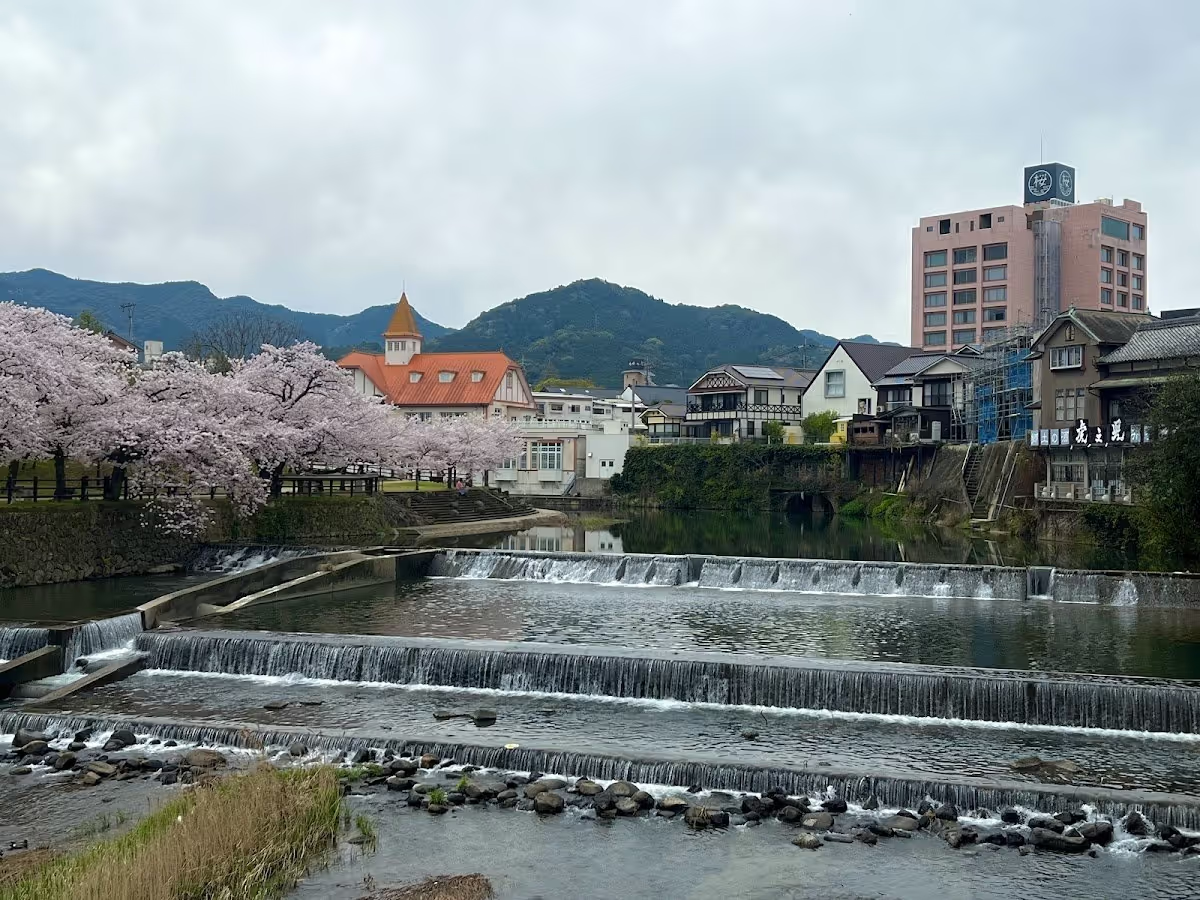
Kinugawa Onsen, Japan is a well-developed hot spring resort located along the Kinugawa River gorge in Nikko City, Tochigi Prefecture, approximately 20 kilometers east of the Nikko shrine and temple area and around 120 kilometers north of central Tokyo. The resort stretches along a dramatic basalt canyon cut by the Kinugawa River, with large hotel-style ryokan arranged on terraces above the river and the canyon walls dropping steeply to the water below. The combination of gorge scenery, direct limited express rail access from Tokyo, and large-scale ryokan facilities makes Kinugawa one of the most visited onsen resort destinations in the greater Tokyo region and one of the most accessible traditional inn experiences for visitors based in the capital.
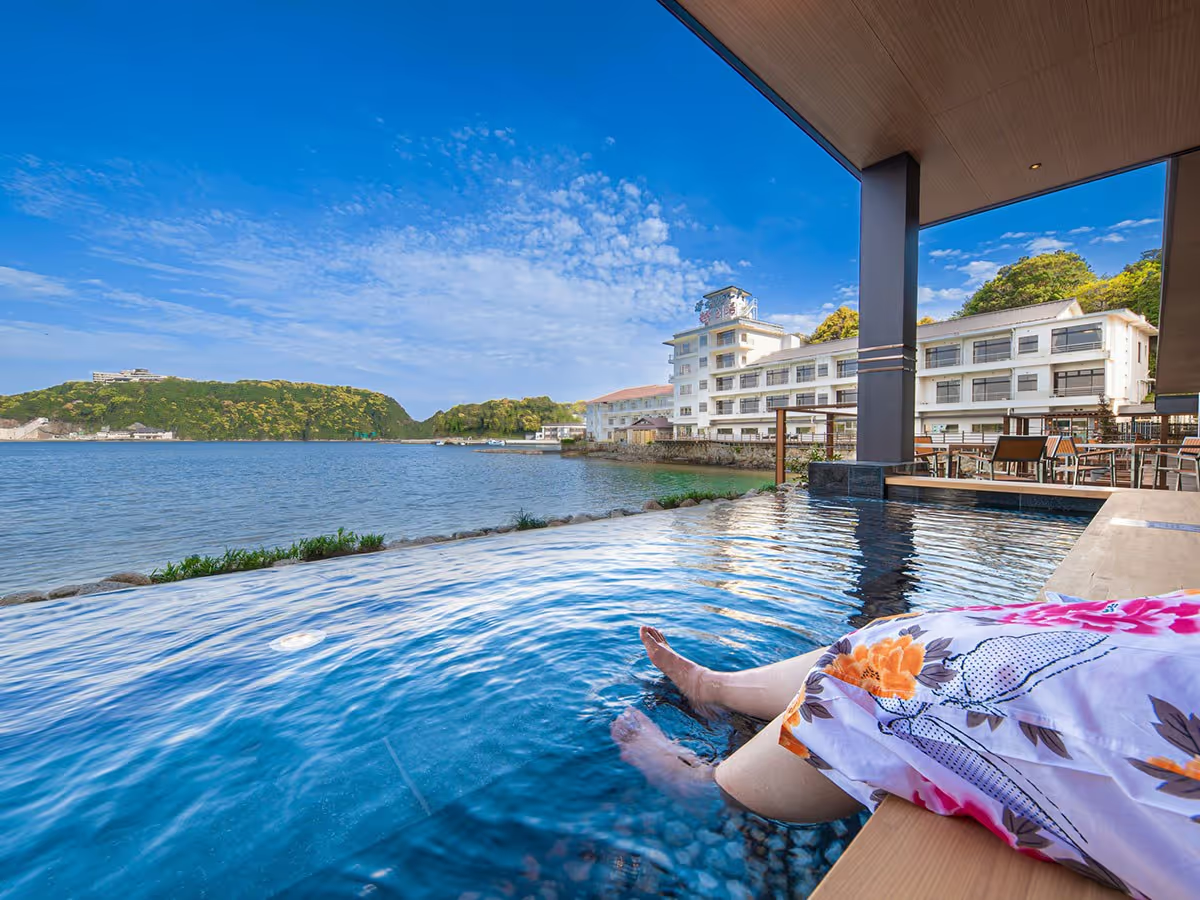
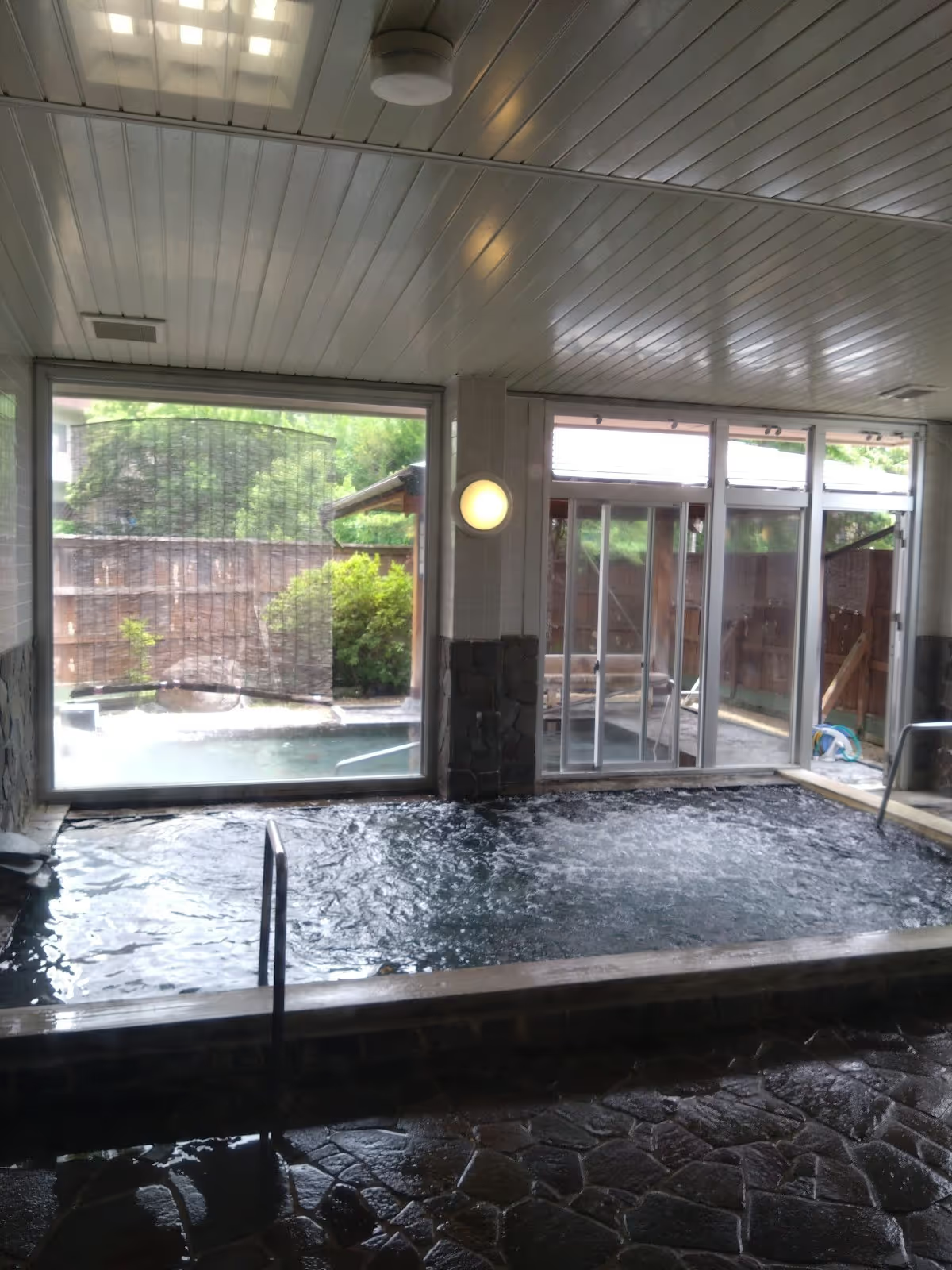
The spring water at Kinugawa is clear and alkaline, with a mild and smooth quality suited to a broad range of visitors. The water has no strong odor and is generally well tolerated, making it an approachable choice for first-time onsen visitors or those who find strongly sulfurous or mineral-rich spring types less comfortable. The resort area is oriented primarily toward overnight ryokan stays with multi-course meals and indoor or outdoor bathing, and the large properties along the gorge tend to offer a full-service experience with varied bathing facilities and river views. Kinugawa is also within reach of several theme park and cultural attraction facilities, including Tobu World Square, which features scale models of world heritage landmarks, making it a versatile destination for visitors combining onsen relaxation with family-oriented sightseeing. For visitors seeking hot springs near Nikko accessible directly from Tokyo by limited express without a Shinkansen transfer, Kinugawa Onsen is the most convenient and comprehensively developed resort option in the Tochigi highland area.
Location & Access
Getting to Kinugawa Onsen
Kinugawa Onsen is served by Kinugawa Onsen Station on the Tobu Kinugawa Line, which connects to Asakusa Station in central Tokyo via the Tobu Nikko Line. The Spacia limited express service runs directly from Asakusa to Kinugawa Onsen in approximately one hour and 45 minutes, making it one of the most direct limited express connections between central Tokyo and a major onsen resort available anywhere in the Kanto region. The Tobu Nikko Line also connects Kinugawa with Tobu Nikko, making it practical to combine a Nikko shrine visit with an onsen stay at Kinugawa on the same trip.
Visitors traveling by car can reach Kinugawa from the Nikko Utsunomiya Road via the Imaichi interchange, then follow Route 121 north along the Kinugawa River valley. The drive from central Tokyo takes approximately two hours under normal traffic conditions. Parking is available at most large ryokan and at public car parks along the resort strip. The gorge road runs alongside the river and is well maintained, though it can be busy with tourist traffic on weekends and holiday periods.
The resort area is arranged linearly along the river gorge, and most of the large ryokan have their own enclosed facilities, making the experience primarily inn-based rather than street-level as at more compact onsen towns. A public footbath is available near the main station area for visitors who want to experience the water without entering a paid facility. For those seeking hot springs near Nikko with a direct limited express connection from central Tokyo, Kinugawa is the most immediately accessible resort destination in the region and requires no Shinkansen connection or transfer from a separate hub station.
Suitability & Accessibility
Who Kinugawa Onsen Suits
Kinugawa Onsen suits visitors who want a full-service ryokan resort experience within straightforward reach of Tokyo, combining river gorge scenery with large-scale bathing facilities and multi-course meal service. The direct limited express connection from Asakusa makes it one of the easiest major onsen resorts to reach from central Tokyo without a car, and the large hotel-style ryokan along the gorge are well equipped for first-time ryokan visitors who want comfort and clarity of service alongside the onsen experience.
Families are very well accommodated at Kinugawa. Several of the larger ryokan have indoor pool facilities, game rooms, and family room configurations, and the nearby Tobu World Square attraction provides a half-day activity for families with children. The gorge scenery and the accessible resort format make Kinugawa one of the more family-friendly onsen resort options within reach of Tokyo. Couples seeking a romantic overnight stay with river views and private or semi-private bathing will find Kinugawa well set up, with many properties offering rooms facing the canyon.
Visitors looking for accessible hot springs in Japan will find Kinugawa one of the more practically accessible onsen resort areas in the Kanto region. The large modern hotels are significantly more likely to have accessible room and bathing configurations than traditional small-scale ryokan, and the flat approach from Kinugawa Onsen Station to the main resort strip is manageable for most visitors. Guests with mobility concerns should confirm specific arrangements with their chosen property before booking. Among the most transport-accessible and visitor-ready hot springs in Japan within two hours of central Tokyo, Kinugawa Onsen is one of the most practical introductions to the ryokan onsen experience available for visitors based in the capital.
Safety & Etiquette
Safety and Etiquette at Kinugawa Onsen
Kinugawa Onsen is a well-managed and safe resort destination. The spring facilities at ryokan are maintained and controlled, presenting no unusual hazards. The principal safety consideration specific to the gorge setting is the terrain alongside the river. The canyon walls drop steeply to the Kinugawa River in places, and visitors walking on paths near the gorge edge should take care, particularly with children. Designated viewpoint areas along the gorge are maintained and safe, but unmarked or informal vantage points near the canyon rim should be approached with caution.
The Kinugawa River itself is not used for swimming in the resort area. River levels can rise significantly during and after heavy rainfall or typhoon events, and visitors should be attentive to local warnings during wet weather periods. The resort area is in a typhoon-affected region and late summer and early autumn can bring heavy rainfall. Checking weather conditions before travel during this season is advisable.
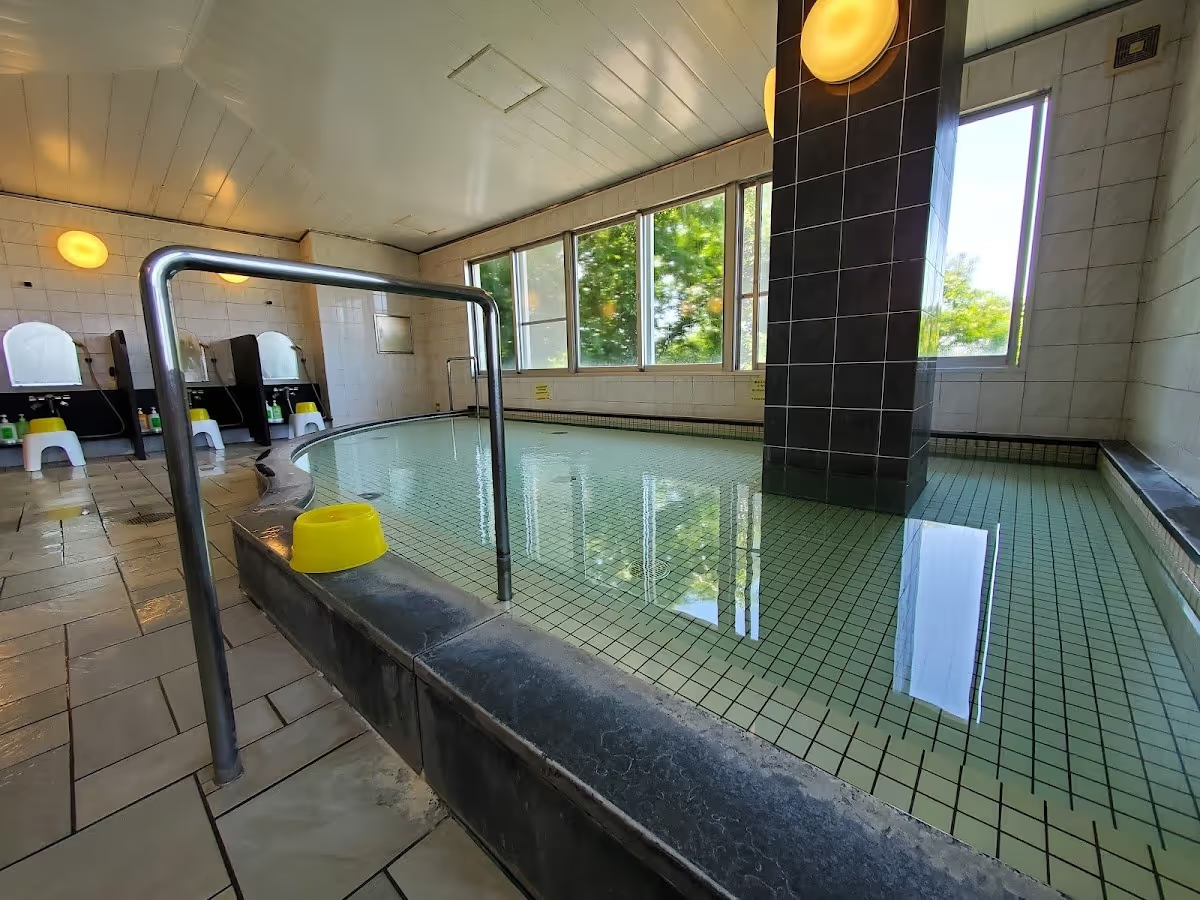
Standard Japanese onsen etiquette applies at all ryokan and public bathing facilities in Kinugawa. Bathers must shower and wash thoroughly at the provided wash stations before entering any communal bath. Towels must not be submerged in the water. Bathing areas are gender-separated at most facilities. Swimwear is not worn in traditional indoor baths. The alkaline spring water at Kinugawa is mild and produces no significant staining of fabric or jewelry. No special preparation beyond standard etiquette is required.
Tattoo policies at Kinugawa's larger hotel ryokan vary more than at traditional small-scale inns. Some of the larger properties have become more accommodating of tattooed guests through private bath arrangements, while others maintain standard communal bath restrictions. Confirming policy with the specific property when booking is the most reliable approach. Photography inside bathing facilities is not permitted. Mobile phone use and loud conversation in bathing areas are not appropriate. Children should be supervised at all times in bathing areas and near the gorge edge. Guests with cardiovascular conditions should seek medical advice before bathing in hot water.