
Quick FactsOverview
About Totsukawa Onsen, Nara
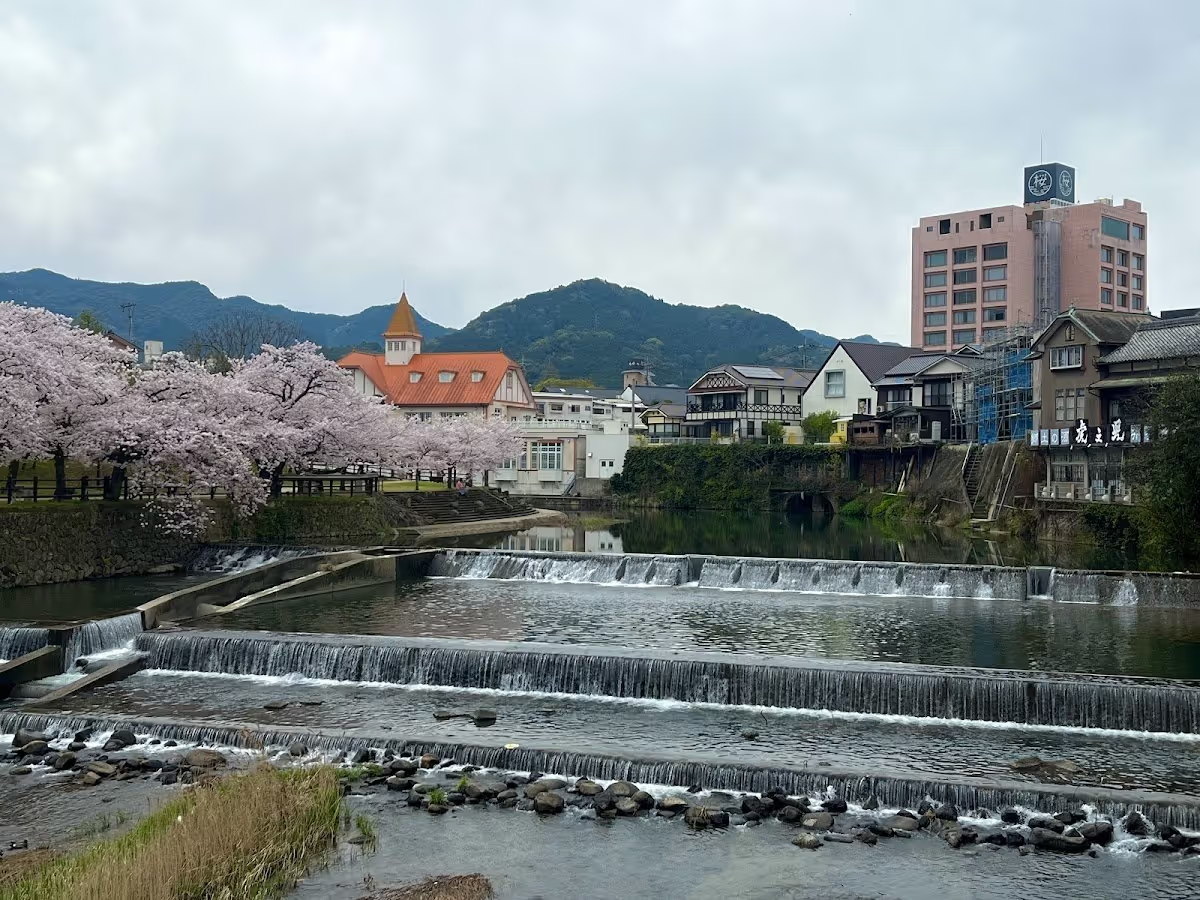
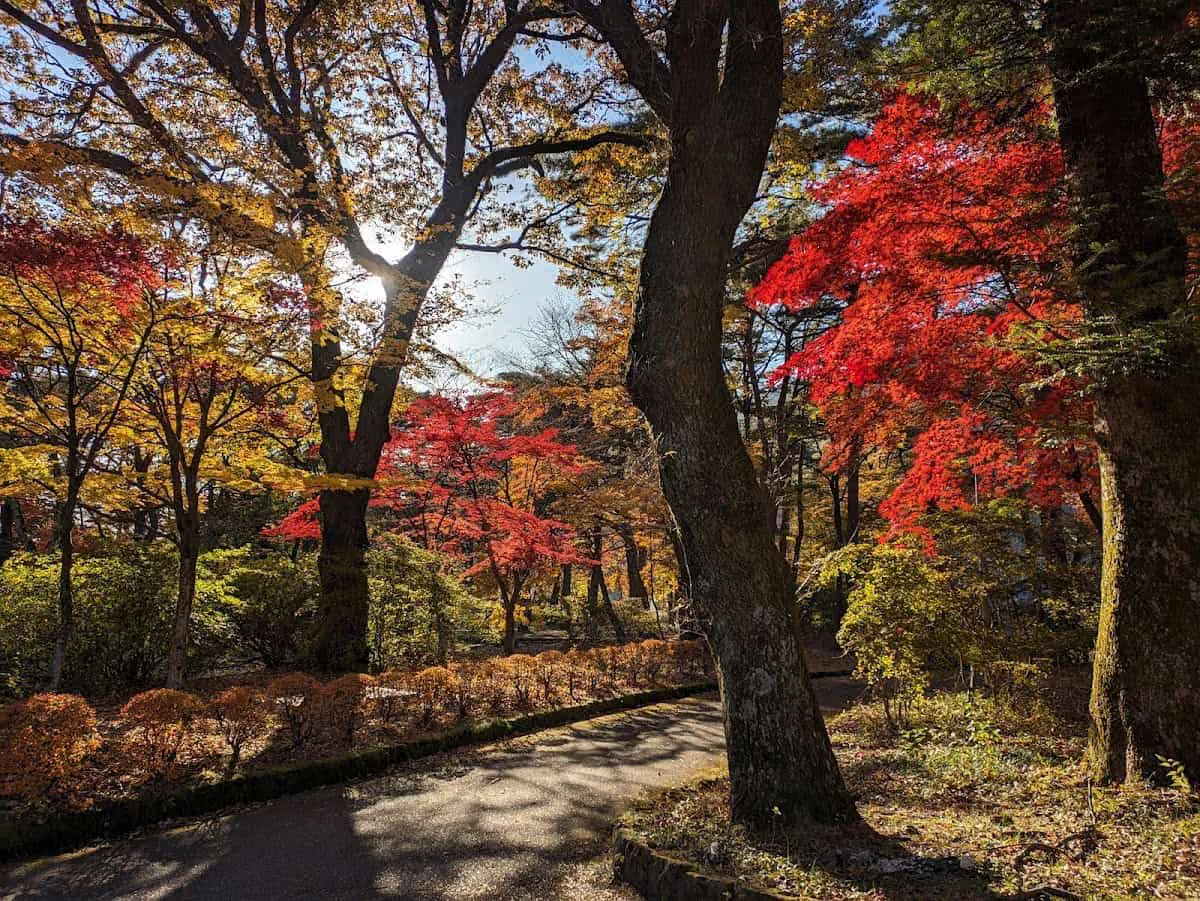
Totsukawa Onsen, Japan is a hot spring area located in Totsukawa Village, Yoshino District, Nara Prefecture, deep in the Obako mountain range of the Kii Peninsula interior, approximately 80 kilometers south of Nara City. Totsukawa Village is the largest village by area in Japan and one of the most sparsely populated, occupying a vast mountain territory where the Totsukawa River and its tributaries cut through steep forested gorges of sugi cedar and old-growth broadleaf woodland. The onsen area is not a single concentrated town but a scattering of small inn clusters and individual facilities distributed along the river valleys, with the main groupings known as Totsukawa Onsen, Kamiyu, and Tosenji among others, each with its own spring source and character.
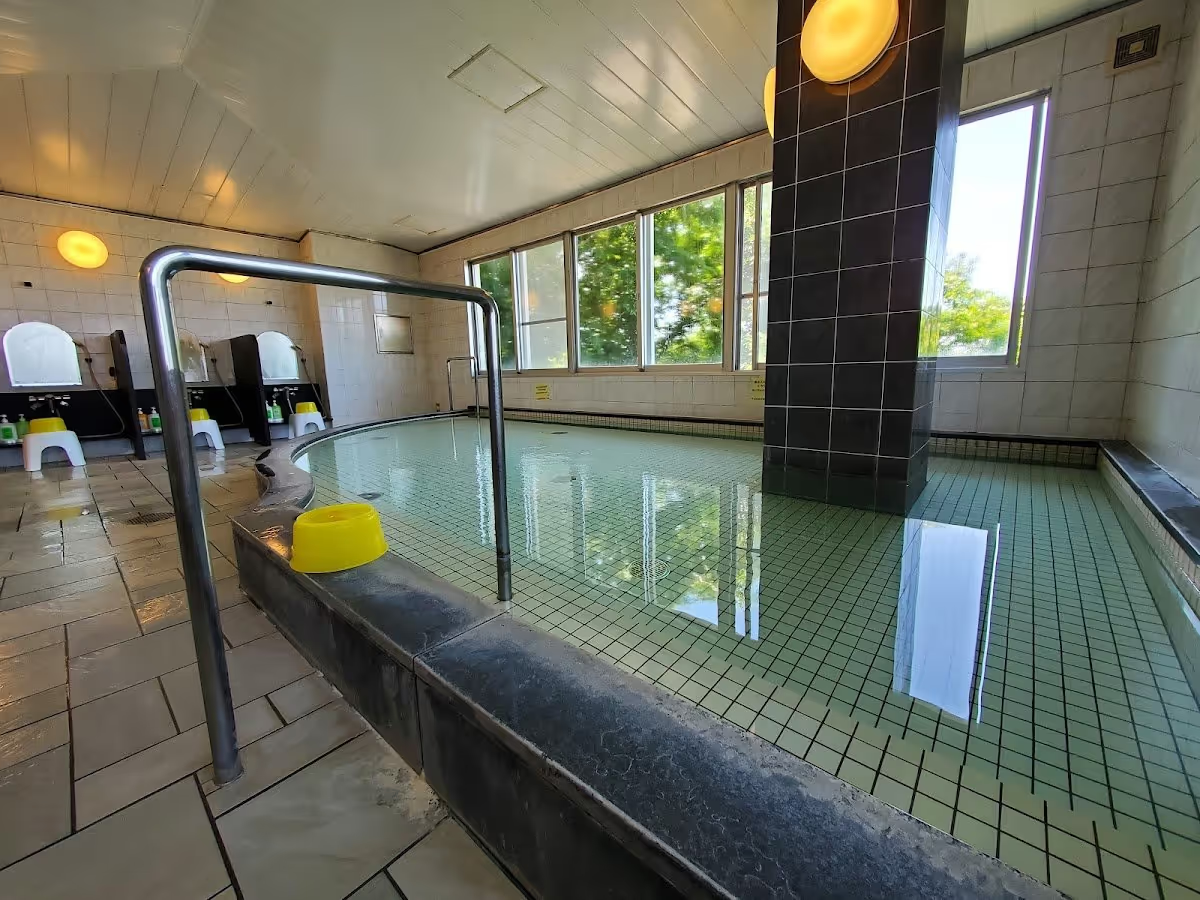
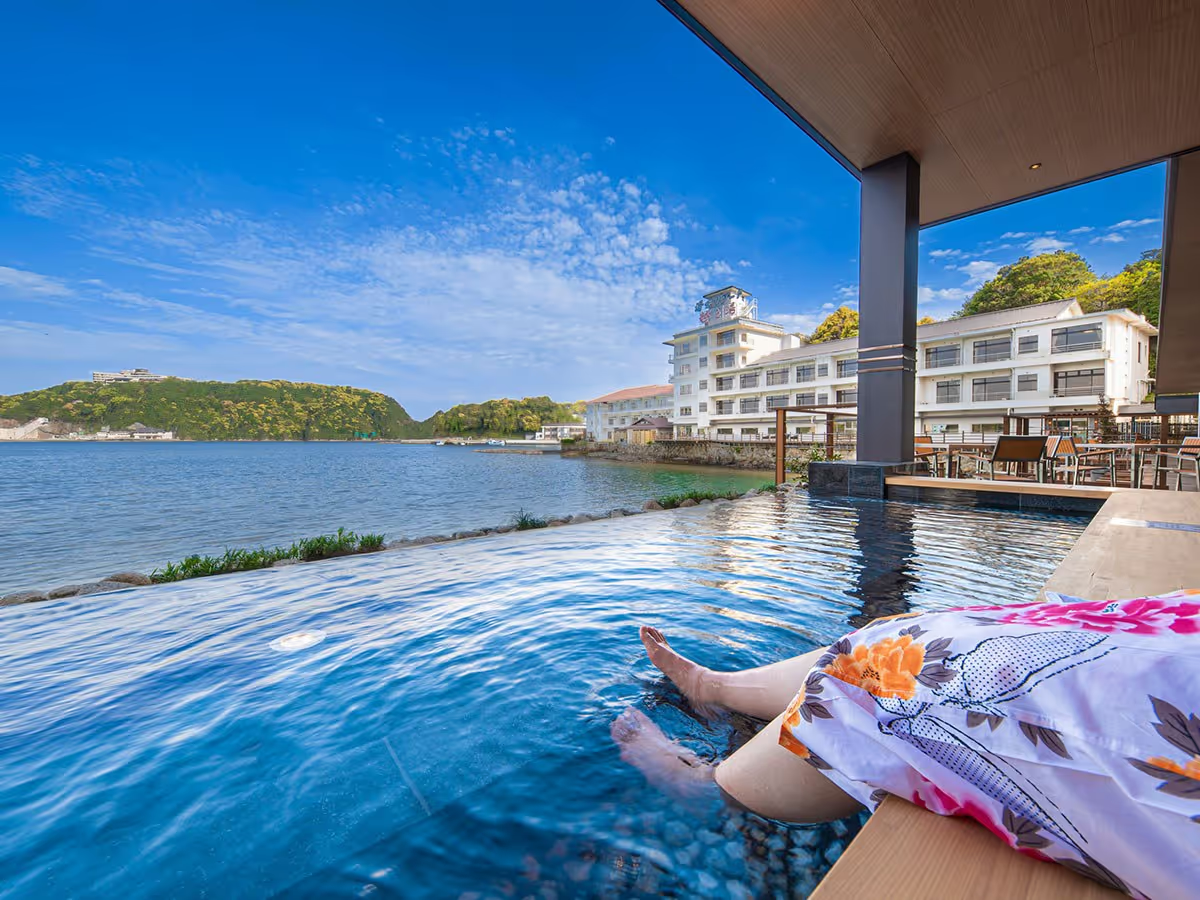
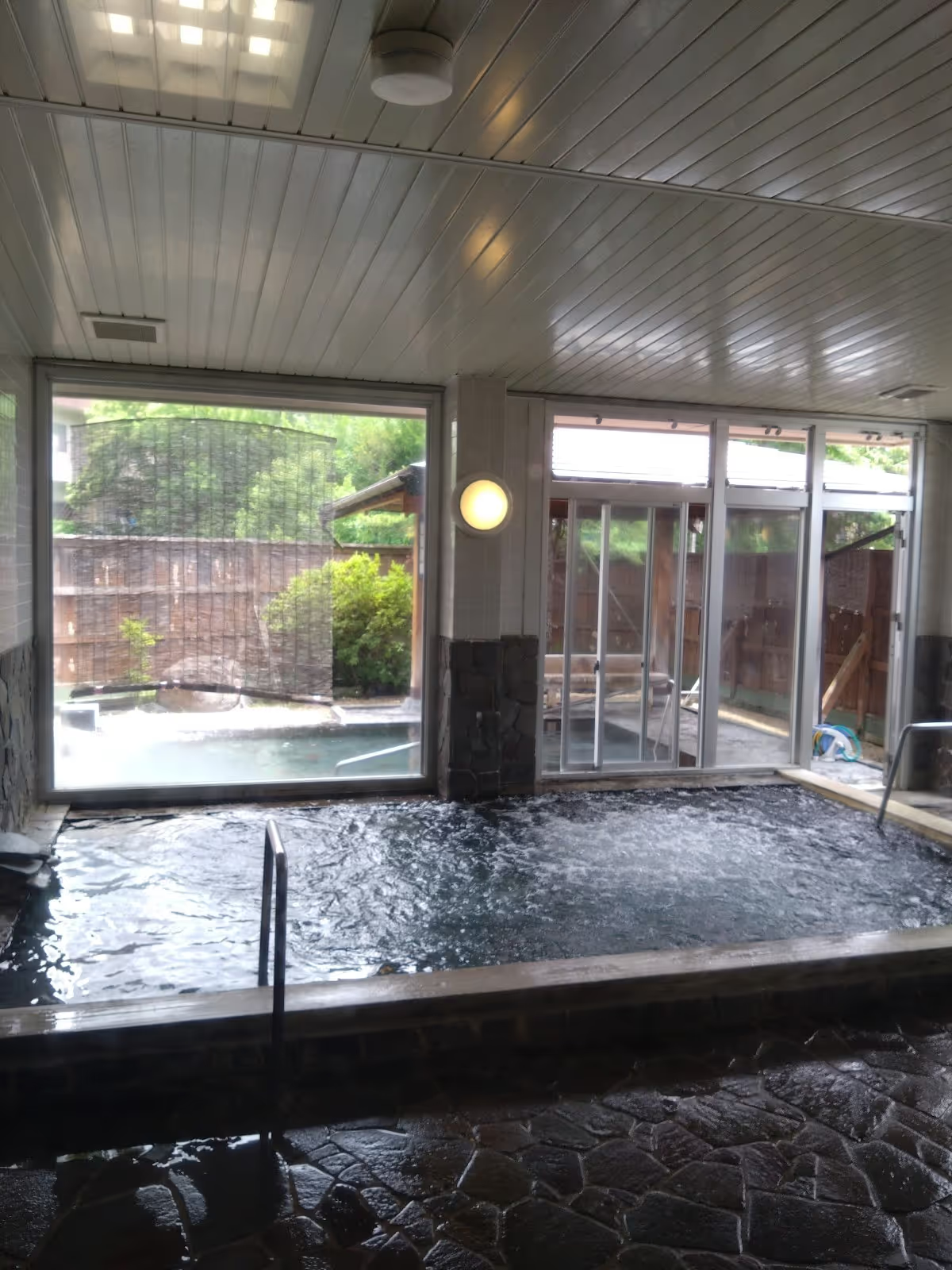
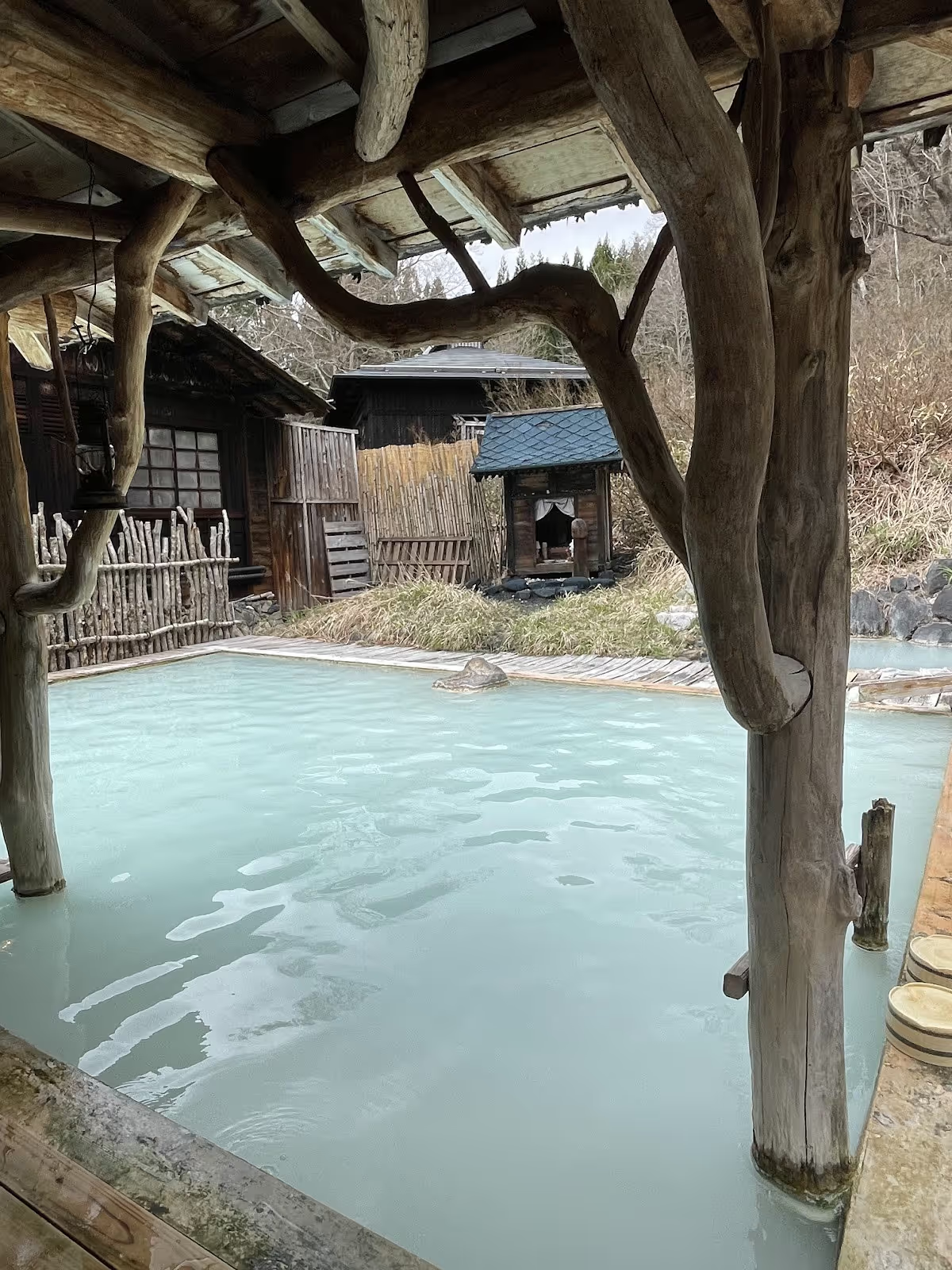
The spring water across the Totsukawa area is predominantly sodium bicarbonate in type, clear and mild, emerging from the mountain geology of the southern Kii interior. The remote setting, the old-growth forested gorges, and the sound of the river are the defining elements of the bathing experience here, and several facilities have outdoor rotenburo positioned directly alongside or above the river. Totsukawa is part of the broader Kumano UNESCO World Heritage landscape and lies within reach of the Kumano pilgrimage routes that cross the Kii mountains, giving the area a cultural and historical depth that extends beyond the spring water itself. The extreme remoteness of the village, the mountain road access, and the limited transport connections give Totsukawa a character that requires deliberate planning and commitment to reach, and that very remoteness is central to the appeal for visitors who seek it out. For visitors seeking hot springs near Totsukawa in a genuine mountain wilderness setting within the Kumano heritage landscape, the area offers one of the most isolated and atmospherically distinctive onsen experiences available anywhere in the Kinki region.
Location & Access
Getting to Totsukawa Onsen
Totsukawa Onsen is one of the more challenging onsen destinations in Japan to reach by public transport. The village has no rail connection, and the primary public transport option is the Nara Kotsu bus service that runs from Yamato-Yagi Station on the Kintetsu Osaka Line to the Totsukawa area. The journey from Yamato-Yagi takes approximately three hours and 30 minutes to four hours by bus, passing through the mountain roads of the Yoshino and Totsukawa valleys. Services are limited, typically running once or twice daily in each direction, and checking current timetables before travel is essential. Yamato-Yagi is accessible from Osaka Abenobashi by Kintetsu limited express in approximately 30 minutes.
An alternative access route from the south involves the Kumano Kotsu bus network from Shingu on the JR Kisei Main Line, with services running north through the Totsukawa valley. Journey times from Shingu are approximately two hours depending on the specific route and stop. This southern approach is useful for visitors combining Totsukawa with the broader Kumano heritage area.
Visitors traveling by car have significantly more flexibility. From Osaka, the drive via the Kinki Expressway and Route 168 through the Yoshino valley takes approximately two hours and 30 minutes to three hours depending on traffic and road conditions. The mountain roads through the Totsukawa valley are narrow and winding and require attentive driving, particularly in rain or after snow. Some sections of the approach road can be subject to temporary closure following heavy rainfall or landslides, and checking current road conditions before departure is strongly advisable. For those seeking hot springs near Totsukawa accessible without a car, the bus options require a full day of travel and an overnight stay is essential. The journey itself through the Yoshino and Totsukawa mountain landscape is considered by many visitors to be part of the experience.
Suitability & Accessibility
Who Totsukawa Onsen Suits
Totsukawa Onsen suits visitors who are drawn to genuine mountain wilderness, remote river gorge scenery, and the experience of bathing in a small inn in one of the most sparsely populated and forested areas of the Kinki region. It is not a resort destination and should not be approached as one. The facilities in the valley range from simple riverside inns to modestly comfortable ryokan, and the emphasis is on the natural environment and the spring water rather than on service amenities or cultural programming. Visitors who find the most satisfaction in the combination of physical remoteness, old-growth forest, and unhurried bathing will find Totsukawa deeply rewarding.
Solo travelers and couples with a serious interest in the Kumano heritage landscape, the mountain geography of the southern Kii interior, or the tradition of pilgrimage-adjacent onsen culture will find Totsukawa a rare and memorable destination. The proximity to Kumano Kodo pilgrimage route segments and the UNESCO World Heritage landscape gives the area a cultural grounding that distinguishes it from purely scenic remote onsen. Visitors who want to walk sections of the Kumano Kodo and rest in a riverside inn at the end of the day will find the area well suited to this pattern.
Visitors looking for accessible hot springs in Japan should be clearly informed that Totsukawa is not accessible in the standard sense. The mountain road access, the scattered inn locations along the river valley, and the absence of rail transport make it physically and logistically demanding. The riverside rotenburo settings at some inns involve uneven terrain and steps near the water. Guests with significant mobility limitations will find the area very difficult to navigate. Among the most remote and scenically intense hot springs in Japan reachable without specialist outdoor equipment, Totsukawa Onsen rewards only visitors who invest the considerable effort required to reach it.
Safety & Etiquette
Safety and Etiquette at Totsukawa Onsen
Totsukawa Onsen requires visitors to take the remote mountain environment seriously as a genuine safety consideration. The village is one of the most isolated inhabited areas in the Kinki region, and the distance from urban medical facilities means that minor incidents that would be routine elsewhere require more careful management. Visitors should carry any medications they need for the duration of their stay and should not rely on being able to access pharmacy services in the village.
The mountain roads through the Totsukawa valley are narrow, winding, and can be subject to rockfalls and landslides following heavy rainfall, particularly during the rainy season in June and July and during typhoon events in late summer and early autumn. Checking road conditions before departure and carrying adequate fuel are essential for visitors driving. The river itself can rise rapidly during and after heavy rainfall, and visitors should not approach the riverbank during or after rain events. Outdoor rotenburo near the river are managed by individual inns, and bathers should follow any staff guidance regarding river conditions and safe bathing times.
Standard Japanese onsen etiquette applies at all inn facilities in the Totsukawa area. Bathers must shower and wash thoroughly before entering any bath. Towels must not be submerged in the water. Bathing areas at most inns are gender-separated, though some smaller riverside rotenburo may operate on a private reservation basis. Confirming bathing arrangements with the inn at check-in is recommended. The mild sodium bicarbonate water produces no significant staining of fabric or jewelry.
Tattoo policies at Totsukawa inns should be confirmed directly with individual properties when booking. The small scale of the inns means that noise carries easily between rooms and outdoor areas, and keeping voices low during evening and overnight hours is appreciated. Photography inside enclosed bathing facilities is not permitted. Children must be supervised at all times near outdoor baths and river areas. Guests with cardiovascular conditions should seek medical advice before bathing. Mobile phone coverage in parts of the Totsukawa valley can be limited or absent, and visitors should inform someone of their itinerary before traveling to the area.