
Quick FactsOverview
About Shirahone Onsen
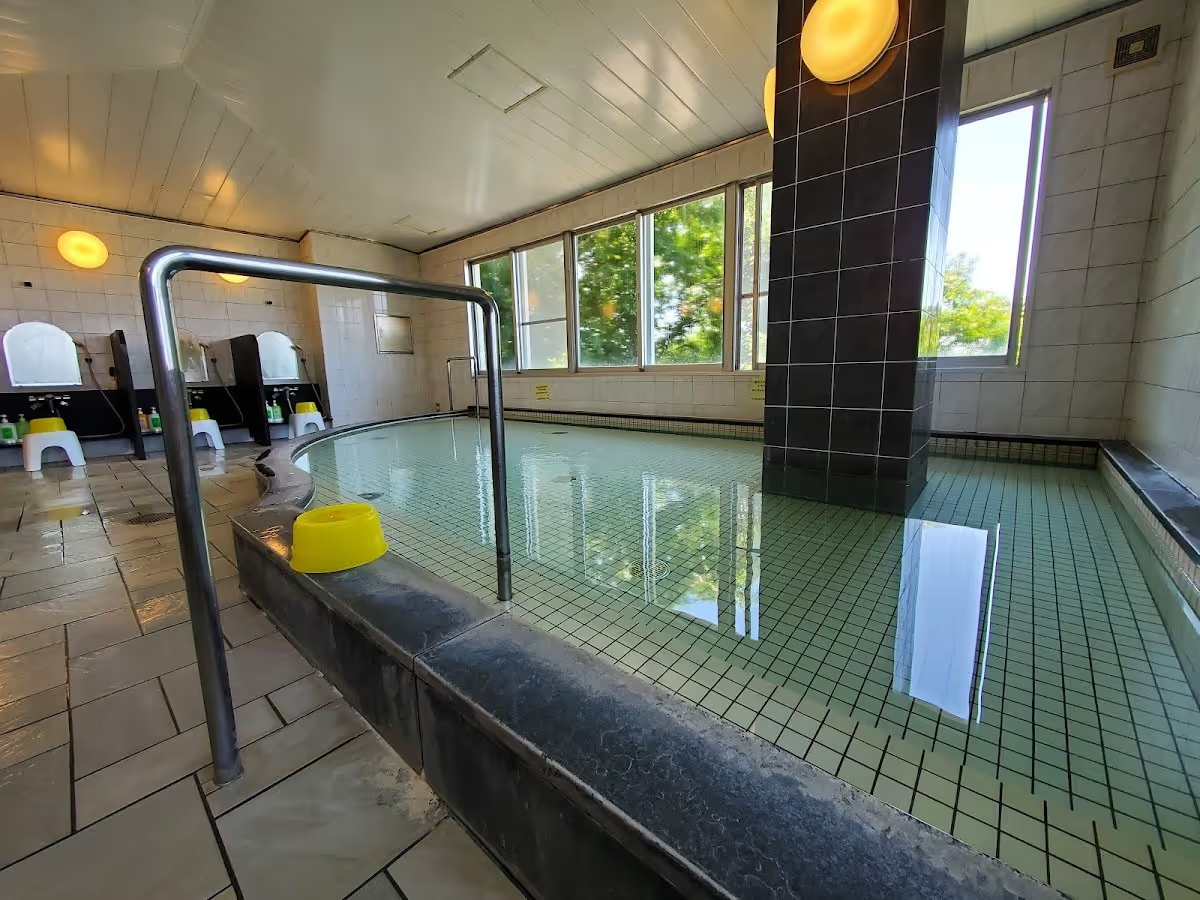
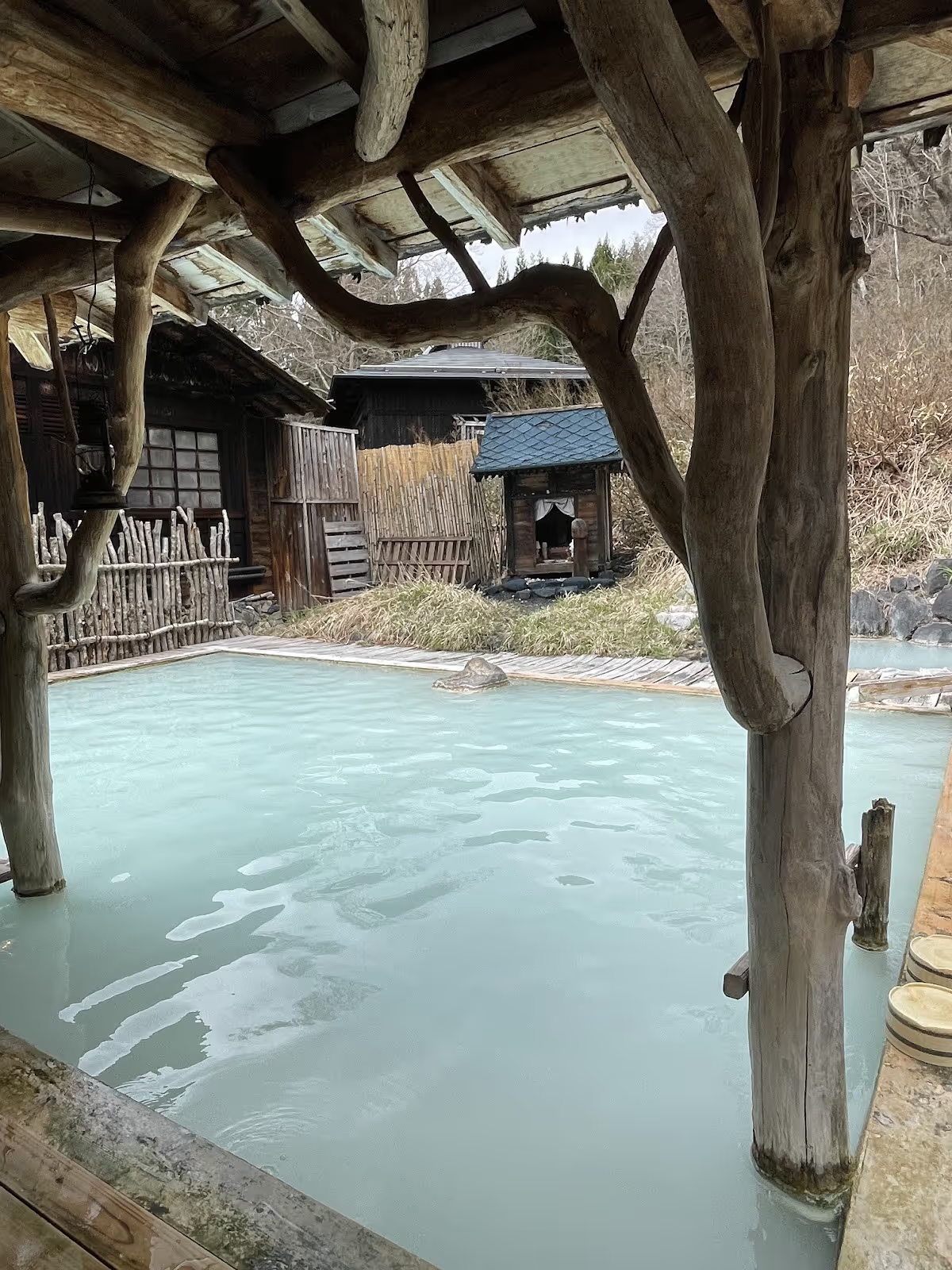
Shirahone Onsen, Japan is a mountain hot spring resort in Matsumoto City, Nagano Prefecture, at approximately 1,400 metres elevation in a steep forested valley in Chubu-Sangaku National Park. The area has been used as a bathing destination since the Kamakura period (1185-1333), with over 600 years of documented history. The name Shirahone means white bone, a reference to the milky-white or pale blue appearance of the water, which emerges clear from the spring but turns opaque on air contact as dissolved calcium and magnesium carbonate precipitate to the surface.
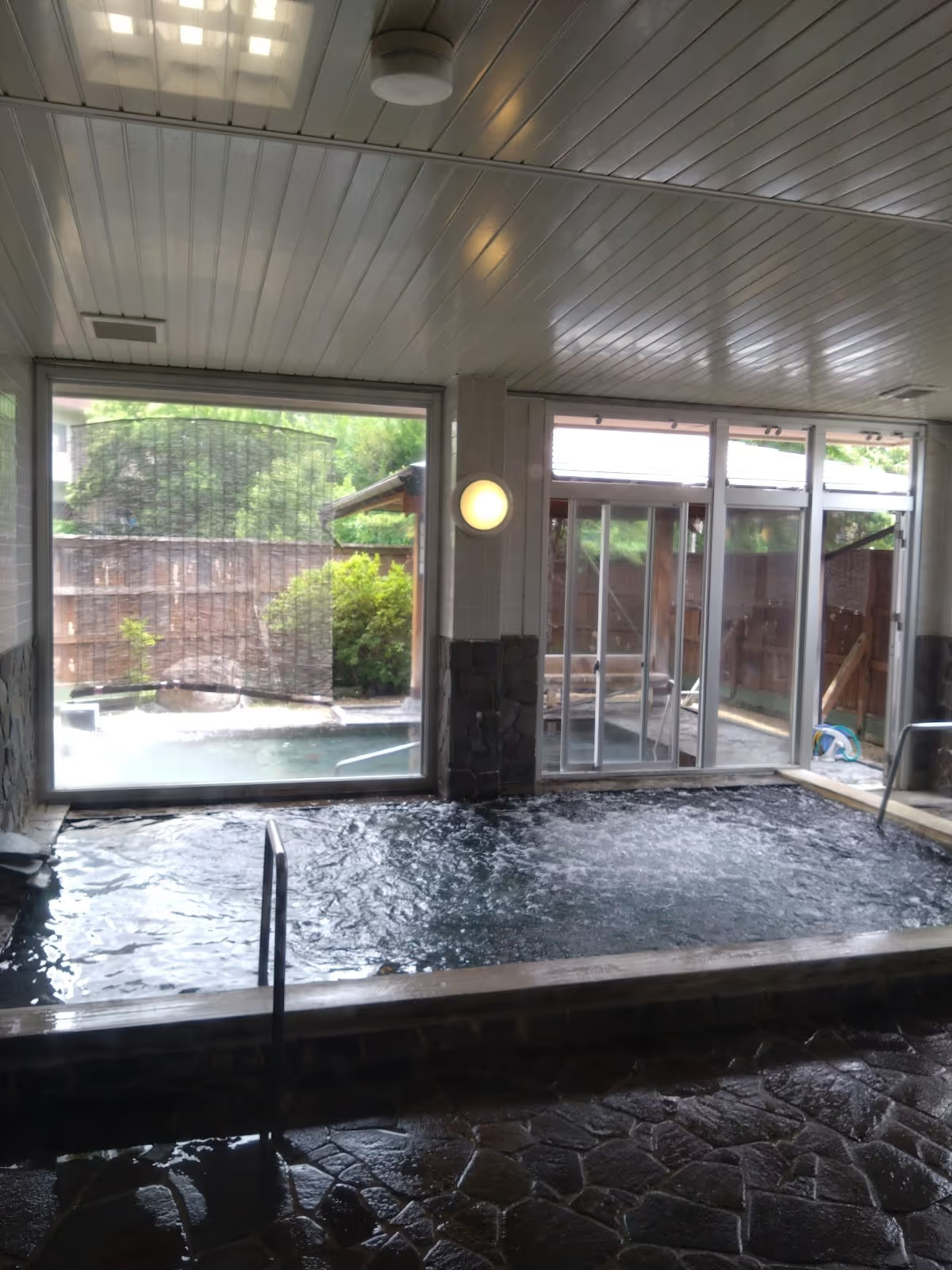
The water is a hydrogen carbonate-calcium-magnesium spring, mildly acidic at around pH 6.3, with a silky texture noted for skin-softening properties. The local saying holds that bathing here for three consecutive days prevents colds for three years. Metal jewellery reacts visibly with the mineral-rich water; remove all accessories before bathing. Around 11 to 12 ryokan operate in the valley. The most prominent public day-use facility is Awanoyu Ryokan, with a landmark mixed outdoor bath at 1,000 yen. The Shirahone Koukyou Notenburo public outdoor bath provides gender-separated day bathing from April to mid-November. Most facilities close from late November to mid-April.
Location & Access
Getting to Shirahone Onsen
Shirahone Onsen is in Azumi, Matsumoto City, Nagano Prefecture. From Matsumoto Station, take the Matsumoto Electric Railway (Kamikochi Line) to Shinshimashima Station (approximately 30 minutes), then a bus to Shirahone Onsen (approximately 70 minutes, around 1,450 yen one way). The total journey from Matsumoto takes approximately 100 to 120 minutes. Bus services run approximately four times per day; check schedules before travelling as they are limited. From Tokyo, reach Matsumoto via the JR Azusa limited express from Shinjuku (approximately two hours 30 minutes), or via the Hokuriku Shinkansen to Nagano and then the JR Wide View Shinano to Matsumoto.
By car from Matsumoto, follow National Route 158 toward Kamikochi and then turn off toward Shirahone Onsen; the drive takes approximately one hour. Shirahone can also be accessed from Norikura Kogen via the Kamikochi Norikura Super Rindo road. The mountain access road is narrow and steep, and may be closed seasonally in winter. Most facilities close from late November to mid-April; confirm road and facility status before travelling in shoulder or winter months. Awanoyu Ryokan day-use hours are 10:30 to 14:00 (last entry 13:30), closed Wednesdays and Thursdays; admission is 1,000 yen for adults.
Suitability & Accessibility
Who Shirahone Onsen Suits
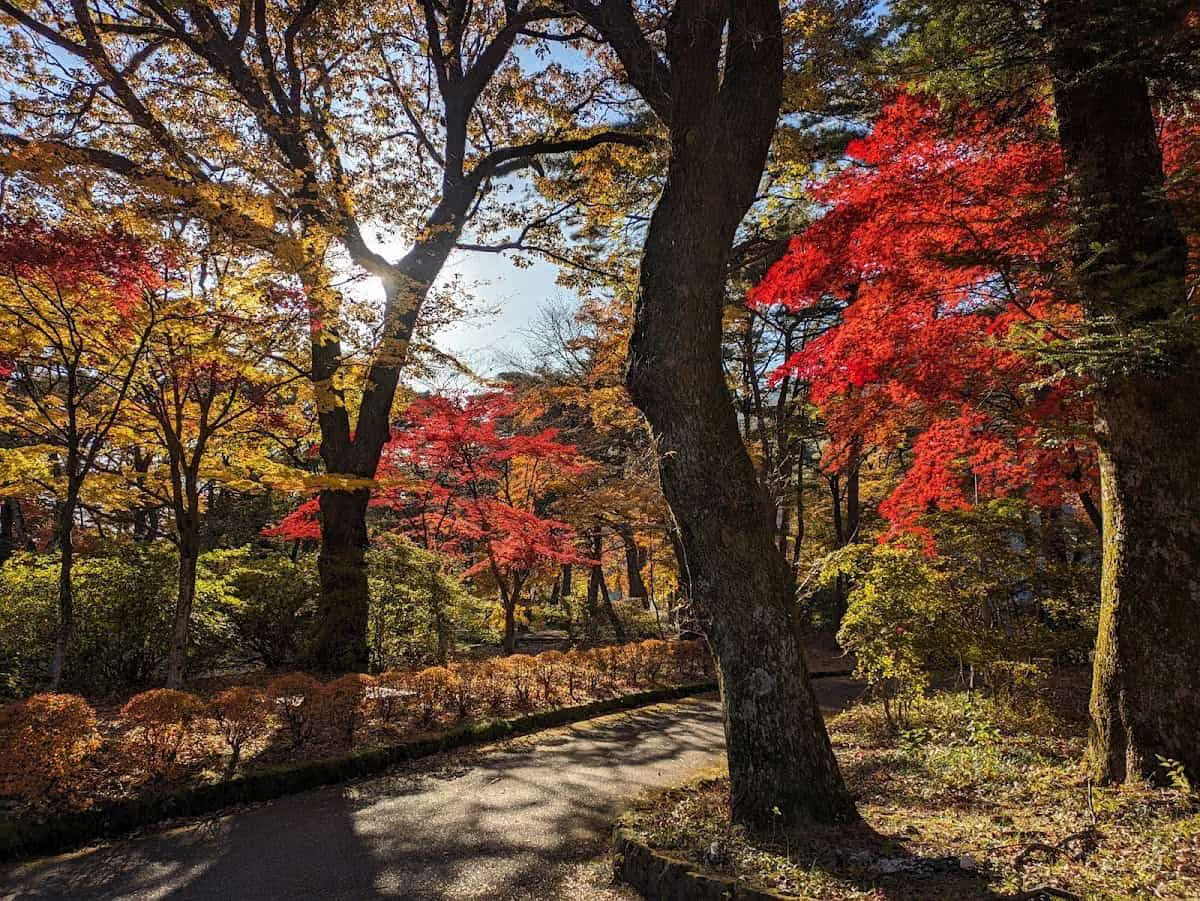
Shirahone Onsen suits visitors who want a secluded, visually distinctive alpine onsen experience in the Nagano Alps. The milky-white water, the steep forested valley, and the traditional ryokan character give it a different appeal from more accessible hot spring towns. It pairs well with a visit to Kamikochi or Norikura Kogen, both accessible by the same route. Autumn is regarded as the best season, when the valley foliage turns copper and gold around the steaming pools.
Overnight stays at ryokan are the recommended way to experience Shirahone, providing full access to indoor and outdoor baths, kaiseki dining using local mountain ingredients, and the valley atmosphere in the evening. Day-use is practical from Matsumoto; the Awanoyu mixed bath at 1,000 yen is the most accessible option. Drinking spring water from bamboo spouts around the village is a local custom worth trying.
Families are welcome; the mildly acidic water is considered safe for children and the elderly. Metal jewellery must be removed before any bath as it reacts with the calcium-rich water. Wheelchair access is not practical due to the valley terrain and traditional building steps. Most facilities close between late November and mid-April; winter visits require careful advance confirmation that specific properties are open and the road is accessible.
Safety & Etiquette
Shirahone Onsen Safety Tips
Shirahone Onsen is generally safe as a resort with professionally staffed ryokan and managed bathing facilities. The main safety considerations are the remote mountain location, the winter closure period, and the mild chemical character of the water.
The calcium and magnesium content of the water reacts with metal jewellery, causing visible discolouration or corrosion on silver and other metals; remove all rings, necklaces, and bracelets before entering any bath. The spring is mildly acidic at around pH 6.3 and is gentle relative to volcanic hot springs; it is safe for most skin types and for children. Limit soaking to 10 to 15 minutes per session, rest and drink water between soaks, and avoid submerging the face. People with heart conditions, hypertension, or open wounds should consult a doctor before bathing. Drinking the spring water from the bamboo spouts around the village is traditional and considered safe in small amounts; do not drink directly from the bath.
The mountain access road is narrow, steep, and typically closed or requires snow tyres in winter; most facilities also close from late November to mid-April. Confirm road and facility status before travelling in shoulder or winter months. The steep valley and forested surroundings mean temperatures drop sharply after dark and in poor weather even in summer; bring appropriate warm layers. Awanoyu's mixed outdoor bath involves outdoor exposure; have warm clothes ready for immediately after bathing. White mineral deposits form on wooden tubs over time at Shirahone; this is normal and the water is clean.