Quick FactsOverview
About Kawayu Onsen Sennin-buro
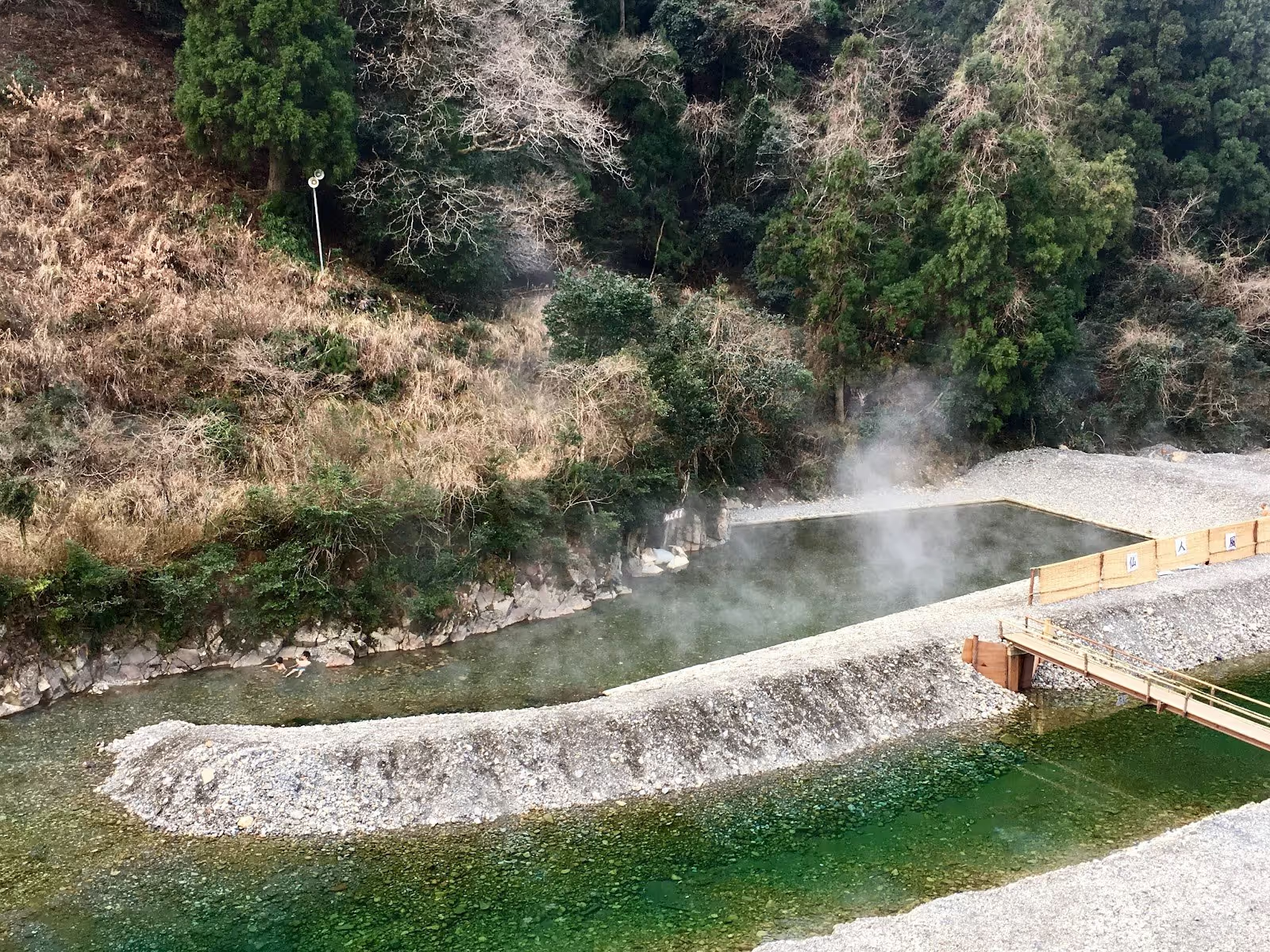
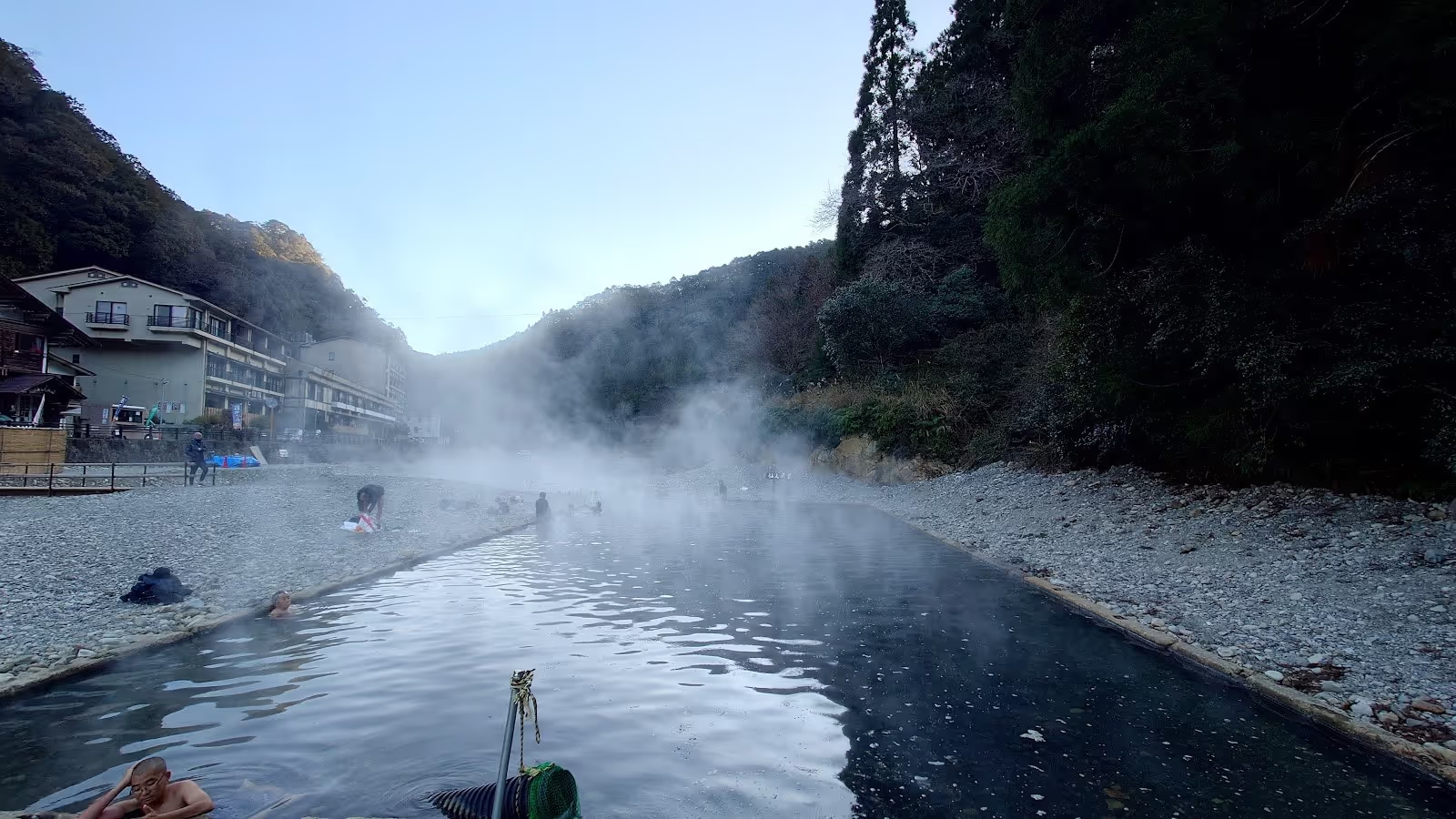
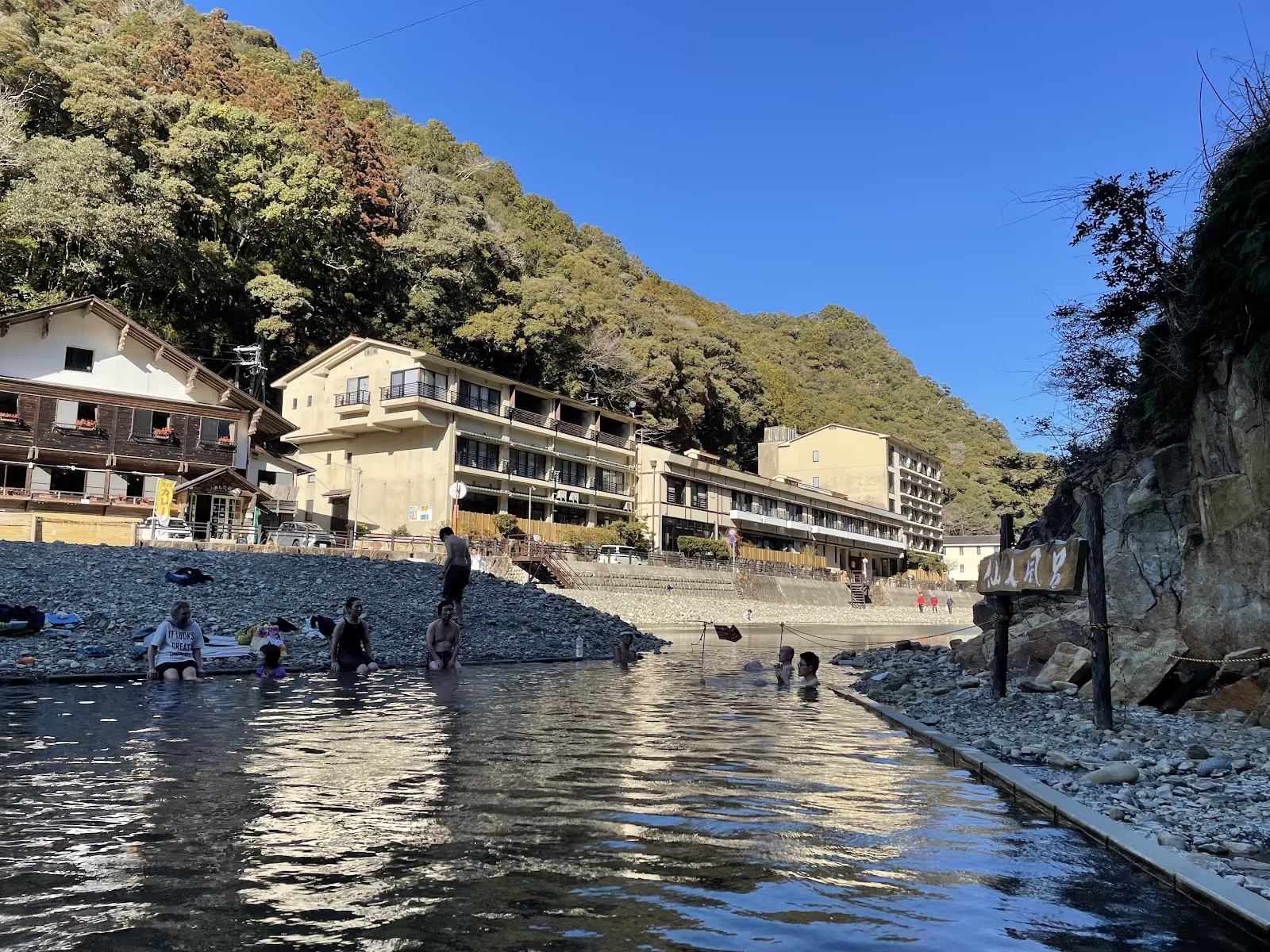
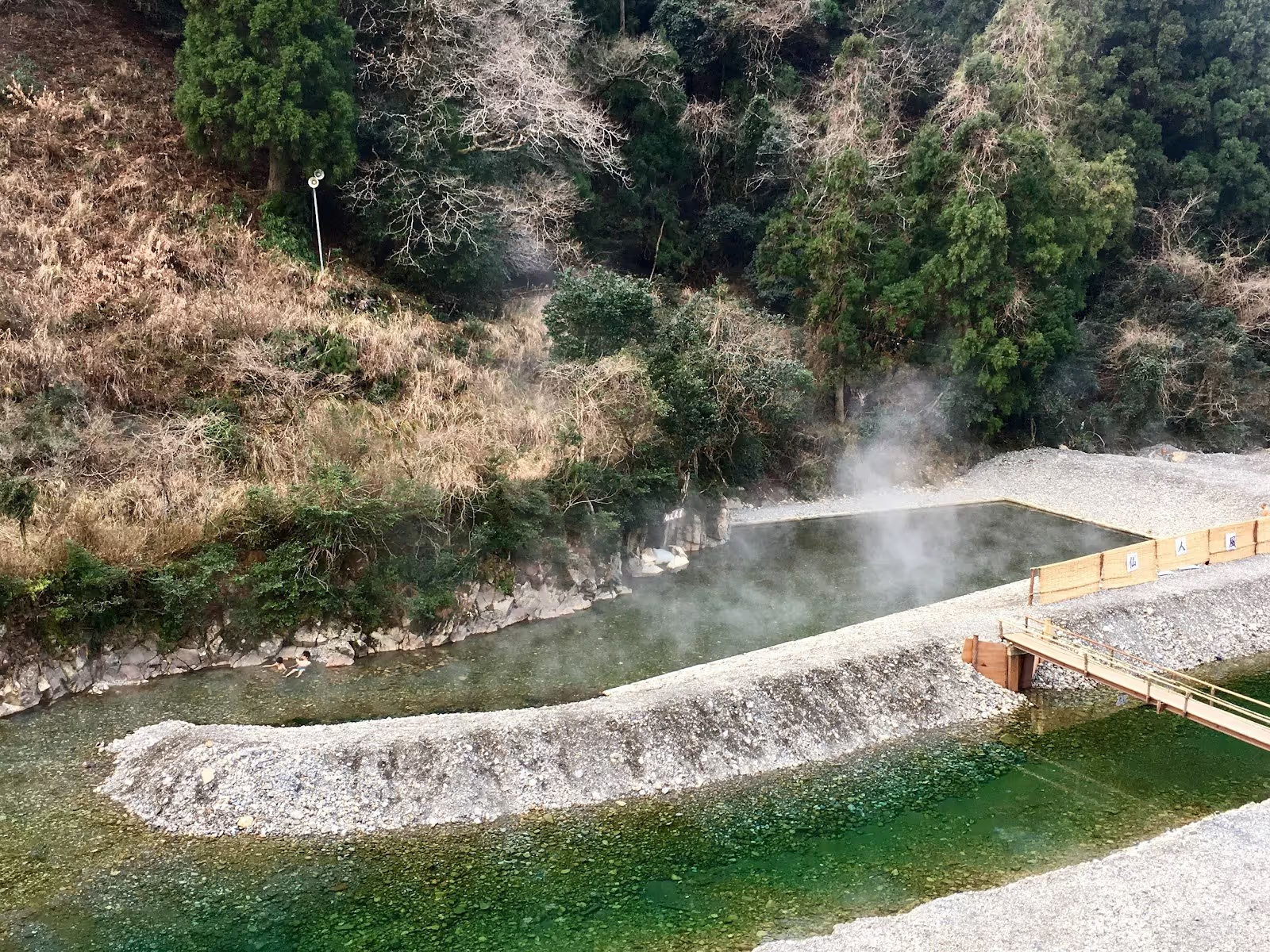
Kawayu Onsen Sennin-buro River Bath, Japan is a free seasonal open-air hot spring bath created each winter in the bed of the Oto River, a tributary of the Kumano River, in Hongu-cho, Tanabe City, Wakayama Prefecture. The name Sennin-buro means bath of one thousand people, a reference to its enormous scale. It sits close to Kumano Hongu Taisha Grand Shrine and the World Heritage Kumano Kodo pilgrimage routes in the Hongu Onsen-kyo area, which also encompasses Yunomine Onsen and Wataze Onsen.
The defining geological feature of Kawayu Onsen is the direct emergence of geothermal water from the riverbed itself; the hot spring source at 73 degrees Celsius mixes with the cold, clear Oto River water to produce a bathing temperature of around 40 degrees. Because the pool is shaped by natural river conditions each year rather than permanent infrastructure, its exact dimensions vary; it typically measures approximately 40 metres by 15 metres with a depth of around 60 centimetres. The bath is enclosed by reed screens along the perimeter, leaving the top open to the sky. Swimwear is required. Makeshift change rooms are provided on the riverbank: the women's change room is enclosed, the men's side is open on the mountain side. Entry is free at all times during the seasonal period.
Location & Access
Getting to Kawayu Onsen Sennin-buro
Kawayu Onsen Sennin-buro is in the Oto River at Kawayu Onsen, Hongu-cho, Tanabe City, Wakayama Prefecture, close to Kumano Hongu Taisha Grand Shrine. By public transport, take the Kumano Gobo Nankai Bus or Nara Kotsu Bus from Shingu Station on the JR Kisei Main Line and get off at the Kawayu-onsen stop; the journey takes approximately one hour. A shorter approach is possible from the Kumano Hongu-taisha-mae bus stop, approximately a 10-minute bus ride from that stop. From Osaka, travel to Shingu by JR Kuroshio limited express to Kii-Katsuura and then onward by local train; total journey from Osaka is approximately three to four hours.
By car, take the Hanwa Expressway to the Kii-Tanabe Interchange, then National Route 42 and 311 toward Hongu for approximately 54 kilometres; the drive from central Osaka takes around two and a half hours. Free parking for approximately 50 vehicles is available 200 metres downriver from the bath. The Sennin-buro is open from December 1 to February 28, daily from 06:30 to 22:00, though hours may change depending on weather; confirm before visiting with the Kumano Hongu Tourist Association. Entry is free at all times. No advance booking is required.
Suitability & Accessibility
Who Kawayu Onsen Sennin-buro Suits
Kawayu Onsen Sennin-buro suits winter visitors exploring the Kumano Kodo pilgrimage routes or the Kumano Hongu Taisha Grand Shrine, for whom a free open-air soak in a river hot spring is a distinctive addition to the journey. The location within the Hongu Onsen-kyo area pairs naturally with the shrine, the hiking trails, and the other onsen nearby, including Yunomine Onsen with its World Heritage cooking hot spring. The scale and free entry make it accessible to any visitor regardless of budget.
Families and groups are welcome; the requirement for swimwear makes this one of the more accessible of Japan's natural onsen experiences for those who prefer mixed-gender communal bathing. The rocky riverbed means sandals or water shoes are advisable, and most accommodations in the area provide or rent swimwear and sandals. The pool is shallow at around 60 centimetres, manageable for children who can stand.
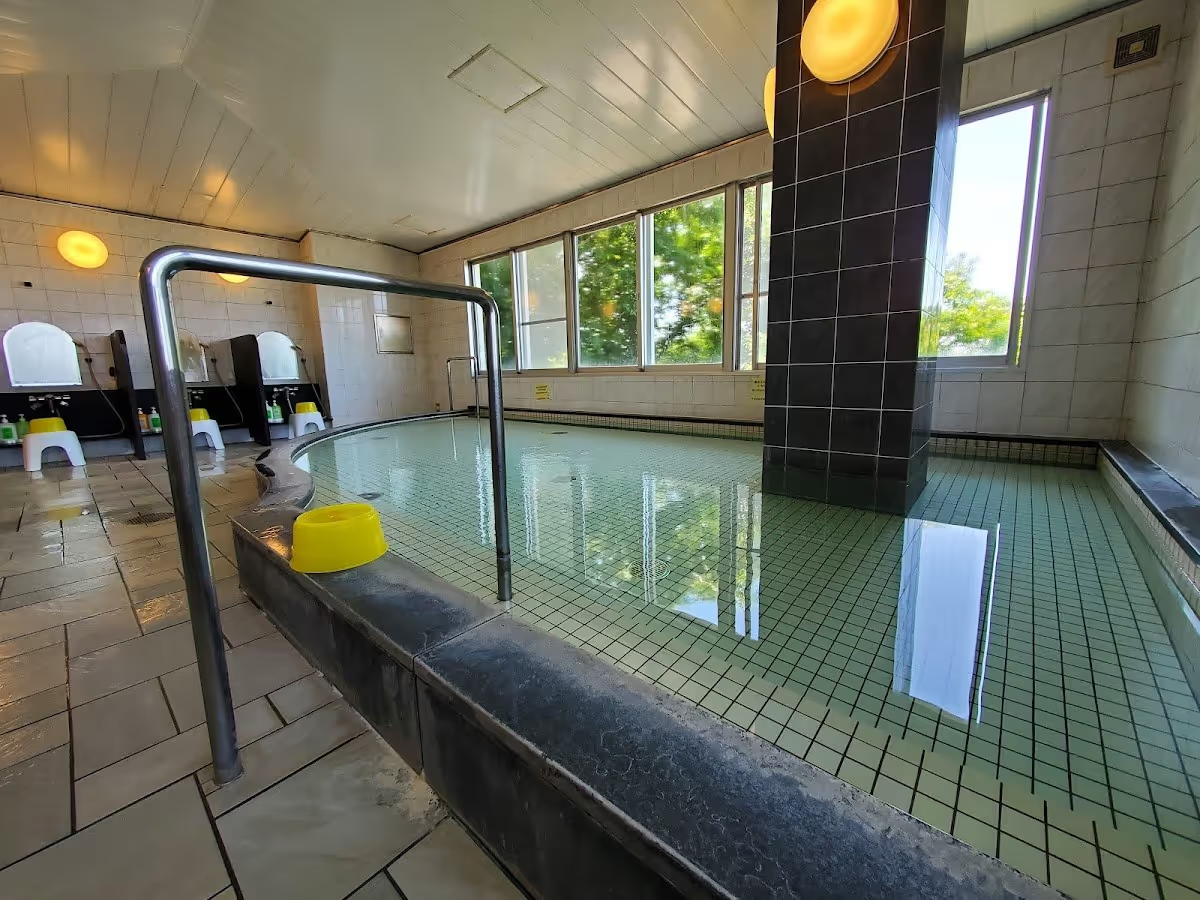
The Sennin-buro is open December through February only. Outside this window, visitors can dig personal pools in the riverbank gravel using shovels lent by local accommodation; geothermal water percolates naturally to fill them. Year-round bathing is also available at the ryokan and guesthouses along the river. Wheelchair access to the riverbank bath is not documented; the riverbed involves uneven gravel terrain.
Safety & Etiquette
Kawayu Onsen Sennin-buro Safety Tips
Kawayu Onsen Sennin-buro is generally safe as a well-used seasonal attraction in a managed onsen area, but it is an outdoor river hot spring and carries the safety considerations of any open-water geothermal environment. The main considerations are water temperature variability, the rocky riverbed, and winter mountain conditions.
The source water emerges at 73 degrees Celsius and mixes with river water to reach approximately 40 degrees across most of the pool; however, temperature varies by location within the bath, with some spots running hotter, particularly near the spring vents in the riverbed. Test the water temperature before stepping in fully and move to cooler areas if needed. Do not attempt to dig near or into the spring vents directly. Limit soaking time to 10 to 15 minutes and rest and drink water between soaks. People with heart conditions, hypertension, or open wounds should consult a doctor before using the bath.
The riverbed is composed of rounded stones and gravel that can be uneven and slippery underfoot; water shoes or sandals are strongly recommended. The reed screen enclosure is open at the top and the site is outdoors in the winter mountains; temperatures outside the water can drop significantly, particularly in the evening. Bring warm layers to change into immediately after bathing to avoid rapid chilling. Glass objects are not permitted at the bath. No lifeguard or attendant is present. In severe weather the bath may be temporarily closed; confirm current status with local accommodation or the Kumano Hongu Tourist Association before visiting.