
Quick FactsOverview
About Kinosaki Onsen
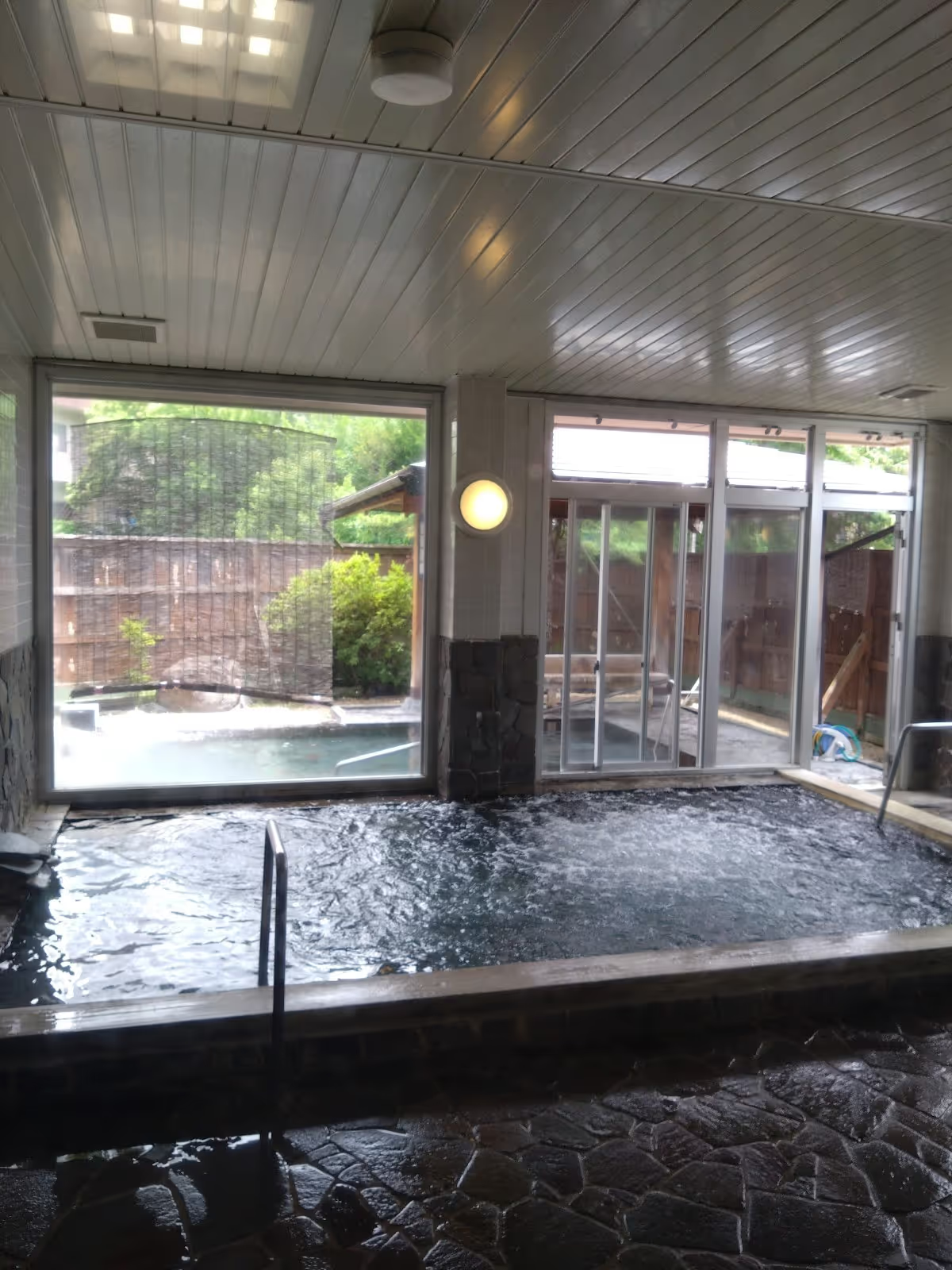
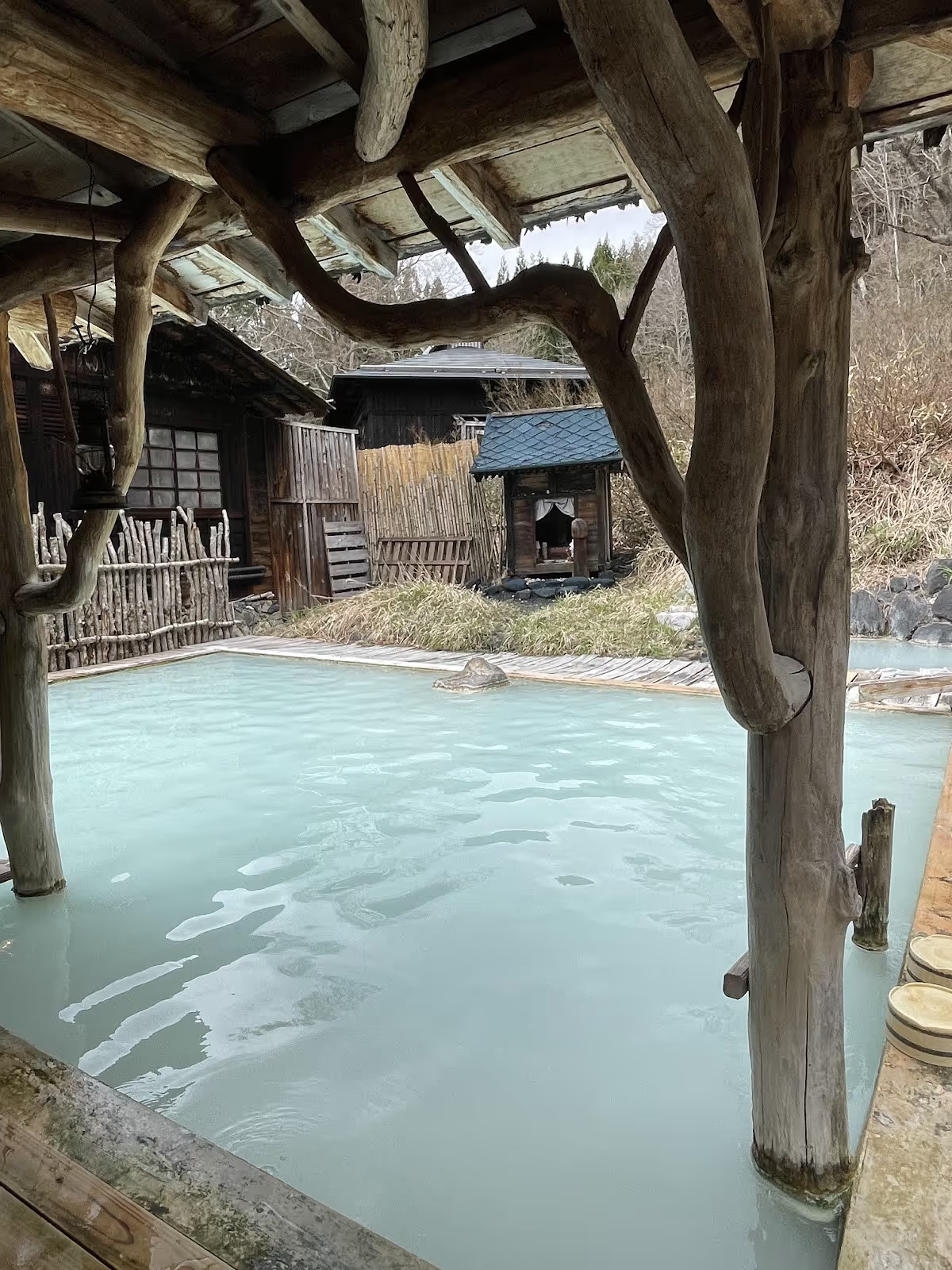
Kinosaki Onsen, Japan is a historic hot spring resort town in the Kinosaki district of Toyooka City, Hyogo Prefecture, on the Sea of Japan coast in northern Kansai. The town's hot springs are said to have been discovered over 1,300 years ago by a Buddhist monk named Dochi Shonin who prayed at the site for 1,000 days. Today the town is built around seven public sotoyu bathhouses, each with a distinct design, atmosphere, spring temperature, and cultural character. It is widely regarded as one of the best onsen towns in Japan and has been named a top hot spring destination by international travel guides.
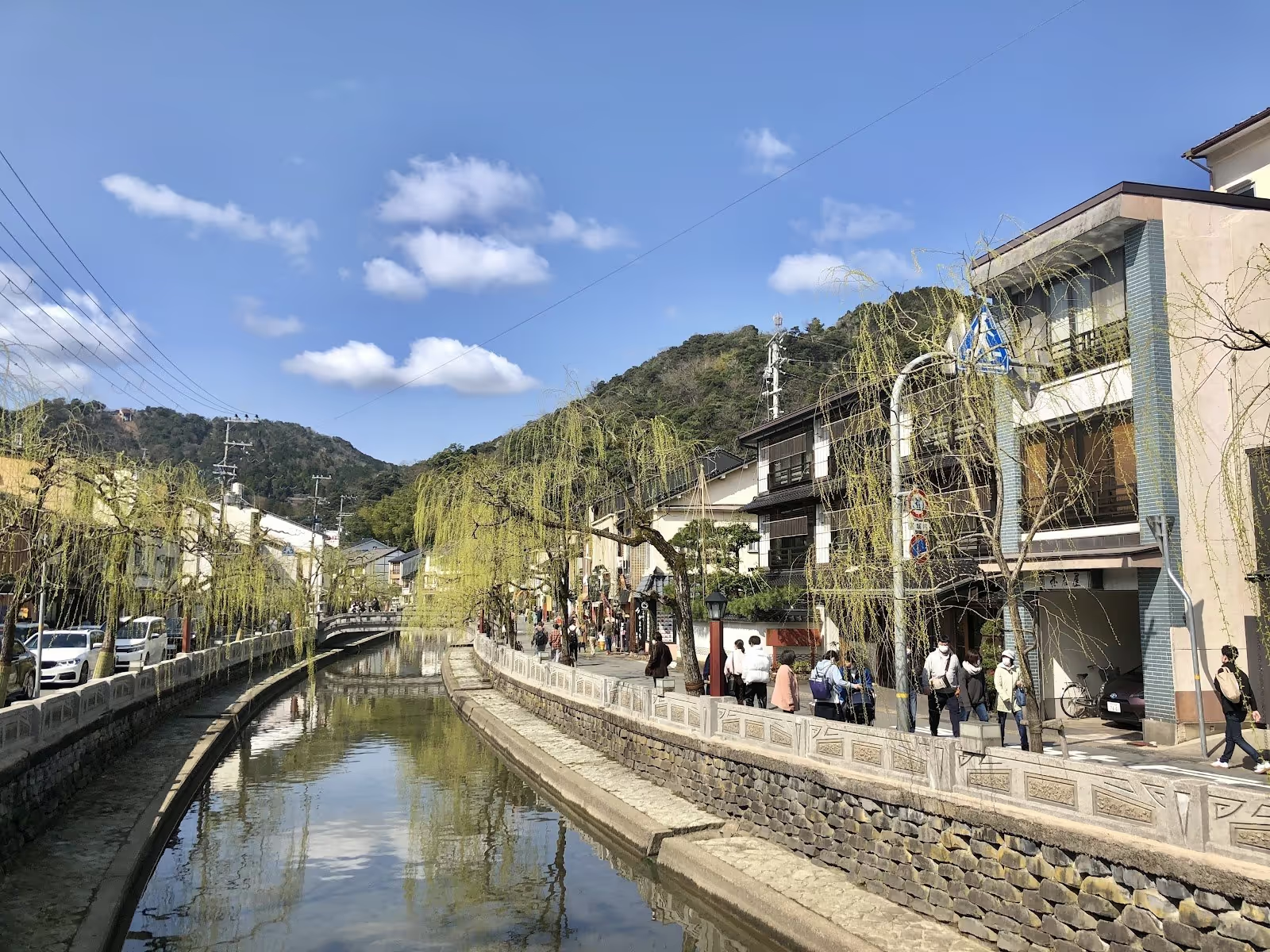
The town is compact and entirely walkable along the Otani River, lined with willow trees and stone-paved streets. Traditional wooden ryokan, souvenir shops, cafes, and arcades face the river and the narrow lanes on either side. Overnight guests at Kinosaki ryokan receive a Yumepa pass giving free access to all seven sotoyu. Day visitors may purchase an individual bath ticket (600 to 800 yen per bath) or a Yumepa day pass for 1,500 yen covering all baths. All seven sotoyu are tattoo-friendly, a confirmed town policy that sets Kinosaki apart from most Japanese onsen destinations. The town is also known for Matsuba crab in winter and Tajima beef year-round.
Location & Access
Getting to Kinosaki Onsen
Kinosaki Onsen Station is the gateway to the town, on the JR San'in Main Line in northern Hyogo Prefecture. From Kyoto, take the JR Limited Express Kinosaki direct to Kinosaki Onsen Station in approximately two and a half hours; seat reservations are required and can be made free of charge with a JR Pass. From Osaka, take the JR Limited Express Kounotori or Hamakaze in approximately two and a half to three hours. From Kobe (Sannomiya), the journey takes approximately two hours by San'in Limited Express. The JR Pass, Kansai Wide Area Pass, and Sanin Okayama Area Pass are all accepted on these services. From Tokyo, take the Tokaido Shinkansen to Shin-Osaka or Kyoto and transfer to the Kinosaki limited express.
Once at Kinosaki Onsen Station, the entire town is within a 15 to 25-minute walk from the platform. Several ryokan offer free shuttle services from the station. The Yumepa day pass (1,500 yen adults, 750 yen children) can be purchased at any of the sotoyu or at the tourist information centre near the station. Free foot baths around the town require no ticket. A ropeway from the western end of the main street runs to the top of Mount Daishi, with views of the town and the Sea of Japan coastline.
Suitability & Accessibility
Who Kinosaki Onsen Suits
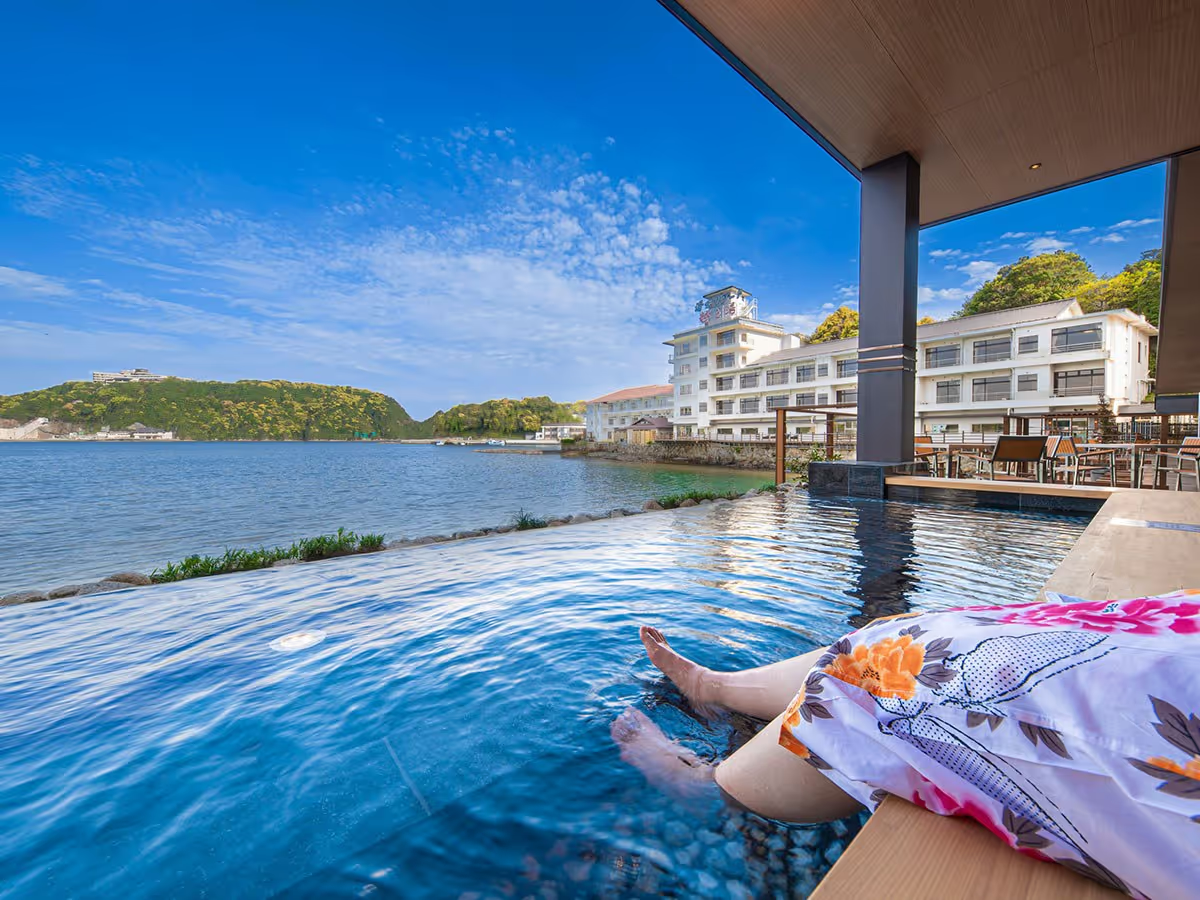
Kinosaki Onsen suits visitors who want a complete, traditional Japanese onsen town experience within easy reach of Kyoto or Osaka. The ability to spend an evening and morning wandering between bathhouses in a yukata robe, collecting stamps on a bath towel at each sotoyu, eating snow crab or wagyu beef at a ryokan, and walking stone-paved streets lit by lanterns is the defining experience here. It suits onsen beginners who benefit from English-language signage and the inclusive tattoo policy, and seasoned onsen travellers who appreciate the quality and variety of the seven different bathhouses.
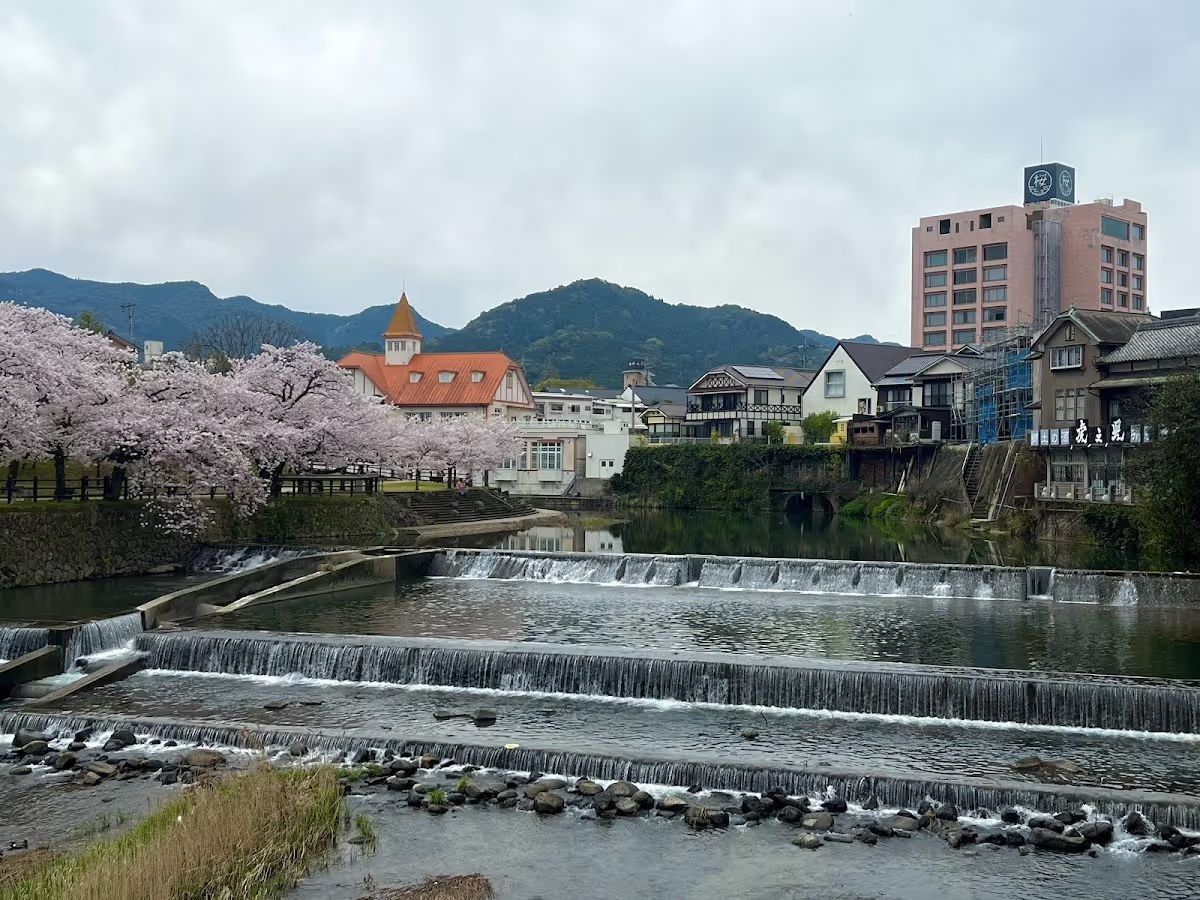
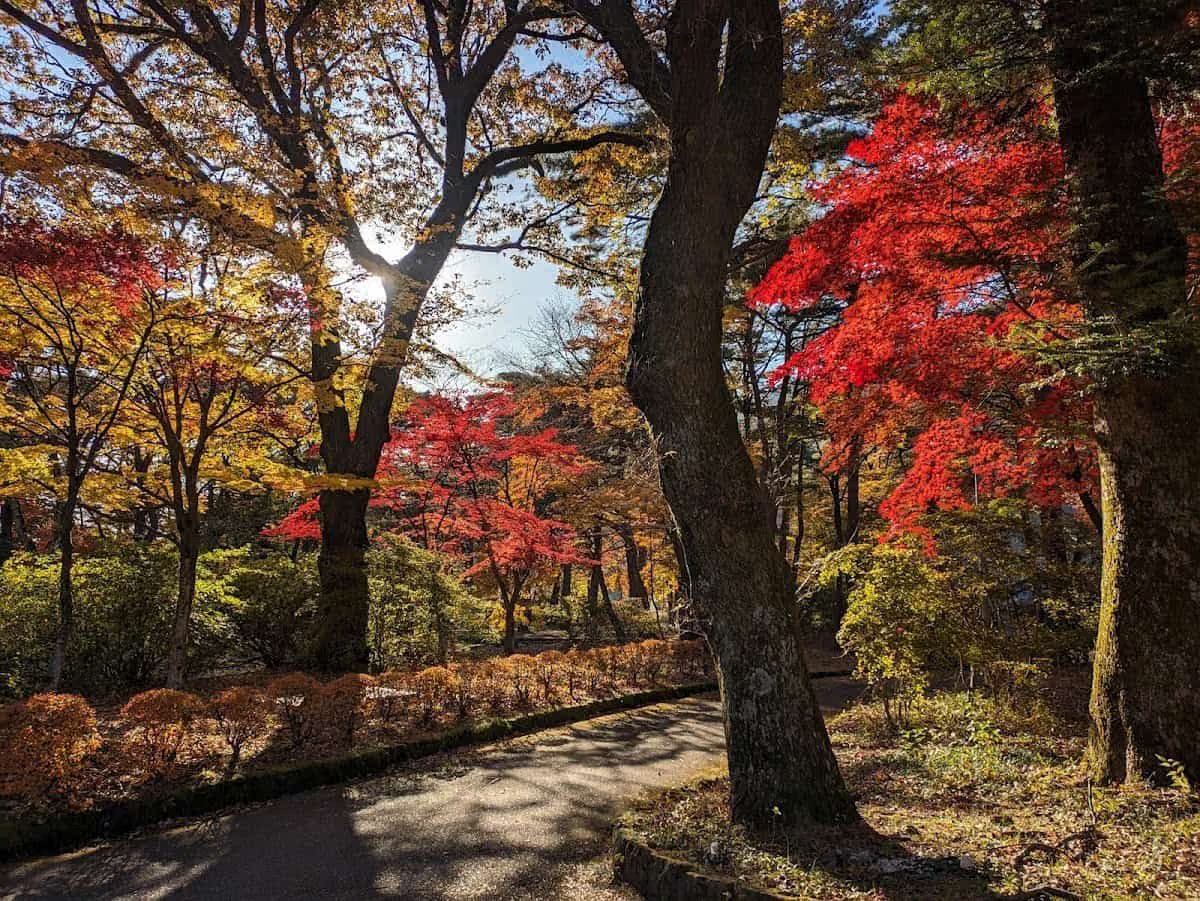
Overnight stays at a ryokan are the best way to experience Kinosaki, as they include the free Yumepa pass for all baths, kaiseki or seafood dinner, and the full atmosphere of the town after day visitors have left. Day visits from Kyoto or Osaka are also practical. Winter is particularly popular for Matsuba crab season and the combination of cold weather with hot baths; spring and autumn offer beautiful canal-side scenery.
Families are welcome; most sotoyu have no age restrictions and the free foot baths around town suit all ages. Tattooed visitors are explicitly welcome at all seven sotoyu. Wheelchair accessibility varies by facility; the main street is cobblestone and some bathhouses have steps. Contact individual bathhouses or the tourist information centre if accessibility is a priority. Note that Satono-Yu has been closed for renovations since April 2024; confirm current availability at visitkinosaki.com before visiting.
Safety & Etiquette
Kinosaki Onsen Safety Tips
Kinosaki Onsen is generally safe as a well-managed tourist town with professional staffing at all seven sotoyu. The main safety considerations are the bath temperatures, which vary by facility, the standard health contraindications for hot spring bathing, and the physical demands of spending a full day moving between multiple baths.
Bath temperatures vary significantly across the seven sotoyu; some run hotter than others, and the hottest baths such as Yanagi-yu and Jizo-yu can be intense for those unaccustomed to Japanese onsen temperatures. Limit soaking time to 10 to 15 minutes per bath, rest and drink water between each sotoyu, and do not rush the circuit. People with heart conditions, hypertension, or open wounds should not use the baths or consult a doctor first. The cumulative effect of visiting multiple baths in one day means dehydration is a realistic risk; carry water and rest regularly.
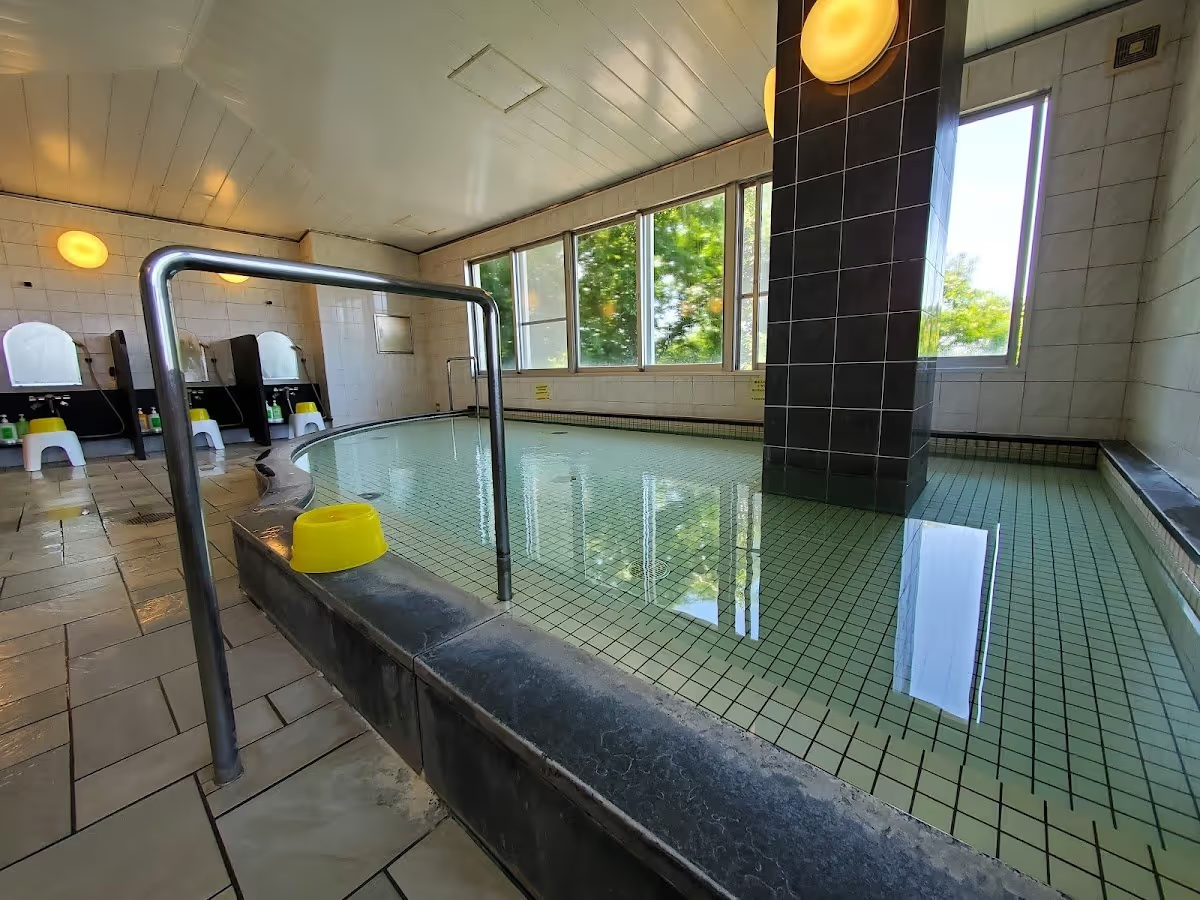
Wash thoroughly at the shower stations before entering any communal bath; this is a non-negotiable etiquette requirement. No swimwear is permitted in any of the seven sotoyu; all baths are gender-separated. Keep towels and personal items out of the water. The Kinosaki cobblestone streets and stone-paved canal paths can be slippery when wet or in winter snow; geta wooden sandals are atmospheric but require care, and rubber-soled footwear is more practical in rain. If staying overnight, note that the yukata provided by ryokan are not wind-resistant; bring a warm layer for evening strolls in winter.