
Quick FactsOverview
About Jozankei Onsen
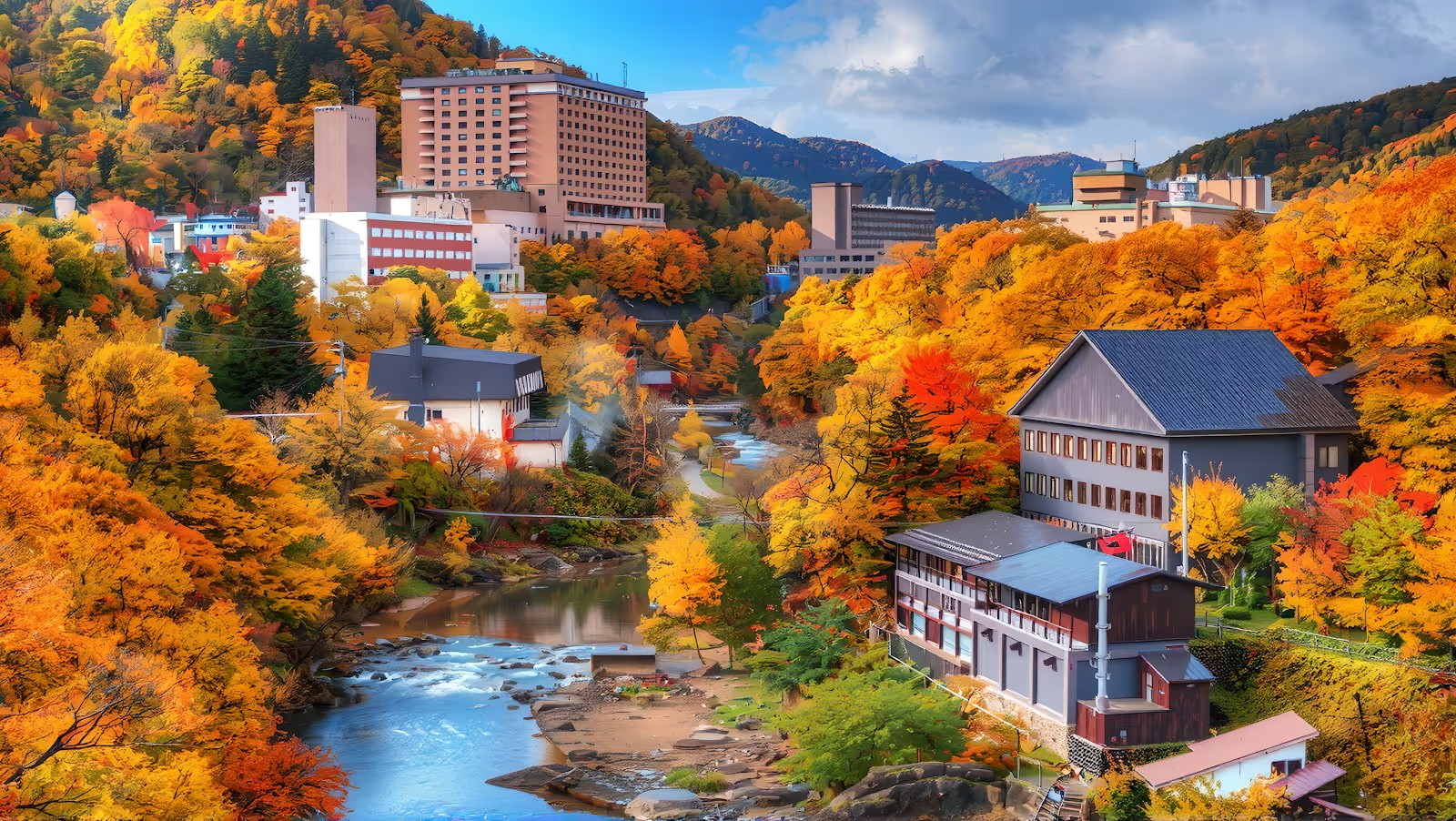
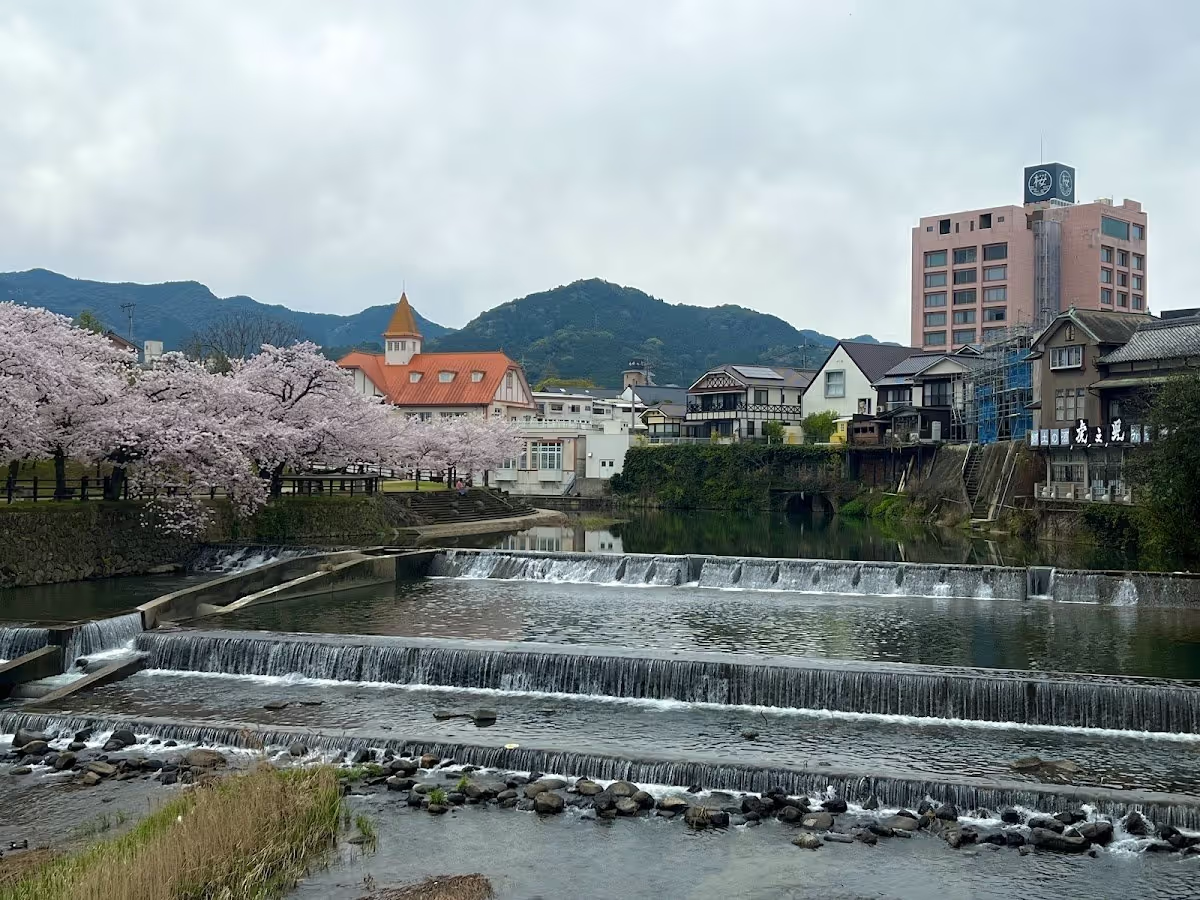
Jozankei Onsen, Japan is a hot spring resort town in Minami-ku, Sapporo, Hokkaido, set in a steep gorge formed by the Toyohira River within Shikotsu-Toya National Park. It is known as the okuzashiki, or inner parlour, of Sapporo, due to its proximity to the city at roughly one hour by bus or 40 minutes by car. The hot springs were discovered in 1866 by Buddhist monk Mizumi Jozan, who opened a healing spa on the site. The town now draws around 2.4 million visitors a year and has approximately 20 ryokan alongside restaurants and souvenir shops.
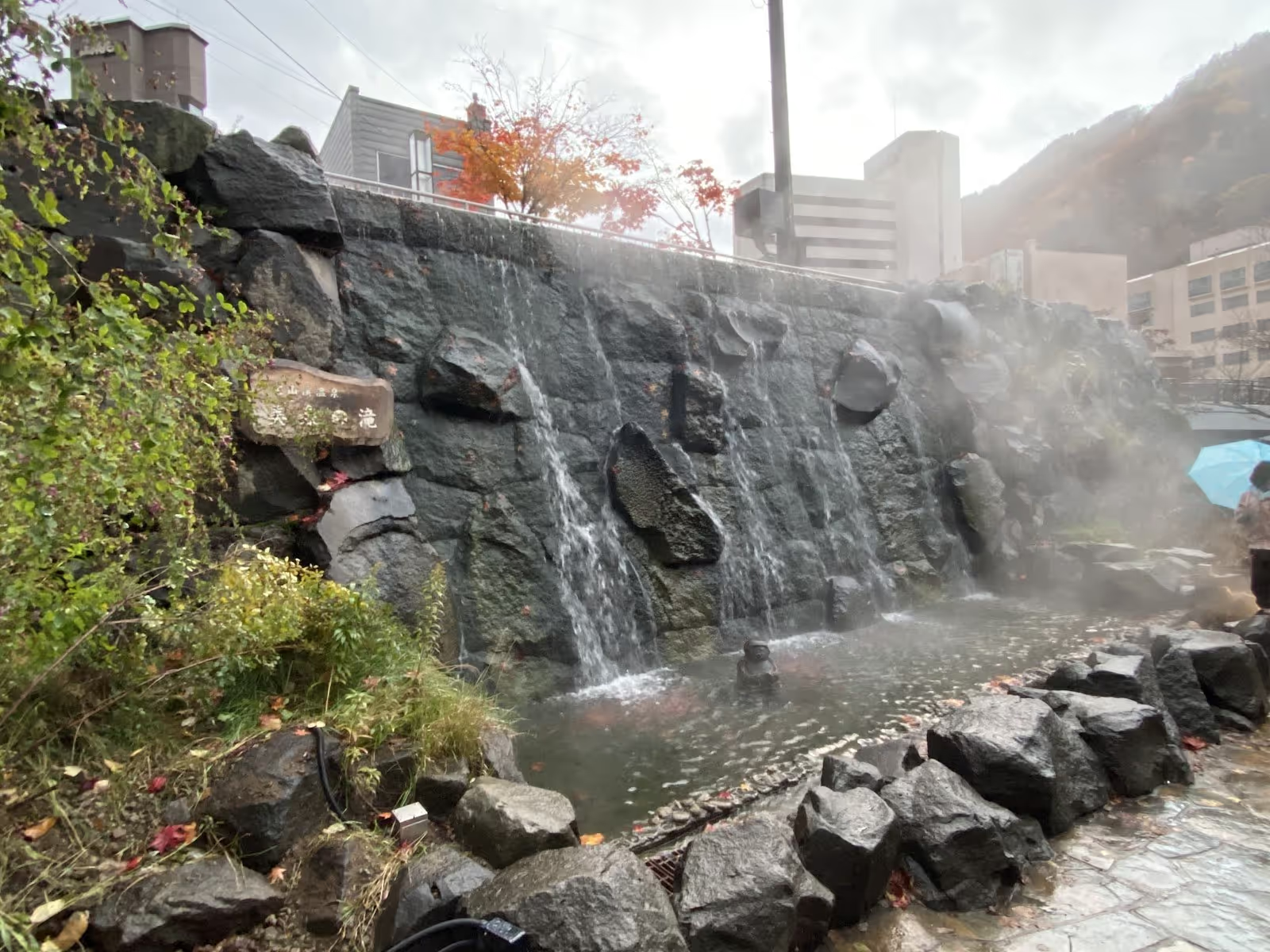
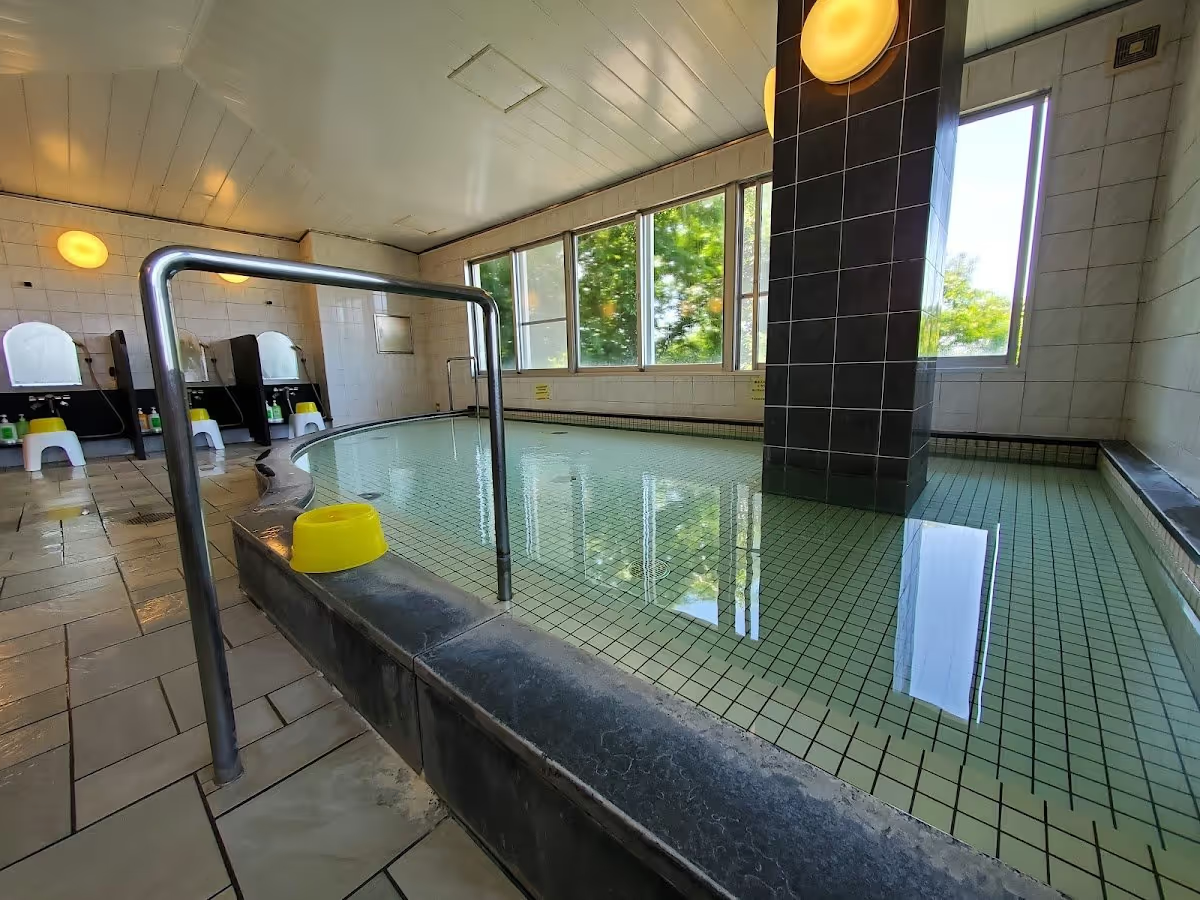
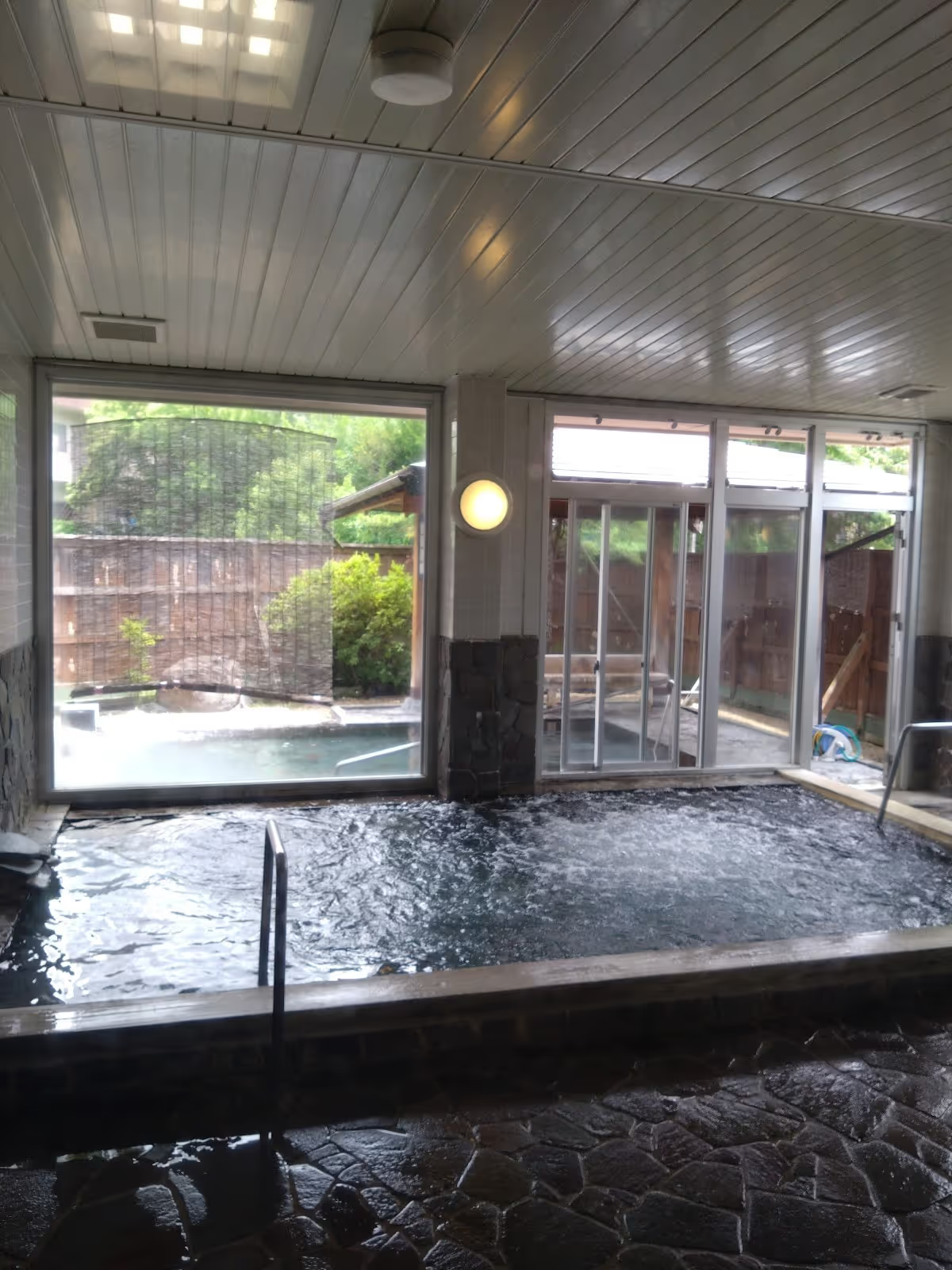
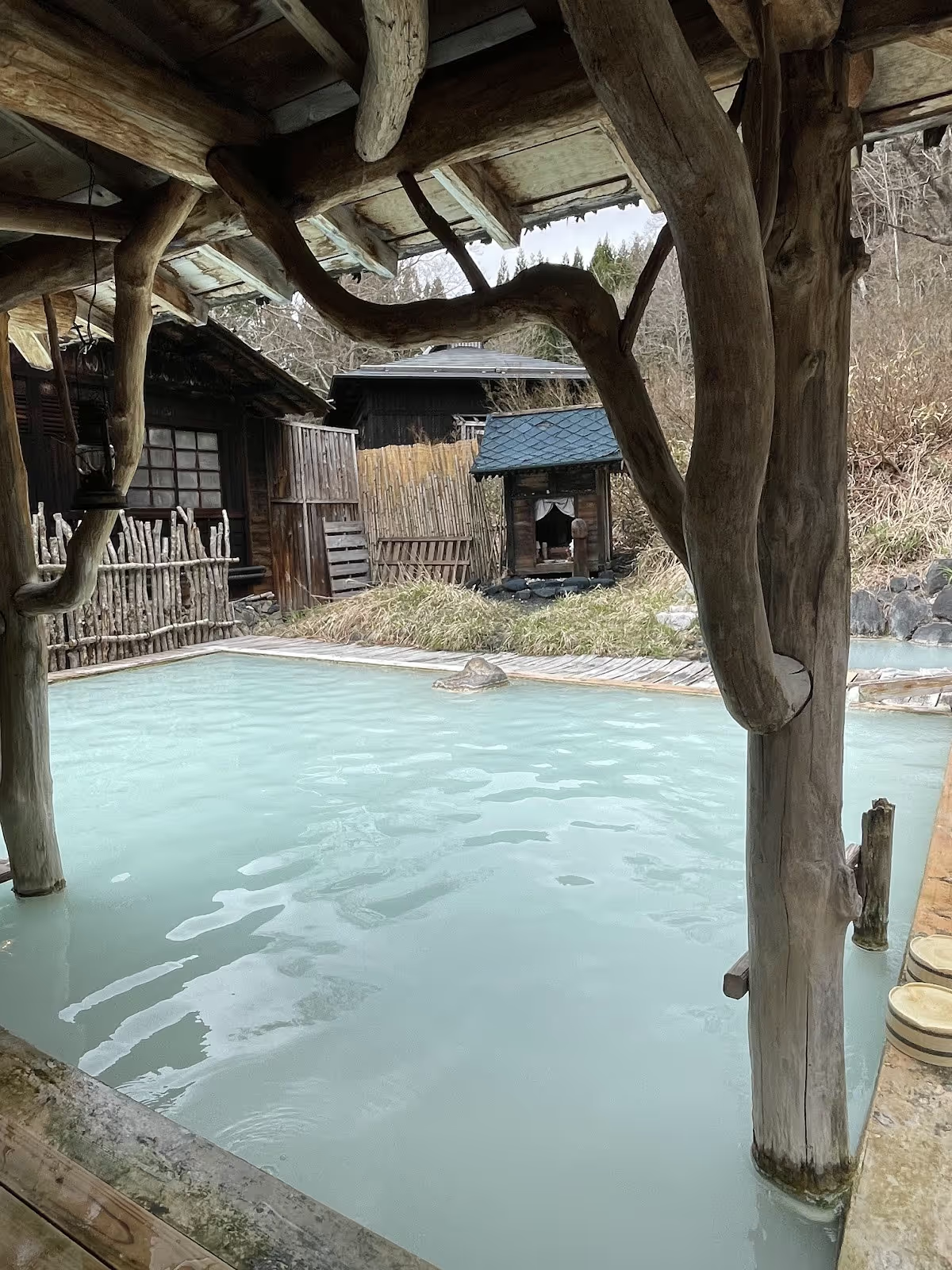
The district has 56 geothermal spring sources, together producing around 8,600 litres of hot water per minute at source temperatures of 60 to 80 degrees Celsius. The water type is a sodium chloride simple spring, noted for warming the body from the inside. Free foot baths are positioned at several locations around the town centre including Jozan Gensen Park, and require no ticket or advance booking. Day visitors can access full bathing facilities at a number of ryokan for fees typically ranging from 500 to 2,000 yen per person. The town's symbol is a kappa, or water sprite, with statues and decorations appearing throughout the streets.
Location & Access
Getting to Jozankei Onsen
Jozankei Onsen is in Jozankei, Minami-ku, Sapporo, Hokkaido. The most convenient public transport from central Sapporo is the Jotetsu Bus route 7 or 8, which departs from the Sapporo Station Bus Terminal and arrives at Jozankei Onsen in approximately 75 minutes, costing around 1,000 yen one way. Buses on route 12 from Makomanai Station, the terminal of the Namboku Subway Line, reach Jozankei in approximately 50 minutes for around 750 yen; these run every 30 to 60 minutes. The Kappa Liner express bus departs from Sapporo, Odori, and Susukino stations 13 times daily, taking approximately 75 minutes, but requires advance reservation. By car from central Sapporo, the journey takes approximately 40 minutes.
Many ryokan in Jozankei operate free shuttle buses from Sapporo Station or Makomanai Station, most convenient for overnight guests. Day visitors should check individual ryokan day-bath hours and prices before arriving, as they vary by facility; most are available from late morning to late afternoon. Free foot baths do not require advance planning and are open throughout the day. The main hot spring district, foot baths, and scenic spots including Shiraito Falls and the Maizuru Pool are within walking distance once in Jozankei.
Suitability & Accessibility
Who Jozankei Onsen Suits
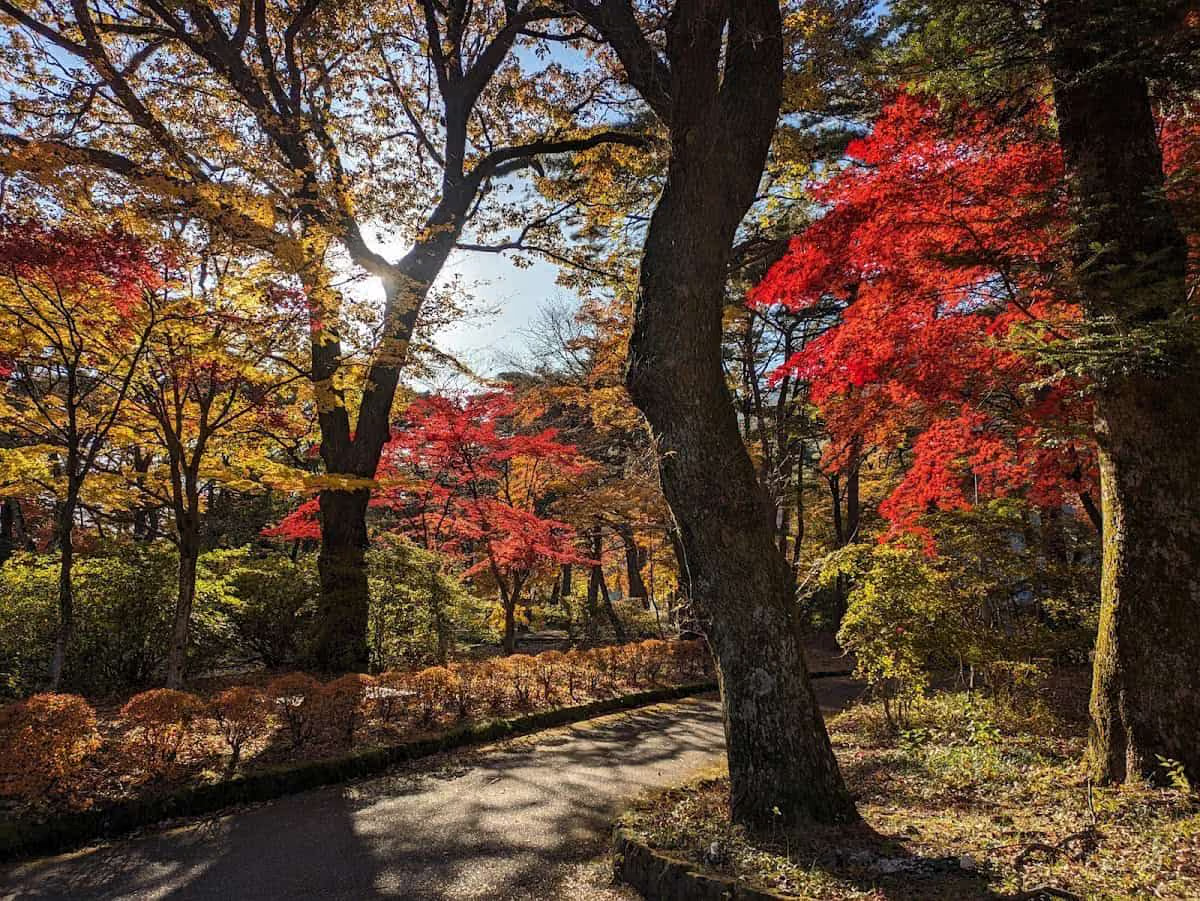
Jozankei Onsen suits visitors to Sapporo who want a traditional Japanese hot spring town experience without travelling far from the city. The one-hour bus connection from Sapporo makes it a practical half-day or full-day side trip, and the range of ryokan options makes it equally viable for overnight stays. It is particularly popular in autumn when the Toyohira River gorge fills with vivid maple and birch foliage, typically peaking in mid-October, and in winter when the hot springs are most inviting against the cold Hokkaido air.
Families are well-accommodated across the range of accommodation sizes and the presence of free foot baths suitable for all ages. Couples and solo travellers will find both luxury ryokan with private open-air baths and more affordable day-visit options. The town is also popular as a base for nearby skiing at Sapporo Kokusai Ski Resort in winter.
Wheelchair accessibility varies by facility; larger hotels typically have accessible rooms and some accessible bath options, while older ryokan may have steps and narrow corridors. Contact individual properties in advance if mobility is a requirement. The free foot baths in town are generally ground-level and accessible. The main street and riverside walking paths are paved and manageable for most mobility levels.
Safety & Etiquette
Jozankei Onsen Safety Tips
Jozankei Onsen is generally safe as a well-developed resort town with professional staffing at all bathing facilities. The main safety considerations are the high source temperature of the geothermal water, the variation in bath temperatures across different facilities, and standard onsen health contraindications.
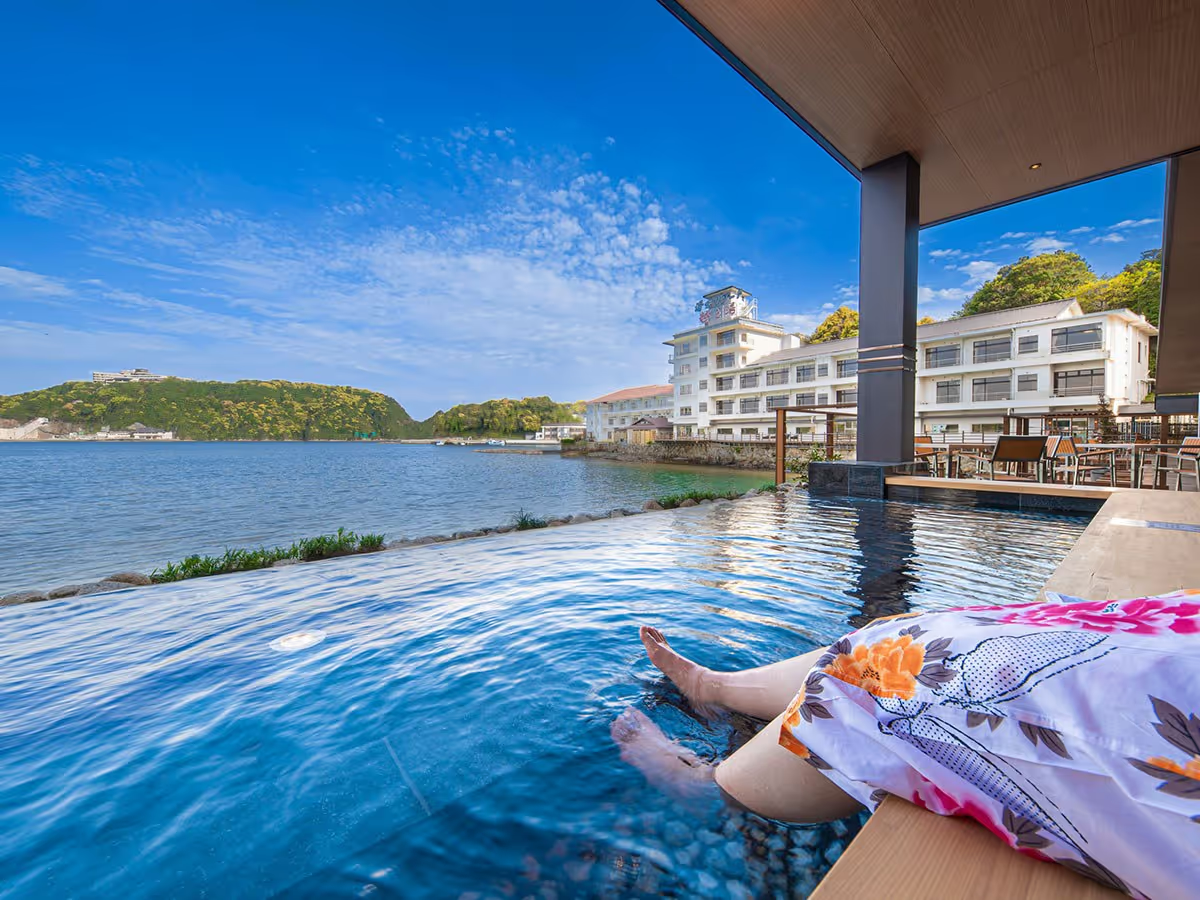
The spring water emerges at 60 to 80 degrees Celsius and is cooled before reaching the baths, but individual facility temperatures vary. Limit soaking sessions to 10 to 15 minutes, rest between soaks, and drink water throughout. Exit immediately if you feel dizzy or overheated. People with heart conditions, hypertension, open wounds, or skin conditions should consult a doctor before bathing. The sodium chloride content of the water leaves a warming film on the skin; rinse thoroughly after bathing if sensitive to mineral residue. The outdoor rotenburo available at some ryokan are particularly pleasant but increase the contrast between water and air temperature; exit slowly and cover up quickly in cold weather.
In winter, roads and paths between facilities can be icy; take care when walking between ryokan and foot bath locations, particularly in the evening when temperatures drop below zero. Sapporo winters are cold and windy; bring warm, waterproof outerwear if planning to walk between sites or visit the free outdoor foot baths. Standard onsen etiquette applies at all communal baths: wash thoroughly at the shower stations before entering, no swimwear in gender-separated communal baths, and keep towels out of the water. Check individual ryokan day-bath availability before arriving as hours can vary and some facilities require advance reservation for day use.