
Quick FactsOverview
About Shuzenji Onsen
Shuzenji Onsen, Japan is the oldest hot spring town on the Izu Peninsula, in Izu City, Shizuoka Prefecture, said to have been founded over 1,200 years ago by the Buddhist monk Kobo Daishi (Kukai). According to local legend, Kobo Daishi struck a rock in the Katsura River bed with his ritual staff, the dokko, causing hot spring water to emerge. The spring at this point, Tokko-no-Yu, remains the symbolic centre of the town; today it functions as a free foot bath in the middle of the river bed. The town is listed as one of Japan's 100 Best Hot Springs and is sometimes called Little Kyoto for its historic atmosphere.
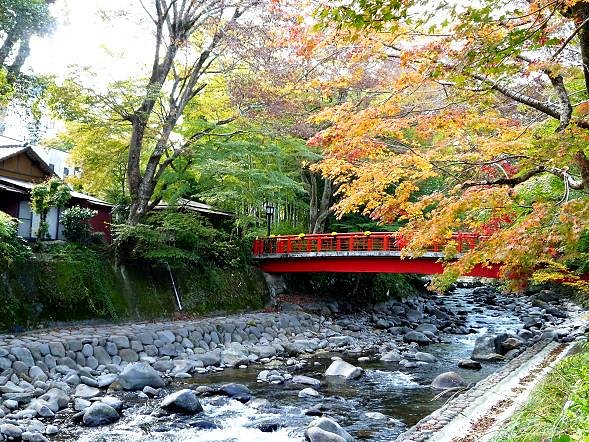
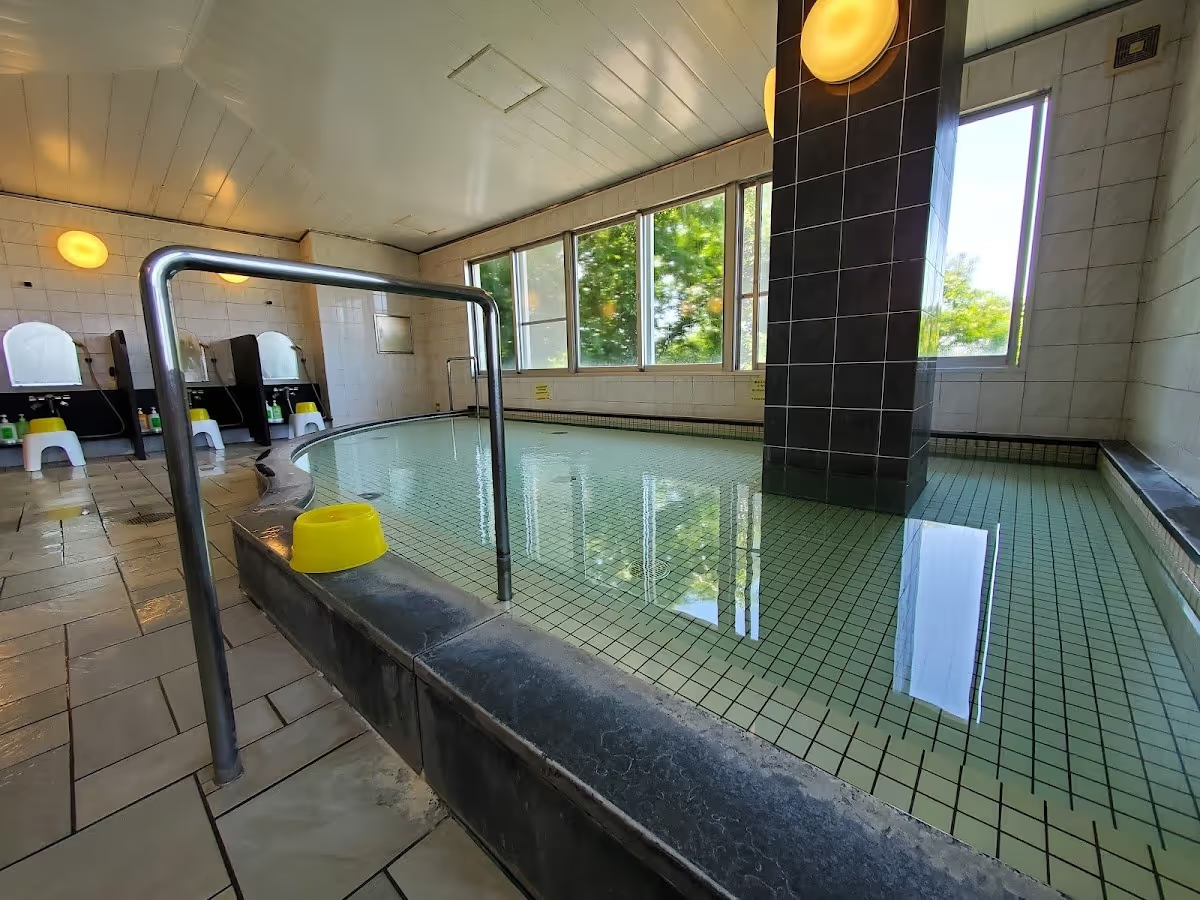
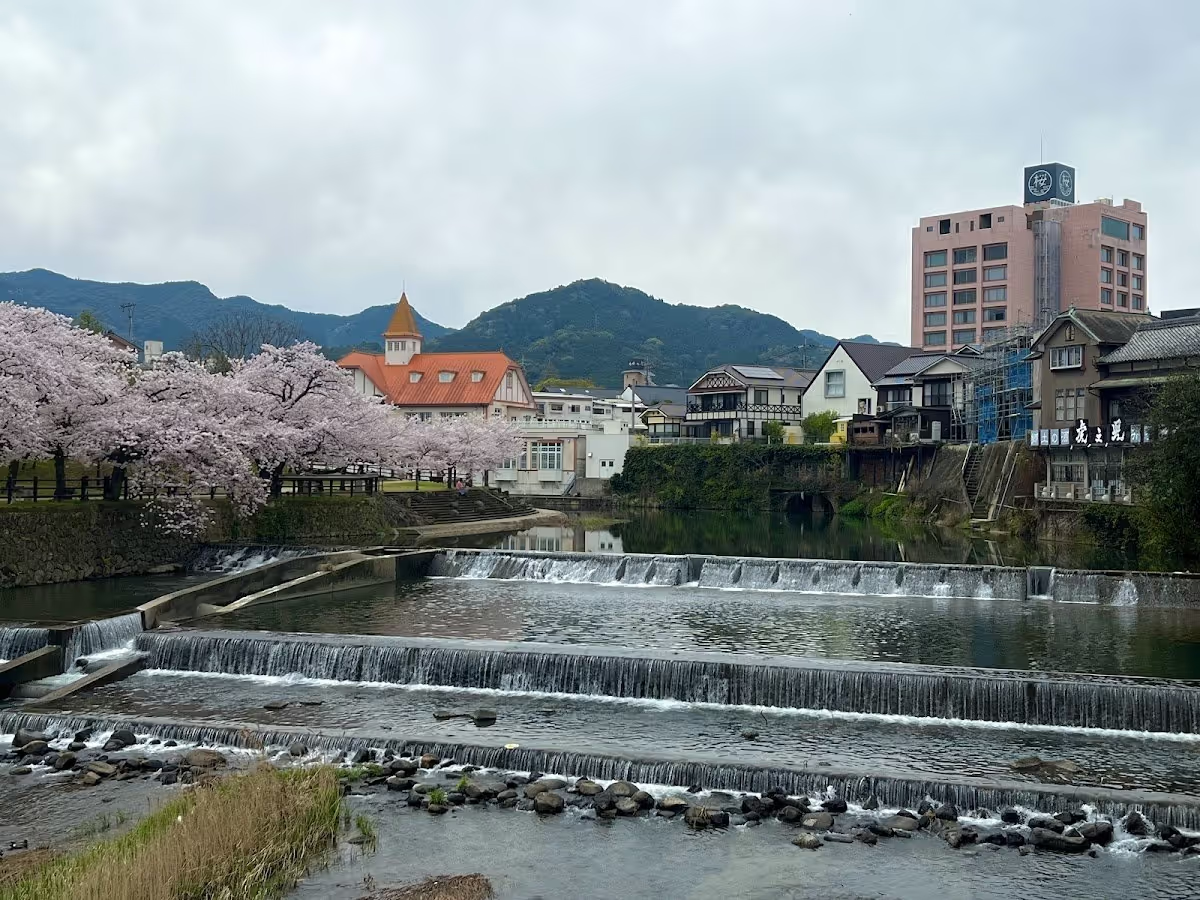
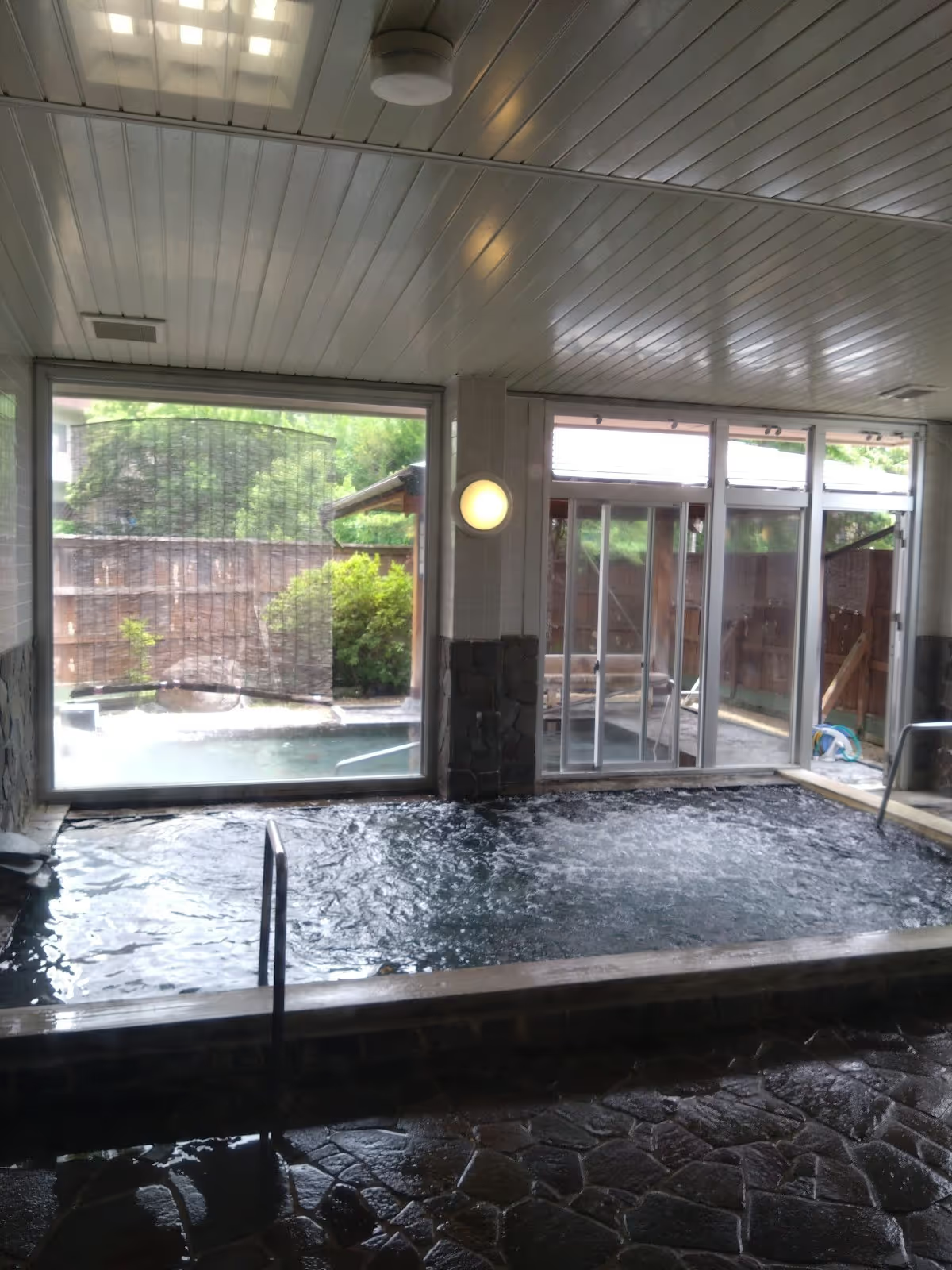
The water is transparent and mildly alkaline, noted for smooth skin and relief from neuralgia and fatigue. The Katsura River flows through the entire town centre, flanked by traditional wooden ryokan, small shops, and cafes. A bamboo forest path follows the riverbank, offering a quiet walking route that is particularly atmospheric in autumn. The main public bath, Hakoyu, is the only surviving public bathhouse from the seven that once lined the town; rebuilt in 2000, it features a hinoki (Japanese cypress) indoor bath and a free 12-metre observation tower. Several ryokan also open their baths to day visitors from around 1,000 yen.
Location & Access
Getting to Shuzenji Onsen
Shuzenji Onsen is in Izu City, Shizuoka Prefecture, on the Izu Peninsula, approximately two hours from Tokyo by public transport. From Tokyo Station, take the JR Tokaido Shinkansen to Mishima Station (approximately 55 minutes on the Kodama service, covered by JR Pass), then transfer to the Izuhakone Railway Sunzu Line to Shuzenji Station (approximately 35 minutes, 550 yen, not covered by JR Pass). Alternatively, limited express Odoriko trains run directly from Tokyo Station to Shuzenji Station (approximately two hours, around 4,750 yen). From Shuzenji Station, the hot spring town is a 10-minute bus ride (260 yen, frequent services) or a 1,300 yen taxi. By car from Tokyo, the drive takes approximately two to two and a half hours via the Tomei Expressway and Izu Skyline.
Hakoyu, the public bathhouse, is at 924-1 Shuzenji, Izu City, and is a 3-minute walk from the Shuzenji Onsen bus stop. Opening hours are 12:00 to 21:00 (last entry 20:30) with infrequent irregular closures. Admission is 700 yen for adults; bring your own towel and soap as no amenities are provided. Several ryokan in the town centre offer day-use bathing from around 1,000 yen, typically in the late morning to early afternoon window.
Suitability & Accessibility
Who Shuzenji Onsen Suits
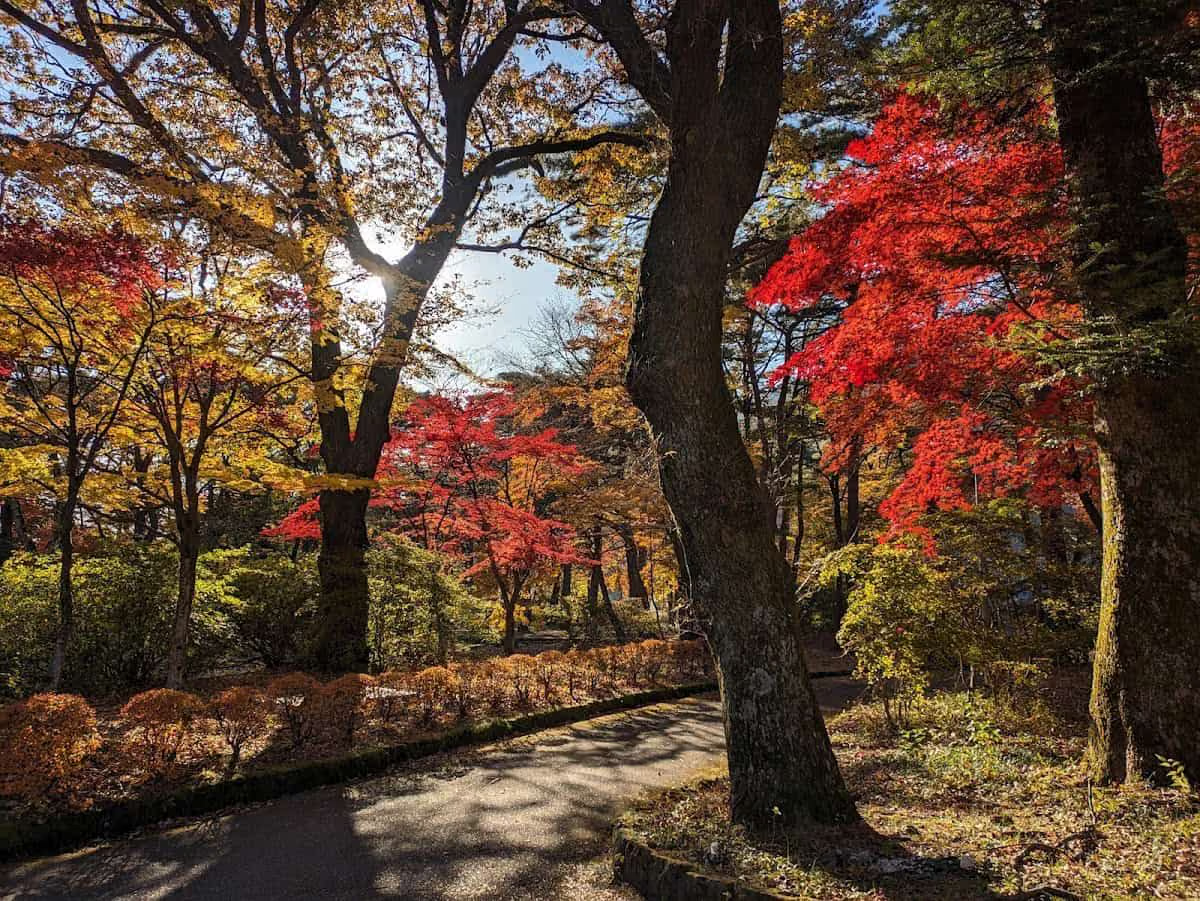
Shuzenji Onsen suits visitors looking for a compact, historically atmospheric hot spring town within easy reach of Tokyo. The combination of Shuzen-ji Temple, the bamboo forest path, riverside foot baths, and the Hakoyu public bath provides a half-day to full-day itinerary for day trippers, while overnight stays at historic ryokan offer a more immersive experience. The town has been a retreat for writers and intellectuals throughout Japanese history, and its quiet character suits visitors seeking rest over entertainment. Autumn foliage along the Katsura River is particularly popular.
Hakoyu at 700 yen is one of the most affordable onsen experiences within two hours of Tokyo. No soap or shampoo is provided, so bring your own or purchase small packets on site. Ryokan day-use bathing from around 1,000 yen provides more comfortable facilities. Several top-tier ryokan with private in-room baths are available for those wanting luxury. The mildly alkaline water is gentle on the skin and suitable for families, elderly visitors, and first-time onsen visitors.
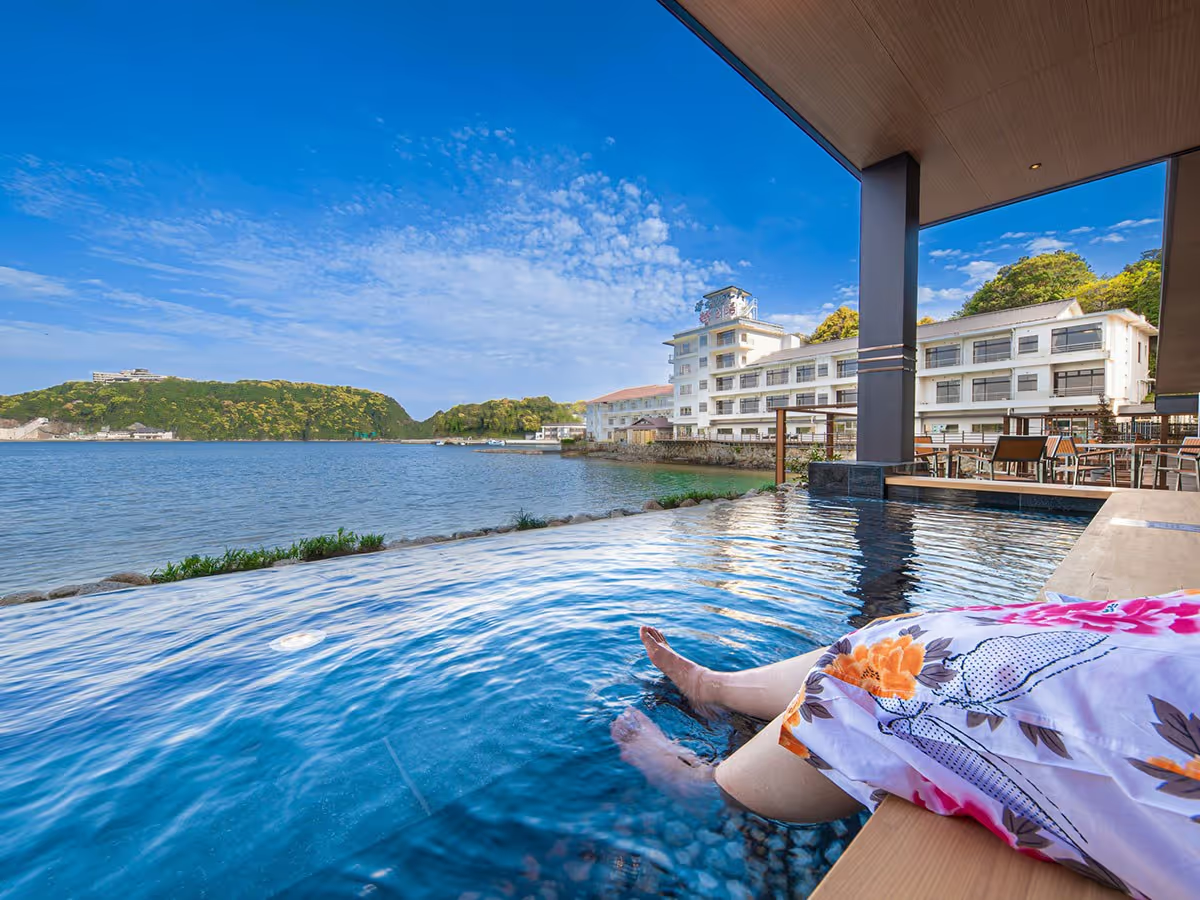
Wheelchair accessibility in the town is limited by cobblestone and riverside paths and traditional building entrances. The town does not have ocean views but is surrounded by forested hills. Shuzenji is one of Japan's 100 Best Hot Springs and is worth factoring into any Izu Peninsula itinerary alongside Atami, Ito, and other nearby onsen towns.
Safety & Etiquette
Shuzenji Onsen Safety Tips
Shuzenji Onsen is generally safe as a well-managed hot spring town with a professional public bathhouse and established ryokan. The main considerations are the heat of the bath water, standard onsen hygiene etiquette, and the riverside and stone-paved surfaces in the town.
Hakoyu's hinoki bath is described by visitors as quite hot; acclimatise slowly by pouring water over your arms and legs before entering the bath. Limit soaking to 10 to 15 minutes, rest outside the bath between sessions, and drink water regularly throughout your visit. People with heart conditions, hypertension, or open wounds should consult a doctor before bathing. The mildly alkaline water is gentle on the skin and is not associated with irritation for most visitors. No soap or shampoo is available at Hakoyu; wash thoroughly at your accommodation before or after bathing. Towels must be brought from outside or purchased at the entrance.
The Tokko-no-Yu spring in the river bed is a hot spring source; the water is very hot near the source and should not be touched there. Use only the designated foot bath areas for the river-based foot baths. The bamboo forest path follows the river and is a pleasant walk but can be slippery in wet weather; take care on the stone pavement near the river banks. The town's narrow lanes and uneven surfaces require attention, particularly after rain or in winter. Standard onsen etiquette applies at Hakoyu and ryokan baths: no swimwear, wash before entering, and no cameras in bathing areas.