Quick FactsOverview
About Bessho Onsen, Nagano
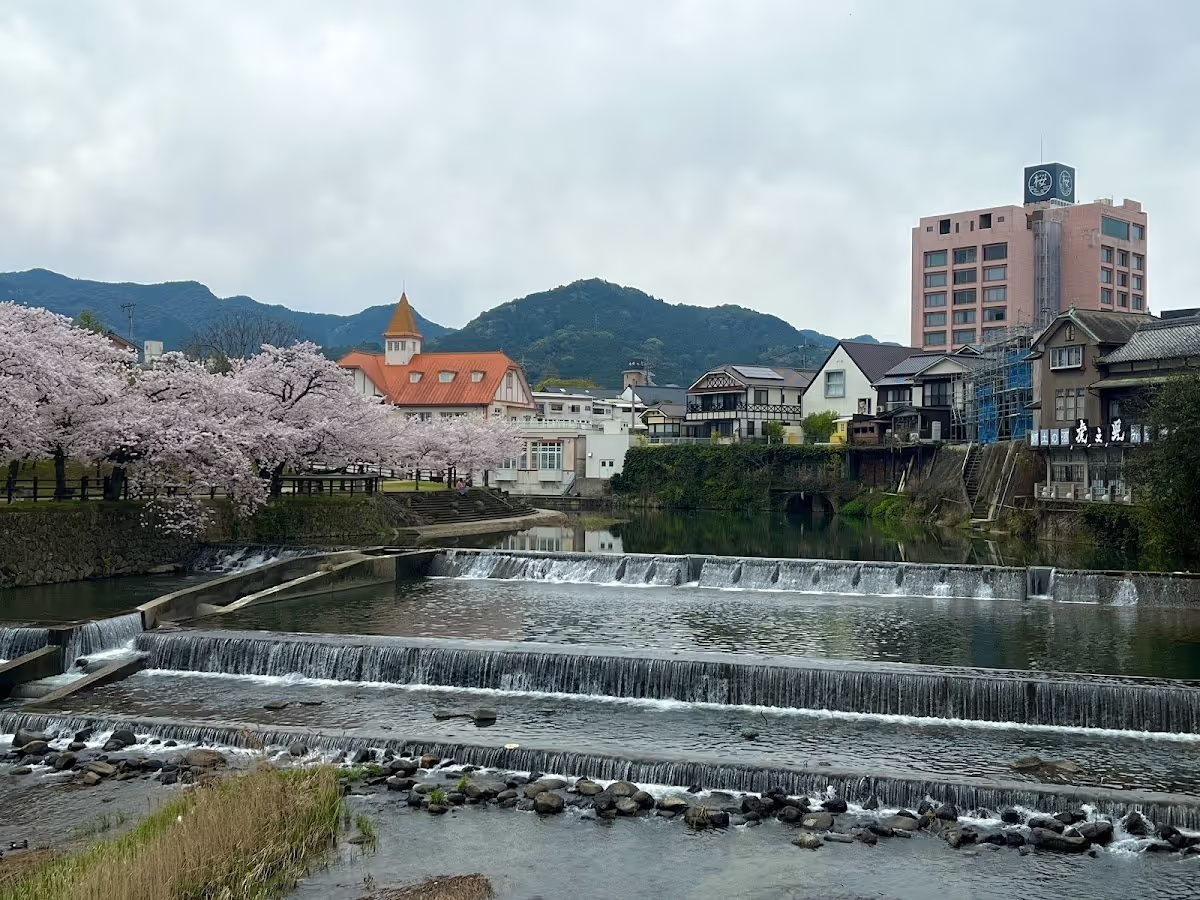
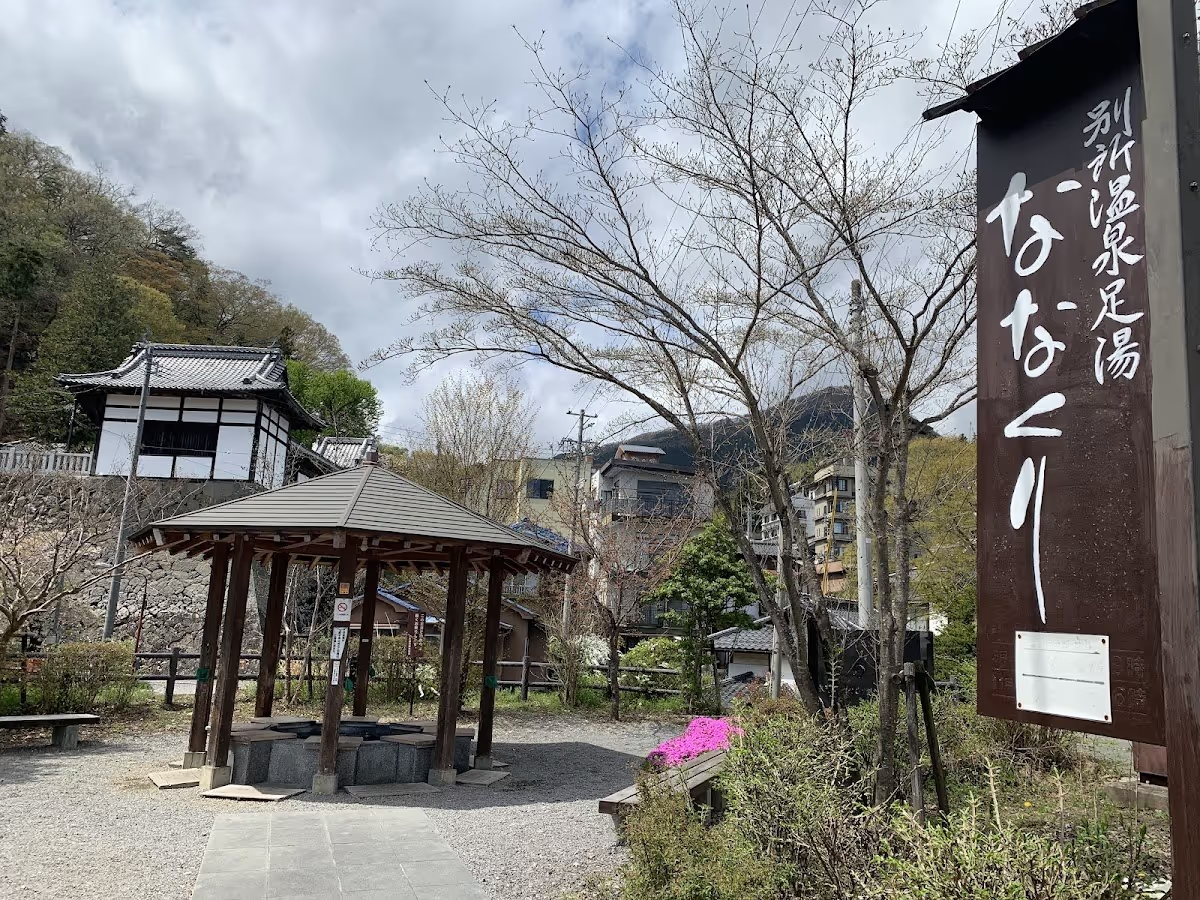
Bessho Onsen, Japan is a small historic hot spring town located in the hills southwest of Ueda City in Nagano Prefecture, roughly 15 kilometers from Ueda Station. It sits at an elevation of approximately 550 meters in a quiet valley and is widely regarded as one of the oldest onsen settlements in Nagano, with records of bathing activity dating back over a thousand years. The town has a compact layout built around several public bathhouses, a handful of ryokan and smaller inns, and a cluster of Buddhist temples that give it a cultural character distinct from more purely commercial resort towns.
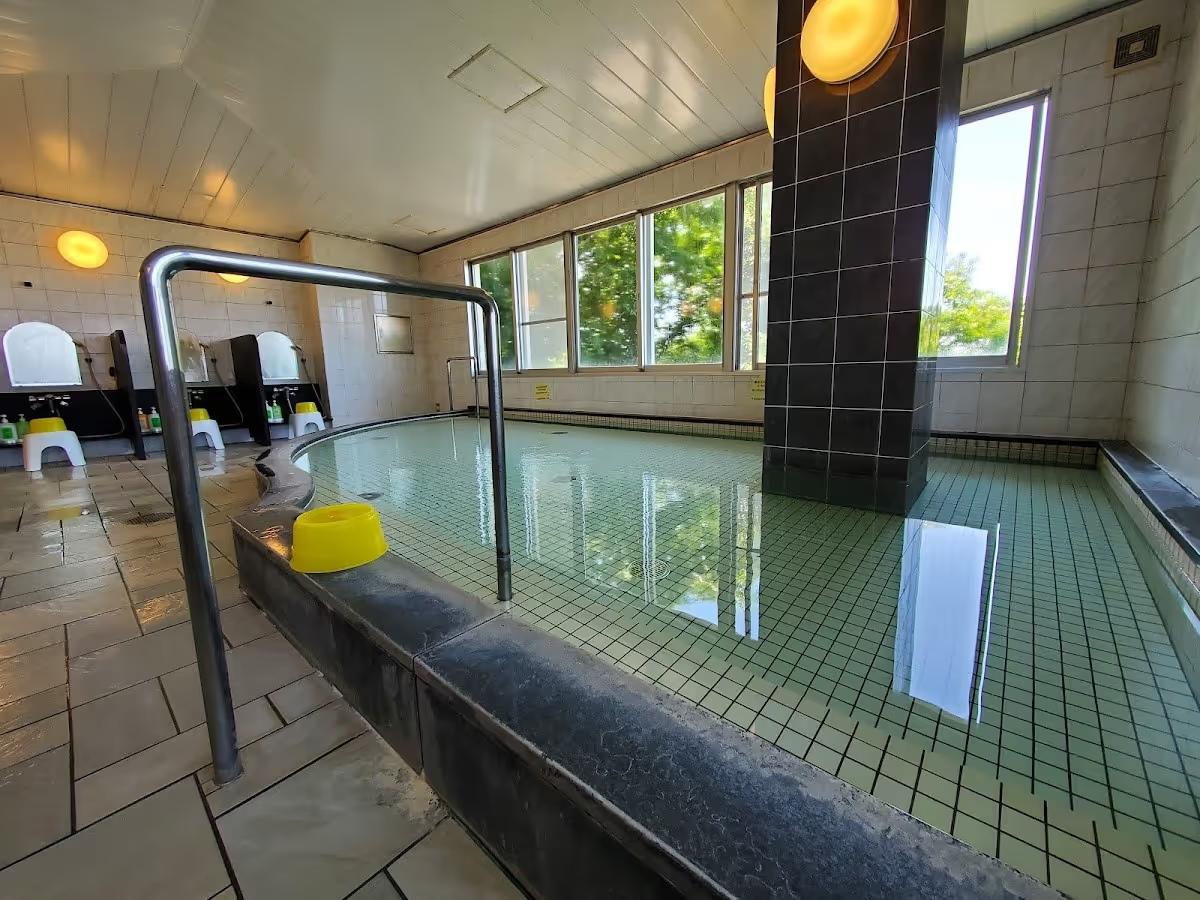
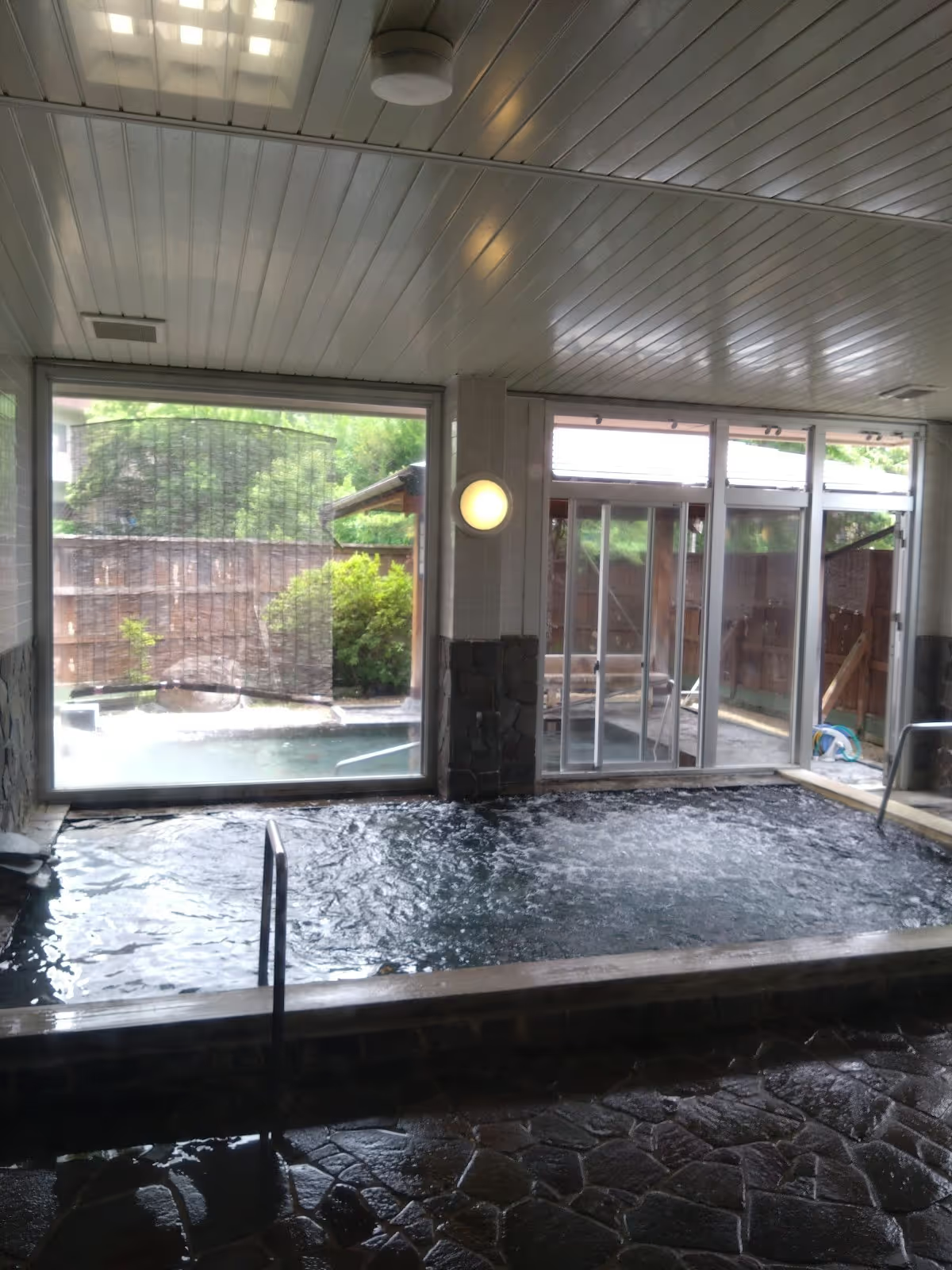
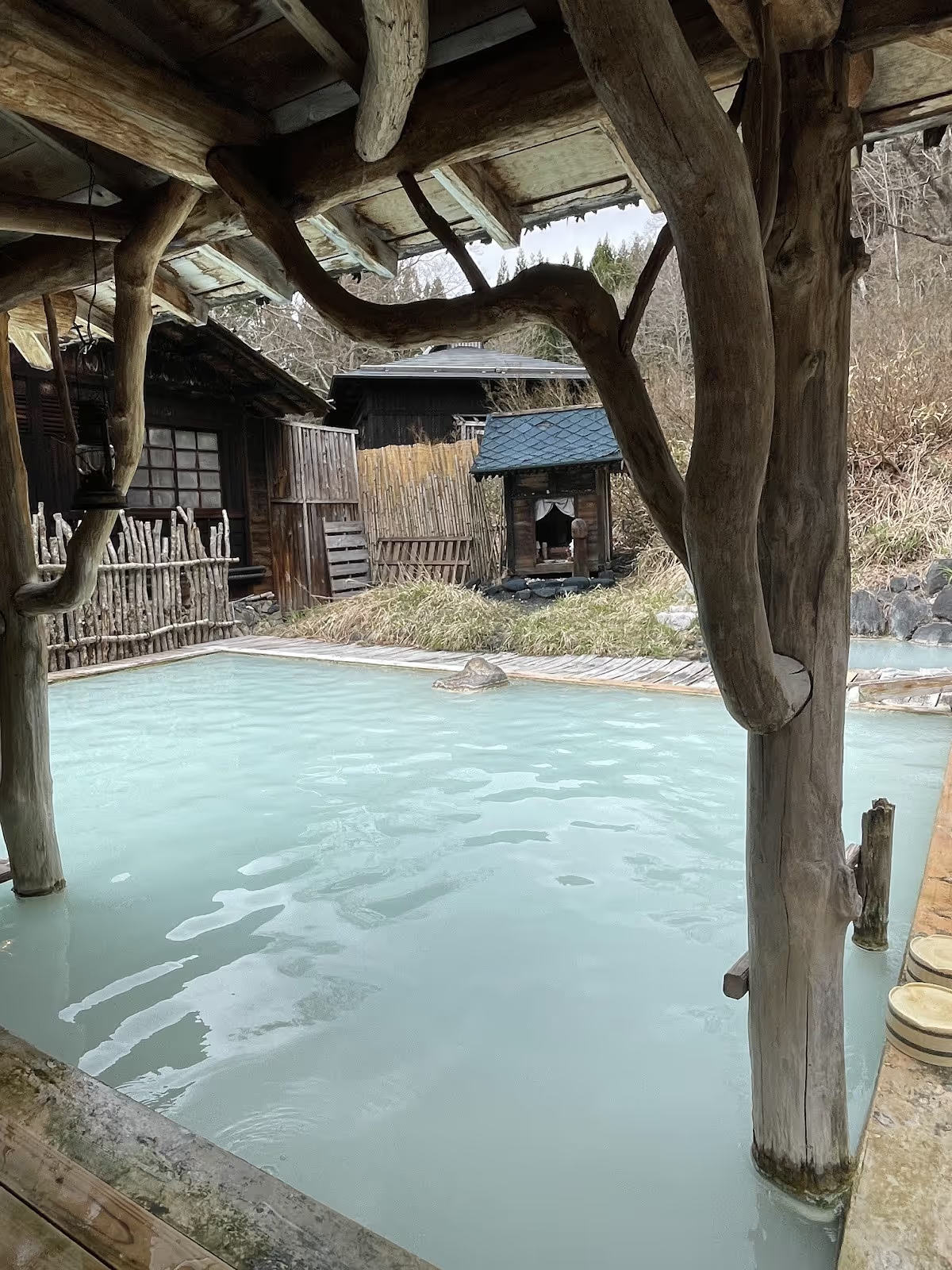
The spring water at Bessho is clear and alkaline, with a smooth quality that is commonly described as gentle on the skin. The town operates three public bathhouses, known locally as sotoyu, which are open to day visitors for a modest entry fee. These bathhouses are small, traditional in design, and represent one of the more accessible points of entry into onsen culture for visitors who are not staying overnight. Bessho is a well-preserved example of a small-scale onsen settlement that has not been heavily redeveloped, and its combination of temple architecture, forested surroundings, and unpretentious bathing facilities gives it a character that differs from larger resort destinations in the region.
For visitors seeking hot springs near Ueda, Bessho Onsen is the primary destination in the area and is reachable directly by a dedicated railway line from Ueda Station.
Location & Access
Getting to Bessho Onsen
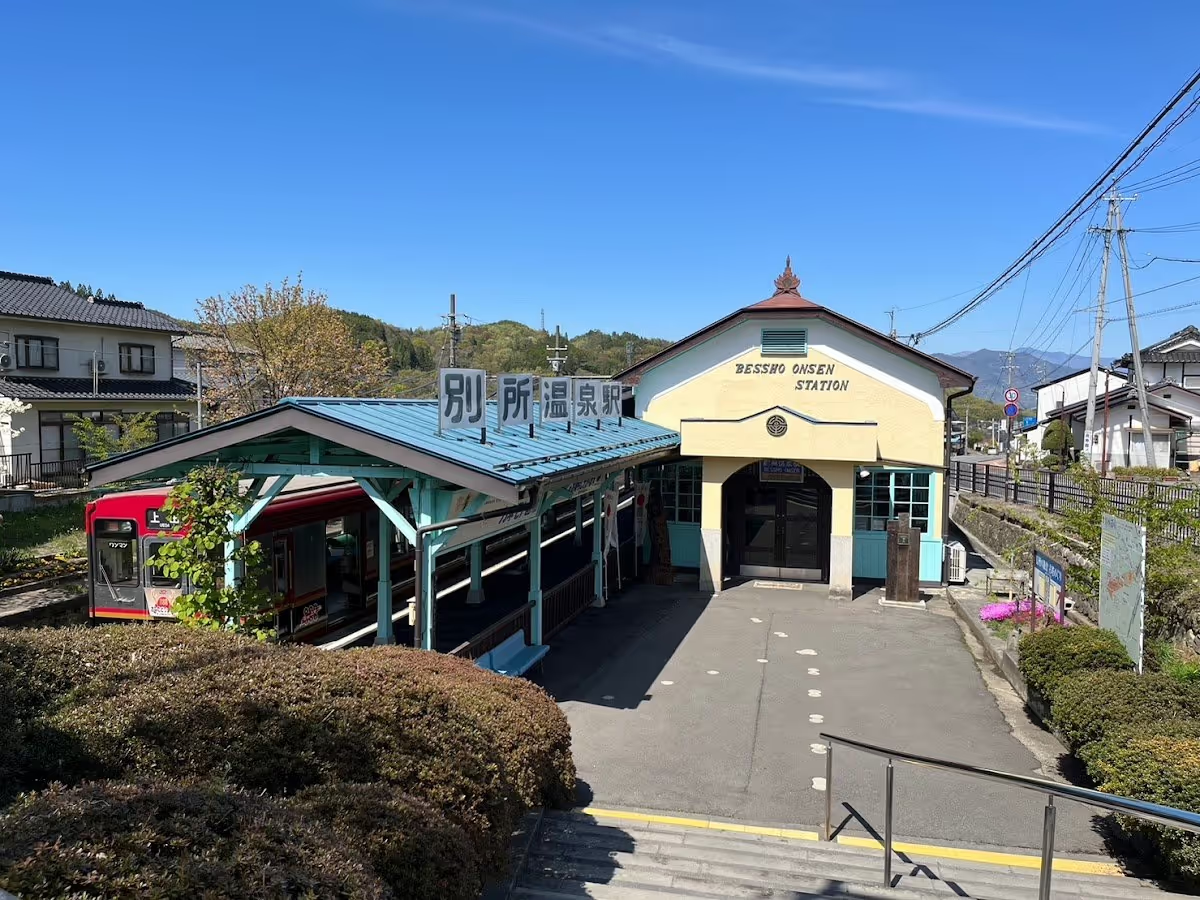
Bessho Onsen is served by the Ueda Dentetsu Bessho Line, a small private railway that runs from Ueda Station to Bessho Onsen Station in approximately 30 minutes. Ueda Station is accessible from Tokyo via the Hokuriku Shinkansen, making the total journey from Tokyo around 90 minutes under favorable conditions. The Bessho Line operates at limited frequency, and checking the timetable before travel is advisable, particularly for return journeys in the late afternoon or evening.
Visitors traveling by car can reach Bessho from the Joshinetsu Expressway via the Ueda-Sugadaira interchange. The drive from Ueda City center takes around 20 minutes. Parking is available near the town center and at individual ryokan. Road conditions in winter can involve snow and ice, and appropriate preparation is needed for driving into the valley between December and March.
Once at Bessho Onsen Station, the town center and all three public bathhouses are within easy walking distance. The layout is flat enough in the central area to be manageable for most visitors, though some of the temple approaches involve steps. For those seeking hot springs near Ueda accessible by public transport without a car, the Bessho Line makes this one of the more straightforward options in inland Nagano. Day visitors can use the public bathhouses independently, without needing to book accommodation in advance.
Suitability & Accessibility
Who Bessho Onsen Suits
Bessho Onsen suits visitors who want a quieter, more culturally layered onsen experience than larger resort towns typically offer. The combination of public bathhouses, temple grounds, and low-key accommodation makes it well suited to travelers who want to spend time walking, bathing, and exploring at an unhurried pace. The town is small enough to cover on foot in a few hours, making it workable as either a day trip or an overnight stay.
Families are welcome and the town's walkable layout and accessible public bathhouses make it manageable with children. The three sotoyu bathhouses are small and traditional, which may be a good introduction for children visiting an onsen for the first time. Couples and solo travelers seeking a traditional inn experience will find the ryokan in Bessho well suited to a short stay. Visitors looking for accessible hot springs in Japan should note that the central area of the town is relatively flat, but the older building stock at some ryokan and the temple approaches may present challenges for guests with significant mobility limitations. Confirming room and facility accessibility directly with accommodation providers is recommended.
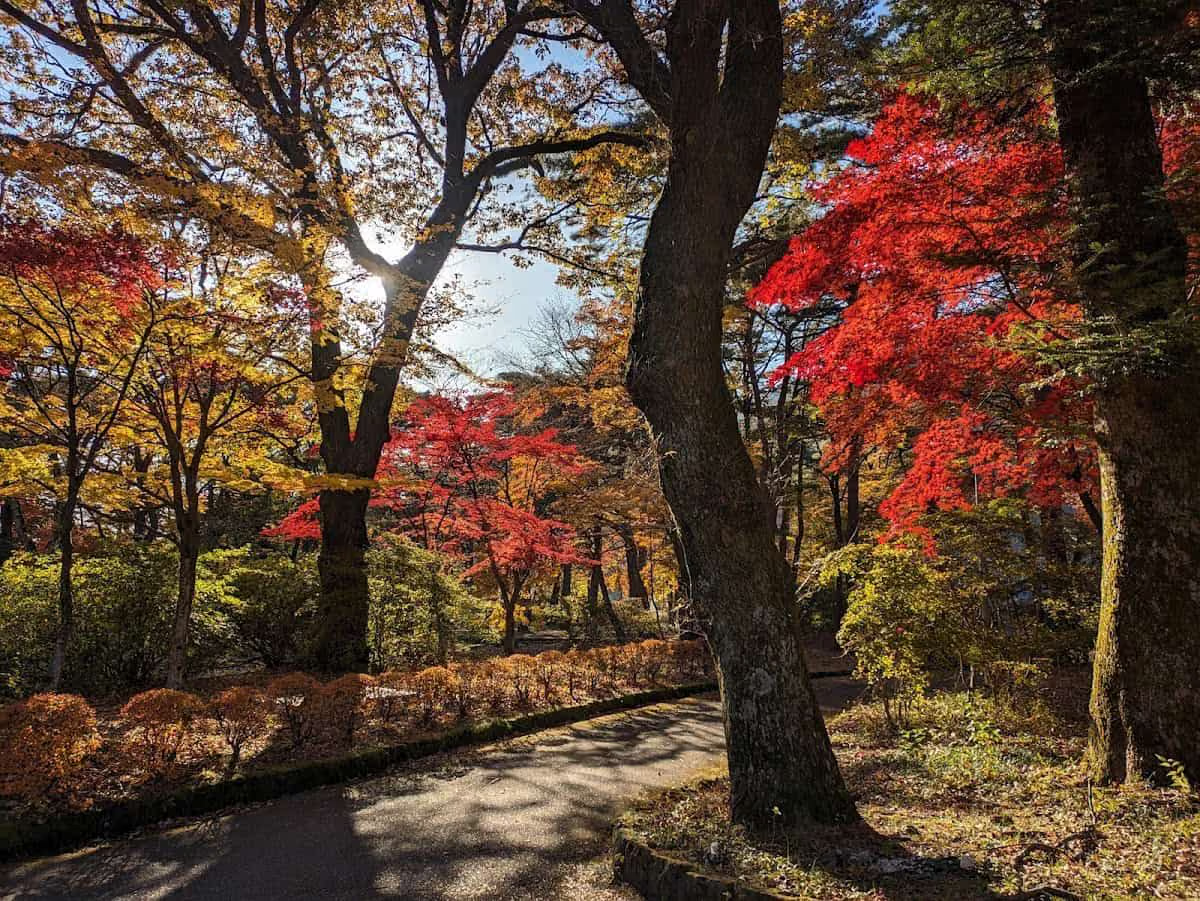
Bessho draws a largely domestic visitor base, and English signage is limited outside the station and main information points. International visitors will find the town welcoming but should be prepared for limited English language support when using the public bathhouses or smaller inns. Advance booking is recommended during the autumn foliage season and Golden Week.
Safety & Etiquette
Safety and Etiquette at Bessho Onsen
Bessho Onsen is a well-established and safe destination. The public bathhouses are maintained and staffed, and the town environment is quiet and low-traffic. The main safety consideration for visitors is winter road and footpath conditions, as the valley receives snow between December and March and surfaces can become icy. Appropriate footwear for the season is advisable.
Standard Japanese onsen etiquette applies at all three public bathhouses and at ryokan facilities throughout Bessho. Bathers must shower and wash thoroughly at the provided wash stations before entering any communal bath. Towels must not be submerged in the water. The bathhouses at Bessho are gender-separated and do not permit swimwear in the bathing areas. Tattoo policies at the public sotoyu bathhouses are generally consistent with broader Japanese practice, and visitors with tattoos should inquire in advance. Some ryokan may offer private bath options as an alternative.
The three public bathhouses are small, which means they can feel crowded during busy periods. Visitors should be considerate of space and avoid prolonged occupancy of wash stations when others are waiting. Loud conversation and mobile phone use are not appropriate inside bathing facilities. Photography is not permitted in any bathing area.
The alkaline spring water at Bessho is mild and generally well tolerated. Standard bathing precautions apply: limit session length, hydrate before and after soaking, and rest between baths if using multiple facilities. Children should be supervised at all times. Guests with cardiovascular conditions or other health concerns should seek medical advice before bathing in hot water. The public bathhouses charge a small entry fee payable at the entrance, and having small change available is helpful as some facilities may not accept electronic payment.