
Quick FactsOverview
About Kaga Onsen, Ishikawa
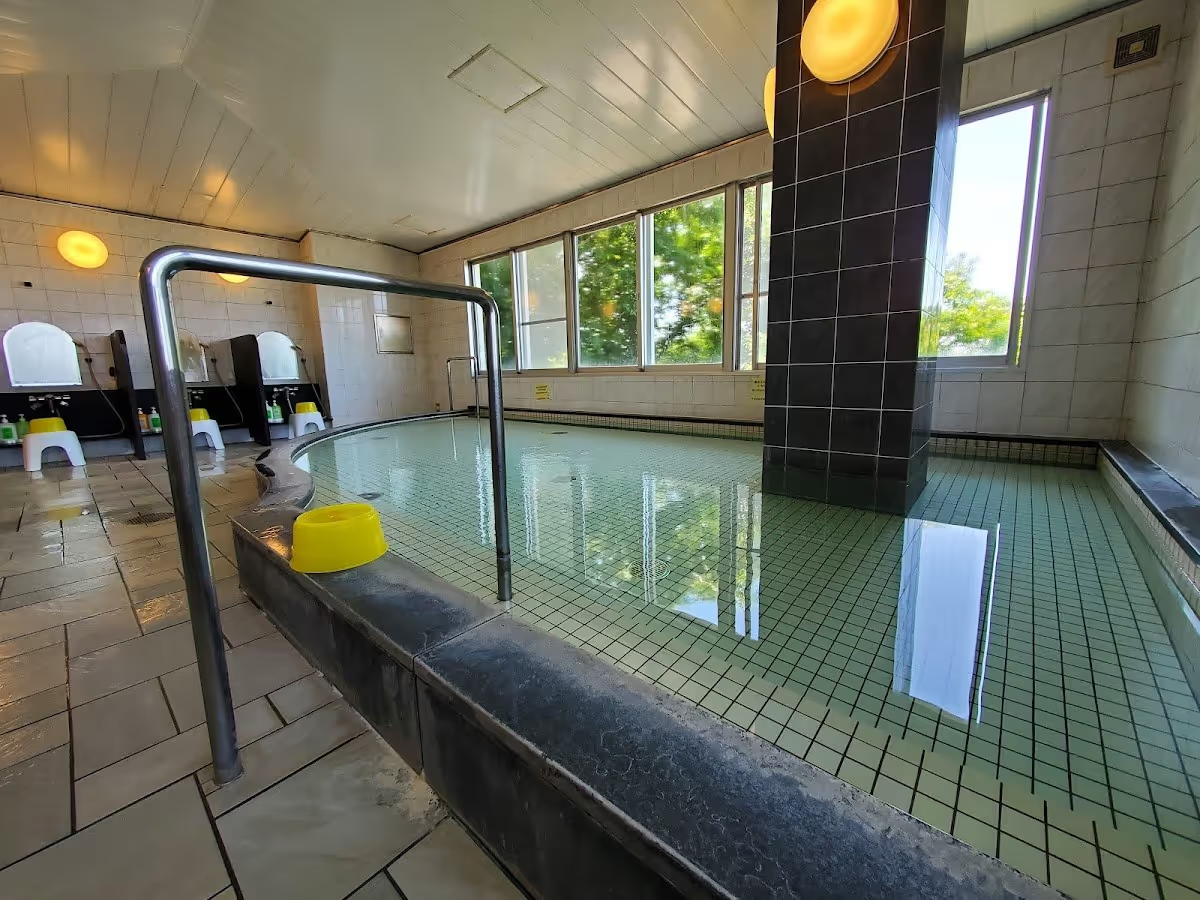
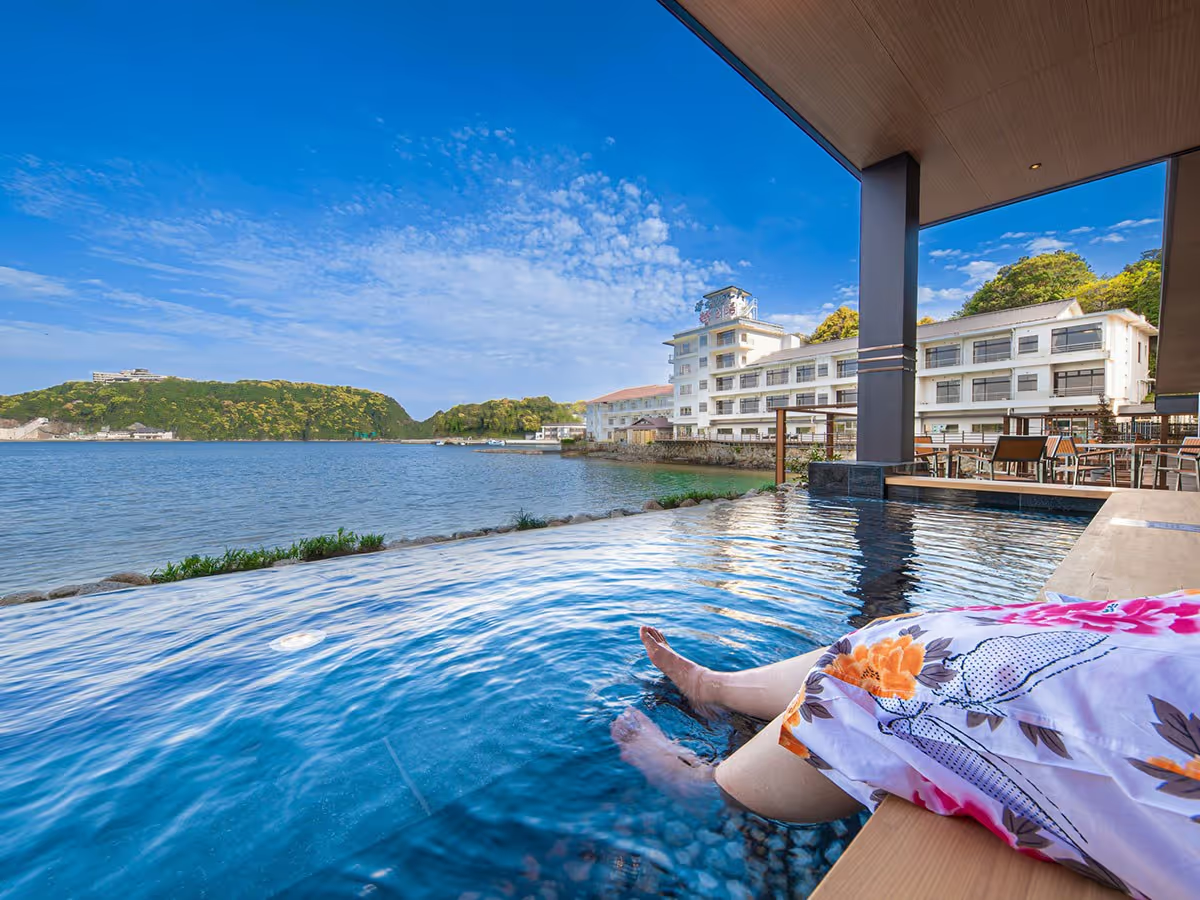
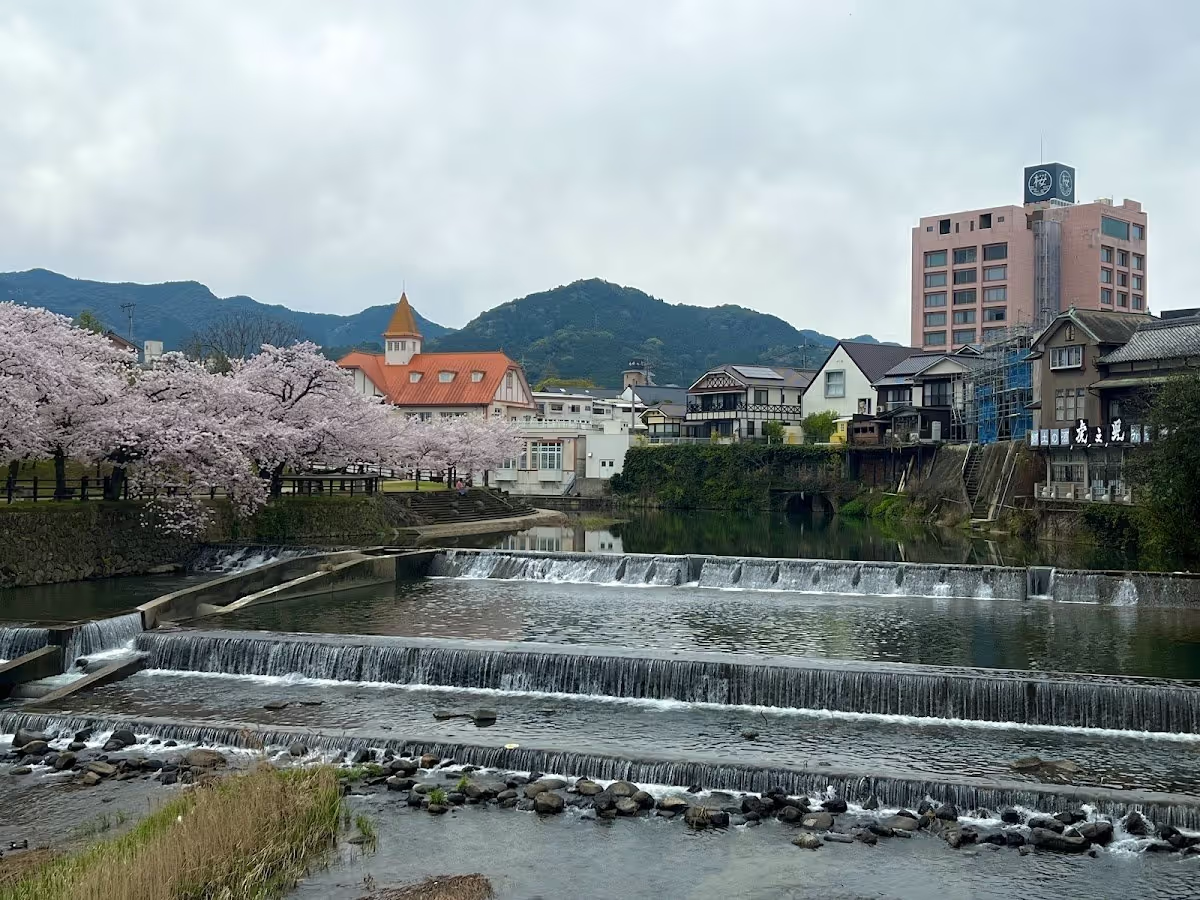
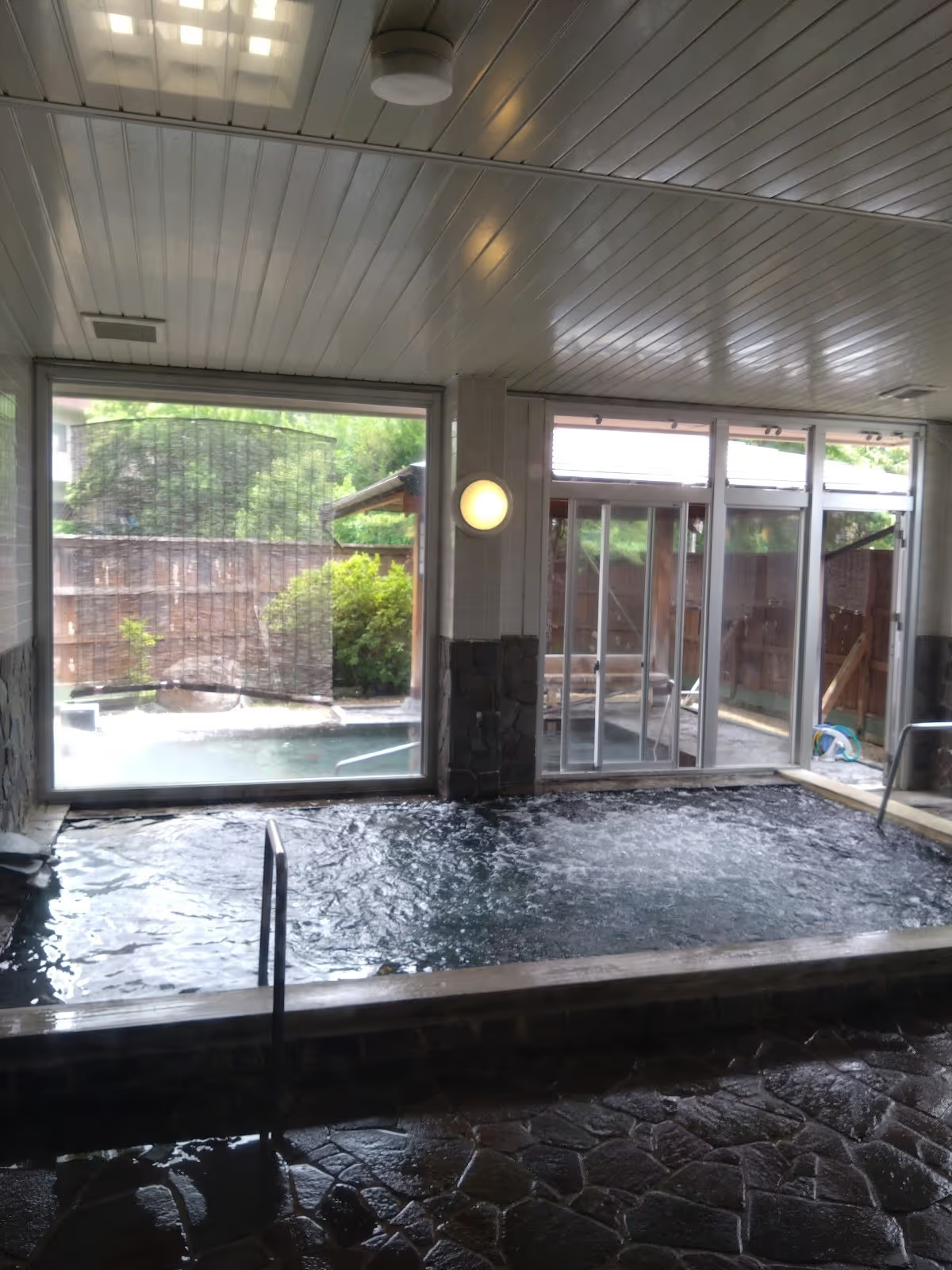
Kaga Onsen, Japan refers collectively to four neighboring hot spring towns in Kaga City, Ishikawa Prefecture, on the coast of the Sea of Japan. The four towns are Yamashiro Onsen, Yamanaka Onsen, Katayamazu Onsen, and Awazu Onsen, each with its own distinct spring source, history, and character. Together they form one of the more substantial onsen areas on the Hokuriku coast, and the grouping has been recognized as a significant cultural and tourist destination in the region for several centuries. The area sits roughly 15 kilometers inland and along the coast south of Kaga City center, within easy reach of Kanazawa.
Each of the four towns has a different atmosphere. Yamanaka Onsen is set in a river gorge with a well-known public bathhouse and a history connected to the haiku poet Matsuo Basho, who visited the area in the late seventeenth century. Yamashiro Onsen has a more formal resort character with larger ryokan and a renovated public bath building. Katayamazu Onsen sits on the shore of Lake Shibayama and has a lakeside setting unlike the other three. Awazu Onsen is smaller and quieter, home to one of the oldest continuously operating ryokan in Japan. Kaga Onsen as a whole represents a well-developed example of the ryokan onsen tradition on the Hokuriku coast, and the variety across the four towns gives visitors reason to explore more than one area during a stay.
For visitors seeking hot springs near Kanazawa, Kaga Onsen is the largest and most established destination within an hour of the city, accessible by limited express train from Kanazawa Station.
Location & Access
Getting to Kaga Onsen
Kaga Onsen is served by Kaga Onsen Station on the JR Hokuriku Main Line, which connects to Kanazawa in roughly 25 minutes by limited express. From Tokyo, the Hokuriku Shinkansen runs to Kanazawa, from which a local connection reaches Kaga Onsen Station. Total travel time from Tokyo is approximately two and a half to three hours. Visitors arriving from Osaka or Kyoto can reach Kaga Onsen via the Hokuriku Main Line from Osaka or via the Thunderbird limited express service, with journey times of around two hours from Osaka.
From Kaga Onsen Station, local buses connect to each of the four spring towns. The Canbus loop bus service is specifically designed for tourists and links the station with Yamanaka Onsen, Yamashiro Onsen, Katayamazu Onsen, Awazu Onsen, and several other attractions in the area. Day passes for the Canbus are available and represent a practical option for visitors who want to move between the four towns without a car. Journey times from the station to each town range from around 10 to 25 minutes depending on the destination.
Visitors traveling by car can access Kaga from the Hokuriku Expressway via the Kaga interchange. Parking is available at the main ryokan and at public bath facilities in each town. For those seeking hot springs near Kanazawa with flexible access across multiple spring areas, the Canbus service makes Kaga one of the more visitor-friendly options in the Hokuriku region without requiring a rental car.
Suitability & Accessibility
Who Kaga Onsen Suits
Kaga Onsen suits a wide range of visitors due to the variety across its four towns. Travelers seeking a traditional ryokan stay in a formal setting will find the larger inns of Yamashiro Onsen well equipped, while those preferring a quieter atmosphere may prefer Yamanaka or Awazu. Families are accommodated at many properties across all four towns, and the Canbus service makes it practical to explore the area with children without navigating by car.
Visitors with an interest in Japanese cultural history will find Kaga rewarding. The connection between Yamanaka Onsen and the haiku tradition, the historic architecture of several ryokan, and the lakeside character of Katayamazu all add depth beyond the bathing experience itself. Solo travelers and couples seeking a multi-night onsen stay will find the variety of the four towns a practical reason to base themselves in the area for two or more nights.
Visitors looking for accessible hot springs in Japan should note that accessibility varies by property and town. Yamashiro Onsen, with its larger and more recently renovated facilities, may offer better accessibility options than the smaller, older inns in Yamanaka or Awazu. Confirming room and bath accessibility with individual properties before booking is recommended. Among the established hot springs in Japan within easy reach of a Shinkansen station, Kaga Onsen offers one of the more diverse and layered experiences available in the Hokuriku region.
Safety & Etiquette
Safety and Etiquette at Kaga Onsen
Kaga Onsen is a well-managed and safe destination across all four of its constituent towns. The spring water is distributed through controlled systems to ryokan and public bathhouses, and there are no significant natural hazards associated with bathing at managed facilities in the area. General urban and resort safety conditions apply throughout Kaga City. Visitors using the Canbus service should be aware of timetable gaps in the evening, as frequency reduces after dark and missing the last bus from a remote town may require a taxi.
Standard Japanese onsen etiquette applies at all facilities across the four towns. Bathers must shower and wash thoroughly before entering any communal bath. Towels must not be submerged in the water. Bathing areas are gender-separated at public facilities and at most ryokan. Swimwear is not worn in traditional indoor baths. Tattoo policies are generally restrictive at the larger and more formal ryokan, particularly in Yamashiro Onsen. Some properties may offer private bath options for guests with tattoos. Checking in advance with the specific facility is strongly recommended.
Photography inside bathing facilities is not permitted. Mobile phone use and loud conversation in bathing areas are considered disrespectful. Alcohol consumption immediately before bathing is discouraged. Visitors should hydrate adequately before and after soaking and should limit time in very hot water, particularly when moving between multiple bathhouses in a single day across the four towns.
Children should be supervised at all times in bathing areas. Water temperatures at some ryokan facilities in Kaga can be high, and staff can usually advise on cooler bathing options for younger visitors or those who prefer a lower temperature. Guests with cardiovascular conditions or other health concerns should seek medical advice before bathing. The historic nature of some ryokan buildings in Awazu and Yamanaka means that older guests or guests with limited mobility should confirm the physical layout of the property, including access to bathing floors, before booking.