Quick FactsOverview
About Takaragawa Onsen Osenkaku
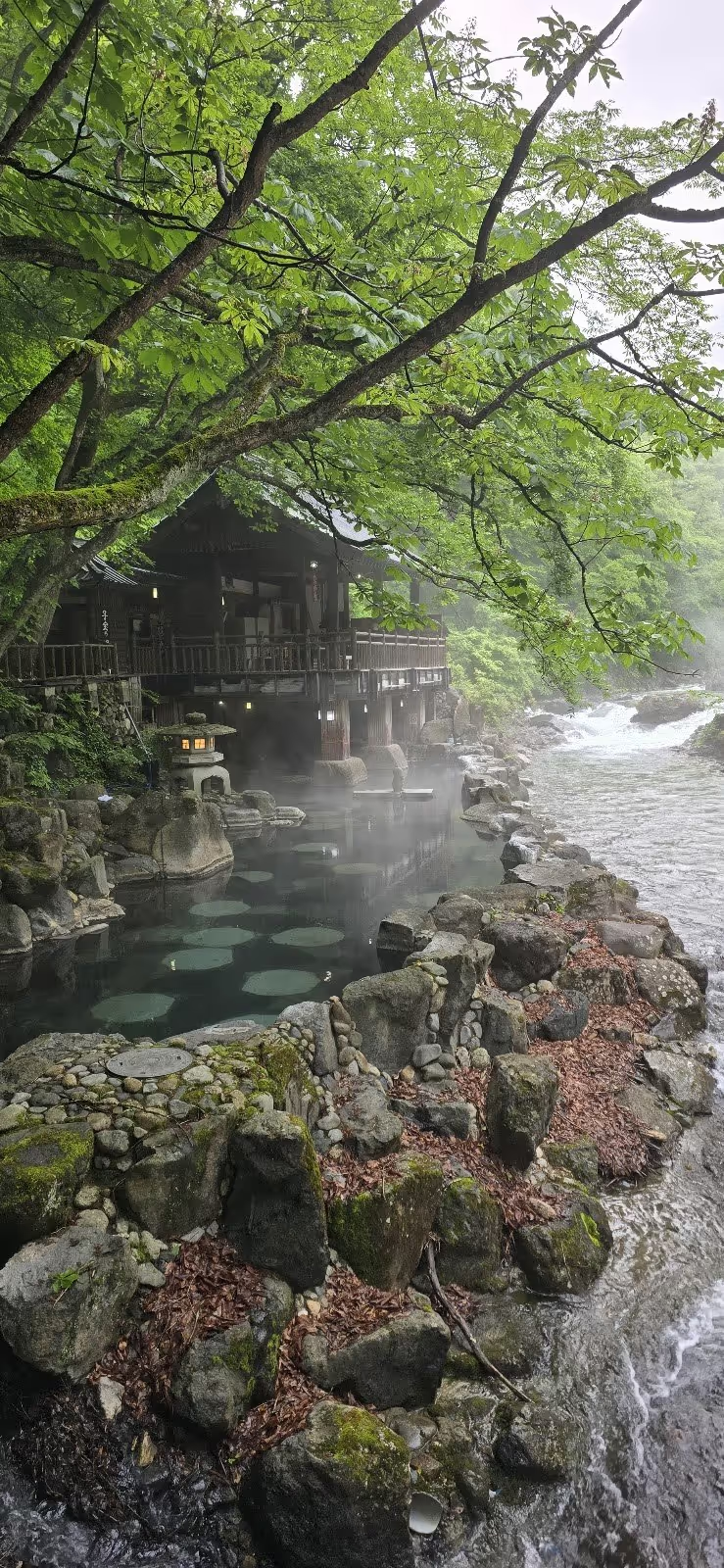
Takaragawa Onsen Osenkaku, Japan is a remote mountain ryokan set along the banks of the Takaragawa River at 1899 Fujiwara, Minakami, Tone District, Gunma Prefecture. It is the only ryokan in Takaragawa Onsen, a secluded hot spring area deep in the mountains of the upper Tone River watershed. The property has 42 traditional Japanese-style rooms across three wooden buildings: the Main Building, the East Building, and the Daiichi Annex, each built with aged pine wood and tatami flooring.
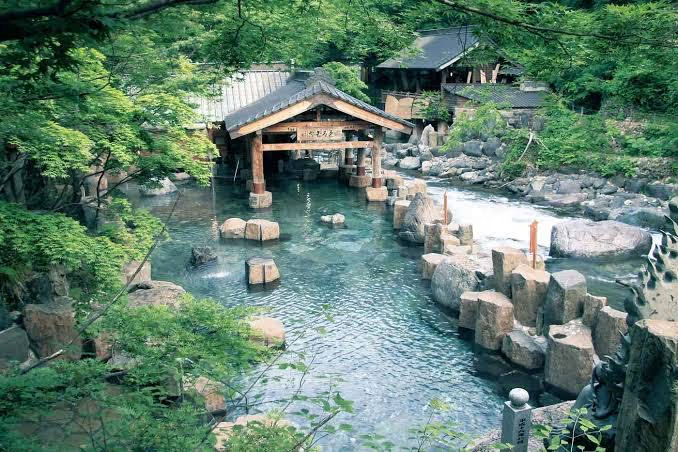
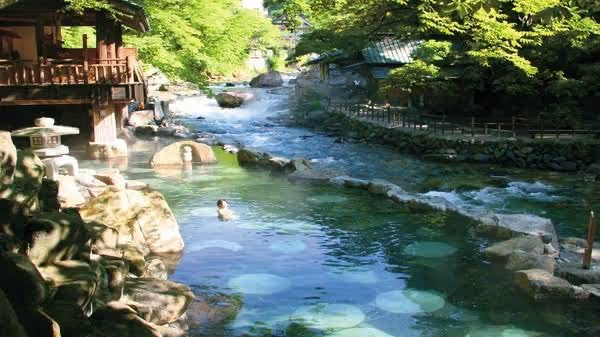
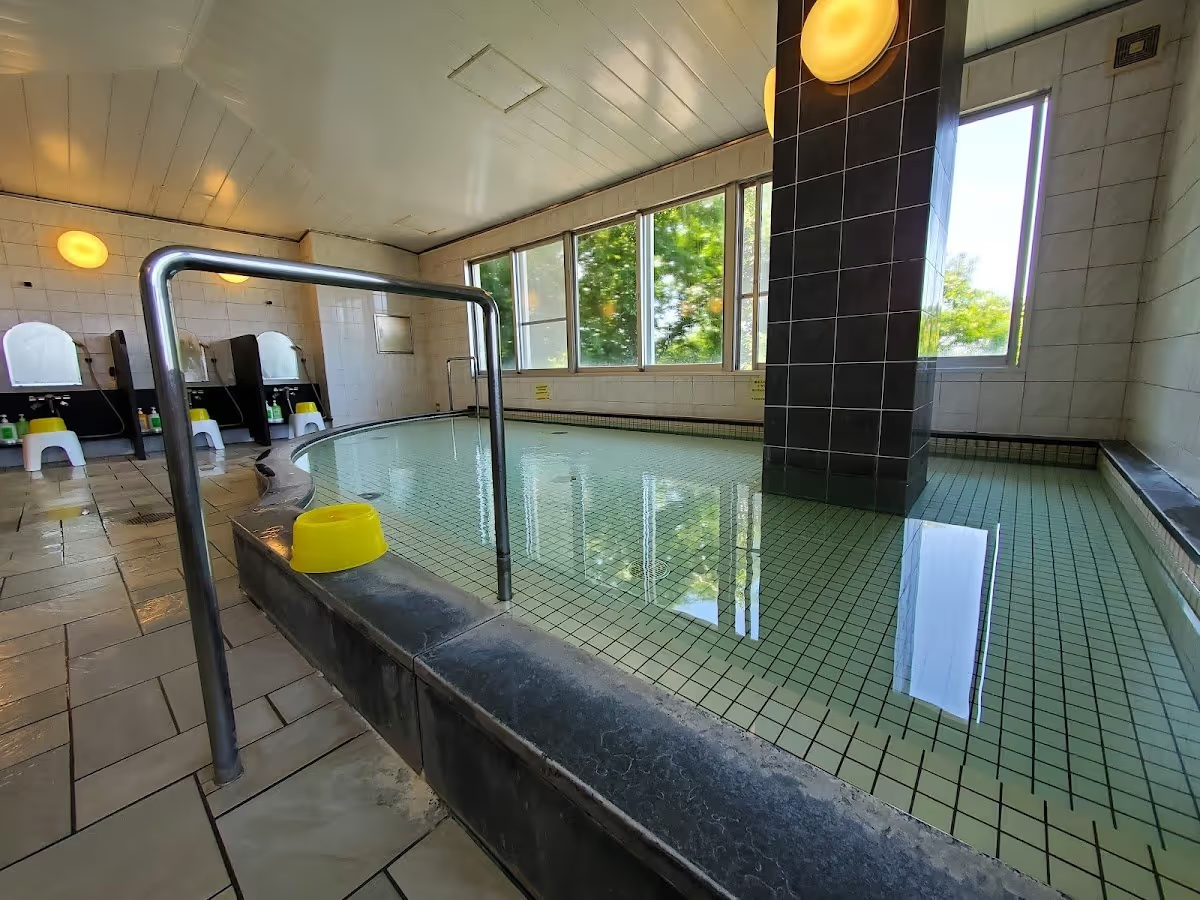
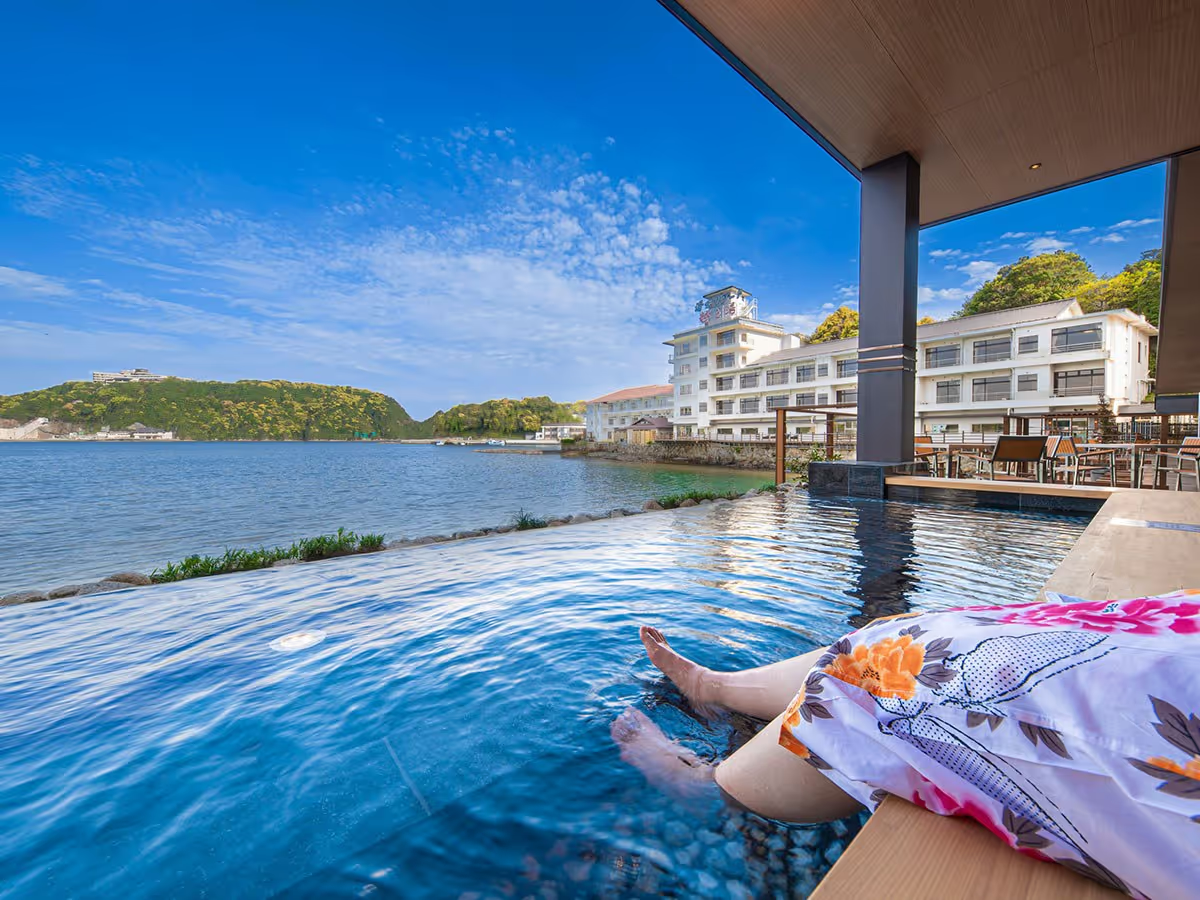
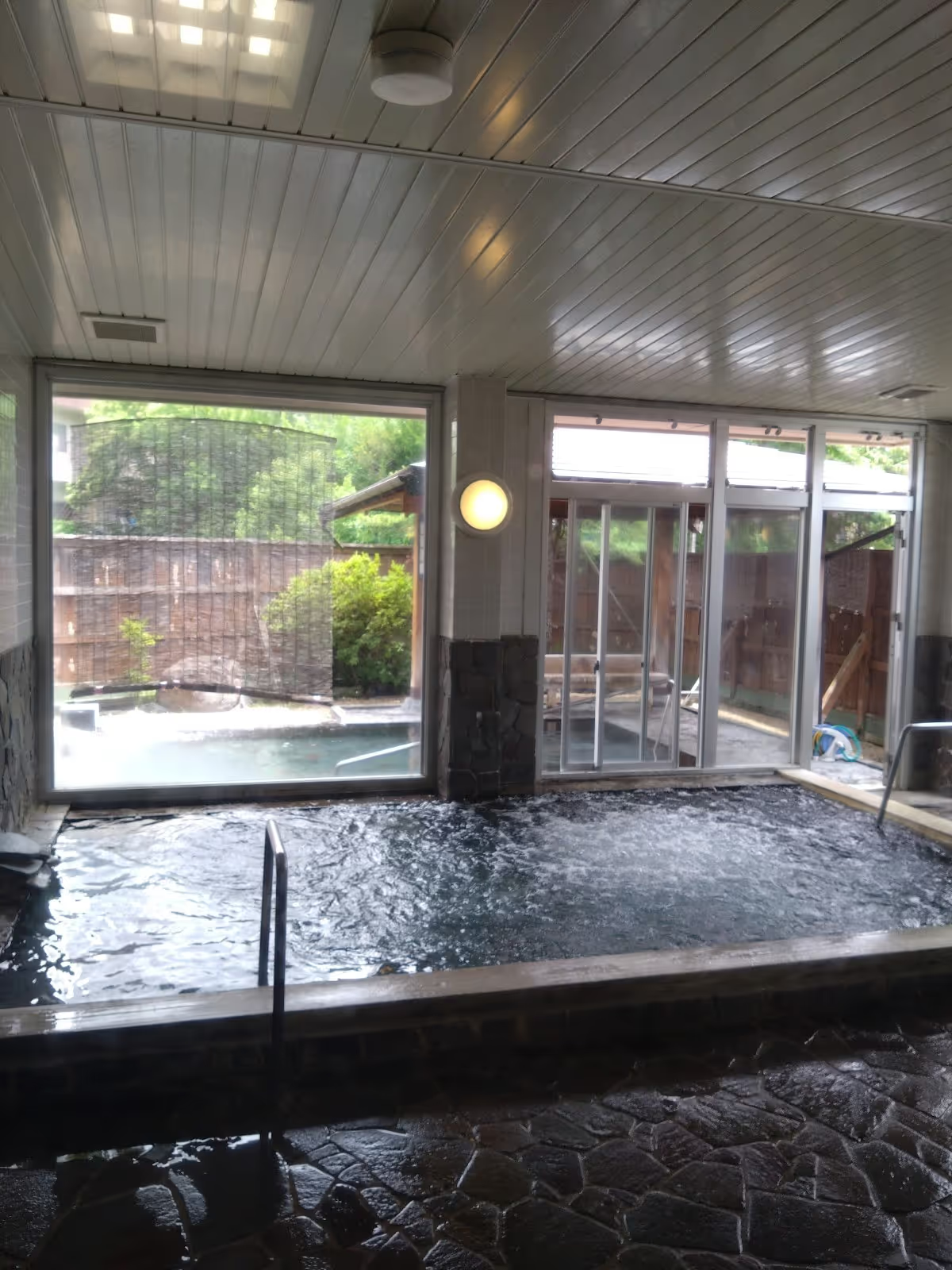
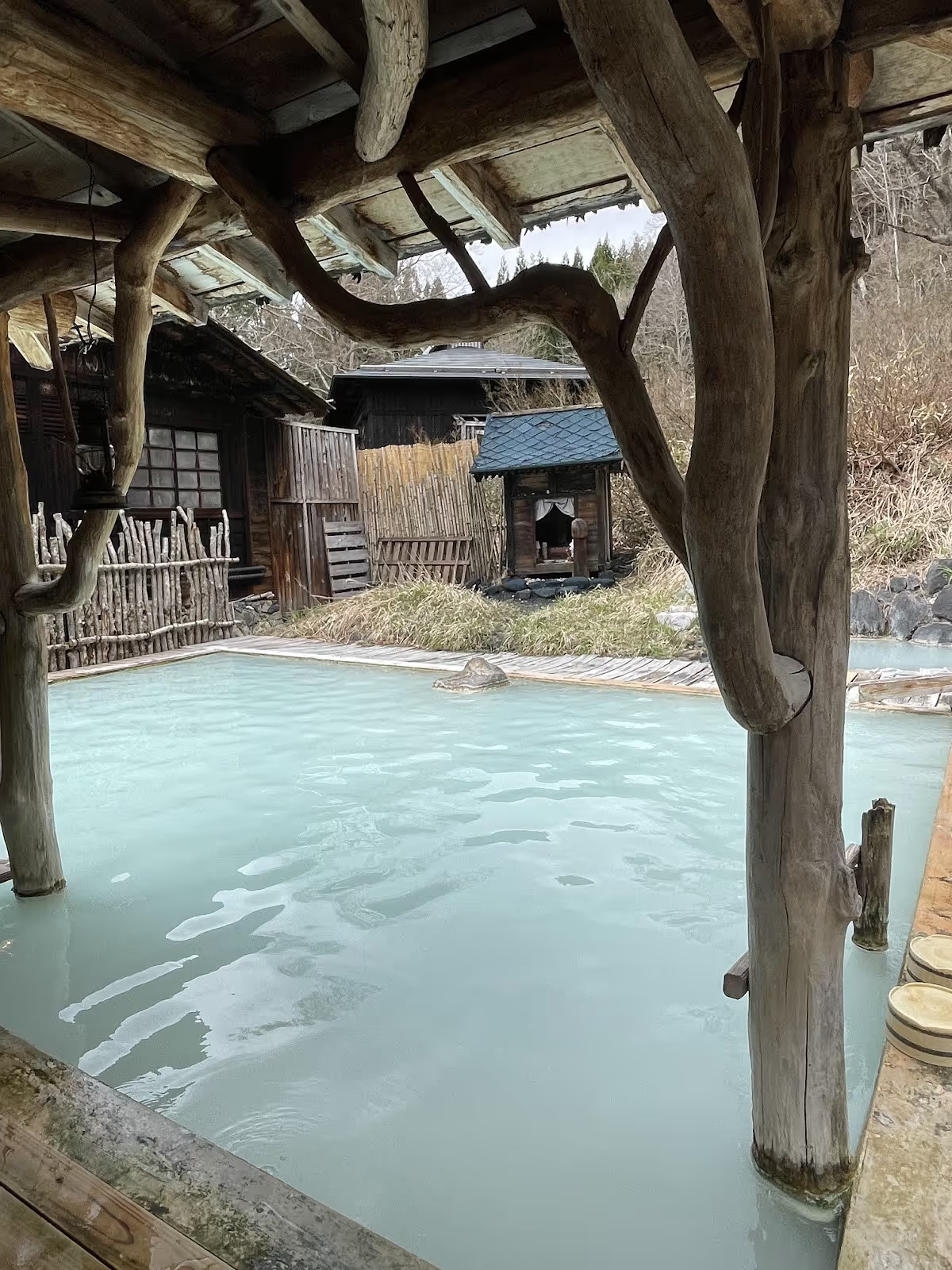
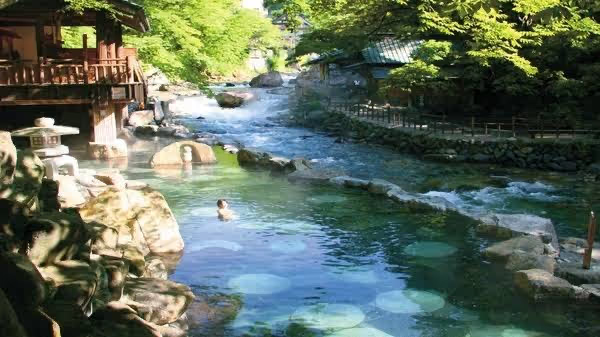
The defining feature is the set of four large open-air riverside baths, which together span approximately 470 tatami mats. Three of these are mixed-gender: Maka no Yu (approximately 120 tatami mats), Kodan no Yu (approximately 200 tatami mats), and Hannya. A fourth bath, Maya, is women-only. A gender-separated indoor bath is also available. All mixed-gender baths require a yukami, a special bathing cloth provided by the ryokan, which must be worn in the water. The spring water is a simple hot spring flowing directly from the source at over 1,800 litres per minute. The ryokan restaurant specialises in mountain cuisine including locally caught river fish and wild mountain vegetables.
Location & Access
Getting to Takaragawa Onsen Osenkaku
Takaragawa Onsen Osenkaku is at 1899 Fujiwara, Minakami, Tone District, Gunma 379-1721. From Tokyo, take the Joetsu Shinkansen from Tokyo Station to Jomo-Kogen Station, approximately 70 minutes; a free shuttle bus to the ryokan departs at 13:00 and 15:00 (advance booking required). Alternatively, from Jomo-Kogen Station take a local bus to Minakami Station (25 minutes, 620 yen), then change to a connecting bus toward Takaragawa; total journey from Jomo-Kogen is approximately 75 to 80 minutes. By car, the ryokan is approximately 30 minutes from the Minakami Interchange on the Kan-Etsu Expressway. Free parking is available at the ryokan.
Day-use bathing is available without overnight accommodation. Day-use admission is 1,500 yen for adults and 1,000 yen for elementary school students. There is no shuttle service for day visitors; day visitors must arrive by car or public bus. Overnight room rates start from approximately 13,000 yen per person (based on two guests sharing), including breakfast and dinner. The ryokan is open year-round. Note that there are no dining facilities or convenience stores in the surrounding area; all meals and supplies should be planned before departure.
Suitability & Accessibility
Who Takaragawa Onsen Osenkaku Suits
Takaragawa Onsen Osenkaku suits visitors who want one of Japan's most celebrated large-scale riverside open-air bathing experiences in a fully remote mountain setting. The combination of vast mixed-gender baths, forested riverbanks, and traditional ryokan rooms makes it a popular overnight destination for couples, honeymooners, and anyone seeking a complete escape from urban life. The mixed-gender baths are among the largest and most scenic in Japan and frequently appear in travel photography and media coverage of Japanese onsen.
Day visitors can access the baths for 1,500 yen, making it practical as a day trip from Tokyo. The bathing cloth provided for mixed baths means that visitors who would not normally be comfortable with conventional nude mixed bathing can still use three of the four outdoor baths. The women-only Maya bath is available without a bathing cloth. Overnight guests have access to all baths throughout the night, and many reviews recommend a late-night or early-morning soak when the baths are quieter.
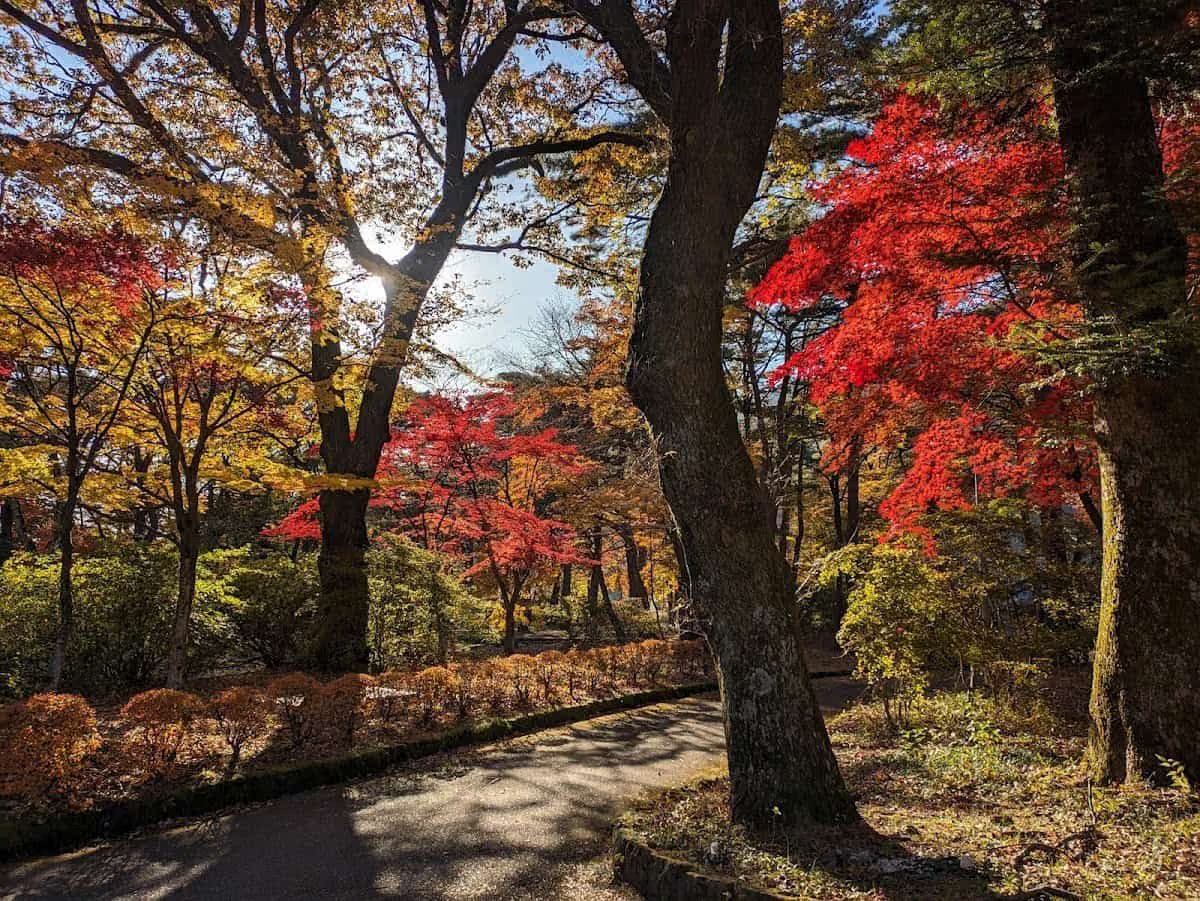
Families are welcome; children are admitted from elementary school age. The baths are large and flat-bottomed, making them manageable for families. Wheelchair access is not documented; the mountain ryokan terrain and riverside baths involve uneven paths. Tattoos are permitted. Autumn and winter are particularly popular seasons: autumn for the foliage around the river baths, and winter for snow-surrounded outdoor soaking.
Safety & Etiquette
Takaragawa Onsen Osenkaku Safety Tips
Takaragawa Onsen Osenkaku is generally safe as a staffed ryokan with well-maintained baths, but the remote mountain location and the riverside outdoor setting introduce specific considerations that are not present at most urban or hotel onsens.
The spring water is a simple hot spring flowing at high volume; water temperature is comfortable for soaking but varies slightly by pool location. Limit soaking to 10 to 15 minutes, rest and drink water between sessions, and avoid long soaks combined with alcohol. People with heart conditions, hypertension, or open wounds should consult a doctor before bathing. The outdoor riverside baths are open to the elements; in winter the contrast between the hot water and cold air can be intense, and in summer insects are present near the river.
The yukami bathing cloth required in the mixed-gender baths must be worn at all times in those pools; this is strictly enforced and is not optional. Do not enter the Maya women-only bath in the yukami. Wash thoroughly at the shower areas before entering any bath. At night the paths between the baths and the ryokan buildings pass through forested terrain and can be dark; use the provided lanterns or a torch. In winter and during heavy rain, riverside paths can be slippery; take care and use handrails. There are no dining options or convenience stores near the ryokan; carry any needed medications, snacks, or supplies before departure. The nearest hospital or clinic is in Minakami town, approximately 30 minutes by car.