Quick FactsOverview
About Yumoto Onsen, Nikko
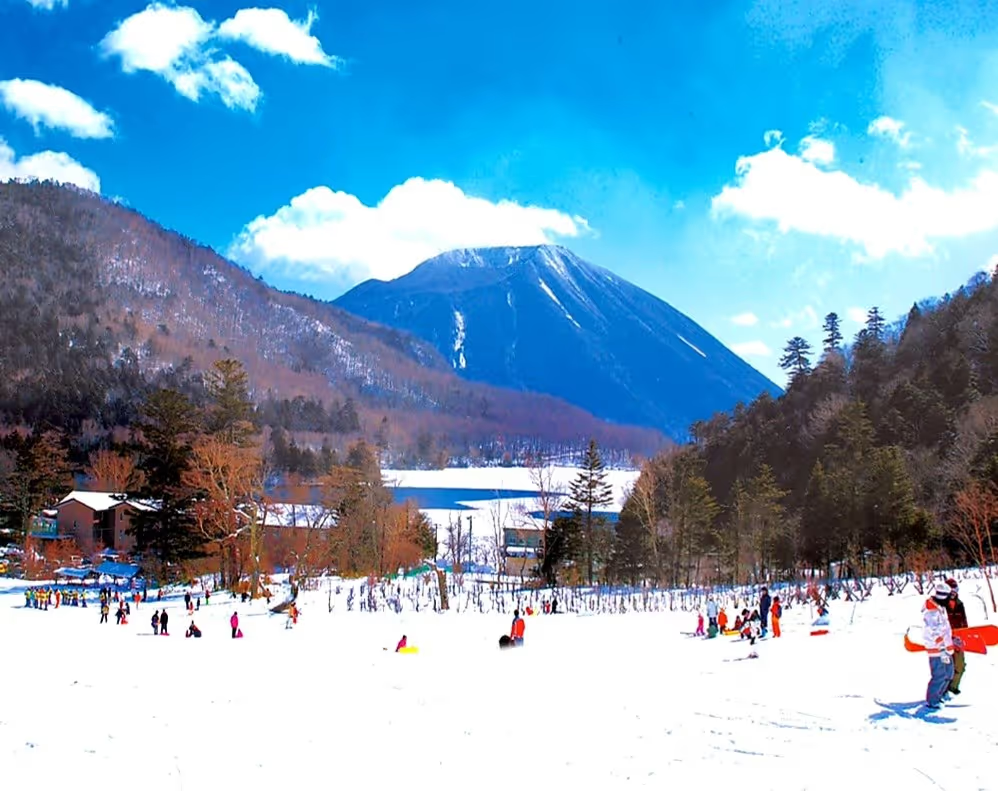
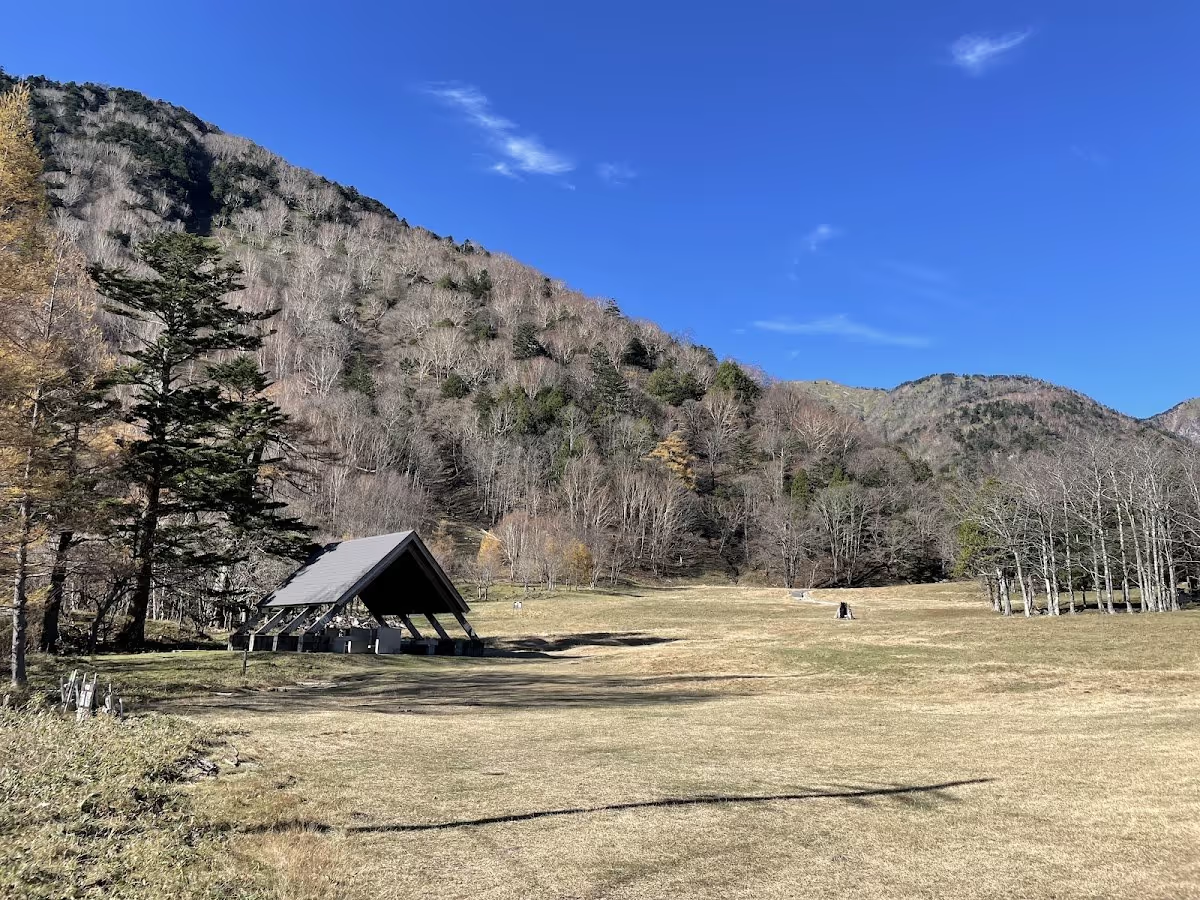
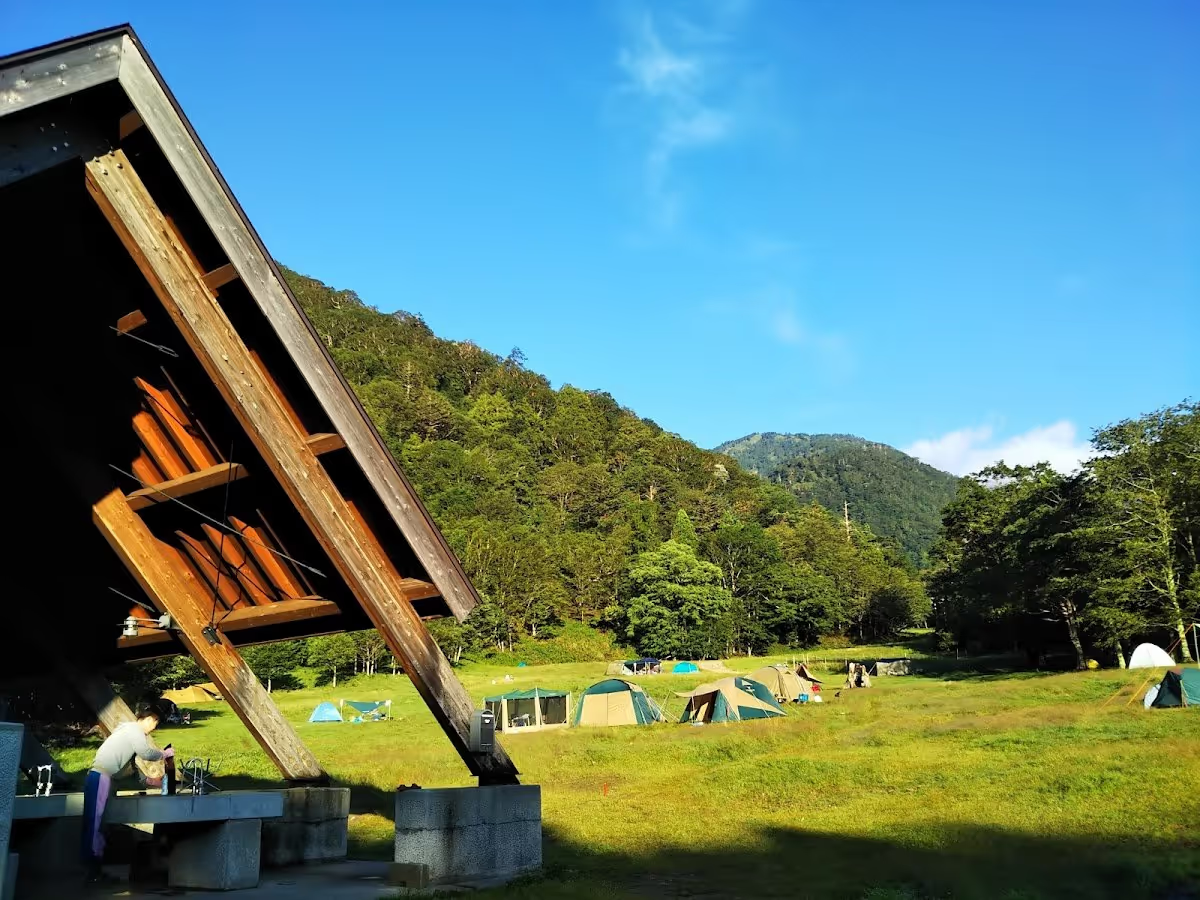
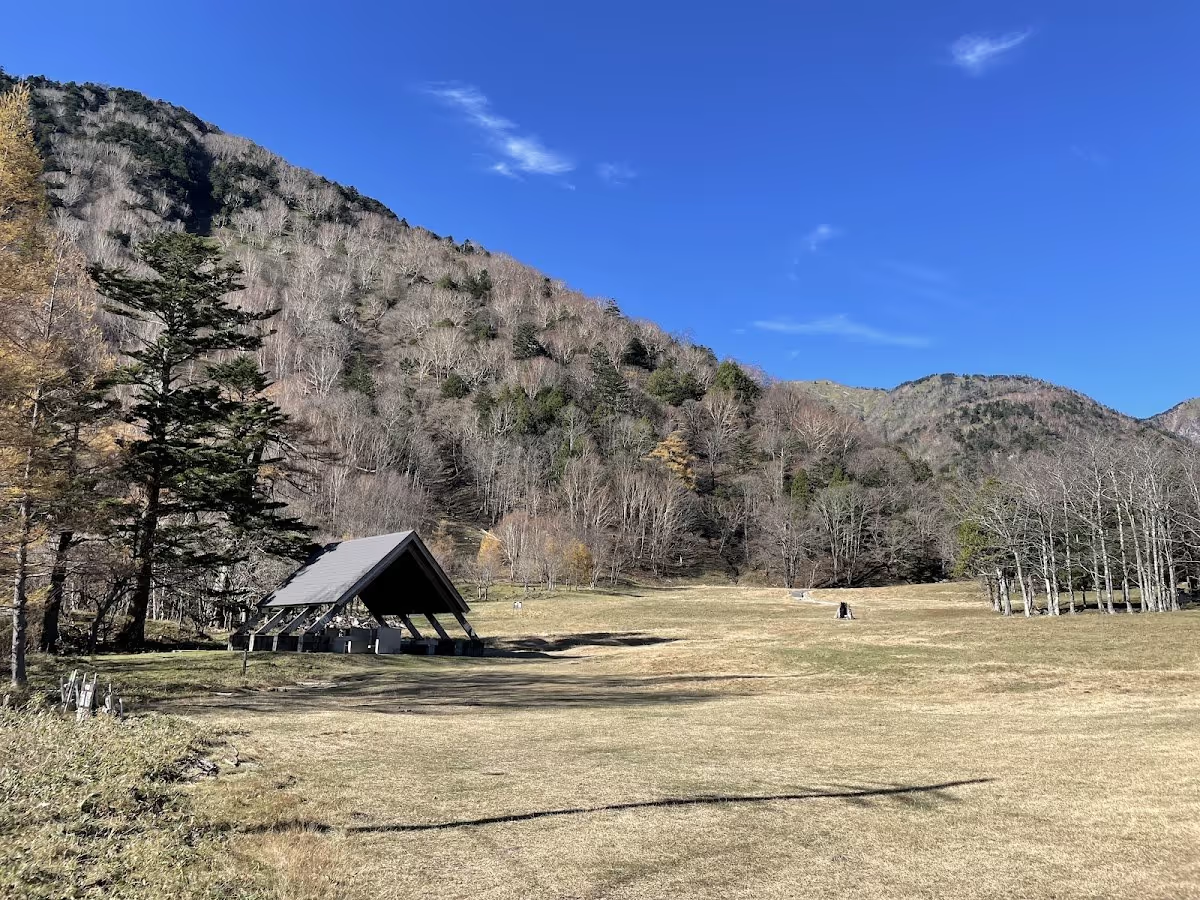
Yumoto Onsen, Japan is a small hot spring village located at an elevation of approximately 1,470 meters within Nikko National Park in Tochigi Prefecture, in the Okunikko highland area roughly 25 kilometers northwest of Nikko city. It sits beside Lake Yunoko, a small crater lake fed in part by a sulfur spring source on its shore, and is surrounded by the highland wetlands of Senjogahara, beech and conifer forest, and the broader Okunikko plateau landscape. The village consists of a modest number of ryokan and small guesthouses arranged around the lake and along the access road, with no large resort development.
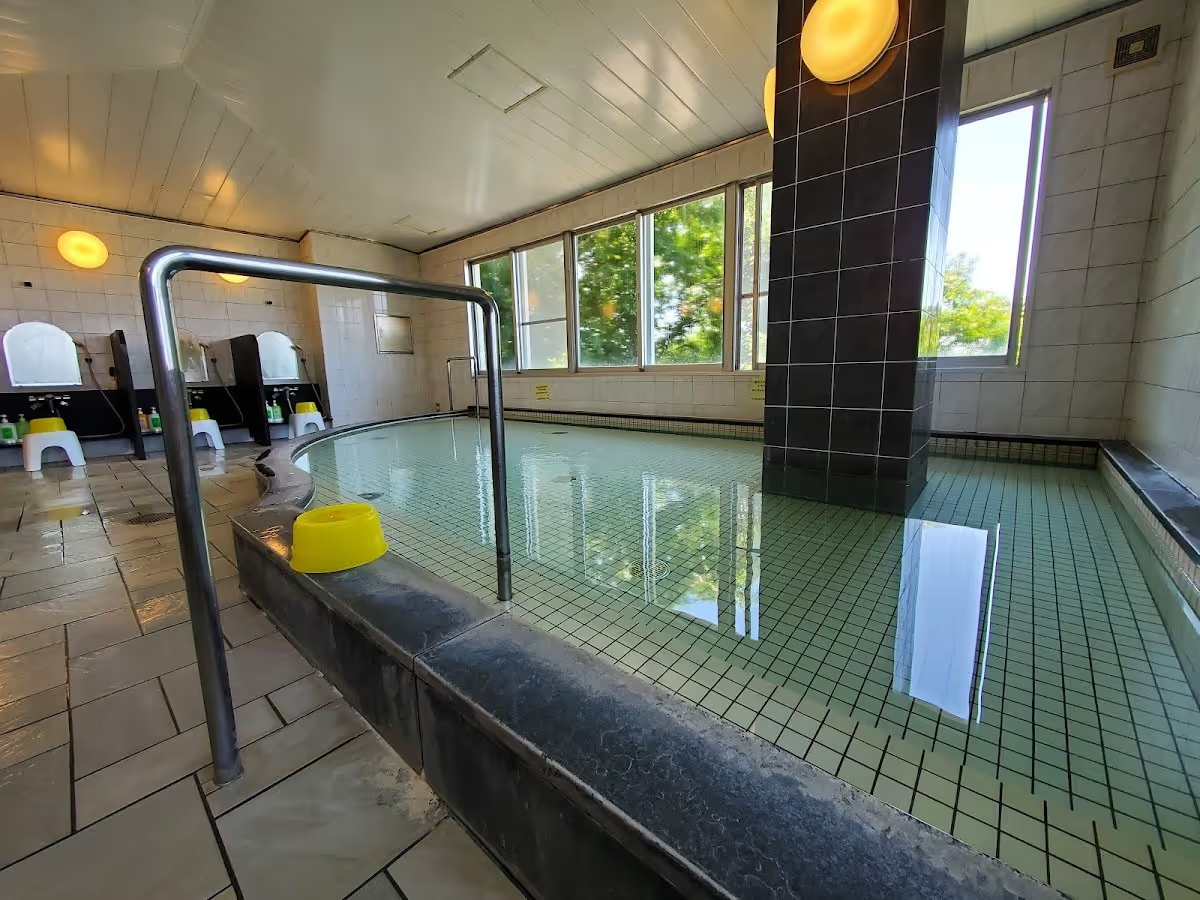
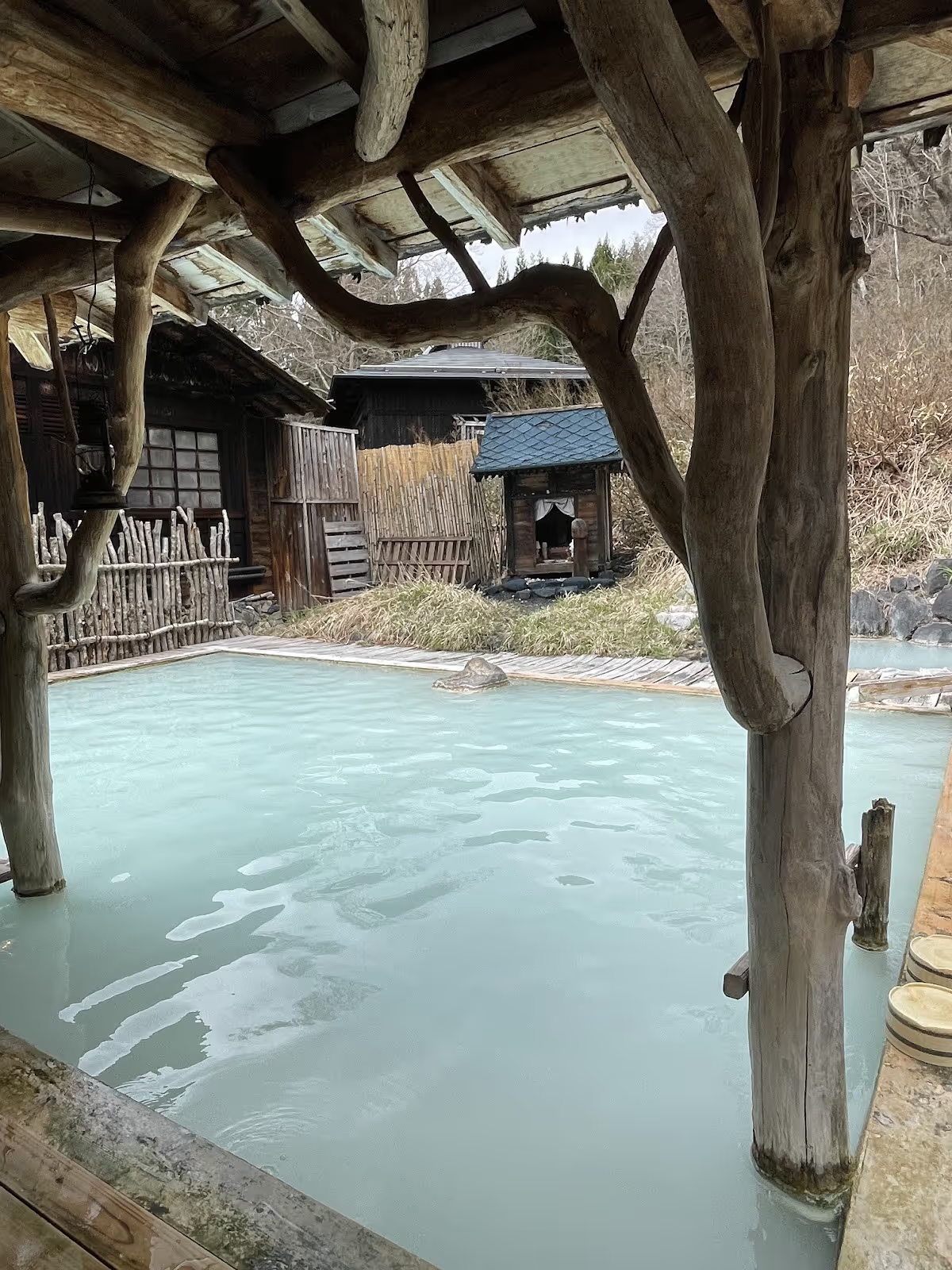
The spring water at Yumoto is strongly sulfurous, with a distinctive milky white coloration and a noticeable smell that is characteristic of high-output sulfur onsen. The source spring emerges visibly on the shore of Lake Yunoko, producing steam and discolored water that flows into the lake. This visible geothermal activity gives Yumoto a raw and immediate quality that contrasts with more refined resort destinations. The water is distributed to the ryokan in the village and to a public bathhouse that is open to day visitors. Yumoto is well regarded among visitors to the Nikko region who want to combine highland walking with traditional onsen bathing, and it represents one of the more atmospherically distinctive examples of a mountain rotenburo onsen in the Kanto and Koshinetsu region. For visitors seeking hot springs near Nikko in an alpine setting, Yumoto Onsen is the highest and most remote of the established onsen destinations within the national park.
Location & Access
Getting to Yumoto Onsen
Yumoto Onsen is reached from Nikko by bus. Tobu Bus and other local services operate from Tobu Nikko Station and JR Nikko Station up through the Okunikko area, stopping at Chuzenji Onsen and continuing to Yumoto Onsen. The bus journey from Nikko Station to Yumoto takes approximately one hour and 15 minutes to one hour and 30 minutes, passing through the famous Irohazaka hairpin road section on the ascent to the Okunikko plateau. Nikko is accessible from Tokyo via the Tobu Nikko Line from Asakusa, with limited express services taking around one hour and 50 minutes, or via the JR Nikko Line from Utsunomiya.
Visitors traveling by car can drive from Nikko city via the Irohazaka route to the Okunikko plateau and continue to Yumoto. The drive from Nikko takes approximately 50 minutes under normal conditions. Parking is available near the lake and at individual ryokan. The Irohazaka road is a one-way hairpin ascent and descent and requires attentive driving. In winter, the road to Yumoto can be subject to snow and ice, and winter tires are required. Road closures are possible during severe winter weather.
For those seeking hot springs near Nikko accessible by public transport within the national park, the bus service from Nikko Station provides a reliable connection during the main tourist seasons. Bus frequency is higher during spring, summer, and autumn and lower in winter. Checking current timetables before travel is advisable year-round, as services adjust seasonally. An overnight stay at Yumoto allows visitors to experience the highland environment at dawn and dusk, when the landscape around the lake and marshes is at its most atmospheric.
Suitability & Accessibility
Who Yumoto Onsen Suits
Yumoto Onsen suits visitors who want to combine onsen bathing with access to highland natural landscapes within one of Japan's most significant national parks. The Senjogahara marshland boardwalk trail, the shores of Lake Yunoko, and the walking routes to Yudaki waterfall are all accessible from the village and give the stay an active outdoor dimension that complements the bathing experience. Visitors with an interest in Nikko's broader natural environment, including the plateau wetlands, highland forests, and visible geothermal activity at the lake shore, will find Yumoto a well-positioned base.
Couples and solo travelers who prefer a quiet mountain setting over the busier Nikko shrine and temple area lower down will find Yumoto a calmer and more nature-focused alternative. The small number of ryokan in the village keeps visitor numbers manageable outside of peak periods. Families with older children who are comfortable with highland walking and a remote atmosphere are welcome, though the limited facilities and lack of commercial entertainment make the stay best suited to those whose interest is primarily in the landscape and onsen.
Visitors looking for accessible hot springs in Japan should note that the village sits at high elevation with some uneven terrain on the trails and paths around the lake. The ryokan vary in their internal accessibility, and guests with significant mobility limitations should confirm room and bathing facility details directly with their chosen property before booking. The public bathhouse in the village is open to day visitors and provides access to the sulfur water without an overnight stay. Among the more remote and scenically distinctive hot springs in Japan reachable by public bus from a major tourist hub, Yumoto Onsen holds a well-established position within the Nikko national park landscape.
Safety & Etiquette
Safety and Etiquette at Yumoto Onsen
Yumoto Onsen is a safe destination within a managed national park, but its highland location and the presence of active geothermal features require visitors to exercise appropriate care. The sulfur spring source on the shore of Lake Yunoko produces steam and geothermally active ground in its immediate vicinity. Visitors should stay on marked paths near the lake shore and avoid approaching the active spring vent area closely, as the ground near active sulfur vents can be unstable and the gases produced at high concentration are harmful. Signage in the area indicates restricted zones.
The highland location means weather can change rapidly at any season. Visitors planning to walk the Senjogahara trail or other routes around Yumoto should carry appropriate layers regardless of conditions at departure. Summer afternoons can bring sudden thunderstorms, and high-elevation trails should be vacated promptly if lightning is observed. Winter conditions at 1,470 meters are severe, with heavy snowfall and temperatures well below freezing. Road access can be disrupted, and visitors planning a winter stay should confirm access conditions in advance.
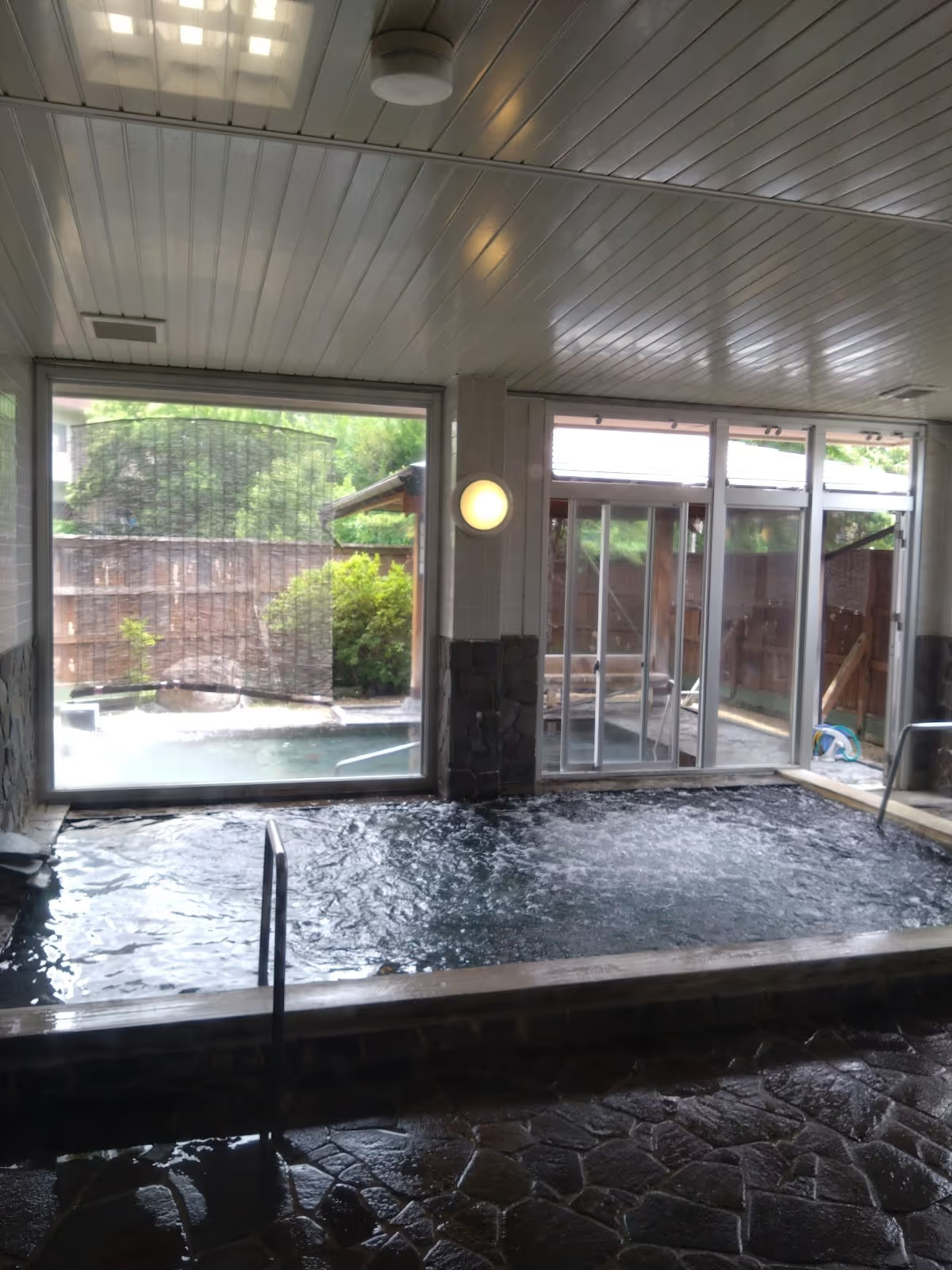
Standard Japanese onsen etiquette applies at all ryokan and at the public bathhouse in the village. Bathers must shower and wash thoroughly before entering any communal bath. Towels must not be submerged in the water. Bathing areas are gender-separated. Swimwear is not worn in traditional indoor baths. The strongly sulfurous water at Yumoto can cause discoloration of metal jewelry and light-colored fabric. Removing jewelry before bathing and using older towels is advisable. Tattoo policies follow general Japanese ryokan practice, and visitors with tattoos should inquire about private bath availability when booking.
Photography inside bathing facilities is not permitted. The sulfur content of the water at Yumoto is high, and visitors with respiratory sensitivities or skin conditions should exercise caution and seek medical advice before bathing. Standard precautions apply: limit session length, hydrate before and after bathing, and rest between soaks. Children should be supervised at all times in bathing areas and on paths near the lake shore. Guests with cardiovascular conditions should seek medical advice before bathing in high-temperature sulfur water.