Quick FactsOverview
About Kusatsu Onsen
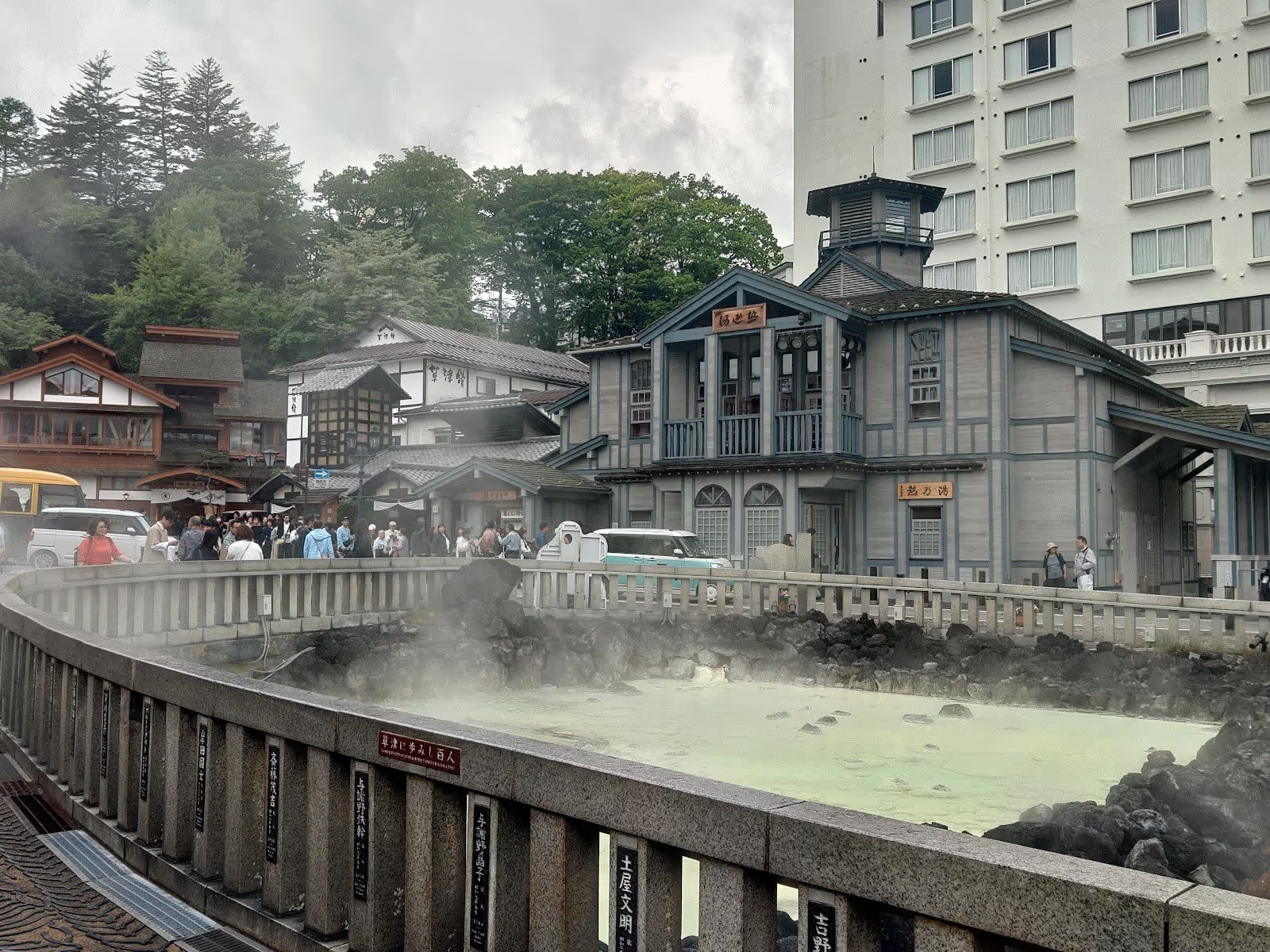
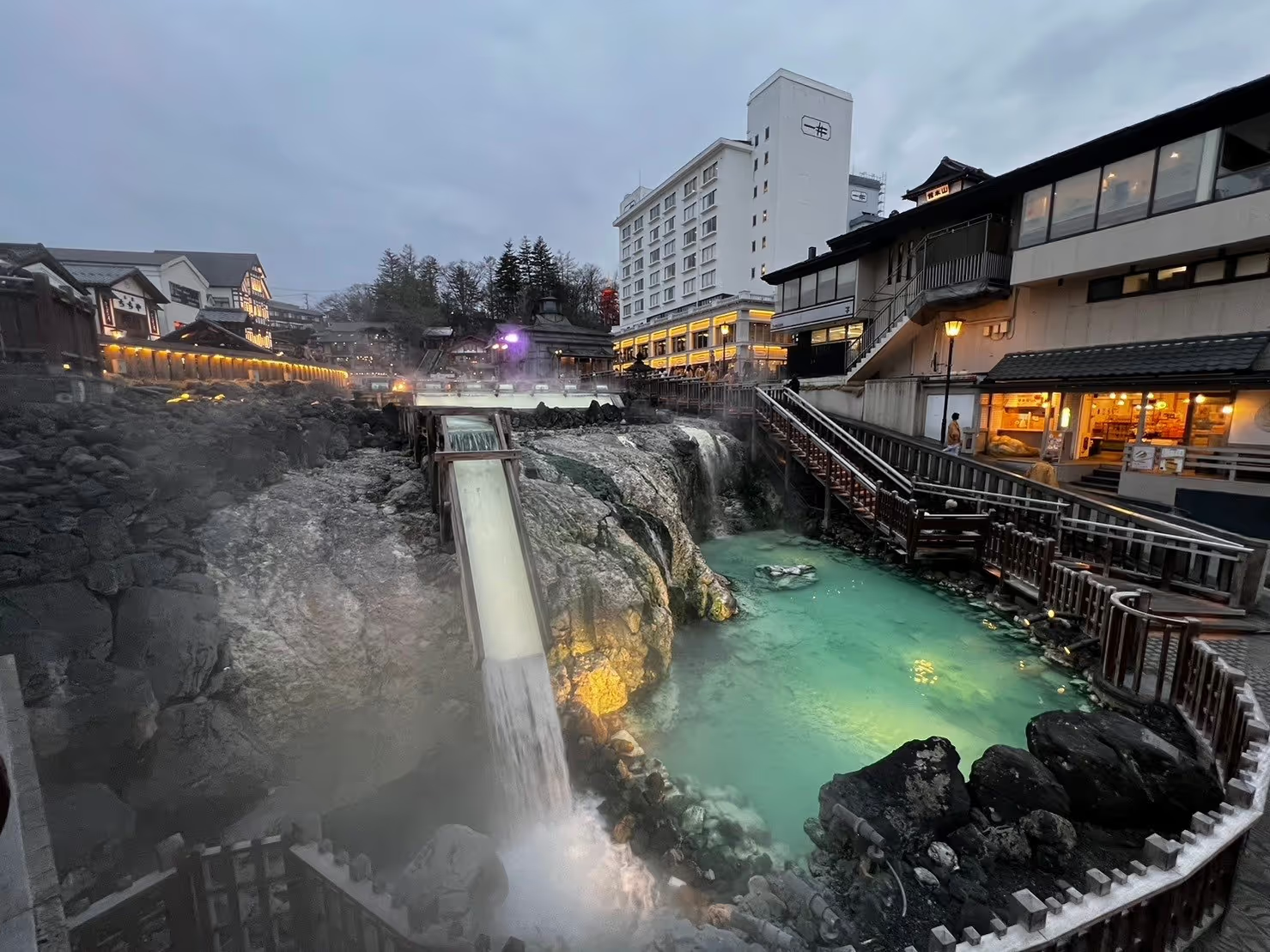
Kusatsu Onsen, Japan is a hot spring resort town in Kusatsu, Agatsuma District, Gunma Prefecture, at 1,200 metres elevation. It is one of Japan's three most famous hot spring resorts, alongside Arima Onsen and Gero Onsen, and has the largest natural flow of hot spring water in Japan. The town is centred on the Yubatake, literally hot water field, where geothermal water at 51 to 94 degrees Celsius flows from the volcanic source at around 4,000 litres per minute through a series of pinewood channels that cool it to bathing temperature.
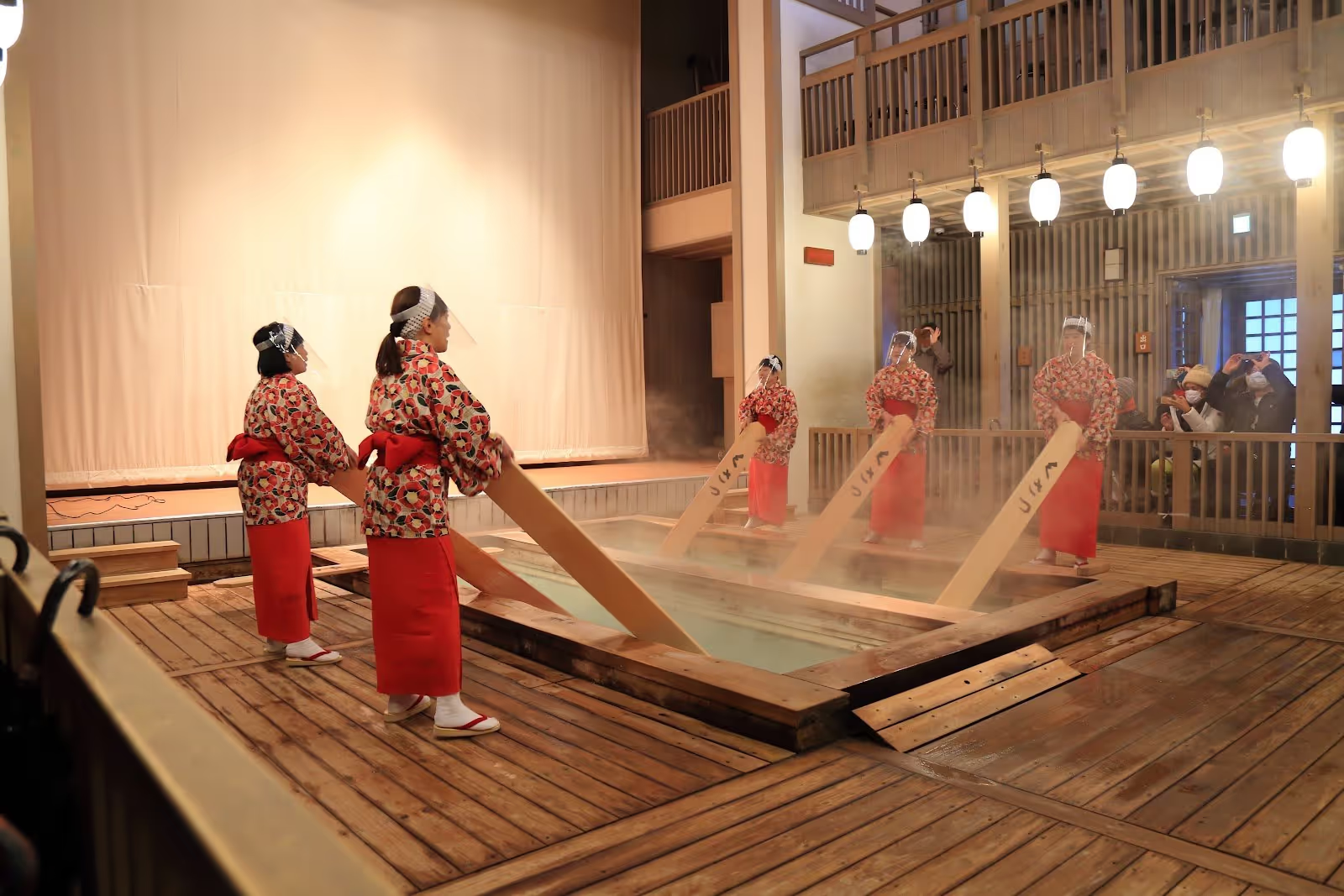
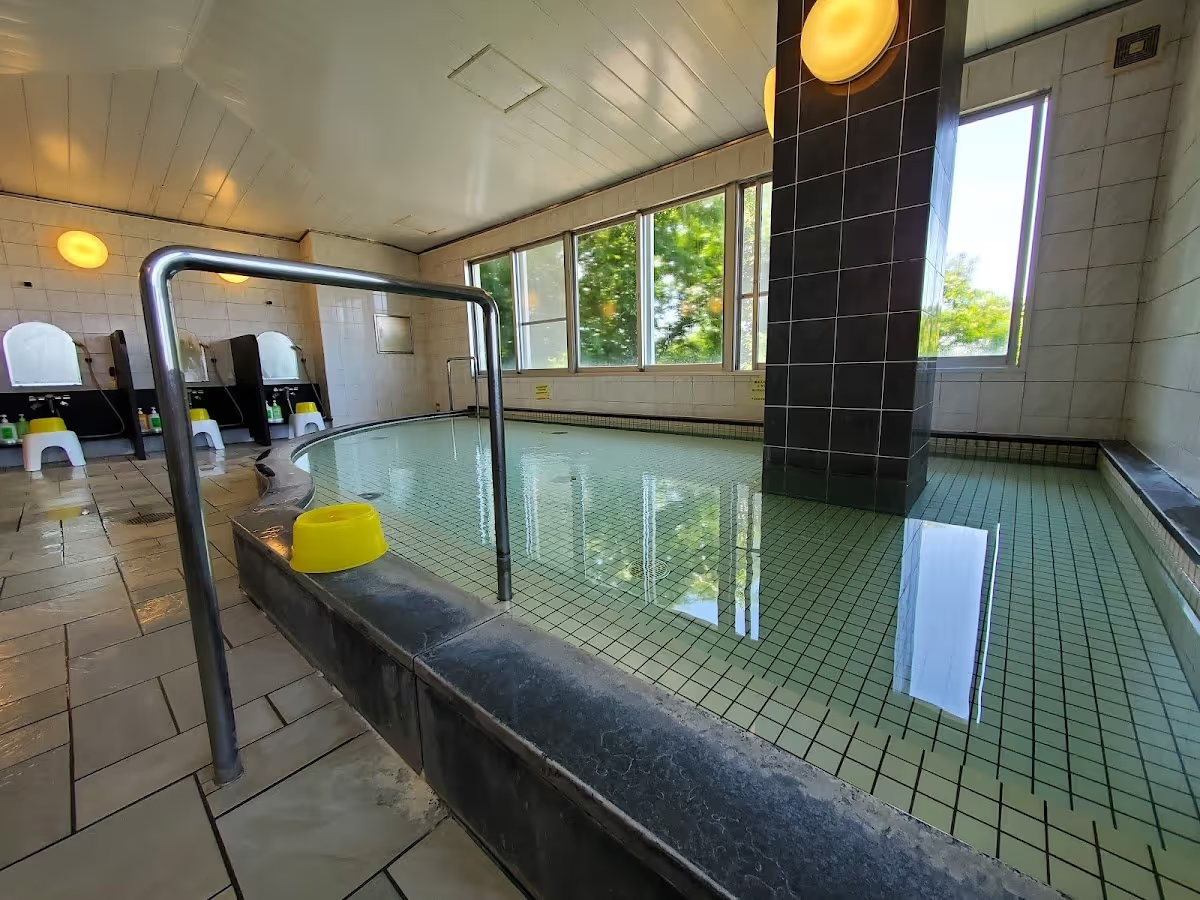
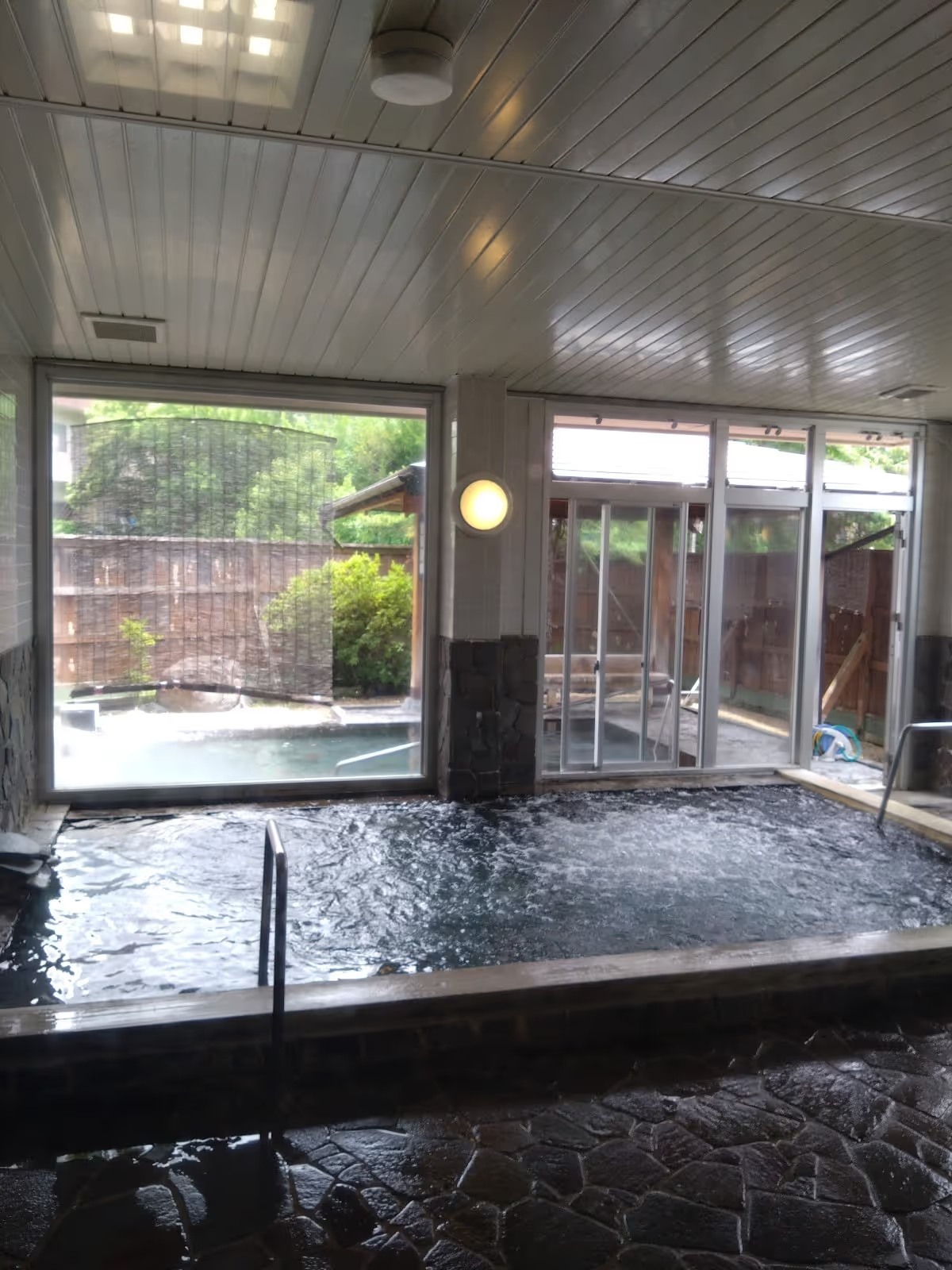
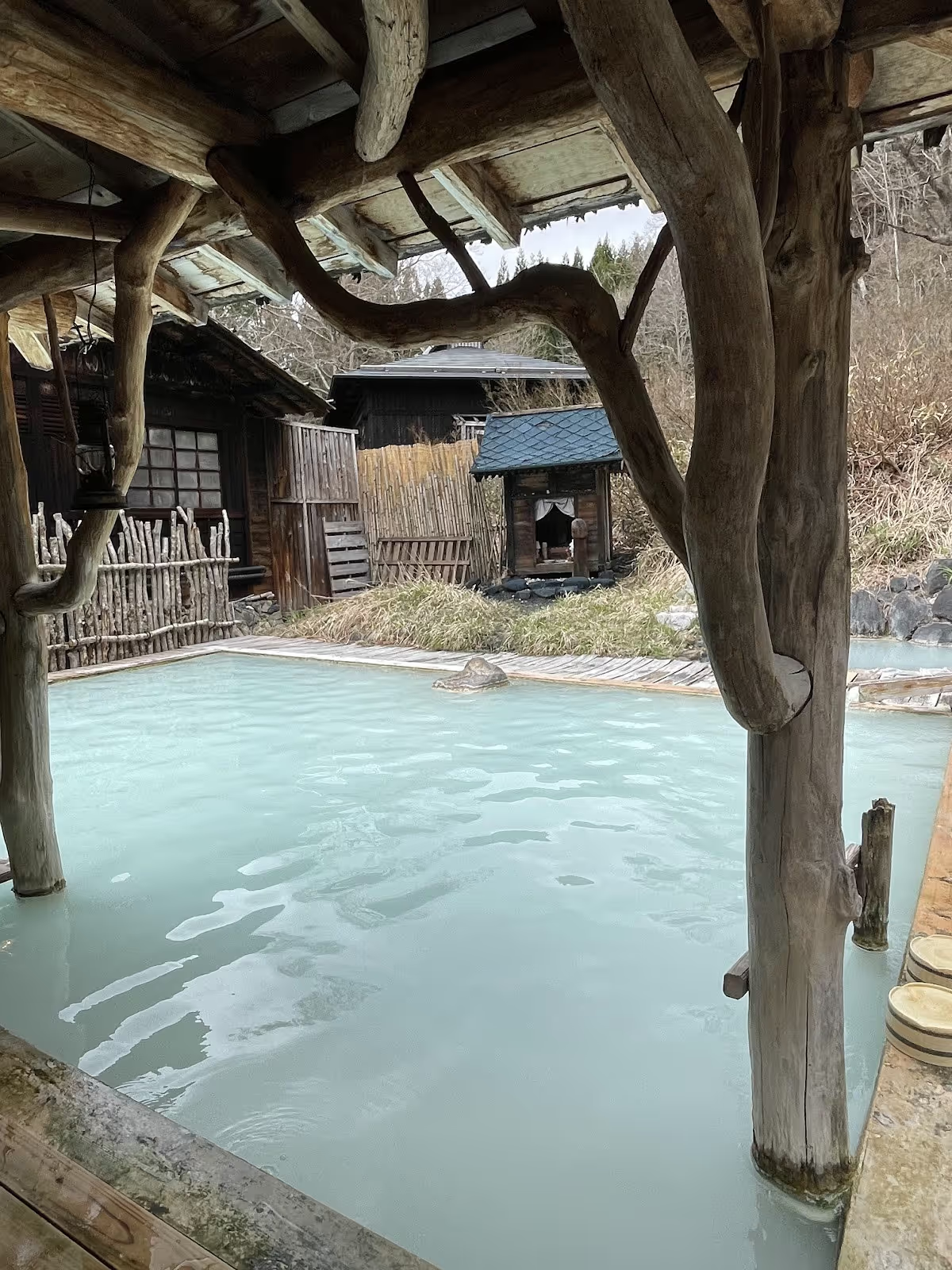
The water is highly acidic with a pH between 1.7 and 2.1, containing sulfurous compounds, aluminum sulphate, and chloride. A centuries-old method called yumomi, in which workers stir the water with large wooden paddles while singing folk songs, cools it naturally; the performance is watched at Netsunoyu Hall next to the Yubatake for 600 yen. The town has three major public bathing facilities: Sainokawara Rotemburo, a large outdoor bath in Sainokawara Park (600 yen); Otakinoyu, an indoor facility with awase-yu baths at progressively increasing temperatures (1,200 yen); and Gozanoyu, a traditional wooden bathhouse next to the Yubatake. Multiple small community baths are scattered around town. Free foot baths are located near the Yubatake and the bus terminal.
Location & Access
Getting to Kusatsu Onsen
Kusatsu Onsen has no train station in the town itself. The most convenient access from Tokyo is by direct highway bus from Shinjuku Bus Terminal (Busta Shinjuku), with several departures daily; the journey takes approximately three and a half to four hours. From Takasaki Station on the Hokuriku Shinkansen, the Kusatsu Kotsu or Seibu Kanko Bus reaches Kusatsu Onsen Bus Terminal in approximately one and a half hours. From Karuizawa Station (Hokuriku Shinkansen), the journey by bus takes approximately one hour and 20 minutes to one hour 55 minutes. By car from the Joshin-etsu Expressway Usui-Karuizawa Interchange, the drive takes approximately one hour and 35 minutes. The Naganohara-Kusatsuguchi Station on the JR Agatsuma Line is the nearest rail station; from there the JR Bus reaches Kusatsu Bus Terminal in approximately 25 minutes.
The town centre is walkable; the Yubatake is the main landmark and most public baths are within 10 to 15 minutes on foot. Sainokawara Rotemburo is a 10 to 15-minute walk from the Yubatake. Free foot baths near the Yubatake and near the bus terminal require no ticket. Towels are not typically provided at public baths and should be purchased or brought; most bath admissions include a towel purchase option. Ryokan guests typically have unlimited access to their inn's own baths and may also use other town baths by paying individual admission.
Suitability & Accessibility
Who Kusatsu Onsen Suits
Kusatsu Onsen suits visitors from Tokyo who want a full onsen town experience within a manageable journey from the city. The combination of the iconic Yubatake, the yumomi ceremony, the range of public bathing options at different price points, and the ski resort in winter gives the town year-round appeal. The free foot baths near the town centre make it accessible to those who want to sample the spring water without committing to a full indoor bath.
The town is well-organised for visitors new to Japanese onsen; signage is clear, public baths have straightforward entry procedures, and the community baths give a sense of local life. Overnight stays at ryokan typically include private onsen access and kaiseki dining; day visits are practical given the direct bus from Shinjuku.
At 1,200 metres elevation, Kusatsu has cold winters that enhance the hot spring experience but require appropriate clothing; a ski resort is available for winter visitors. The highly acidic water is unsuitable for those with very sensitive skin or certain skin conditions; consult a doctor if this applies. Families are welcome; the Yubatake, the yumomi performance, and onsen eggs are engaging for children. The town becomes very crowded at peak holiday periods; weekday visits outside Golden Week and New Year are quieter.
Safety & Etiquette
Kusatsu Onsen Safety Tips
Kusatsu Onsen is generally safe as a well-established resort town with professionally operated bathing facilities. The main safety considerations are the extreme acidity and high temperature of the source water, the elevation, and standard hot spring health contraindications.
The Yubatake spring source runs at 51 to 94 degrees Celsius; it is not safe to enter the Yubatake channels or approach the source directly. All bathing facilities cool the water to safe temperatures before it reaches the baths. However, the high acidity (pH 1.7 to 2.1) means the water is still more chemically active than most onsen; rinse skin thoroughly after bathing and avoid submerging the eyes or face in the water. The acidity can cause mild irritation in some visitors with sensitive skin; exit the bath and rinse immediately if this occurs. People with heart conditions, hypertension, open wounds, or active skin conditions should not use the baths or should consult a doctor first.
Wash thoroughly at the shower stations before entering any bath. No swimwear is permitted in the gender-separated public baths; Sainokawara Rotemburo is an outdoor communal bath requiring nudity. Standard soaking limits apply: 10 to 15 minutes per session with rest and water between rounds. At 1,200 metres elevation, the mountain air is considerably colder than at valley level, particularly in winter; cover up promptly after outdoor bathing. The mountain roads to Kusatsu involve winding terrain; check conditions and use winter tyres when driving in winter.