
Quick FactsOverview
About Yunomine Onsen, Wakayama
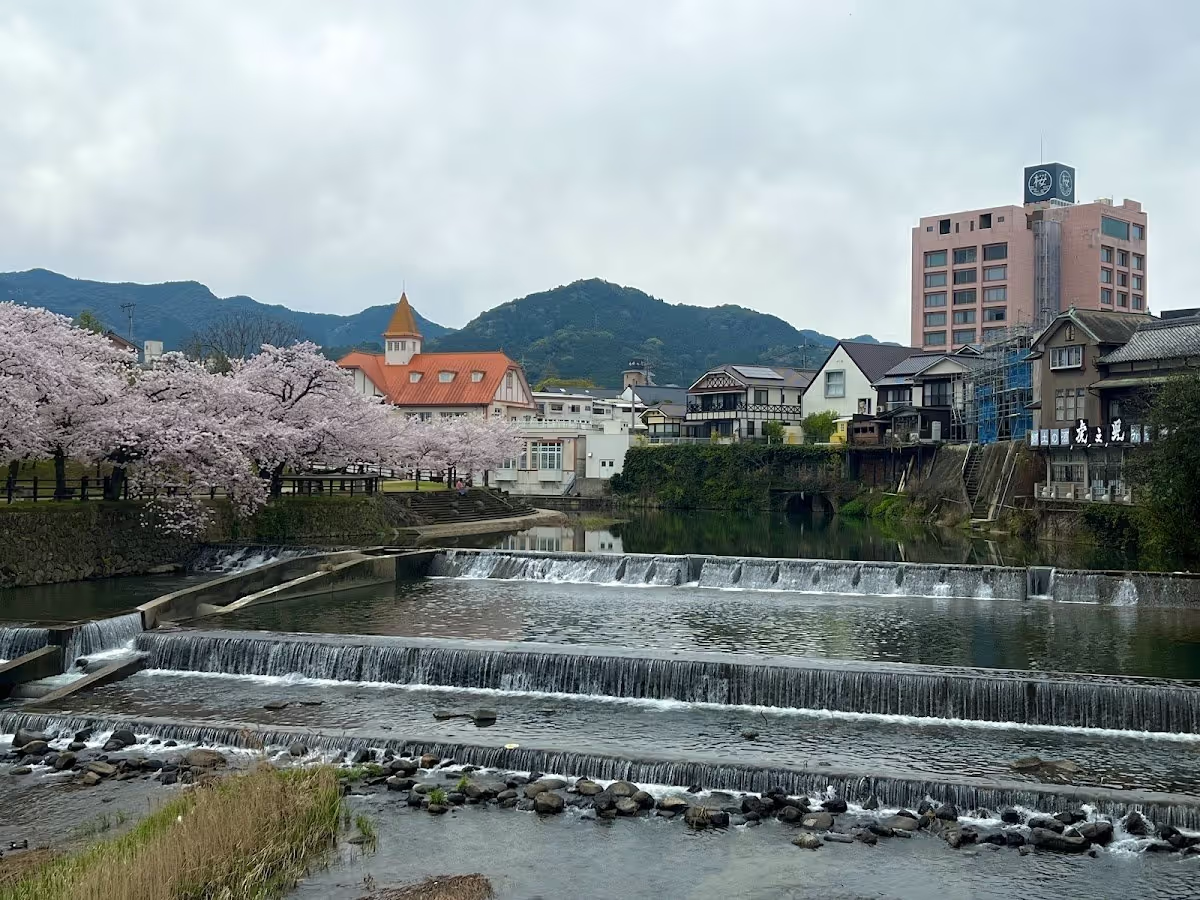
Yunomine Onsen, Japan is a small and ancient hot spring hamlet located in the Kumano mountain interior of Tanabe City, Wakayama Prefecture, set in a narrow river valley deep within the forested hills of the Kii Peninsula approximately 12 kilometers northeast of Hongu. It is recognized as part of the Sacred Sites and Pilgrimage Routes in the Kii Mountain Range UNESCO World Heritage area, making it one of the very few hot springs in the world to hold this designation. The hamlet has a documented history of over 1,800 years and has served as a purification stop for pilgrims traveling the Kumano Kodo pilgrimage routes for most of that time.
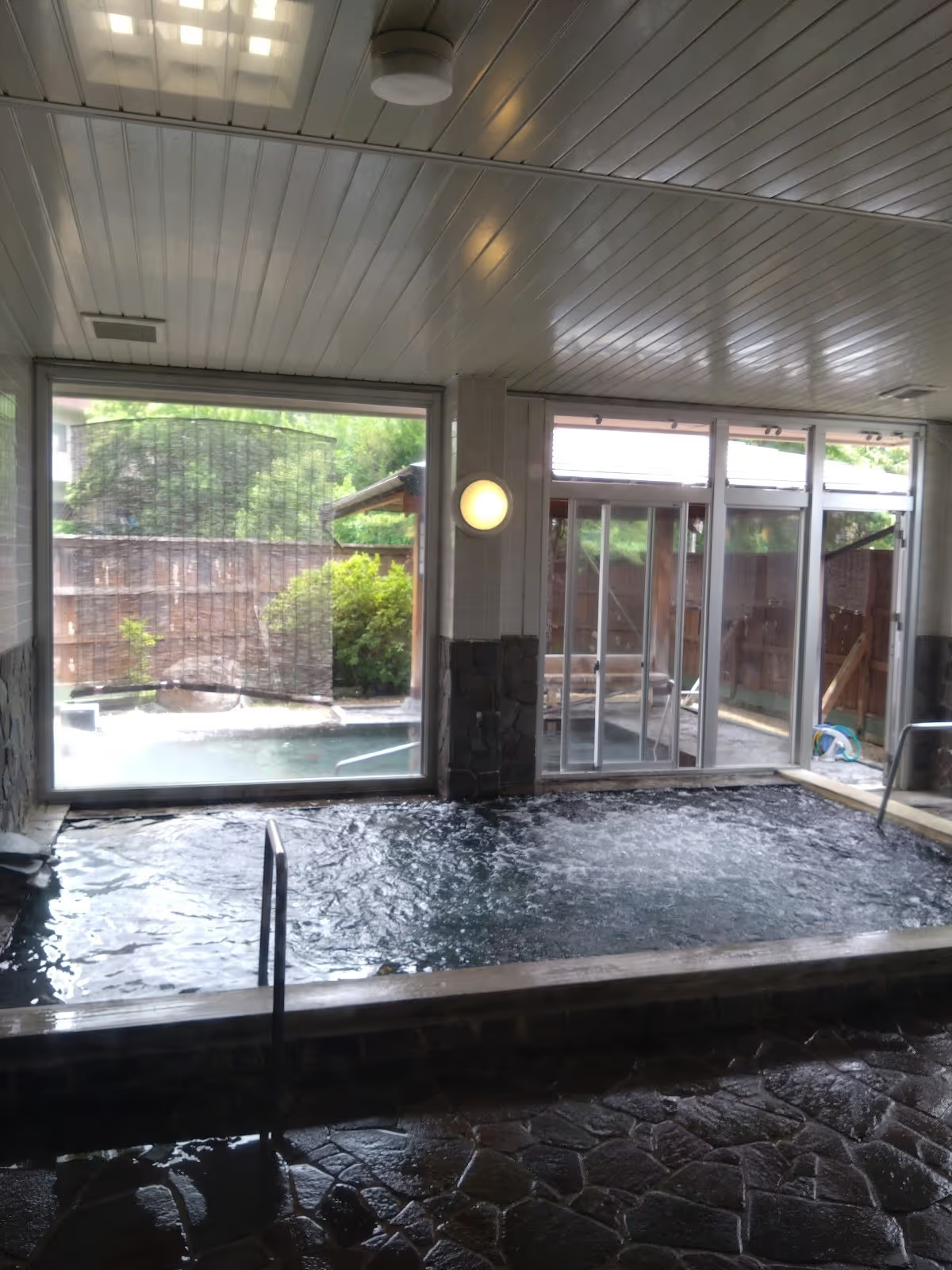
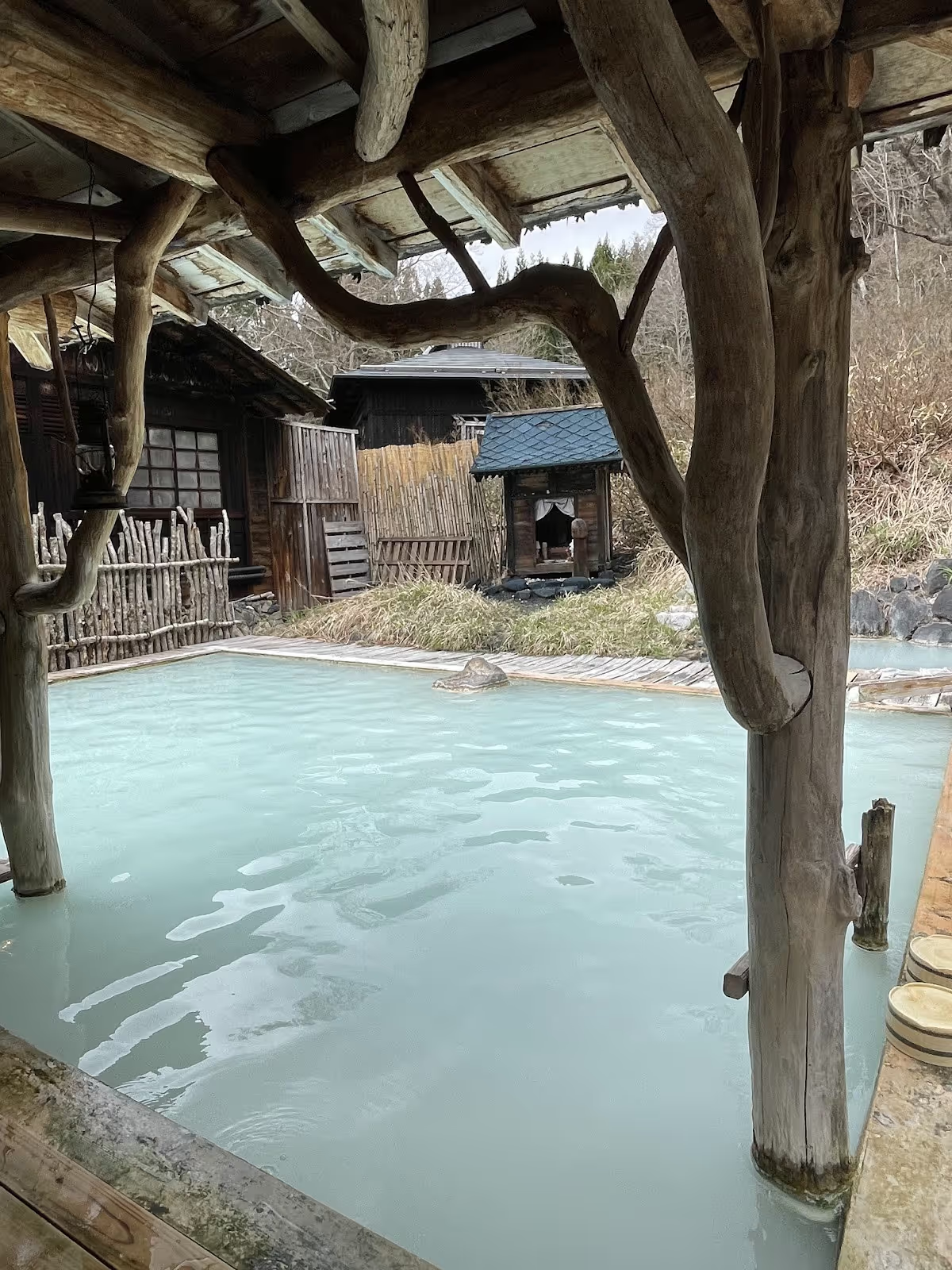
The spring at Yunomine is turbid and changes color several times a day between green, white, and grey depending on temperature and atmospheric conditions, a characteristic that is unusual among Japanese onsen and contributes to the site's distinctive identity. A small stone-enclosed cooking spring known as Tsuboyu-no-Moto sits in the river and has been used for centuries to cook eggs and vegetables in the geothermally heated water. Tsuboyu, a tiny single-room bathhouse built over the river on a wooden structure, is the only natural hot spring in the world designated as a UNESCO World Heritage site, and entry is managed by a ticketing system with a time limit per group. A larger public bathhouse nearby provides conventional bathing access for visitors who cannot secure a Tsuboyu slot or prefer a less confined bathing environment. Yunomine is a well-preserved and genuinely ancient example of a sacred natural hot spring that remains actively used in both the pilgrimage and onsen traditions of the Kumano region. For visitors seeking hot springs near Hongu within the Kumano heritage landscape, Yunomine Onsen is the most historically and spiritually significant site in the area.
Location & Access
Getting to Yunomine Onsen
Yunomine Onsen is located in a remote mountain valley and is accessible primarily by bus. The nearest transport hub is Hongu Taisha-mae bus stop, served by the Kumano Kotsu bus network from Shingu Station on the JR Kisei Main Line and from Kii-Tanabe Station. From Shingu, bus services run toward Hongu, and a connection or direct service continues to Yunomine Onsen. Journey time from Shingu to Yunomine is approximately one hour and 20 minutes. From Kii-Tanabe, services also run to Hongu and Yunomine, with total journey times of around two hours.
Shingu is accessible from Osaka via the JR Kisei Main Line Kuroshio limited express in approximately three hours, and from Nagoya via the JR Kisei Main Line Nanki limited express in around three hours and 30 minutes. Bus schedules in the Kumano area are limited and visitors must plan connections carefully, as infrequent services and long gaps between buses are common, particularly outside peak tourist seasons. Checking current Kumano Kotsu timetables before travel is essential.
Visitors traveling by car can reach Yunomine from Shingu via Route 168 north through the Kumano River valley to Hongu, then following the road into the Yunomine valley. The drive from Shingu takes approximately one hour. Parking is available near the hamlet entrance. The valley road into Yunomine is narrow and visitors should drive carefully. For those seeking hot springs near Hongu within the Kumano UNESCO heritage area, Yunomine is the most visited onsen destination in the immediate area and is signposted from the main Kumano route. An overnight stay is strongly recommended given the transport complexity and the value of experiencing the hamlet at dawn and dusk when day visitors are absent.
Suitability & Accessibility
Who Yunomine Onsen Suits
Yunomine Onsen suits visitors who are drawn to the intersection of natural hot springs, ancient pilgrimage culture, and UNESCO World Heritage landscapes. The hamlet's small scale, forested valley setting, and documented history of over 1,800 years make it a destination where the experience goes well beyond conventional bathing. Visitors with an interest in the Kumano Kodo pilgrimage routes, the sacred geography of the Kii Peninsula, or the deep history of Japanese onsen culture will find Yunomine uniquely rewarding.
Solo travelers and couples who value authenticity and atmosphere over comfort and amenity will find the hamlet well suited to a one or two night stay. The small number of ryokan and guesthouses in the valley ensures a quiet and unhurried environment, and the experience of bathing in Tsuboyu at dawn or in the evening, when the hamlet is at its most atmospheric, is one that requires an overnight stay to access. Families with older children who are comfortable with a remote and nature-focused environment are welcome, though the confined format of Tsuboyu and the limited facilities in the hamlet make it less suited to families with very young children seeking a range of activities.
Visitors looking for accessible hot springs in Japan should note that the hamlet sits in a narrow valley with uneven stone paths and steps in parts of the central area. Tsuboyu itself involves descending steps to reach the river-level bathhouse. The larger public bathhouse nearby is more accessible. Guests with significant mobility limitations should confirm specific accessibility with accommodation providers before booking. Among the most historically layered and spiritually significant hot springs in Japan that remain open to general visitors, Yunomine Onsen holds a position that no other onsen destination in the country can replicate.
Safety & Etiquette
Safety and Etiquette at Yunomine Onsen
Yunomine Onsen requires visitors to exercise a level of care appropriate to a remote mountain valley with active geothermal features. The cooking spring known as Tsuboyu-no-Moto sits in the river channel and is surrounded by geothermally heated water and ground. Visitors must stay on the designated paths and stone walkways near the river and must not enter the cooking spring area or touch the water outside of designated access points. The water temperature at the source can be extremely high and contact with unmanaged geothermal water in the river area is dangerous.
The Tsuboyu bathhouse is the only UNESCO World Heritage designated hot spring bath in the world and is managed accordingly. Entry is via a ticketing system operated at the nearby public bathhouse, with a time limit per group and a queue system during busy periods. Visitors must respect the time limit, leave the facility promptly when their session ends, and treat the structure and its surroundings with care appropriate to a heritage site. Photography inside Tsuboyu is not permitted.
The valley paths and stone walkways at Yunomine can be wet and slippery, particularly in rain or after rain, and the stone surfaces near the river are often damp from spray and steam. Appropriate footwear with grip is strongly recommended when moving through the hamlet. The valley road is narrow and pedestrians should be attentive to vehicle movement, particularly buses and delivery vehicles.
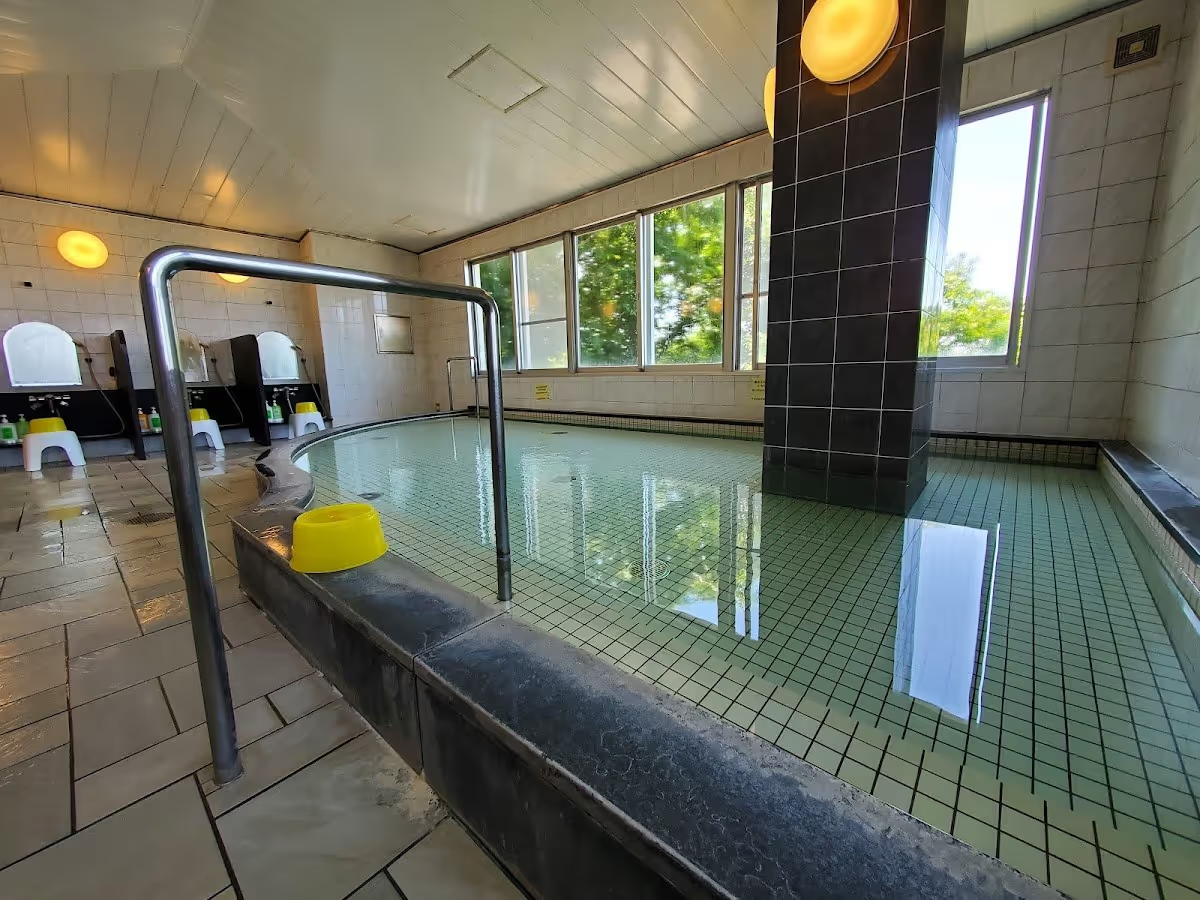
Standard Japanese onsen etiquette applies at both Tsuboyu and the public bathhouse. Bathers must shower and wash thoroughly before entering any bath. Towels must not be submerged in the water. Facilities are gender-separated at the public bathhouse. Tsuboyu is available for private group use during a timed session and does not operate a gender-separated format in the same way. The spring water at Yunomine is turbid and chemically active. Visitors with sensitive skin or open wounds should exercise caution. Tattoo policies at the ryokan in Yunomine should be confirmed directly with individual properties when booking. Children should be supervised at all times near the river area and cooking spring. Guests with cardiovascular conditions should seek medical advice before bathing.