Quick FactsOverview
About Gero Onsen
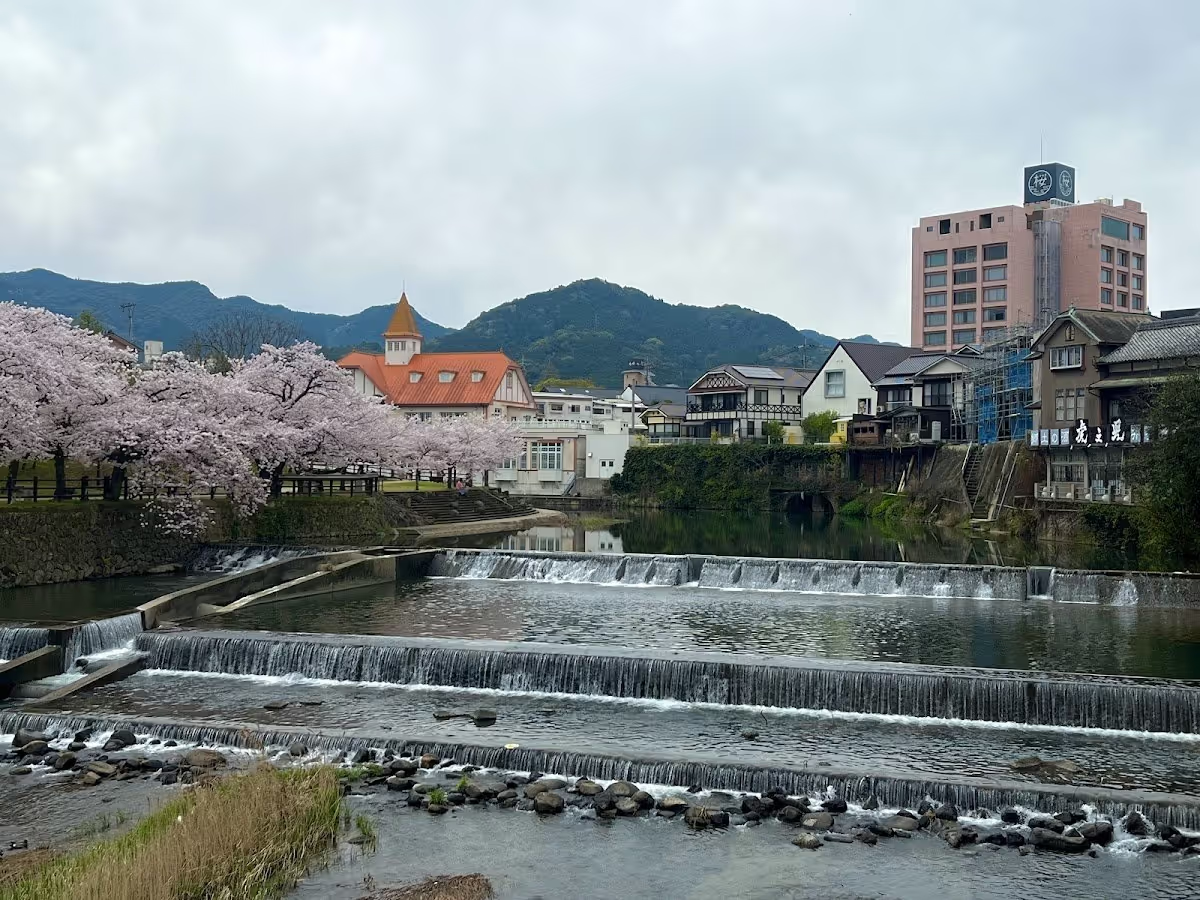
Gero Onsen, Japan is a hot spring resort town in Gero City, Gifu Prefecture, along the Hida River in the mountainous interior of central Japan. It is one of Japan's three most famous hot springs, a designation attributed to Edo-period Confucian scholar Hayashi Razan, who ranked Gero alongside Arima Onsen and Kusatsu Onsen. The town's history extends over one thousand years. The water source gushes at 84 degrees Celsius and is classified as an alkaline simple spring: colorless, transparent, and smooth, with a pH above 9. The silky quality has earned Gero the reputation of a bijin no yu, or beauty spring, said to leave skin soft and smooth.
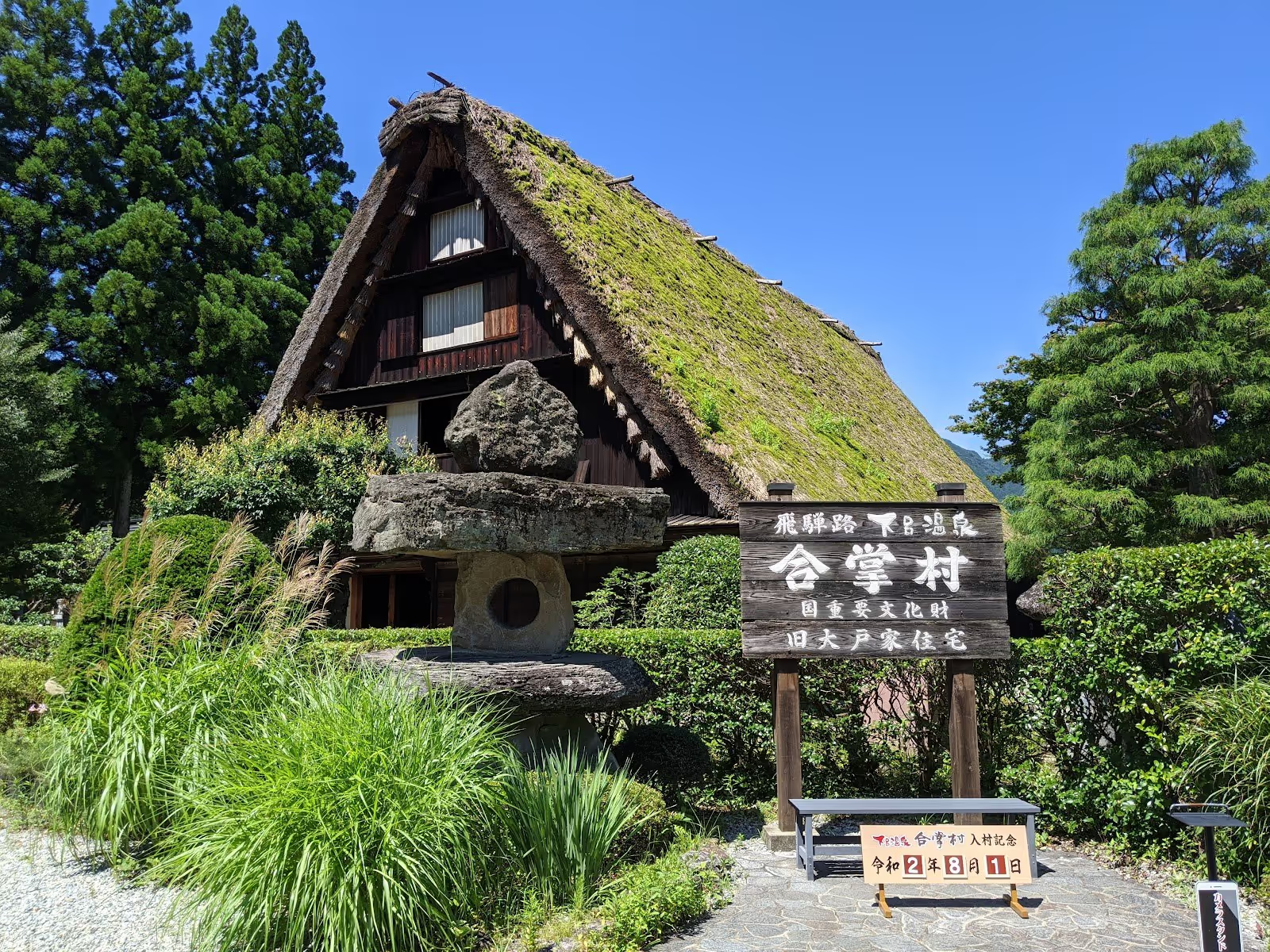
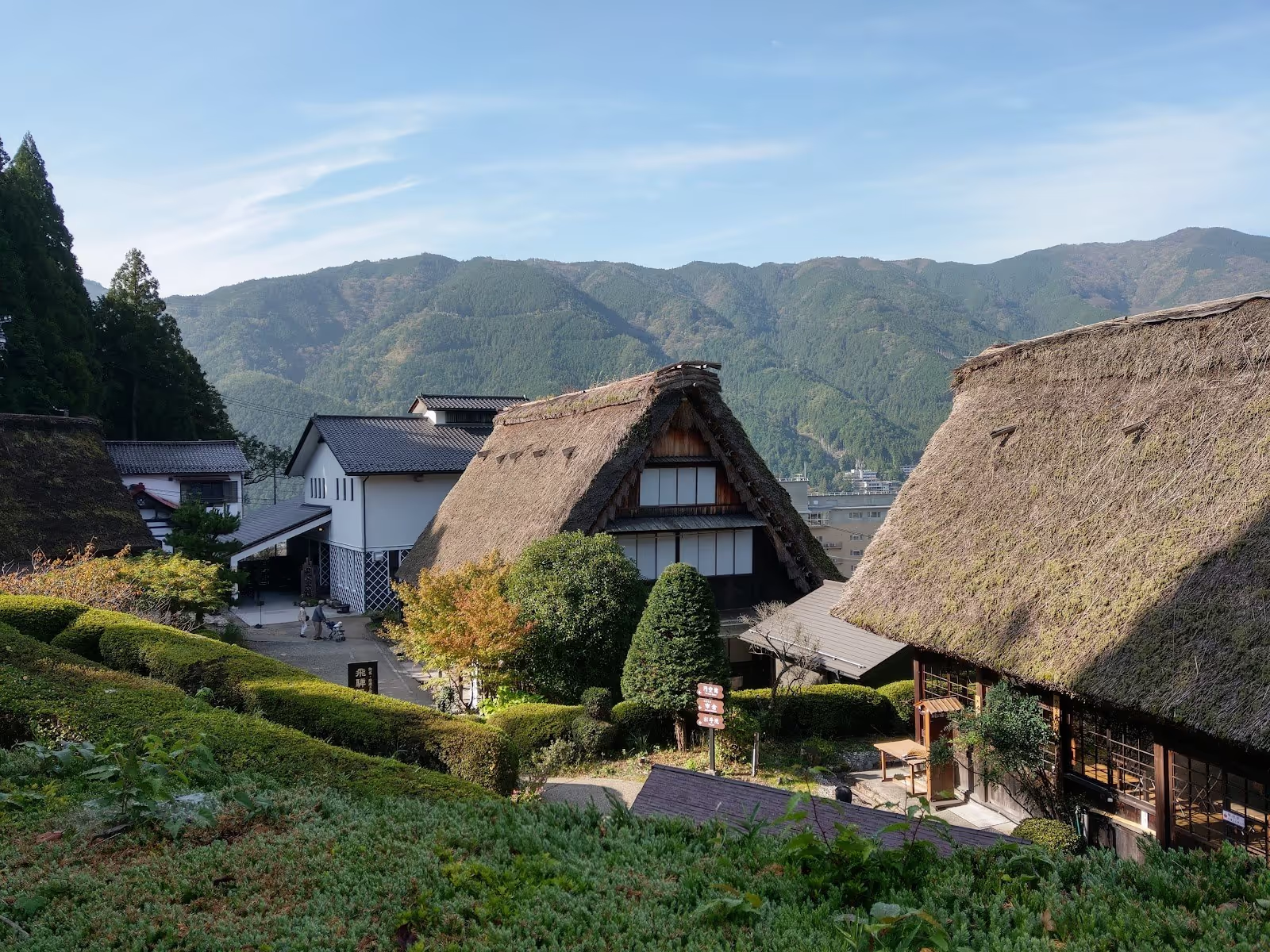
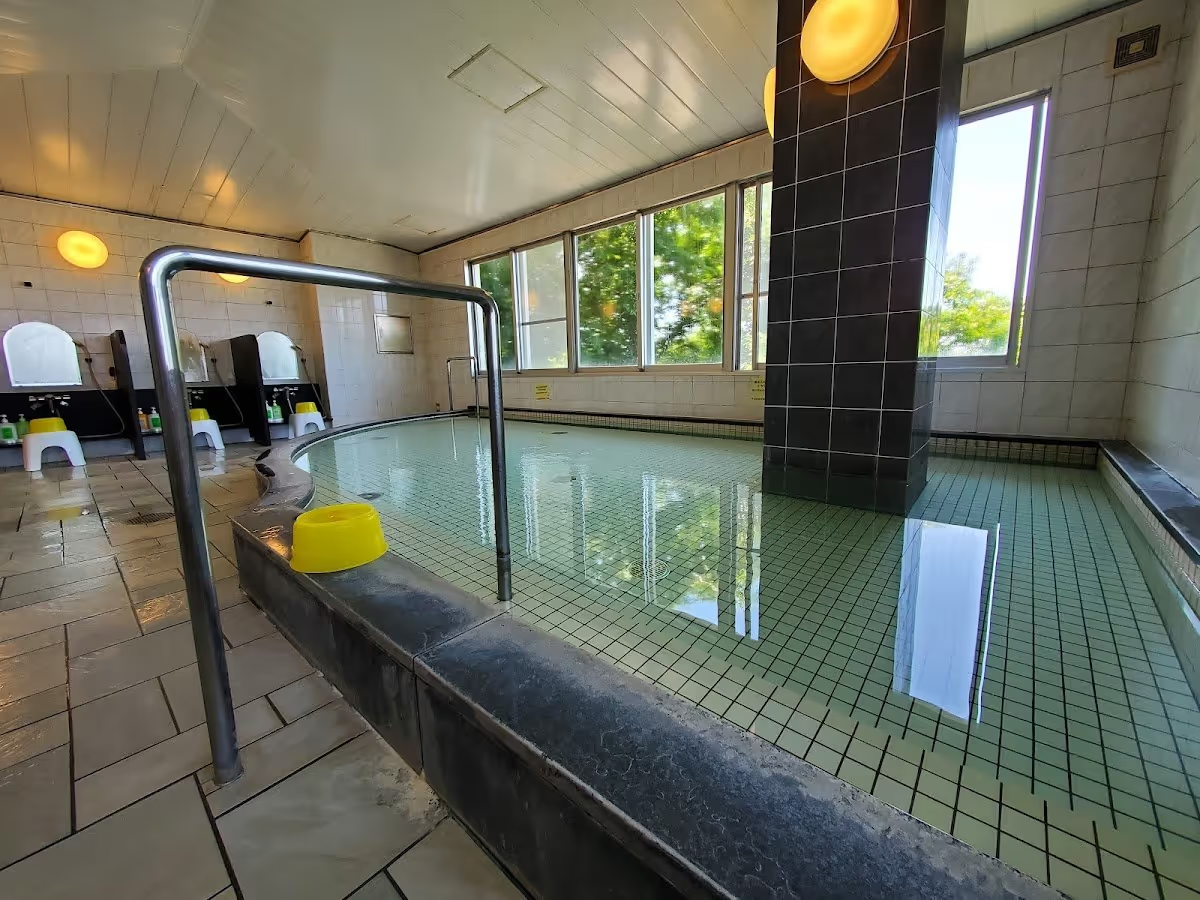
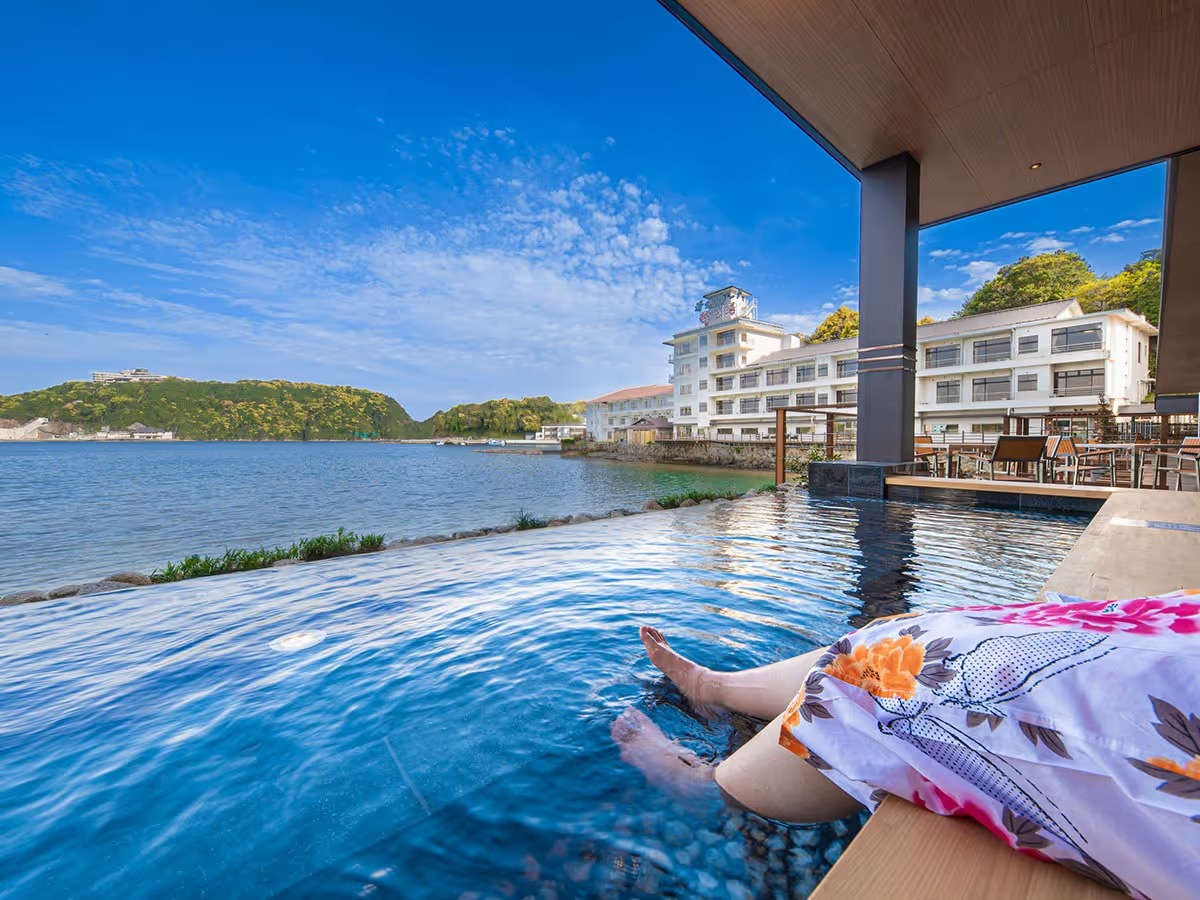
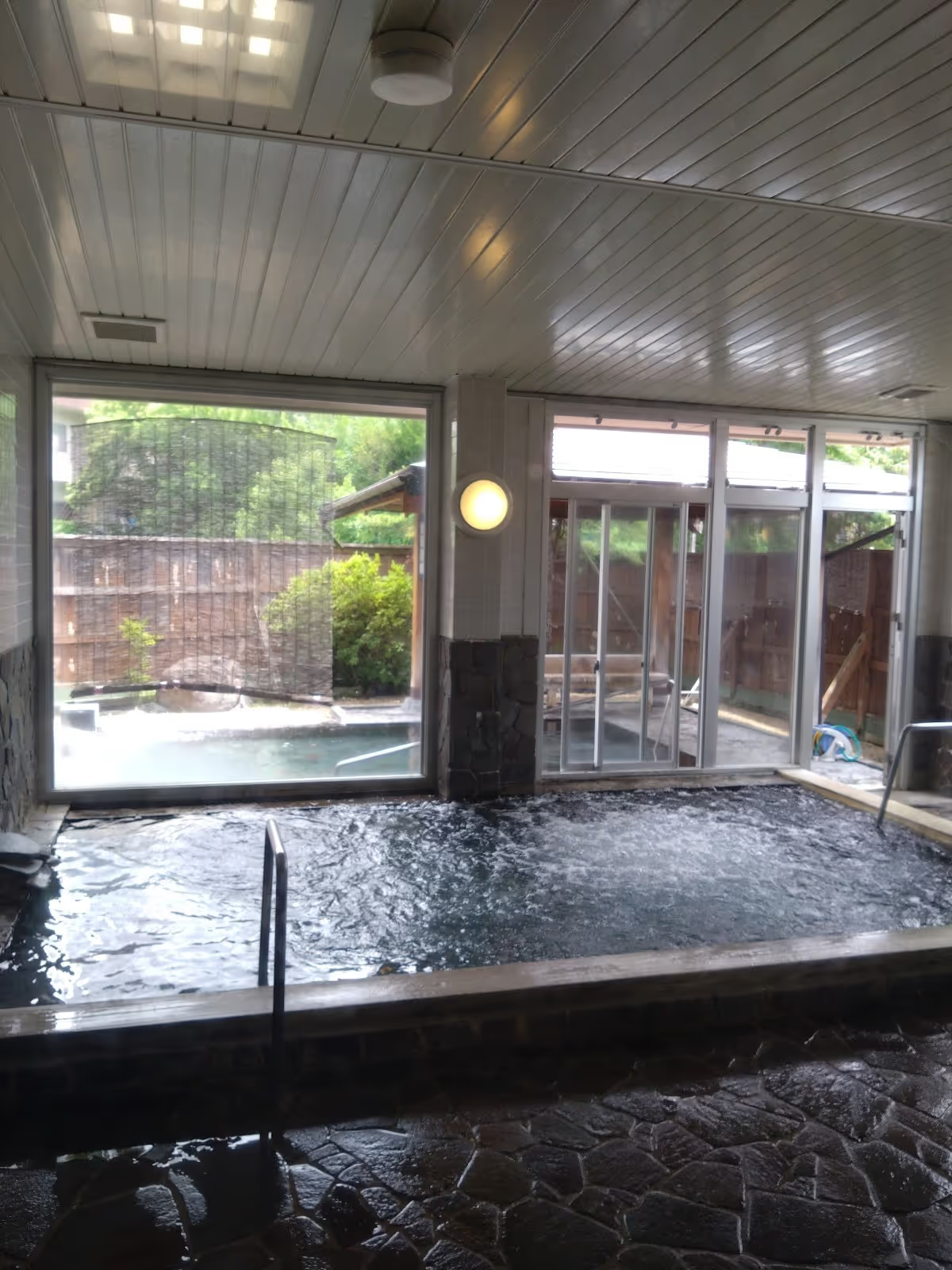
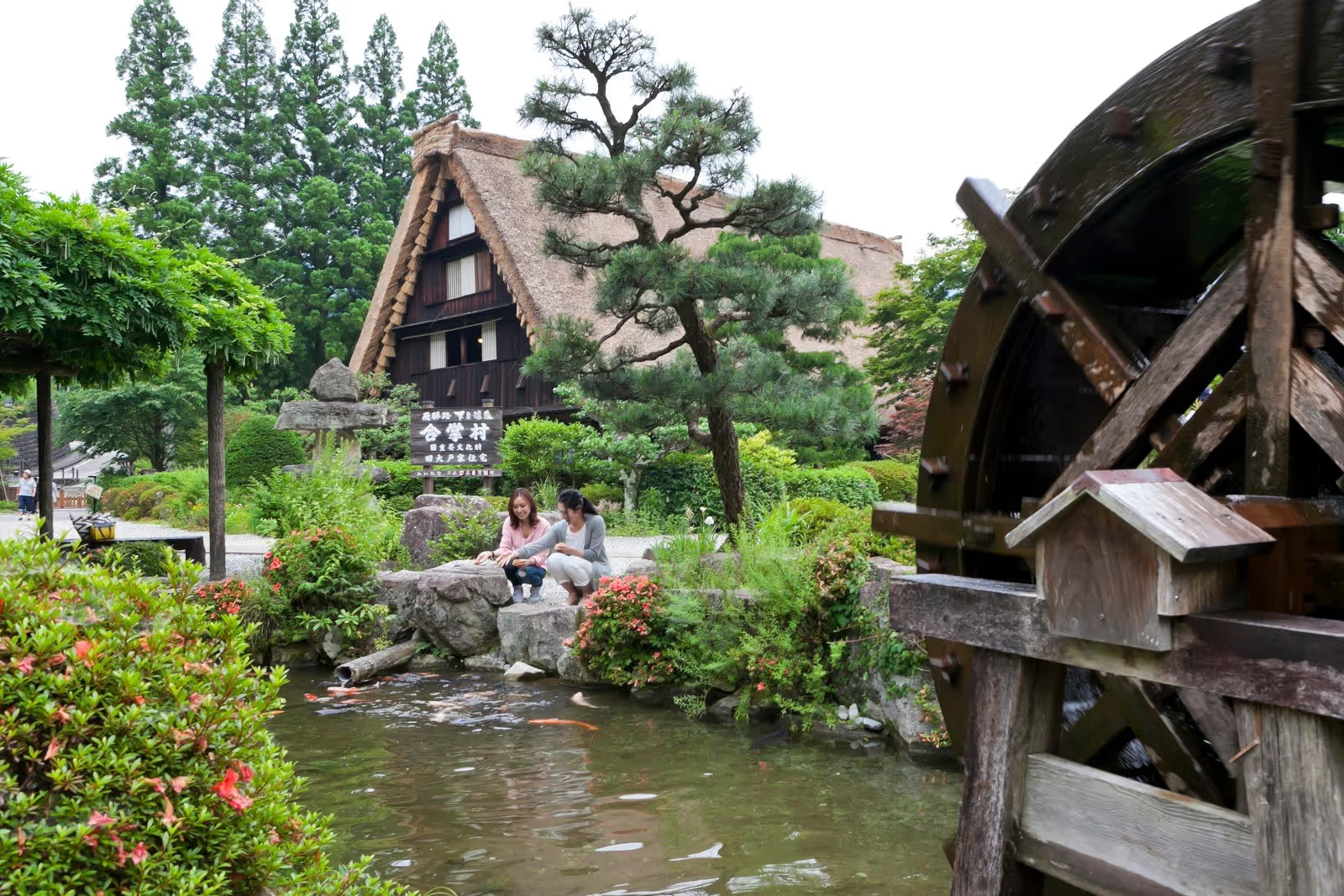
The town is compact and walkable, centred on the riverside hot spring district. Three public bathhouses serve day visitors: Shirasagi no Yu, established in the 1920s and the oldest in town; Funsenchi, a free open-air mixed bath on the Hida riverbank requiring swimwear; and Nasu Onsen. Nine free foot baths are distributed around the town. Many ryokan accept day visitors through the Yumeguri Tegata wooden pass (1,500 yen, valid at three facilities). The surrounding area includes the Gero Onsen Gassho-mura open-air farmhouse museum and Onsenji Temple.
Location & Access
Getting to Gero Onsen
Gero Onsen is at JR Gero Station in Gero City, Gifu Prefecture. The standard approach from Nagoya is the JR Limited Express Wide View Hida, which takes approximately 90 minutes and costs around 4,500 yen; the service is covered by the Japan Rail Pass. From Hida-Takayama, the same train southbound takes approximately 45 minutes and costs around 1,620 yen. From Tokyo, take the Tokaido Shinkansen to Nagoya, then transfer to the Hida; total journey is approximately three and a half to four hours. A direct overnight-guest shuttle bus from Nagoya Station to Gero runs daily and takes approximately two and a half hours; advance reservations are required, and a round-trip discount is available.
The town is a short walk from JR Gero Station, and the public bathhouses are all within 10 to 15 minutes on foot. Shirasagi no Yu is open 10:00 to 21:00, closed Wednesdays, and costs 430 yen for adults. Funsenchi is the free riverside open-air mixed bath; swimwear required. The Yumeguri Tegata pass (1,500 yen) allows entry to three partner ryokan bathhouses and is sold at the tourist office, convenience stores, and many ryokan in town. Individual ryokan day visit prices typically range from 800 to 1,200 yen.
Suitability & Accessibility
Who Gero Onsen Suits
Gero Onsen suits visitors making their way along the Takayama-Nagoya route who want to break the journey with a night or half-day at a famous onsen town. Its position between Hida-Takayama and Nagoya makes it a natural stopover. The compact riverside layout and range of entry options, from the free foot baths to affordable public bathhouses to multi-facility ryokan passes, make it adaptable to day visitors and overnight guests alike.
Families are welcome throughout the town; the free foot baths and the Funsenchi open-air riverside bath are suitable for all ages and require no advance planning. The Yumeguri Tegata pass allows children aged 4 to 12 to share an adult's pass at double sticker cost. The beauty water reputation draws a strong following among women visitors, though the alkaline water is gentle on all skin types. Evening walks in yukata robes are a standard part of the summer experience.
Wheelchair access to the flat central district and public foot baths is generally manageable; the riverfront areas are level. Individual ryokan and bathhouse interiors vary; contact specific facilities for detailed accessibility information. The public bathhouses follow standard Japanese onsen etiquette with no swimwear in gender-separated communal baths; swimwear is required only at Funsenchi.
Safety & Etiquette
Gero Onsen Safety Tips
Gero Onsen is generally safe as a well-established and heavily visited resort town with professional staffing at all public bathhouses. The main safety considerations are standard onsen heat management, the high source temperature of the water, and the etiquette requirements of communal bathing.
The spring water emerges at 84 degrees Celsius and is cooled before reaching the baths, but individual facility temperatures vary and some baths run hotter than others. Limit soaking sessions to 10 to 15 minutes, rest and drink water between soaks, and exit immediately if you feel dizzy or overheated. People with heart conditions, hypertension, open wounds, or skin conditions should consult a doctor before using thermal baths. The alkaline pH of 9 or above is gentle on the skin but rinse thoroughly after extended soaking to remove mineral residue. Avoid contact with the eyes when soaking in any high-pH water, as alkaline water can cause irritation.
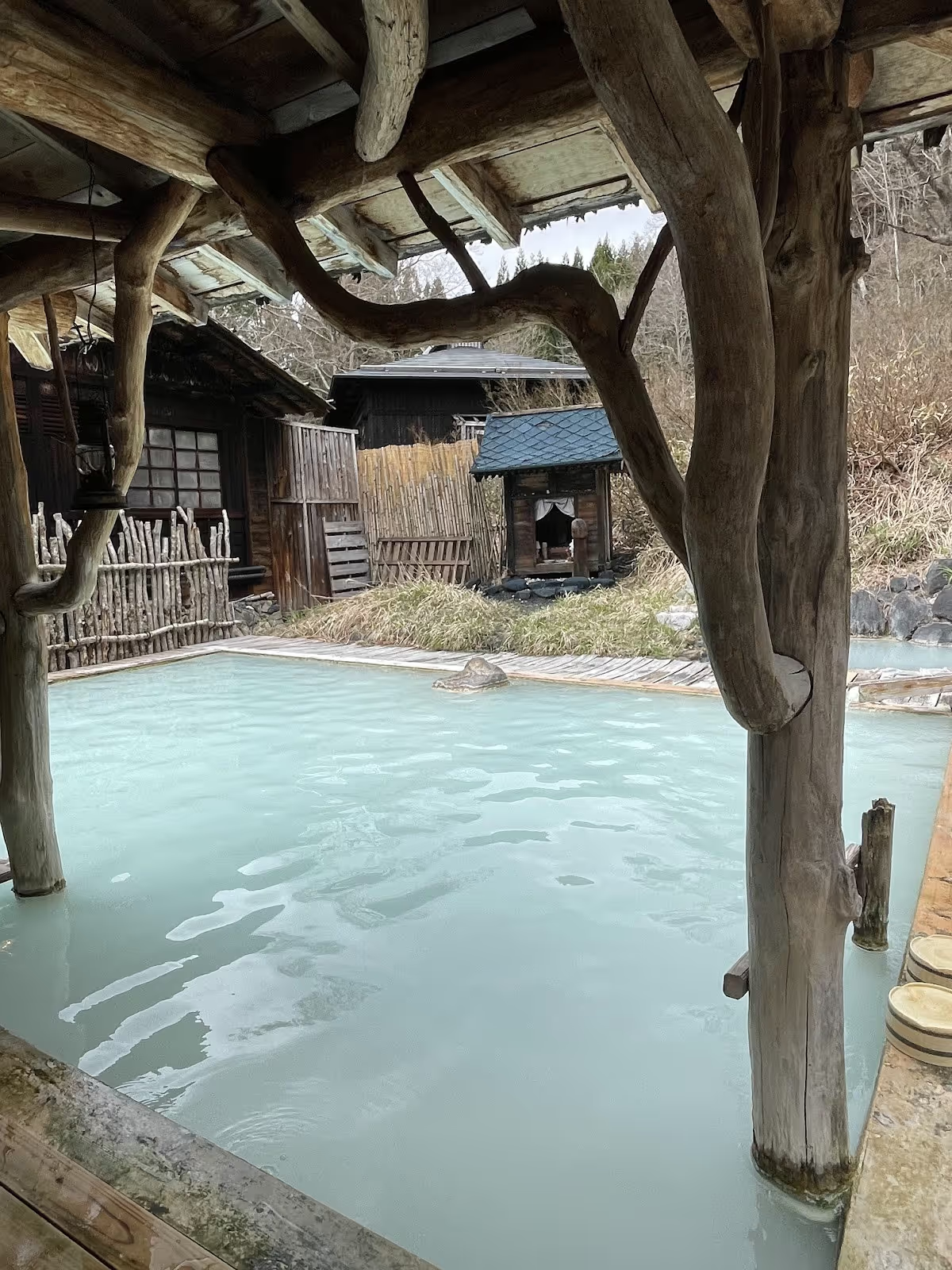
The free Funsenchi riverbank bath requires swimwear and is a mixed-gender outdoor space. The river setting means footing near the water's edge can be uneven; water shoes are recommended at Funsenchi. Standard onsen etiquette applies at all communal indoor baths: wash thoroughly before entering, no swimwear in gender-separated baths, keep towels out of the water, and keep noise to a minimum. The Yumeguri Tegata pass is wooden and stamped on each use; keep it dry and intact between visits. Carrying it safely between bathhouses is the visitor's responsibility, as damaged or wet passes may not be accepted.