
Quick FactsOverview
About Beppu Onsen
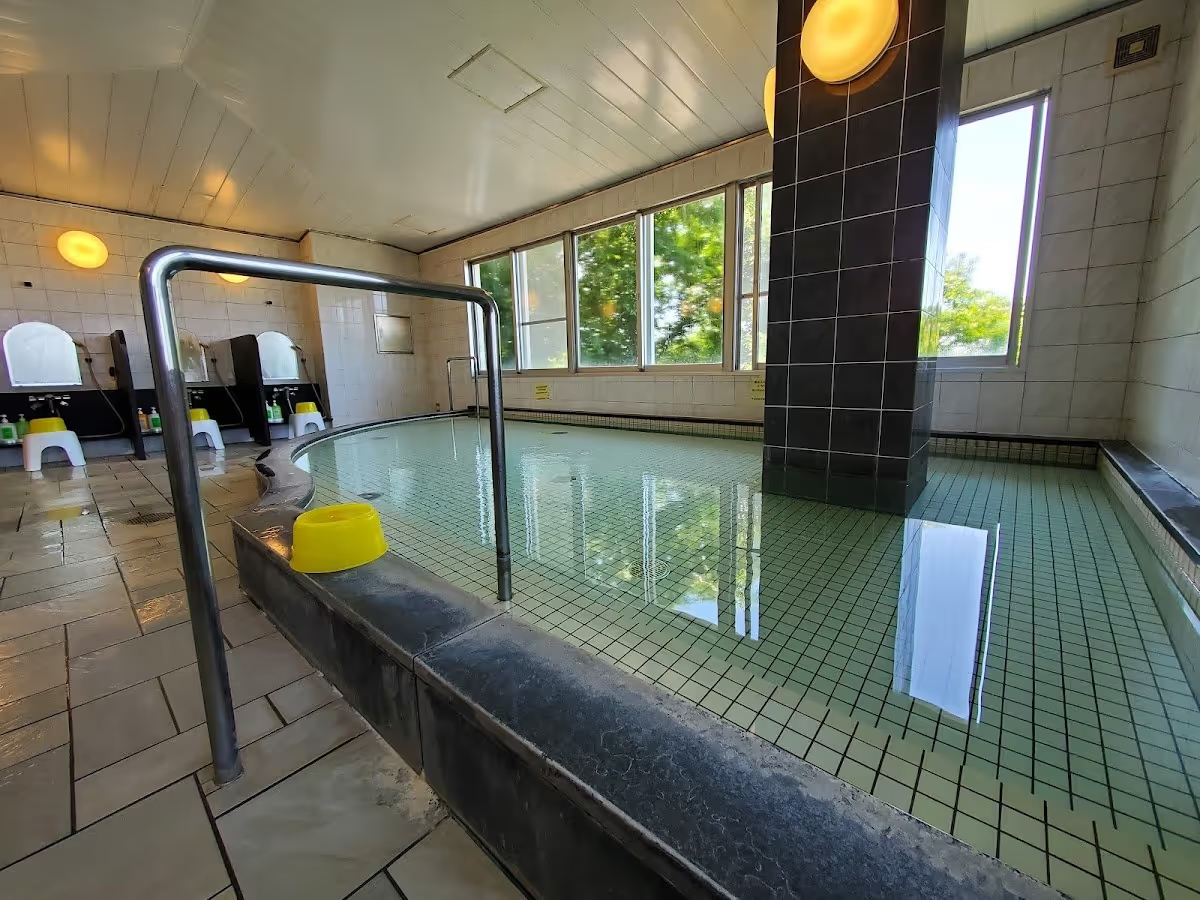
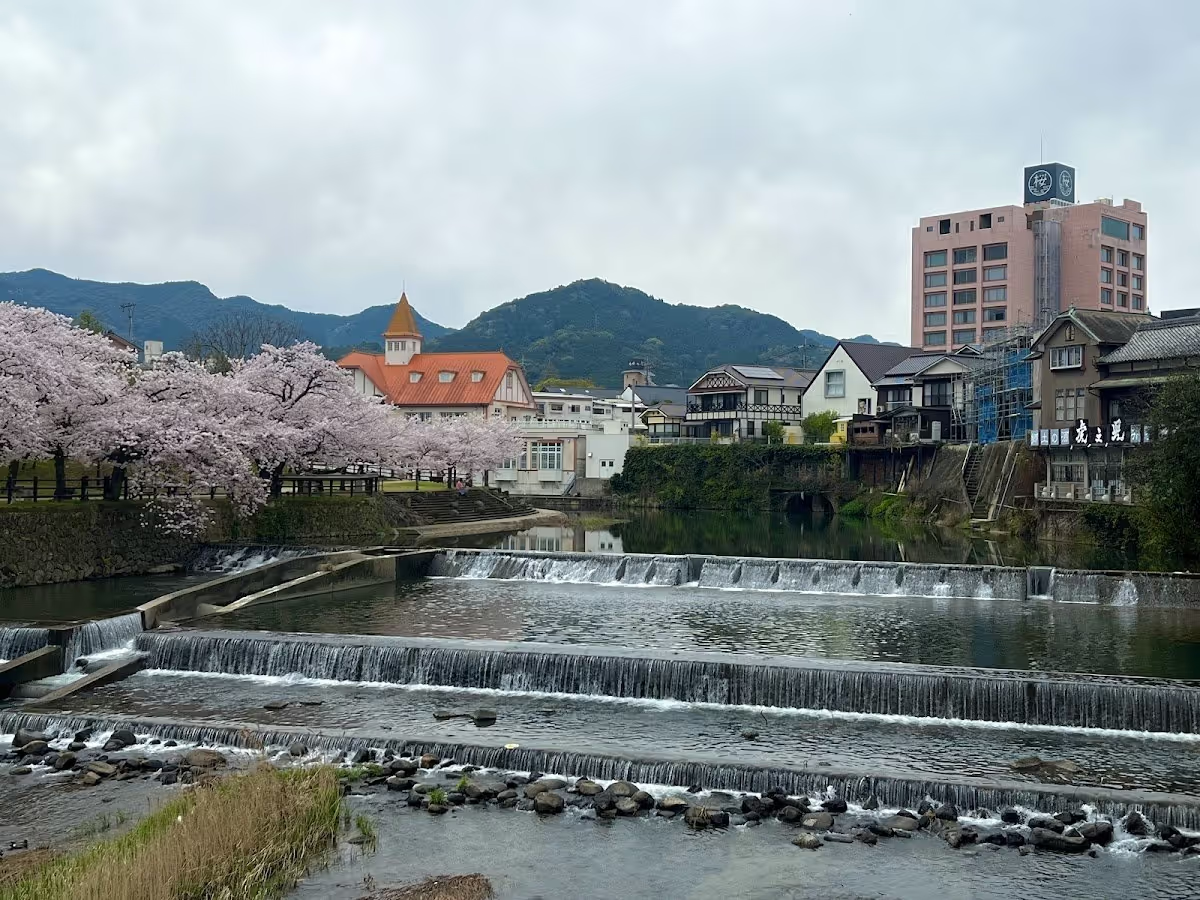
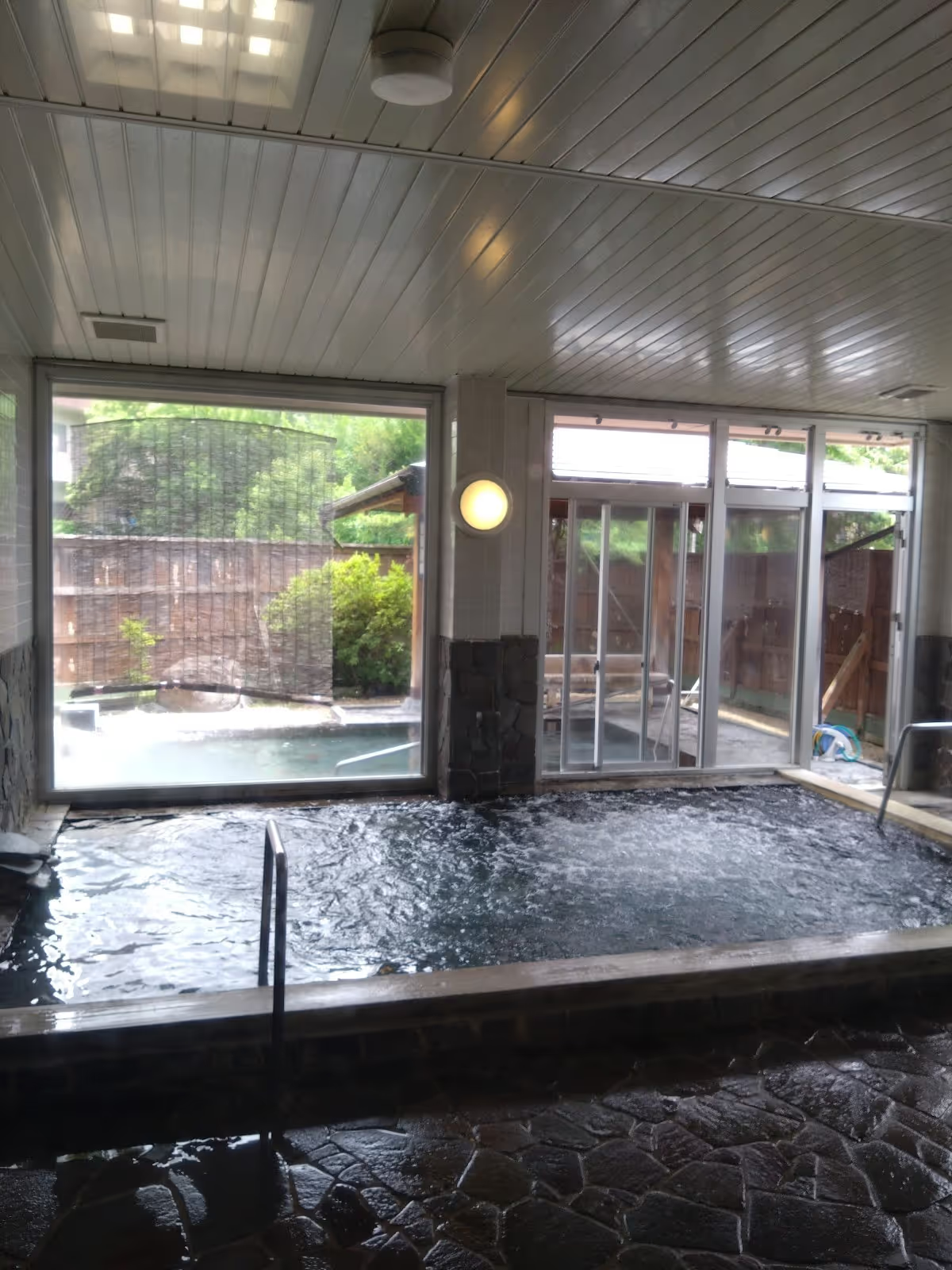
Beppu Onsen, Japan is the collective name for the hot spring district of Beppu City in Oita Prefecture, Kyushu, comprising eight distinct onsen areas known collectively as Beppu Hatto. The city contains close to 3,000 geothermal vents and produces more hot spring water than any other resort town in Japan, with output measured in the tens of thousands of litres per minute. Steam rises visibly from street drains, dedicated vents, and natural outlets across the urban landscape, making the geothermal character of the city immediately apparent to any visitor. The eight areas each have their own mineral composition, water colour, and bathing character, ranging from clear chloride springs to opaque sodium bicarbonate pools and muddy mineral baths.
The range of bathing experiences available in Beppu extends well beyond conventional hot water soaking. Sand baths, where visitors lie in yukata robes while attendants shovel naturally heated geothermal sand over their bodies, are one of the district's most distinctive offerings. Mud baths, steam rooms heated by geothermal vapour, and the famous Jigoku Meguri or Hells tour, which takes visitors around boiling geothermal pools too hot for bathing, are also part of what makes Beppu unlike any other onsen destination in Japan. The Hells include a cobalt blue pool, a blood-red iron-rich pool, and a geyser pool, among others.
Public bathhouses throughout the city charge low entry fees, and more than 150 community-run baths serve the local population alongside tourist-facing facilities. Beppu Station provides access to all eight districts by public bus, and the Kannawa district, which has the highest concentration of baths and the most geothermal activity visible above ground, is one of the most visited areas. For those seeking the full depth of onsen culture in Japan, Beppu Onsen represents both an approachable entry point and a destination with considerable depth for repeat visitors.
Location & Access
Getting to Beppu Onsen
Beppu Onsen is reached directly by limited express train from Hakata (Fukuoka), Oita, Miyazaki, and surrounding Kyushu cities, with JR Beppu Station serving as the central access point for the entire district. The journey from Hakata by Sonic limited express takes approximately two hours. From Oita Station, the trip takes around 15 minutes by local train. Beppu Airport, located to the north of the city, serves connections from Tokyo and Osaka. All eight onsen areas within Beppu Hatto can be reached from Beppu Station by city bus, with the nearest district a two-minute walk from the station and the furthest requiring around 30 minutes by bus.
Within the city, the Kamenoi Bus network provides connections between the eight districts, and a day bus pass is available for unlimited rides, which is practical for visitors planning to visit multiple bathhouses or the Hells circuit across a single day. The Kannawa district, the most geothermal and visually distinctive area, is roughly 15 to 20 minutes from Beppu Station by bus. Taxis are readily available from the station. Rental cars are an option for those who want to reach specific ryokan or outdoor facilities at their own pace, though parking conditions vary across the districts. Many ryokan within the city offer shuttle services from the station for overnight guests.
For visitors exploring hot springs near Beppu, the nearby town of Yufuin is approximately 45 minutes by limited express train and offers a quieter, more scenic alternative onsen experience. Day trips between the two towns are common and practical. Beppu is a natural base for broader Kyushu travel, sitting within reach of Kumamoto, Nagasaki, and Kagoshima for multi-destination itineraries. Hot springs in Japan of this scale and variety are found nowhere else, and Beppu serves as the defining example of the country's geothermal bathing culture at its most concentrated.
Suitability & Accessibility
Suitability at Beppu Onsen
Beppu Onsen suits a wide range of visitors, from first-time onsen bathers to those with extensive experience of Japanese hot springs, as the city's mix of public bathhouses, tourist facilities, and resort-style ryokan accommodates many different preferences and budgets. Families with children will find facilities that cater to them, including some larger resort baths with family-friendly layouts, though the etiquette of traditional naked bathing at smaller community baths may require preparation for younger visitors unfamiliar with the format.
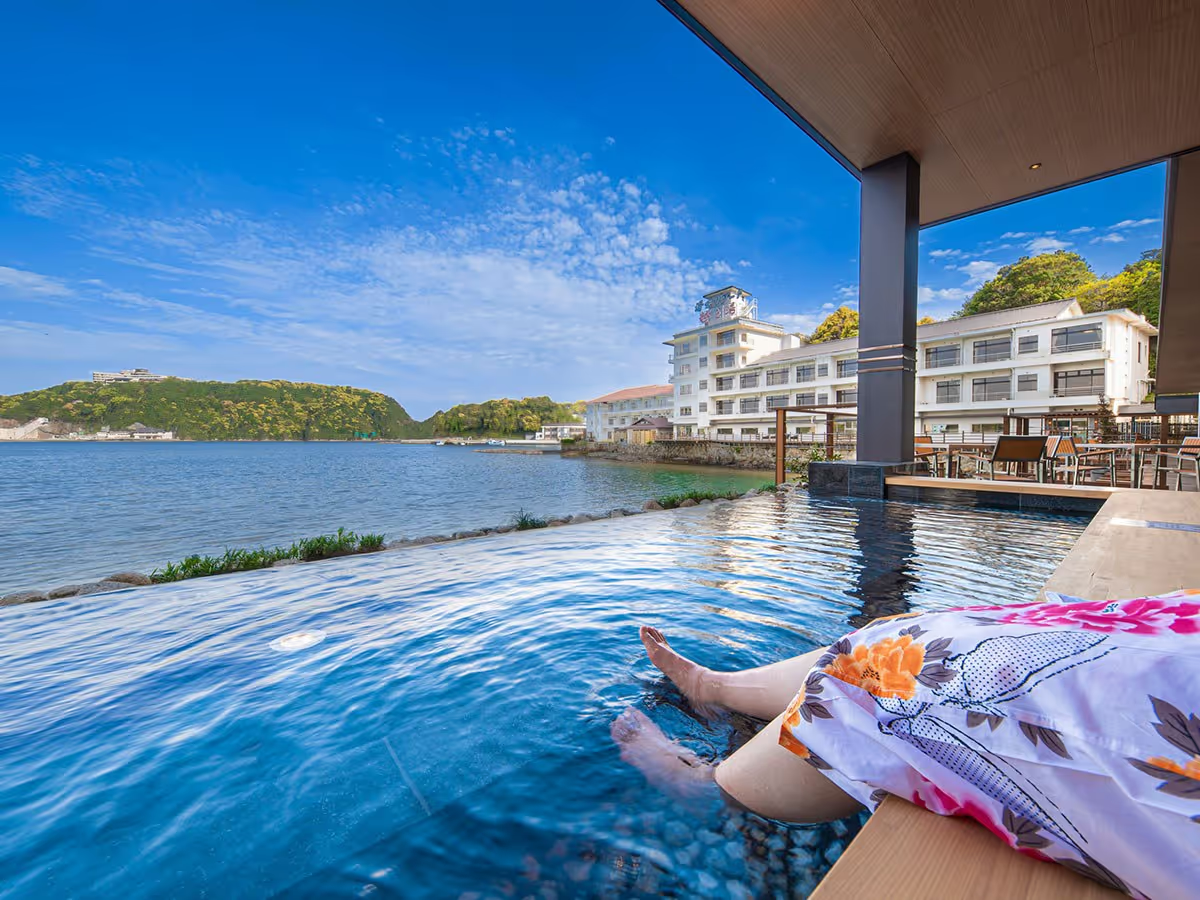
Budget visitors can access the public bathhouses for very low entry fees, making Beppu one of the most affordable onsen destinations in Japan. These community baths are straightforward facilities without luxury amenities but offer an authentic glimpse of how locals integrate hot spring bathing into daily life. At the other end of the scale, resort hotels such as the Suginoi Hotel provide large-scale outdoor facilities with panoramic bay views and a fuller range of services. The sand bath experience is accessible to most visitors regardless of mobility, as bathers recline and are covered by attendants rather than needing to enter a pool.
Traditional onsen etiquette is expected across all facilities: bathing is done without clothing, thorough washing before entering any bath is mandatory, and towels may not be submerged in the water. Visitors with tattoos may face restrictions at some bathhouses, though some facilities in Beppu have adopted more flexible policies than is typical elsewhere in Japan. The mud bath and steam bath facilities are more unusual experiences that may not suit those with certain skin conditions, and checking suitability in advance is sensible. For those searching for onsen in Japan at the scale and diversity that Beppu uniquely offers, the city delivers an unmatched concentration of geothermal bathing culture within a compact, accessible urban area.
Safety & Etiquette
Beppu Onsen Safety Tips
Beppu Onsen is generally safe to visit, with the primary safety consideration being the management of hot water temperatures across the city's many facilities, as some bathhouses use very hot water that requires acclimatisation before full immersion. The Hells sightseeing circuit features boiling geothermal pools that are not intended for bathing and are fenced off appropriately, but visitors should follow posted guidance and keep children at a safe distance from the edge of active pools. Steam vents throughout the Kannawa district are also genuine geothermal features that produce hot vapour, so following paths and signs rather than exploring off-route is important.
Standard onsen safety practices apply throughout all facilities. Avoid consuming alcohol before bathing. Stay hydrated before and after soaking, as the mineral-rich water and heat can accelerate dehydration. Limit soaking time, particularly in hotter baths, and exit if dizziness or discomfort occurs. Those with cardiovascular conditions, high blood pressure, or other health conditions should consult a physician before using hot spring facilities. In the sand baths, the heat from the geothermal sand penetrates deeply and the experience is more intense than a standard soak, so the 10 to 15 minute recommended duration should be observed.
General onsen etiquette applies at all facilities. Wash and rinse thoroughly before entering any shared bath. Remove all jewellery before soaking, as some mineral-rich waters can affect metals. Mobile phones and cameras are not permitted inside bathing areas. Many public baths in Beppu do not provide soap, shampoo, or towels, so bringing your own or purchasing them at the entrance is advisable, particularly at the smaller community bathhouses. Entry fees for the Hells circuit are paid separately from individual bath entry fees, and the two are distinct experiences.
The city's bus network is reliable but services on less central routes become infrequent in the evening, so planning return journeys in advance avoids delays. Visitors staying in the Kannawa district late in the evening should confirm the last bus times back to central Beppu or arrange other transport. Some smaller bathhouses have limited or no staff on site during off-peak hours, so reading posted notices for closing times and any closure announcements is worth the effort. Overall, Beppu Onsen is a well-managed tourist destination with strong infrastructure and poses no unusual risks to informed visitors.