%252C%2520Japan%252010.avif)
Quick FactsOverview
About Tsuboyu
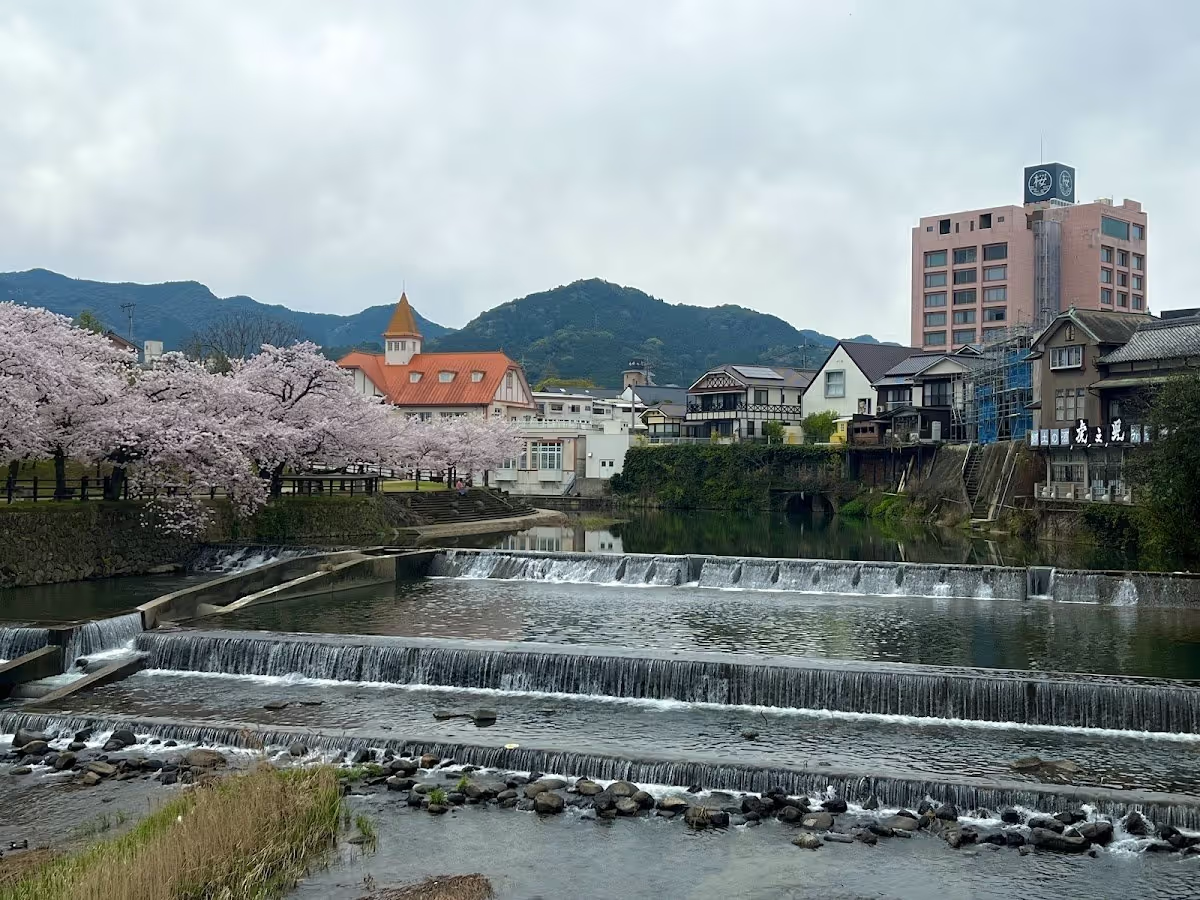
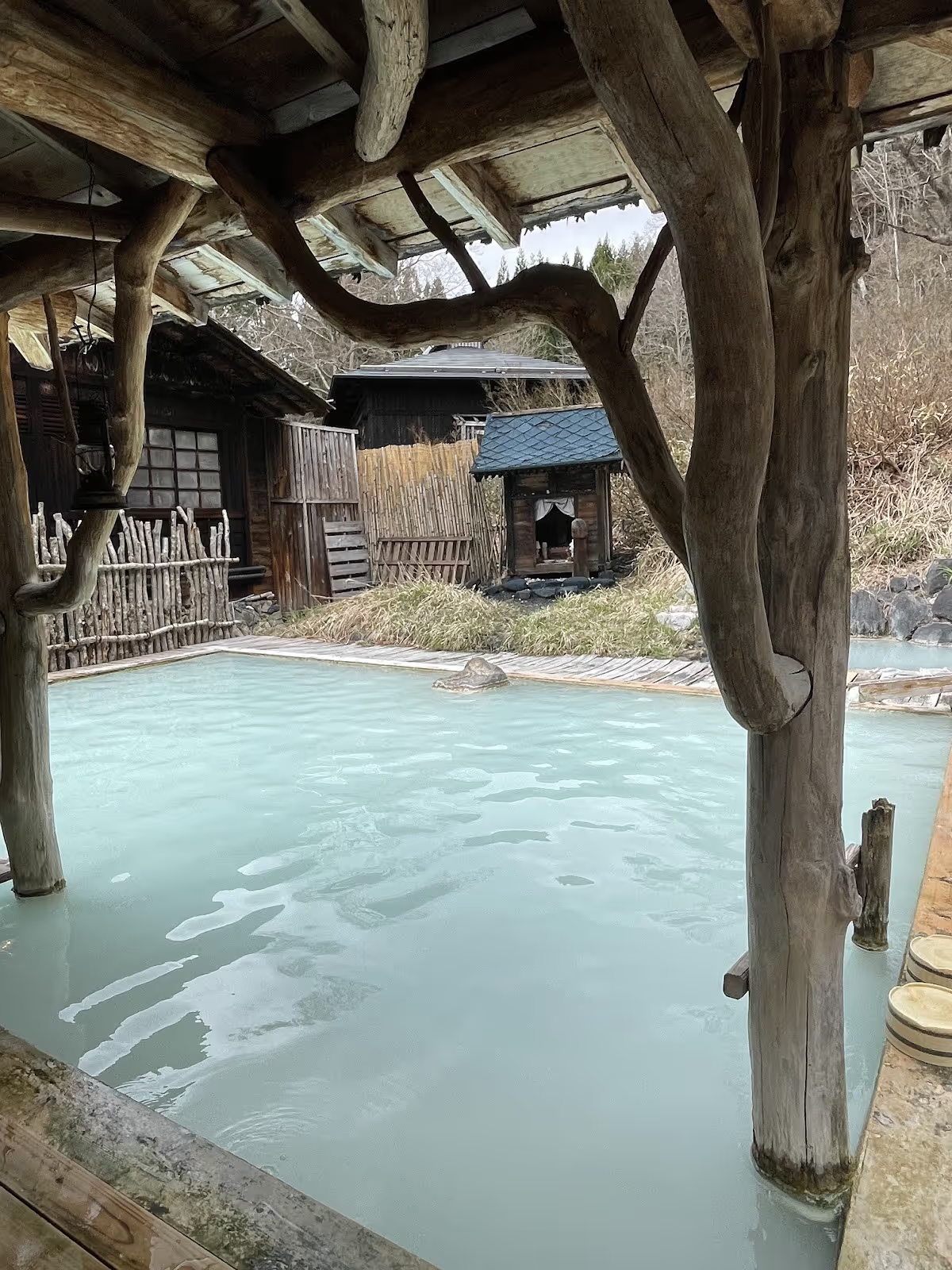
Tsuboyu, Yunomine Onsen, Japan is the world's only UNESCO World Heritage site in which full-body hot spring bathing is permitted. It is a small stone-lined rock pool in a wooden cabin on the bank of the Yunotani River in Yunomine Onsen, Hongu, Tanabe City, Wakayama, within the Kumano Kodo Pilgrimage Route area. The pool fits one to two people and was inscribed as part of the UNESCO Sacred Sites and Pilgrimage Routes in the Kii Mountain Range in 2004. The spring is considered one of the oldest in Japan, with a history of approximately 1,800 years.
The water is a sodium bicarbonate and hydrogen sulfide spring emerging from the source at around 90 degrees Celsius, associated with rheumatism, neuralgia, and skin conditions. A local tradition holds that the water changes colour seven times over the course of a day. The spring has been central to the Kumano Kodo pilgrimage for over 1,000 years, used by pilgrims for purification before approaching Kumano Hongu Taisha shrine. The ticket also includes admission to the adjacent public bathhouse and the Kusuri medicine bath. A communal hot spring cooking basin called Yuzutsu, on the riverbank nearby, is used to boil onsen tamago eggs and vegetables. No towels or showers are provided inside the Tsuboyu cabin; bring your own towel and rinse before entering.
Location & Access
Getting to Tsuboyu
Tsuboyu is in Yunomine Onsen, Hongu, Tanabe City, Wakayama Prefecture, in the Kumano mountains. By public transport, take the Ryujin Bus from JR Shingu Station on the JR Kisei Main Line; the journey to the Yunomine Onsen bus stop takes approximately 60 minutes. Alternatively, take the Ryujin Bus from JR Kii-Tanabe Station, which takes approximately two hours. Buses along this route also stop at Kumano Hongu Taisha, making it easy to combine the two in a single itinerary. By car from the Nanki Tanabe Interchange on the Hanwa Expressway, take National Route 42 and 311 toward Hongu for approximately 55 kilometres; total driving time from Osaka is approximately two and a half hours. A parking area is available near the village entrance.
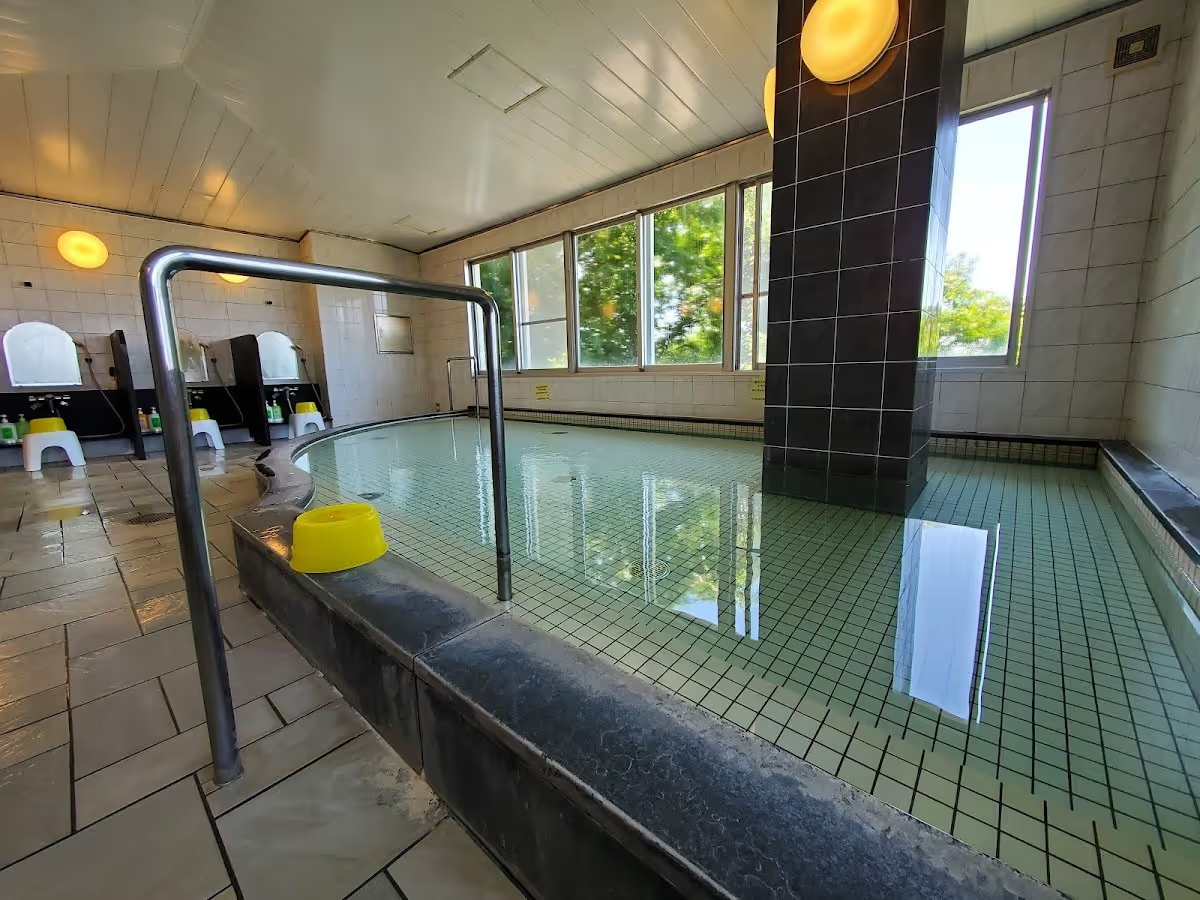
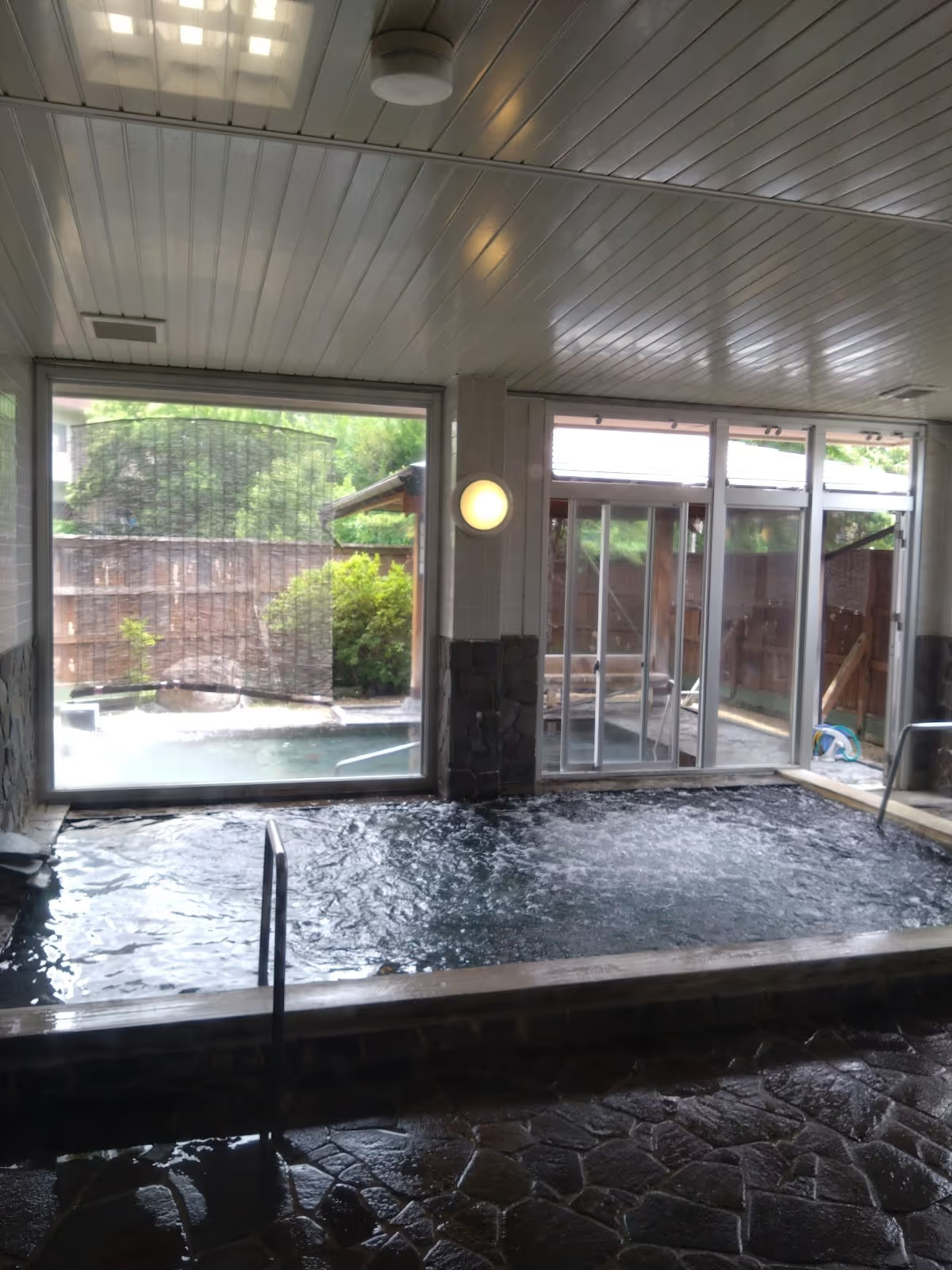
Tsuboyu is open daily from 06:00 to 21:30. Entry is first-come first-served; no phone or internet reservations are accepted. Purchase a ticket at the vending machine in front of the Yunomine Onsen Public Bathhouse, then exchange it for a numbered ticket at the desk. A numbered queue indicates the waiting time. Entry is 770 yen per person for adults and 460 yen for children; the ticket also includes access to the public bath. Sessions are strictly 30 minutes for one to two people. No towels are provided; bring your own. No shower is inside the cabin; rinse at the designated area before entry. Wait times can extend to several hours during busy periods.
Suitability & Accessibility
Who Tsuboyu Suits
Tsuboyu suits visitors who want to experience the only UNESCO World Heritage bathing spring in the world and connect directly with Japan's oldest hot spring tradition. It is not a large or luxurious facility; the bath is tiny, the cabin is simple, and the session is limited to 30 minutes. What makes it compelling is the historical depth: 1,800 years of bathing history, 1,000 years of pilgrimage ritual, and a UNESCO inscription that no other hot spring in the world holds.
Hikers and pilgrims walking the Kumano Kodo are the natural audience, as Yunomine Onsen sits directly on the Nakahechi Trail and the Tsuboyu experience mirrors the ritual purification performed here for centuries before approaching Kumano Hongu Taisha. Day visitors can also reach Yunomine by bus without walking the pilgrimage route. Cooking onsen tamago eggs at the Yuzutsu cooking basin near the riverbank is a popular addition to the visit. The adjacent public bath and medicine bath are included in the ticket, providing additional soaking options after the Tsuboyu session.
The cabin is intimate and private; one to two people share the space and close the door. Couples frequently visit together. Families with young children should note the very hot spring source and limited space. Wheelchair access is not practical; the village involves riverside paths, steps, and a small cabin entrance. No swimwear is worn inside the bath. Waiting times vary widely: early morning or late evening visits are the best strategy for shorter waits.
Safety & Etiquette
Tsuboyu Safety Tips
Tsuboyu is generally safe as a well-established spring with 1,800 years of use, but the very high source temperature and the enclosed cabin setting require specific awareness.
The spring source emerges at approximately 90 degrees Celsius; the water in the Tsuboyu bath is cooled by mixing with river water and is at a comfortable soaking temperature when the cabin is in normal use. However, the temperature can vary. A cold water tap is available inside the cabin to cool the bath if needed. Test the water before entering fully. Limit soaking to 10 to 15 minutes at a time; the 30-minute session is a maximum, not a target. People with heart conditions, hypertension, or open wounds should consult a doctor. Rinse at the designated area before entering the bath; this is an etiquette requirement and also helps with temperature acclimatisation.
No towels are provided; bring your own. The stones around the bath can be slippery; take care when entering and exiting the pool. The cabin door locks from the inside for privacy; if you feel unwell, exit immediately. Do not remain in the bath alone for long periods. Wait for your numbered turn and do not enter the cabin if another group is inside; the numbered system exists specifically to manage this. The communal Yuzutsu cooking basin near the riverbank operates at temperatures close to boiling; do not touch the water directly or allow children to approach unsupervised. Wait times can be long; carry water and snacks if planning to wait several hours.
%252C%2520Japan%25204.avif)
%252C%2520Japan%25205.avif)
%252C%2520Japan%252010.avif)