
Quick FactsOverview
About Naruko Onsen, Miyagi
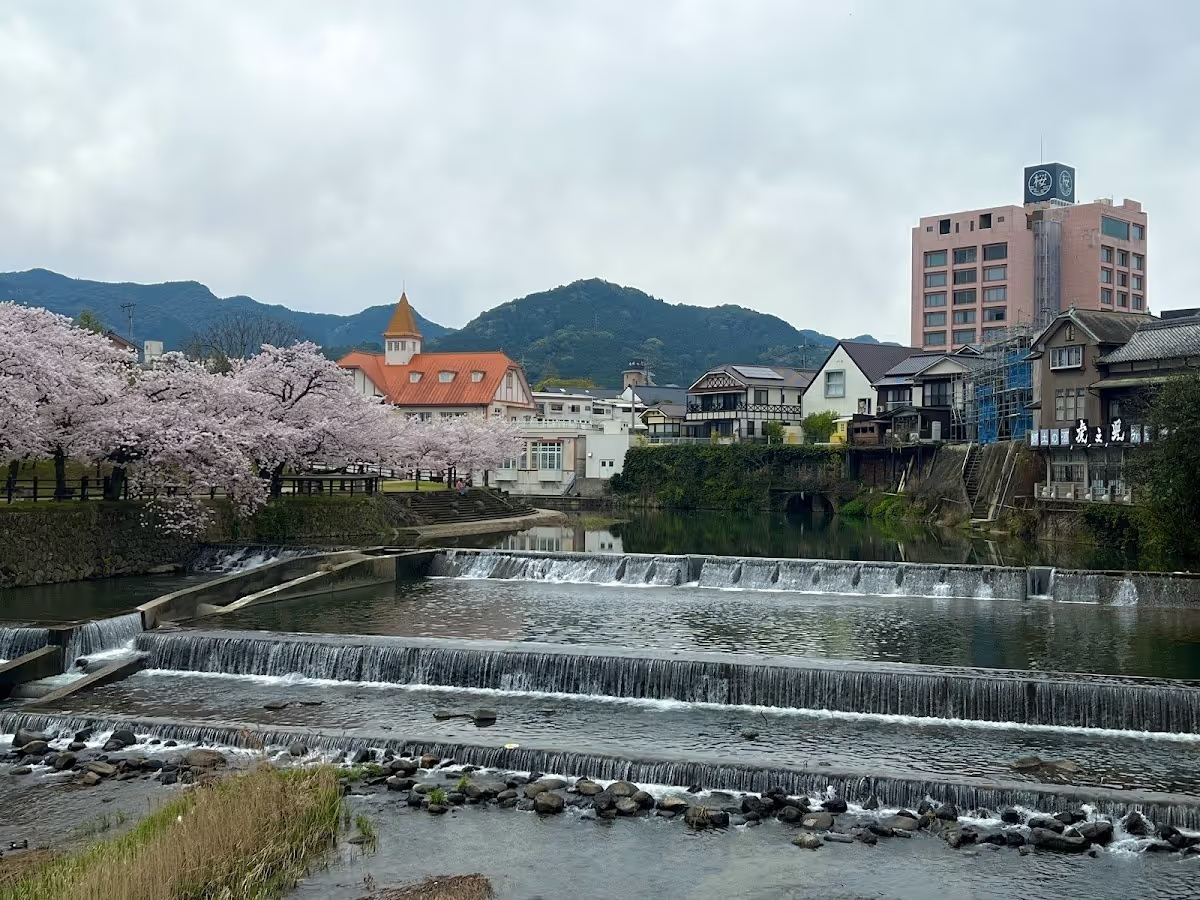
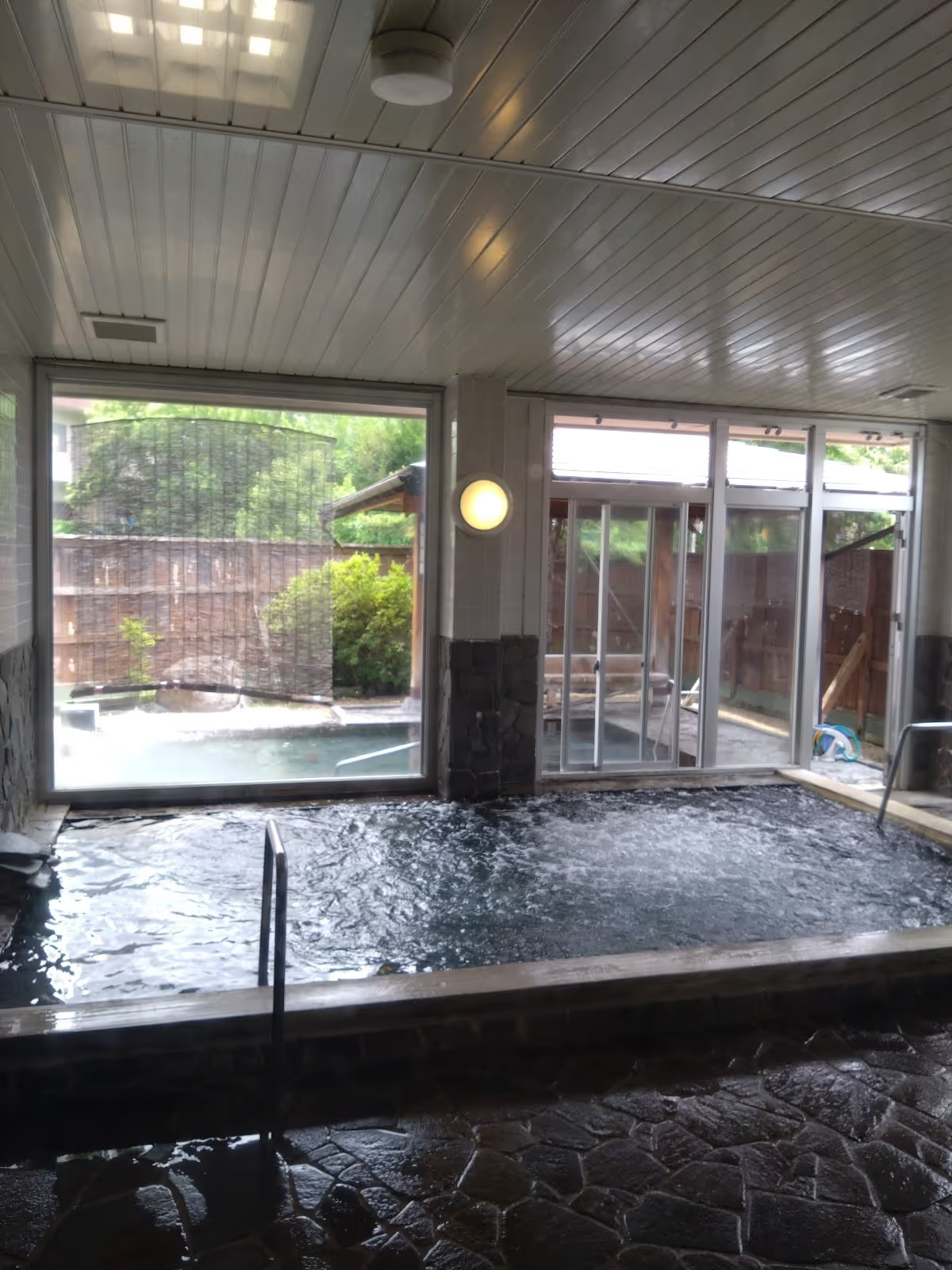
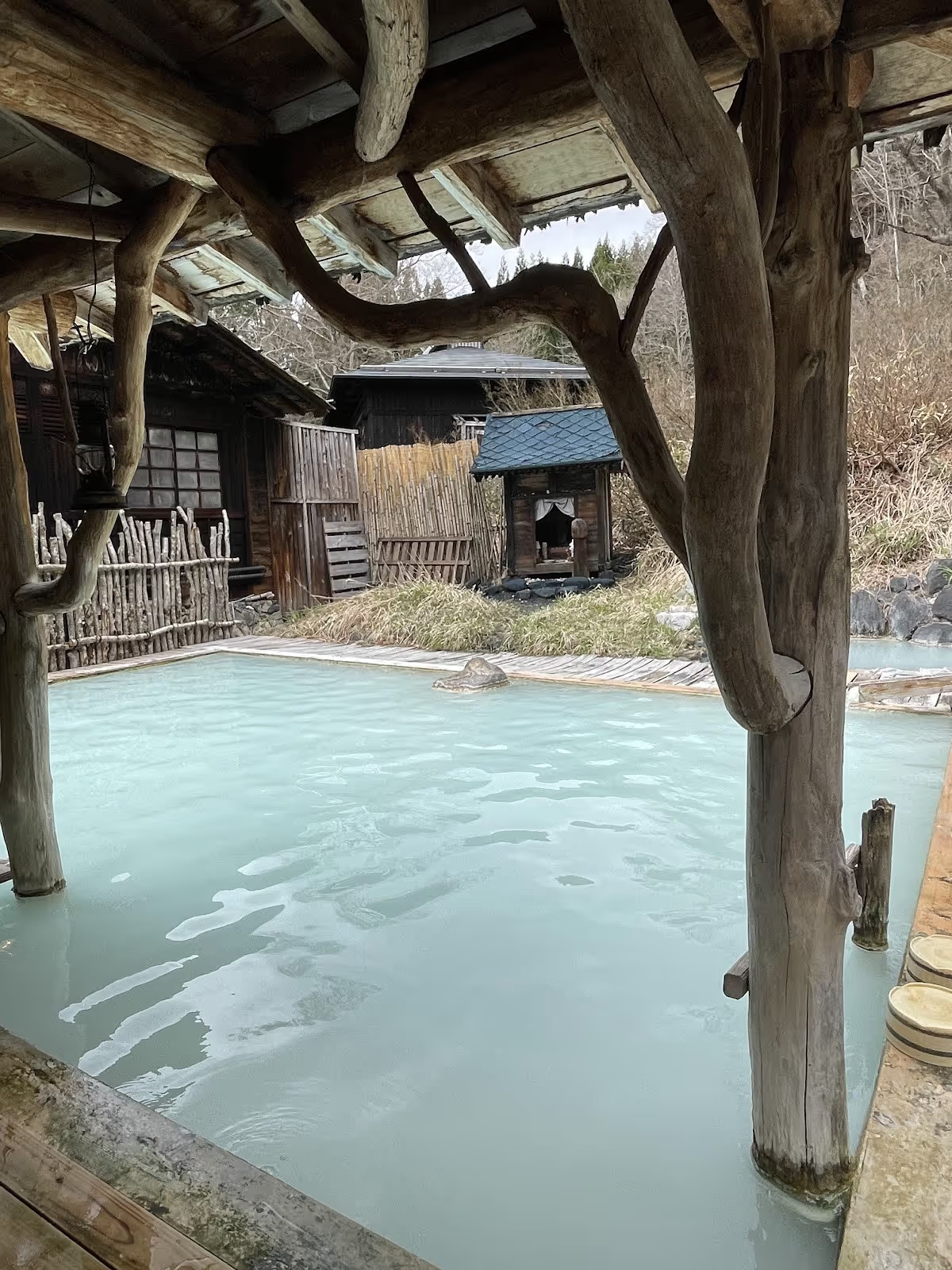
Naruko Onsen, Japan is a hot spring town located in Osaki City, Miyagi Prefecture, in the western interior of the prefecture near the border with Akita, set in a valley formed by the Naruko Gorge and surrounded by forested hills. It is one of the most historically established onsen destinations in the Tohoku region and is notable for producing five distinct types of spring water within a small geographic area, a variety that is uncommon among onsen towns of comparable size anywhere in Japan. The five spring types include sulfur, sodium bicarbonate, sodium chloride, iron, and green sulfur water, each with different physical properties and coloration.
The town center is compact and built around Naruko Onsen Station on the JR Rikuu-to Line, with ryokan, public bathhouses, and small shops arranged along the main street and adjacent lanes. Several public bathhouses are open to day visitors, and the town has a functional and unpretentious character suited to visitors who want genuine onsen access rather than a resort atmosphere. Naruko is also known as a center of kokeshi doll craftsmanship, a traditional wooden doll form associated with the Tohoku region, and workshops and shops selling kokeshi are found throughout the town. The combination of varied spring water, accessible public bathing, and traditional craft heritage gives Naruko a layered character that distinguishes it among onsen towns in Miyagi. It is a well-regarded example of a working onsen town in the Japanese tradition, where the bathing culture remains central to daily life rather than being purely oriented toward tourism.
For visitors seeking hot springs near Osaki, Naruko Onsen is the most significant and historically documented destination in the area, reachable by direct train from Furukawa on the Shinkansen network.
Location & Access
Getting to Naruko Onsen
Naruko Onsen is served by Naruko Onsen Station on the JR Rikuu-to Line. The most practical connection from Tokyo is via the Tohoku Shinkansen to Furukawa Station, from which a local JR train on the Rikuu-to Line reaches Naruko Onsen Station in approximately 40 minutes. The Shinkansen journey from Tokyo to Furukawa takes around one hour and 20 minutes, making the total travel time from central Tokyo roughly two hours under favorable conditions. Local trains also connect Naruko with Sendai via Furukawa, though the journey is longer by local services.
Visitors traveling by car can reach Naruko from the Tohoku Expressway via the Furukawa interchange, then follow Route 47 west into the valley. The drive from Furukawa takes approximately 40 minutes. Parking is available at several points near the town center and at individual ryokan. In winter, Route 47 through the Naruko area can be subject to snow and ice, and winter tires are advisable for driving in the area between December and March.
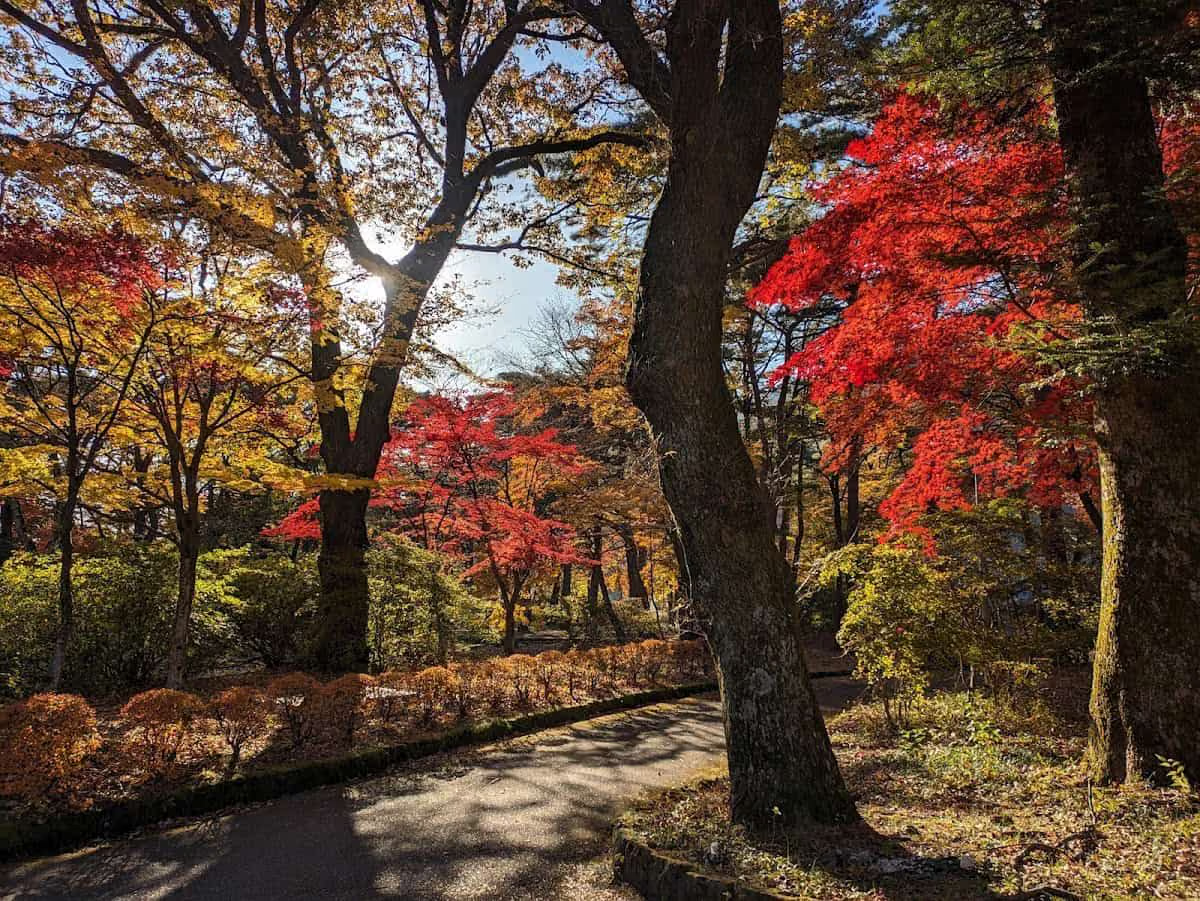
The town center is compact and walkable from the station. All major public bathhouses and the main ryokan district are within easy reach on foot. Naruko Gorge, a scenic ravine known for autumn foliage, is accessible by a short walk or a brief drive from the town center. For those seeking hot springs near Osaki with straightforward access from the Tohoku Shinkansen network, Naruko is one of the most practically connected onsen destinations in the Miyagi interior, and the compact layout means day visitors can cover the main bathing facilities and the gorge viewpoint in a single trip without difficulty.
Suitability & Accessibility
Who Naruko Onsen Suits
Naruko Onsen suits a wide range of visitors. The availability of five distinct spring types within the town makes it particularly well suited to visitors with a genuine interest in onsen water variety, as it is possible to experience meaningfully different bathing water at different facilities within a short walking distance. Several public bathhouses are open to day visitors at modest entry fees, making the town accessible without an overnight stay and without a large budget.
Families are accommodated at several ryokan in the town, and the walkable layout and accessible public bathing make Naruko manageable with children. The kokeshi doll craft tradition adds a cultural dimension that can engage younger visitors, and several workshops allow observation of the doll-making process. Solo travelers and couples seeking a traditional and unpretentious onsen town experience will find Naruko well suited to a one or two night stay, with enough variety across the different bathhouses to reward exploration over multiple sessions.
Visitors looking for accessible hot springs in Japan should note that the central area of Naruko near the station is relatively flat and manageable for most visitors, though older ryokan buildings may have internal layouts with steps and narrow corridors. Guests with significant mobility limitations should confirm room and bath accessibility directly with their chosen accommodation before booking. Autumn is the busiest season in Naruko due to the foliage color in the gorge, and advance reservations are strongly recommended during October and early November. Among the more versatile and historically grounded hot springs in Japan accessible by Shinkansen connection, Naruko offers a combination of bathing variety and cultural heritage that is difficult to find at a single destination of comparable size.
Safety & Etiquette
Safety and Etiquette at Naruko Onsen
Naruko Onsen is a well-established and safe destination. The spring water at the various public bathhouses and ryokan is distributed through managed systems, and there are no unusual natural hazards associated with bathing at the town's facilities. The principal seasonal safety consideration is winter road and footpath conditions, as the valley receives snow between December and March and surfaces can become icy. Appropriate footwear for the conditions is advisable during winter visits.
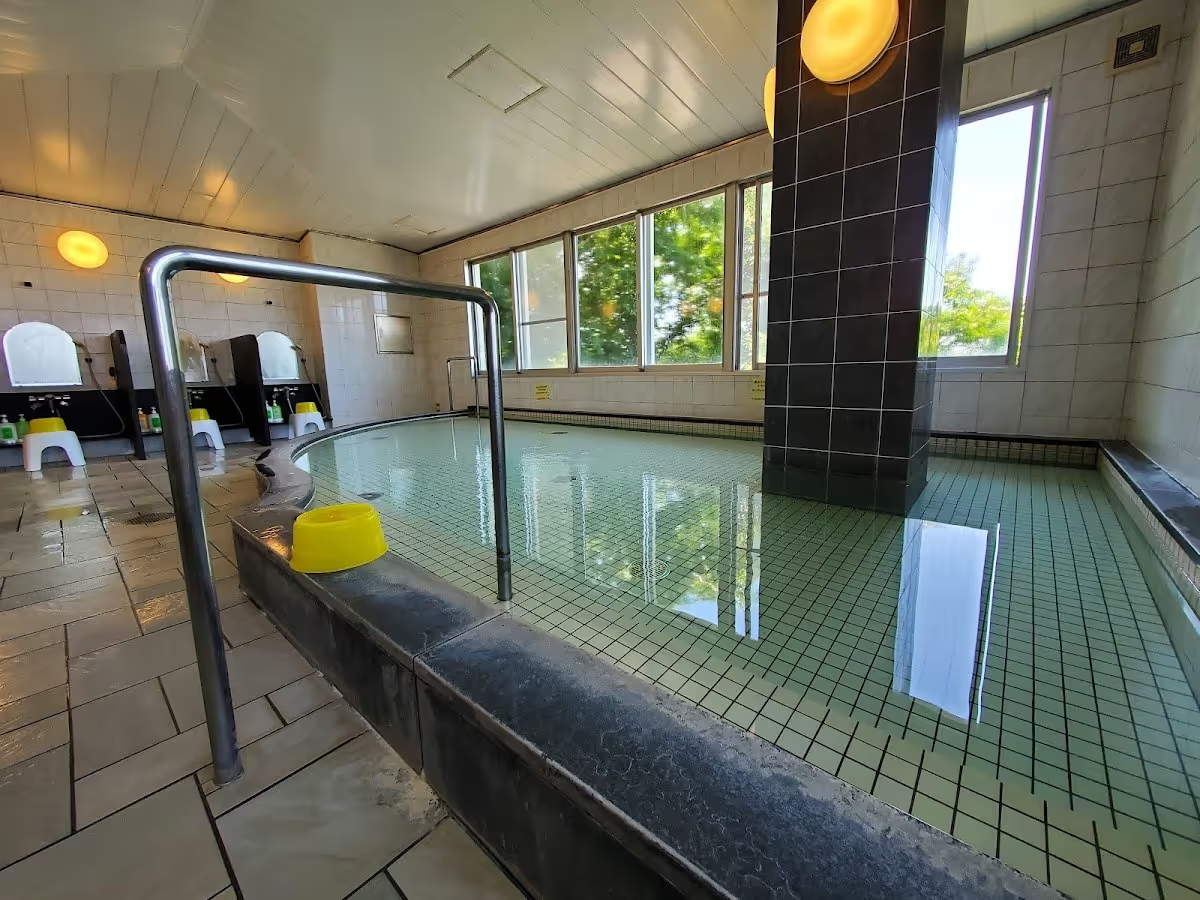
Standard Japanese onsen etiquette applies at all public bathhouses and ryokan facilities throughout Naruko. Bathers must shower and wash thoroughly at the provided wash stations before entering any communal bath. Towels must not be submerged in the water. Bathing areas are gender-separated. Swimwear is not worn in traditional indoor baths. The sulfur-containing spring water at some of Naruko's bathhouses can affect metal jewelry and may discolor light-colored fabric. Removing jewelry before bathing and using older or darker towels is advisable when using sulfur baths.
Tattoo policies at Naruko's public bathhouses and ryokan follow general Japanese practice, with communal bathing areas typically not admitting tattooed guests. Some ryokan may offer private bath arrangements as an alternative. Confirming policy with individual facilities before visiting is the most reliable approach. Photography inside bathing facilities is not permitted under any circumstances. Mobile phone use and loud conversation in bathing areas are considered disrespectful.
Visitors sampling multiple spring types across different bathhouses in a single day should be attentive to cumulative heat exposure. Moving between hot baths repeatedly without adequate rest and hydration increases the risk of overheating and low blood pressure. Resting between sessions, drinking water regularly, and avoiding bathing on an empty or very full stomach are all advisable. Children should be supervised at all times in bathing areas. Guests with cardiovascular conditions, skin sensitivities, or respiratory concerns should seek medical advice before bathing, particularly when using the sulfur or iron-rich spring types at Naruko.