
Quick FactsOverview
About Zao Onsen, Japan
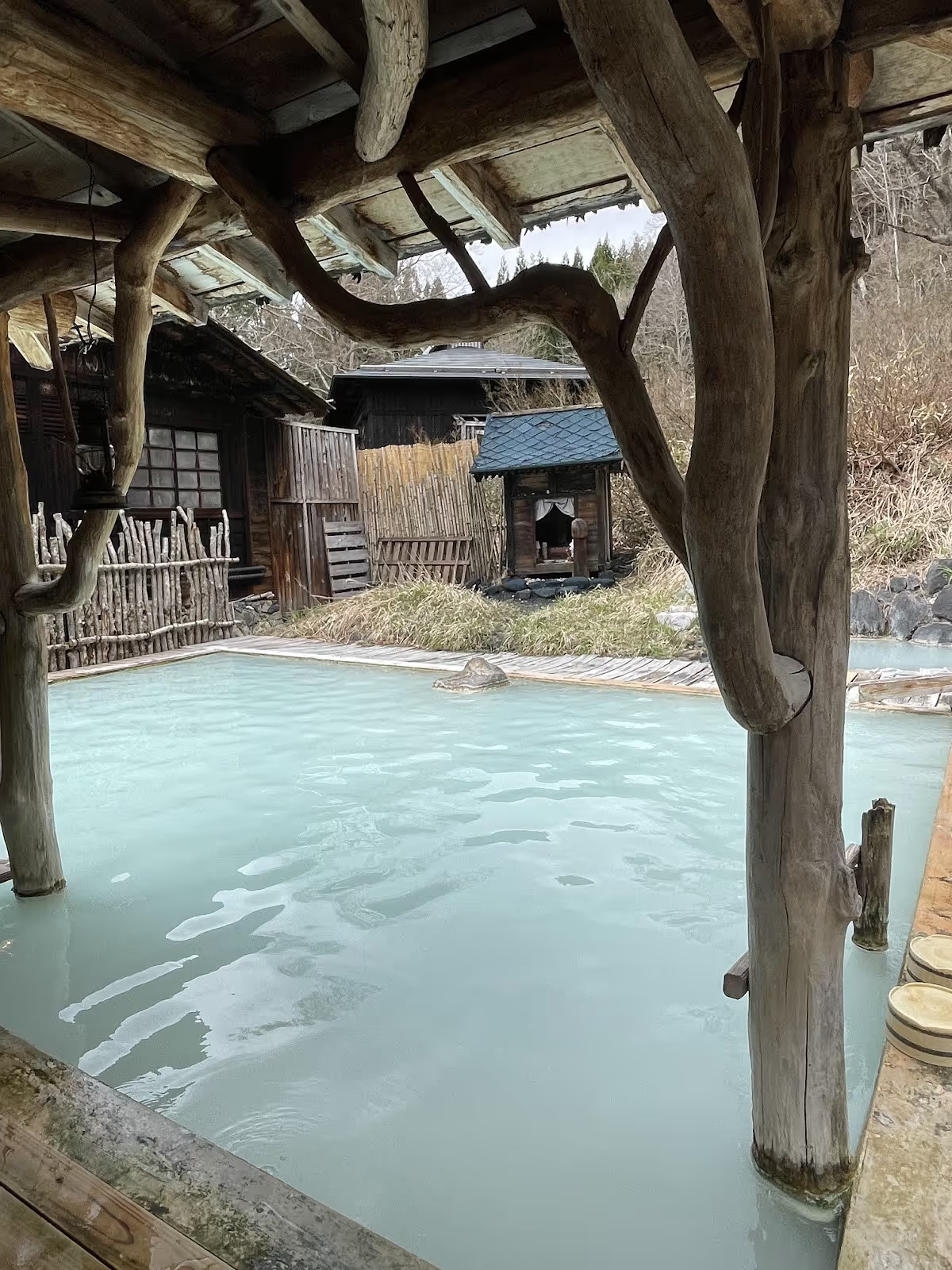
Zao Onsen Japan is a hot spring village on the slopes of volcanic Mount Zao, situated within Yamagata City in the Tohoku region of Honshu. The springs are among the most acidic in the country, fed by sulfur-rich water that gives the baths their distinctive smell and milky-tinged color. The village is one of the most popular onsen destinations near Yamagata City, reachable by a 40-minute direct bus from Yamagata Station.
What Makes Zao Onsen Distinctive
The defining feature is the extreme acidity of the water, with a pH value reported close to 1. This sulfuric water is considered beneficial for skin and is a draw for repeat visitors who come specifically for the quality of the soak. The village has multiple public bathhouses at low entry fees, making it one of the more accessible pay-entry onsen experiences in the Tohoku region.
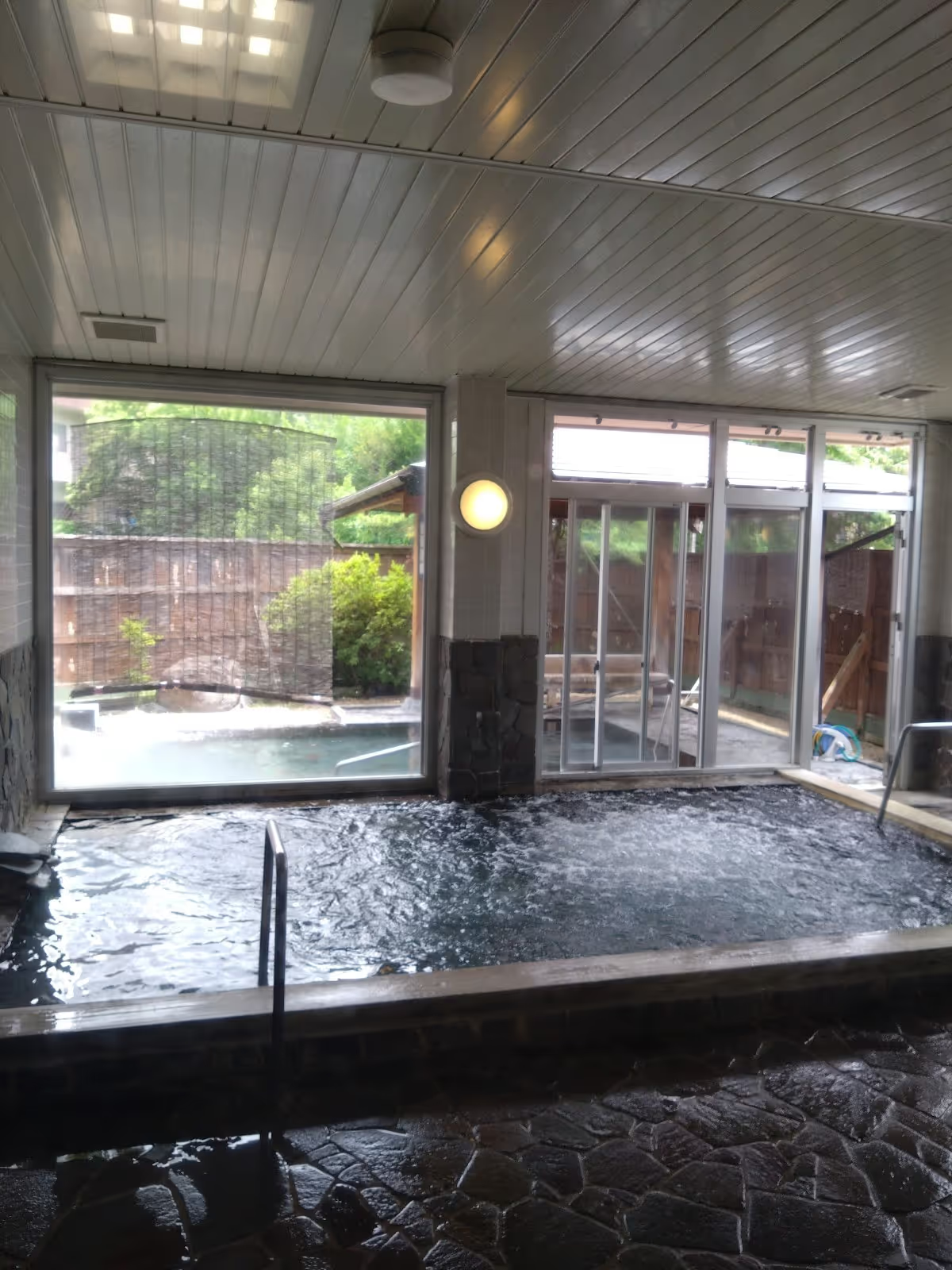
Zao Onsen operates year-round and doubles as a major ski resort in winter. The three traditional public baths sit close together in the town center, allowing visitors to move between them in a single visit. The larger Zao Dai-Rotemburo outdoor bath is open seasonally in a forested valley alongside a mountain stream. Among the hot springs in Japan noted for combining cultural history with genuine volcanic chemistry, Zao is one of the most visited in the north.
Location & Access
Getting to Zao Onsen
Zao Onsen is located approximately 20 kilometers southeast of central Yamagata City, at an altitude of around 880 meters on the slopes of Mount Zao. The most convenient approach is by bus from Yamagata Station, with departures roughly every hour. The bus ride takes approximately 40 minutes and arrives at the village bus terminal.
By car, Zao Onsen is accessible from the Yamagata-Zao interchange on the Yamagata Expressway, with a drive of approximately 35 minutes to the village. Parking is available near the bus terminal. Roads are generally kept open year-round, though winter driving conditions can be demanding.
From Tokyo, the journey to Yamagata Station takes approximately 2.5 hours on the JR Yamagata Shinkansen. From Sendai, travelers reach Yamagata via the Senzan Line in roughly 75 minutes, then transfer to the Zao Onsen bus. Visitors looking for hot springs near Yamagata City will find Zao the most directly connected option by public transit.
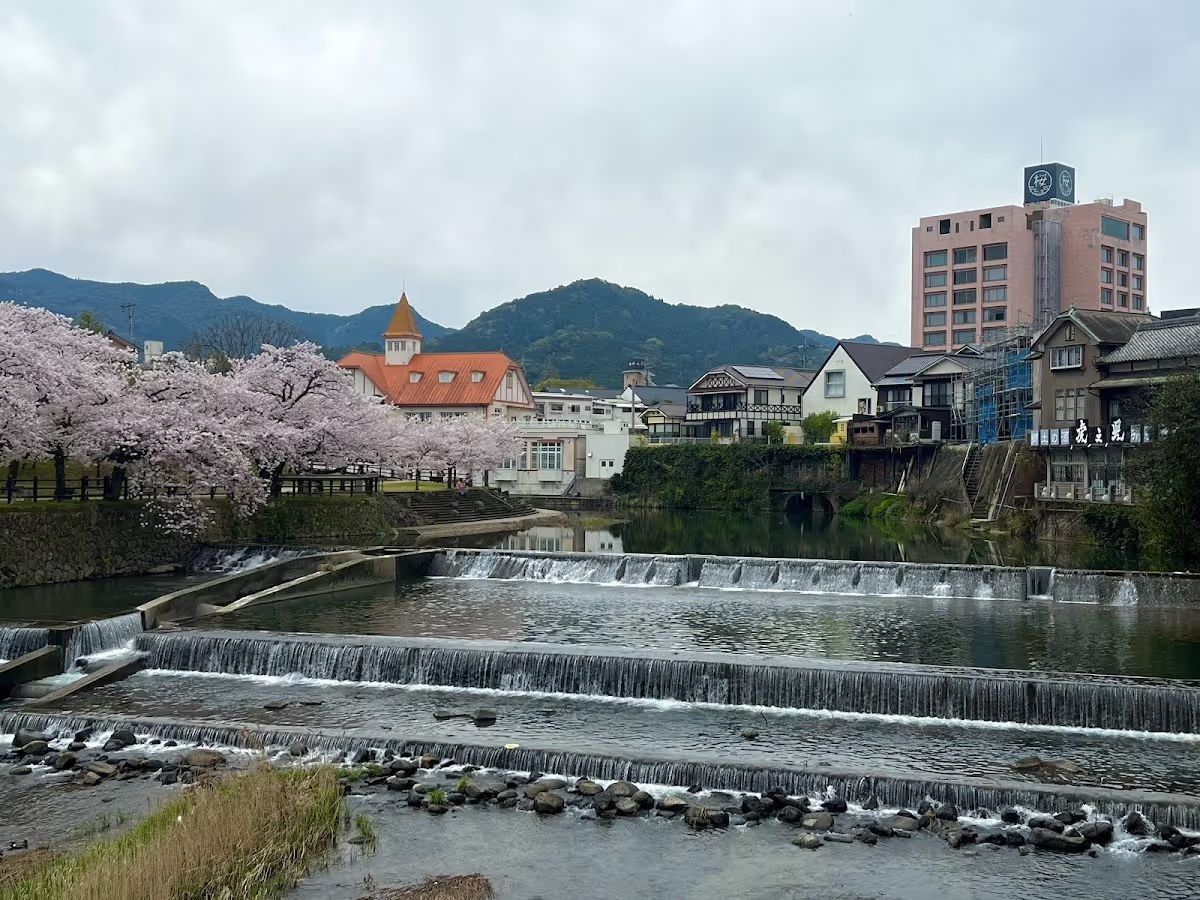
All major bath facilities are within walking distance of the bus terminal. The three traditional public baths are clustered near the center of town, and the Zao Dai-Rotemburo outdoor bath is a short walk below the main street. Some English-language information is available at facilities and the village tourist office.
Suitability & Accessibility
Who Zao Onsen Suits Best
Zao Onsen suits visitors who want a structured onsen experience within a developed village, without the need to book into a ryokan. Day visitors can access multiple public baths and day-use facilities without accommodation, making it a practical option for those traveling from Yamagata City. The low entry fees at public baths make Zao accessible for budget-conscious travelers.
Families with children can visit, though parents should be aware that the highly acidic water may not be suitable for very young children or those with sensitive skin. The village is walkable and compact, and the combination of onsen facilities, food options, and seasonal attractions suits visitors of different travel styles.
The mountainous terrain and traditional architecture mean that accessibility for visitors with limited mobility is limited. The streets have some incline, and the bathhouses have steps and low-clearance doorways typical of older Japanese bath design. For those seeking accessible hot springs in Japan, it is advisable to contact specific facilities in advance to confirm access arrangements before visiting.
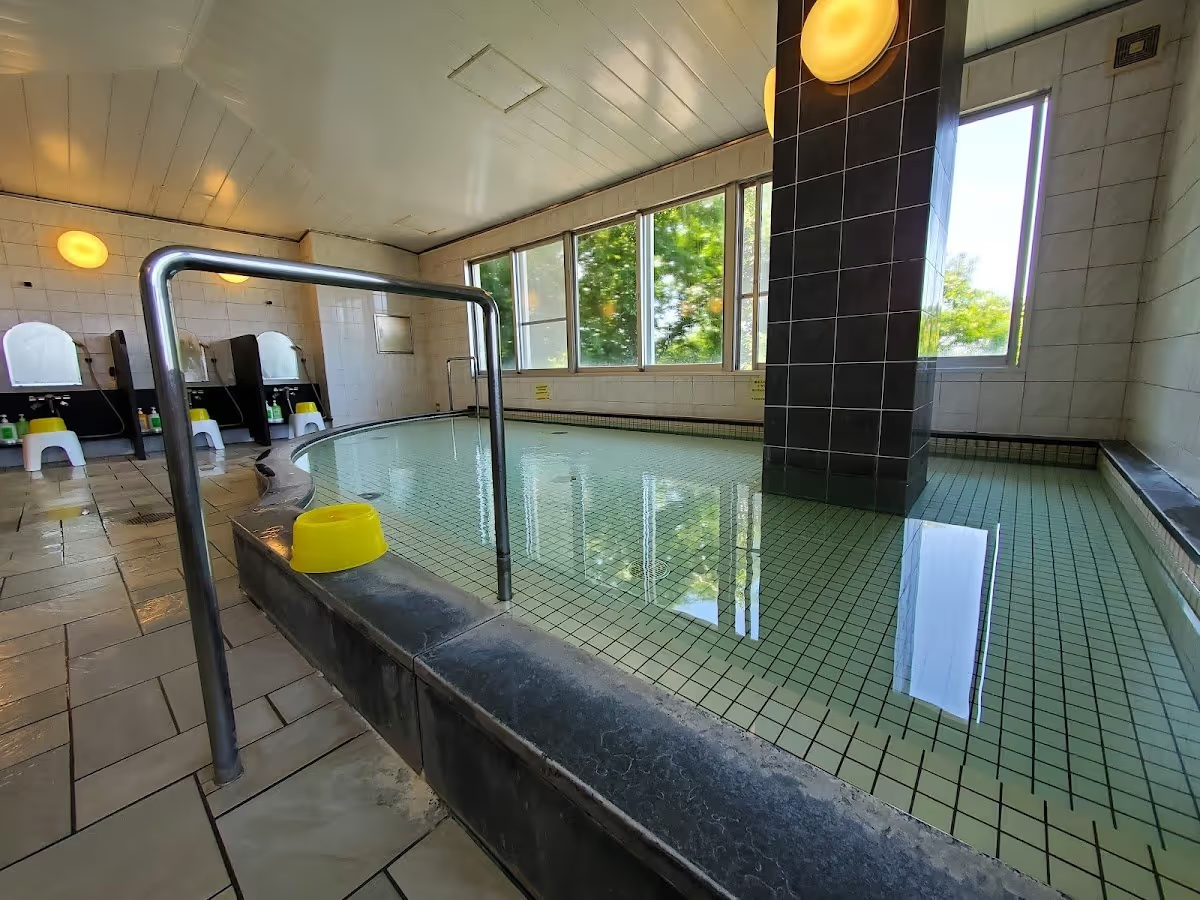
Visitors are expected to follow standard Japanese onsen etiquette: washing at the shower stations before entering the bath, keeping towels out of the water, and maintaining a quiet atmosphere. Bathing at the public baths is done without swimwear, in line with Japanese onsen tradition.
Safety & Etiquette
Safety at Zao Onsen
The water at Zao Onsen is highly acidic, with a pH among the lowest of any publicly accessible onsen in Japan. This acidity is a defining characteristic but requires some caution. Soaking for extended periods in strongly acidic water can cause skin irritation, particularly for those with sensitive skin or open wounds. Visitors are advised to rinse thoroughly with fresh water after bathing and to limit soak time if new to acidic onsen water.
Mount Zao is an active volcano. The surrounding mountain is subject to volcanic monitoring, and access to the crater lake Okama higher up may be restricted depending on alert levels. The onsen village sits lower on the slope and has not been directly affected by volcanic activity in the modern period, but visitors planning to hike toward the summit should check current volcanic alert status before setting out.
The outdoor Zao Dai-Rotemburo closes during the winter months. The traditional public baths operate according to their own schedules and hours can vary seasonally. Confirming current operating hours before making a dedicated journey to a specific facility is worthwhile.
Etiquette at Zao Onsen Baths
Bathing at the public baths is done in the nude, in line with Japanese onsen tradition. Facilities have separate sections for men and women. A small towel may be carried for modesty between the changing area and the bath but should be kept out of the water.
Photography is not permitted in any bathing area. Loud conversation, mobile phone use, and disruptive behavior are discouraged. Tattoo policies vary by facility and should be confirmed in advance. Children accompanying adults are welcome at most facilities, but adults are responsible for ensuring children also follow etiquette guidelines.