Quick FactsOverview
About Noboribetsu Onsen
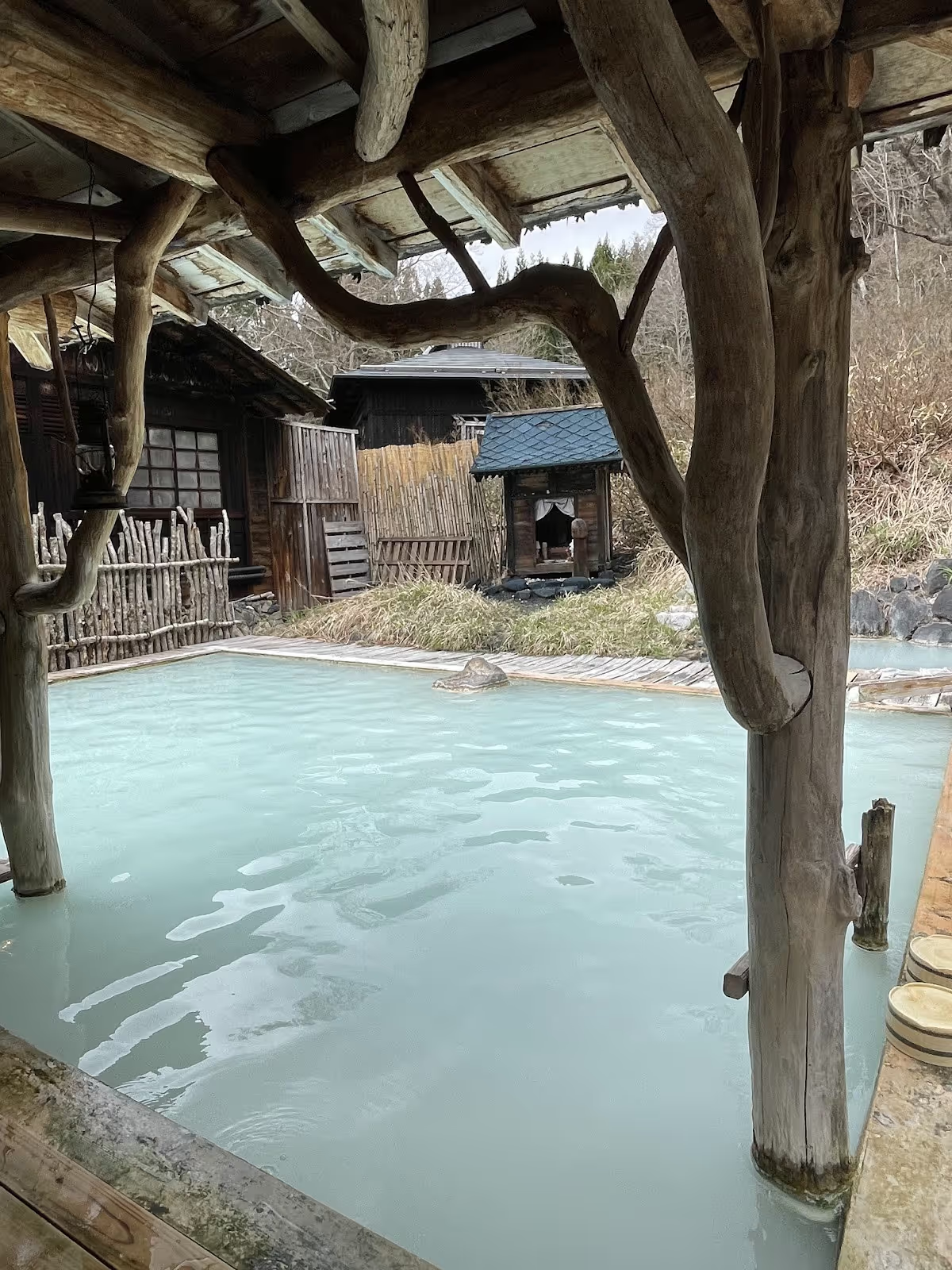
Noboribetsu Onsen, Japan is Hokkaido's most famous hot spring resort town, in Noboribetsu City in the southwestern Iburi region of Hokkaido, within Shikotsu-Toya National Park. The hot springs were formed by volcanic activity approximately 10,000 years ago and have been used since the Edo period. The town is known as the department store of hot springs because it is one of very few places in Japan where nine distinct spring types are found together: sulfur, salt, iron, acidic iron, alum, mirabilite, sodium bicarbonate, and others, each with different mineral compositions and bathing properties.
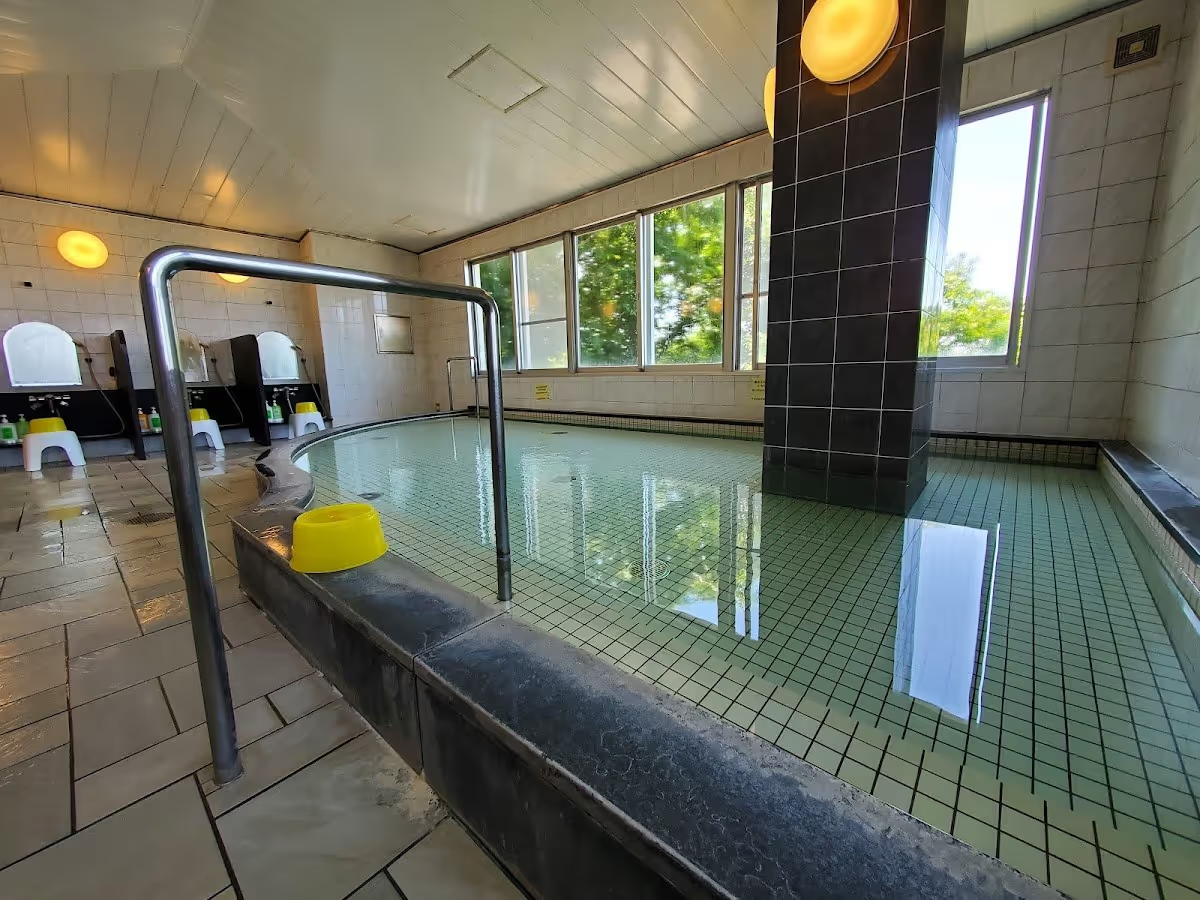
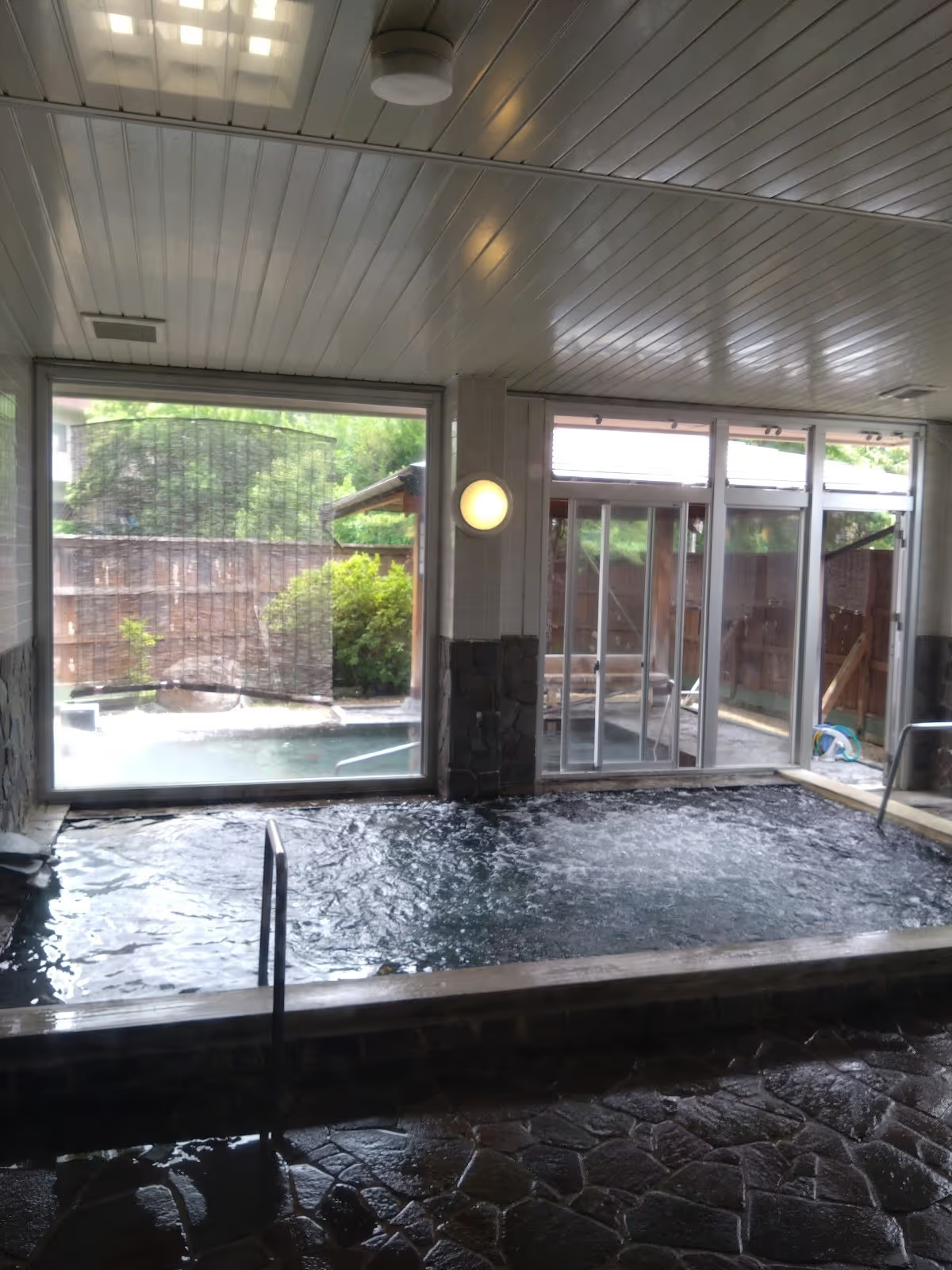
The primary source of these springs is Jigokudani, or Hell Valley, a 450-metre-wide volcanic crater 5 to 10 minutes on foot from the town centre. The crater produces 10,000 tonnes of mineral-rich water daily, with white steam and sulfurous gases rising from reddish-brown rock surfaces and bubbling vents. A free walking path runs through the valley on wooden boardwalks. Further up is Oyunuma, a sulfurous pond at 50 degrees Celsius, and the Oyunumagawa Brook, a geothermally heated river where a free foot bath is accessible after a 30-minute walk. Many hotels and ryokan offer day-use bathing, with Daiichi Takimotokan providing 35 baths across five spring types. Sagiriyu, a budget public bath in the visitor centre, is also available.
Location & Access
Getting to Noboribetsu Onsen
Noboribetsu Onsen is most easily reached from Sapporo by JR Limited Express Hokuto or Suzuran from Sapporo Station to JR Noboribetsu Station, which takes approximately one hour and 20 minutes; from there, the Donan Bus to Noboribetsu Onsen Bus Terminal takes approximately 15 minutes. From Hakodate, the same JR Hokuto Limited Express runs to Noboribetsu Station in approximately two and a half hours. By car from Sapporo, the drive takes approximately 90 minutes to two hours via the Hokkaido Expressway. From New Chitose Airport, allow approximately one hour by car via Route 2 and 350, or approximately 40 minutes from the Noboribetsu Higashi Interchange.
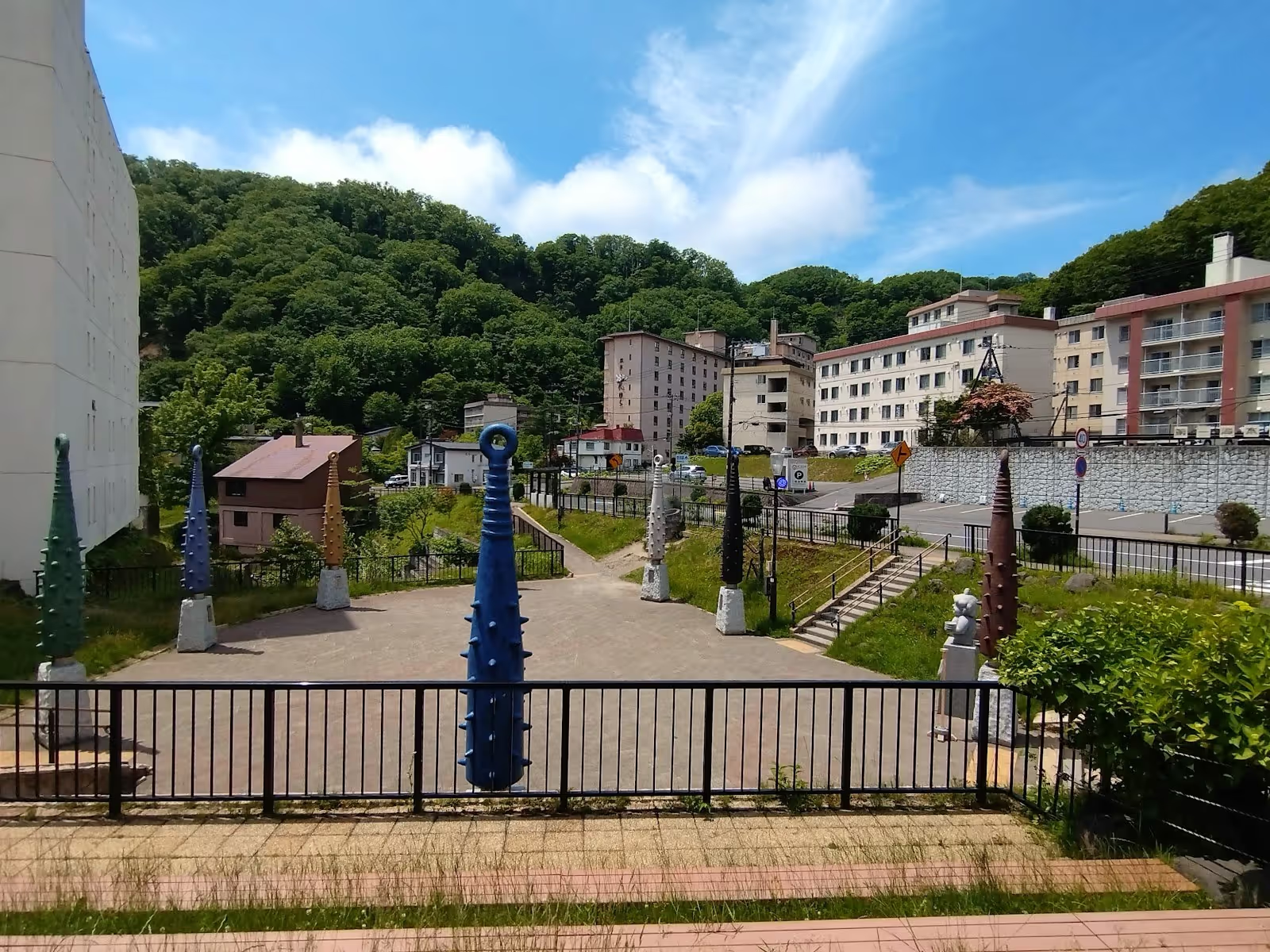
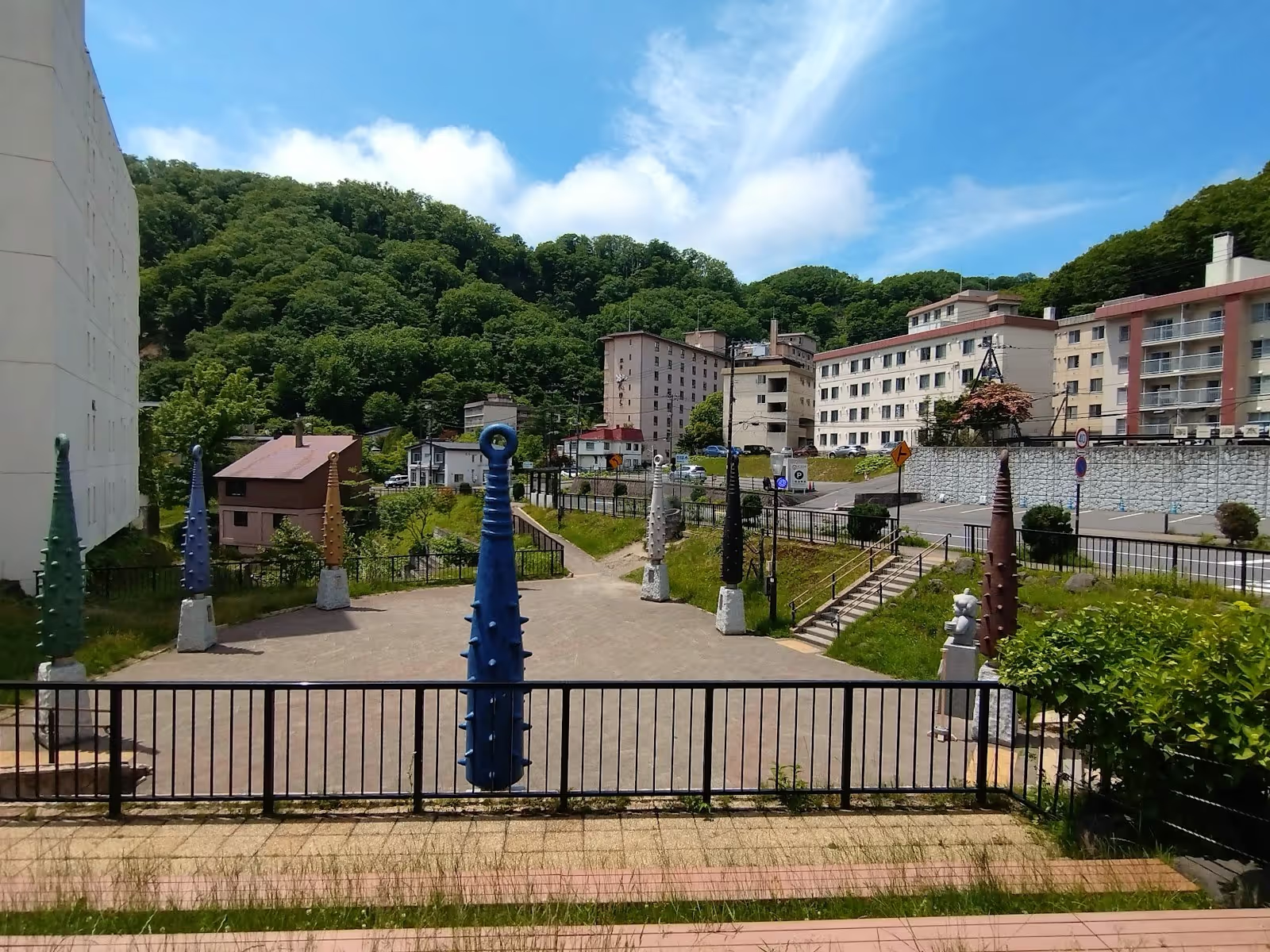
The onsen town itself is compact and fully walkable. The Noboribetsu Onsen Bus Terminal is the main arrival point, and the hot spring street, hotels, Jigokudani entrance, and Oyunuma trail are all within walking distance. Jigokudani is a five-minute walk from the bus terminal and is free to enter. The Oyunumagawa Brook natural foot bath is approximately 30 minutes on foot from Jigokudani. Many hotels operate shuttle buses from Noboribetsu Station and some from Sapporo for overnight guests. Day-use bathing hours and pricing vary by hotel; Daiichi Takimotokan day-use runs 09:00 to 16:00 last entry and costs approximately 2,250 yen for adults. Check official hotel sites for current pricing and availability before visiting.
Suitability & Accessibility
Who Noboribetsu Onsen Suits
Noboribetsu Onsen suits visitors looking for Hokkaido's most comprehensive hot spring experience, with the greatest variety of spring types found anywhere in the region accessible in a single town. The combination of the dramatic Jigokudani Hell Valley, the free river foot bath, and the wide range of hotel day-use options at different price points makes it practical for day trips from Sapporo as well as overnight stays.
Families are well-catered for; the Jigokudani walk is engaging for children, and Daiichi Takimotokan has an indoor swimming pool with a water slide available to day-use guests. The nearby Noboribetsu Bear Park and Date Jidai Mura historical theme park add non-onsen activities for families and groups with varied interests. The Oyunumagawa Brook foot bath is free and requires no bathing preparation, making it accessible to all age groups.
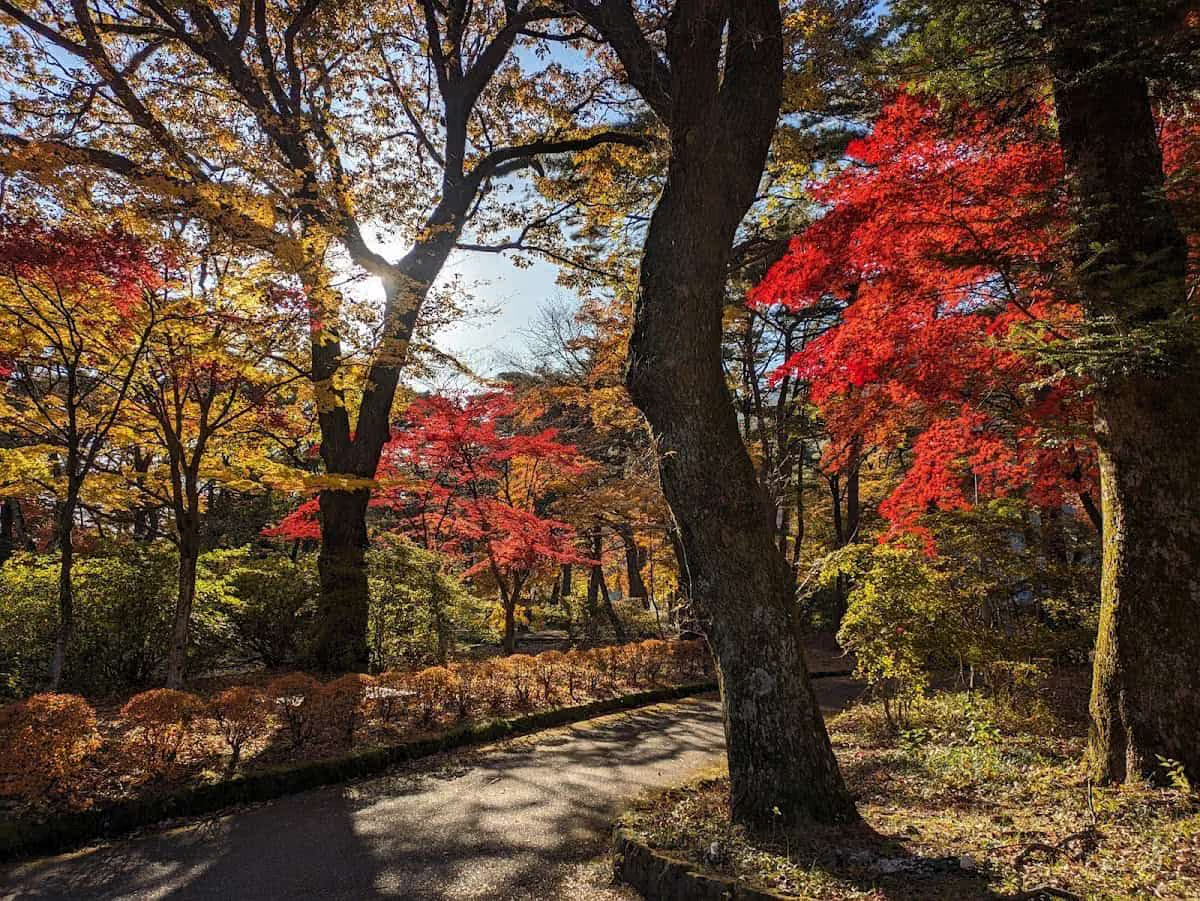
Wheelchair accessibility is possible in the main town areas; the hot spring street is flat and paved, and Jigokudani has wooden boardwalks. Individual hotel accessibility varies; contact properties directly if this is a requirement. The nine spring types include waters noted for a wide range of skin and health properties; the sulfur springs in particular produce milky-white water that gives the area its visual identity. Autumn foliage around Jigokudani and Oyunuma peaks in mid-October and is a popular season for visits alongside the summer Demon Fireworks events.
Safety & Etiquette
Noboribetsu Onsen Safety Tips
Noboribetsu Onsen is generally safe as a well-managed resort town with professionally operated hotels and public facilities. The main safety considerations are the variety of spring types with different temperatures and mineral concentrations, the volcanic landscape at Jigokudani, and standard hot spring health contraindications.
With nine spring types available across different hotel facilities, bath temperatures and mineral compositions vary considerably. Test each bath before entering, limit soaking to 10 to 15 minutes, rest and drink water between sessions, and do not move rapidly between very hot and cold environments. People with heart conditions, hypertension, skin conditions, or open wounds should consult a doctor before bathing; the acidic iron and alum springs in particular are more chemically active than standard onsen water. The sulfur spring water can discolour silver jewellery; remove it before entering any bath.
At Jigokudani, remain on the designated wooden walkways at all times and do not approach the steaming vents, hot pools, or rocky edges outside the boardwalk; surface temperatures in the crater can be extreme. The Oyunumagawa Brook foot bath is natural and unguarded; test the water temperature before immersing feet and be careful on river rocks. Some walking trails above Jigokudani may be impassable in winter snow; check posted conditions. Wash thoroughly at shower stations before entering any communal bath. Standard onsen etiquette applies at all hotel baths.