
Quick FactsOverview
About Dogo Onsen Honkan
Dogo Onsen Honkan, Japan is the main bathhouse of Dogo Onsen in Matsuyama, Ehime Prefecture, Shikoku. The current three-story wooden building was constructed in 1894 during the Meiji era and in 1994 became the first public bathhouse in Japan designated a National Important Cultural Property. It holds three Michelin Green Guide stars. The hot springs at Dogo have around 3,000 years of documented use, with references in the Man'yoshu, an eighth-century poetry anthology. The building is widely cited as a primary inspiration for the bathhouse in Hayao Miyazaki's Spirited Away.
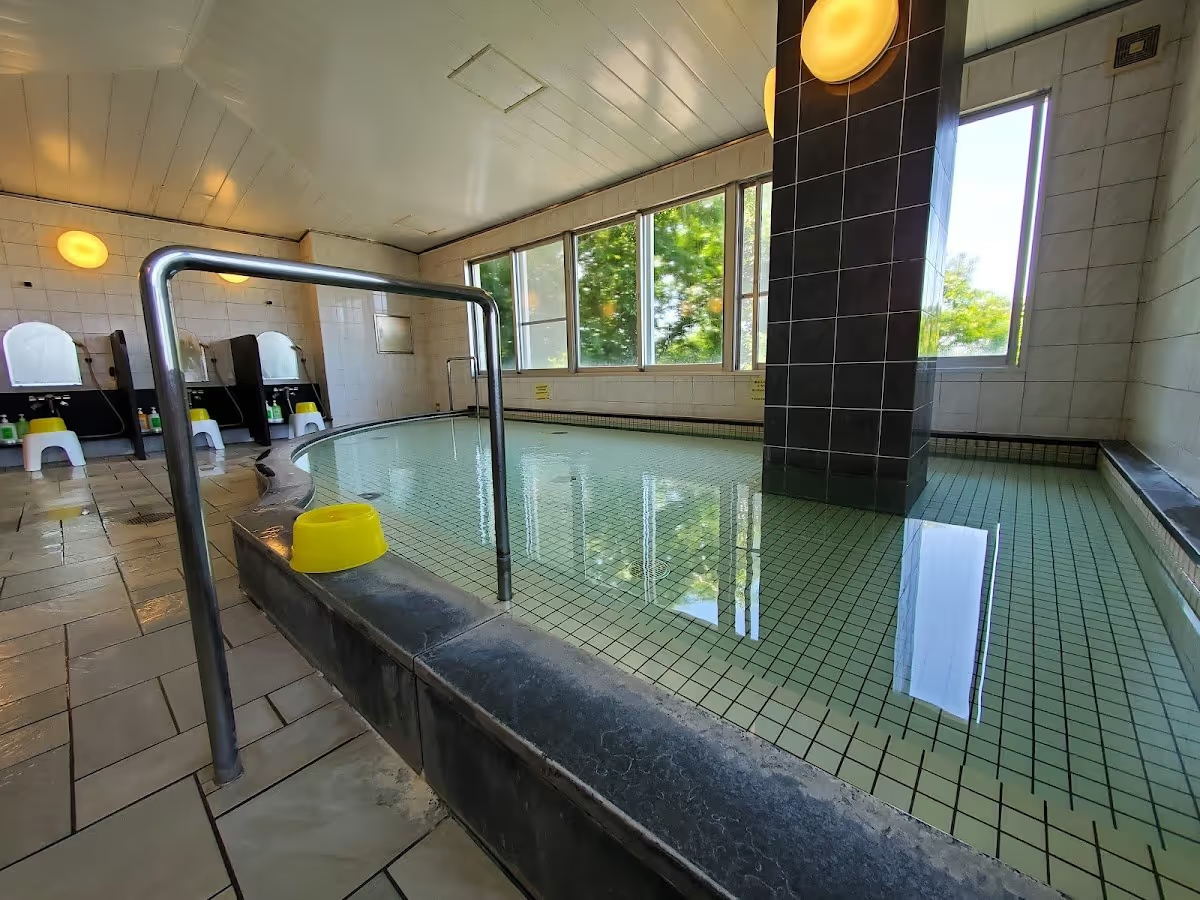
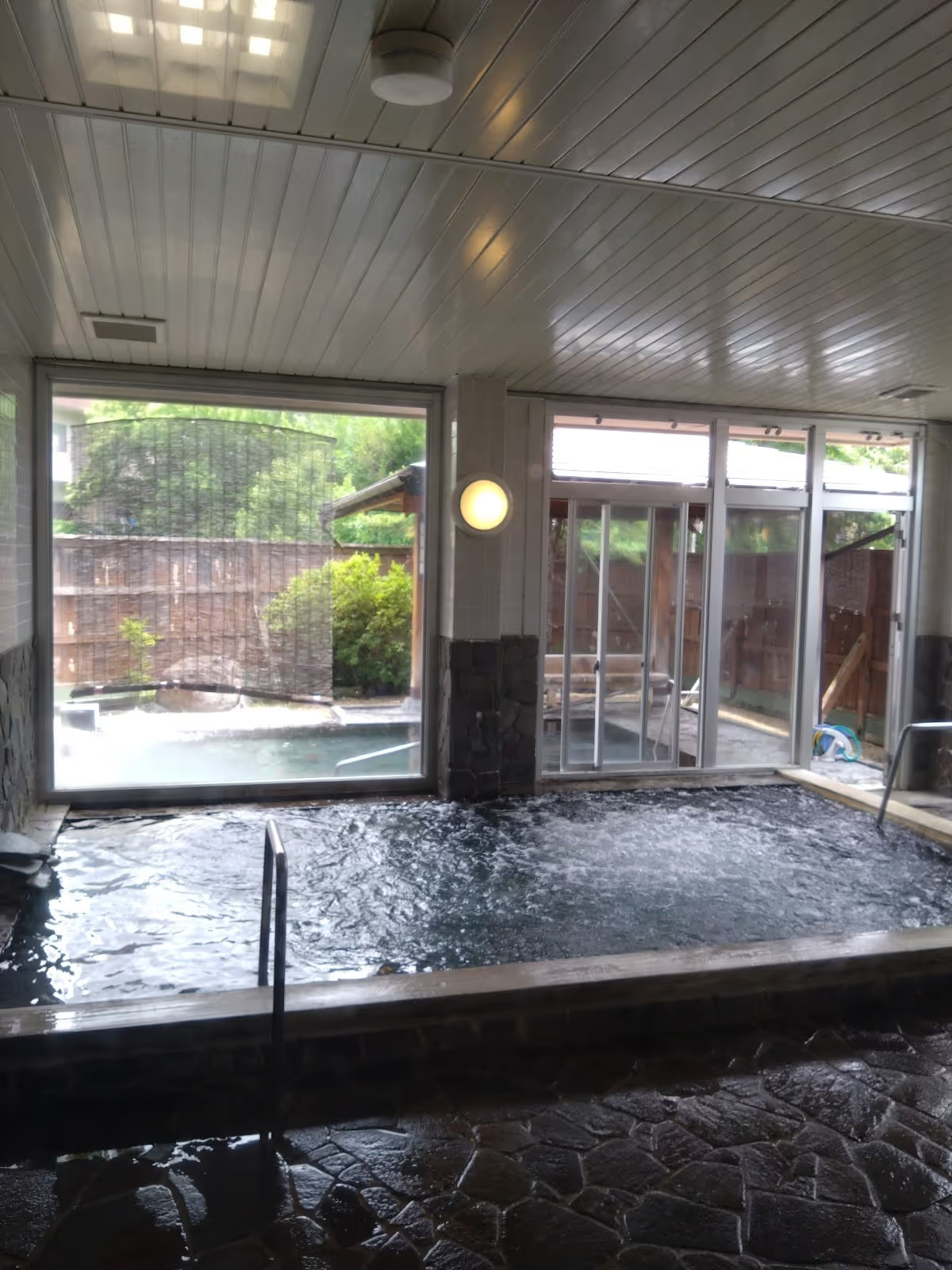
The Honkan offers two gender-separated public baths: Kami no Yu, the larger main bath, and Tama no Yu, a smaller and more refined bath once used by Imperial attendants. Tatami rest areas on the second floor and private rooms on the third floor allow extended visits. The Yushinden, the Imperial Family's private bath facility, is available for guided tours by reservation. A 5.5-year conservation programme completed in July 2024 restored the building while keeping it partly operational throughout.
Location & Access
Getting to Dogo Onsen Honkan
Dogo Onsen Honkan is at 5-6 Dogo Yunomachi, Matsuyama, Ehime Prefecture. The most convenient access from central Matsuyama is by Iyotetsu tram: line 5 from JR Matsuyama Station takes around 20 minutes to Dogo Onsen Station, and the Honkan is a four-minute walk from there. From Matsuyama-shi Station, tram line 3 takes around 15 minutes. From Matsuyama Airport, a bus or taxi to the Dogo area takes under an hour. From other parts of Japan, the practical routes are a direct flight to Matsuyama Airport from Haneda or other major airports, or Shinkansen to Okayama then the JR Limited Express Shiokaze to Matsuyama Station. A themed Botchan steam locomotive train also operates on weekends between the city centre and Dogo Onsen Station.
The Honkan's hours and ticket tiers vary by access level. Kami no Yu (Level 1) is open from 06:00 to 23:00 with entry until 22:30; admission 700 yen. Level 2, adding a second-floor tatami rest area, is 1,300 yen with entry until 21:00. Level 3, including Tama no Yu and a tatami room, is 2,000 yen with the same hours. Private room plans are available by reservation. Arrive before 08:00 or after 20:00 on weekdays for the shortest queues and most relaxed atmosphere. Bring cash as card payment is not always accepted at the ticket counter.
Suitability & Accessibility
Who Dogo Onsen Honkan Suits
Dogo Onsen Honkan suits visitors to Shikoku and Matsuyama who want to experience Japan's most historically significant public bathhouse. The combination of 3,000-year-old spring water, a Meiji-era National Important Cultural Property building, and the Spirited Away cultural connection draws visitors who value history and atmosphere as much as the bath itself. The entry price starting at 700 yen makes it one of the most accessible major onsen experiences in Japan, and the tiered ticket structure means visitors can tailor the experience from a quick economical dip to a longer stay with tatami rooms and tea.
Families are welcome; Level 1 Kami no Yu entry suits all ages. Tattooed visitors are welcome, distinguishing the Honkan from many traditional bathhouses across Japan. Those wanting a longer stay with tea and tatami room access should choose Level 2 or 3. The 250-metre covered Haikara-dori shopping arcade between the Honkan and the tram station, with local food and souvenir shops, makes the area well-suited to a half-day or full-day visit including strolling in yukata robes.
Wheelchair access is limited. The 1894 wooden building contains multiple stairways, narrow corridors, and raised thresholds typical of Meiji-era construction with no lift access. Visitors with mobility requirements should be aware the Honkan is not step-free and may consider the modern Asuka no Yu bathhouse nearby as an alternative with more accessible facilities.
Safety & Etiquette
Dogo Onsen Honkan Safety Tips
Dogo Onsen Honkan is generally safe as a well-staffed public bathhouse with a long history of welcoming visitors from Japan and overseas. The main safety considerations are the bath temperatures, the physical layout of the historic building, standard Japanese onsen hygiene requirements, and queuing that can develop at peak times.
The baths are fed by naturally blended spring water at a gentle soaking temperature in the low 40s Celsius, making them moderate rather than extreme in heat. Standard onsen safety applies: limit sessions to 15 to 20 minutes, exit if dizzy or lightheaded, and drink water before and after bathing. People with heart conditions, hypertension, or open wounds should not use the baths or should consult a doctor first. Wash thoroughly at the shower stations before entering either bath; this is both an etiquette rule and a hygiene requirement that applies to all public onsen in Japan.
The interior of the Honkan is a multi-level wooden structure with narrow stairways and low thresholds; take care when moving between floors, particularly when wet from the baths. The building can feel crowded during peak tourist hours in summer and on weekends; early morning visits from 06:00 and late evening visits after 20:00 are significantly quieter and more comfortable. No swimwear is permitted in the communal baths; they are gender-separated. Towels are available for purchase or rent at the facility. Carry cash as card payment is not always accepted at the ticket counter.