Quick FactsOverview
About Osorezan Onsen, Aomori
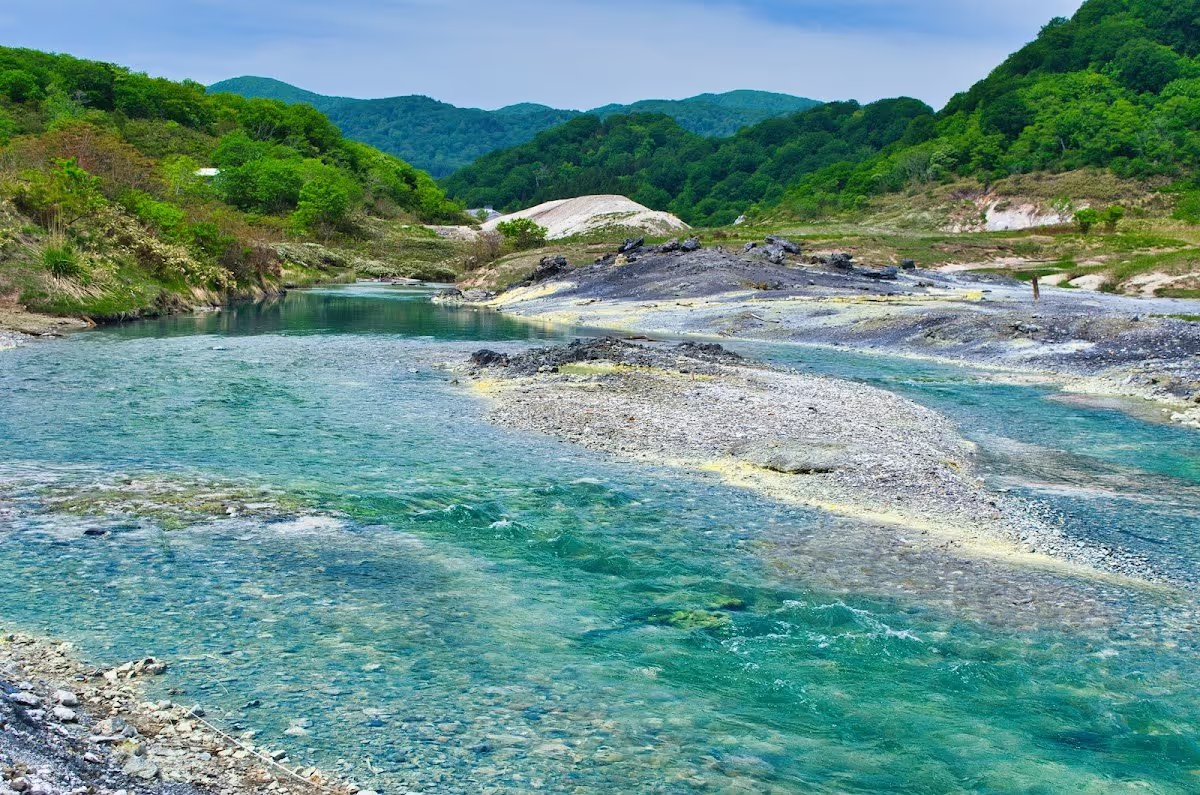
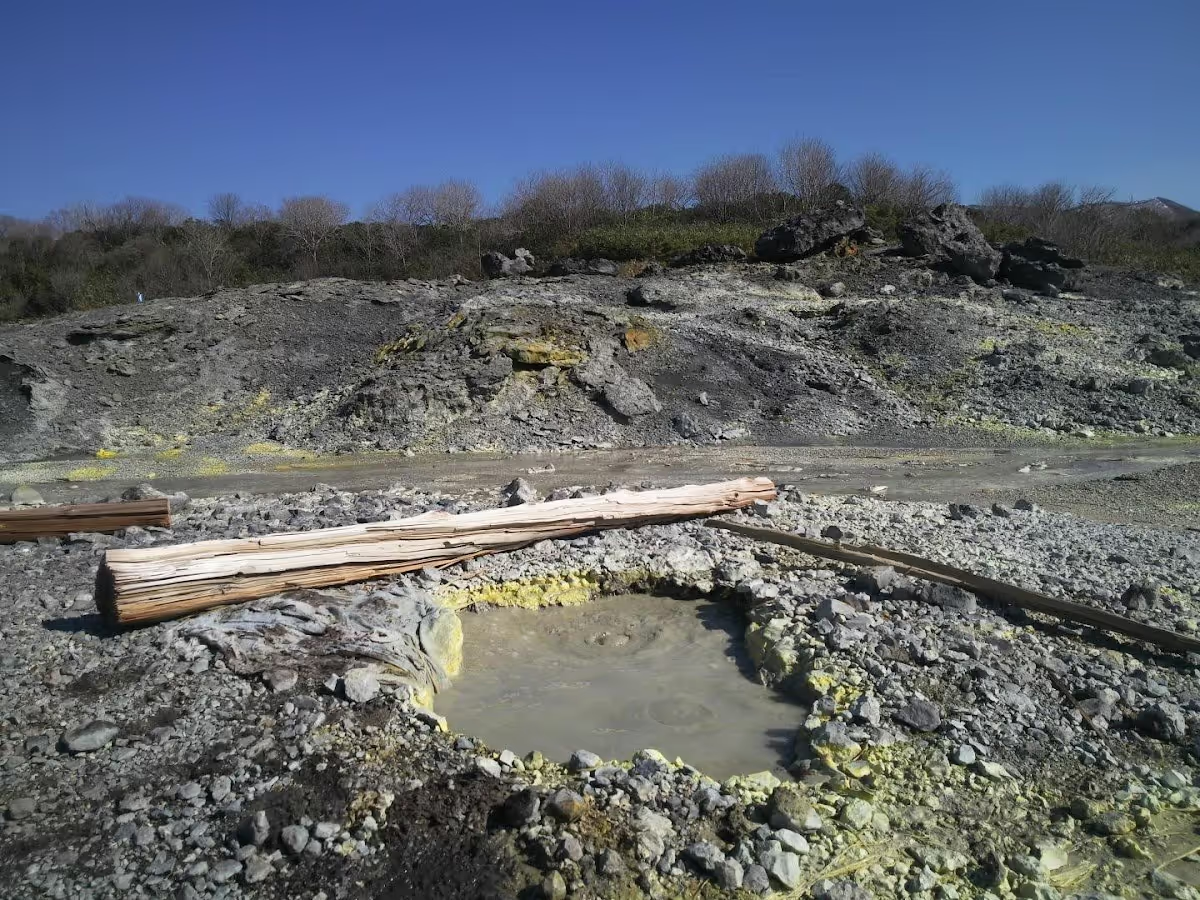
Osorezan Onsen, Japan is a hot spring located within the volcanic caldera of Mount Osore, known in Japanese as Osorezan, on the Shimokita Peninsula in Mutsu City, Aomori Prefecture. Osorezan is one of the three most sacred mountains in Japan within the Buddhist tradition, associated with the realm of the dead and with the spirits of deceased children. The site is administered by Entsuji Temple and draws pilgrims and visitors throughout the summer season for its combination of spiritual significance, stark volcanic landscape, and sulfurous geothermal activity. The caldera contains Lake Usoriyama, a highly acidic crater lake with pale turquoise water, and the surrounding terrain features active sulfur vents, bare volcanic ground, wind-sculpted rock, and small stone offerings left by visitors commemorating deceased family members.
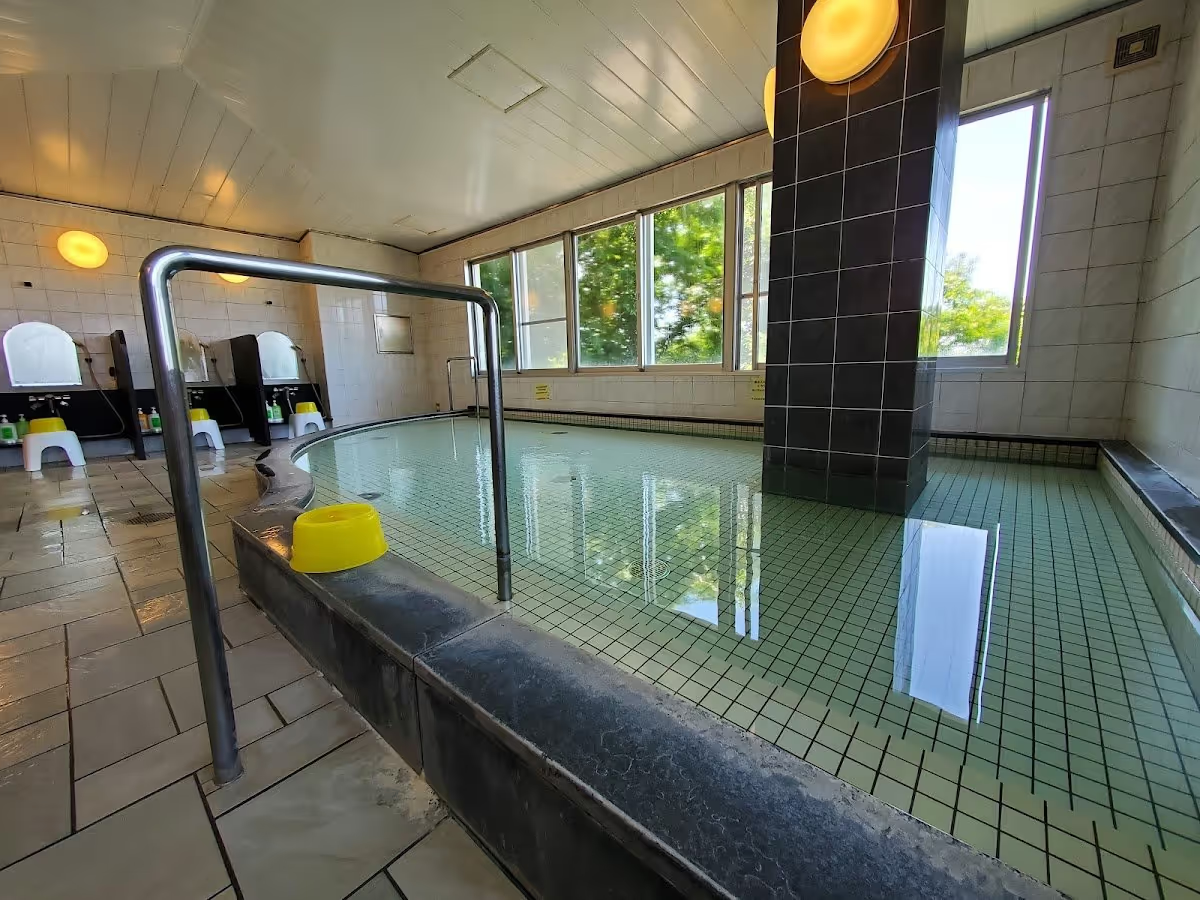
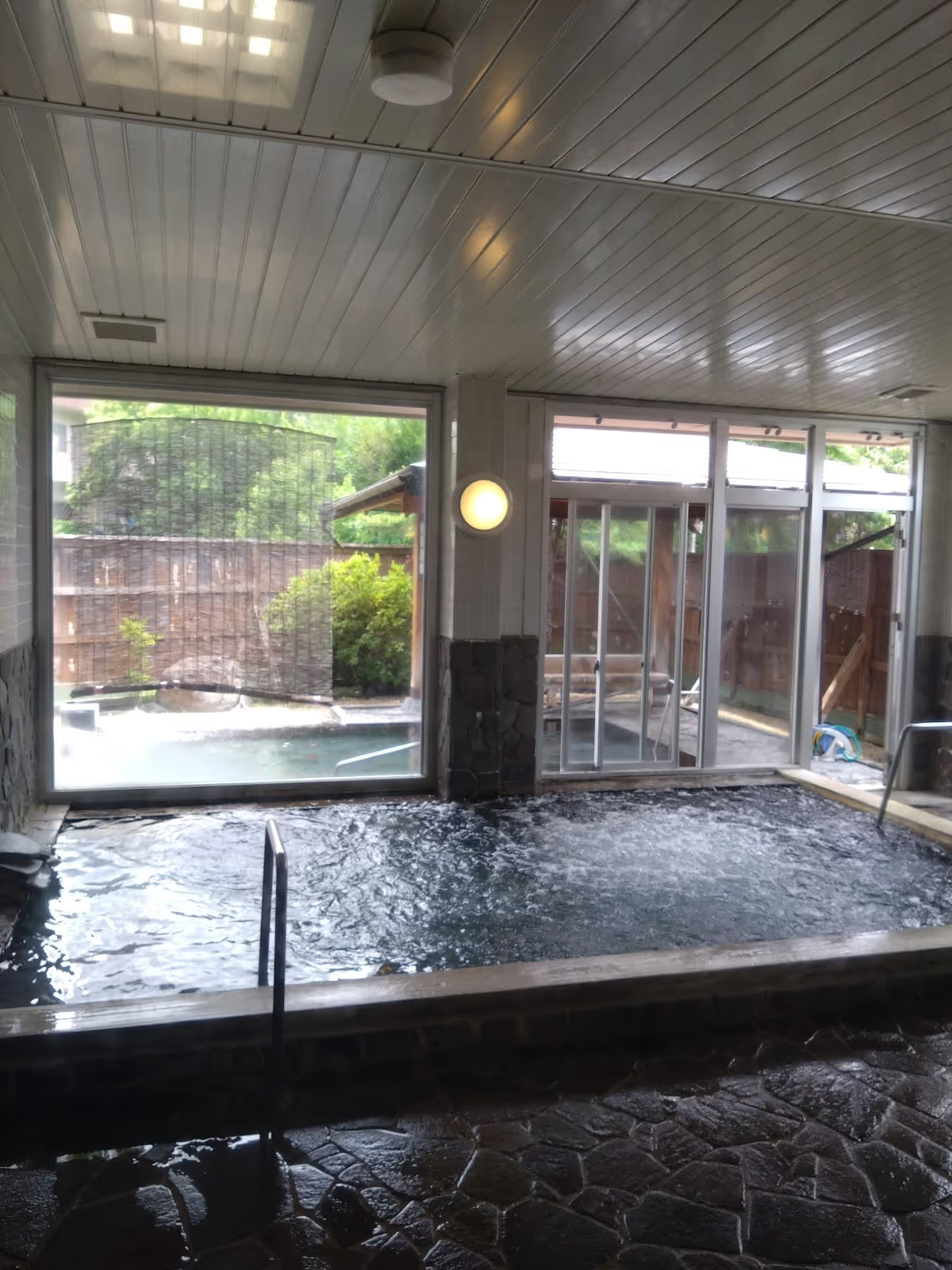
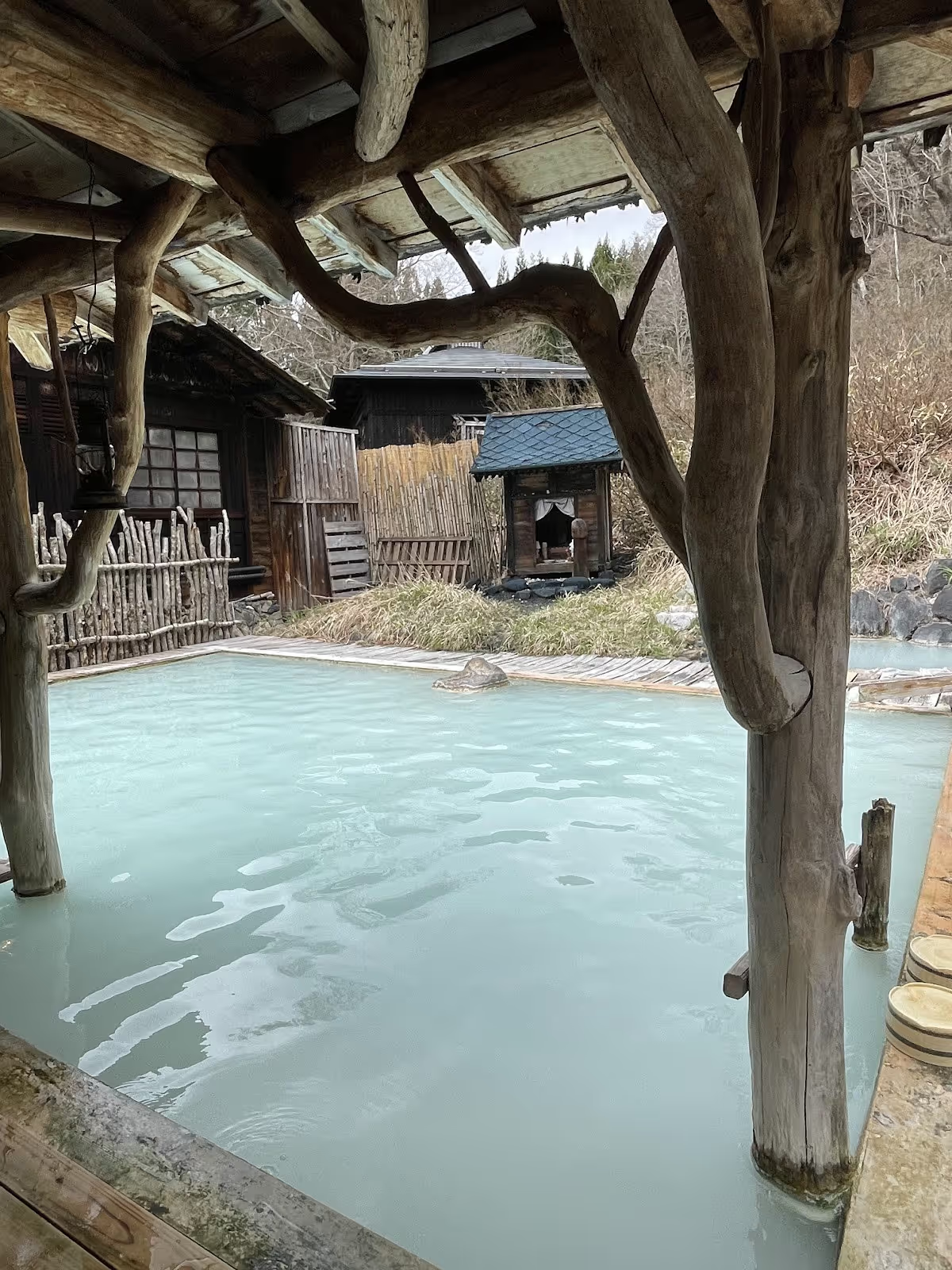
The spring water at Osorezan emerges from multiple geothermal sources within the caldera and is strongly acidic and sulfurous, reflecting the active volcanic chemistry of the site. Simple outdoor bathing facilities are available within the caldera grounds, consisting of small separated bathing huts positioned near the spring sources. These facilities are basic and unheated beyond the spring water itself, and they are open to visitors during the temple's open season, which runs primarily from late May through late October. The only accommodation at the site is the temple lodging operated by Entsuji, which provides a simple overnight stay for visitors who want to experience the caldera at dawn or after the day visitors have left. Osorezan is unlike any other onsen destination in Japan. The combination of active volcanic landscape, Buddhist sacred site, pale crater lake, and sulfurous spring bathing in an environment associated with death and the spirit world gives the site a character that is genuinely singular. For visitors seeking hot springs near Mutsu within a landscape of profound cultural and geological intensity, Osorezan Onsen is irreplaceable.
Location & Access
Getting to Osorezan Onsen
Osorezan is located on the Shimokita Peninsula in the far north of Honshu and requires deliberate planning to reach. The nearest rail access is Shimokita Station on the JR Ominato Line, which connects to Noheji on the JR Tohoku Main Line. From Shimokita Station, Shimokita Kotsu buses run to Osorezan during the open season from late May through late October, with a journey time of approximately 30 to 40 minutes. Bus services are seasonal and operate at limited frequency. Checking current schedules before travel is essential, as the service does not run in winter and gaps between buses during the open season can be significant.
Shimokita Station is accessible from Aomori City by changing at Noheji, with a total journey time of approximately one hour and 30 minutes by local train. From Tokyo, the Tohoku Shinkansen to Hachinohe followed by a local connection to Noheji and then the Ominato Line to Shimokita is the most practical public transport route, with total journey times of approximately four hours or more depending on connections. Visitors traveling by car can reach Osorezan from Mutsu City center via Route 279 north toward the caldera road, with the drive taking approximately 30 minutes. Parking is available at the temple entrance. The caldera road is closed in winter.
The temple grounds and bathing facilities within the caldera are accessible on foot from the entrance gate and car park. The terrain within the caldera involves uneven volcanic ground, bare rock surfaces, and paths that pass close to active sulfur vents. The environment requires attentive walking and appropriate footwear. For those seeking hot springs near Mutsu in a sacred volcanic landscape, reaching Osorezan requires more effort than most onsen destinations in Japan, but the site is unlike anything else in the country and the journey is part of the experience.
Suitability & Accessibility
Who Osorezan Onsen Suits
Osorezan Onsen suits visitors who are drawn to the intersection of sacred landscape, volcanic geology, and onsen bathing in one of the most spiritually and visually intense environments available at any hot spring in Japan. It is not a relaxation resort and should not be approached as one. The experience of bathing in a simple hut beside a sulfurous volcanic vent within a Buddhist sacred site associated with the dead is profound for some visitors and deeply uncomfortable for others, and visitors should research the cultural and atmospheric character of the site carefully before visiting.
Solo travelers and couples with a serious interest in Japanese Buddhist culture, sacred landscape, or volcanic geology will find Osorezan uniquely rewarding. The overnight stay at the temple lodging is recommended for those who want to experience the caldera at its most atmospheric, in the early morning before day visitors arrive, and for those who want time to walk the full perimeter of the crater lake and engage fully with the site. The experience is not suited to young children, visitors who are sensitive to sulfur smell or volcanic gas, or those seeking comfort and conventional amenity.
Visitors looking for accessible hot springs in Japan should be clearly informed that Osorezan is not accessible in the standard sense. The volcanic terrain within the caldera is uneven, the paths are unpaved in many sections, and the bathing facilities are basic outdoor structures without conventional accessibility features. The site is not suitable for visitors with significant mobility limitations. Among the most spiritually and geologically immediate hot springs in Japan open to general visitors during the temple season, Osorezan Onsen holds a position that no other destination in the country can replicate, and it rewards only visitors who approach it with appropriate preparation and respect for its sacred character.
Safety & Etiquette
Safety and Etiquette at Osorezan Onsen
Osorezan presents a set of safety considerations that are significantly more serious than those at conventional managed onsen facilities, and visitors must take them seriously. The caldera contains active sulfur vents that emit volcanic gases including sulfur dioxide at concentrations that can be harmful with extended exposure. Visitors must stay on designated paths, avoid lingering near vent areas, and move away promptly if they experience eye irritation, throat discomfort, or breathing difficulty. Visitors with respiratory conditions including asthma, and those with cardiovascular conditions, should seek medical advice before visiting and should exercise particular caution within the caldera.
The volcanic ground within the caldera is unstable in places, and visitors must stay on marked paths at all times. The terrain near the lake shore and around the vent fields includes areas of thin crust over geothermally active ground. Stepping off designated paths in these areas is dangerous. The lake water itself is highly acidic and must not be touched or entered.
The bathing huts at Osorezan are simple outdoor structures with basic facilities. Visitors must use the provided wash areas before entering the spring water. The huts are gender-separated and are small, accommodating only a few bathers at a time. The spring water is strongly sulfurous and acidic, and visitors with sensitive skin or open wounds should exercise caution. Metal jewelry must be removed before bathing as the acidic water will cause rapid discoloration and damage. Light-colored towels and swimwear will be stained by the water.
Osorezan is a sacred site of deep significance in Japanese Buddhist tradition. Visitors must conduct themselves with appropriate respect throughout the temple grounds and caldera. The stone offerings and memorials placed by pilgrims throughout the site must not be disturbed or moved under any circumstances. Photography of the offerings and memorials should be approached with sensitivity and restraint. Loud conversation, mobile phone use in sacred areas, and behavior that disrupts the contemplative character of the site are not appropriate. The site is not suitable for children and the spiritual associations of the landscape with death and the spirit world should be communicated to any younger visitors before arrival.