Quick FactsOverview
About Jigokudani Monkey Park
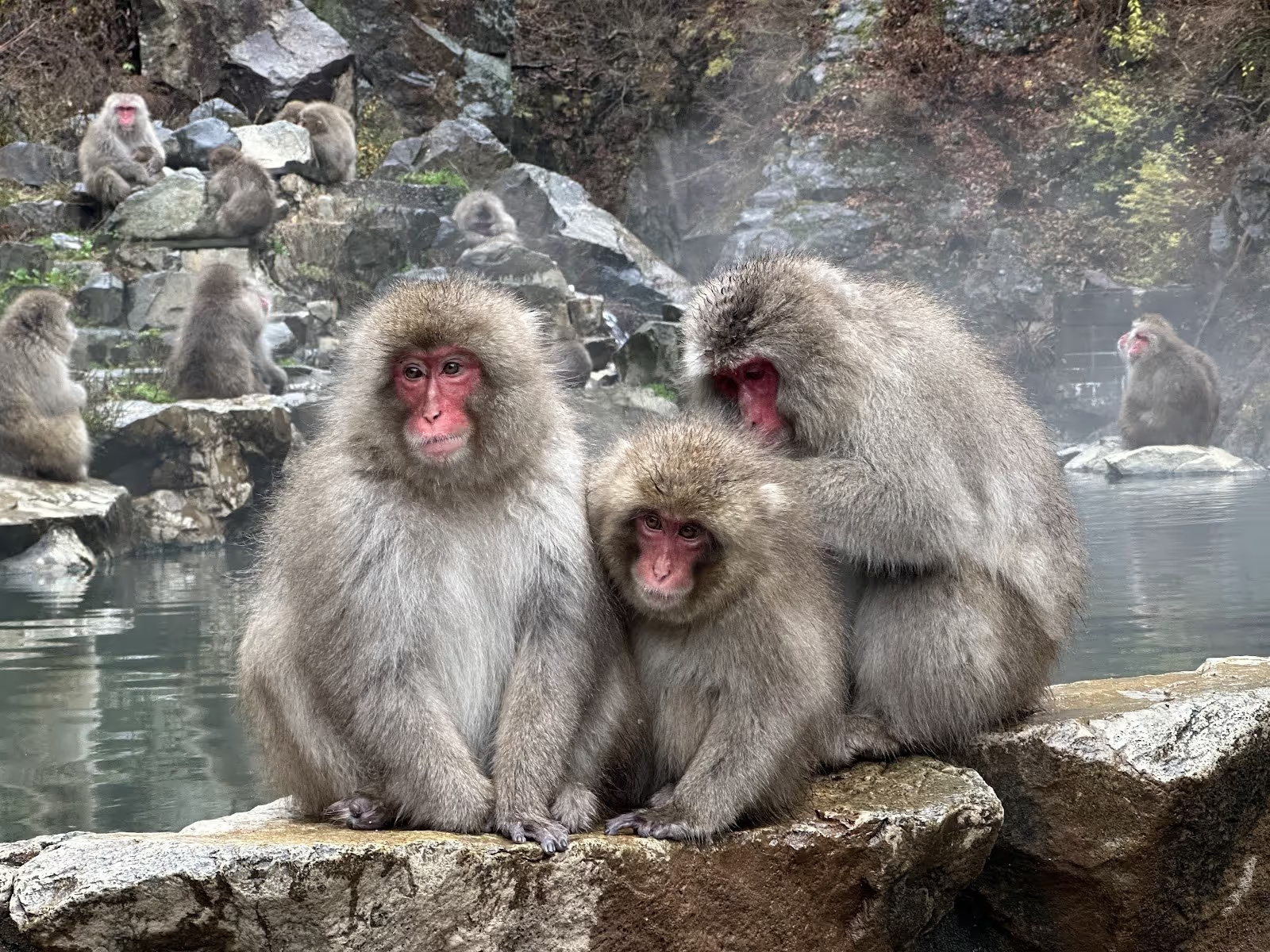
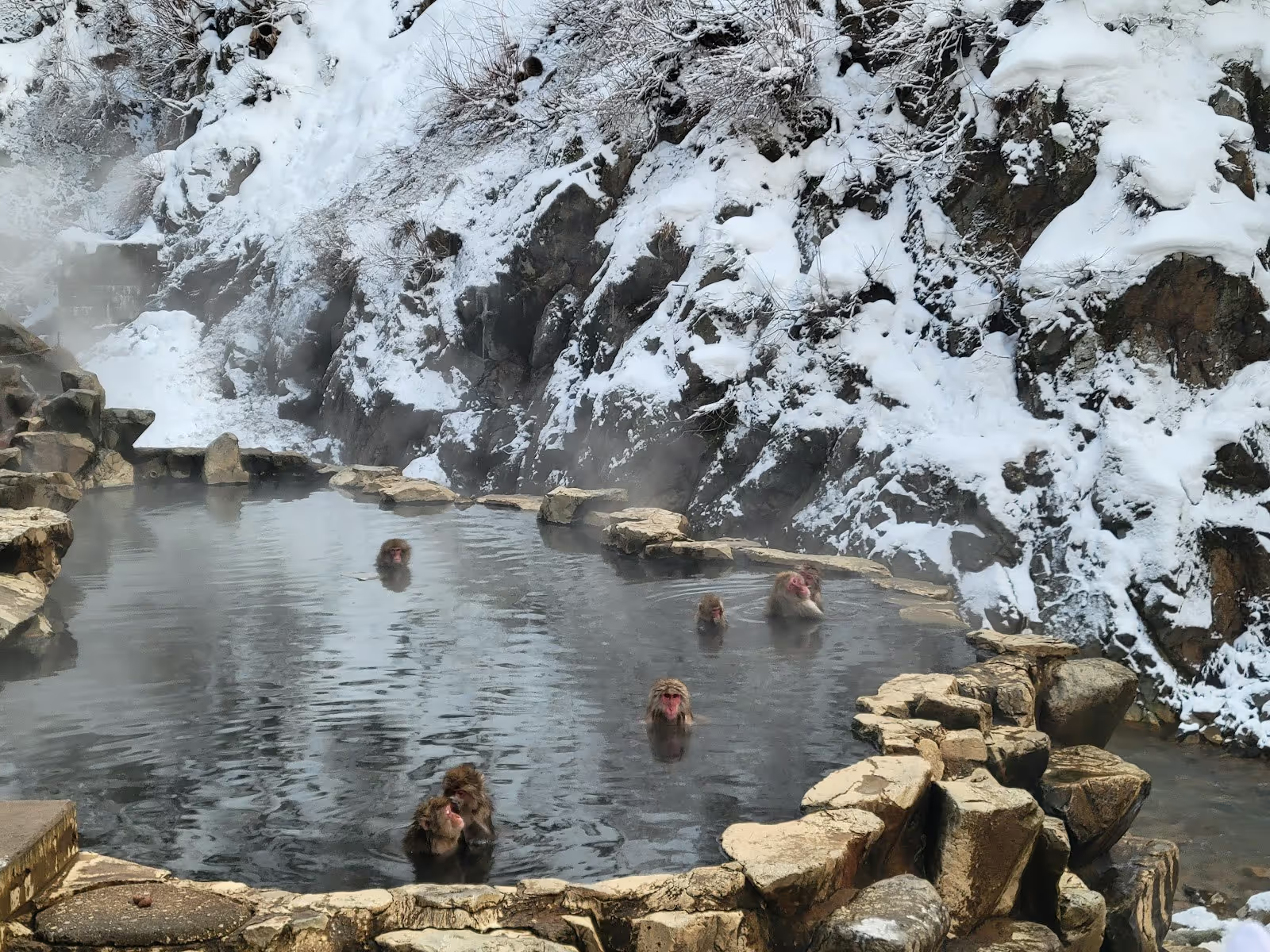
Jigokudani Monkey Park, Japan is a wildlife observation park in the Yokoyu River valley in Yamanouchi, Nagano Prefecture, established in 1964 within Joshinetsu-Kogen National Park at 850 metres elevation. The park is the only place in the world where wild Japanese macaques, commonly called snow monkeys, are observed bathing in a geothermal hot spring. The monkeys use a purpose-built pool fed by the valley's natural hot springs to keep warm in winter. The park is not an onsen facility for human bathing; visitors observe the monkeys from the surrounding area without entering the water.
The name Jigokudani means Hell's Valley, a designation for Japanese valleys with visible volcanic activity such as ground steam and hot springs. The park was founded to protect a local troop of macaques threatened by development; generations raised near humans mean the monkeys largely ignore visitors. Monkeys bathe most reliably in winter from November through March when the snow is on the ground; they visit the pool throughout the year but the iconic snow-surrounded scenes occur only in winter. A small information centre at the entrance explains the social structure and ecology of the troop.
Location & Access
Getting to Jigokudani Monkey Park
Jigokudani Monkey Park is in Kanbayashi Onsen, Yamanouchi, Shimotakai District, Nagano Prefecture. The standard approach from Nagano Station uses the Nagano Dentetsu railway to Yudanaka Station (approximately 45 minutes) followed by a local bus to the Kanbayashi Onsen stop or Snow Monkey Park stop (10 minutes, approximately 390 yen). From the bus stop, a 30 to 40-minute walk through forest trail leads to the park. Buses run one to two times per hour. Alternatively, the Nagaden Express Bus from Nagano Station runs approximately hourly in winter and drops passengers near the trail entrance; the journey takes around 40 minutes.
From Tokyo, take the Hokuriku Shinkansen to Nagano Station (approximately 80 minutes, covered by JR Pass), then follow the Nagano route above. A Snow Monkey Pass sold by Nagano Dentetsu bundles the train, bus, and park entry into a single ticket and is available at Nagano Station; it is not available in October and November. Admission without the pass is 800 yen for adults and 400 yen for children, purchased at the park entrance on the day. No advance ticket reservation is available. Green season hours (April to October): 8:30 to 17:00; winter hours (November to March): 9:00 to 16:00. The park is open year-round. No paved roads exist inside or outside the park; wheelchairs and carts cannot enter.
Suitability & Accessibility
Who Jigokudani Monkey Park Suits
Jigokudani Monkey Park suits visitors who want a rare wildlife encounter with wild Japanese macaques in their natural mountain habitat. The park is particularly well-suited to winter visitors from roughly December through February, when reliable snowfall creates the iconic scenes of monkeys soaking in steaming water surrounded by snow. It is also worthwhile in other seasons: in late April to early June newborn macaques appear, and in summer the young monkeys are active and playful around the pool area.
Families with older children who can manage the forest trail are welcome; the 30 to 40-minute walk is unpaved and can be muddy or icy depending on conditions. The monkeys are accustomed to human presence and approach closely, providing a memorable close-up observation experience. The park is less suitable for visitors with limited mobility, as no wheelchair access exists anywhere on the trail or within the park grounds. Crampons and winter boots are strongly recommended in winter.
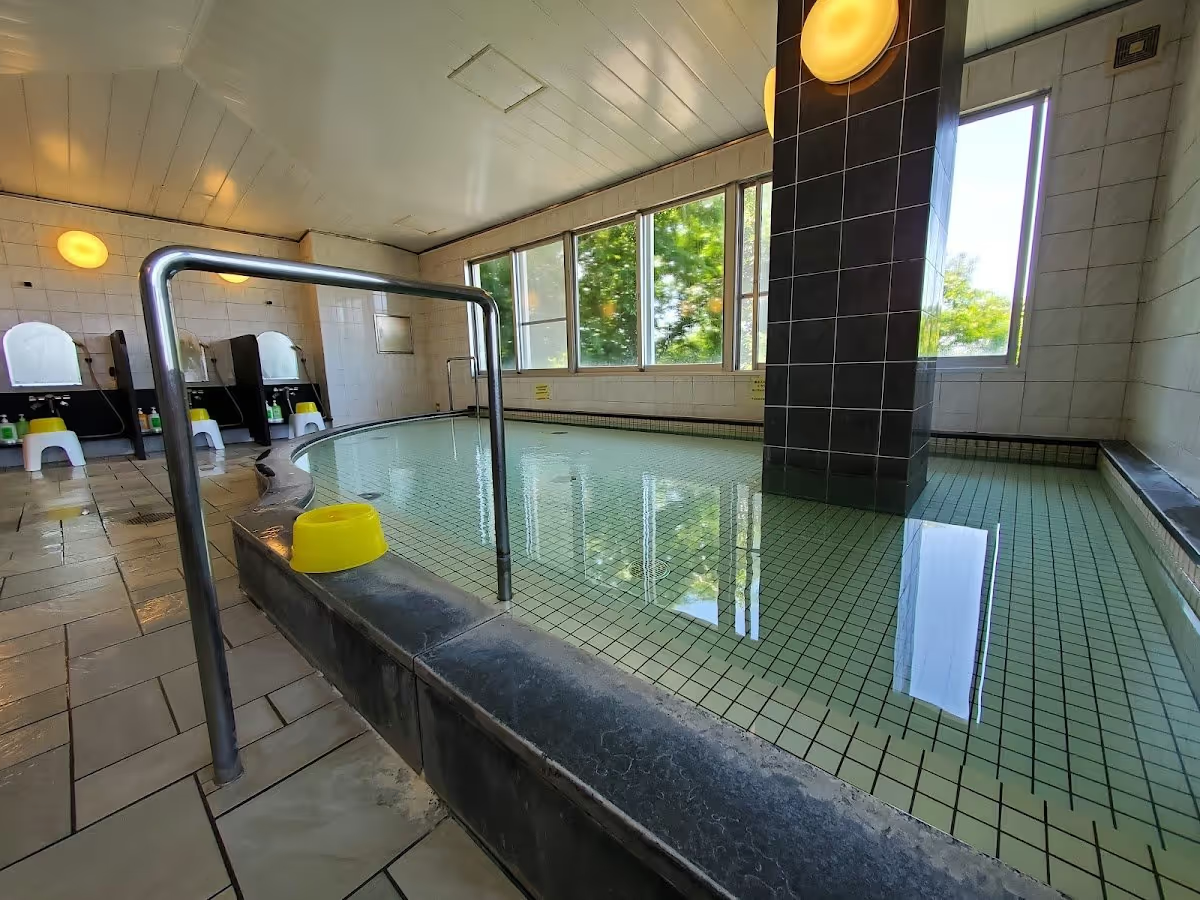
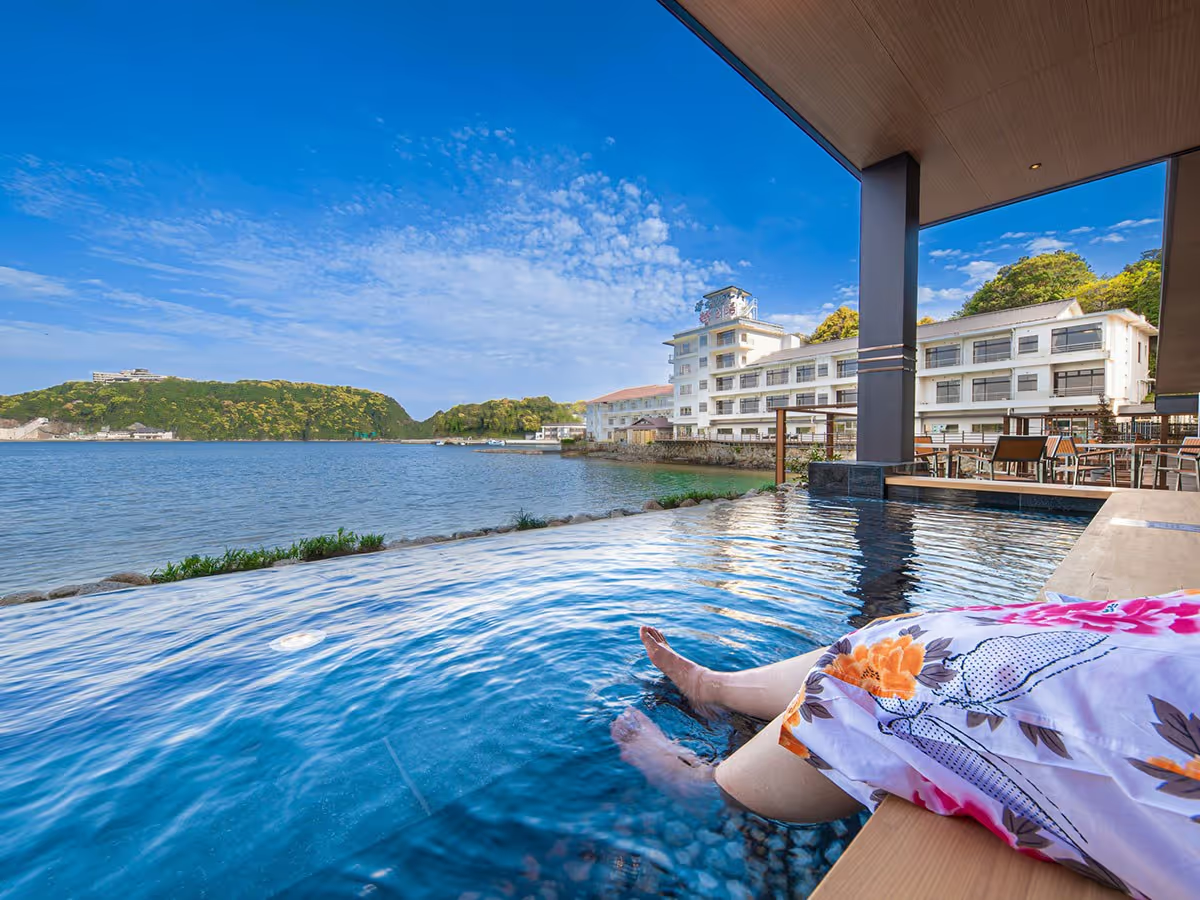
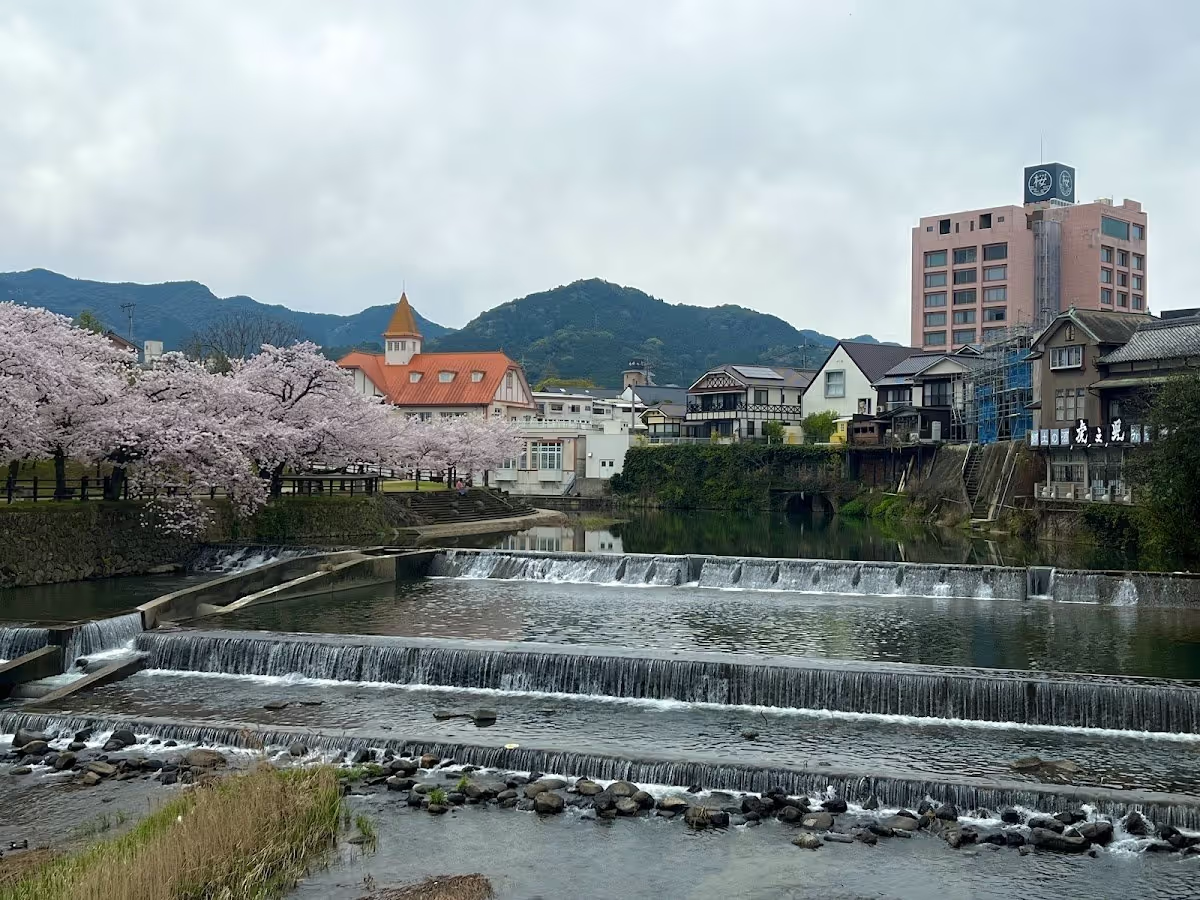
The park is a wildlife observation site, not an onsen resort; there are no bath facilities for humans, no bathing equipment needed, and no hot spring admission for visitors. The main experience is walking to the pool, observing the monkeys, and walking back. Nearby Shibu Onsen and Yudanaka Onsen, a short bus ride away, offer human hot spring bathing for those who want to combine both experiences in the same day trip.
Safety & Etiquette
Jigokudani Monkey Park Safety Tips
Jigokudani Monkey Park is generally safe for visitors who follow the park's wildlife rules and prepare appropriately for the mountain terrain and weather. The main safety considerations are the behaviour of wild monkeys, the condition of the forest trail, and the cold at 850 metres elevation.
The macaques are wild animals. They are accustomed to humans but must not be touched, fed, or approached closer than one to two metres. Do not make eye contact with dominant males, crouch near mothers with infants, or reach toward any monkey. Monkeys that feel threatened can scratch or bite. Keep bags and food items out of sight and out of reach at all times. The park prohibits all pets, including guide dogs, because dogs are a natural threat to macaques and cause serious distress to the troop. Under no circumstances should visitors attempt to enter the monkey pool or any other hot spring on the grounds.
The forest trail is unpaved and unlit. In winter it becomes icy and compacted with snow; anti-slip devices such as crampons are essential and waterproof winter boots are strongly recommended. Proper layered, waterproof outerwear is needed as the visit is spent entirely outdoors in an exposed valley. The trail from the Kanbayashi bus stop takes longer than the trail from the car park; allow adequate time before the park's closing hour, which is 16:00 in winter. In severe weather the park may close; check the official website at en.jigokudani-yaenkoen.co.jp before visiting as mountain conditions can change quickly.