
Quick FactsOverview
About Yunokawa Onsen
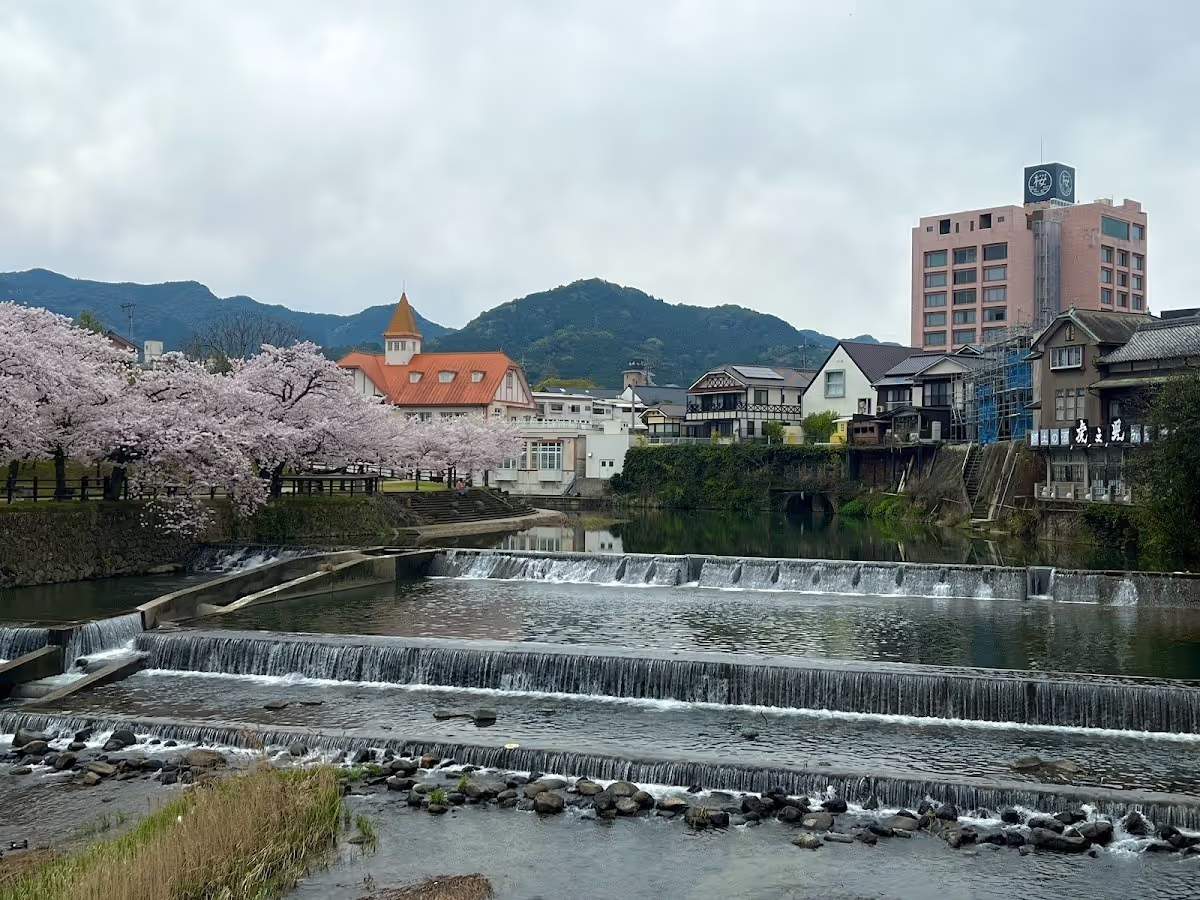
Yunokawa Onsen, Japan is one of Hokkaido's three major hot spring resorts, situated in the eastern part of Hakodate City, Hokkaido, on the coast of the Tsugaru Strait. It is the closest hot spring town to an airport in Japan, approximately five minutes by car from Hakodate Airport. The hot spring history dates to 1653, when Takahiro, the ninth lord of the Matsumae clan, was said to have been cured of a serious illness at the spring. The area formally developed into a resort from 1885 when exploratory drilling established the first modern facilities.
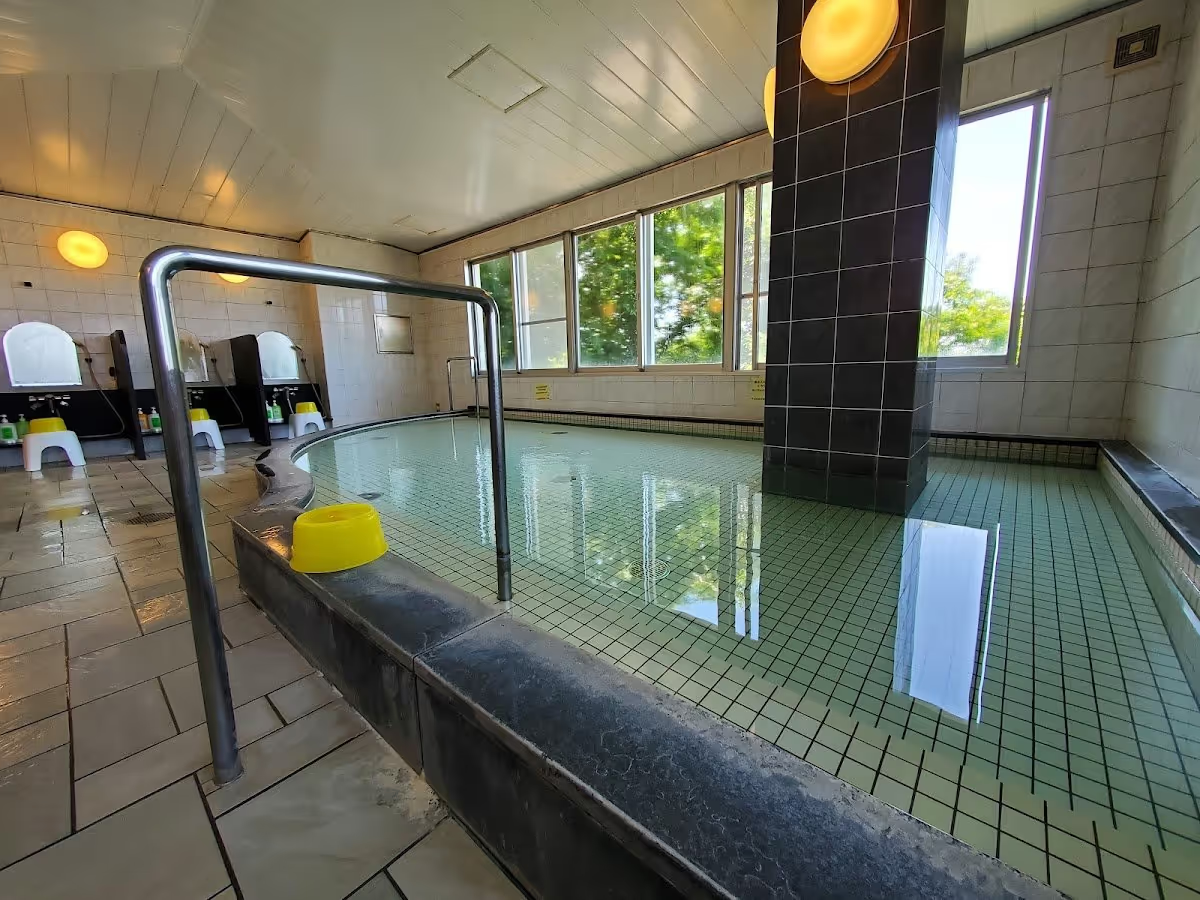
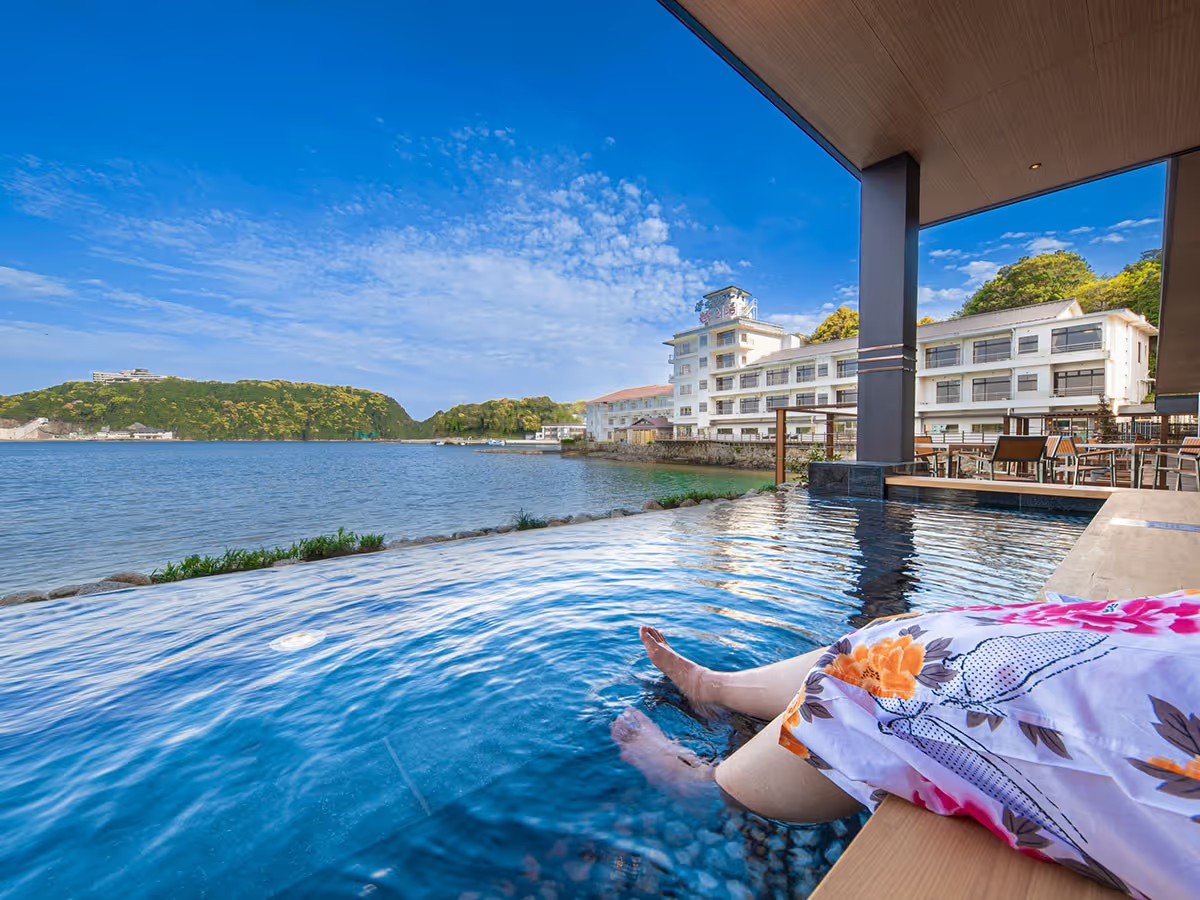
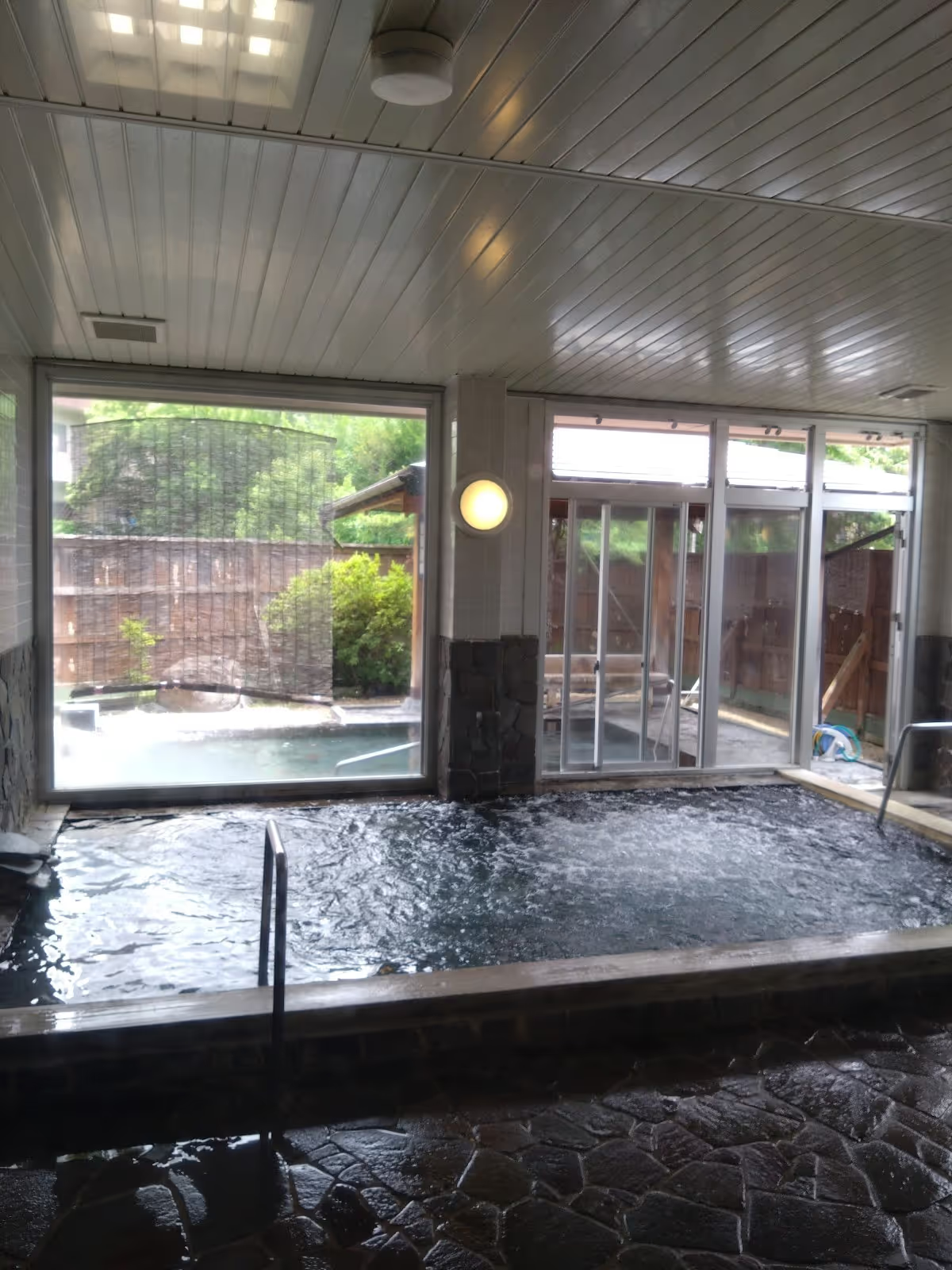
The spring water is a sodium-calcium chloride type: colorless, odorless, and smooth, with warming and moisturising properties. It is noted for rheumatism, stiff shoulders, bruising, and gastroenteritis. Twenty-two onsen hotels and ryokan are concentrated in the Yunokawa area, many offering open-air baths with views across the Tsugaru Strait toward the Tsugaru Peninsula of Aomori Prefecture. From June through December, the lights of squid fishing boats illuminate the sea at night, creating a scene unique to Hakodate. A free public foot bath called Yumeguri Butai is located at the Yunokawa Onsen tram stop, open daily 09:00 to 21:00 and roofed for use in all weather. Six of the twenty-two hotels offer day-use bathing for non-overnight visitors at fees ranging from 400 to 1,000 yen.
Location & Access
Getting to Yunokawa Onsen
Yunokawa Onsen is in Yukawacho, Hakodate City, Hokkaido, in eastern Hakodate approximately five minutes by car from Hakodate Airport and 30 minutes by tram from JR Hakodate Station. From Hakodate Airport, the town is directly accessible by bus or taxi. By public transport from JR Hakodate Station, take the Hakodate City tram to the Yunokawa Onsen stop; the journey takes approximately 30 minutes. Hakodate City bus routes 6 and 96 also connect Hakodate Station to the Yunokawa 1-chome bus stop at the edge of the onsen area.
From Shin-Hakodate-Hokuto Station (the Hokkaido Shinkansen terminus), take the Hokkaido Kanko Bus to Yunokawa Onsen, approximately one hour and seven minutes. From Hakodate Airport, the journey by car is approximately five minutes, or by bus approximately 10 to 15 minutes. The free Yumeguri Butai foot bath is at the Yunokawa Onsen tram stop and is open daily from 09:00 to 21:00; towels are not provided, bring your own. Day-use bathing is available at six of the 22 hotels for 400 to 1,000 yen; check with individual properties for current hours. Overnight stays at most hotels include access to large communal and outdoor baths overlooking the sea and full meals using Hokkaido seafood.
Suitability & Accessibility
Who Yunokawa Onsen Suits
Yunokawa Onsen suits visitors staying in or passing through Hakodate who want the convenience of a full hot spring resort experience close to the city's main sightseeing attractions. The combination of easy airport access, coastal sea views from outdoor baths, and proximity to Hakodate's historic sites make it a practical base for exploring southern Hokkaido. It is less of a walking-tour destination than Yufuin or Beppu; the town is compact but not particularly pedestrian-oriented, and most of its appeal centres on the hotels and their individual bath facilities.
Visitors who prioritise sea views should look for hotels with rotenburo overlooking the Tsugaru Strait; several offer rooftop infinity baths and rooms with private ocean-view baths. The sodium-calcium chloride spring is gentle and suitable for all ages, including families and those with sensitive skin. The free Yumeguri Butai foot bath at the tram stop is an accessible starting point for visitors who want to try the water without committing to a full hotel stay.
A notable seasonal attraction is the Japanese macaque hot spring at the Hakodate Tropical Botanical Garden, where macaques bathe in their own heated pool during winter months (December to May). This is a popular family attraction. Winter is one of the better times to visit Yunokawa, when the sea views combined with the warmth of the baths make for a particularly memorable experience. Wheelchair accessibility varies by hotel; several properties have barrier-free rooms and accessible bathing areas, so contact individual hotels directly.
Safety & Etiquette
Yunokawa Onsen Safety Tips
Yunokawa Onsen is generally safe as a well-managed hot spring resort town with staffed hotels and facilities. The main safety considerations relate to the hot spring baths themselves and to the winter coastal conditions.
The sodium-calcium chloride spring water is mild and has low chemical activity; it is well-tolerated by most bathers and does not require special precautions beyond standard onsen etiquette. Rinse thoroughly before entering any bath and shower afterward. Limit soaking to 10 to 15 minutes per session, rest and hydrate between soaks, and avoid alcohol in combination with long soaking sessions. People with heart conditions, hypertension, or open wounds should consult a doctor before bathing. The spring is noted for warming properties that persist after exiting; avoid going from a very hot bath to cold outdoor air too quickly.
In winter, Hakodate experiences cold temperatures and snowfall; outdoor bath areas and paths between hotel buildings can be icy. Take care when exiting outdoor baths into cold air and dress warmly immediately. The coastal location means wind can intensify cold temperatures at outdoor baths facing the sea. The free foot bath at the tram stop is open year-round including in winter; the roofed structure provides shelter from snow. The Hakodate Tropical Botanical Garden macaque viewing area is open December to May; children should be supervised and the designated viewing areas should be respected. Bring your own towel to the foot bath; none is provided.