
Quick FactsOverview
About Unzen Onsen
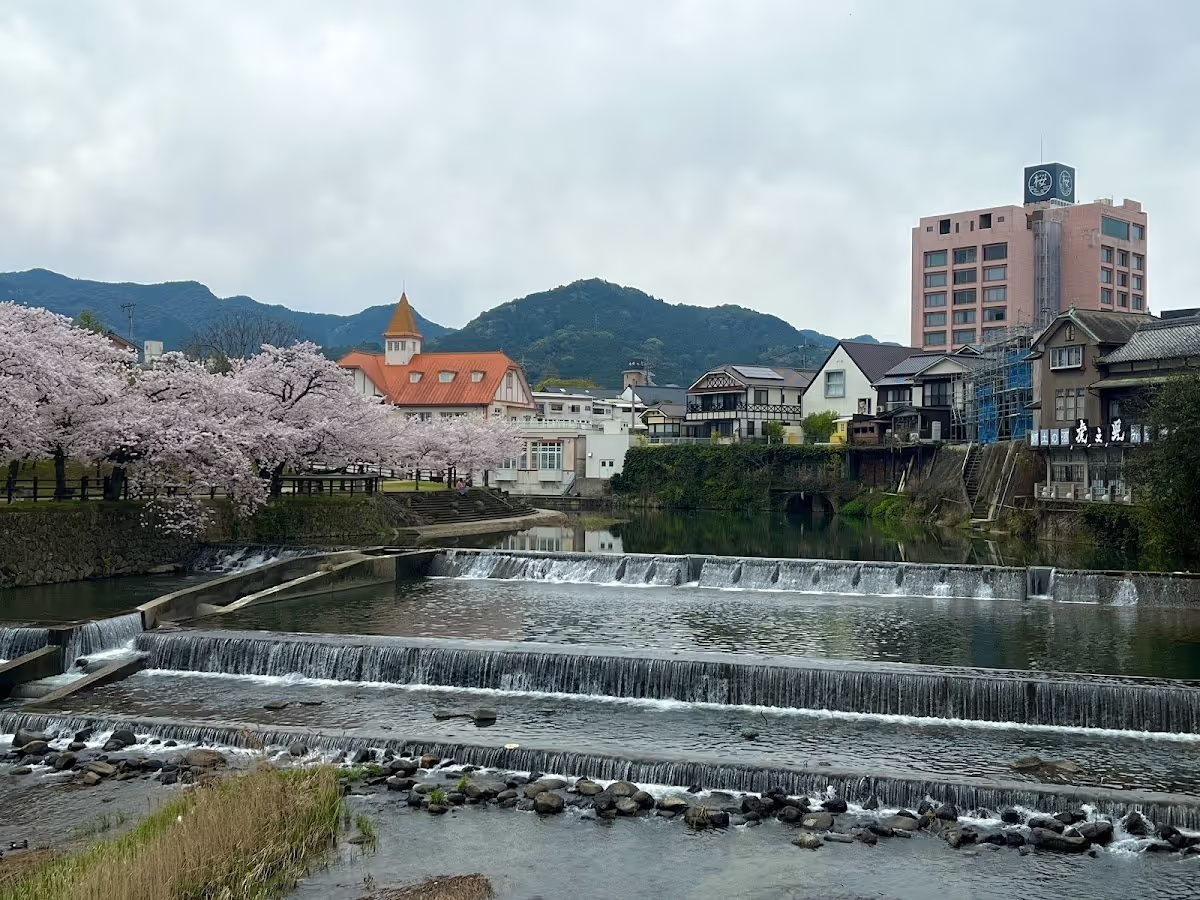
Unzen Onsen, Japan is a hot spring resort town at approximately 700 metres elevation on the Shimabara Peninsula, Nagasaki Prefecture, within Unzen-Amakusa National Park. Japan's first national park was designated in 1934, and Unzen's volcanic and thermal features were a key reason for the designation. The town developed from a Buddhist temple complex and became one of Japan's first international tourist resorts in the Meiji and Taisho eras, when Western visitors established it as a summer retreat. A hint of Western architectural influence remains today.
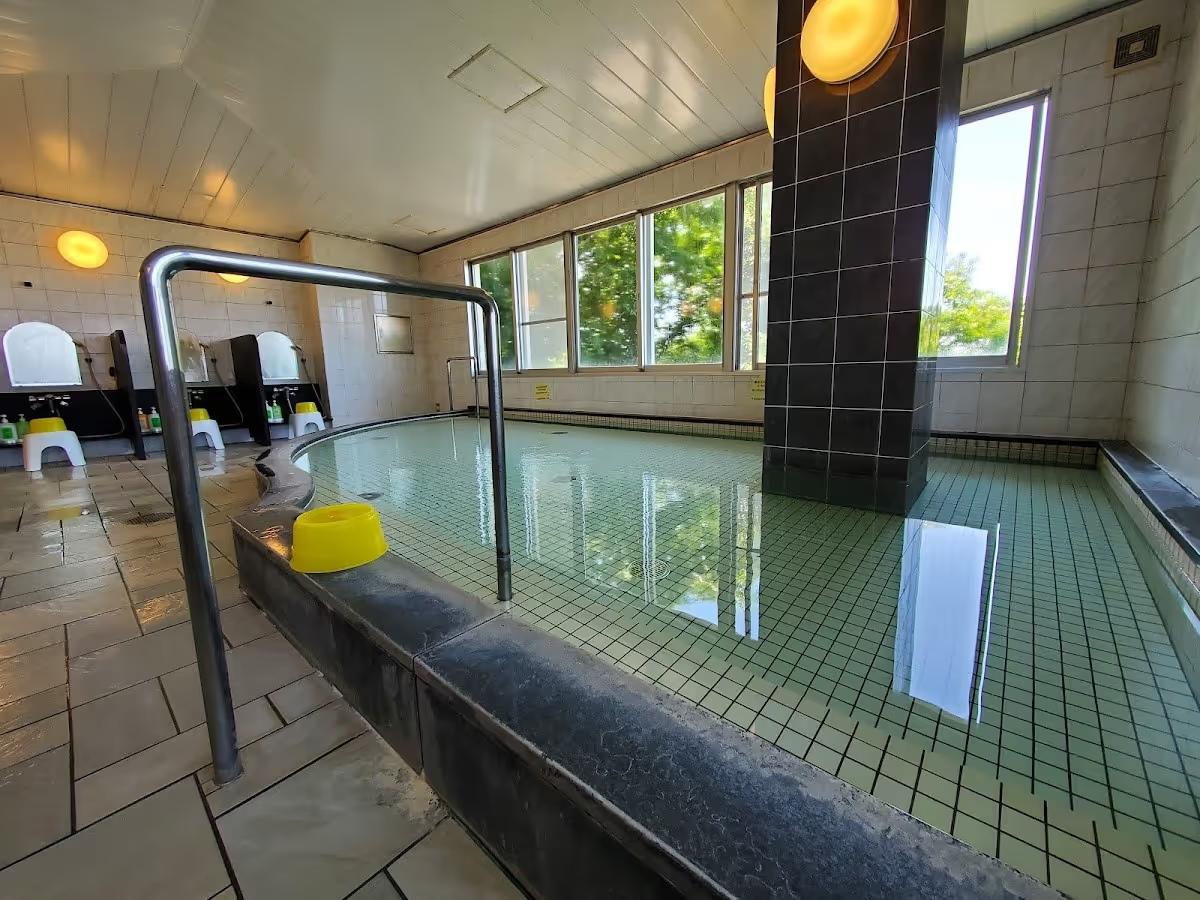
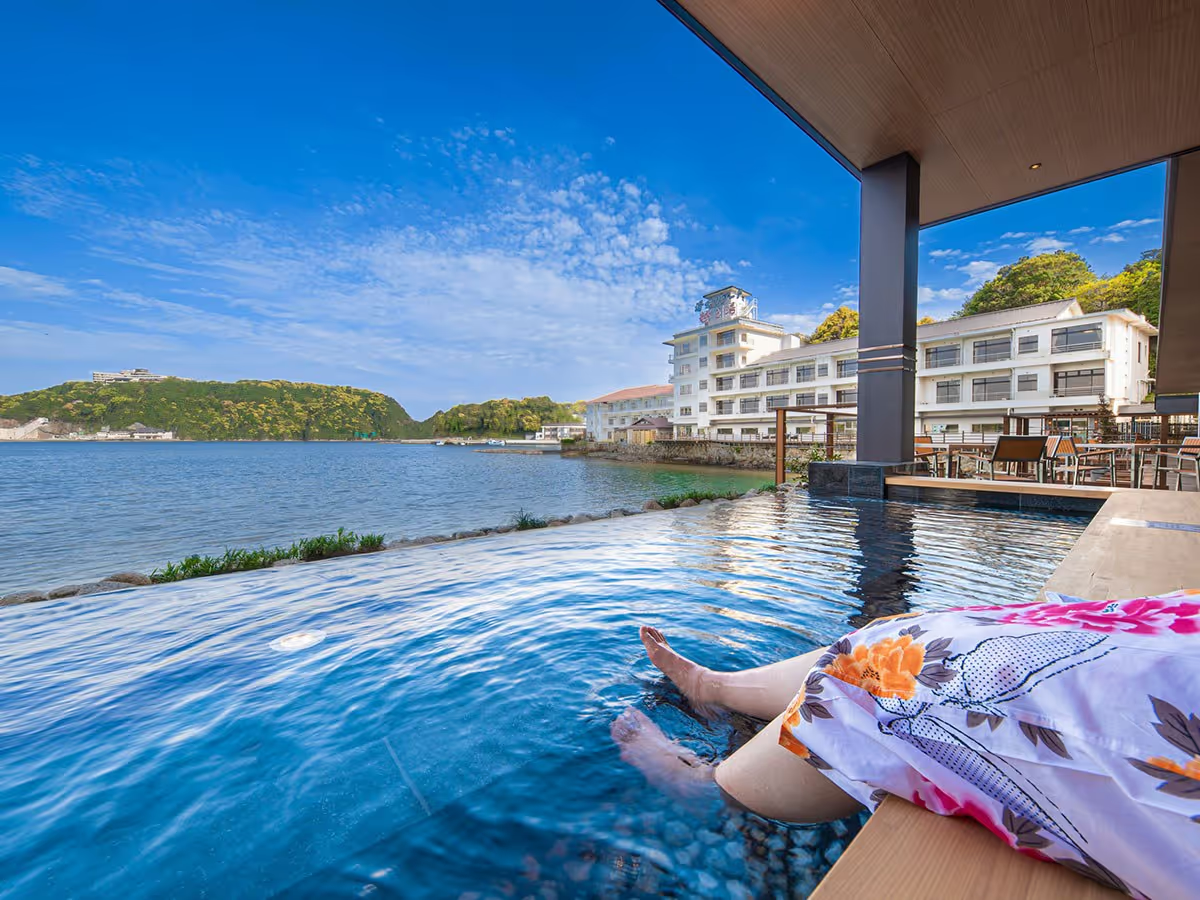
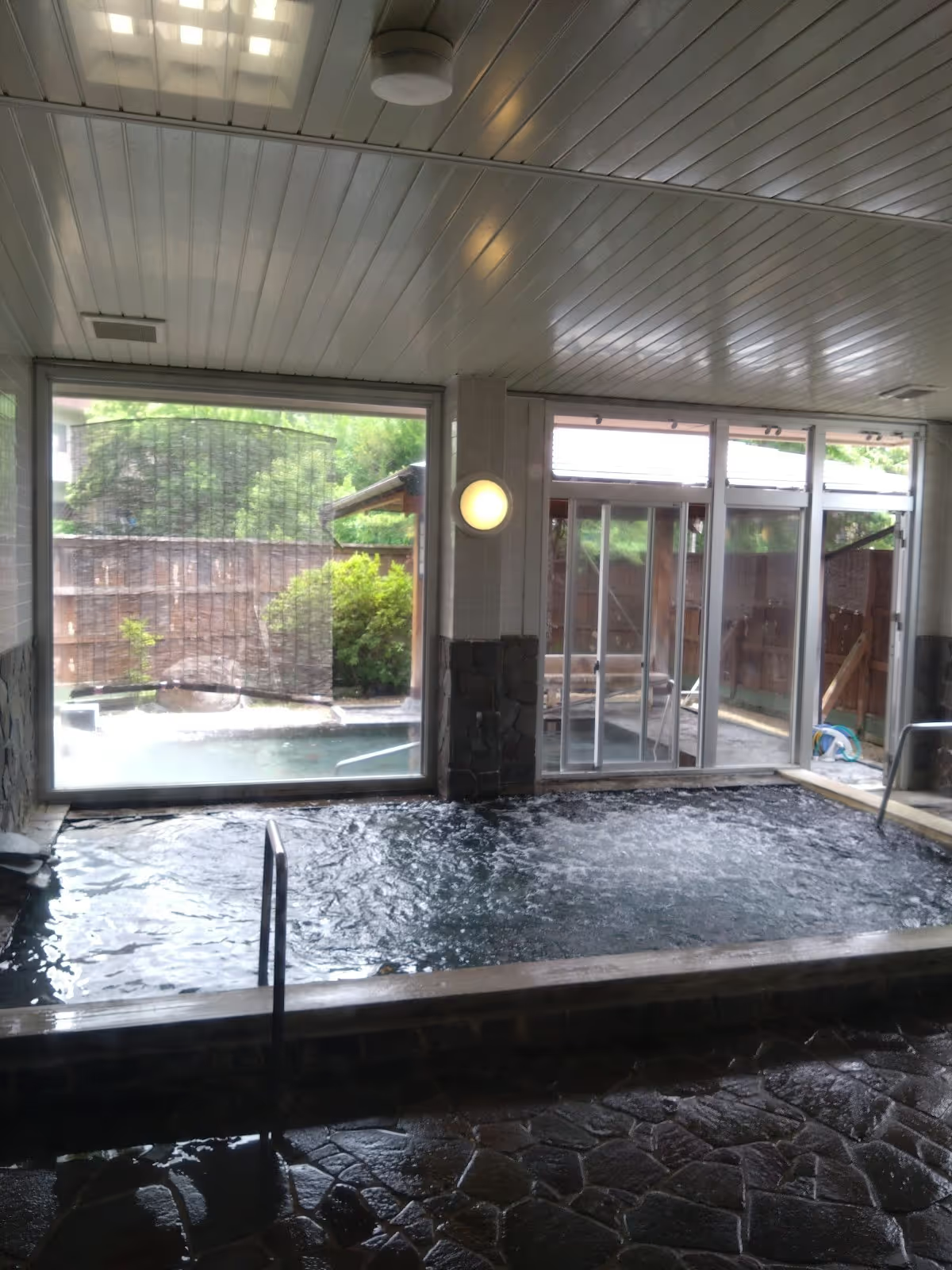
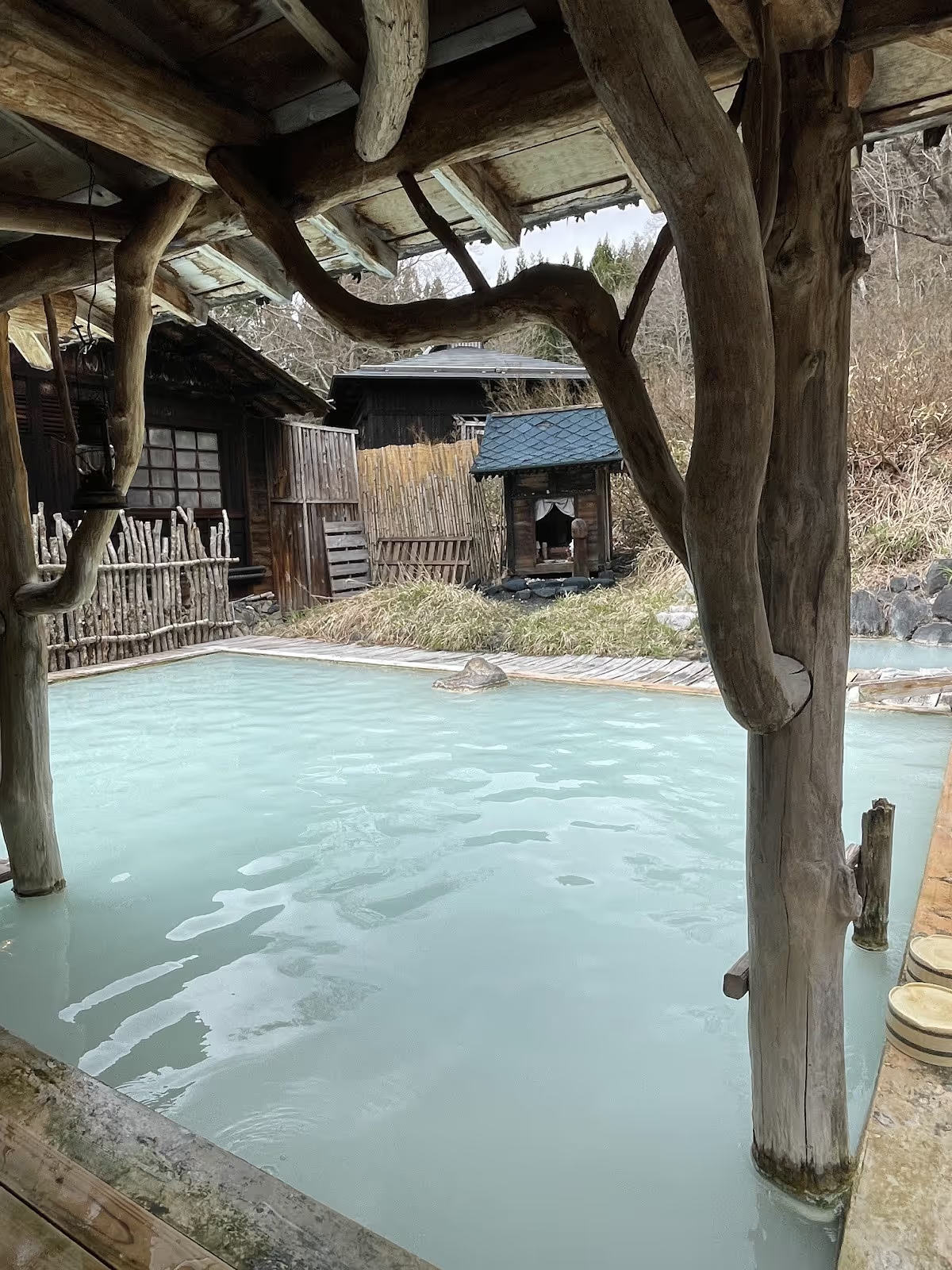
The defining feature is the Jigoku, or hell fields: more than 30 volcanic steam vents, boiling pools, and sulfuric fumaroles scattered across rocky areas surrounding the town. Walking paths through both active and dormant hell fields are free and well-maintained, with observation points and a community cooking area for onsen tamago eggs. The hot spring water drawn from the Jigoku into the town's ryokan baths is a strongly acidic sulfuric spring noted for skin-beautifying and antibacterial properties. A free foot bath is available in the Jigoku area. Each hotel and ryokan draws from its own source and offers day-use bathing at varying hours and fees.
Location & Access
Getting to Unzen Onsen
Unzen Onsen is on the Shimabara Peninsula and is not accessible by train; the nearest major rail connection is Isahaya Station on the JR Nagasaki Main Line. From Isahaya Station, take the Shimatetsu Bus to Unzen, approximately 90 minutes. From Nagasaki Station, buses take approximately 100 minutes and are less frequent; confirm timetables in advance. From Nagasaki Airport, the bus to Isahaya takes approximately 35 minutes, then transfer to the Unzen bus. From Fukuoka (Hakata or Tenjin), take the Shimabara-go highway bus to Isahaya (approximately two hours), then transfer to the Unzen bus. By car from Nagasaki City, the drive takes approximately one hour and 20 minutes.
An alternative access route from Kumamoto uses the car ferry from Kumamoto Port to Shimabara Port (30 minutes by express ferry), then a 30-minute drive or bus to Unzen. The Unzen Jigoku walking paths are free to enter and accessible during daylight hours without reservation. Free foot baths are available in the Jigoku area. Day-use hot spring bathing at individual hotels is available at each property's own hours and fees. The Nita-Toge ropeway on Mt. Unzen offers scenic mountain access and is popular in autumn for foliage and in spring for azaleas. There is no free public bath for day visitors; all bathing facilities are managed by individual ryokan.
Suitability & Accessibility
Who Unzen Onsen Suits
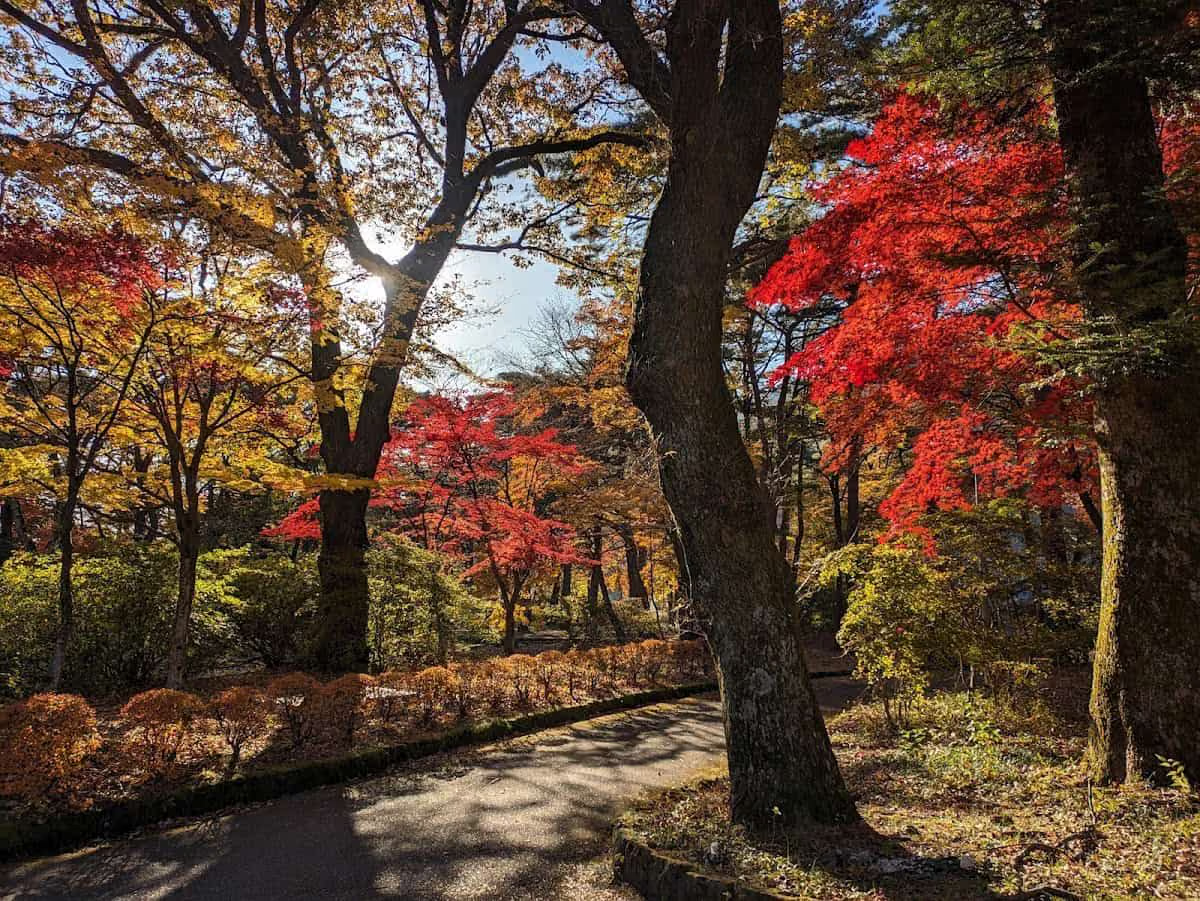
Unzen Onsen suits visitors who want to combine volcanic sightseeing with hot spring bathing in a setting that connects both experiences directly: the same thermal activity that creates the Jigoku hell fields heats the spring water piped into the town's hotel baths. The free Jigoku walking paths make the volcanic landscape accessible to all visitors regardless of whether they use the onsen facilities. The autumn foliage season (late October to mid-November) and the azalea blooms in spring are the most popular times to visit, when the natural scenery is most dramatic.
Unzen has historically been Japan's most internationally accessible hot spring town, developed specifically for foreign visitors from the early 1900s, and it retains a relatively relaxed and visitor-friendly character. Day trips from Nagasaki are practical and popular; the town has restaurants, souvenir shops, and sightseeing beyond the onsen that can fill a full day. The free foot bath in the Jigoku area provides a low-barrier introduction to the hot spring experience for visitors uncertain about full onsen bathing.
Families are well-suited; the Jigoku walks are engaging for children, the free foot bath is accessible to all ages, and the town has a ropeway and the Unzen Visitor Center with displays on the volcanic history. Wheelchair access in the Jigoku walking paths varies; the main paved paths are accessible, but rocky and uneven sections exist. Individual ryokan accessibility varies; contact properties directly.
Safety & Etiquette
Unzen Onsen Safety Tips
Unzen Onsen is generally safe as a well-managed resort town, but the Jigoku volcanic hell fields require specific safety awareness for visitors unfamiliar with active geothermal environments.
The Jigoku boiling pools and fumaroles are extremely hot and their edges are unstable. Stay strictly on the designated wooden boardwalks and paved paths at all times; the ground around steam vents and boiling pools is thermally fragile and can collapse without warning. Do not touch the water or steam from any Jigoku pool. Children must be supervised closely at all times near the hell fields. The sulfurous gas is intense in places; visitors with respiratory conditions should be cautious and leave the area immediately if breathing becomes uncomfortable. Pregnant visitors and those with respiratory conditions should assess the sulfur concentration before extended walks in the active Jigoku area.
The strongly acidic sulfuric spring water in the hotel baths differs from most Japanese onsen water. Rinse skin and hair thoroughly after bathing. People with sensitive skin or active skin conditions may find the acidity irritating. Limit soaking to 10 minutes on a first visit. People with heart conditions, hypertension, or open wounds should consult a doctor. The free foot bath in the Jigoku area uses naturally heated water; test temperature before immersing feet. Bus schedules to and from Unzen are limited; check timetables carefully before planning the journey to avoid being stranded overnight unexpectedly.