Quick FactsOverview
About Arima Onsen
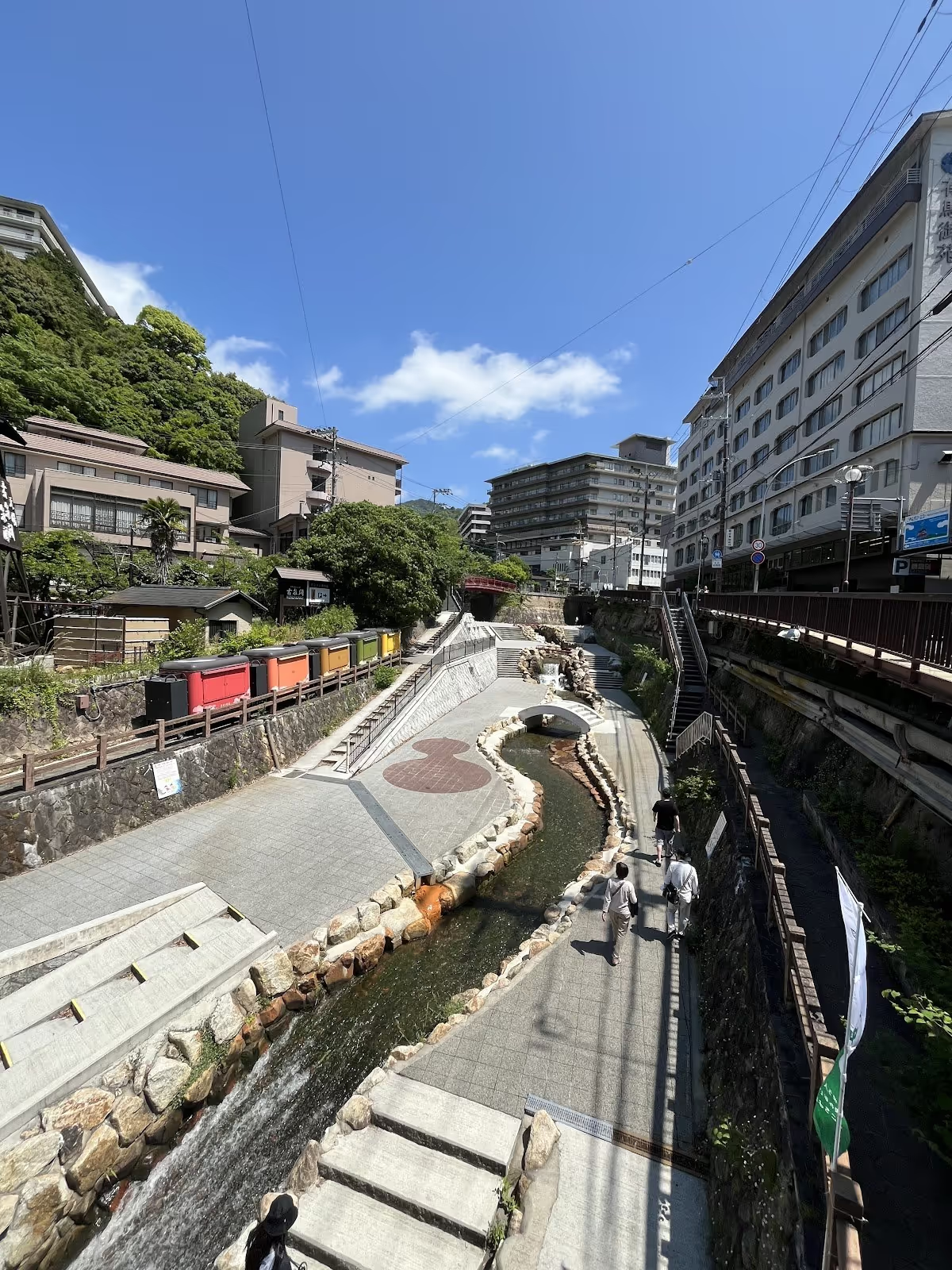
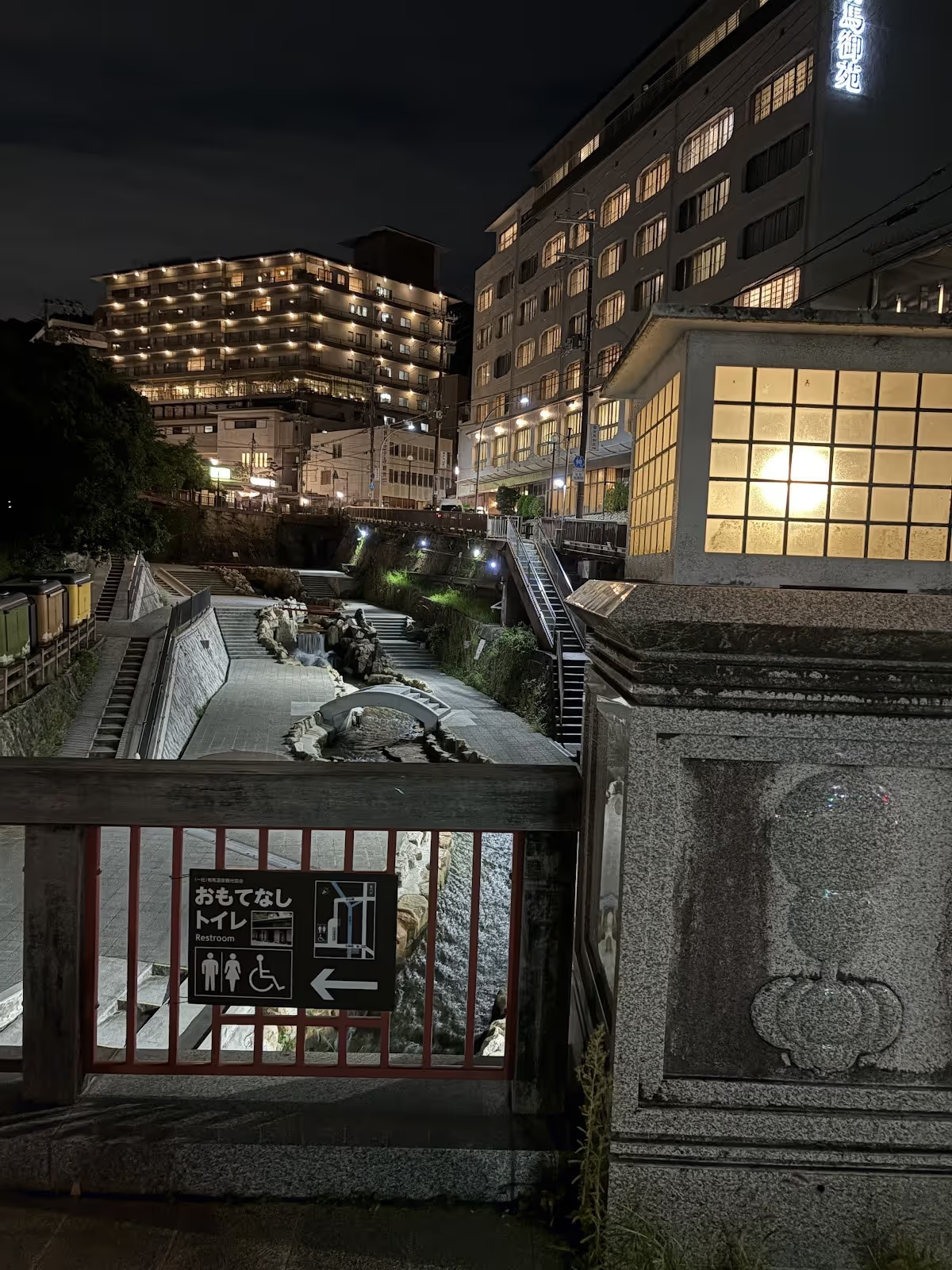
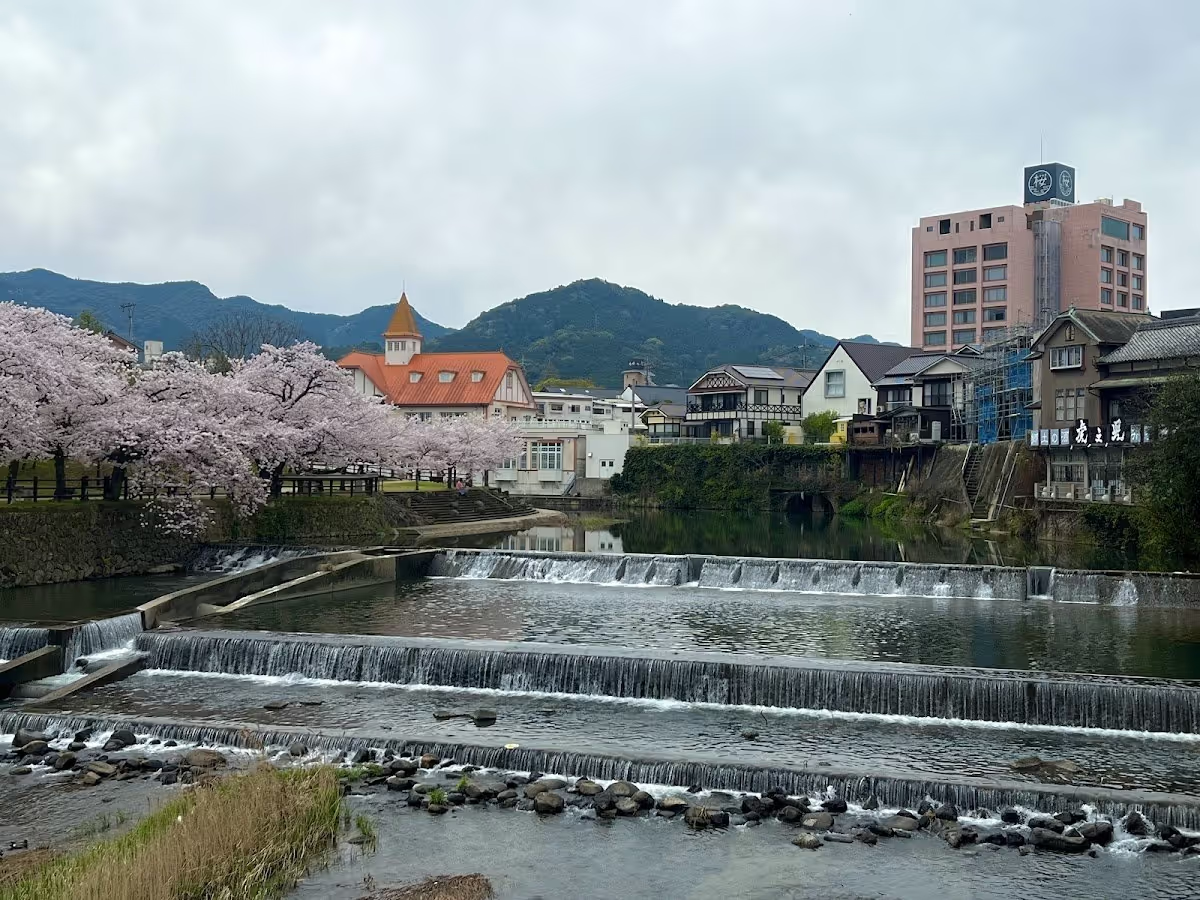
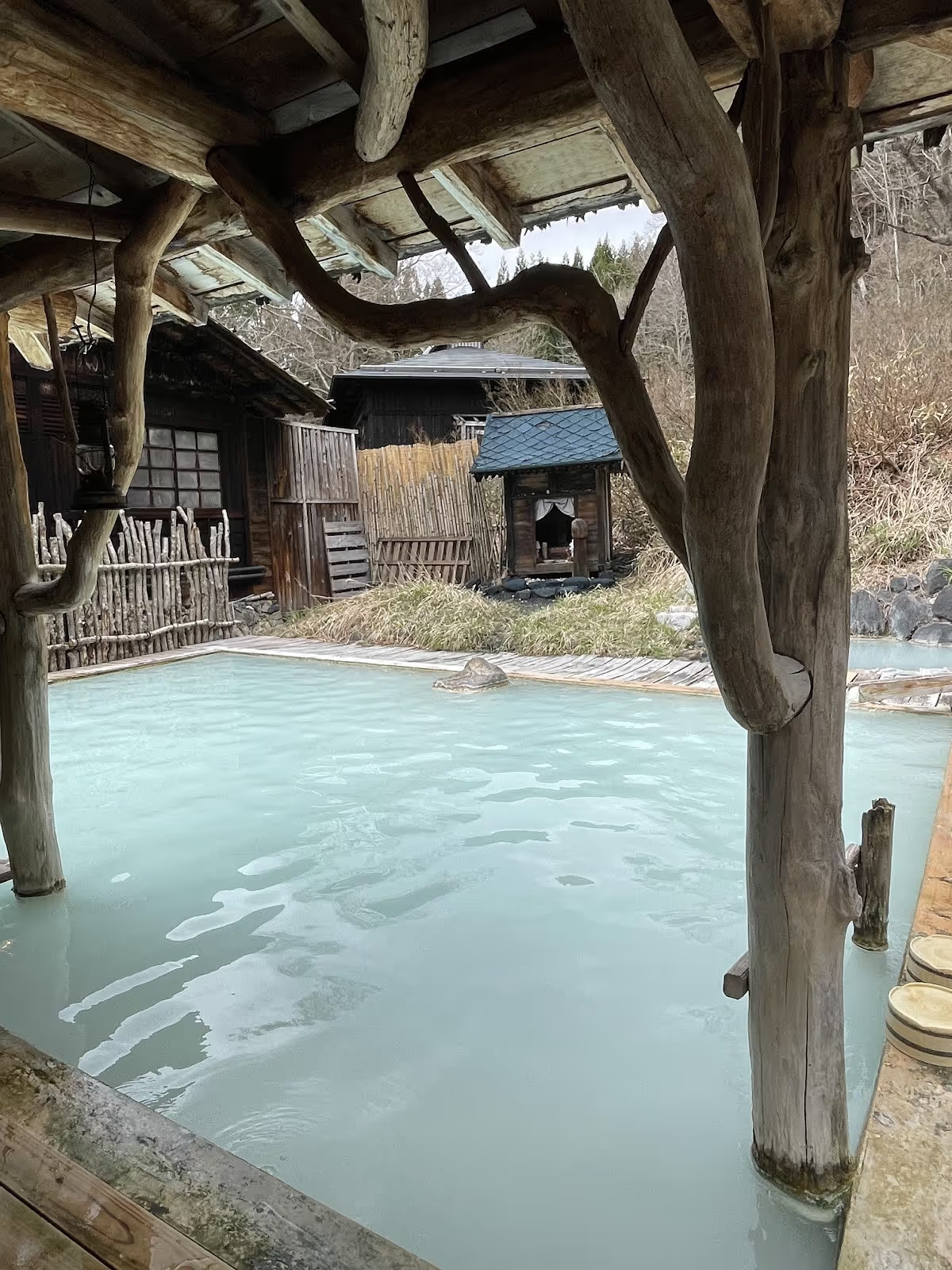
Arima Onsen, Japan is a historic hot spring town in Kita-ku, Kobe, Hyogo Prefecture, recognised as one of Japan's three oldest hot spring resorts alongside Dogo Onsen and Nanki-Shirahama. It is also included in Japan's three most famous hot springs alongside Kusatsu and Gero, making it the only designation to appear on both lists. The town's onsen waters originate from seven spring sources and are divided into two distinct types: Kinsen, the gold spring, rich in iron and salt, which turns a distinctive reddish-brown when exposed to air; and Ginsen, the silver spring, which is clear and contains carbonic acid and traces of radium. The town's history of thermal bathing stretches back over one thousand years and appears in documents from the eighth century.
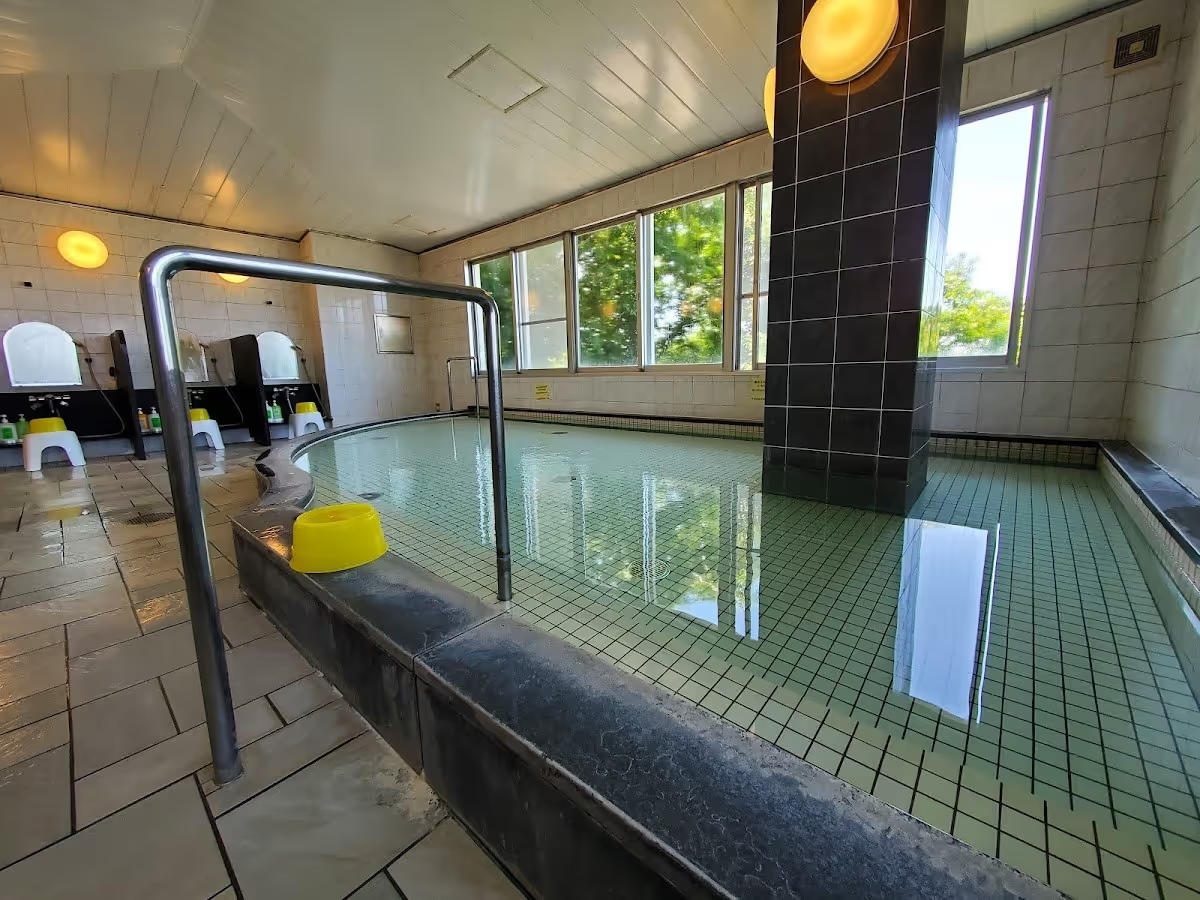
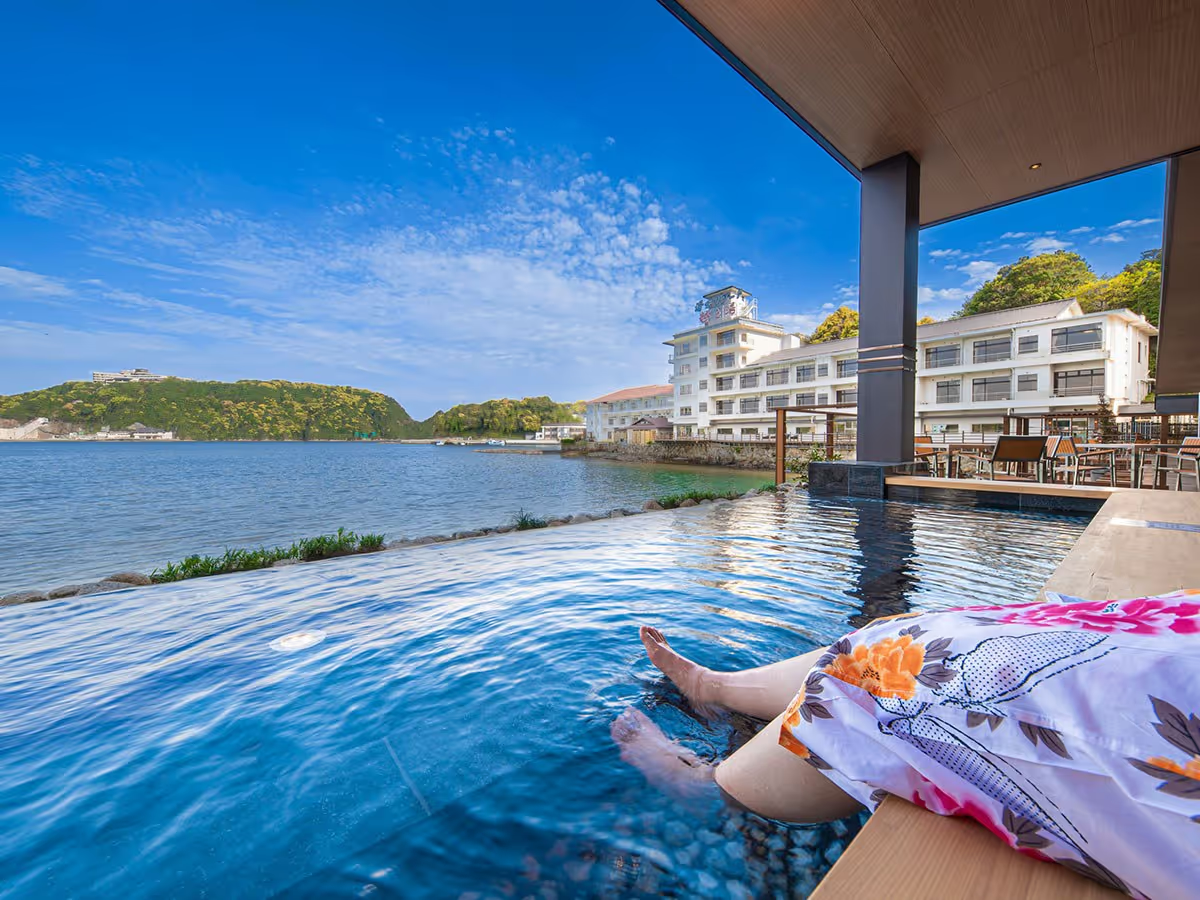
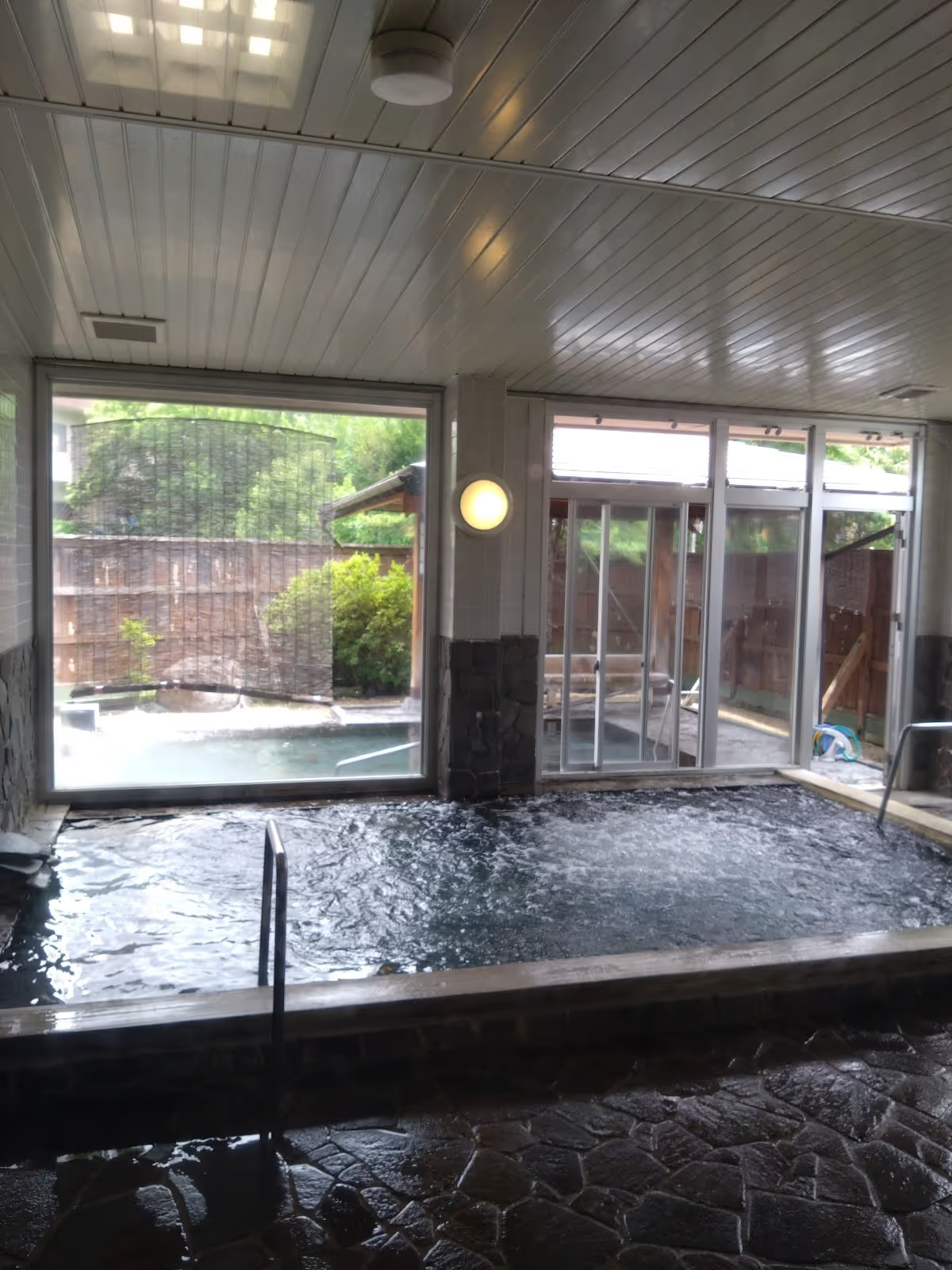
Two public bathhouses make the springs accessible for day visitors. Kin no Yu uses the gold spring and offers two indoor baths at different temperatures. Gin no Yu uses the silver spring. A free outdoor foot bath, Taiko no Ashiyu, and a free hot spring drinking fountain stand outside Kin no Yu. The feudal lord Toyotomi Hideyoshi visited Arima Onsen multiple times in the sixteenth century; his bathhouse and garden are commemorated at the Taiko no Yudonokan site nearby.
Location & Access
Getting to Arima Onsen
Arima Onsen is in Kita-ku, Kobe, on the northern side of Mount Rokko. The standard rail route from Kobe is via the subway from Sannomiya or Shin-Kobe to Tanigami Station, then the Kobe Dentetsu-Arima Line to Arima Onsen Station; the total journey from central Kobe takes around 30 minutes. From Osaka, the recommended route is train to Takarazuka or Sannomiya then a highway bus or the Kobe Dentetsu connection; the journey from Osaka takes approximately 60 minutes. Highway buses run directly from Sannomiya, Osaka, and Takarazuka. From Tokyo, take the Tokaido-Sanyo Shinkansen to Shin-Kobe Station, then a direct highway bus to Arima Onsen; the Shinkansen leg takes around three hours.
The town is compact and walkable from the station. Kin no Yu public bathhouse is open from 09:00 to 21:00 with admission around 700 to 800 yen; it is closed on the first and third Tuesday of each month and on January 1. Gin no Yu is open from 10:00 to 22:00 with admission around 550 yen on weekdays. A combination ticket for both bathhouses is available. Many ryokan also accept day visitors for bathing in their private onsen; times and prices vary and advance contact is recommended. The Taiko no Ashiyu free foot bath at Kin no Yu is open to all visitors during bathhouse hours.
Suitability & Accessibility
Who Arima Onsen Suits
Arima Onsen suits visitors to the Kansai region who want to experience a traditional Japanese onsen town within easy reach of Kobe and Osaka. Its compact layout means the whole area can be explored in a half-day or full day, making it a good day trip from either city or a natural one-night stop. The two spring types give a genuinely different bathing experience: the rusty-brown Kinsen is visually striking and unlike most onsen in Japan, while the clear Ginsen offers a subtler, carbonated soak that is equally distinctive.
Families are welcome; the free foot bath is accessible to all, and younger children can participate in the town's food culture, which features carbonated senbei crackers made with the silver spring water. The public bathhouses require full undressing and no swimwear in the traditional Japanese onsen manner. Several ryokan offer private family bath rooms for those who prefer more privacy.
Wheelchair accessibility is limited in parts of Arima Onsen. The town's narrow historic streets include slopes and steps, and some sections are not step-free. The public bathhouses involve stairs and raised wooden steps typical of traditional facilities. Visitors with mobility requirements should contact individual ryokan or bathhouses directly for current accessibility information.
Safety & Etiquette
Arima Onsen Safety Tips
Arima Onsen is generally safe and well-managed as a major traditional Japanese onsen town with established facilities and clear etiquette guidelines. The main safety considerations are the high water temperature, onsen etiquette requirements, physical contraindications for bathing, and narrow historic streets that can be busy at weekends.
The gold spring (Kinsen) runs at temperatures up to 44 degrees Celsius. Limit soaking sessions to 10 to 15 minutes, exit if you feel dizzy or lightheaded, and cool down before re-entering. The silver spring (Ginsen) is slightly cooler. Drink water before and after bathing. People with heart conditions, hypertension, or open wounds should not use hot spring baths or should consult a doctor first. Wash thoroughly at the shower stations before entering any bath; do not enter unwashed. No swimwear is permitted in the traditional bathhouses; the baths are gender-separated. Towels must not be submerged in the water.
Tattooed visitors should be aware that most traditional onsen facilities in Japan, including the public bathhouses at Arima Onsen, prohibit bathing with visible tattoos. This policy is widely observed and consistently enforced at public facilities throughout Japan. Some private family bath rooms in ryokan may accommodate tattooed guests; confirm in advance with the specific facility before visiting. The town's streets are narrow and can be crowded on weekends and during holidays; arriving early in the morning or on weekdays gives a significantly more relaxed experience. Free lockers are available at both public bathhouses.