Quick FactsOverview
About Higashiyama Onsen, Fukushima
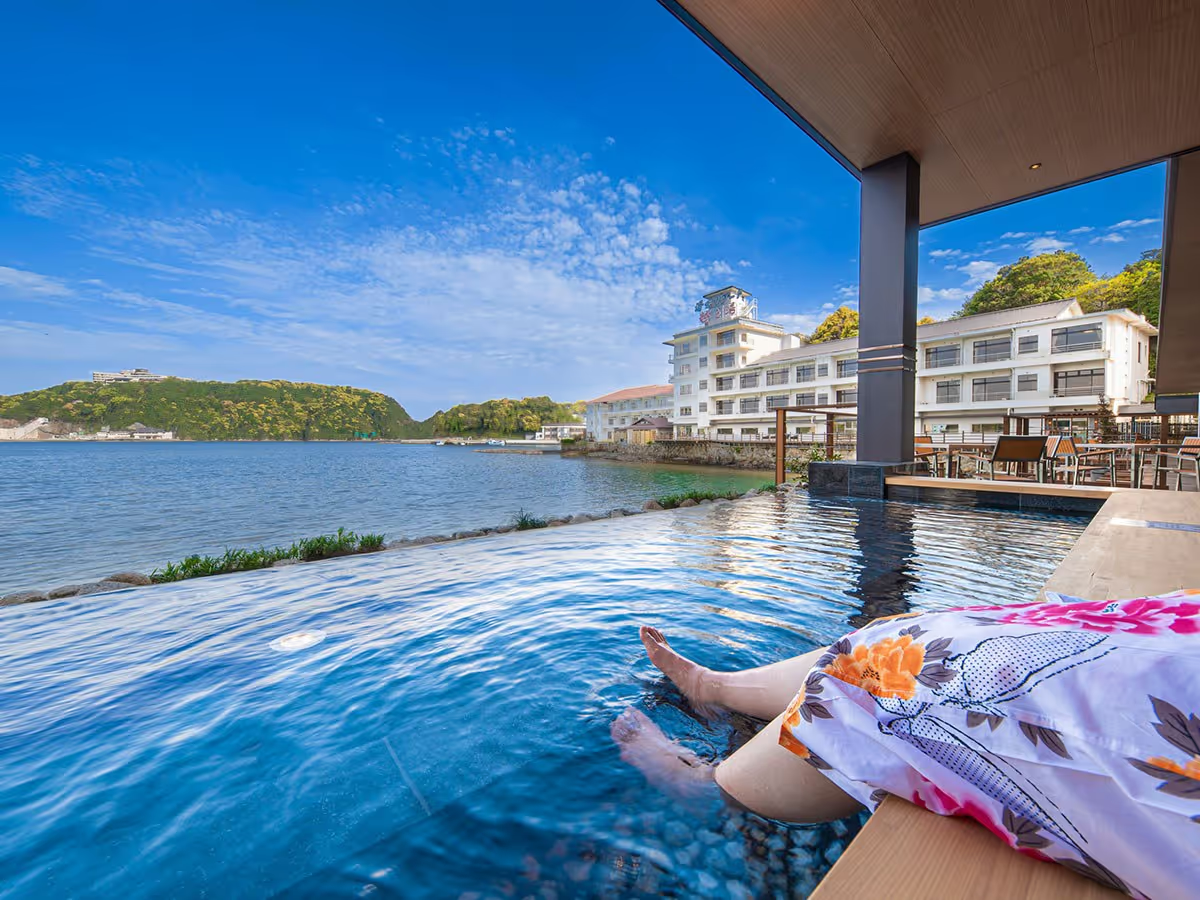
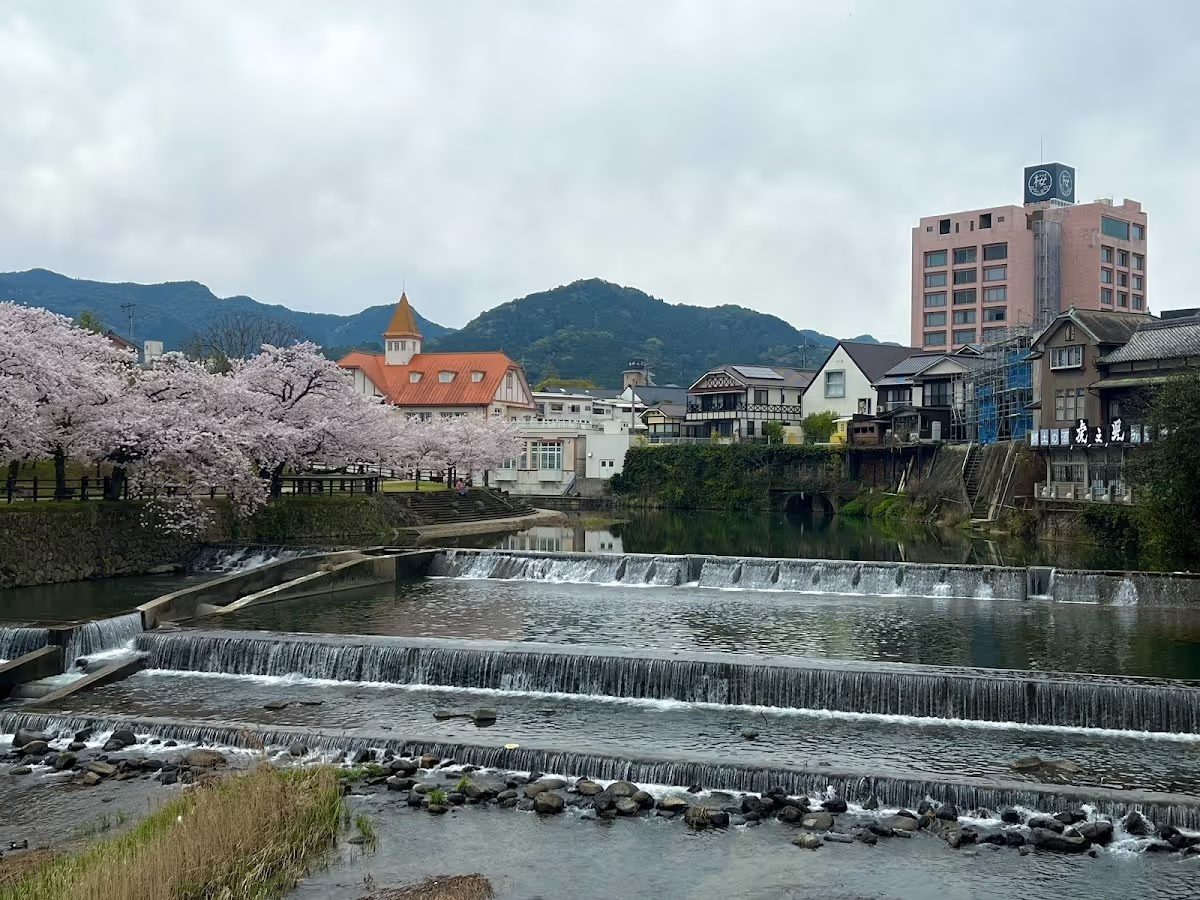
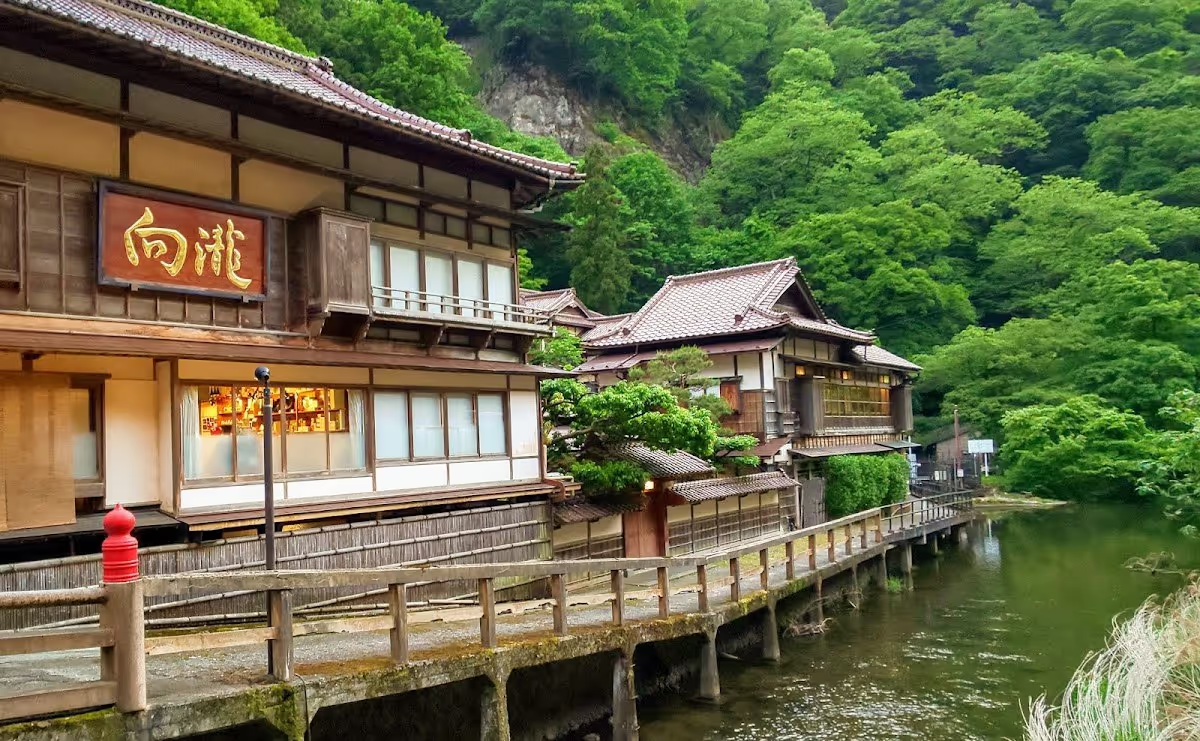
Higashiyama Onsen, Japan is a hot spring resort area located in a narrow gorge valley on the eastern edge of Aizuwakamatsu City in Fukushima Prefecture, approximately three kilometers from the city center of Aizuwakamatsu and the historic Tsurugajo Castle. It sits along the Yuukawa River in a wooded ravine and consists of a line of ryokan arranged on the valley slopes above the river, giving the district a stacked and intimate character that differs from flat coastal or lakeside resort layouts. The town has a documented history as a bathing destination stretching back several centuries and is closely associated with the samurai and castle town culture of the Aizu domain, one of the most historically significant domains of the Tohoku region.
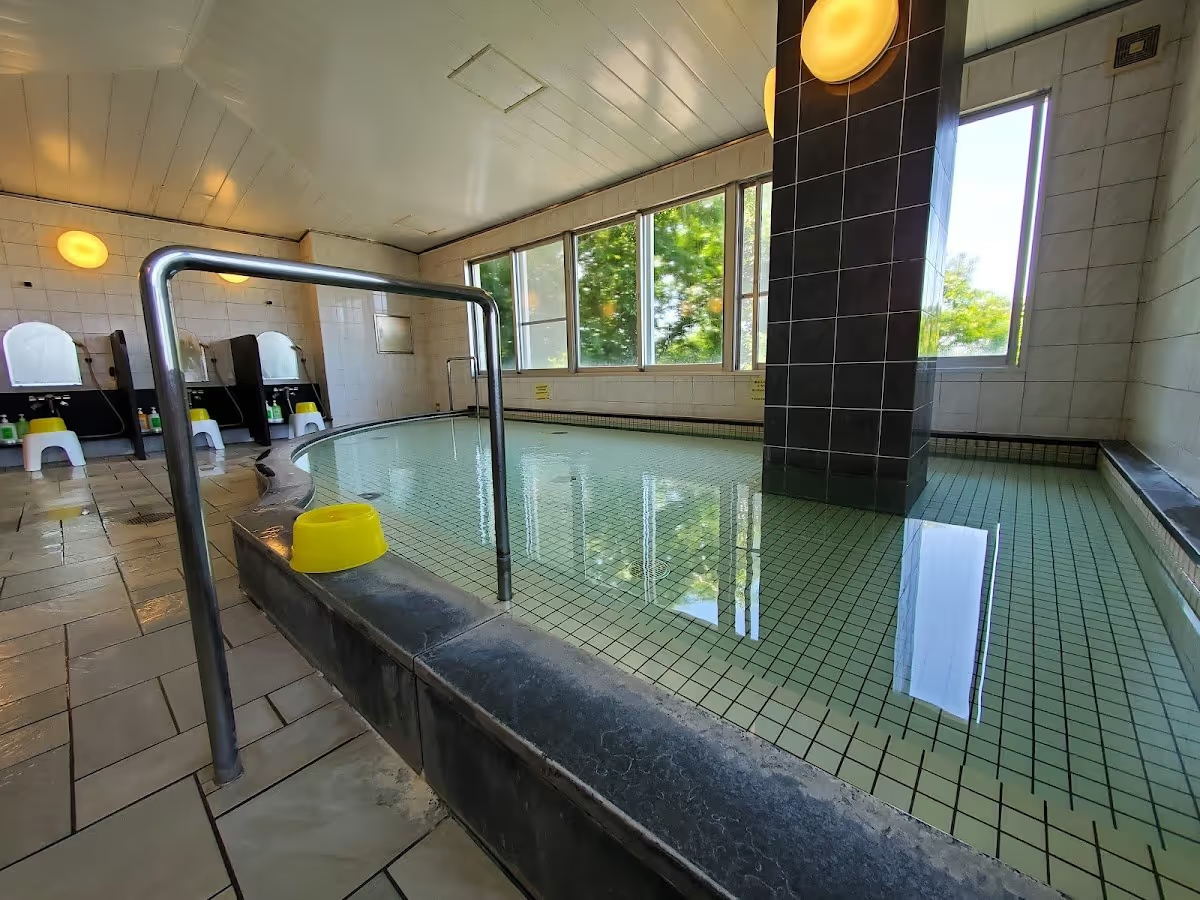
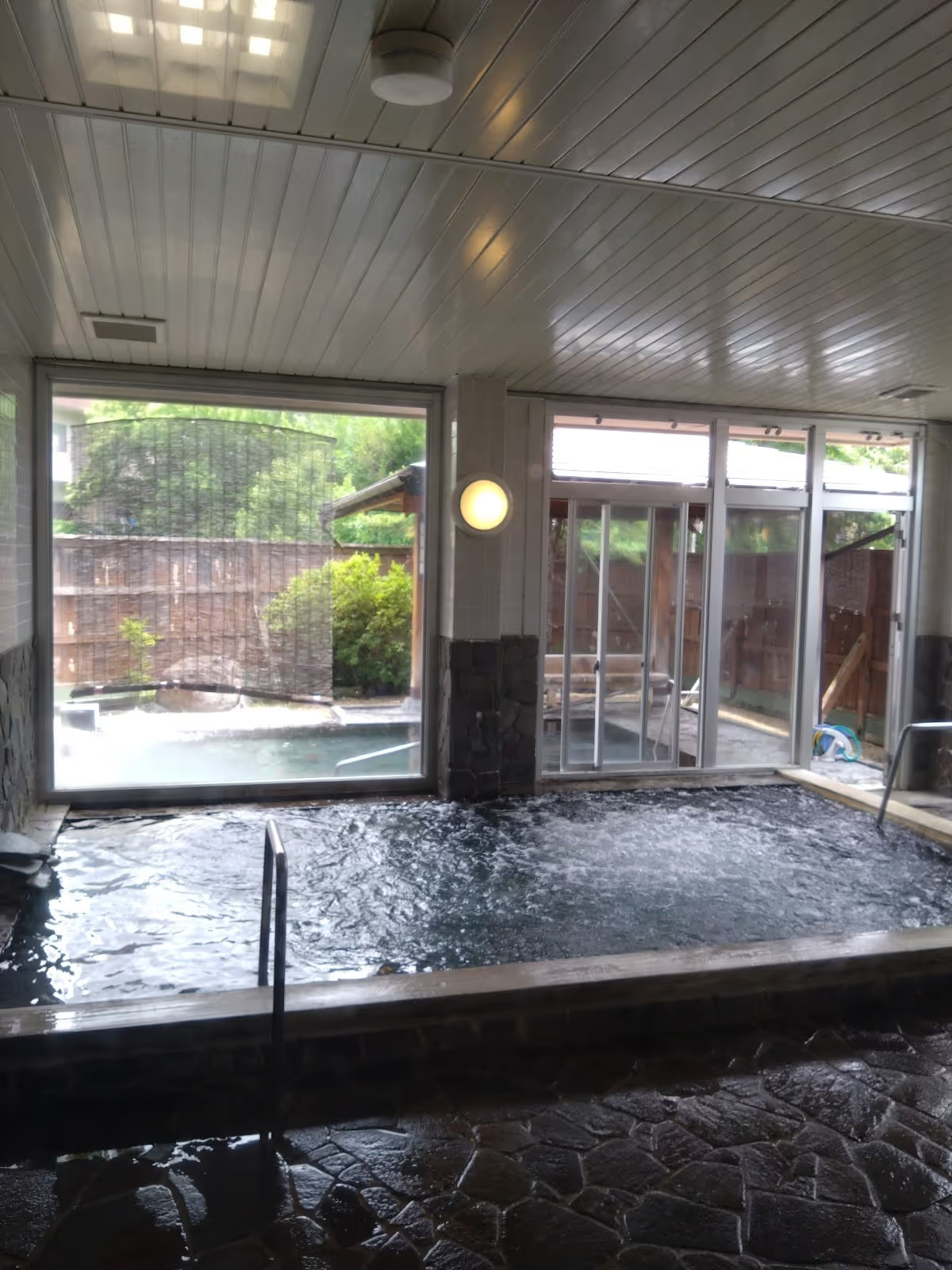
The spring water at Higashiyama is clear and alkaline, with a mild and smooth quality well suited to a broad range of visitors. The ryokan in the valley range from large multi-story properties with extensive bathing facilities to smaller and more traditional inns, giving visitors a choice of scale and formality within a compact area. Higashiyama has a literary association with the Meiji-era writer Higuchi Ichiyo, whose image appears on the Japanese five-thousand-yen note, and the town's connection to the broader Aizuwakamatsu historical landscape gives it a cultural depth that distinguishes it from onsen destinations without this kind of documented heritage. The gorge setting, the castle town proximity, and the alkaline spring water combine to make Higashiyama one of the more complete onsen resort experiences in inland Fukushima. For visitors seeking hot springs near Aizuwakamatsu, Higashiyama Onsen is the primary and most historically grounded destination in the city, reachable by bus directly from Aizuwakamatsu Station.
Location & Access
Getting to Higashiyama Onsen
Higashiyama Onsen is accessible by bus from Aizuwakamatsu Station on the JR Ban-etsu Sai Line. The Higashiyama Onsen bus runs from the station to the resort area in approximately 15 minutes. Aizuwakamatsu is accessible from Koriyama on the JR Ban-etsu Sai Line in approximately one hour and 10 minutes by local train, and Koriyama is served by the Tohoku Shinkansen from Tokyo in approximately one hour. Total travel time from central Tokyo to Higashiyama Onsen is approximately two hours and 30 minutes under favorable conditions. Direct limited express services also connect Aizuwakamatsu with Niigata via the JR Banetsu Sai and Tadami lines, providing an access route from the Niigata direction.
Visitors traveling by car can reach Higashiyama from the Ban-etsu Expressway via the Aizuwakamatsu interchange, then follow the city road east toward the gorge. The drive from Aizuwakamatsu Station takes approximately 10 minutes. Parking is available at individual ryokan and at several points along the valley road. The gorge road is narrow in places and requires care when larger vehicles are present, particularly on the steeper sections above the river.
The resort area is arranged vertically along the valley slope rather than on a flat street, and moving between properties and the riverside area involves steps and inclines. For those seeking hot springs near Aizuwakamatsu with a direct bus connection from the station, Higashiyama is the most straightforward onsen option in the city and the bus journey is short enough to make a day visit practical. Combining a morning visit to Tsurugajo Castle with an afternoon and evening at Higashiyama is a common approach for visitors staying one or two nights in the Aizu area.
Suitability & Accessibility
Who Higashiyama Onsen Suits
Higashiyama Onsen suits visitors who want to combine a traditional ryokan onsen stay with access to the samurai and castle town heritage of Aizuwakamatsu. The proximity to Tsurugajo Castle, the Byakkotai memorial site on Iimori Hill, and the historic merchant district of Nanokamachi gives a stay at Higashiyama a cultural dimension that extends well beyond the bathing experience itself. Visitors with an interest in the history of the Boshin War and the Aizu domain will find the gorge town a natural base for exploring one of the most historically layered cities in the Tohoku region.
Couples and solo travelers seeking a comfortable and atmospherically distinctive ryokan stay within easy reach of a city center will find Higashiyama well suited. The range of ryokan from large to small gives visitors a choice of experience and price point within the same compact valley. Families are accommodated at several properties, and the short bus connection to the city makes it practical for families who want access to both castle town sightseeing and evening onsen relaxation. The gorge setting and the riverside character of the district are engaging for older children.
Visitors looking for accessible hot springs in Japan should note that the valley terrain at Higashiyama involves steps and inclines between the road and many ryokan entrances, and the older building stock may present internal accessibility challenges. Guests with significant mobility limitations should confirm specific room and bath arrangements with their chosen property before booking. Among the more historically layered and culturally connected hot springs in Japan within short distance of a major Tohoku castle town, Higashiyama Onsen offers a well-rounded stay that rewards visitors who engage with both the bathing and the broader Aizu heritage landscape.
Safety & Etiquette
Safety and Etiquette at Higashiyama Onsen
Higashiyama Onsen is a safe and well-maintained resort area. The spring facilities at ryokan are managed and present no unusual hazards. The gorge valley setting introduces some considerations related to terrain and seasonal conditions. The valley road and paths between ryokan and the riverside area involve inclines and steps that can become slippery when wet or icy in winter. Appropriate footwear is advisable at all times of year and particularly in cold or wet conditions. Winter brings snow to the Aizuwakamatsu area, and the gorge road can accumulate ice in the colder months.
The Yuukawa River running through the gorge is not a bathing area and visitors should stay on designated paths near the riverbank. River levels can rise during and after heavy rainfall, and visitors should be attentive to conditions near the water during wet weather. The gorge can accumulate cold air in winter evenings, and visitors moving between outdoor areas and ryokan buildings should be prepared for a significant temperature drop after dark in the colder months.
Standard Japanese onsen etiquette applies at all ryokan facilities in Higashiyama. Bathers must shower and wash thoroughly before entering any communal bath. Towels must not be submerged in the water. Bathing areas are gender-separated at most facilities. Swimwear is not worn in traditional indoor baths. The alkaline spring water at Higashiyama is mild and produces no significant staining of fabric or jewelry. No special preparation beyond standard etiquette is required.
Tattoo policies at Higashiyama ryokan follow general Japanese practice, with communal bathing areas typically not admitting tattooed guests. Some properties may offer private bath arrangements as an alternative. Confirming policy when booking is recommended. Photography inside bathing facilities is not permitted. Mobile phone use and loud conversation in bathing areas are not appropriate. The intimate scale of the valley means that noise from outdoor areas carries between properties, and keeping voices low after dark is appreciated. Children should be supervised at all times in bathing areas and on the valley paths near the river. Guests with cardiovascular conditions should seek medical advice before bathing.