
Quick FactsOverview
About Wakura Onsen, Ishikawa
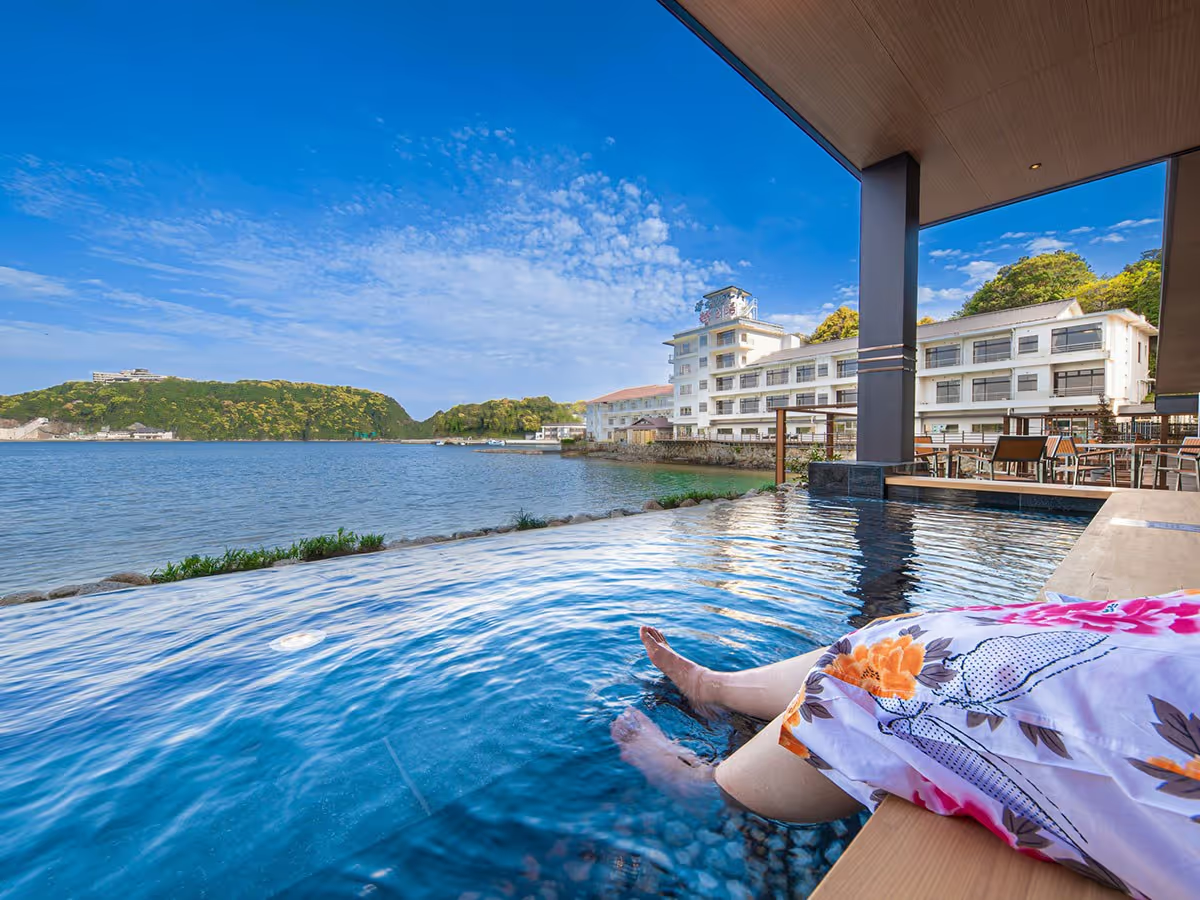
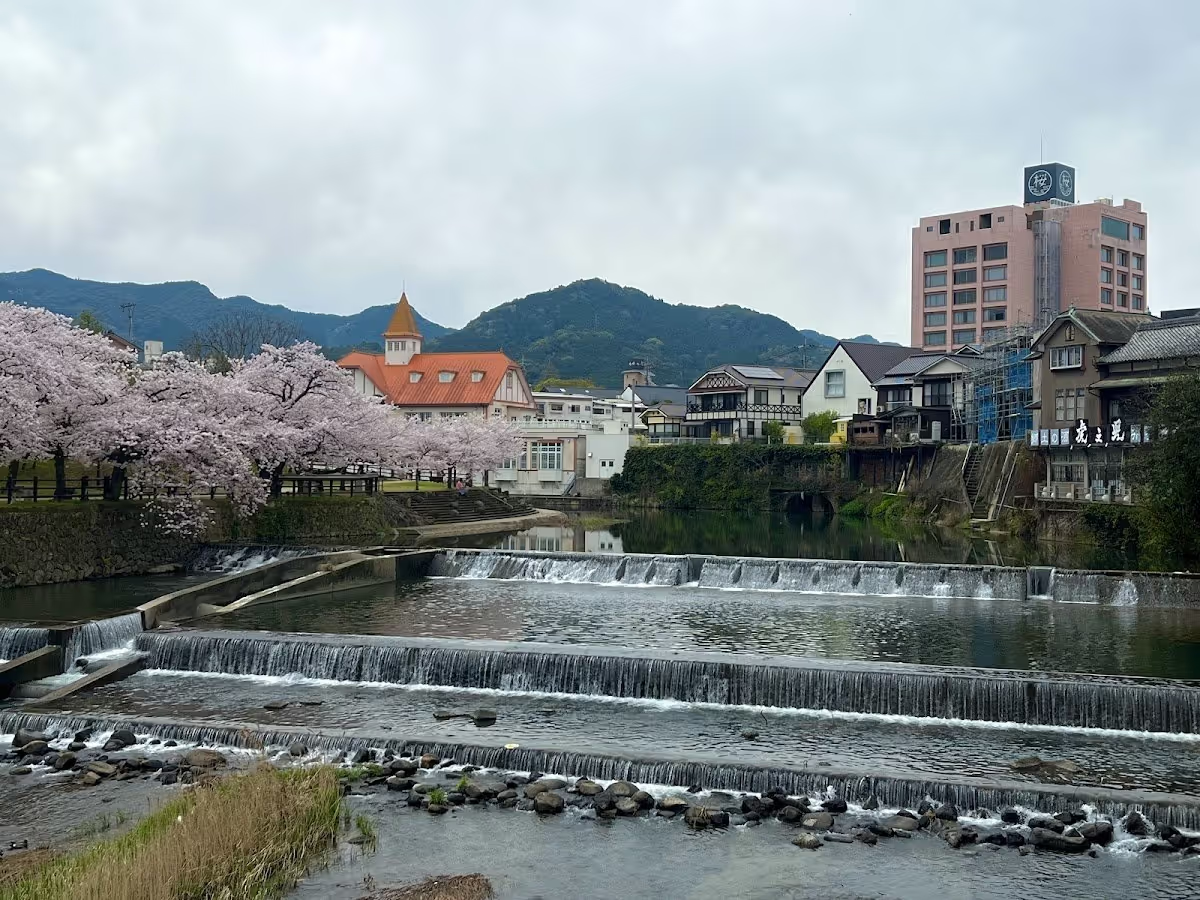
Wakura Onsen, Japan is a hot spring resort located on a small peninsula extending into Nanao Bay on the Noto Peninsula in Ishikawa Prefecture, approximately five kilometers from Nanao City center. It is one of the most established onsen destinations on the Noto Peninsula and has operated as a resort area for well over a century, developing a character defined by large seafront ryokan, bay views, and proximity to the fishing culture and seafood of the Noto coast. The setting on a narrow peninsula surrounded on three sides by the calm waters of Nanao Bay gives the town a distinct coastal atmosphere that separates it from the inland mountain onsen found elsewhere in Ishikawa.
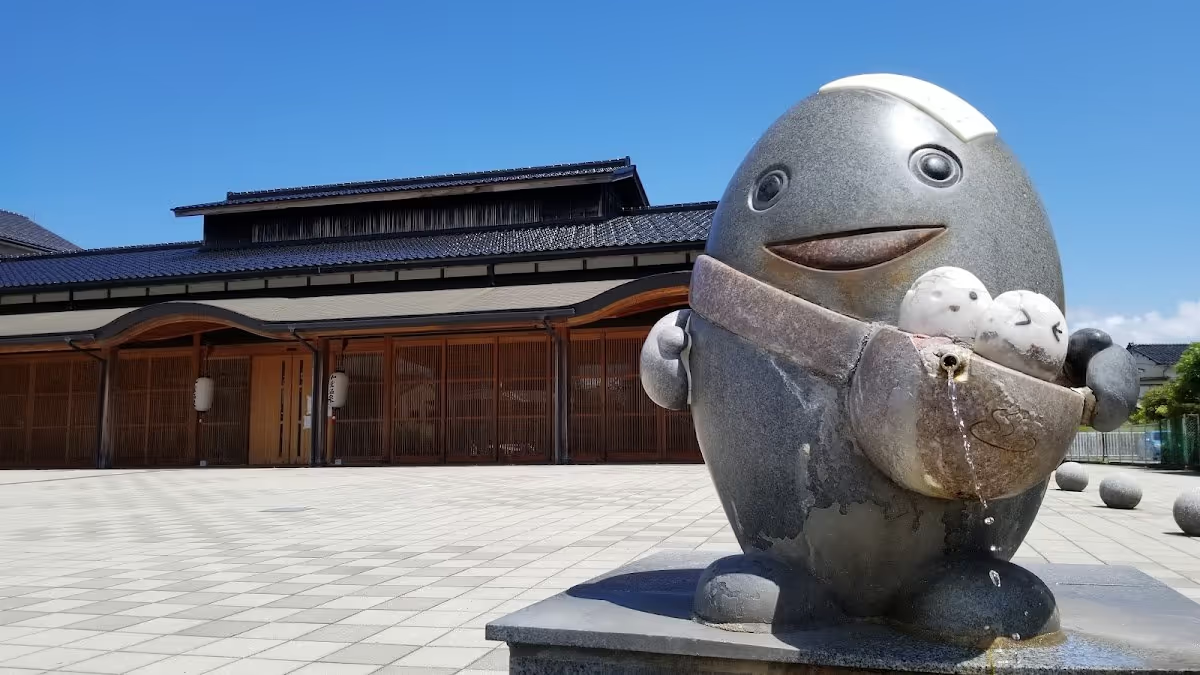
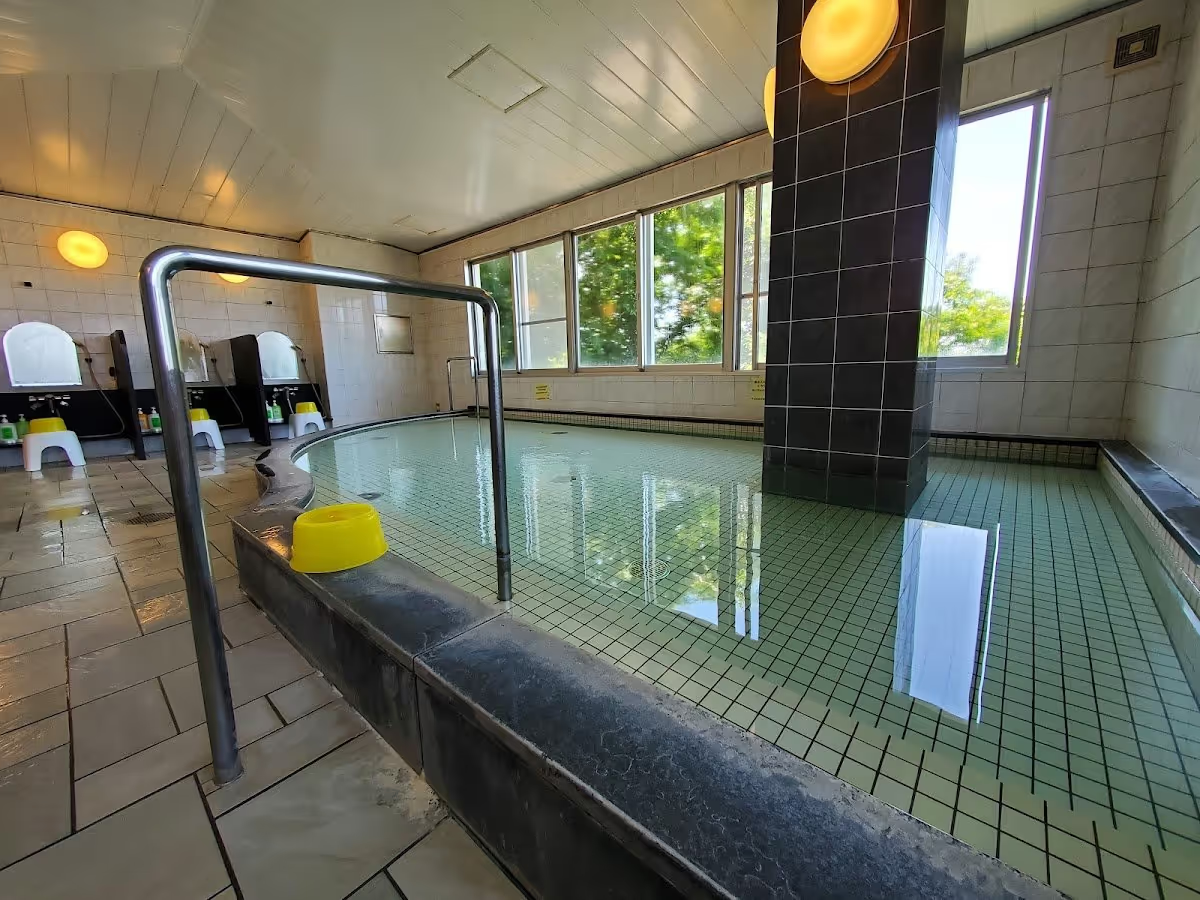
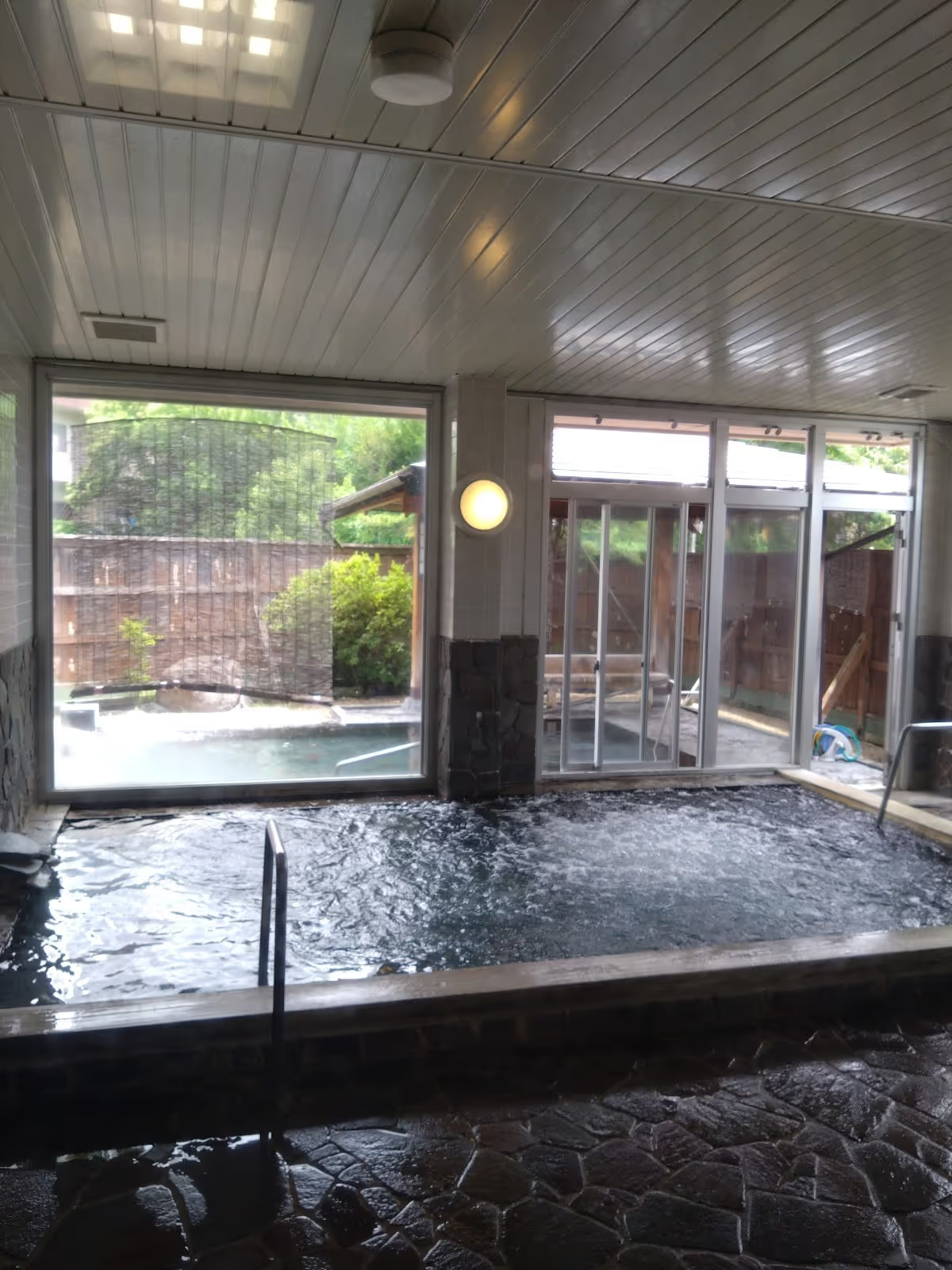
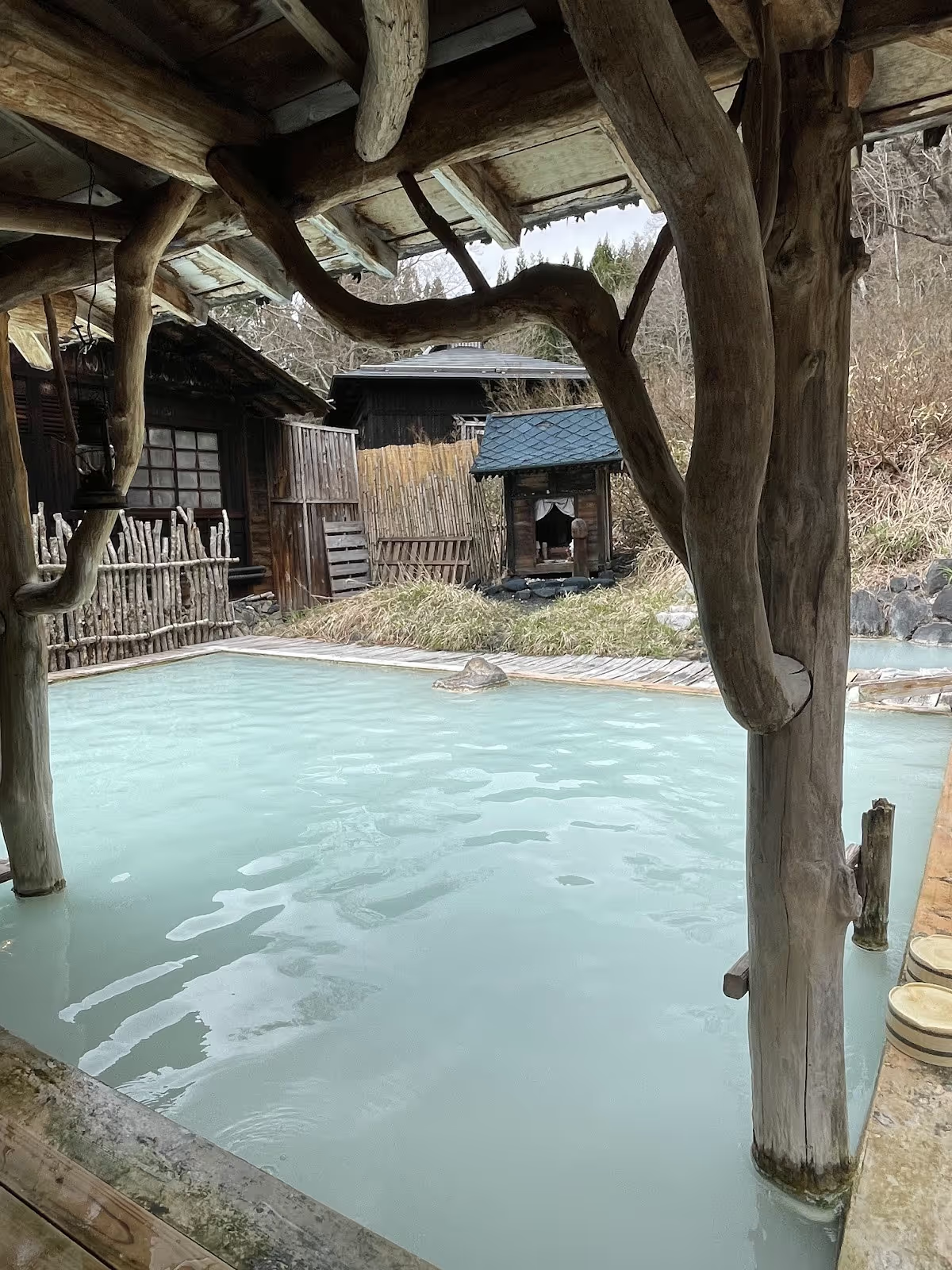
The spring water at Wakura is sodium chloride in type, producing a salt-rich water that retains body heat effectively after bathing and is commonly described as warming and suited to the cool coastal climate of the Noto Peninsula. The water has a slightly higher mineral content than many clear spring types found further inland, and its saline character is well suited to the seafront setting. Several large ryokan along the bay offer rooms with views over Nanao Bay, and some properties include outdoor rotenburo with sea views. A public bathhouse called Soja is open to day visitors and provides access to the spring water without an overnight booking. Wakura is a well-regarded example of a coastal ryokan onsen destination in the Hokuriku region, and it draws visitors who combine the onsen stay with the broader food and cultural attractions of the Noto Peninsula. For visitors seeking hot springs near Nanao, Wakura Onsen is the primary destination in the area and is served directly by the JR Nanao Line.
Location & Access
Getting to Wakura Onsen
Wakura Onsen is served by Wakura Onsen Station, the terminal station of the JR Nanao Line. The Nanao Line connects to Kanazawa, and the journey from Kanazawa Station to Wakura Onsen Station takes approximately one hour by limited express. Kanazawa is accessible from Tokyo via the Hokuriku Shinkansen in around two hours and 30 minutes, making the total journey from Tokyo to Wakura roughly three and a half hours under favorable conditions. Limited express services on the Nanao Line run several times daily, and checking current timetables before travel is advisable.
Visitors traveling by car can reach Wakura Onsen from the Noto Satoyama Kaido expressway, which connects Kanazawa with the Noto Peninsula. The drive from Kanazawa takes approximately one hour and 15 minutes to one hour and 30 minutes depending on traffic and the specific route taken. Parking is available at the main ryokan and near the public bathhouse in the resort area. The peninsula road into the resort area is narrow in places and requires attentive driving, particularly when large vehicles are passing.
From Wakura Onsen Station, the main ryokan district and the public bathhouse are within easy walking distance. The resort area is compact and flat along the bayfront, making it manageable on foot for most visitors. For those seeking hot springs near Nanao with direct rail access, Wakura Onsen Station is the only onsen destination on the Noto Peninsula served by a dedicated rail terminus, making it the most straightforward option to reach by public transport from Kanazawa or the broader Hokuriku Shinkansen network.
Suitability & Accessibility
Who Wakura Onsen Suits
Wakura Onsen suits visitors who want a coastal ryokan experience that combines hot spring bathing with the seafood culture and bay scenery of the Noto Peninsula. The large ryokan along the bay are well equipped for overnight stays that center on multi-course seafood meals and evening bathing, and the overall atmosphere is suited to a relaxed two-night stay rather than a rushed day visit. Couples seeking a comfortable and scenically distinctive ryokan experience within reach of Kanazawa will find Wakura one of the more rewarding options on the Hokuriku coast.
Families are accommodated at several ryokan in the resort, and the flat bayfront layout and calm water of Nanao Bay give the area an open and unhurried character that is manageable with children. The seafood emphasis of the local food culture is a draw for visitors with an interest in Noto Peninsula cuisine, including crab, yellowtail, and other regional specialties available at most ryokan in the area. Solo travelers are welcome at most properties, though the large-ryokan format at Wakura tends to be more oriented toward couples and small groups.
Visitors looking for accessible hot springs in Japan should note that the bayfront area of Wakura is relatively flat and the main resort district is navigable without significant elevation change. Larger and more recently renovated ryokan properties are more likely to have accessible room and bathing configurations than smaller or older inns. Confirming room and bath accessibility directly with accommodation providers before booking is recommended. Among the coastal hot springs in Japan accessible by direct rail from a Shinkansen hub, Wakura Onsen offers one of the more complete combinations of bay scenery, salt-rich spring water, and regional food culture available on the Sea of Japan side of Honshu.
Safety & Etiquette
Safety and Etiquette at Wakura Onsen
Wakura Onsen is a well-managed and safe resort destination. The spring facilities at ryokan and the public bathhouse are maintained and controlled, presenting no unusual hazards. The bayfront environment is calm and the peninsula road is low-traffic within the resort area. Visitors should be aware that the narrow peninsula road into the resort can be busy with bus and delivery traffic during peak periods, and pedestrians should take care on sections without dedicated footpaths.
The Noto Peninsula experienced a significant earthquake in January 2024, which caused damage across parts of Ishikawa Prefecture including the Noto area. Visitors planning a trip to Wakura Onsen should check current conditions and confirm with individual ryokan that facilities are fully operational before booking, as recovery and restoration work may affect some properties.
Standard Japanese onsen etiquette applies at all ryokan and at the public bathhouse in Wakura. Bathers must shower and wash thoroughly at the provided wash stations before entering any communal bath. Towels must not be submerged in the water. Bathing areas are gender-separated. Swimwear is not worn in traditional indoor baths. The sodium chloride water at Wakura can have a mild effect on some skin types with prolonged exposure, and visitors with sensitive skin may wish to rinse with fresh water after bathing. Removing metal jewelry before entering the bath is advisable as saline water can cause discoloration over time.
Tattoo policies at Wakura's ryokan follow general Japanese practice, with communal bathing areas typically not admitting tattooed guests. Some properties may offer private bath arrangements as an alternative. Confirming policy when booking is the most reliable approach. Photography inside bathing facilities is not permitted. Mobile phone use and loud conversation in bathing areas are not appropriate. Visitors should hydrate before and after bathing, limit session length in hot water, and rest between soaks. Children should be supervised at all times in bathing areas. Guests with cardiovascular conditions should seek medical advice before bathing.