Quick FactsOverview
About Lamp no Yado Aoni Onsen
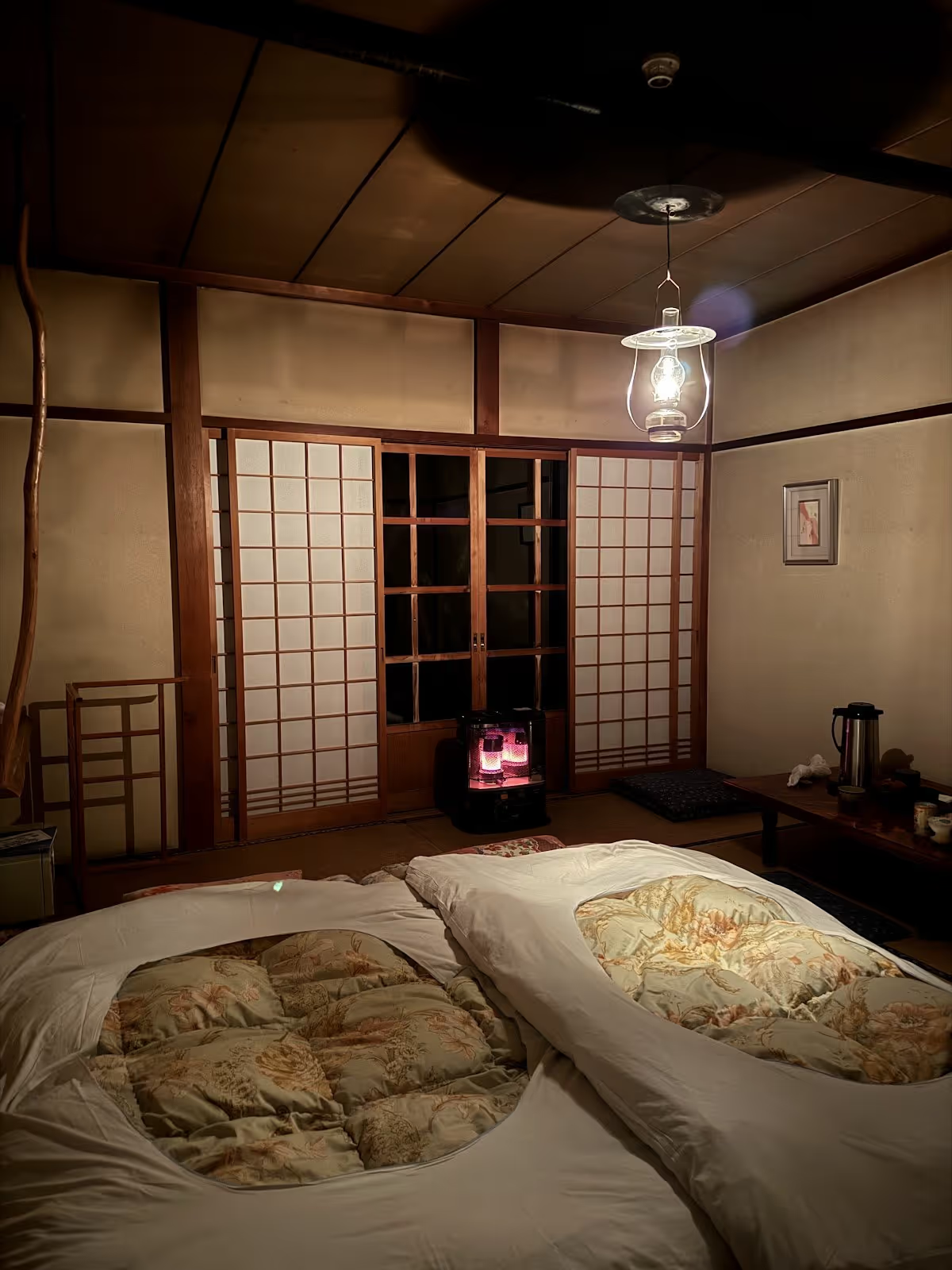
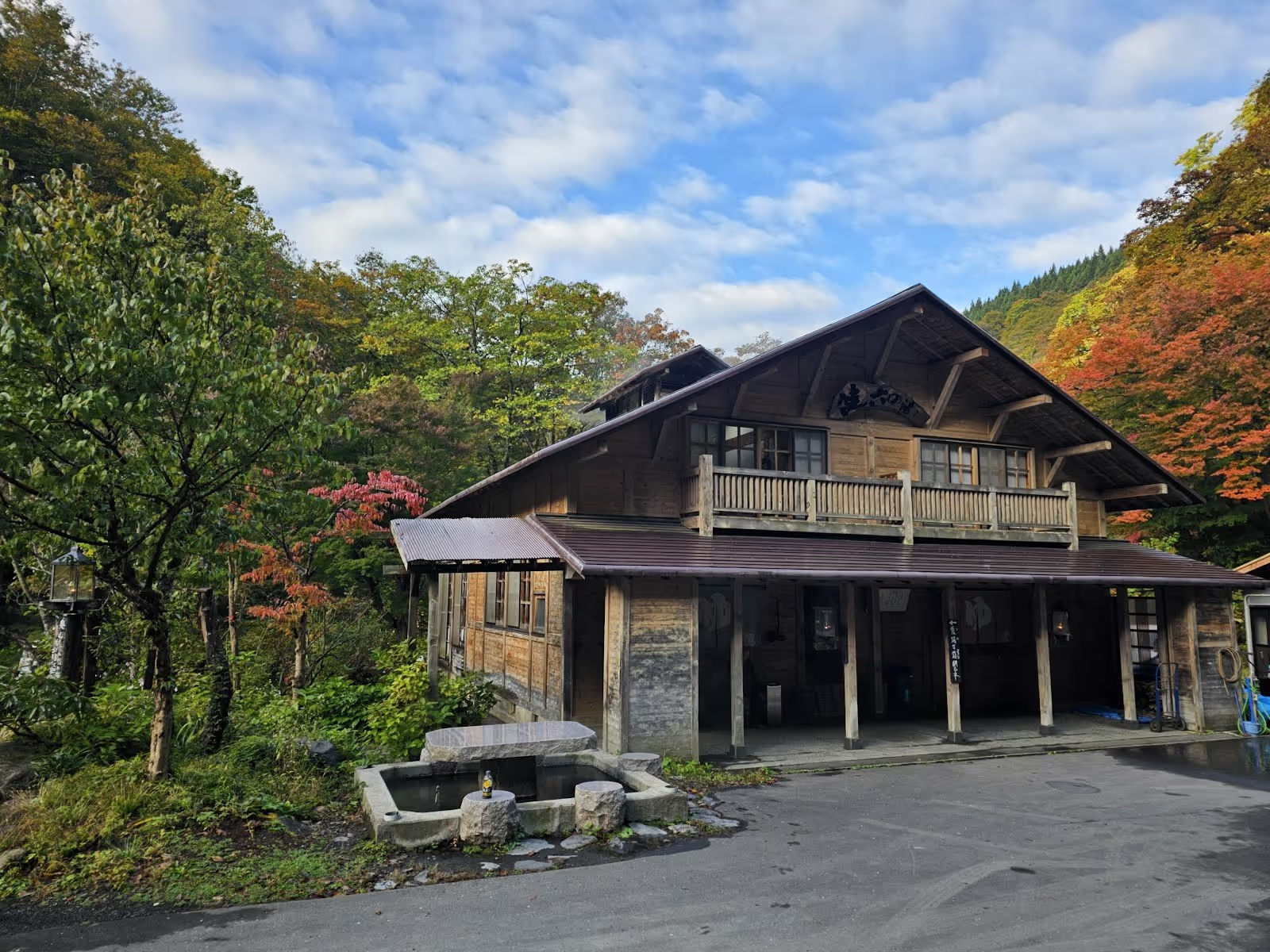
Lamp no Yado Aoni Onsen, Japan is a traditional ryokan in Kuroishi City, Aomori Prefecture, Tohoku, situated in a forested valley at 636 metres elevation along the Aoni River, which flows from the Minami Hakkoda mountain range. The ryokan is known throughout Japan as the lamp inn: the entire property is lit by over 100 oil lamps after dark, and there is no electricity in the guest rooms, no mobile phone reception, no WiFi, and no television. The inn has been operating since 1929, when a Kuroishi poet named Yogaku Niwa built a retreat there to recover from illness.
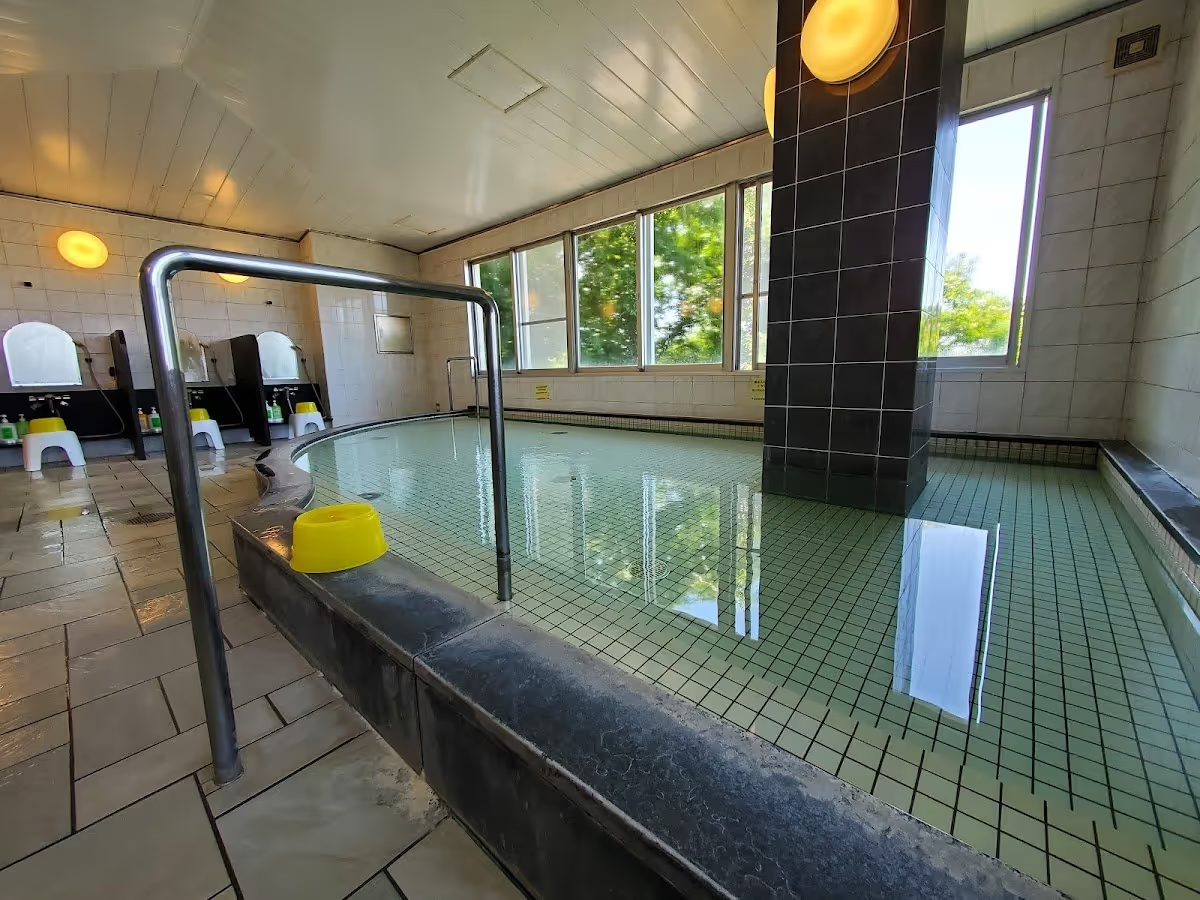
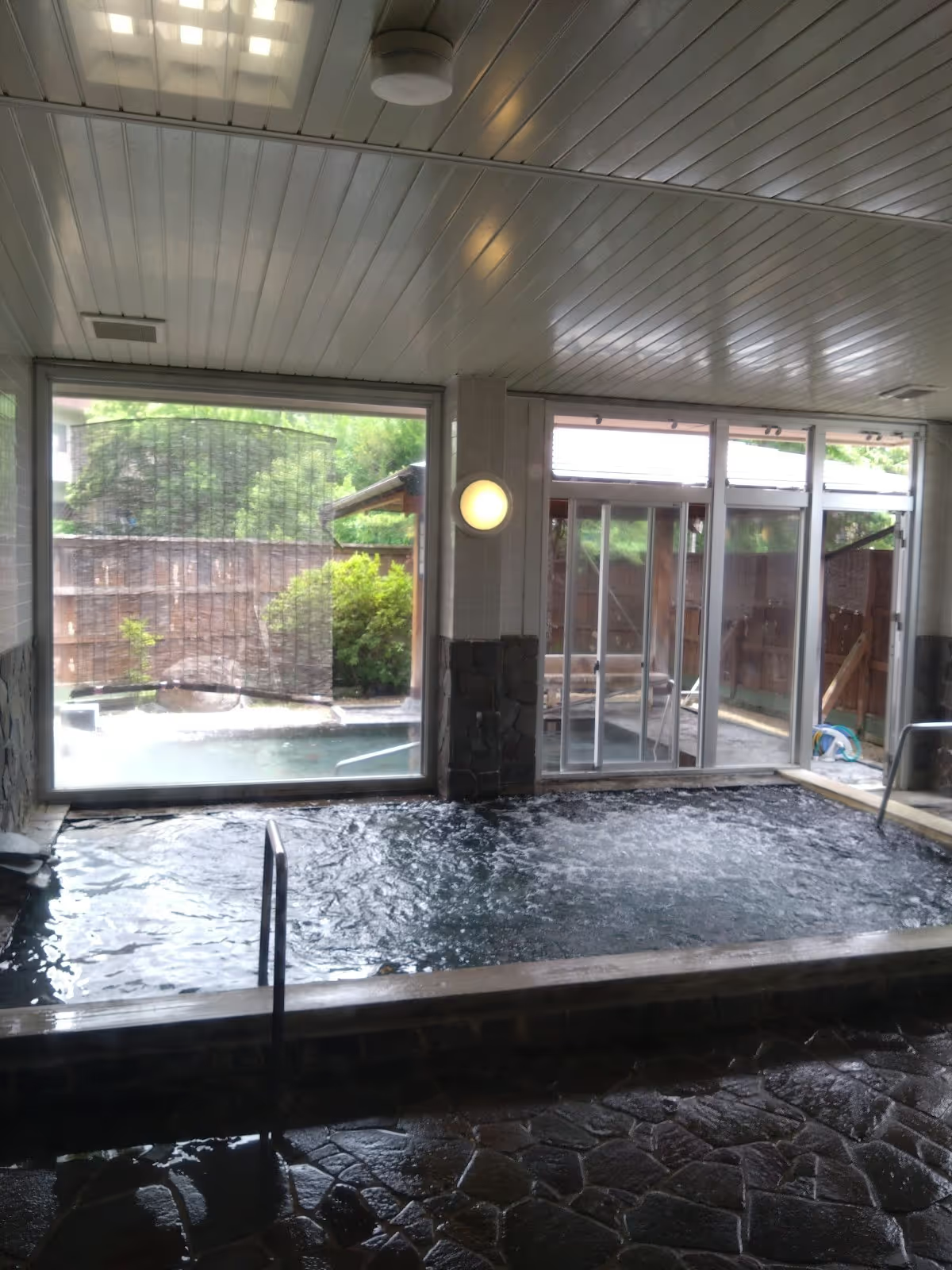
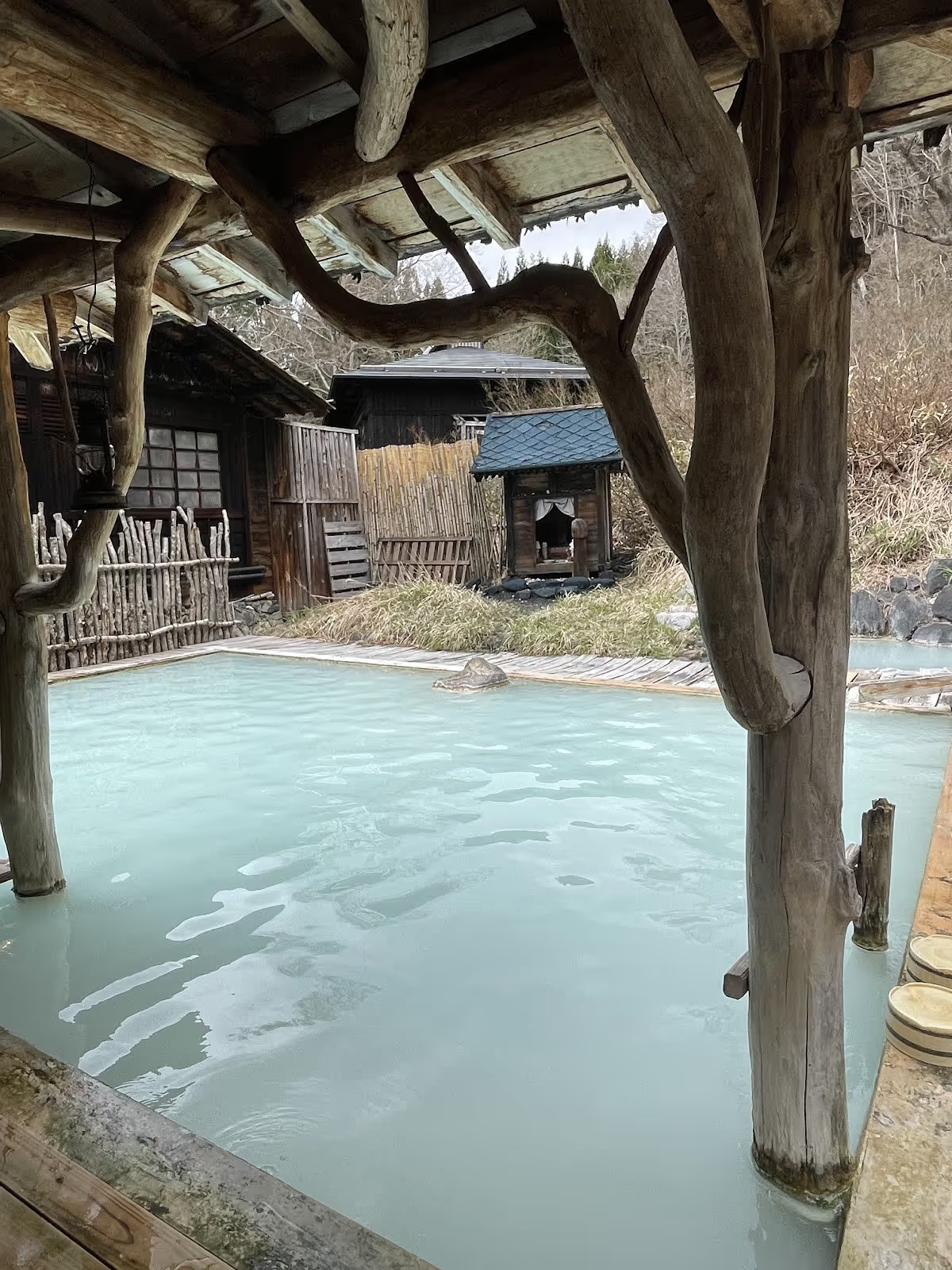
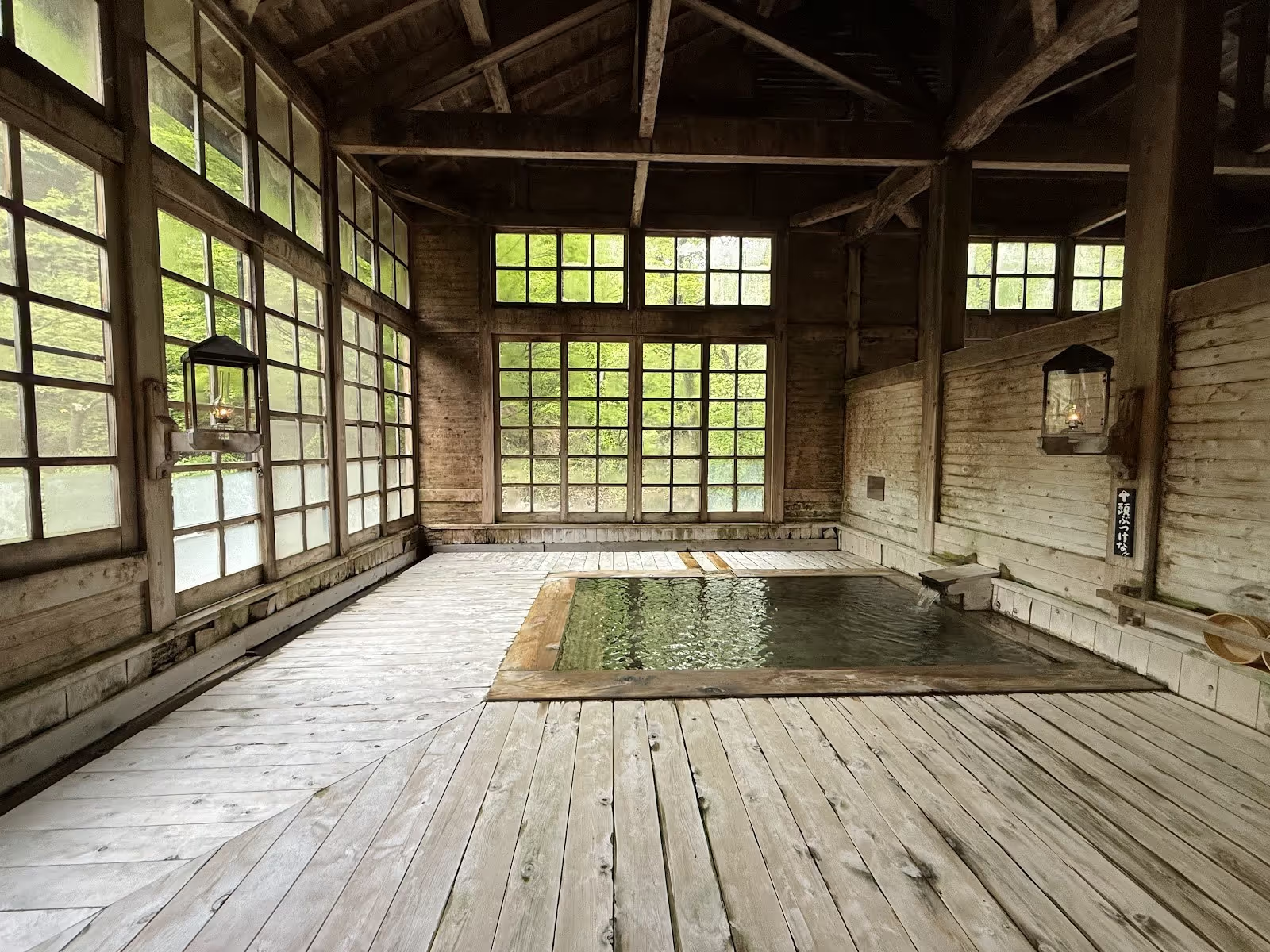
There are four baths, all fed by a simple colorless, tasteless, and odorless soft water hot spring effective for fatigue recovery, neuralgia, and muscle and joint pain. Kenroku no Yu is an indoor hiba cypress bath lit by two lamps overlooking the river and forest. Takimi no Yu is an indoor bath with a view of a waterfall. Uchi no Yu is an indoor bath in the main building with a particularly strong hiba cypress scent. The Rotenburo is an outdoor stone mixed-gender bath in a traditional garden; it is reserved exclusively for women from 11:00 to 12:00 and 17:00 to 18:00 daily. All baths are public; no private baths are available. The four baths are also open for day-use visits from 10:00 to 15:00, with advance reservation and shuttle bus booking required.
Location & Access
Getting to Lamp no Yado Aoni Onsen
Lamp no Yado Aoni Onsen is reached by a combination of train, bus, and a complimentary shuttle bus operated by the ryokan. From Hirosaki Station, take the Konan Railway to Kuroishi Station, the terminal station, in approximately 35 minutes for around 470 yen one way. From Kuroishi Station, take the Konan Bus Nurukawa Line to the Nijinoko Koen stop, which takes approximately 35 to 45 minutes; buses run every two to four hours. From Nijinoko Koen, the ryokan's free shuttle bus runs to Aoni Onsen in approximately 20 minutes. Advance reservation for the shuttle bus is required; contact the ryokan by telephone before travelling. From Shin-Aomori or Aomori Station, travel to Hirosaki first and then follow the same route.
In winter from December through March, private cars are prohibited on the road to the ryokan due to narrow, snow-narrowed roads that cannot accommodate two-way traffic. During this period, the shuttle bus route is extended to operate directly from Nijinoko Road Station via Kuroishi Station, and advance reservation is mandatory. Check the ryokan's website or call ahead for the current seasonal shuttle schedule. Free parking is available at the ryokan for those arriving in warmer months. Day-use visitors follow the same access route, with the 10:00 to 15:00 bathing window requiring advance contact with the ryokan to arrange the shuttle.
Suitability & Accessibility
Who Lamp no Yado Aoni Onsen Suits
Lamp no Yado Aoni Onsen suits visitors who want a genuine digital detox experience in a traditional Japanese setting. The absence of electricity in rooms, no mobile reception, and no WiFi makes it distinct from any other onsen destination in Japan; visitors come specifically for the combination of lamp-lit atmosphere, forested mountain valley, and simple but carefully maintained hot spring baths. It appeals to those who value quiet, unhurried time over convenience.
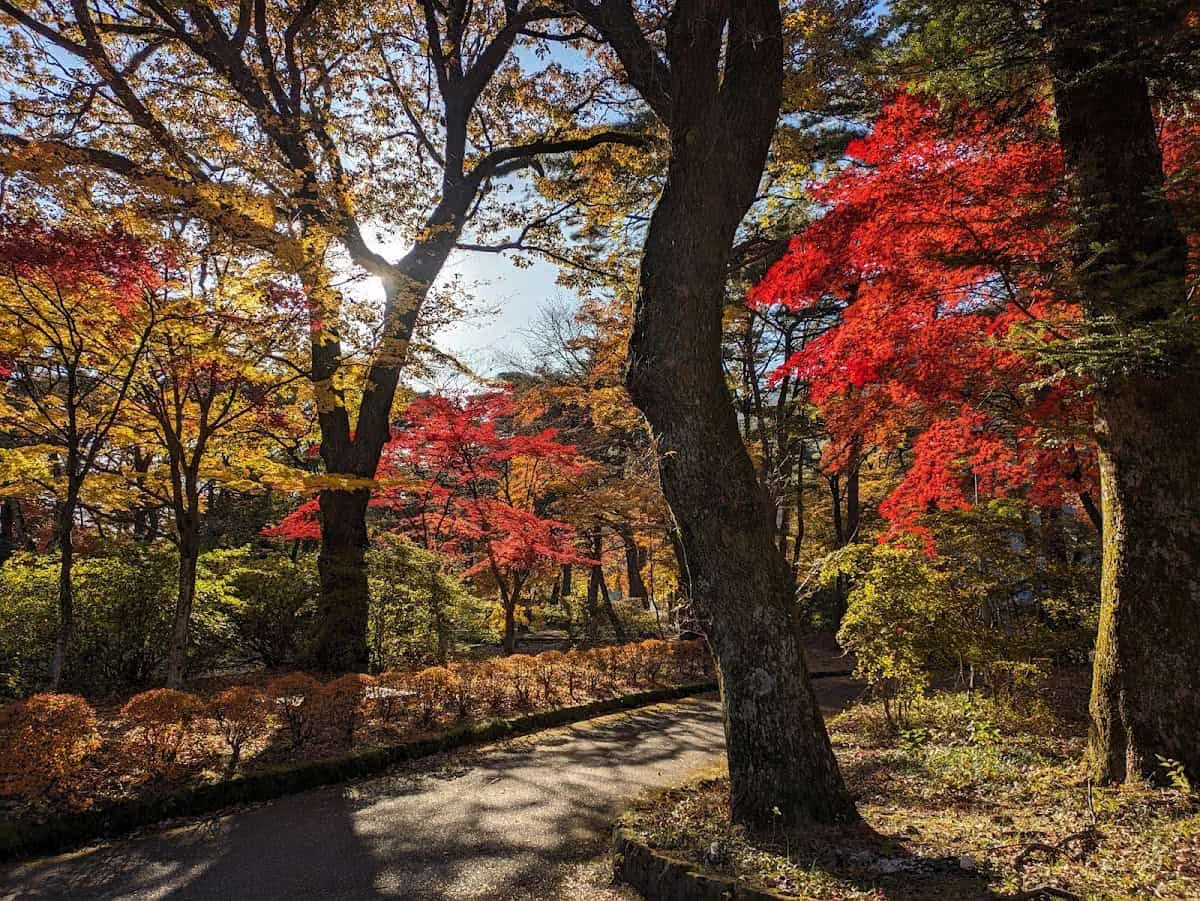
Overnight stays of at least two nights are recommended by guests; the quiet period between check-out and check-in on the second day allows nearly private access to the baths for staying guests. Dinner features seasonal mountain vegetables and river fish prepared in a simple country-cooking style; vegetarian and dietary requests can be accommodated with advance notice. Winter visits are particularly sought after for the snow-viewing bath experience (yukimi-buro), when the outdoor rotenburo is surrounded by deep snow. Summer brings hydrangea blooms along the paths and a cooler mountain climate.
Families are welcome; children of any age are accommodated. The soft-water, low-mineral spring is gentle and suitable for a wide range of visitors. The outdoor rotenburo is mixed gender except during the women-only time slots; guests who prefer segregated bathing should use the three indoor baths. Wheelchair access is not practical; the forested mountain paths, traditional wooden buildings, and river-valley terrain are not accessible.
Safety & Etiquette
Lamp no Yado Aoni Onsen Safety Tips
Lamp no Yado Aoni Onsen is generally safe as a long-established ryokan with maintained bathing facilities. The main safety considerations are the lamp-lit low-light environment after dark, the remote mountain access, the winter road closures, and standard hot spring health contraindications.
The spring water at Aoni Onsen is a simple soft water type at comfortable bathing temperatures; it is among the gentler onsen waters in Tohoku and is suitable for most visitors. Limit soaking sessions to 10 to 15 minutes, rest between baths, and drink water throughout. The four baths vary in temperature; the two cypress baths tend to run hotter. People with heart conditions, hypertension, or open wounds should consult a doctor before bathing. There are no showers in the bath areas and no hair dryers in the changing rooms; rinse with water from the provided ladles before entering each bath.
The oil lamps produce a kerosene scent throughout the property; guests sensitive to fumes should be aware that the smell will permeate clothing and luggage. Leave items you do not need in your car or forward them separately to your next destination. After dark, the lamp-lit paths between buildings and baths provide limited light; move carefully on wooden walkways and river-adjacent paths, which can be slippery. In winter, the access road and surrounding terrain are heavily snow-covered; the shuttle bus is mandatory transport during this period and private cars must be left at Nijinoko Road Station. No mobile phone reception means no emergency calls from the site; the ryokan staff are the first point of contact for any safety concern.