
Quick FactsOverview
About Shirahama Onsen, Wakayama
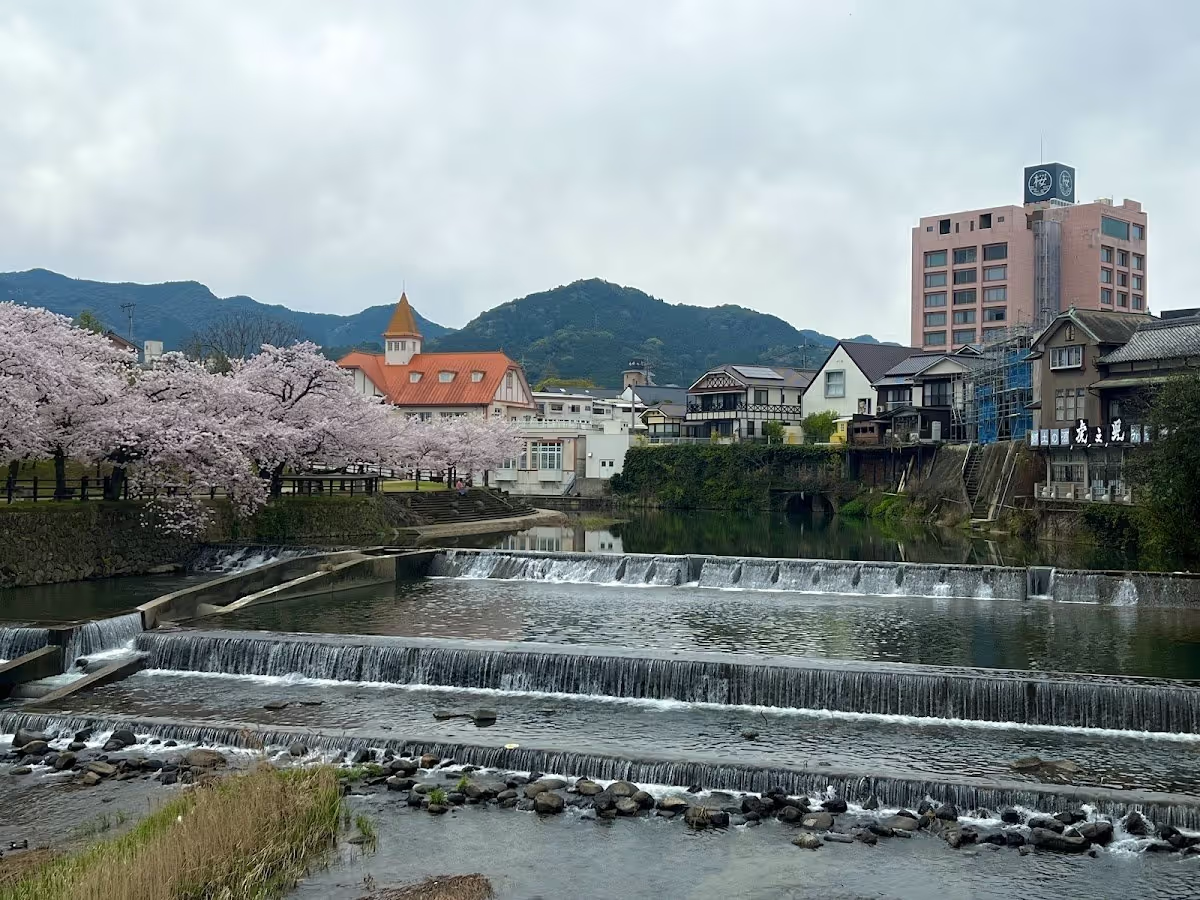
Shirahama Onsen, Japan is a well-established hot spring resort town located on the Kii Peninsula in Wakayama Prefecture, facing the Pacific Ocean on the western coast of the peninsula approximately 33 kilometers southwest of Shirahama town center. It is one of the oldest documented onsen destinations in Japan, with references to the springs appearing in the Nihon Shoki and Man-yoshu, eighth-century texts that place its history among the earliest recorded bathing sites in the country. The town has developed over many centuries into a full resort area combining beach tourism with hot spring culture, and today it draws visitors for both its famous white sand beach, Shirahama Beach, and its varied onsen facilities.
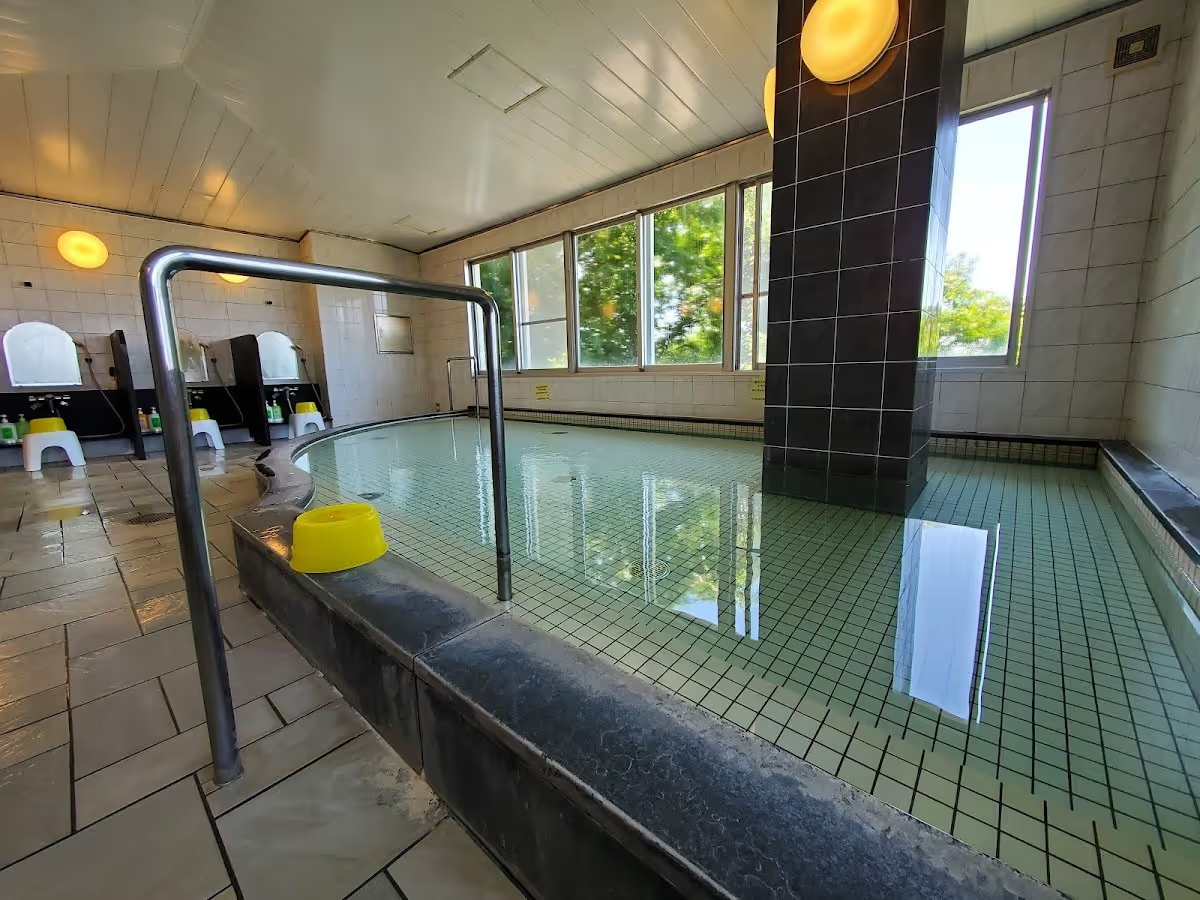
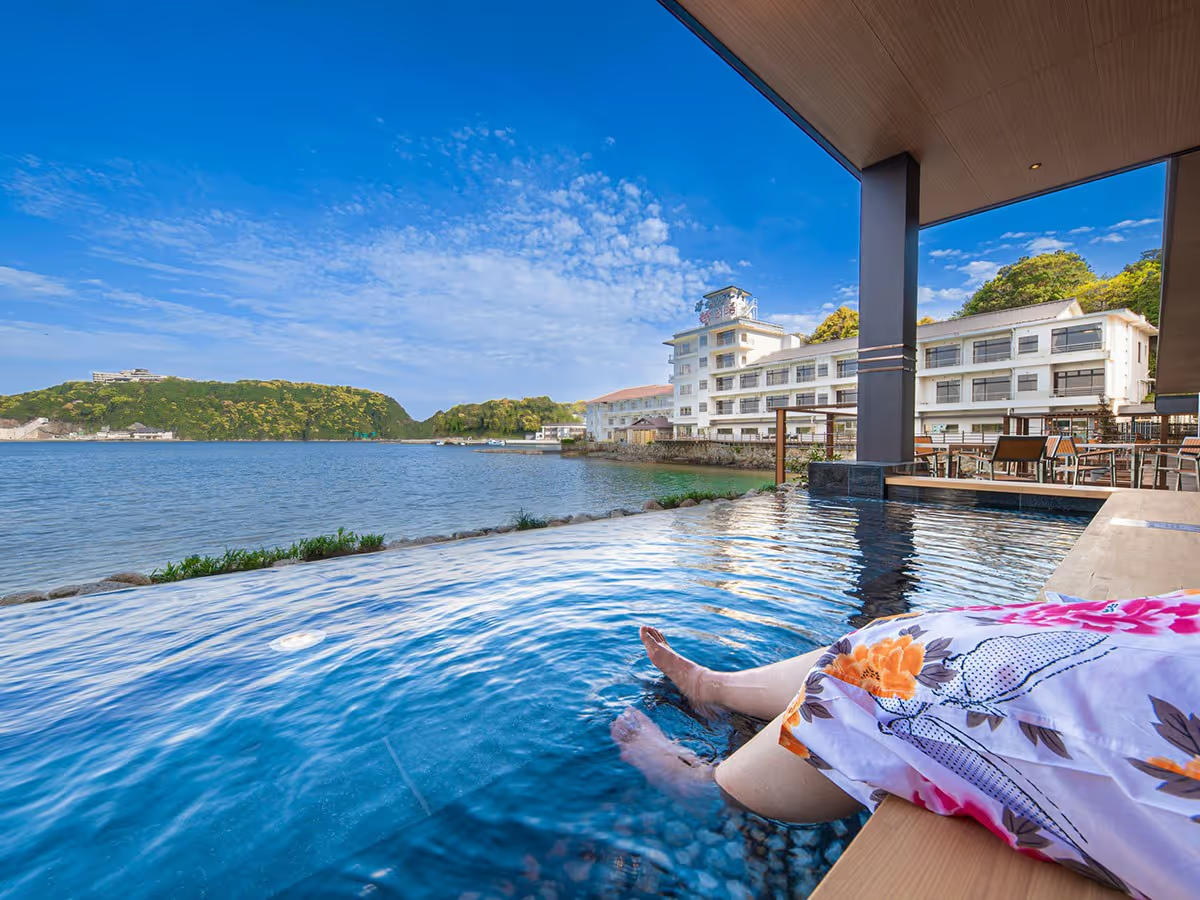
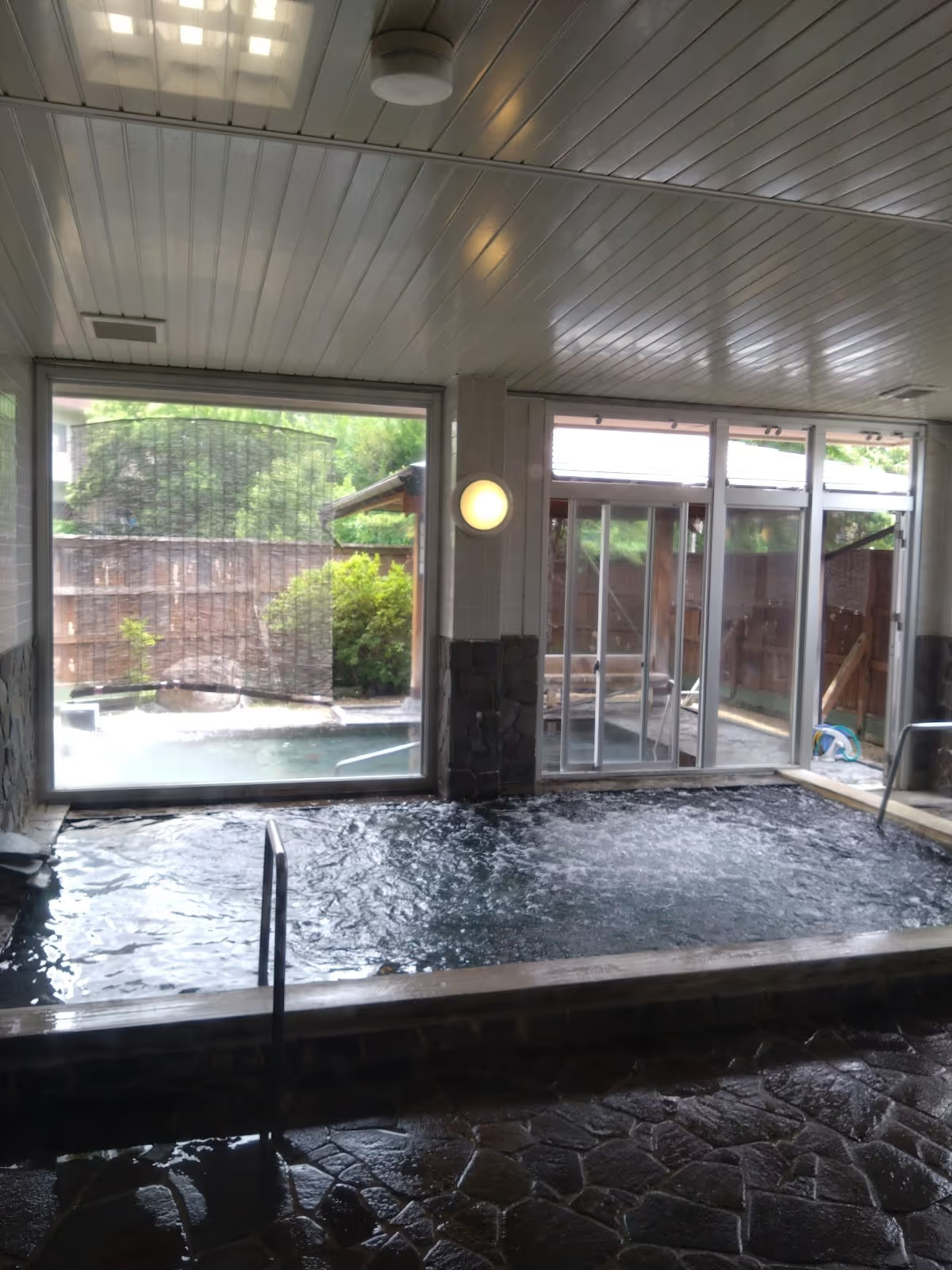
The spring water at Shirahama is sodium chloride in type, producing a salt-rich and warming bath well suited to the mild but occasionally cool Pacific coast climate. Several distinctive bathing facilities give the town an unusual range of onsen experiences. Sakino-yu is an outdoor bath cut directly into coastal rock at the water's edge, one of the oldest bathing sites in Japan and open to the sea spray and ocean view.崎の湯 operates as a public facility with minimal infrastructure, preserving the raw character of the original site. Shirasuna is an indoor public bathhouse using the same spring water in a more conventional setting. Several large ryokan along the coast offer private and semi-private bathing with sea views. The combination of ancient documented history, beach resort facilities, and oceanside bathing makes Shirahama one of the more multifaceted onsen destinations in western Japan. For visitors seeking hot springs near Shirahama town or the broader Wakayama coast, Shirahama Onsen is the most significant and historically grounded destination in the area, accessible by limited express train from Osaka.
Location & Access
Getting to Shirahama Onsen
Shirahama is served by Shirahama Station on the JR Kisei Main Line. The Kuroshio limited express runs directly from Osaka Tennoji Station to Shirahama in approximately two hours, and from Shin-Osaka the journey takes a similar time with a short connection. Services run multiple times daily and are the most comfortable public transport option for visitors from the Osaka and Kyoto area. From Nagoya, access involves a transfer, typically at Shin-Osaka or by the Nanki limited express via the Kisei Main Line from Nagoya, with total journey times of around four hours.
From Shirahama Station, local buses operated by Meiko Bus serve the resort area, Shirahama Beach, and the coastal bathing facilities including Sakino-yu. The bus journey from the station to the main resort area takes approximately 10 to 15 minutes. Taxis are also available from the station. Visitors traveling by car can reach Shirahama from the Kinki Expressway and Kisei Expressway network, with the drive from Osaka taking approximately two hours under normal traffic conditions. Parking is available at the beach area, public bathhouses, and individual ryokan throughout the resort.
The resort area is spread along the coast and is best navigated by bus or car rather than entirely on foot, as the distances between the beach, the cliff-side bathing facilities, and the main ryokan district are greater than in a compact inland onsen town. For those seeking hot springs near Shirahama accessible by direct limited express from Osaka, Shirahama is one of the most straightforward resort onsen destinations on the Kii Peninsula and requires no transfers from the main departure points in the Kansai region.
Suitability & Accessibility
Who Shirahama Onsen Suits
Shirahama Onsen suits a particularly wide range of visitors due to its combination of beach resort facilities and hot spring bathing. Families are well accommodated, with the white sand beach providing a natural activity base alongside the onsen, and the large ryokan offering family room configurations and indoor pool facilities at some properties. The beach and the outdoor cliff bath at Sakino-yu give younger visitors a range of water-related experiences beyond conventional bathing.
Couples and groups seeking a complete resort stay will find Shirahama well equipped, with a broad selection of accommodation from large hotel-style ryokan to smaller traditional inns. The variety of public bathing options, from the ancient cliff-side Sakino-yu to the more conventional indoor Shirasuna bathhouse, means that visitors with different preferences for bathing environment can all find a suitable option within the same town. Solo travelers are welcome at most facilities, though the large-ryokan format at some properties is more naturally suited to couples and groups.
Visitors looking for accessible hot springs in Japan should note that Sakino-yu, the cliff-side outdoor bath, involves steps and rocky terrain and is not suitable for guests with significant mobility limitations. The indoor public bathhouse Shirasuna and the larger ryokan are more likely to offer accessible bathing options. Guests with mobility concerns should confirm specific facility accessibility before visiting. Among the historically significant and scenically distinctive hot springs in Japan accessible by direct rail from Osaka, Shirahama Onsen offers one of the most complete resort experiences on the Pacific coast of the Kii Peninsula, with an ancient documented history that few other destinations in the country can match.
Safety & Etiquette
Safety and Etiquette at Shirahama Onsen
Shirahama Onsen is a well-managed and safe resort destination. The principal safety consideration specific to Shirahama is the outdoor cliff-side bath at Sakino-yu, which is set on coastal rock directly adjacent to the ocean. Visitors using Sakino-yu should be attentive to wave conditions, as the site is exposed to ocean swell and can receive spray or occasional larger waves during rough weather or high surf. The facility is managed and staff or signage will indicate when conditions are safe for bathing. Visitors should never enter Sakino-yu when the facility is closed due to weather or sea conditions.
The beach area at Shirahama is subject to standard coastal safety considerations. Swimming conditions at the beach vary seasonally and by weather, and posted flags and lifeguard instructions should be followed during the beach season. Outside the formal beach season, swimming in the ocean is not recommended without local knowledge of current conditions.
Standard Japanese onsen etiquette applies at all bathing facilities in Shirahama. Bathers must shower and wash thoroughly before entering any communal bath. At Sakino-yu, the outdoor cliff bath, shower facilities are available on site and must be used before entering the spring water. Towels must not be submerged in the water. Bathing areas at most facilities are gender-separated, though Sakino-yu has operated with specific gender separation arrangements that visitors should confirm on arrival as policies can change. Swimwear is not worn in traditional indoor baths.
The sodium chloride water at Shirahama can have a mild drying effect on some skin types after extended exposure. Rinsing with fresh water after bathing and moisturizing afterward is advisable for visitors with dry or sensitive skin. Removing metal jewelry before entering salt-rich spring water is recommended to avoid discoloration. Tattoo policies at Shirahama's ryokan and the public indoor bathhouse follow general Japanese practice. Visitors with tattoos should confirm private bath availability when booking. Photography inside enclosed bathing facilities is not permitted. Children should be supervised at all times in bathing areas and in the ocean. Guests with cardiovascular conditions should seek medical advice before bathing.