Quick FactsOverview
About Atami Onsen
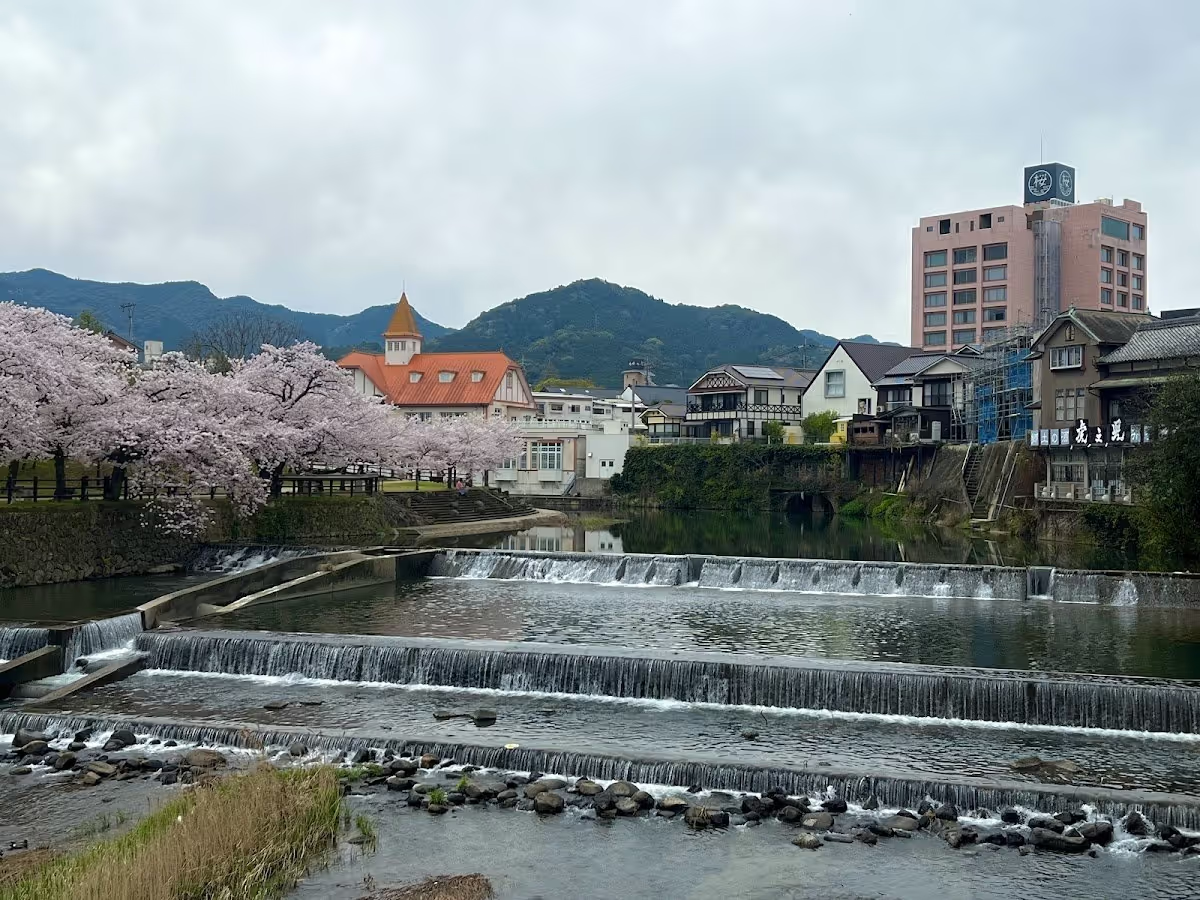
Atami Onsen, Japan is a major coastal hot spring resort in Atami City, Shizuoka Prefecture, at the base of the Izu Peninsula on Sagami Bay. The name Atami means hot ocean, reflecting origins in hot springs that were observed to boil up from the seabed. With over 1,300 years of recorded history and more than 500 individual spring sources, Atami is one of the largest and most prolific hot spring areas in Japan. The total discharge rate is approximately 19,100 litres per minute, and around ninety percent of the springs emerge at temperatures above 42 degrees Celsius, with an average source temperature of around 63 degrees.
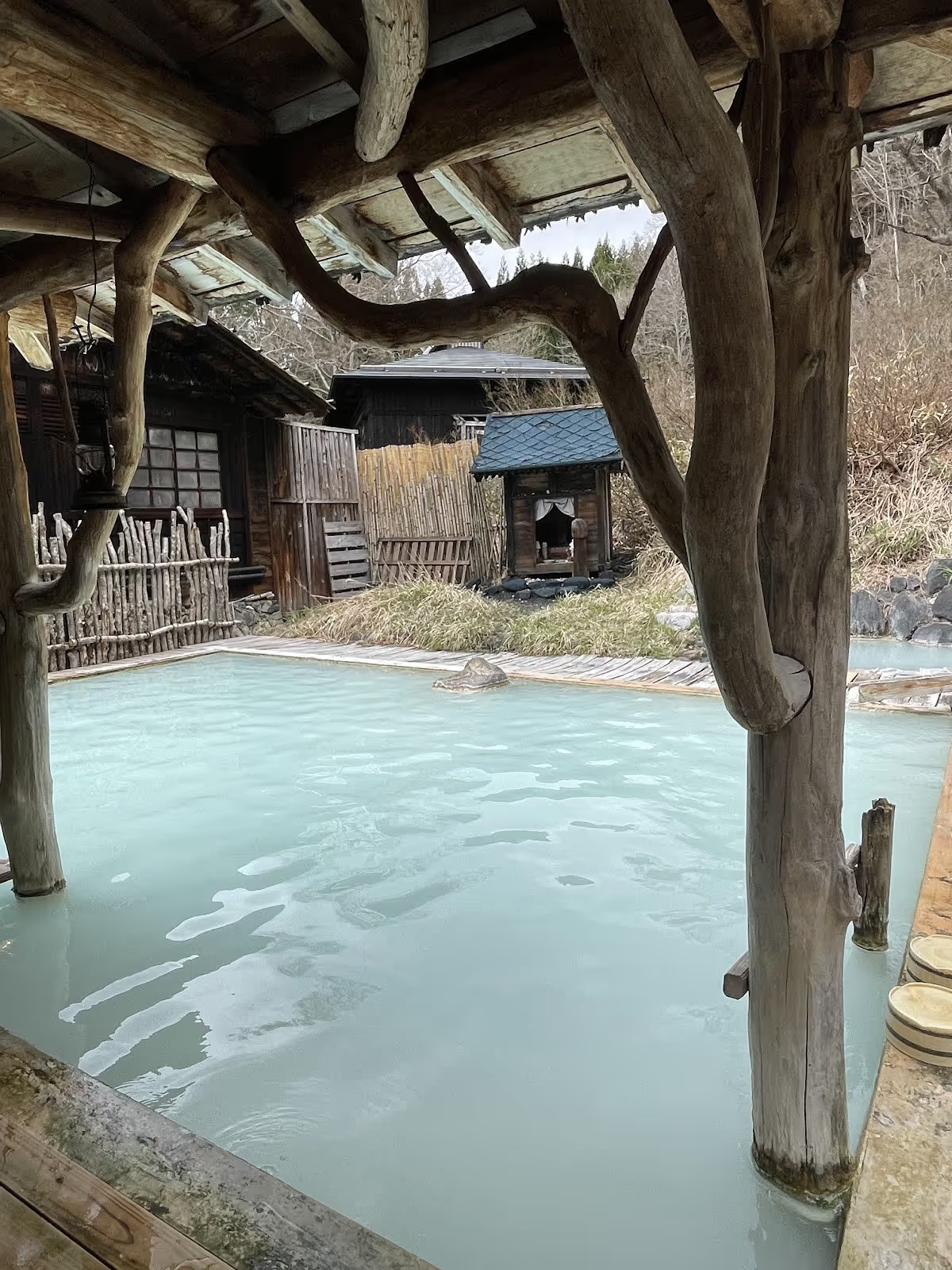
The predominant spring type is a chloride spring with high salt content similar to seawater, well-suited to warming the body and relieving joint and muscle pain. The town gained wide fame during the Edo period when the shogun Tokugawa Ieyasu had barrels of Atami water transported to Edo for his personal use, leading other feudal lords to visit regularly. Literary figures of the Meiji era also immortalised Atami in fiction. Today the town offers dozens of ryokan and hotels with day-trip bathing, several public foot baths, and the Hashiriyu natural cave spring where high-temperature water gushes from a mountainside cave.
Location & Access
Getting to Atami Onsen
Atami is at JR Atami Station in Atami City, Shizuoka Prefecture. From Tokyo, the fastest route is the Kodama Tokaido Shinkansen, which takes approximately 45 to 50 minutes. The limited express Odoriko and regular Tokaido Line trains are slower but significantly cheaper. Highway buses from Tokyo take around two and a half to three hours depending on traffic. From Osaka, travel via the Tokaido Shinkansen to Atami in approximately 90 minutes. Atami Station is the arrival point for most visitors, and the town is spread across hillside terrain around the bay, accessible by taxi, bus, or on foot depending on the destination.
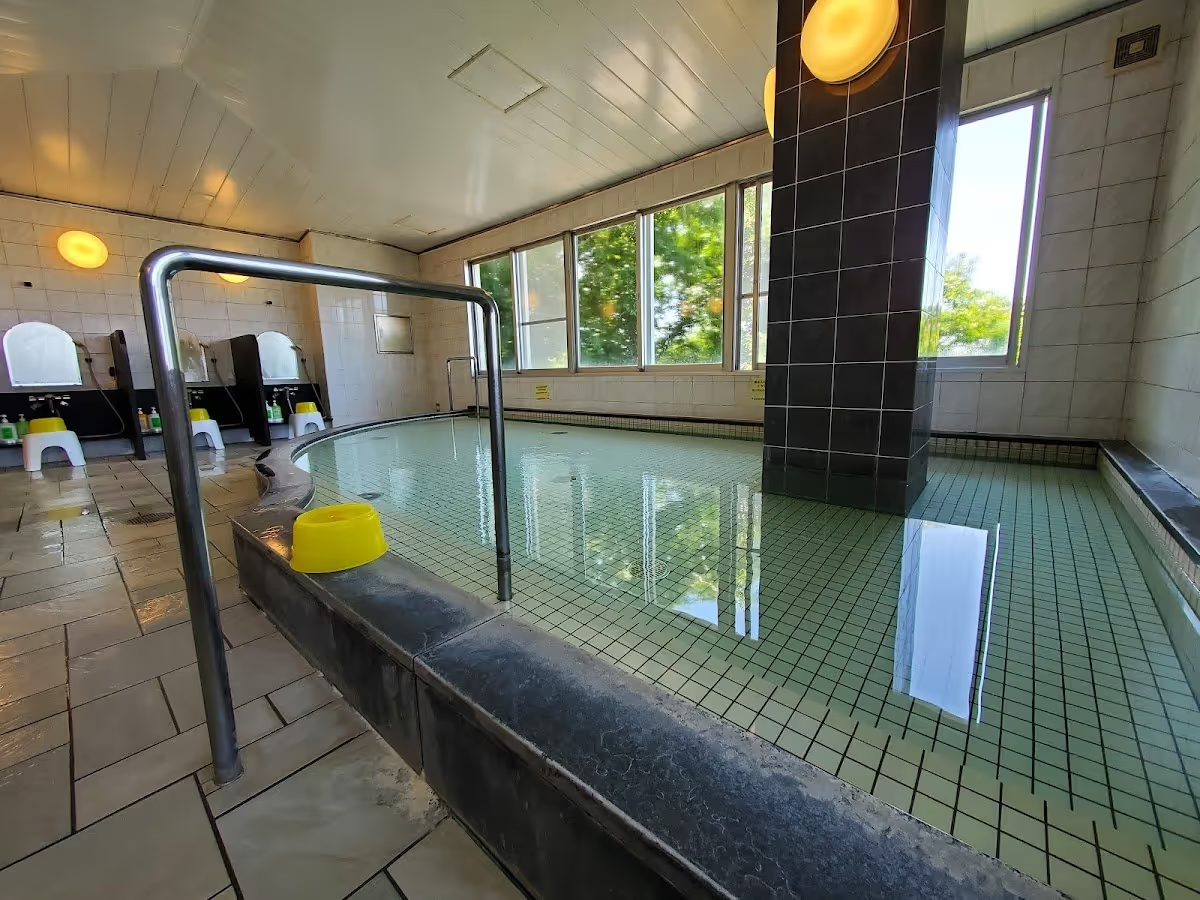
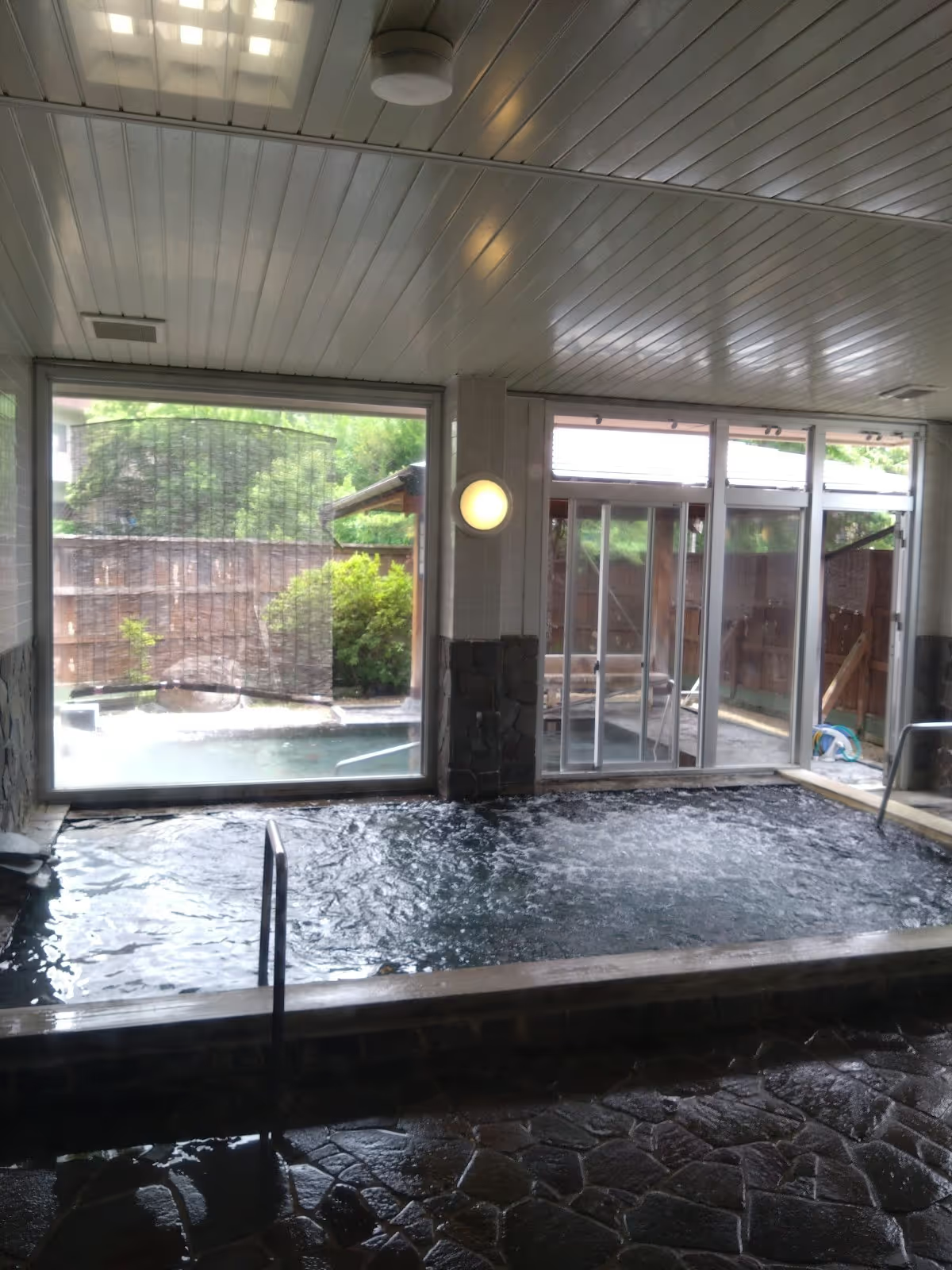
Day-trip bathing is available at numerous ryokan and hotels in the town; prices typically range from around 1,200 to 2,750 yen per person depending on facility, with most day-trip sessions available from early afternoon. Advance contact with facilities is recommended as day-trip availability varies by season and occupancy. Free public foot baths operate in the plaza in front of Atami Station and along the Sun Beach and Shinsui Park promenade. The Atami Shichi-Yu Meguri is a self-guided route visiting the historic Nanayu spring sites around the town, most of which can now be viewed as monuments rather than bathing spots.
Suitability & Accessibility
Who Atami Onsen Suits
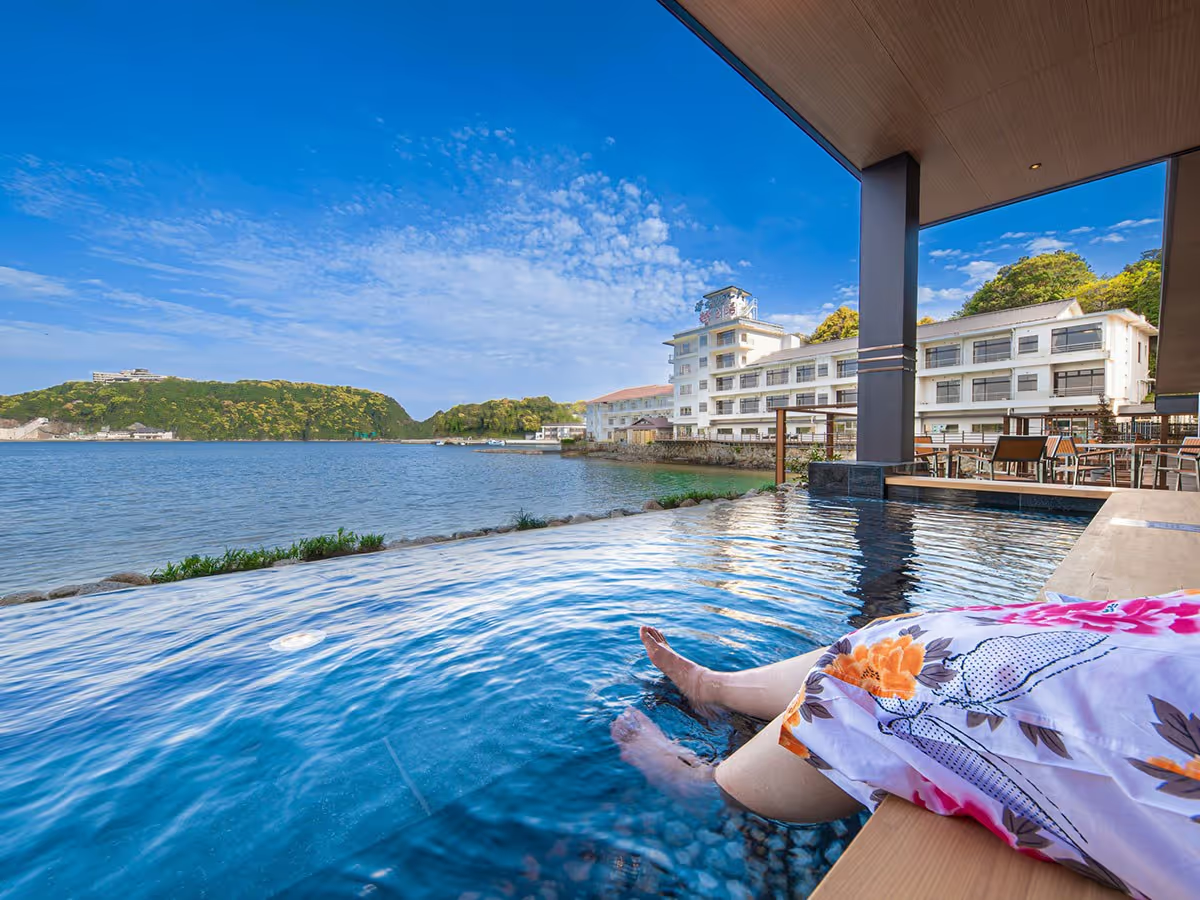
Atami Onsen suits day-trippers from Tokyo and Yokohama who want a traditional Japanese hot spring experience within an hour by Shinkansen. The sheer number of facilities, ranging from budget-accessible public foot baths to high-end ryokan with private open-air ocean-view baths, makes it adaptable to most budgets and preferences. The oceanside setting distinguishes Atami from inland onsen towns, and some ryokan offer rotenburo with direct views over the Pacific.
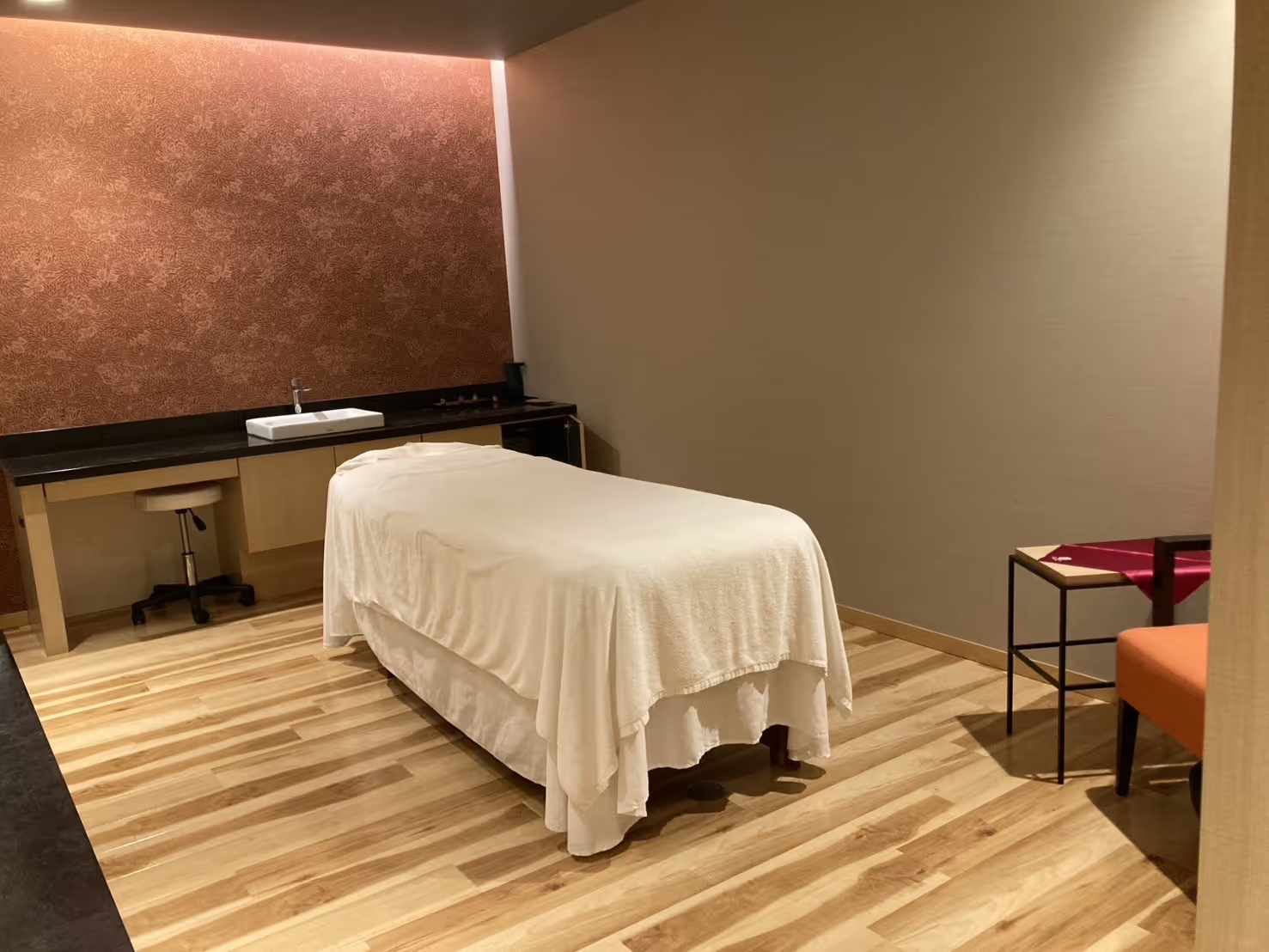
Families are welcome; the free public foot baths near the station are a low-commitment introduction to the onsen experience suitable for all ages. Day-trip bathing at most facilities requires traditional onsen etiquette with no swimwear in communal baths. Some facilities offer private rooms or private baths bookable by the hour, which work well for families or visitors new to Japanese bathing culture. The MOA Museum of Art, Atami Castle, and the Acao Forest garden complex provide non-bathing activities for a fuller day.
Wheelchair accessibility varies significantly between facilities. The town is hilly and some areas involve steep paths. Facilities close to Atami Station are generally easier to reach than those on the hillside. Visitors with mobility requirements should confirm accessibility directly with each facility before visiting. The free foot baths near the station are level and accessible.
Safety & Etiquette
Atami Onsen Safety Tips
Atami Onsen is generally safe for visitors, with well-established commercial bathing facilities throughout the town. The main safety considerations are the very high source temperatures, onsen etiquette requirements, and health contraindications for certain conditions. The spring water in Atami averages 63 degrees Celsius at source and is cooled before reaching bathing pools, but temperatures in individual baths still range from moderate to very warm.
Limit soaking sessions to 10 to 15 minutes, rest between soaks, and drink water regularly. Exit the bath immediately if you feel dizzy, nauseous, or faint. People with heart conditions, high blood pressure, or open wounds should not use hot spring baths or should consult a doctor first. The mandatory pre-bath shower at each facility is required for hygiene and is a firm etiquette rule; do not enter any bath unwashed. No swimwear is permitted in traditional communal onsen baths; baths are gender-separated. Keep towels out of the bath water.
Tattooed visitors should confirm each facility's policy in advance. Traditional onsen facilities in Japan typically prohibit bathing with visible tattoos, though some private-bath facilities in Atami accept tattooed guests. The Hashiriyu cave spring site, where 70-degree water gushes from the rock face, is for viewing only; do not attempt to touch or enter the water at source. The town's hillside streets can be steep; take care in wet weather, and use buses or taxis rather than walking uphill if mobility is limited.