Quick FactsOverview
About Nozawa Onsen
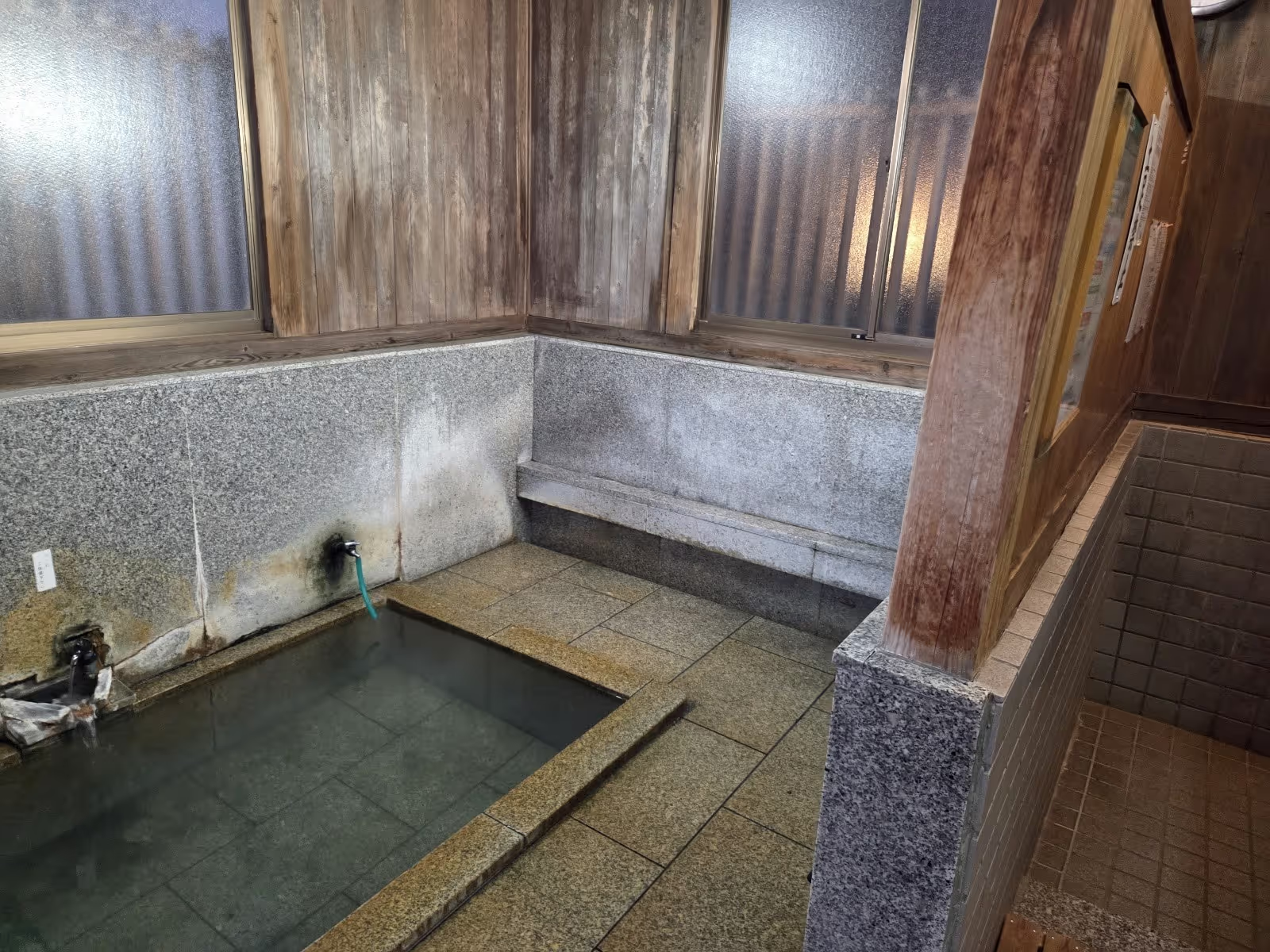
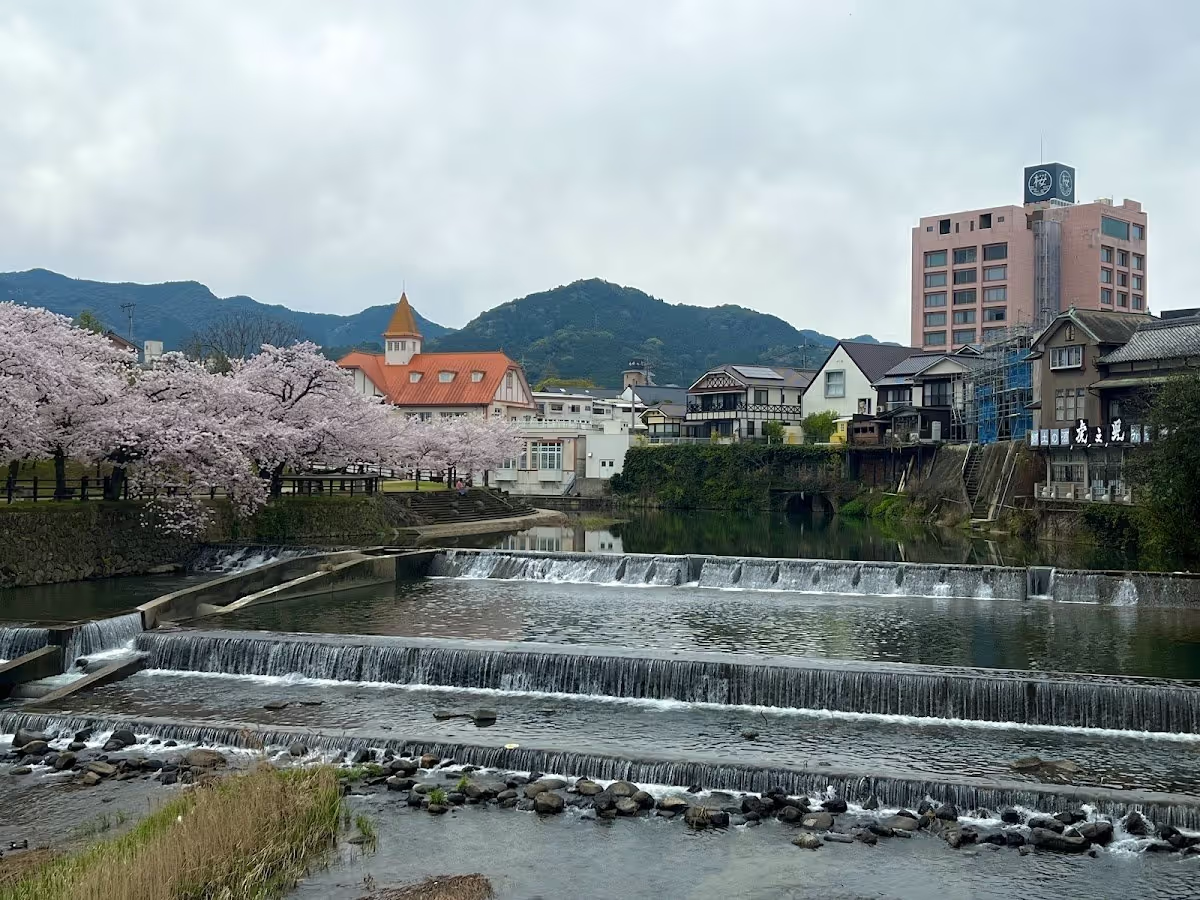
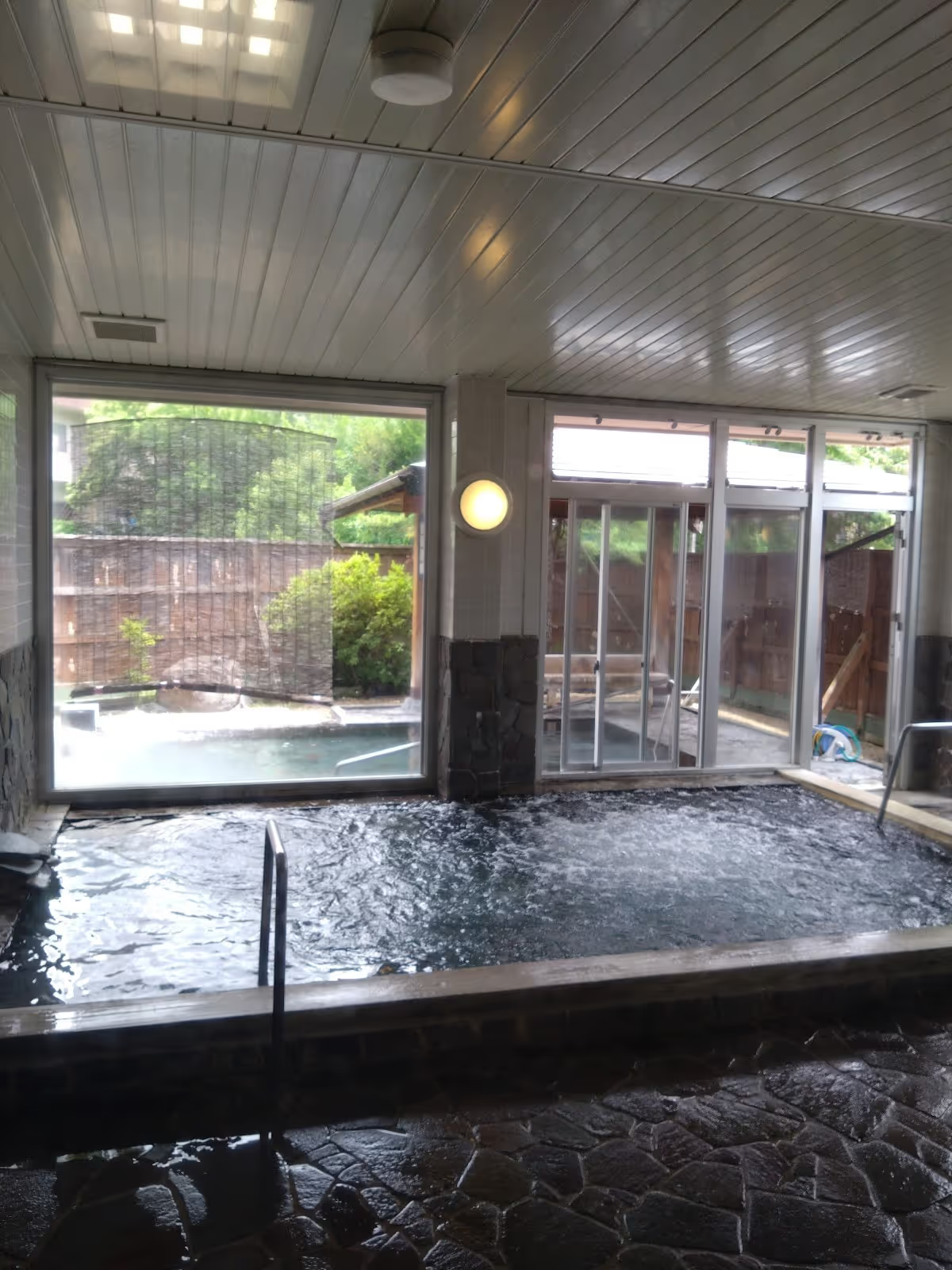
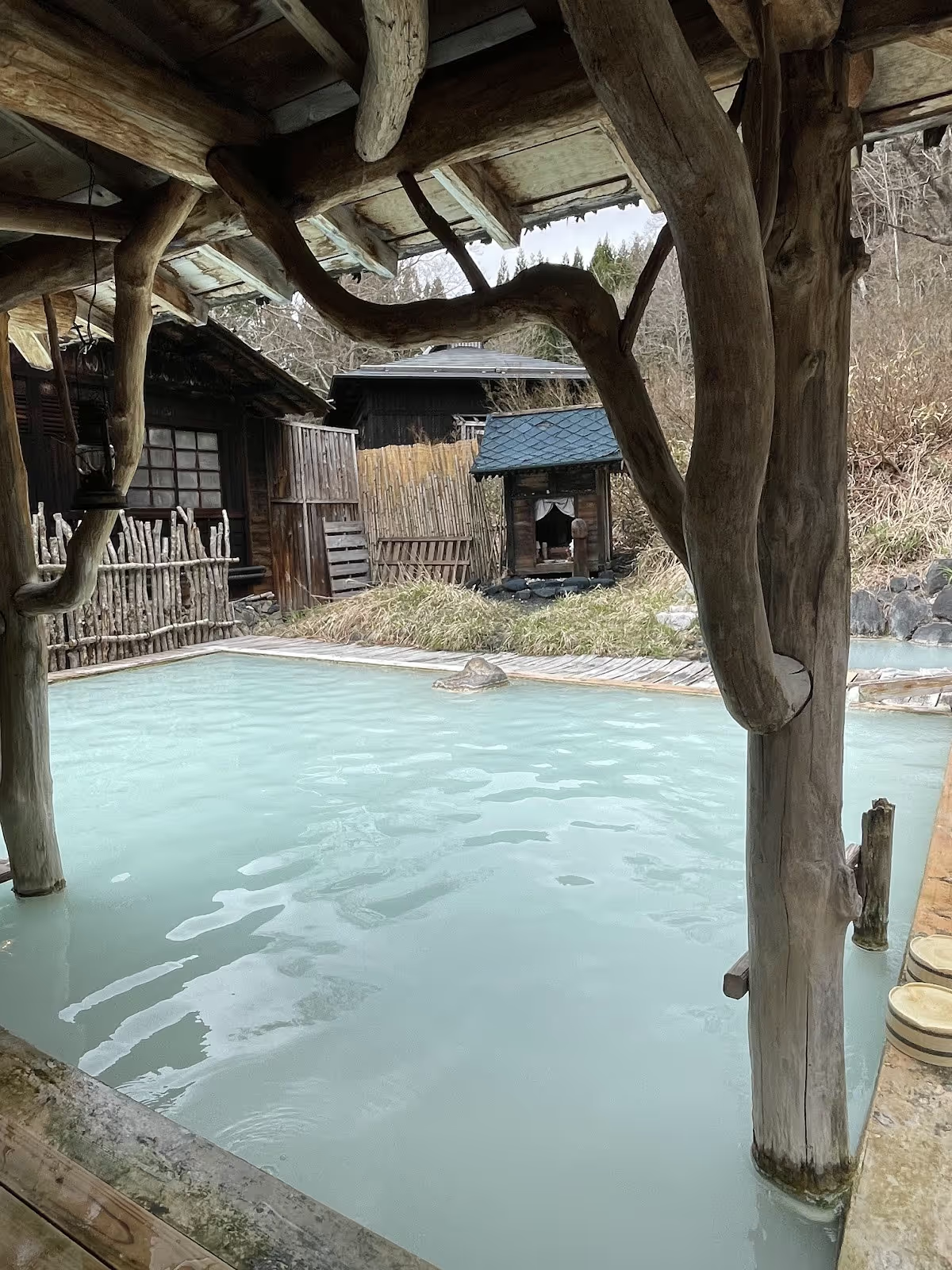
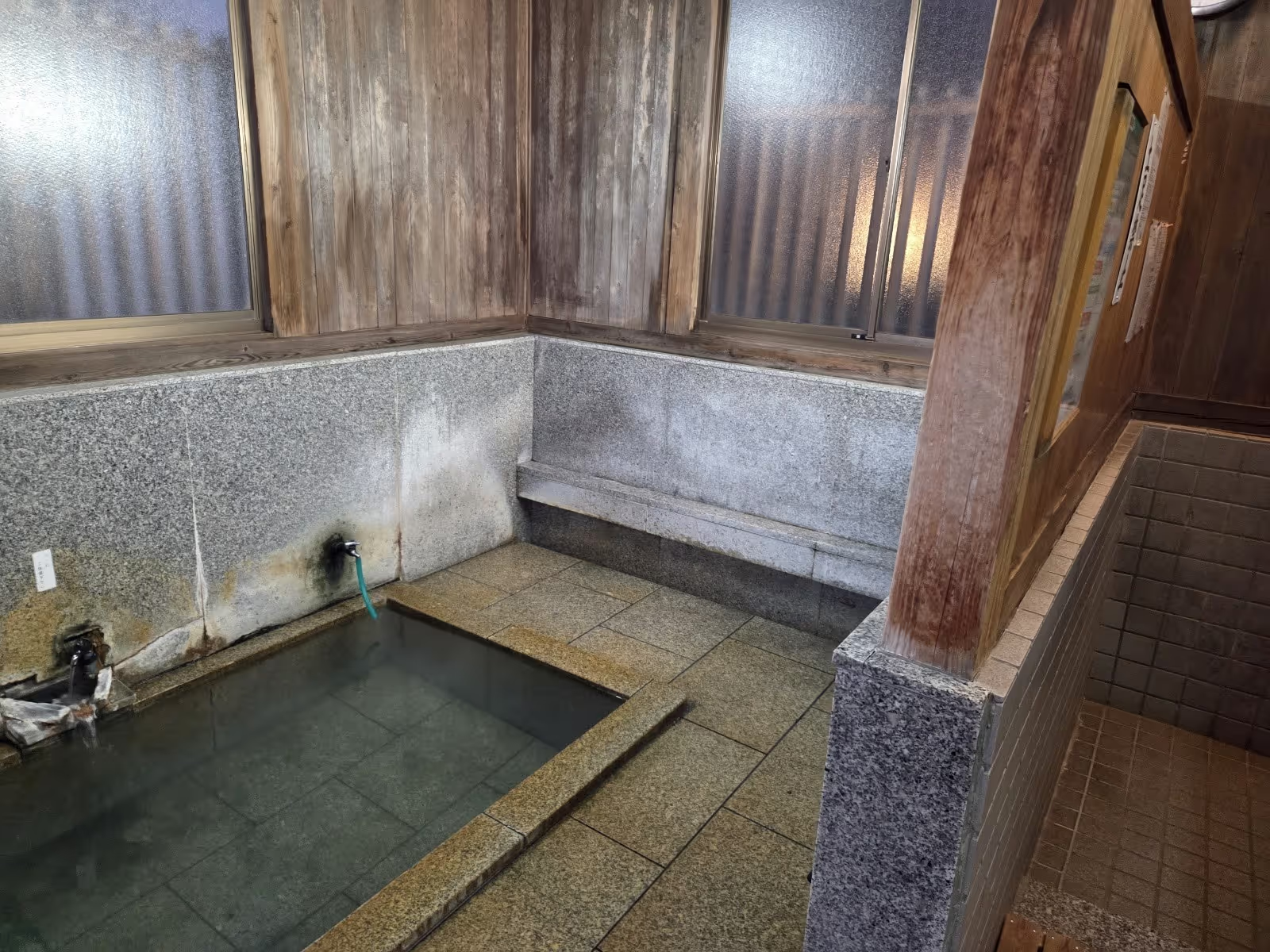
Nozawa Onsen, Japan is a historic hot spring and ski village in northern Nagano Prefecture, at the base of Mt. Kenashi in the Shimotakai District. The village has been a noted hot spring destination since the Edo period. Its heart is a collection of 13 traditional public sotoyu bathhouses maintained by the local Yunakama community of resident families. All 13 sotoyu are free to use, though visitors are encouraged to leave a small donation in the entrance box for upkeep. No soap or shampoo is provided at the sotoyu; bring your own towel and toiletries.
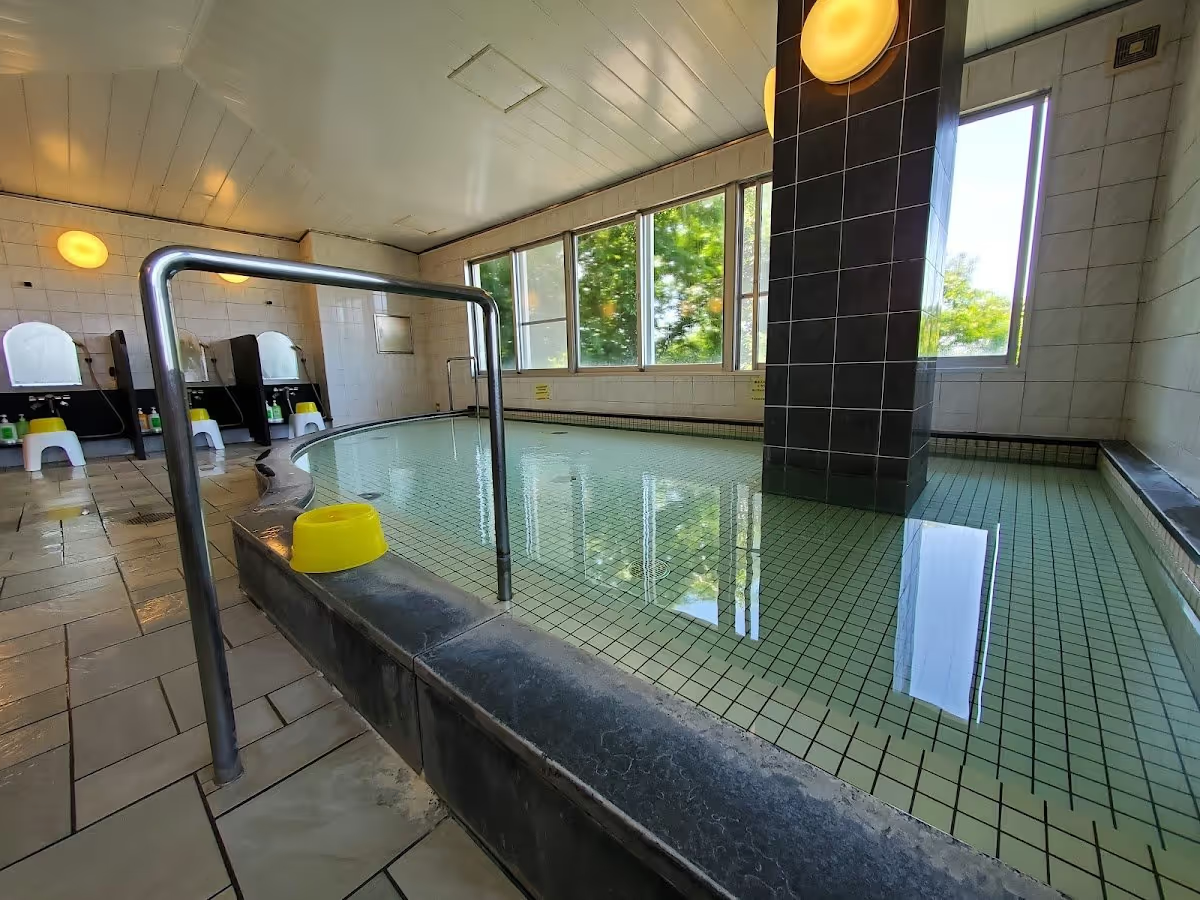
The water is an alkaline spring rich in minerals. Bath temperatures in the sotoyu typically range from 45 to 49 degrees Celsius, hot even by Japanese onsen standards. The largest sotoyu is Oyu, the grandest bathhouse in the village centre. Ogama spring at approximately 90 degrees Celsius is designated a national natural monument and is used exclusively by locals for cooking eggs and vegetables. Visitors can cook eggs in designated troughs nearby. An additional paid facility, Furusato-no-Yu, provides soap, shampoo, and more comfortable amenities for 500 yen. A seasonal free foot bath called Yurari is near Ogama. The village hosted the biathlon events at the 1998 Nagano Winter Olympics.
Location & Access
Getting to Nozawa Onsen
Nozawa Onsen is in northern Nagano Prefecture, approximately one hour from Nagano City by car and about two hours from Tokyo by public transport. From Tokyo, take the JR Hokuriku Shinkansen from Tokyo Station or Ueno Station to Iiyama Station (approximately 90 minutes), then a bus or taxi to Nozawa Onsen village (approximately 20 to 30 minutes). Alternatively, take the Shinkansen to Nagano Station and then a bus or bus transfer to Nozawa Onsen; total journey is approximately two hours. Direct seasonal bus services from Tokyo operate in winter. The village is approximately one hour's drive from Nagano City via National Route 117.
The 13 sotoyu are open from approximately 05:00 to 23:00, with slightly restricted hours in winter (06:00 to 23:00 from December to March); individual bathhouses may have shorter hours. No advance reservation is required. All sotoyu are within walking distance of accommodation in the main village area. Furusato-no-Yu is located near Ogama and charges 500 yen per adult with amenities provided. The ski resort gondola and slopes are immediately adjacent to the village and accessible on foot from most accommodation. Nozawa Onsen village centre is compact and navigable on foot; most lanes are narrow and not suitable for cars.
Suitability & Accessibility
Who Nozawa Onsen Suits
Nozawa Onsen suits visitors who want to combine a traditional, community-run free hot spring experience with one of Nagano's best ski resorts. The 13 free sotoyu are genuinely maintained by local families, not commercial operators, giving the bathing experience an authenticity that sets Nozawa apart from more resort-oriented onsen towns. The village atmosphere, with yukata-wearing guests walking narrow Edo-period lanes between ryokan and bathhouses, is well preserved and English-friendly thanks to its international ski resort profile.
Solo visitors, couples, and small groups are the main visitor type. The hot water temperatures (45 to 49 degrees Celsius) are genuinely hot; first-time visitors to Japanese onsen may want to start with a shorter soak and cool down between dips. Families with children are welcome and most sotoyu have no age restrictions, but the high temperatures require supervision of young children.
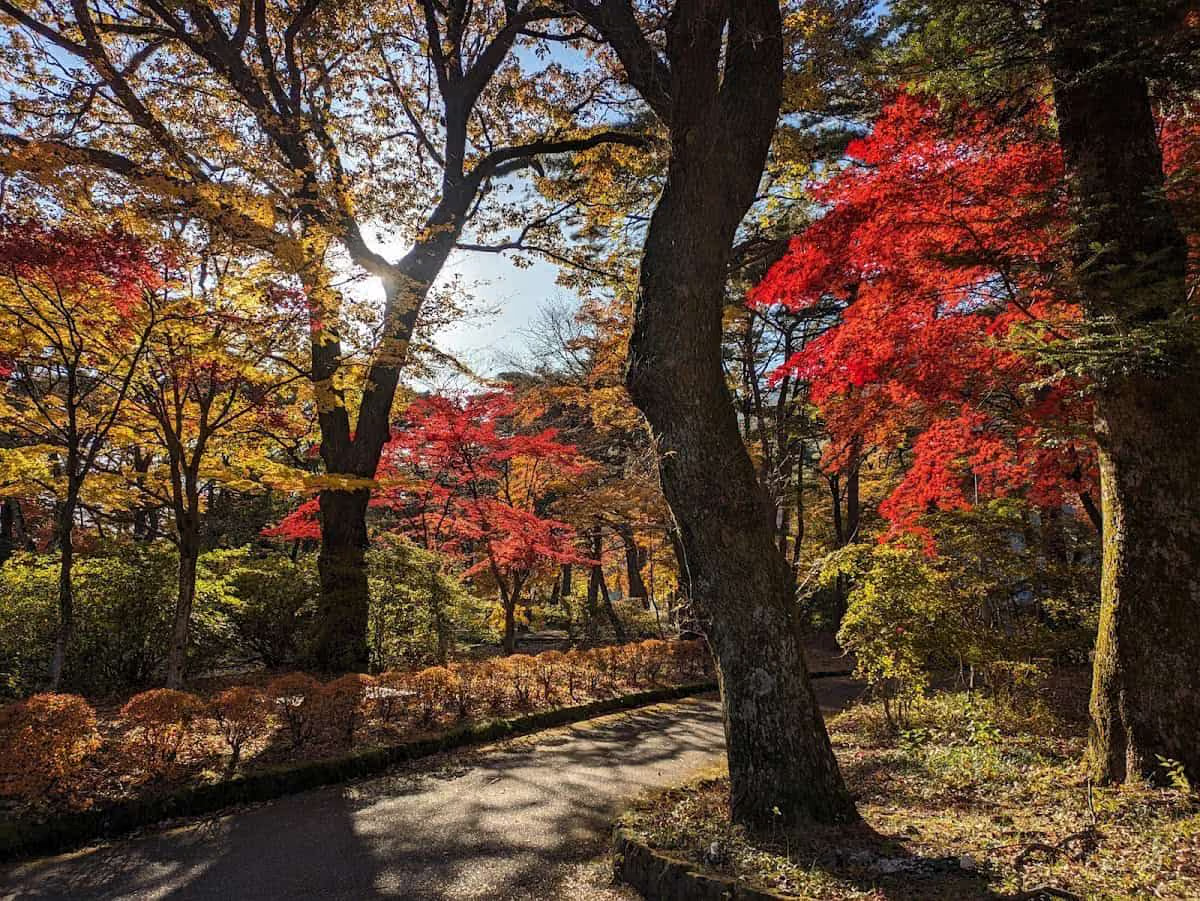
Wheelchair accessibility is limited; the village lanes are narrow, sloped, and cobbled in places, and the traditional wooden sotoyu have steps and small changing areas. Visitors with mobility requirements should contact individual accommodation for guidance. The ski season runs December through March; this is the busiest period. Summer and autumn are quieter and offer pleasant walking and onsen bathing without the crowds. The Dosojin Fire Festival on January 15 is a distinctive annual event, though it draws large crowds.
Safety & Etiquette
Nozawa Onsen Safety Tips
Nozawa Onsen is generally safe as a well-established village with long-managed bathing facilities, but the high bath temperatures and unattended community baths require more visitor awareness than a staffed commercial facility.
Bath temperatures in the 13 sotoyu range from 45 to 49 degrees Celsius, which is hotter than most onsen in Japan and significantly hotter than typical Western bathing. Acclimatise by pouring the hot spring water over your arms and legs before entering the bath, working slowly toward your core. If you wish to cool down the bath, ask other bathers first with the phrase "mizu wo irete mo ii desu ka?" as locals may strongly object to diluting the water. Limit soaking to 10 minutes, rest outside the bath, drink water, and repeat. People with heart conditions, hypertension, or open wounds should consult a doctor before bathing at these temperatures. Children must be supervised closely given the water heat; the sotoyu have no attendant present and are used for daily bathing by locals as well as visitors.
The Ogama spring at 90 degrees Celsius is extremely dangerous; do not approach or touch the water in the cooking pools. Stay behind the fence that surrounds the Ogama area. Follow the posted etiquette rules on entry. Wash thoroughly before entering the bath. In winter, the village lanes and steps can be icy and slippery; wear appropriate footwear. The ski resort above the village has standard alpine safety requirements; follow posted piste rules and conditions.