Quick FactsOverview
About Jizo-Yu
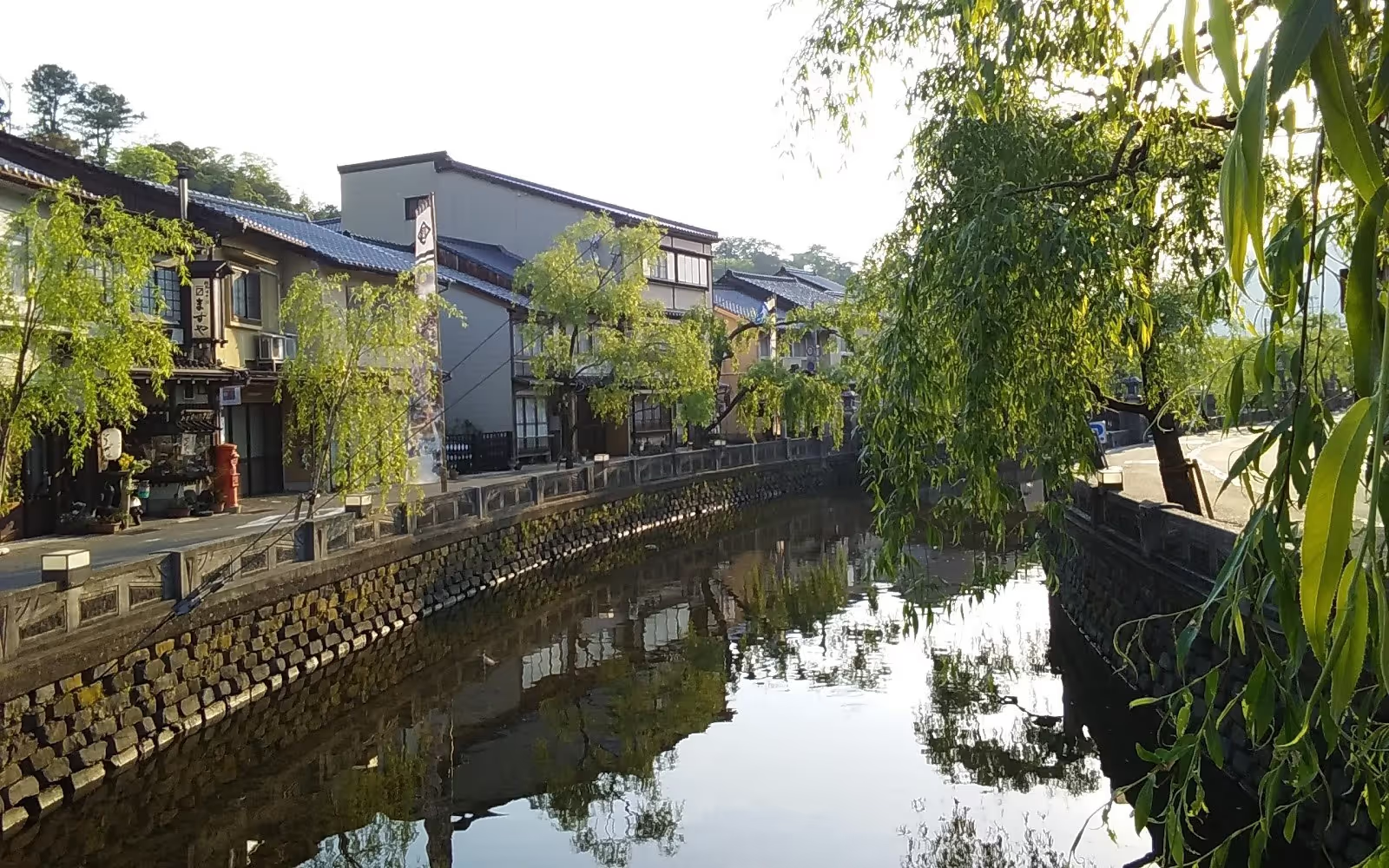
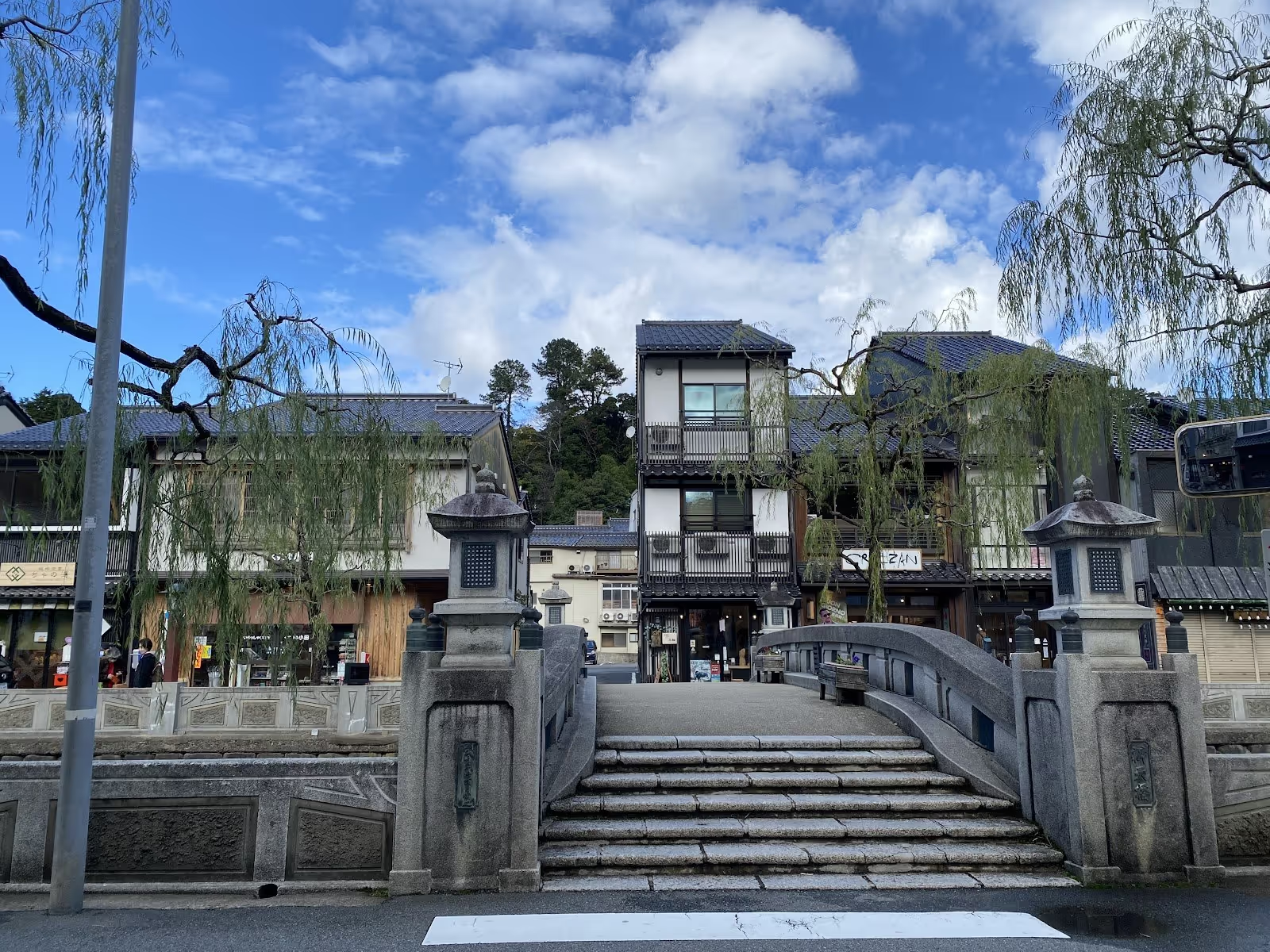
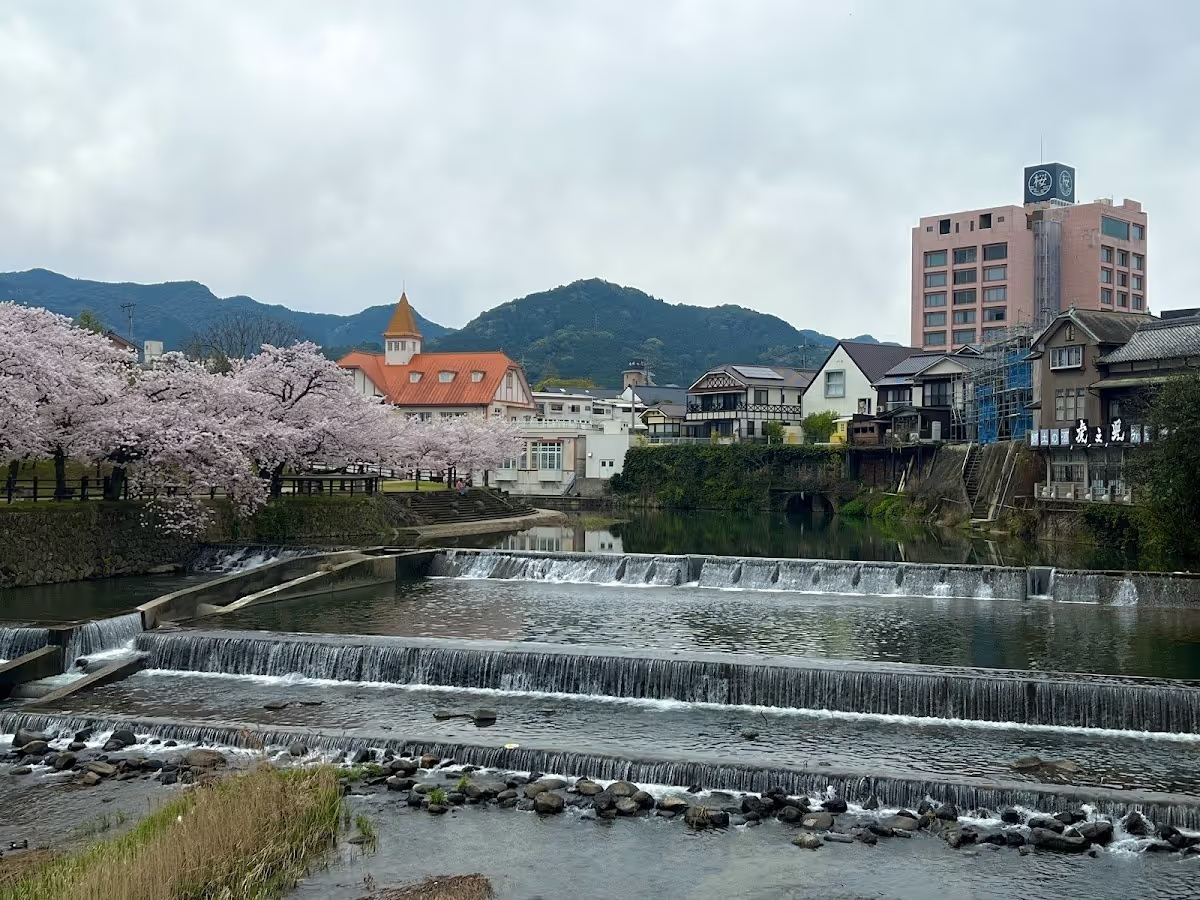
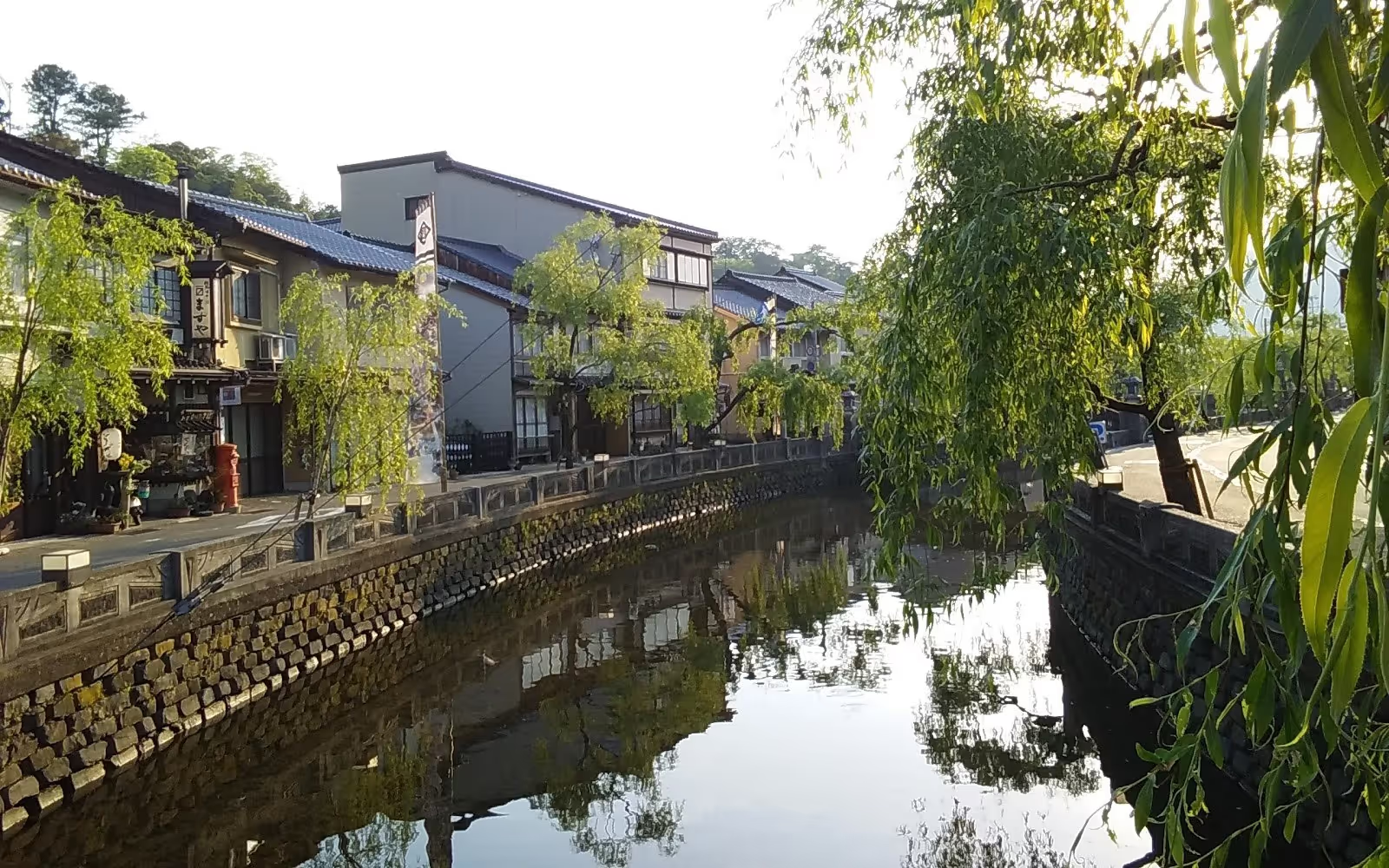
Jizo-Yu, Japan is a public hot spring bathhouse in Kinosaki Onsen, a historic onsen town in the Toyooka area of northern Hyogo Prefecture. It is one of seven sotoyu, or community public baths, that define Kinosaki Onsen's identity as a town built around communal bathing. The sotoyu system invites overnight guests to bathe-hop between all seven bathhouses using a pass included with ryokan accommodation, while day visitors can purchase individual or all-day tickets. Jizo-Yu is near the intersection of Ekidori street and Kitayanagi-dori, among the first bathhouses visitors encounter when walking from JR Kinosaki Onsen Station into the town.
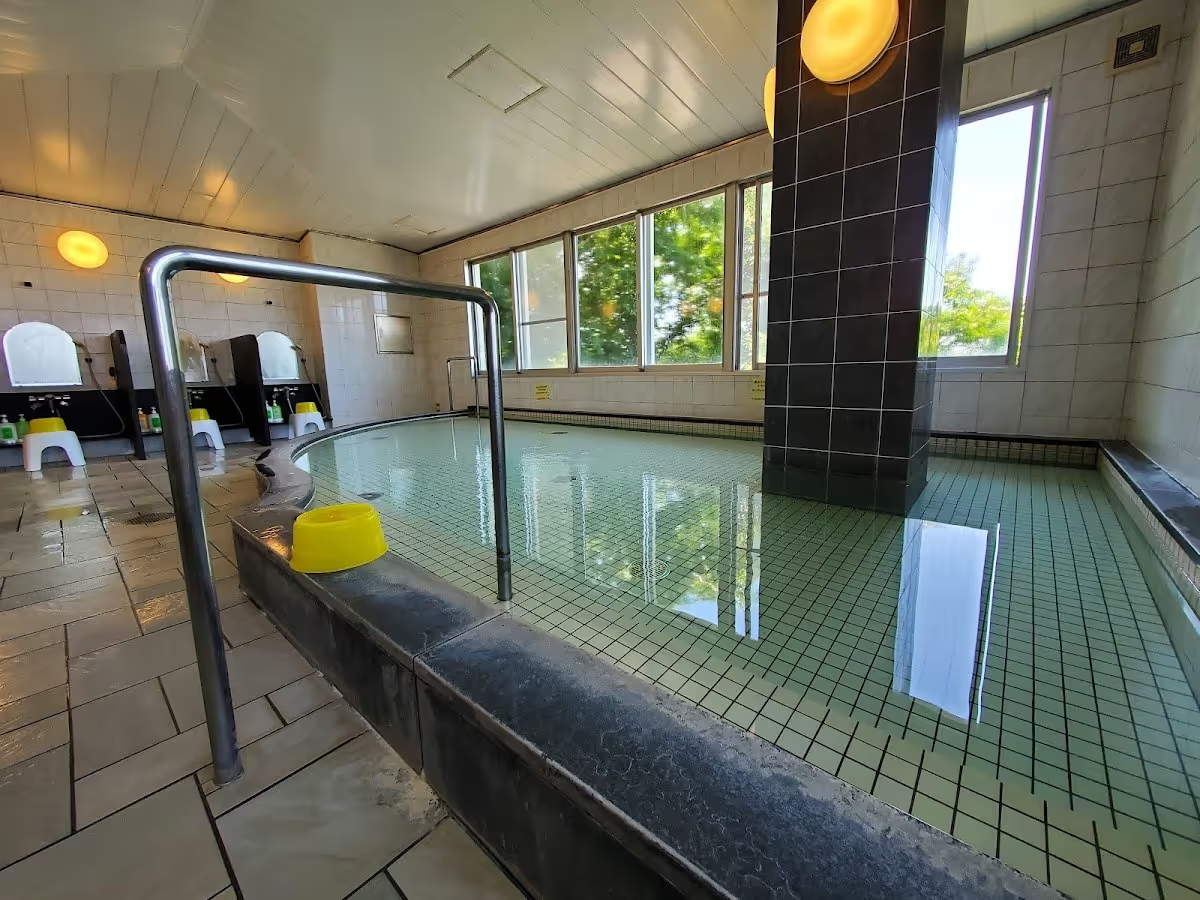
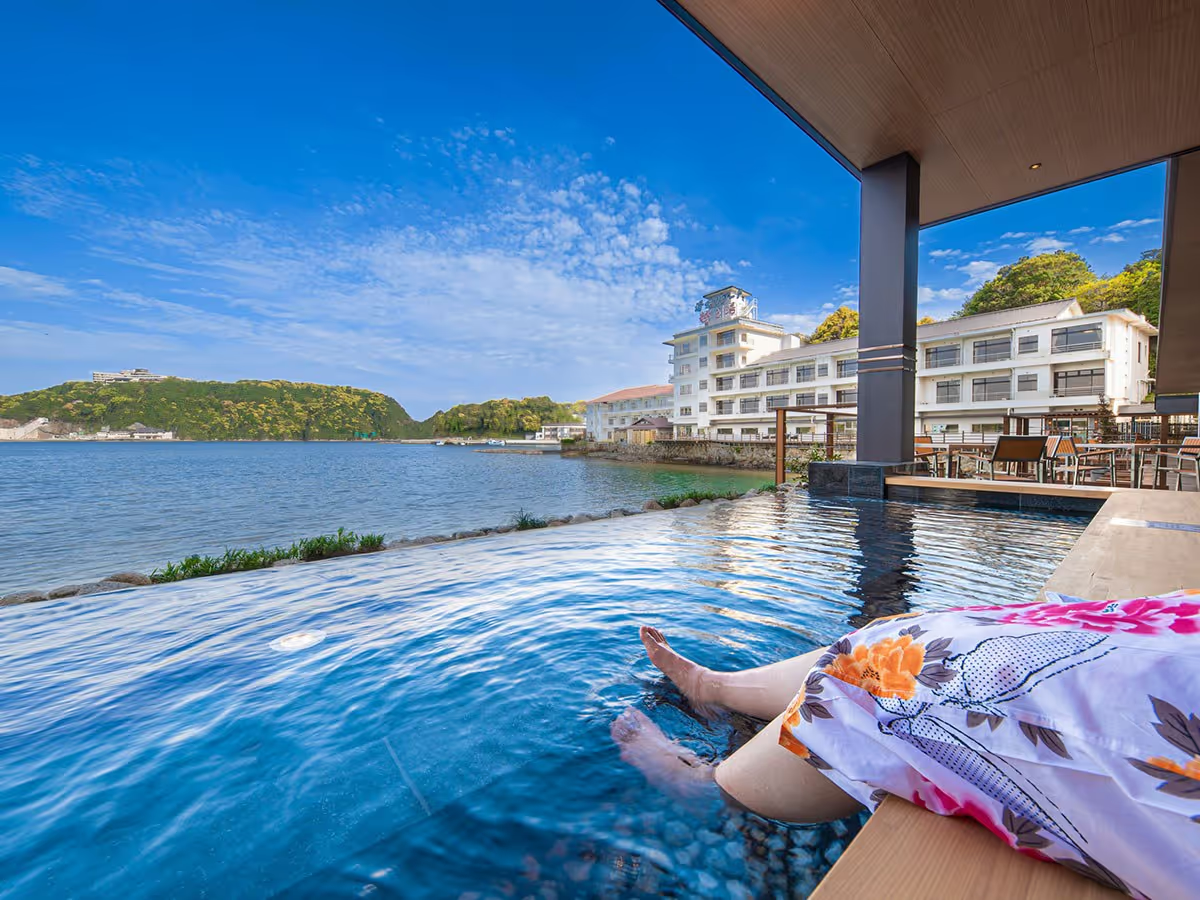
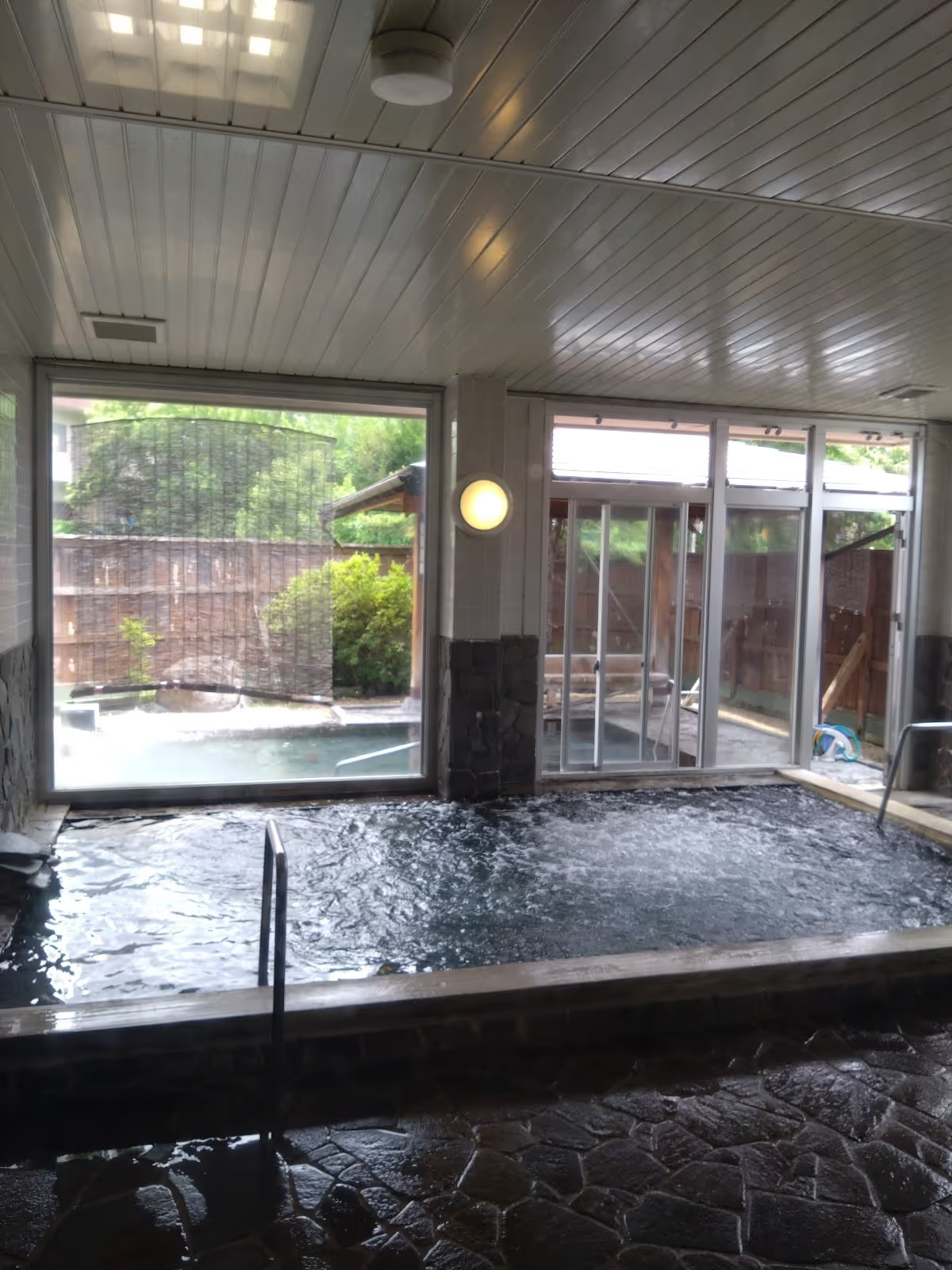
The building's exterior is designed to resemble a Japanese stone lantern, with hexagonal windows whose shape references the volcanic basalt columns at Genbudo Park nearby. The bathhouse is named for the Jizo bodhisattva, a protective deity associated with children and travellers; a Jizo statue was unearthed from the spring source, giving the site its name. The interior has an indoor main bath with high ceilings, a smaller lukewarm pool suited to children, and private family baths at an additional charge. There is no outdoor rotenburo. The water is among the hottest of Kinosaki's seven bathhouses. All seven Kinosaki sotoyu are tattoo-friendly.
Location & Access
Getting to Jizo-Yu
Jizo-Yu is at the corner of Ekidori and Kitayanagi-dori in Kinosaki Onsen, Toyooka, Hyogo Prefecture, approximately a three to five-minute walk from JR Kinosaki Onsen Station. The San'in Main Line connects Kinosaki Onsen Station to Kyoto in around two and a half hours via the Kinosaki limited express and to Osaka in around two and a half to three hours via the Hamakaze or Kounotori limited express services, both of which accept JR Pass. From Toyooka Station, two stops away, local trains run frequently and take around five minutes.
Jizo-Yu is open daily from 07:00 to 23:00 with last entry at 22:30. The bathhouse is closed on Mondays; if a Monday falls on a public holiday, confirm current closures at visitkinosaki.com before visiting. Single entry costs 800 yen for adults and 400 yen for children aged three to elementary school age. A Yumepa day pass covering all seven Kinosaki sotoyu is available for 1,500 yen per adult and 750 yen per child; it can be purchased at any of the seven bathhouses or at the tourist information centre. Overnight guests at Kinosaki ryokan typically receive a Yumepa pass included with their stay. Soap and shampoo are provided; towels are not included and can be purchased at the entrance for 200 yen or rented for 300 yen. Cash only for individual tickets.
Suitability & Accessibility
Who Jizo-Yu Suits
Jizo-Yu suits visitors to Kinosaki Onsen who want to experience the town's sotoyu bathing culture in one of its more traditional and community-facing bathhouses. It tends to be quieter than some of the larger sotoyu, making it a good choice for those who prefer a neighbourhood atmosphere. Its position near the station makes it a convenient first or last stop when arriving or departing Kinosaki Onsen, and the early 07:00 opening allows for a morning soak before catching a train.
Families with children benefit from the dedicated children's pool, which runs at a gentler temperature than the main bath, and from the private family bath option. The high water temperature makes Jizo-Yu well-suited to quick, warming soaks, especially in cold weather; visitors sensitive to very hot water should be aware the main bath is one of the hottest in town. The lack of an outdoor rotenburo means the experience is fully indoor and weather-independent regardless of season.
Tattooed visitors are welcome in all Kinosaki sotoyu including Jizo-Yu, confirmed policy across the entire town. This makes Kinosaki Onsen one of the most accessible onsen towns in Japan for international visitors with tattoos. The Yumepa day pass is the best-value entry if planning to visit more than two of the seven sotoyu in a single day.
Safety & Etiquette
Jizo-Yu Safety Tips
Jizo-Yu is generally safe as a staffed public bathhouse in the centre of Kinosaki Onsen, with clean facilities and clear etiquette guidance at the entrance. The main safety consideration is the high water temperature, which is among the hottest of Kinosaki's seven sotoyu, and the standard health contraindications that apply to any hot spring bath.
The main bath runs at a temperature that many visitors describe as difficult to stay in for more than three to five minutes at a time. Acclimatise gradually by entering the water slowly; do not submerge your full body straight away. Limit soaking time and rest on the bath edge between rounds to allow your body to cool. The children's pool runs at a lower, gentler temperature and is better suited to young bathers or visitors who find the main bath too intense. Drink water before entering and again after bathing to avoid dehydration. People with heart conditions, hypertension, or open wounds should not use the bath or should consult a doctor before visiting any hot spring facility.
Wash thoroughly at the shower stations before entering any bath; this is a non-negotiable etiquette requirement at all public onsen in Japan and is taken seriously by the staff and other bathers. No swimwear is permitted in the communal baths; the baths are gender-separated with the exception of the private family bath, which accommodates mixed-gender family groups. Keep your towel and any personal items out of the bath water. The cobblestone streets of Kinosaki can be slippery when wet; wear appropriate footwear when walking between sotoyu, especially in rain or winter. If combining Jizo-Yu with other sotoyu on the same day, rest and hydrate between each bath and do not rush the circuit.