
Quick FactsOverview
About Ginzan Onsen, Japan
Ginzan Onsen Japan is a preserved onsen village in Obanazawa, Yamagata Prefecture, set in the mountains of the Tohoku region. The town takes its name from a silver mine that once operated in the surrounding hills, and its economy shifted from mining to hot spring tourism during the Taisho period in the early 20th century. It sits beside the Ginzan River and is one of Japan's most recognized onsen towns for its historic streetscape.
What Makes Ginzan Onsen Distinctive
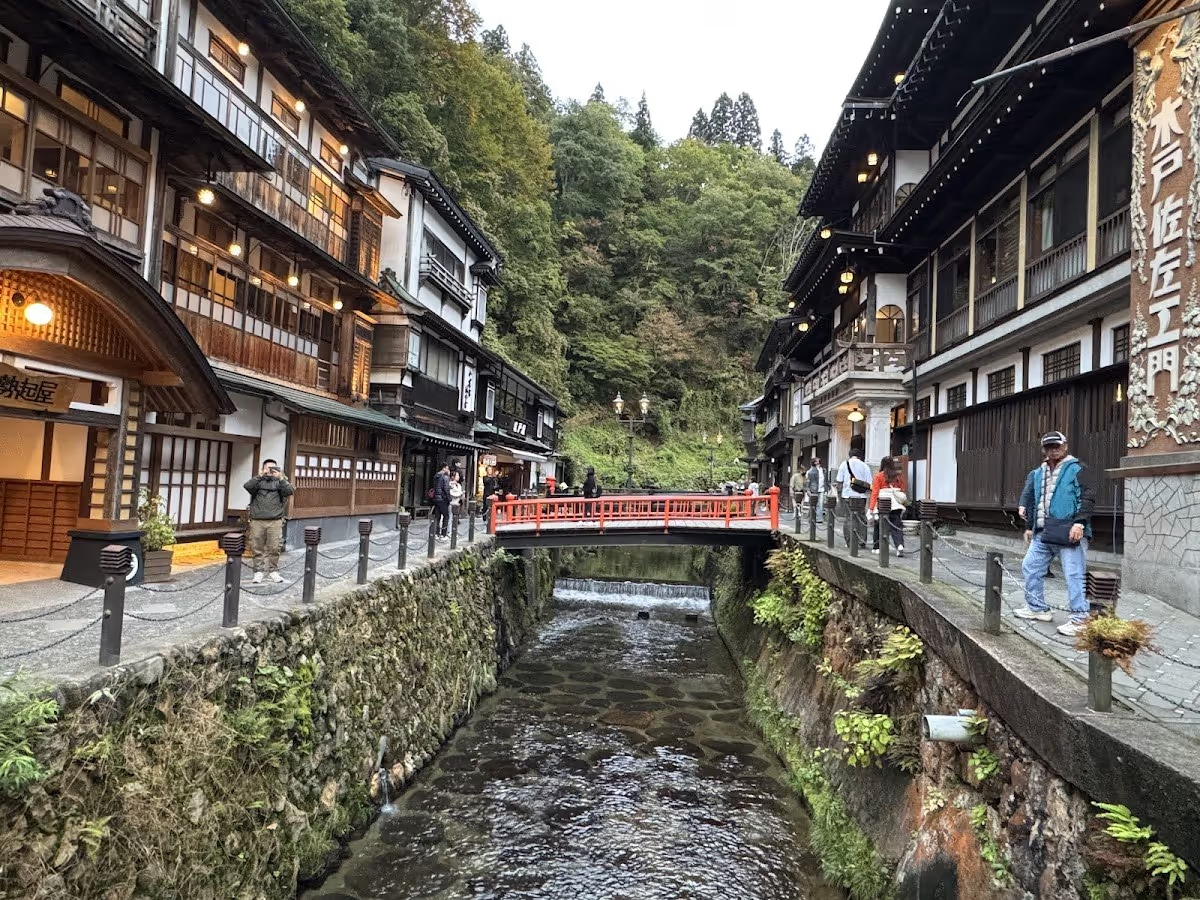
The central feature of Ginzan Onsen is the row of traditional wooden ryokan lining both sides of the Ginzan River. These three and four-story buildings, with exposed timber frames and white plaster walls, create a streetscape that feels largely unchanged from the Taisho era. After dark, gas lanterns illuminate the bridges and pedestrian streets, reinforcing the atmosphere that draws visitors throughout the year.
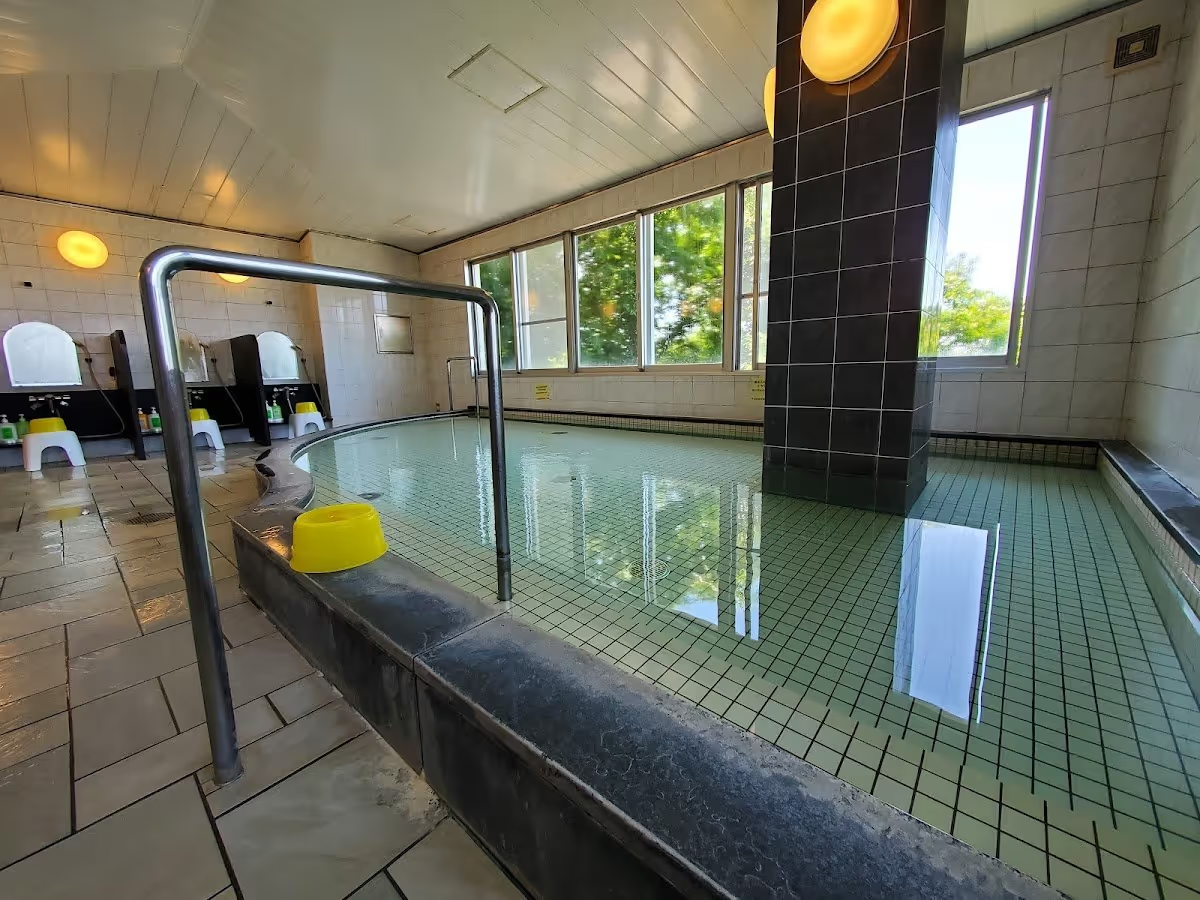
The car-free town center has three public baths available for a small fee. Many ryokan also offer private kashikiri baths for exclusive use by small groups. Ginzan Onsen gained international recognition after being cited as an inspiration for the animated film Spirited Away, which contributed to a significant rise in overseas visitors.
Location & Access
Getting to Ginzan Onsen
Ginzan Onsen is located in Obanazawa City in northern Yamagata Prefecture, roughly 60 kilometers north of Yamagata City. The standard approach from Tokyo is to take the JR Yamagata Shinkansen to Oishida Station, a journey of approximately three hours and 20 minutes, and then board one of the buses that run to Ginzan Onsen roughly every two hours, with a journey time of around 35 minutes.
From Sendai, the route involves taking the Senzan Line to Yamagata Station, then continuing north toward Oishida by limited express or local train. Connections to the bus for Ginzan Onsen are available at Oishida Station. The Shinkansen portion of the journey is covered by the Japan Rail Pass, but the bus to Ginzan Onsen is not included and should be paid separately.
By car from Yamagata City, the drive north to Ginzan Onsen takes approximately 60 to 70 minutes via National Route 13 toward Obanazawa, then Route 347 east into the mountains. A parking lot is located a 5 to 10 minute walk from the town center, as private vehicles are not permitted on the main riverside street. Many ryokan will arrange to meet guests at the parking lot.
For those seeking hot springs near Obanazawa, Ginzan Onsen is the most well-known destination in the area and is the primary reason most visitors travel to this part of Yamagata. A direct bus service also runs from Yamagata Airport on a limited schedule, taking around 70 to 90 minutes.
Suitability & Accessibility
Who Ginzan Onsen Suits Best
Ginzan Onsen suits travelers who want full immersion in traditional Japanese ryokan culture. Staying overnight at one of the ryokan is the primary way most visitors experience the town, giving access to the inn's own onsen baths, a kaiseki dinner, and the chance to walk the gas-lit streets in the evening in a yukata. The village is a particularly good fit for visitors who value atmosphere and cultural experience over a wide range of activities.
Day visitors can access the three public baths and walk the riverside street, but the evening atmosphere and the full ryokan experience are only available to overnight guests. Day-trippers arriving on the last bus will have limited time before the scheduled return service departs.
Families traveling with children can stay at most ryokan. For those considering family hot springs near Obanazawa, the private kashikiri bath options at several ryokan provide a more controlled bathing environment for children than the communal public baths.
The terrain is mountainous and riverside paths have uneven surfaces. Buildings are traditional in construction with stairs and low entrances throughout. Visitors with mobility limitations should contact their chosen ryokan directly to discuss access arrangements, as conditions vary between properties.
Safety & Etiquette
Safety at Ginzan Onsen
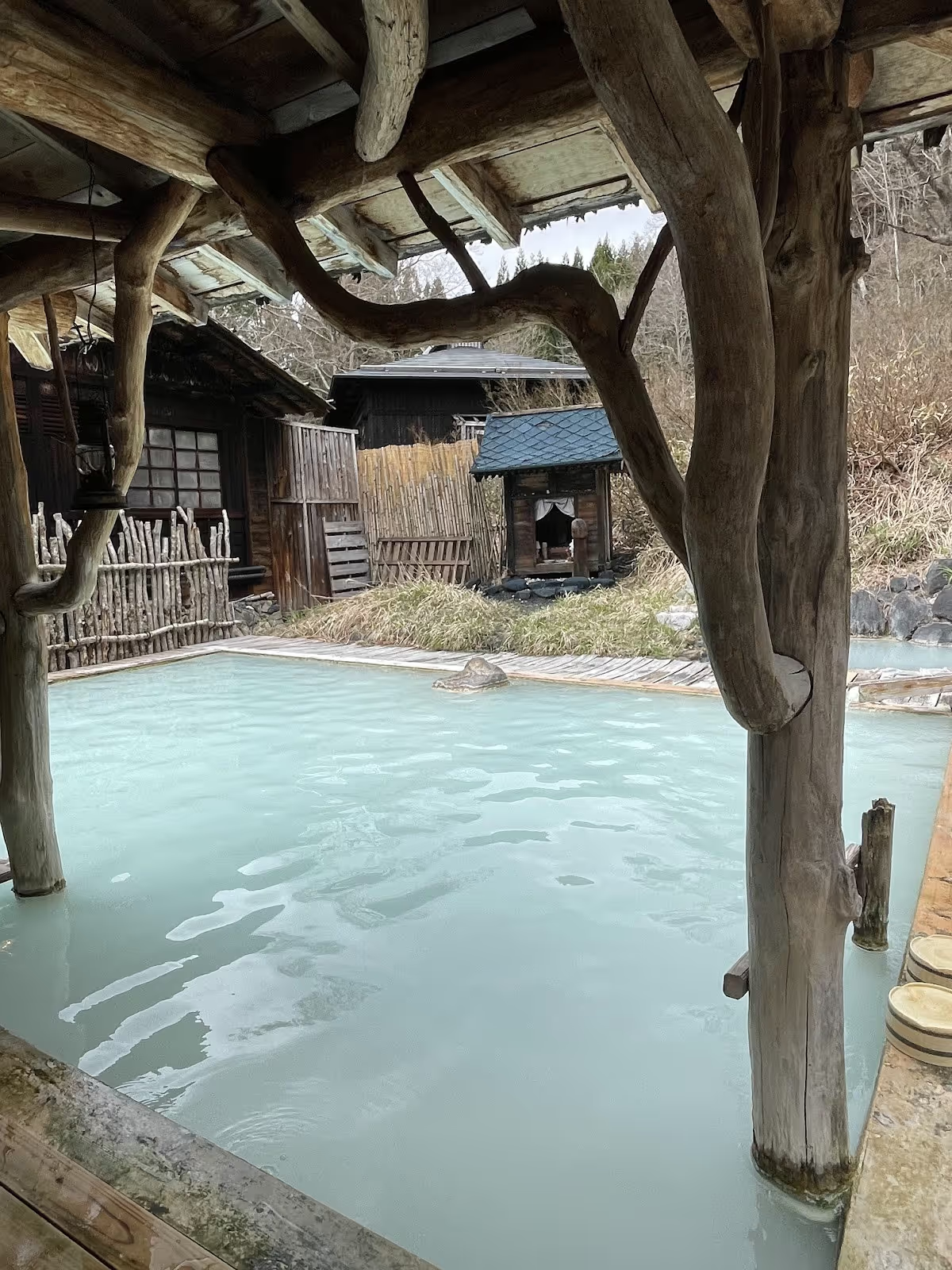
Ginzan Onsen is a managed village environment. The onsen water is a sodium chloride and sulfate spring, which is considered gentler than highly acidic springs. It is generally well tolerated, but those with significant skin conditions or health concerns should consult a physician before extended soaking.
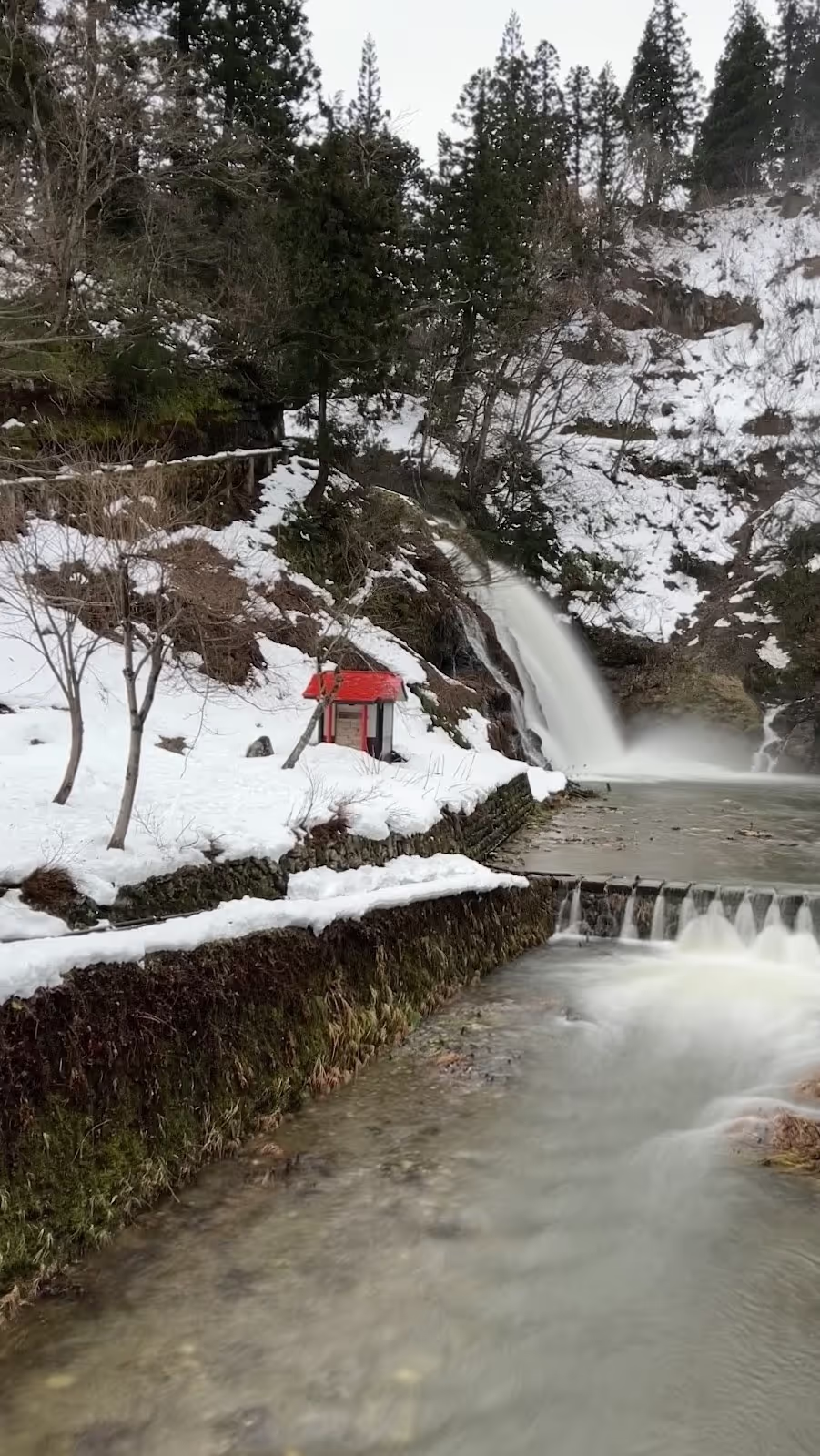
The village receives heavy snowfall in winter, and paths between ryokan and public baths can become slippery. Visitors should wear footwear suitable for snow and ice. Road conditions into the village can be affected by heavy snowfall, so checking before departing in winter months is advisable.
The hiking trails around Ginzan Onsen, including the path to Shirogane Falls and toward the old silver mine area, are generally closed in winter and early spring due to snow. Visitors planning to hike should confirm trail conditions with the local tourist information center before setting out.
Etiquette at Ginzan Onsen
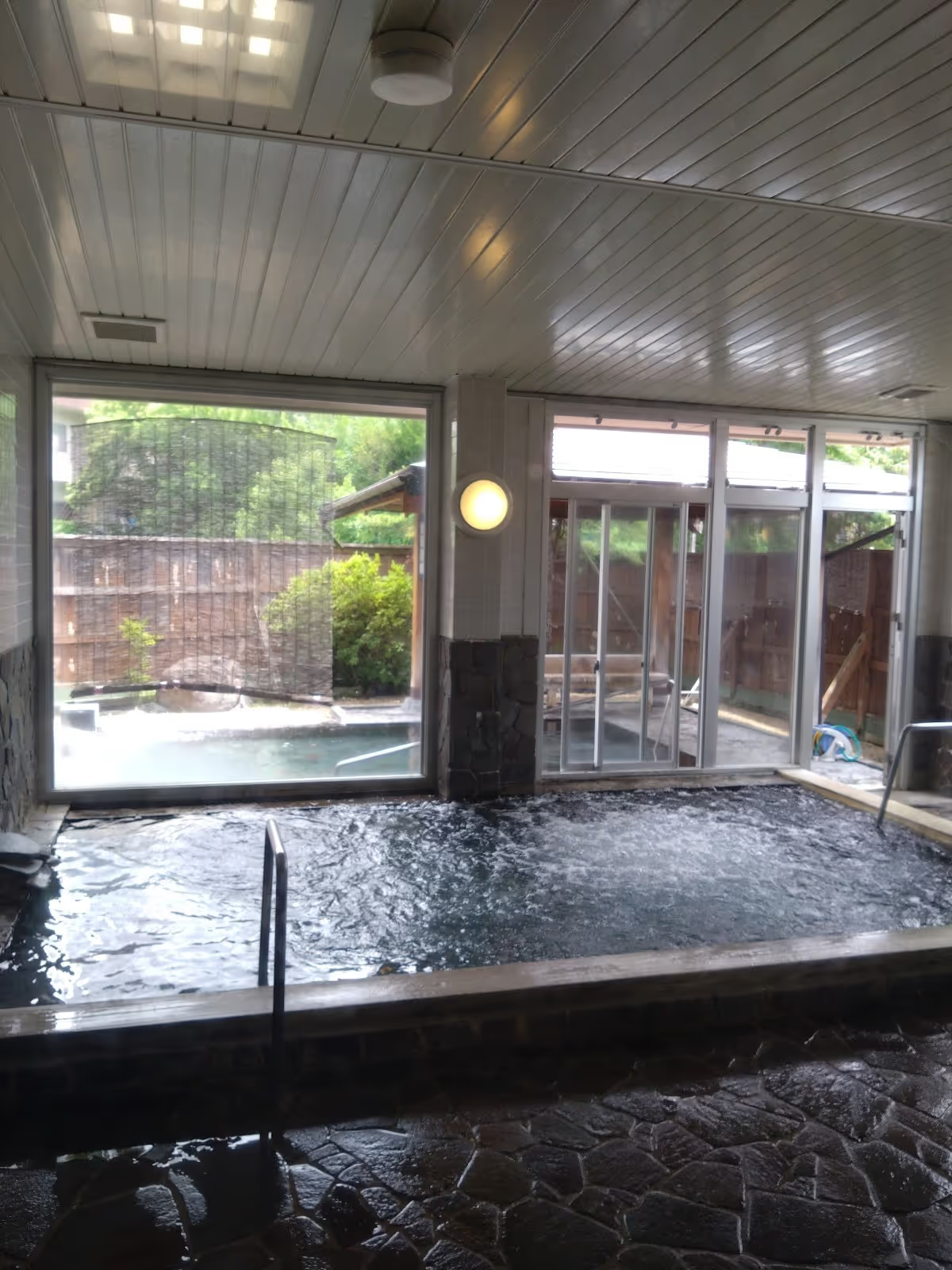
Both the public baths and ryokan baths follow standard Japanese onsen etiquette. Bathing is done in the nude. Visitors should wash thoroughly at the shower station before entering the communal bath. Towels and soap should not be brought into the soaking pool. Keeping noise low and refraining from using mobile phones in the bath area is expected.
The town center is a pedestrian area, and visitors are asked to walk quietly, particularly in the evening when guests are relaxing at the ryokan. Photography of the streetscape is common, but pointing cameras into private ryokan spaces is not appropriate.