Quick FactsOverview
About Takegawara Onsen
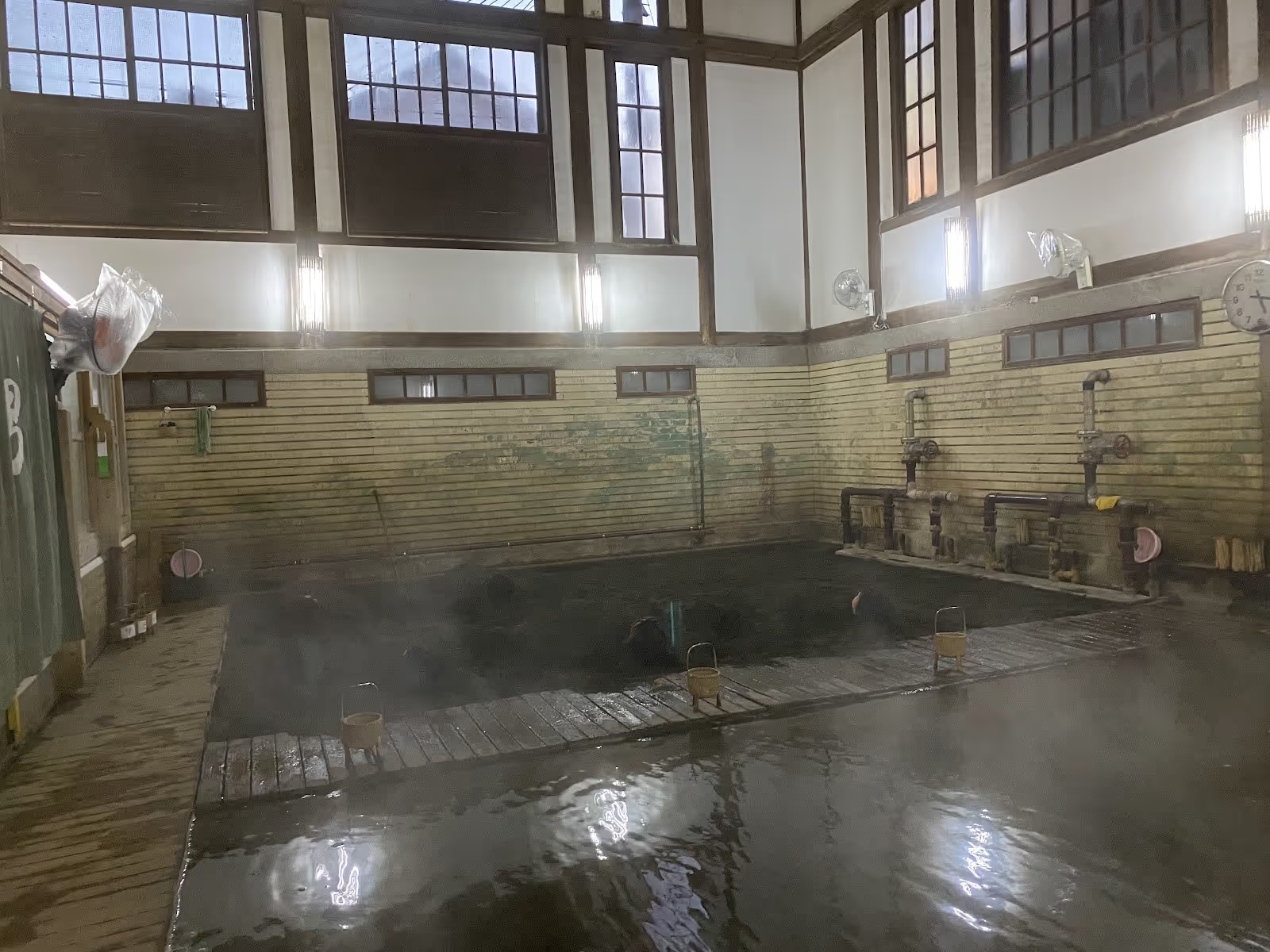
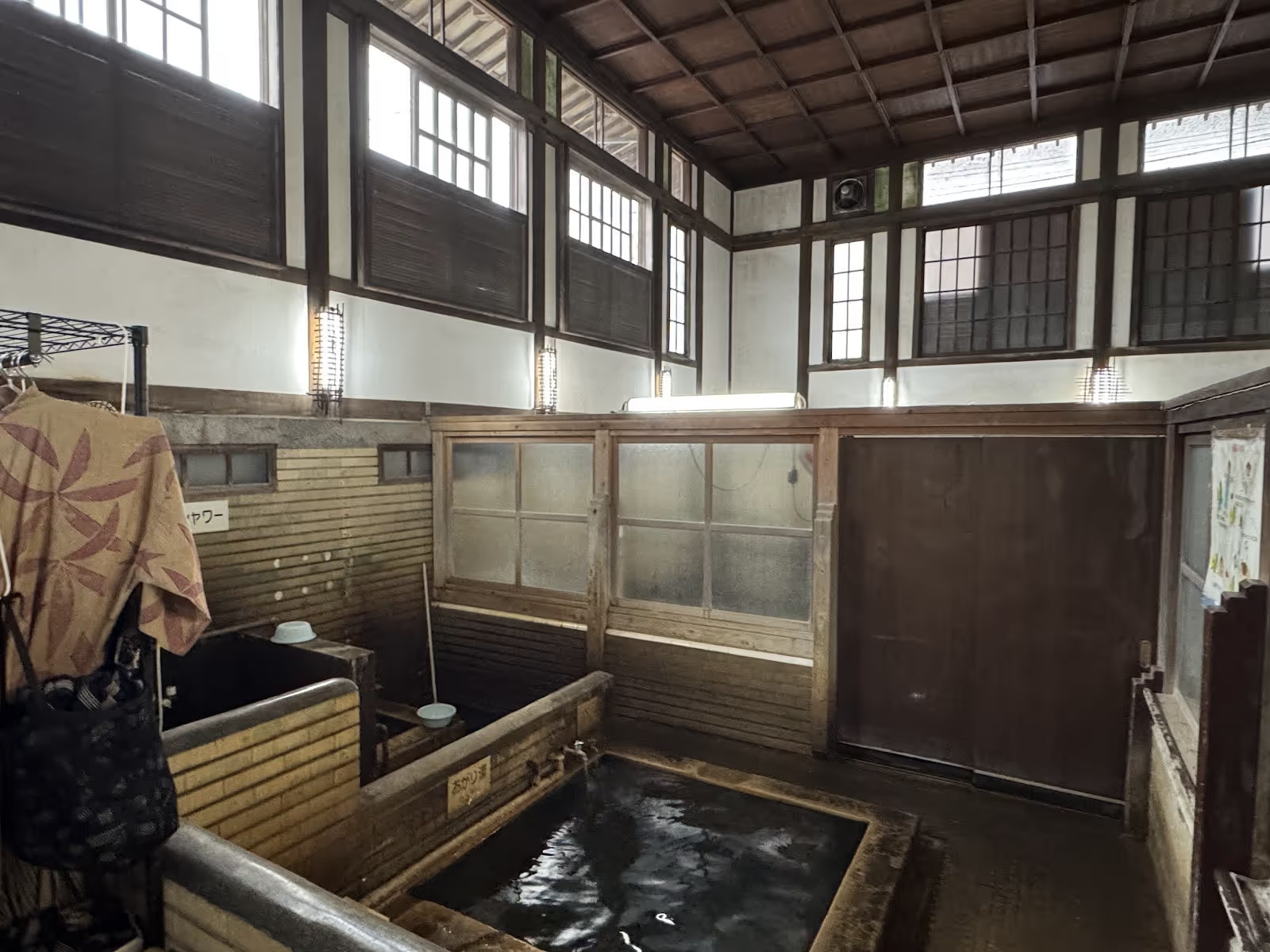
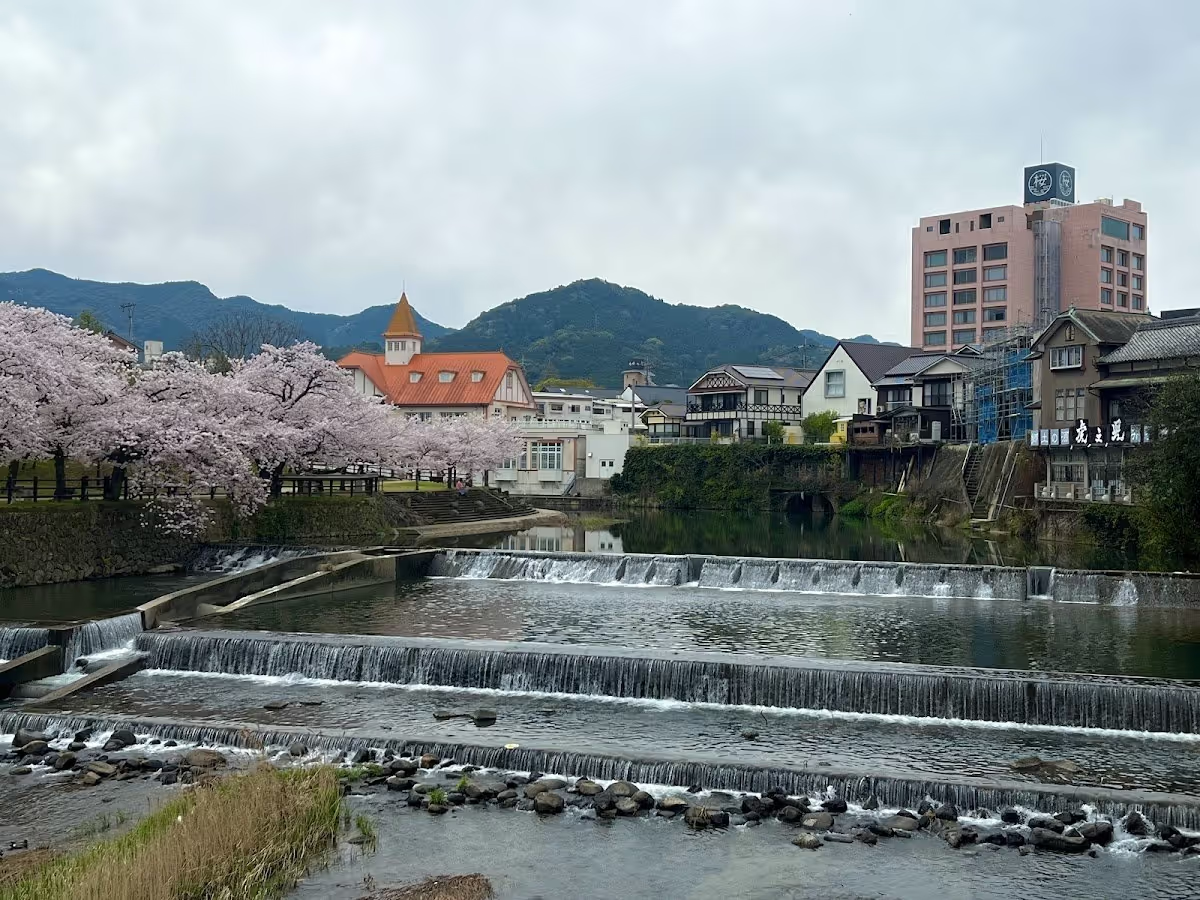
Takegawara Onsen, Japan is a historic public bathhouse in central Beppu, Oita Prefecture, founded in 1879 during the Meiji period and rebuilt in its current form in 1938. The building is classified as a registered cultural property and is one of the most photographed structures in Beppu, defined by its karahafu roof, a traditional wave-shaped Japanese architectural style originally used in temples and shrines. The name Takegawara, meaning bamboo tile, refers to the original bamboo thatch roof that has since been replaced with tile. The lobby interior retains its early Showa-era atmosphere with high wooden-beam ceilings and cream tiles.
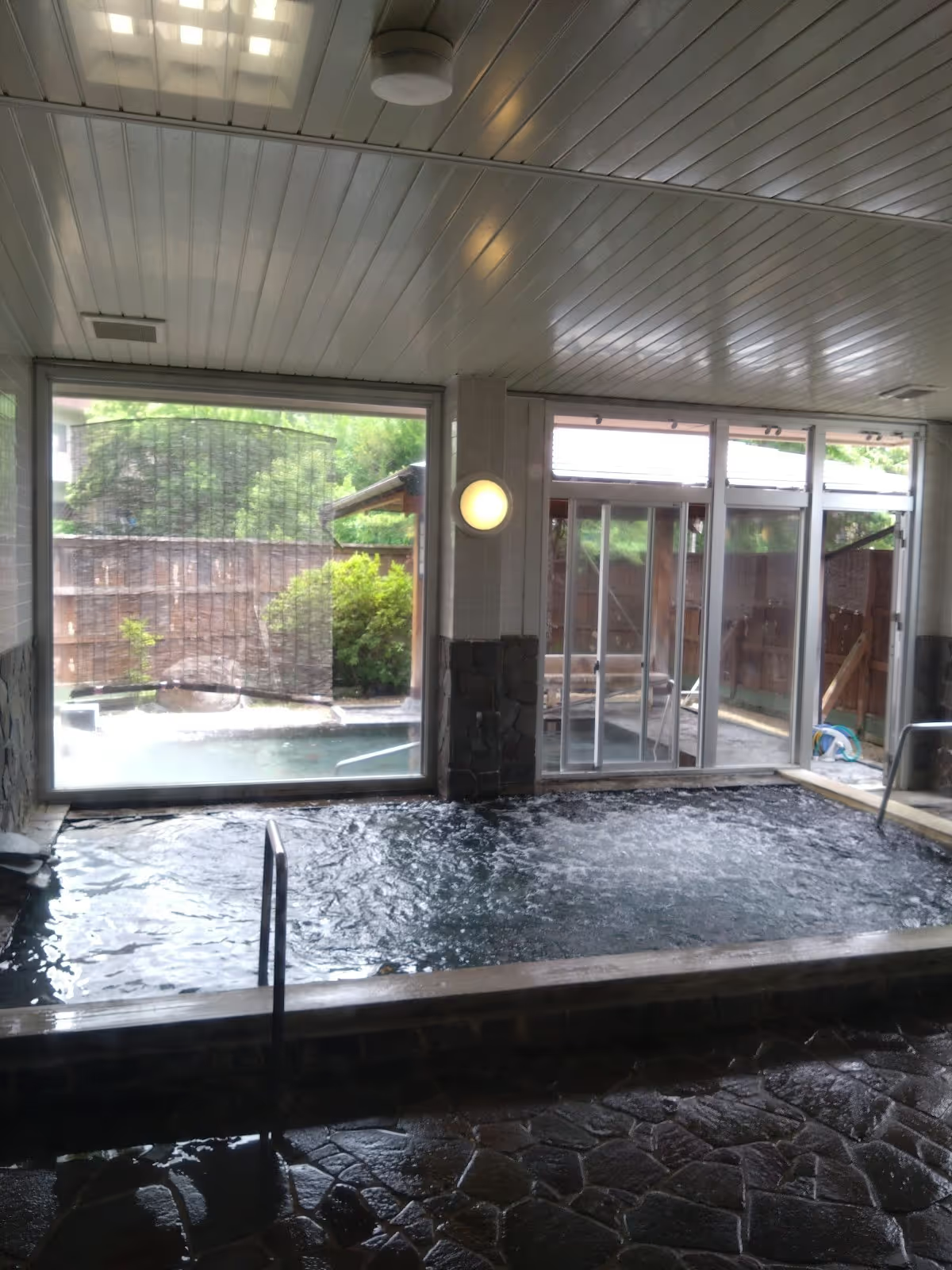
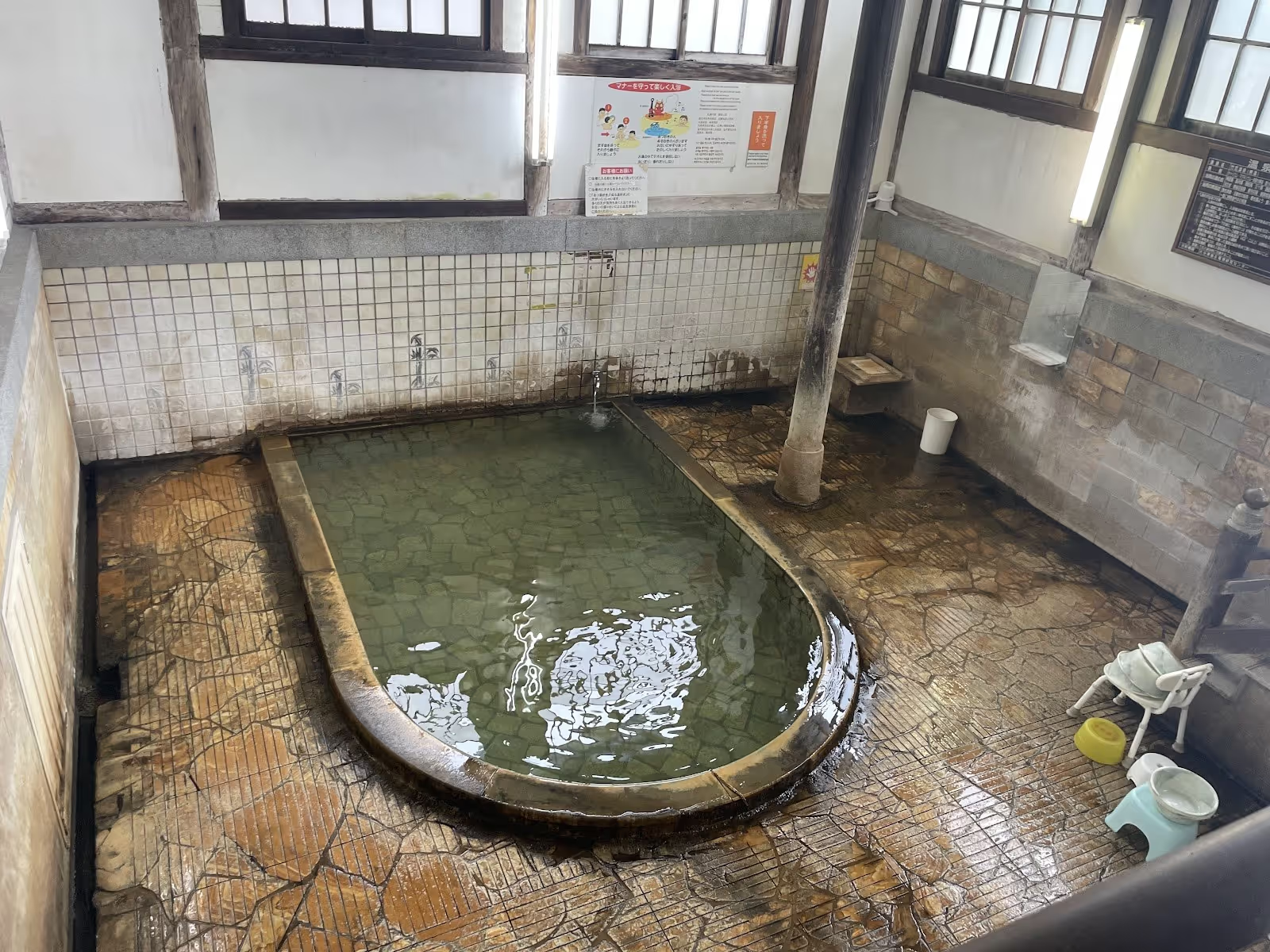
The facility offers two distinct bathing experiences. The regular hot spring bath costs 300 yen and is a semi-underground traditional Beppu-style communal bath; the men's spring is a chloride type and the women's spring is a bicarbonate type. The indoor sand bath, or sunayu, is 1,500 yen including a provided yukata, and buries visitors in hot sand heated by geothermal activity beneath the facility. The indoor setting makes Takegawara's sand bath available year-round, making it the recommended option in winter when outdoor sand baths in Beppu are less comfortable. Only eight people can use the sand bath at one time; in-person same-day reservation is required. Tattoos are permitted at this facility.
Location & Access
Getting to Takegawara Onsen
Takegawara Onsen is at 16-23 Motomachi, Beppu, Oita, approximately 10 minutes on foot from JR Beppu Station. From the station's west exit, walk south along the main shopping street toward Beppu Bay, then turn toward the historic downtown area; the karahafu-roofed building is visible from the street. There is no parking at the facility; use nearby coin parking lots if arriving by car.
From Fukuoka (Hakata Station), take the JR Sonic-Nichirin limited express directly to Beppu Station, approximately one hour and 51 minutes. From Oita Station, the same limited express or local JR Nippo Line takes approximately 15 minutes. From Tokyo, take the Tokaido-Sanyo Shinkansen to Kokura Station (approximately four hours 44 minutes) and transfer to the Sonic-Nichirin express for a further one hour 19 minutes. Regular bath hours are 06:30 to 22:30 (last entry 22:00). Sand bath hours are 08:00 to 22:30 (last entry 21:30). The regular bath is closed the third Wednesday in December; the sand bath is closed the third Wednesday of each month. Regular bath admission is 300 yen; sand bath is 1,500 yen including yukata. Sand bath reservations must be made in person on the day of the visit; phone and internet reservations are not accepted.
Suitability & Accessibility
Who Takegawara Onsen Suits
Takegawara Onsen suits visitors to Beppu who want to combine the city's two signature bathing experiences, the traditional communal hot spring and the sand bath, in a single historically significant location. The 300-yen regular bath is among the most affordable genuine onsen experiences in Japan and gives a direct sense of how Beppu locals have bathed for over a century. The building's 1938 karahafu architecture is a significant cultural draw in its own right and makes it the most photographed bathhouse in the city.
The indoor sand bath is particularly recommended in winter, as it is the only indoor sand bath facility in Beppu; the outdoor sand baths along the coast are dependent on weather and tide conditions, while Takegawara's sand bath is available year-round. Tattoos are permitted, which is notable for a public onsen and makes it one of the more internationally accessible bathhouses in Beppu.
The basic facilities mean visitors should bring their own towel and soap, or pay small additional fees to purchase them on-site. The baths are small and traditional rather than large resort-style facilities; those seeking extensive amenities should note this. Wheelchair access is limited; the semi-underground bath design involves descending stairs from the changing room. Families are welcome. The sand bath takes in-person same-day reservation; demand is high and slots fill early, so arriving at opening is recommended.
Safety & Etiquette
Takegawara Onsen Safety Tips
Takegawara Onsen is generally safe as a managed public bathhouse with over 140 years of continuous operation. The main considerations are the very hot traditional bath temperatures, the indoor sand bath heat, and standard public onsen hygiene etiquette.
The regular hot spring bath at Takegawara is known locally as very hot, consistent with traditional Beppu bathing culture. Acclimatise slowly by pouring water over your limbs before entering, and limit soaking to 10 minutes on a first visit. People with heart conditions, hypertension, skin conditions, or open wounds should consult a doctor before bathing. Wash thoroughly at the shower area before entering the bath. The bath is semi-underground with a descending staircase from the changing room; take care on the steps, which may be wet and slippery.
The indoor sand bath temperature is high and the enclosed setting intensifies the heat. Limit the session to 10 to 15 minutes as directed by the attendant. Rise slowly after the sand bath session, as moving quickly from prone to standing after heat exposure can cause dizziness. Do not use the sand bath immediately after eating; allow at least one hour. Drink water before and after the session. The sand bath has a capacity of eight people; if you arrive and the bath is full, you will be asked to wait while the sand is prepared for the next group. Photography is not permitted inside the bathing areas. Soap, shampoo, and towels are not provided; bring your own or purchase on-site.