
Quick FactsOverview
About Tsuta Onsen, Aomori
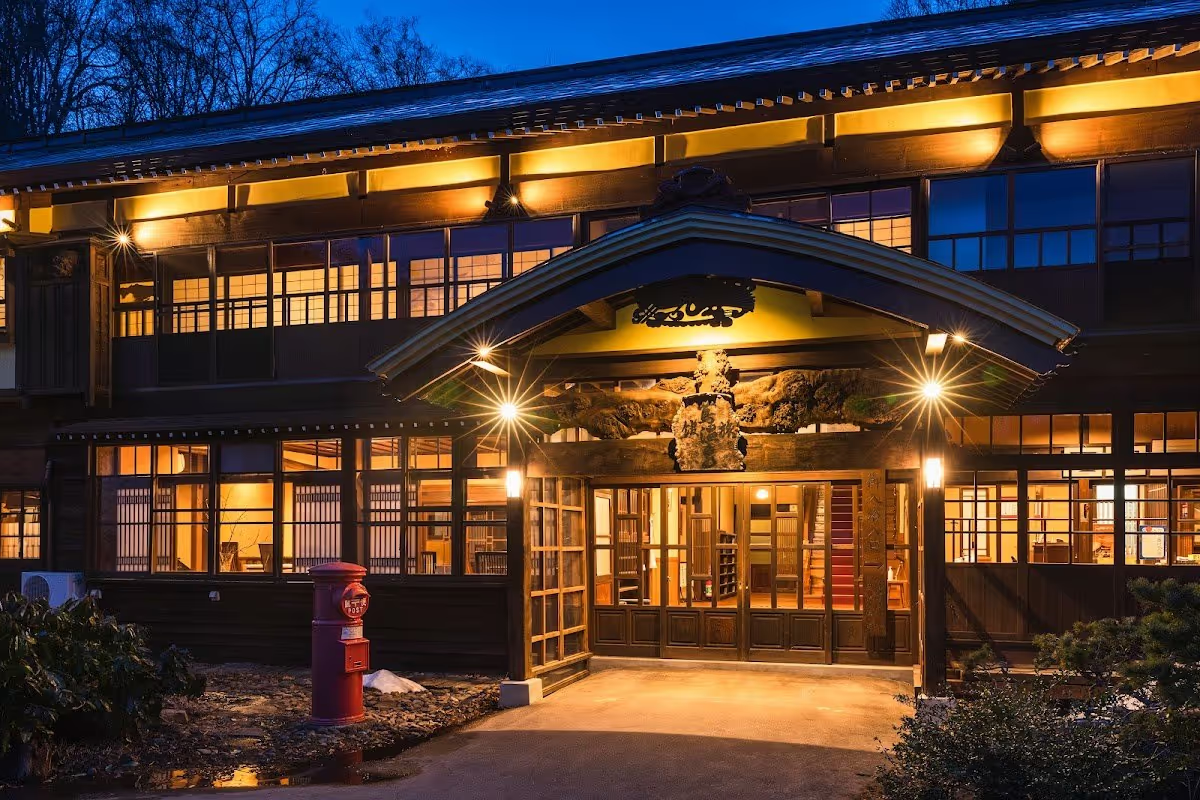
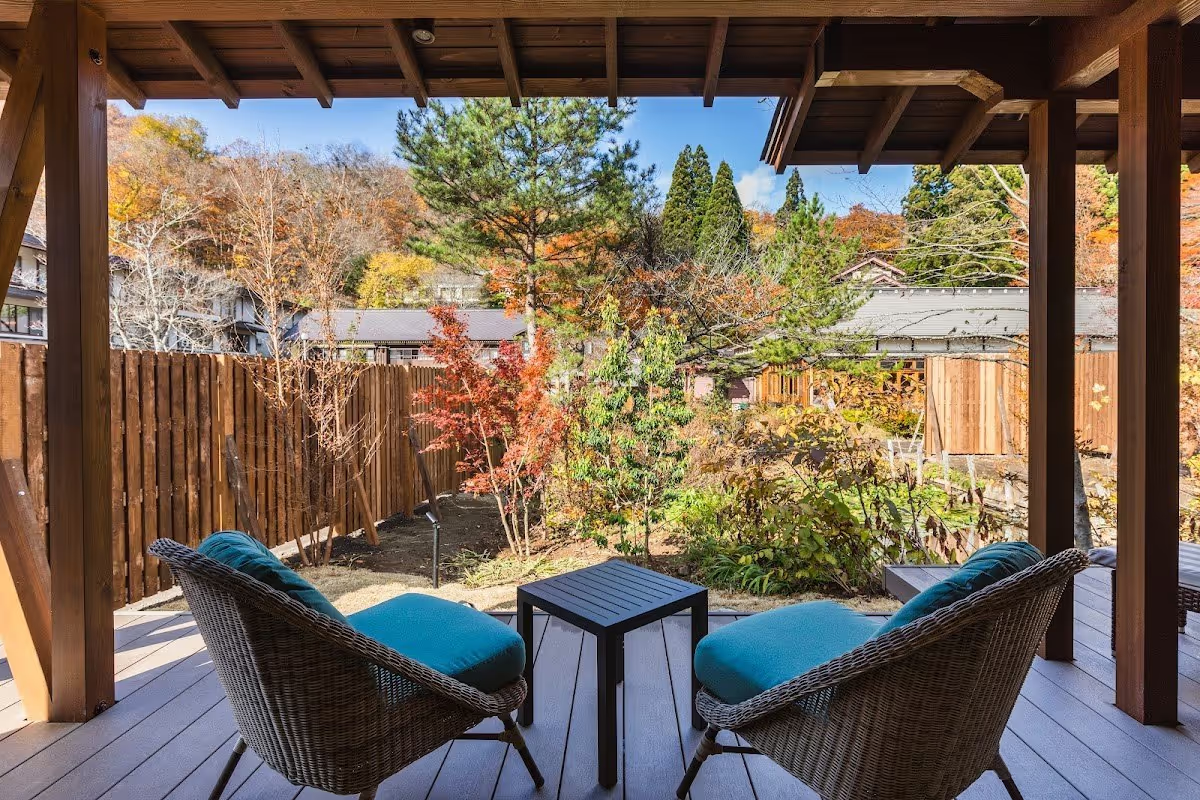
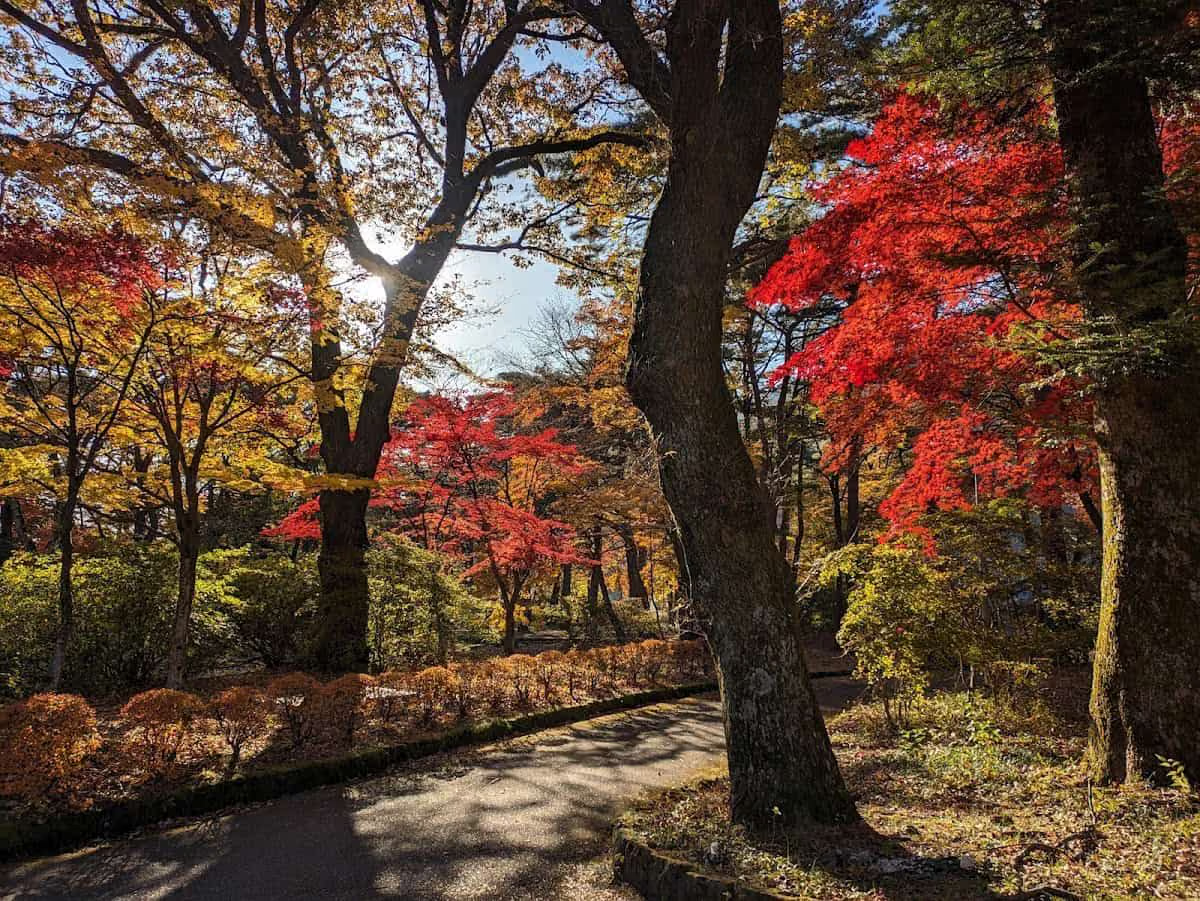
Tsuta Onsen, Japan is a hot spring inn located deep within the Towada-Hachimantai National Park in Aomori Prefecture, surrounded by one of the most intact areas of old-growth beech forest in the Tohoku region. It sits at an elevation of approximately 550 meters near three small lakes, Tsuta Numaju, Aoike, and Hyotan-ike, which are connected by a short forest walking trail that passes through beech woodland of considerable age and density. The onsen consists of a single ryokan, making it one of the more singular onsen destinations in northern Japan.
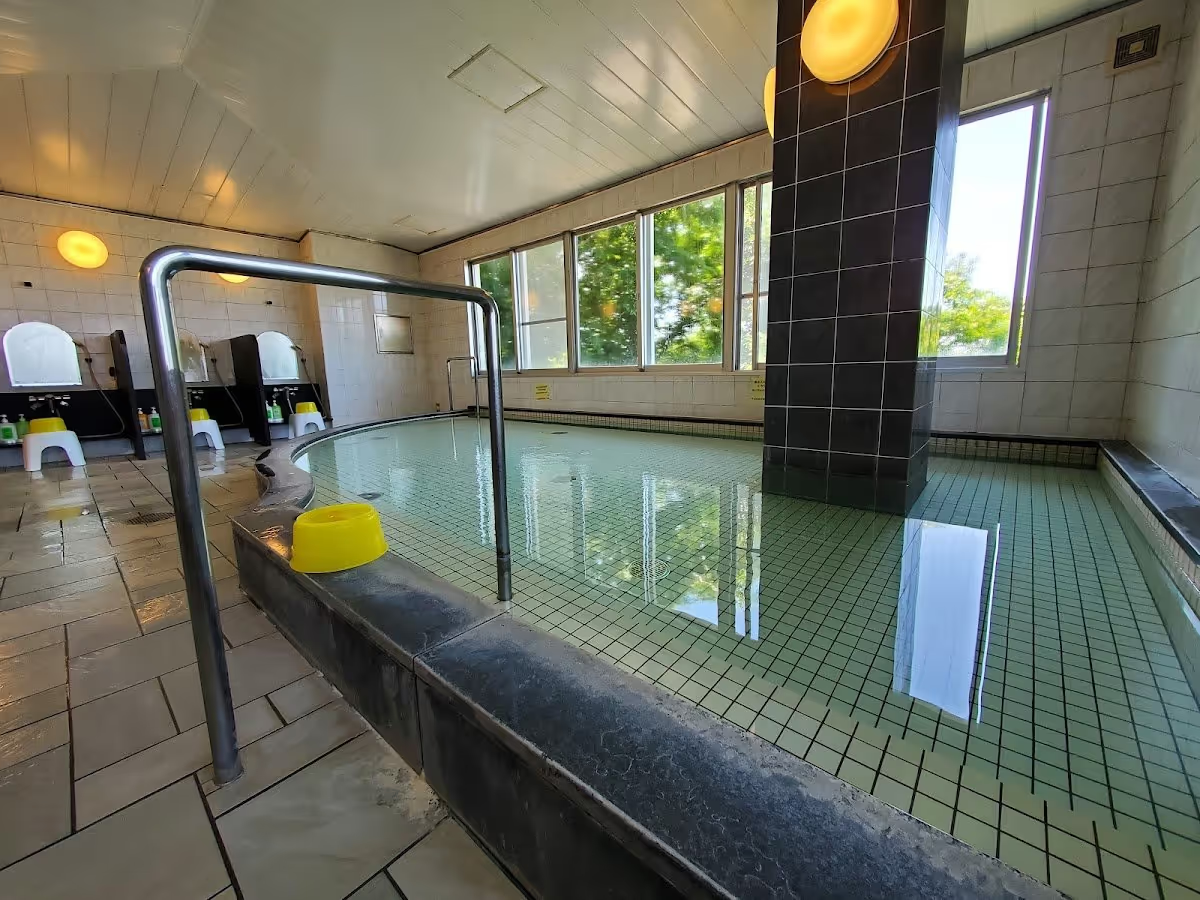
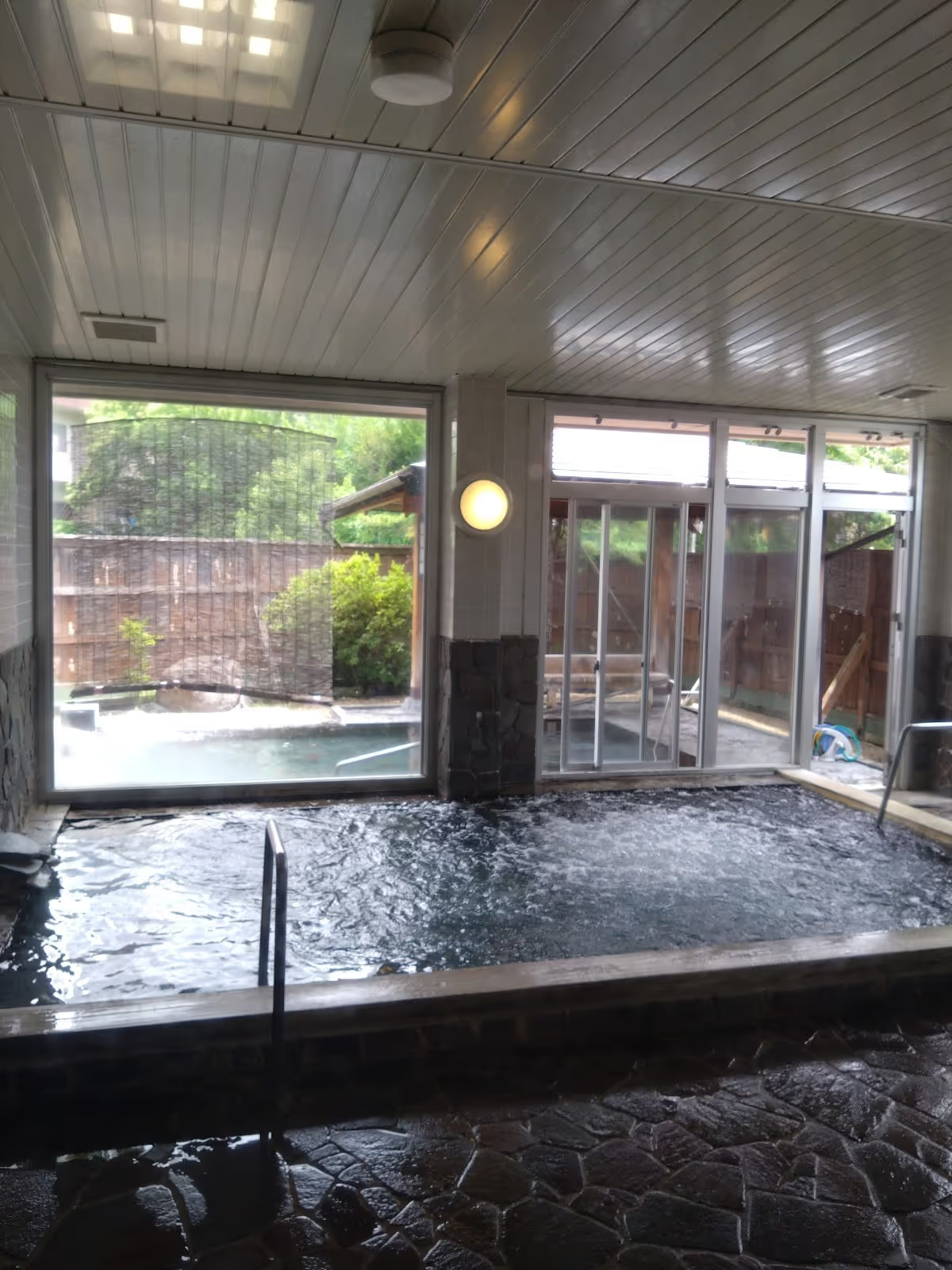
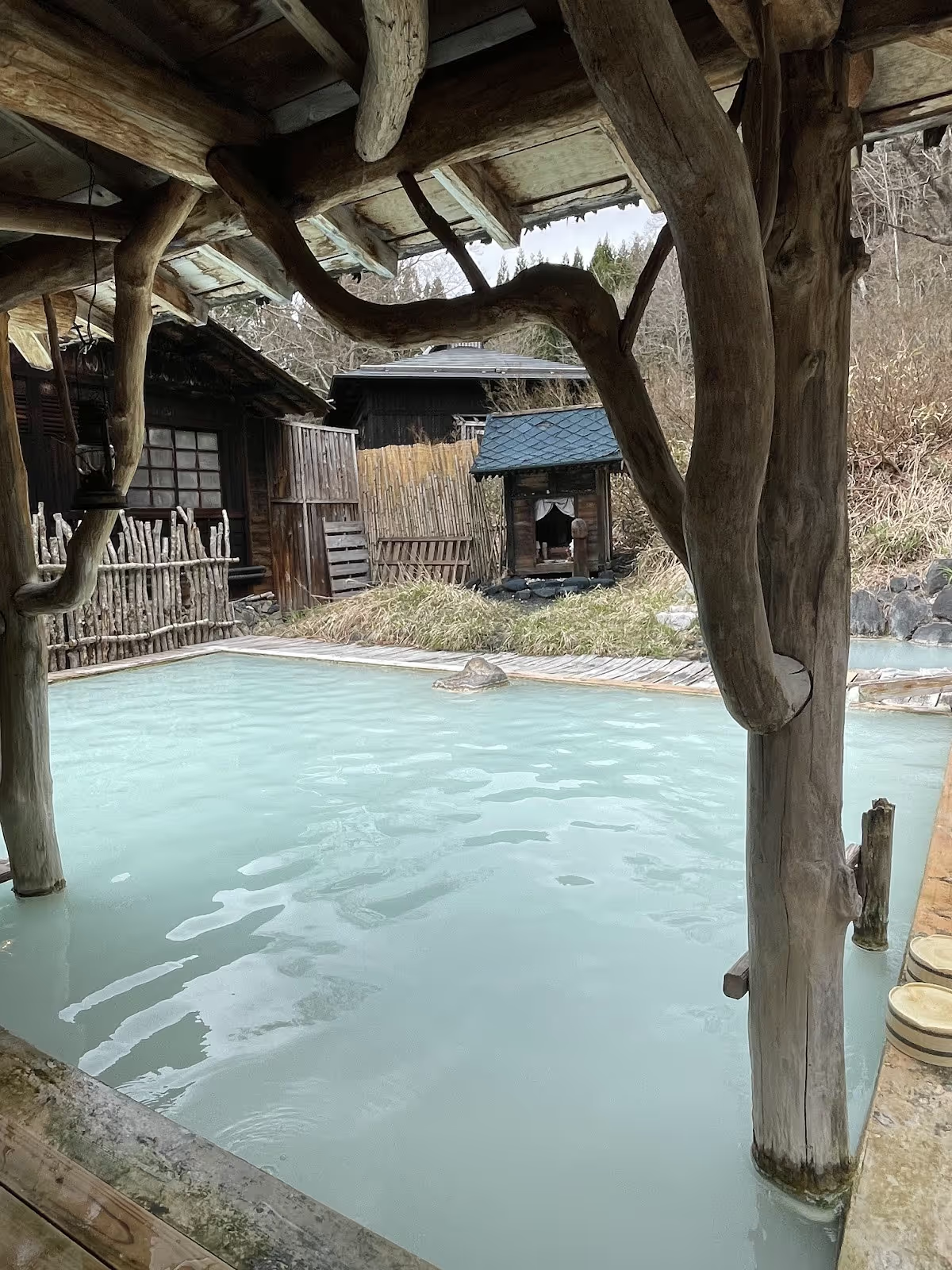
The spring water at Tsuta is drawn directly from natural sources beneath the bath floors, a feature known as toji-no-yu or gensen-kakenagashi, meaning the water flows fresh from the source without recirculation or reheating. This is considered a mark of high quality within the Japanese onsen tradition and is relatively uncommon even among established ryokan destinations. The baths are entirely indoor and built in a traditional wooden style that suits the forest setting. Tsuta has a long history as a retreat for writers and artists, and the combination of literary association, forest environment, and source-fed spring water gives it a reputation among Japanese onsen enthusiasts that exceeds what its small size might suggest. It is a well-regarded example of a deeply traditional single-inn onsen in the mountains of northern Honshu.
For visitors seeking hot springs near Towada, Tsuta Onsen is the most atmospheric and historically significant option within the national park, and access is possible by bus from Aomori and Towada.
Location & Access
Getting to Tsuta Onsen
Tsuta Onsen is located along National Route 103 inside Towada-Hachimantai National Park, and is served by the JR Bus Tohoku Towada Kogen Line, which runs between Aomori Station and Towada-ko via the national park road. Buses stop at Tsuta Onsen, and the journey from Aomori Station takes approximately one hour and 20 minutes. The bus service is seasonal and runs primarily between late spring and autumn, with reduced or suspended service in winter due to road conditions on the mountain route. Confirming current bus schedules before travel is essential, particularly outside the main tourist season.
Visitors traveling by car can reach Tsuta from Aomori City via Route 103 through the Hakkoda Mountains, with the drive taking approximately one hour under normal conditions. The route passes through the Hakkoda area and descends into the national park forest. Road conditions in winter can be severe and the route may be subject to closure. Snow tires are required for winter driving in this area.
The inn itself is the only facility at the Tsuta location. There are no convenience stores, petrol stations, or other services in the immediate vicinity. Visitors should carry everything they need before leaving the nearest town. For those seeking hot springs near Towada within a national park setting accessible by public bus during the warmer months, Tsuta Onsen is one of the more rewarding and least commercialized options available in the Aomori highlands. An overnight stay is strongly recommended, as the last bus from Tsuta runs in the afternoon and day visitors have limited time at the inn.
Suitability & Accessibility
Who Tsuta Onsen Suits
Tsuta Onsen suits visitors who are looking for a quiet, immersive stay in a natural and historically layered environment. As a single-inn destination with a small number of guest rooms, it offers a level of tranquility and personal attention that larger resort areas cannot replicate. The combination of old-growth beech forest, lakeside walking trails, and source-fed spring baths makes it an ideal choice for those whose primary interest is in the intersection of natural landscape and traditional onsen culture.
Solo travelers with an interest in Japanese literary or cultural history will find Tsuta particularly rewarding. The inn's association with writers and intellectuals of the Meiji and Taisho periods is part of its character and gives it a depth that goes beyond the physical bathing experience. Couples seeking a secluded and unhurried stay in a forest setting will also find Tsuta well suited, provided they are comfortable with limited entertainment options and a stay focused primarily on the inn, the baths, and the surrounding walks.
Families with young children may find Tsuta less suited to their needs than more developed onsen towns, given the remote location, single-inn format, and walking trails that involve forest terrain. Visitors looking for accessible hot springs in Japan should note that the forest trail to the lakes involves natural woodland paths, and the traditional ryokan building may have internal layouts that present challenges for guests with significant mobility limitations. Confirming accessibility with the inn before booking is recommended. Among the more intimate and historically grounded hot springs in Japan that remain reachable without specialist outdoor equipment, Tsuta Onsen holds a well-established reputation that rewards visitors who seek it out.
Safety & Etiquette
Safety and Etiquette at Tsuta Onsen
Tsuta Onsen is a well-maintained single-inn destination inside a national park, and general safety conditions are good within the inn and on the maintained lake walking trails. The primary safety considerations relate to the natural environment and seasonal road access. Winter brings significant snowfall to the Hakkoda and Towada plateau area, and the road through the national park on Route 103 can be closed or restricted for extended periods. Visitors planning a stay between November and April must confirm road and bus access well in advance and should not attempt the route by car without appropriate winter tires and current road condition information.
The forest trails around the Tsuta lakes are well-marked and maintained during the open season, but visitors should stay on the designated paths. The beech forest terrain can be uneven and wet surfaces on tree roots and wooden boardwalk sections can be slippery. Appropriate footwear for forest walking is recommended for anyone using the lake trail.
Standard Japanese onsen etiquette applies at the inn's bath facilities. Bathers must shower and wash thoroughly before entering the baths. Towels must not be submerged in the water. The baths at Tsuta are gender-separated and traditional in design. As a single inn with a small number of guests at any one time, the bathing areas are intimate and quiet. Maintaining a respectful and unhurried pace in the bath is particularly important in this setting. Photography inside the bathing facilities is not permitted.
Tattoo policies at Tsuta follow general Japanese ryokan practice. Visitors with tattoos should inquire directly with the inn when booking. The source-fed nature of the spring water means it flows continuously at its natural temperature, which may be higher or lower than the temperature ranges found at facilities that adjust their water artificially. Staff can advise on current water temperature. Visitors should hydrate before and after bathing, limit session length, and rest between soaks. Guests with cardiovascular conditions should seek medical advice before bathing. Children should be supervised at all times in bathing areas and on the lake trails.