
Quick FactsOverview
About Kirishima Onsen, Kagoshima
Kirishima Onsen, Japan is a hot spring area located on the volcanic slopes of the Kirishima mountain range in Kirishima City, Kagoshima Prefecture, in the interior of Kyushu at elevations ranging from approximately 600 to 900 meters. The name Kirishima Onsen refers broadly to a cluster of small onsen districts spread across the highland area surrounding the Kirishima-Kinkowan National Park, including Maruo Onsen, Hayashida Onsen, Iodani Onsen, and others, each fed by distinct volcanic spring sources on the active mountain terrain. The area has a documented history as a bathing destination stretching back several centuries and is one of the most volcanically active onsen areas in Kyushu.
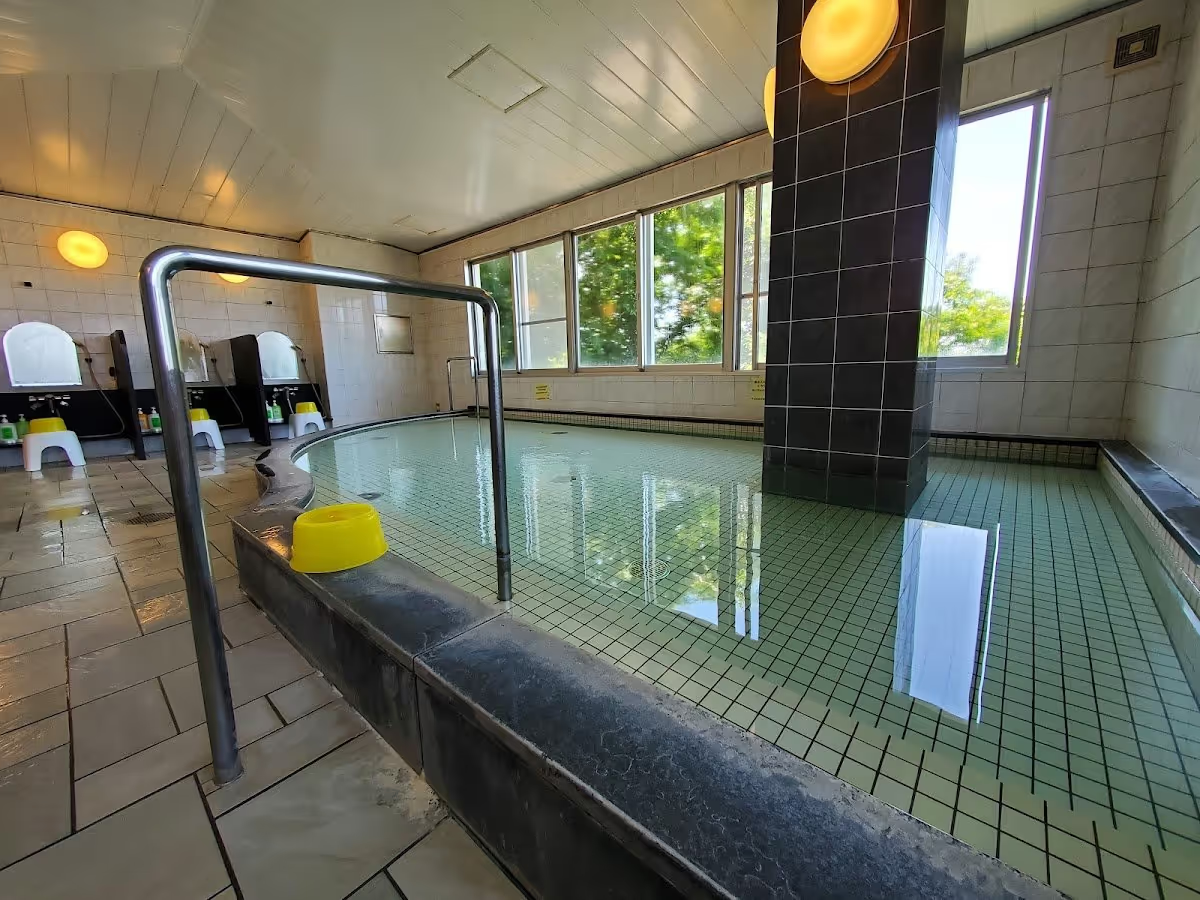
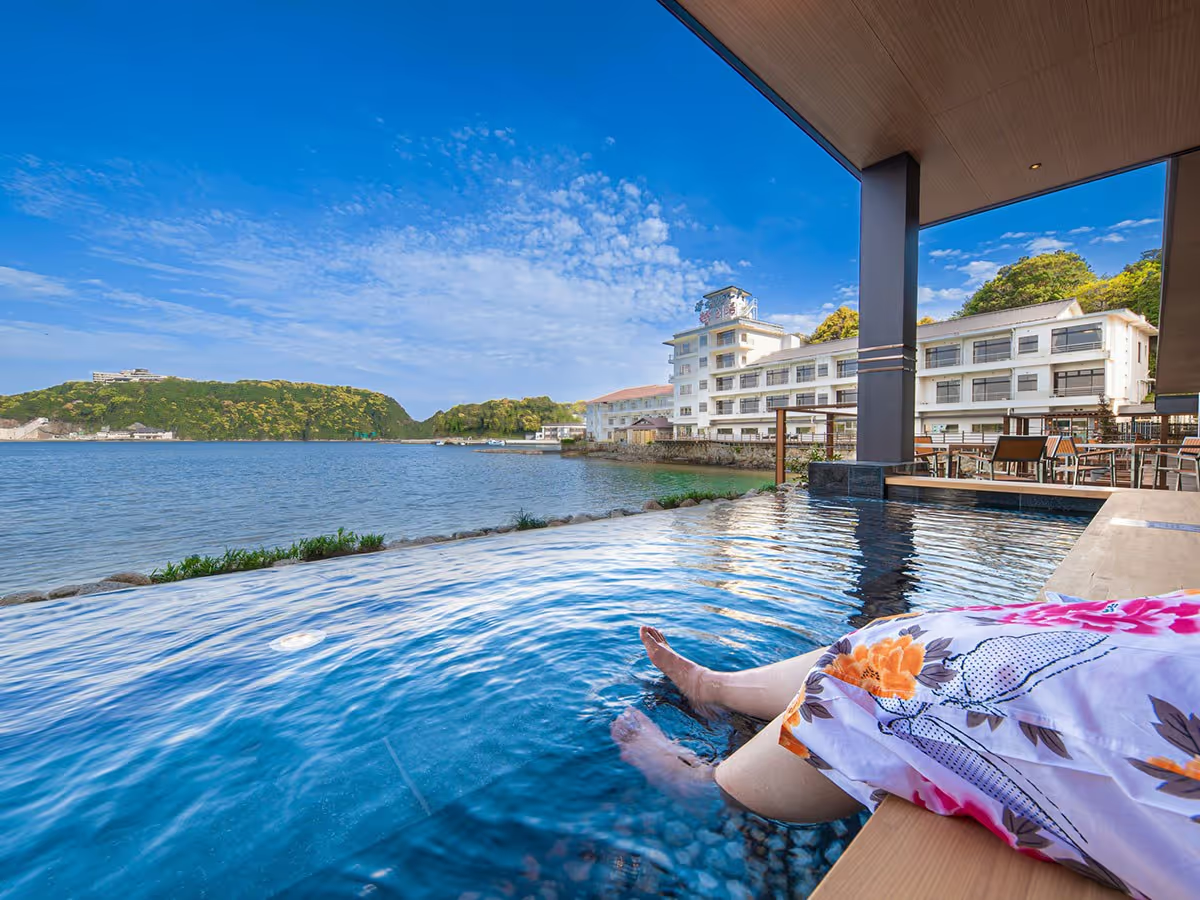
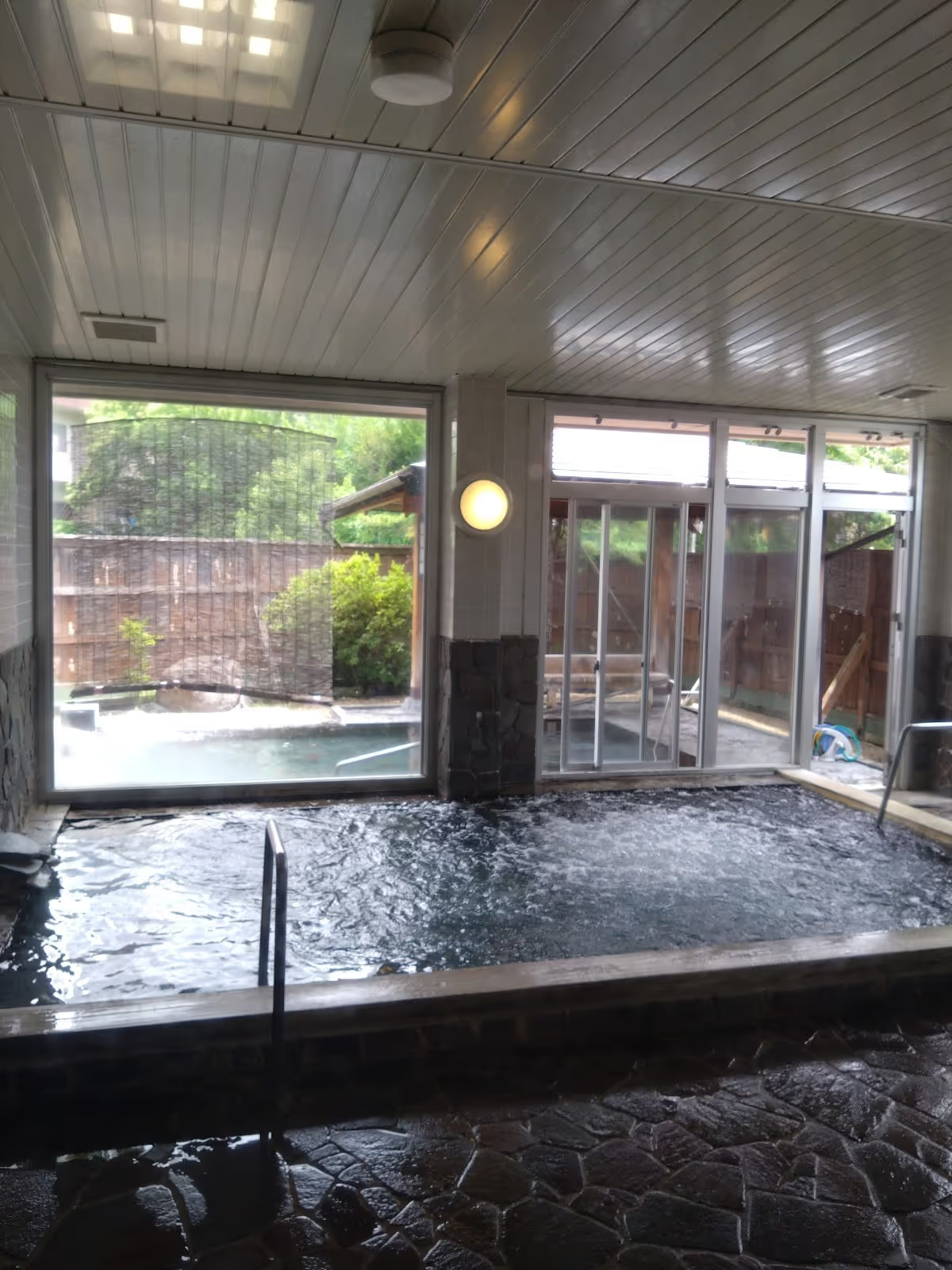
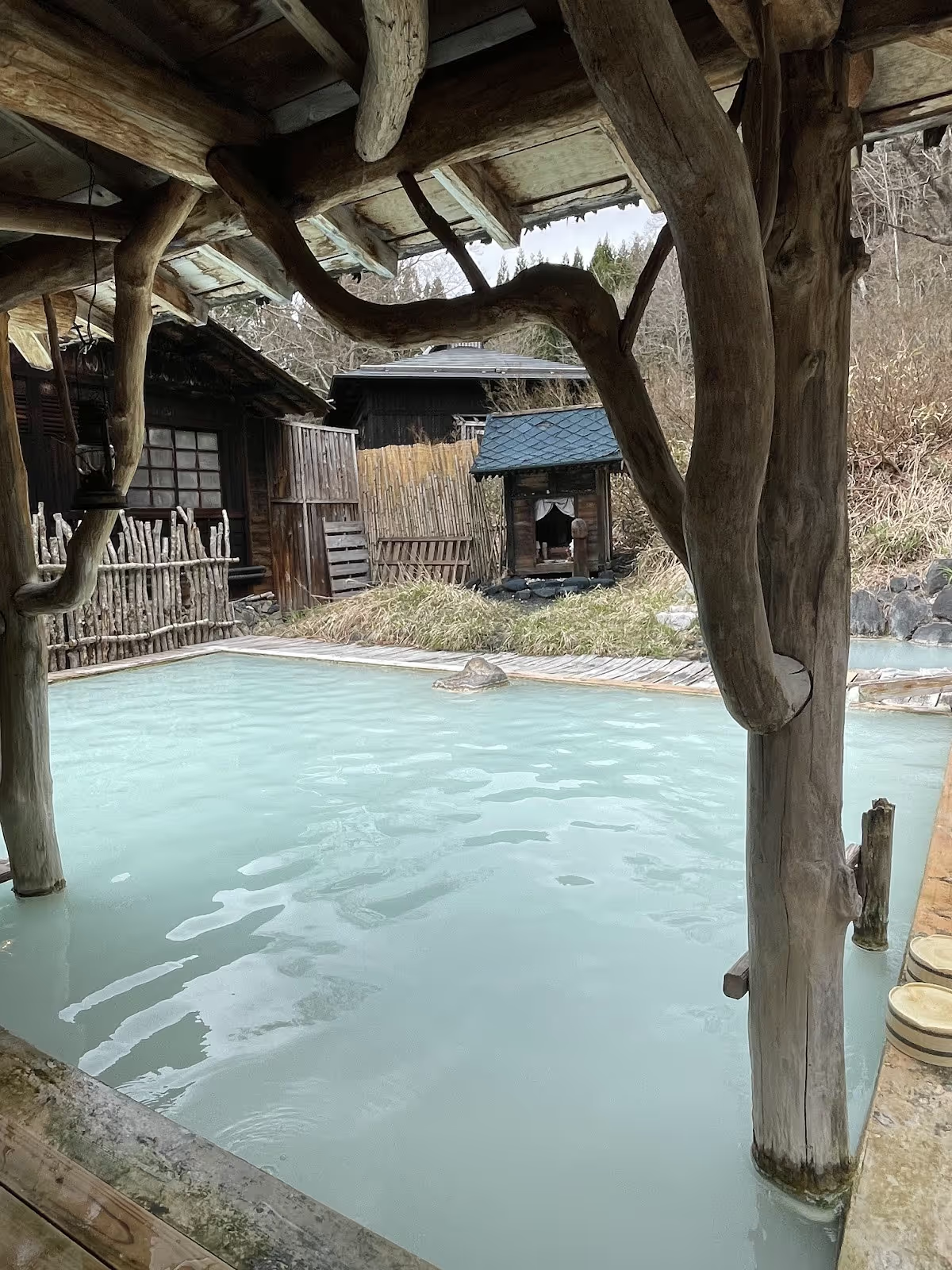
The spring water across the Kirishima area varies significantly by district and source, reflecting the geologically complex volcanic terrain. Types include sulfur, iron, and sodium bicarbonate springs, and the coloration and smell of the water differs noticeably between locations. Several outdoor rotenburo in the area are set in natural or semi-natural surroundings with views toward the Kirishima peaks and volcanic landscape, giving the bathing experience a direct connection to the active geology of the range. The highland elevation and forested mountain environment give the area a cooler and more dramatic character than the coastal onsen of southern Kyushu. Kirishima is also well known as a hiking destination, with trails accessing the crater lakes, volcanic peaks, and highland meadows of the national park. The combination of varied volcanic spring water and active mountain scenery makes Kirishima one of the more distinctive onsen areas in southern Japan. For visitors seeking hot springs near Kirishima within a national park volcanic landscape, the area offers one of the most geologically immediate onsen experiences available anywhere in Kyushu.
Location & Access
Getting to Kirishima Onsen
Kirishima Onsen is most practically reached by car or by bus connection from Kirishima-Jingu Station on the JR Nippo Main Line. The station is accessible from Kagoshima-Chuo Station by limited express in approximately 40 minutes, or from Miyazaki in around one hour by limited express. From Kirishima-Jingu Station, local buses run toward the Kirishima onsen area and the national park, with journey times of approximately 20 to 30 minutes depending on the specific district. Bus frequency is limited, particularly outside peak seasons, and checking current timetables before travel is essential.
Visitors traveling by car have the most flexibility in the Kirishima area, as the various onsen districts are spread across the highland terrain and distances between them make a car the practical choice for exploring more than one location. From Kagoshima City, the drive to the main Kirishima onsen area takes approximately one hour via the Kyushu Expressway and prefectural roads. From Miyazaki City, the drive takes approximately one hour and 20 minutes. Parking is available at individual ryokan and at trailheads and viewpoints throughout the national park area.
The highland roads in the Kirishima area can be subject to closure or restriction when volcanic activity levels in the range increase. The Kirishima volcanoes are active and access to certain areas, including specific hiking trails and roads near active craters, is regulated by the relevant authorities based on current conditions. Visitors should check the latest volcanic activity advisories from the Japan Meteorological Agency before traveling to the area, particularly if planning to hike or visit specific onsen districts close to the peaks. For those seeking hot springs near Kirishima accessible by public transport, the bus connection from Kirishima-Jingu Station provides a workable option for reaching the main accommodation areas, though a car significantly expands the options available.
Suitability & Accessibility
Who Kirishima Onsen Suits
Kirishima Onsen suits visitors who want to combine hot spring bathing with access to active volcanic highland scenery and the hiking trails of the Kirishima-Kinkowan National Park. The area is particularly well suited to visitors who find the combination of outdoor activity and onsen bathing the most satisfying travel format, and the highland elevation and volcanic landscape give the experience a more physically engaged character than coastal or urban resort onsen. Hikers and nature-oriented travelers who want to spend time on the Kirishima trails and return to a ryokan bath in the evening will find the area naturally suited to this pattern.
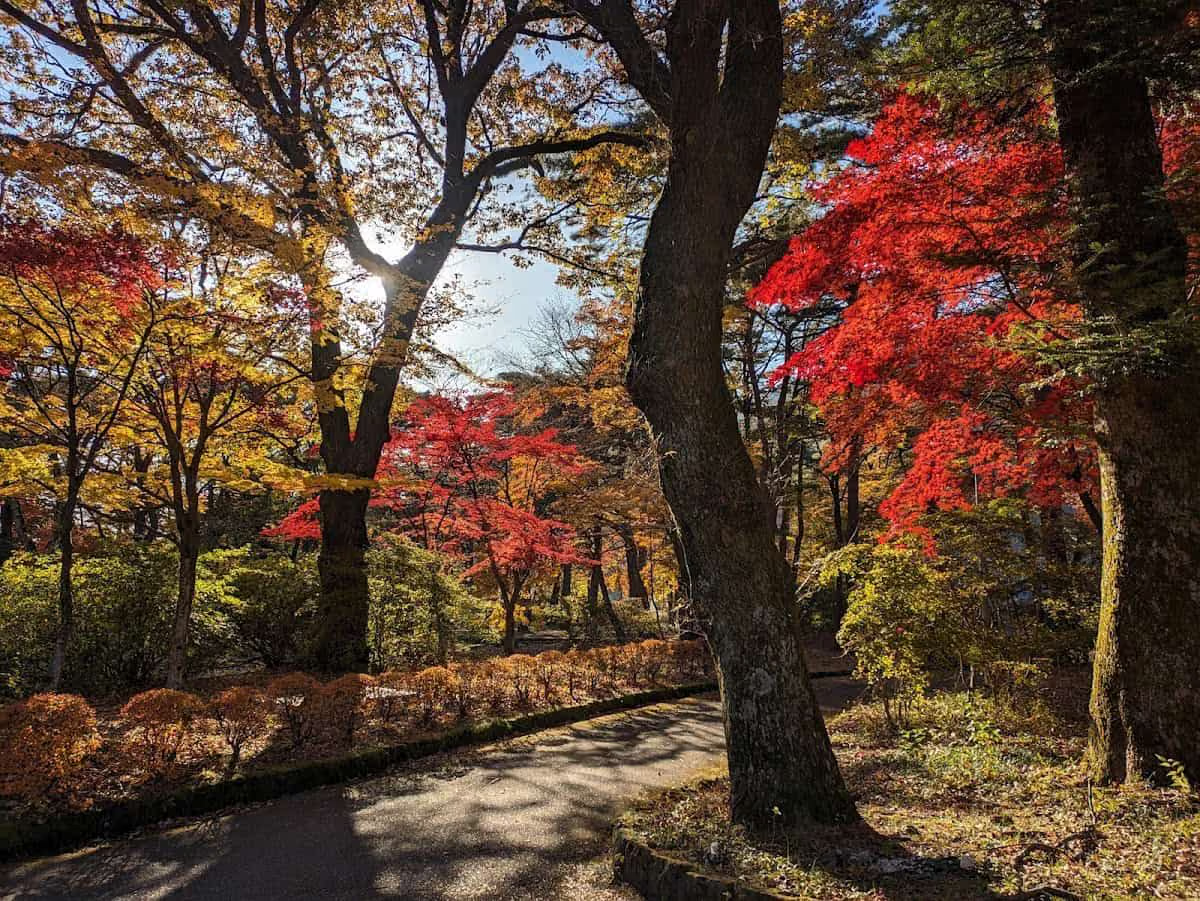
Couples and solo travelers seeking a mountain onsen stay in a dramatic and geologically active setting will find Kirishima rewarding, particularly during autumn when the highland foliage turns and the volcanic peaks are clear. Families with older children who are comfortable with highland terrain and an active environment are welcome, though the volcanic activity context requires that all visitors follow current access advisories and trail closures carefully. Very young children and visitors with limited mobility may find the highland terrain and some outdoor rotenburo settings more challenging than conventional resort environments.
Visitors looking for accessible hot springs in Japan should note that the Kirishima area involves highland terrain, varying road access, and outdoor bathing settings that are less controlled than urban or resort onsen. Individual ryokan vary significantly in their accessibility, and guests with mobility concerns should confirm specific room and bath arrangements directly before booking. Among the more volcanically immediate and scenically dramatic hot springs in Japan open to general visitors, Kirishima Onsen occupies a position that is difficult to replicate elsewhere in the country, particularly for those who want to bathe within sight or smell of an active volcanic range.
Safety & Etiquette
Safety and Etiquette at Kirishima Onsen
Kirishima Onsen requires visitors to take volcanic activity seriously as a genuine safety consideration. The Kirishima range includes multiple active volcanoes, and eruptions, elevated gas emissions, and seismic activity occur periodically. The Japan Meteorological Agency issues volcanic activity advisories for the Kirishima area that regulate access to hiking trails, roads, and areas near active craters. Visitors must check the current advisory level before traveling and must not enter restricted zones regardless of whether signage appears to permit access. Advisory levels can change quickly, and flexibility in travel plans is advisable when visiting an active volcanic area.
Volcanic gases, including sulfur dioxide, are present in elevated concentrations near some spring sources and in valley areas where gases can accumulate. Visitors with respiratory conditions, including asthma, should be particularly cautious in areas with strong sulfur smell and should move away from concentrated gas sources promptly. The outdoor rotenburo in the area are generally located in managed positions where gas exposure is within acceptable limits, but visitors should follow facility guidance on conditions.
Standard Japanese onsen etiquette applies at all ryokan and bathing facilities in the Kirishima area. Bathers must shower and wash thoroughly before entering any communal bath. Towels must not be submerged in the water. Bathing areas are gender-separated at most facilities. Swimwear is not worn in traditional indoor baths. The spring water types across Kirishima vary by district, and sulfur-rich water can discolor metal jewelry and light-colored fabric. Removing jewelry before bathing and using older towels when visiting sulfur baths is advisable.
Tattoo policies at Kirishima ryokan follow general Japanese practice. Visitors with tattoos should confirm private bath availability when booking. Photography inside enclosed bathing facilities is not permitted. Highland weather in the Kirishima area can change quickly, and visitors hiking between onsen districts or using outdoor baths should carry appropriate layers. Children should be supervised at all times in bathing areas and on trails. Guests with cardiovascular conditions should seek medical advice before bathing in high-temperature volcanic spring water.