Quick FactsOverview
About Kaike Onsen, Tottori
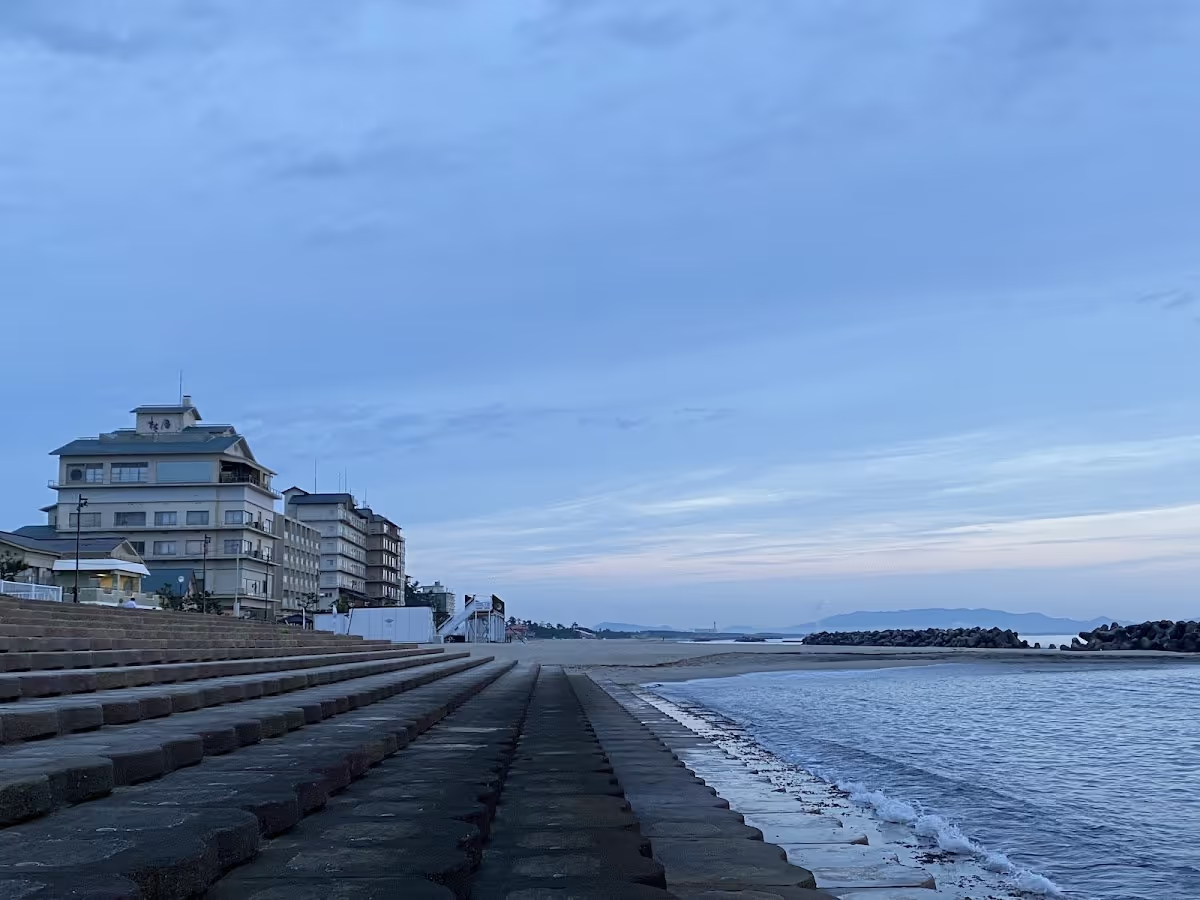
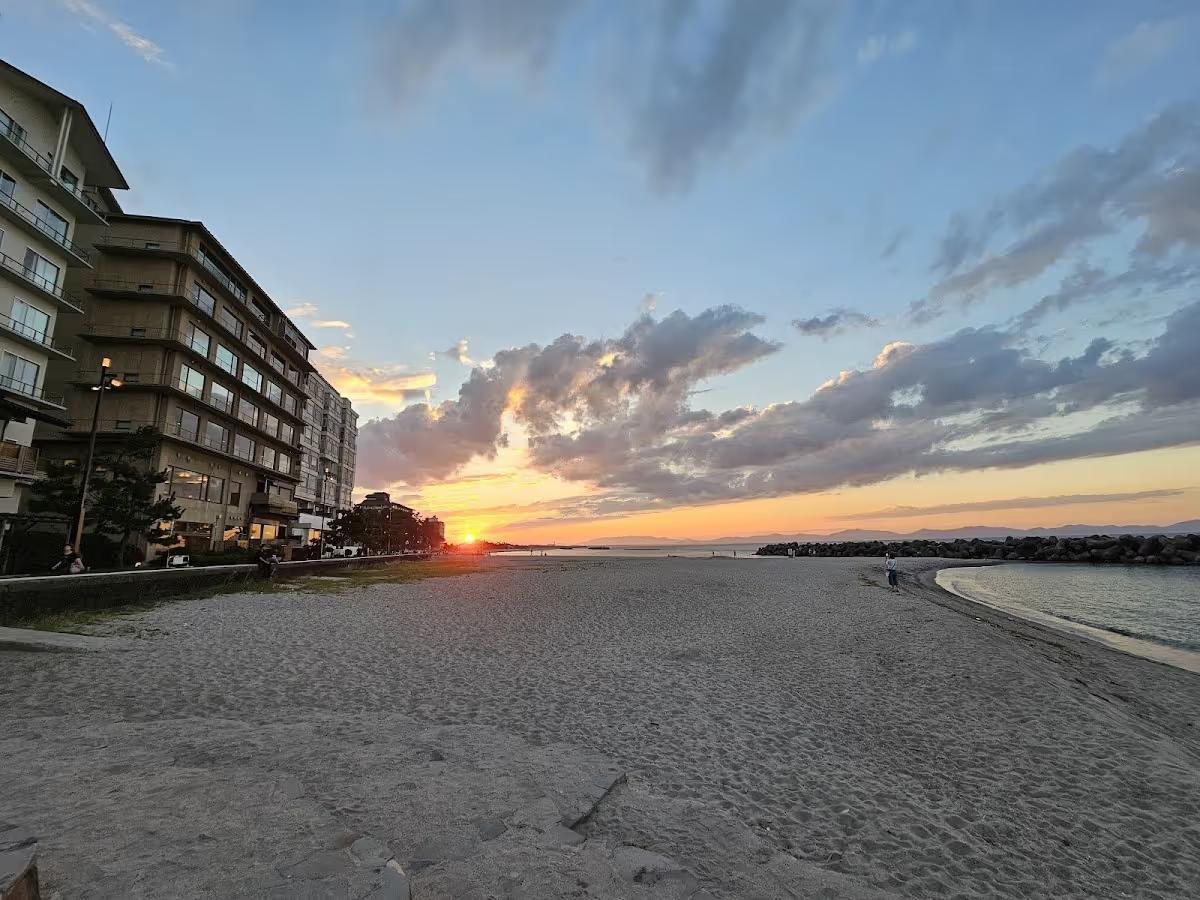
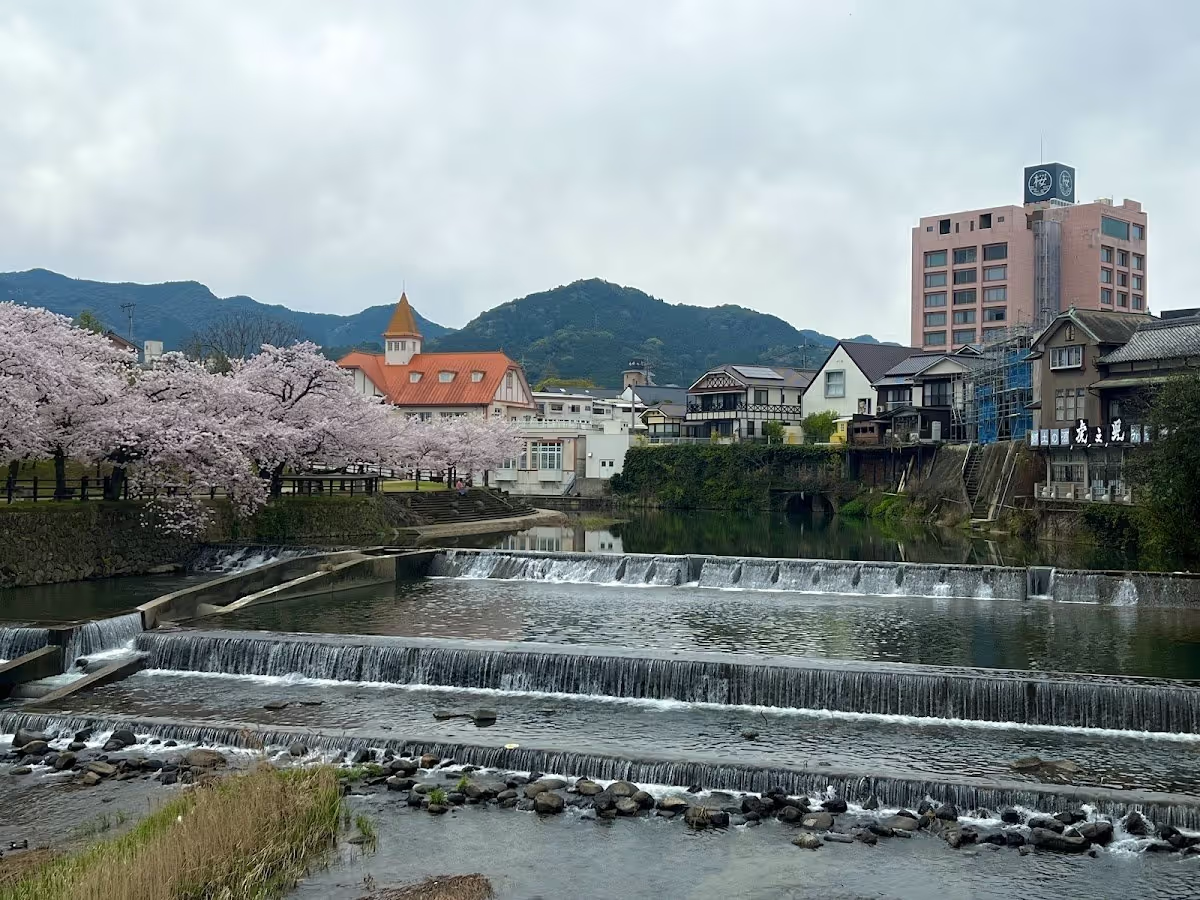
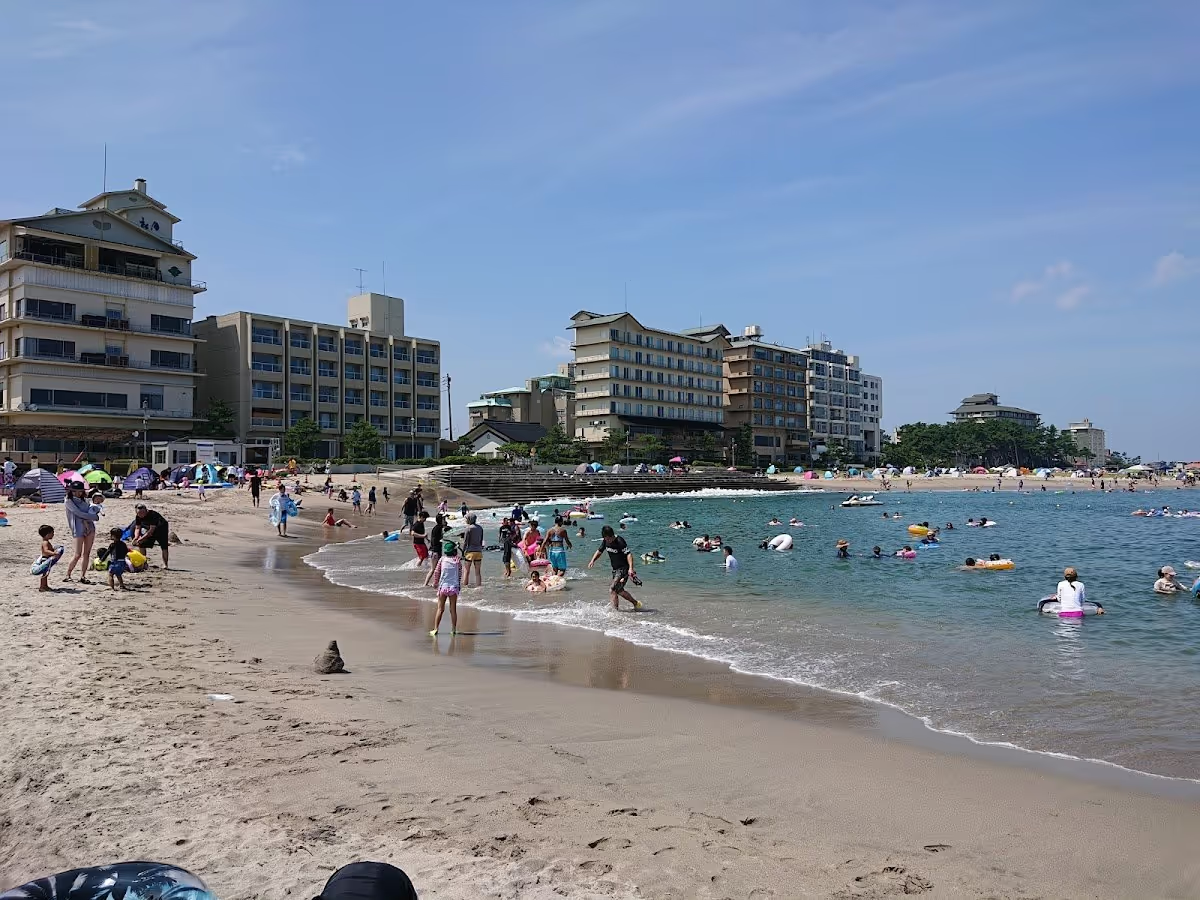
Kaike Onsen, Japan is a coastal hot spring resort located on the shore of the Sea of Japan in Yonago City, Tottori Prefecture, approximately five kilometers northwest of Yonago Station. It sits on a gently curving stretch of coastline where the Hino River meets the sea, with a sandy beach running along the waterfront and a line of ryokan and hotels arranged facing the water. The resort has operated as a bathing destination since the early twentieth century and is the largest and most developed onsen area in western Tottori, drawing visitors from across the San-in region for its combination of sea views, salt-rich spring water, and access to the broader Yonago and Daisen area.
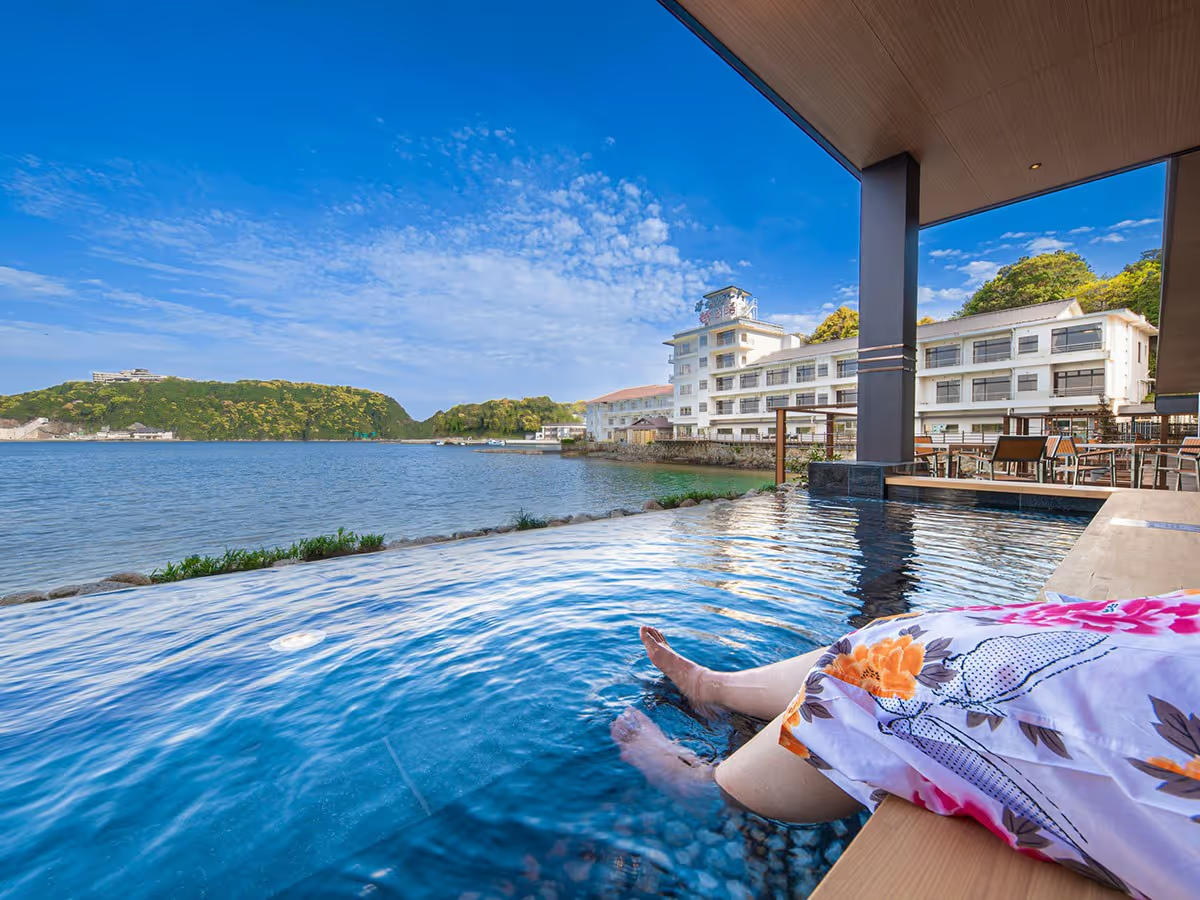
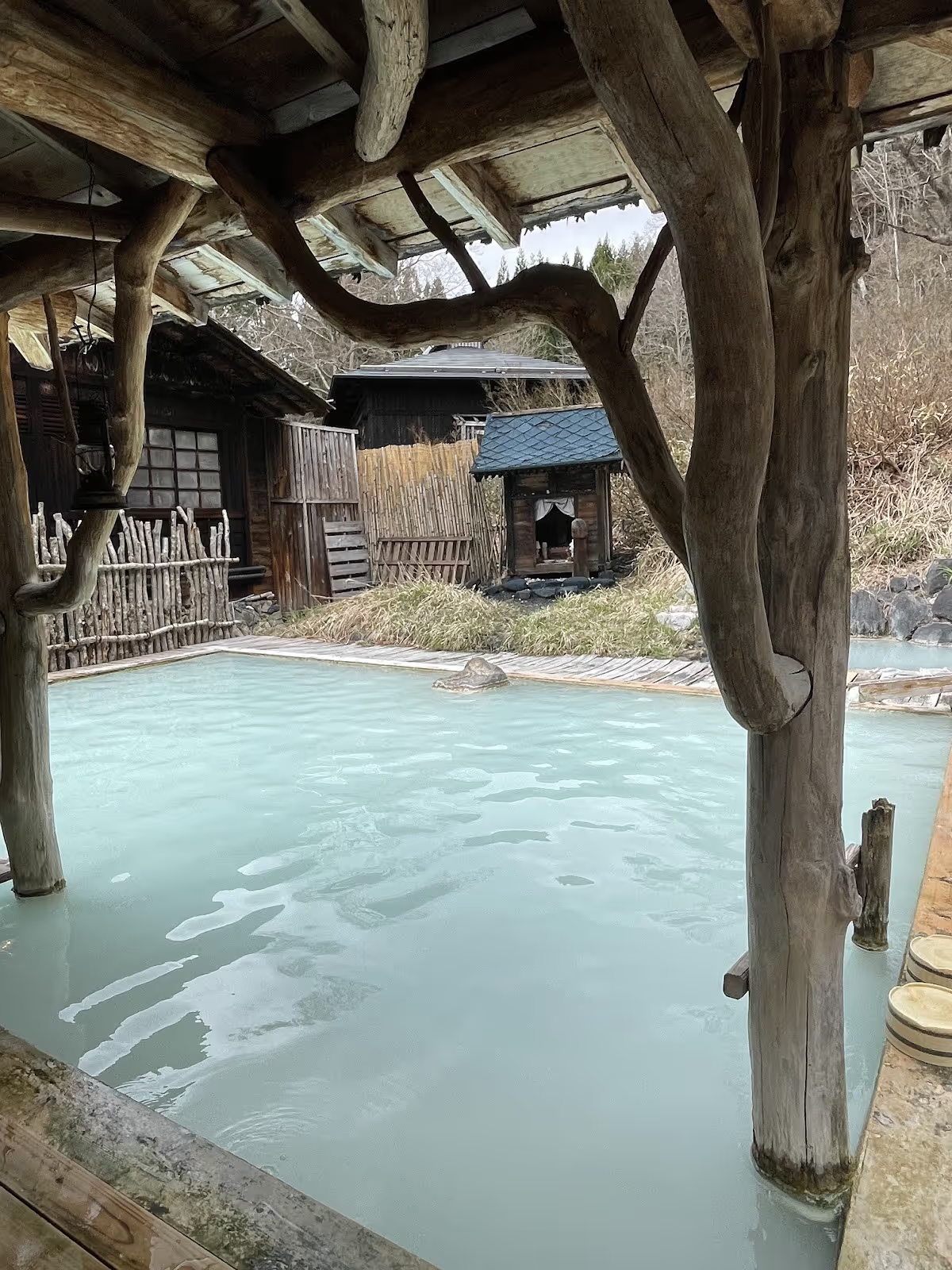
The spring water at Kaike is sodium chloride in type, producing a salt-rich and warming bath that is well suited to the cool and windy Sea of Japan coastal climate. The saline content of the water is notably high compared to many inland spring types, and the water is commonly described as heating the body deeply and retaining warmth effectively after bathing. Several large ryokan along the seafront offer rooms with views toward the sea and the cone of Daisen volcano visible to the southeast on clear days. A public foot bath is available near the beach promenade for visitors who want to experience the water informally. The seafront setting, the clear views toward Daisen, and the salt-rich water give Kaike a character defined as much by its coastal environment as by the spring itself. It is a well-regarded example of a Sea of Japan coastal ryokan onsen in the San-in region and is one of the most accessible onsen destinations in Tottori for visitors arriving by rail or air via Yonago Kitaro Airport. For visitors seeking hot springs near Yonago, Kaike Onsen is the primary resort destination in the city and is reachable by bus directly from Yonago Station.
Location & Access
Getting to Kaike Onsen
Kaike Onsen is accessible by bus from Yonago Station on the JR San-in Main Line and JR Hakubi Line. The bus journey from Yonago Station to the resort area takes approximately 20 minutes, with services running at regular intervals during the day. Yonago is well connected by rail, with limited express services running from Osaka via the Yakumo service in approximately three hours, and connections available from Hiroshima and other points on the San-yo Shinkansen network via Okayama. Yonago Kitaro Airport, served by domestic flights from Tokyo Haneda and other cities, is located approximately 20 minutes by car from the resort area and provides an alternative access point for visitors from Tokyo or Osaka who prefer to fly.
Visitors traveling by car can reach Kaike Onsen from the Yonago Expressway via the Yonago interchange, then follow the coastal road northwest toward the resort. The drive from Yonago Station takes approximately 10 minutes. Parking is available at the beach area, at individual ryokan, and at several public car parks near the waterfront. Road conditions in winter are generally manageable along the coastal route, though the Daisen area above Yonago can be subject to snow.
The resort area along the seafront is walkable, with the beach promenade, the public foot bath, and the main ryokan district all accessible on foot within the central area. For those seeking hot springs near Yonago with straightforward access from the JR rail network, the bus from Yonago Station provides a reliable and direct connection without requiring a car. The proximity to Yonago Kitaro Airport also makes Kaike one of the more conveniently reached onsen resorts in the San-in region for visitors flying from Tokyo.
Suitability & Accessibility
Who Kaike Onsen Suits
Kaike Onsen suits visitors who want a coastal ryokan experience combining hot spring bathing with sea views and access to the Daisen and San-in Kinrin area of western Tottori. The large ryokan along the seafront are well equipped for overnight stays centered on regional seafood meals, evening bathing, and views toward Daisen, and the overall atmosphere is relaxed and suited to a two-night stay rather than a rushed day visit. Couples and groups seeking a comfortable coastal resort experience within reach of the San-in railway network will find Kaike well positioned.
Families are accommodated at several ryokan in the resort, and the sandy beach alongside the promenade gives the area an open and child-friendly character during the warmer months. The public foot bath near the waterfront is accessible without charge or a full bathing commitment and is a practical option for families with younger children or visitors who want a brief informal experience of the spring water. Solo travelers are welcome at most properties, though the large-ryokan format at Kaike is more naturally suited to couples and small groups.
Visitors looking for accessible hot springs in Japan should note that the seafront promenade and central resort area are flat and generally navigable without significant difficulty. Larger and more recently renovated ryokan properties are more likely to have accessible room and bathing configurations than smaller or older facilities. Confirming room and bath accessibility directly with accommodation providers before booking is recommended. Among the coastal hot springs in Japan accessible by bus from a well-connected rail hub in the San-in region, Kaike Onsen offers a combination of salt-rich water, sea views, and regional food culture that makes it a practical and rewarding destination for visitors to western Tottori.
Safety & Etiquette
Safety and Etiquette at Kaike Onsen
Kaike Onsen is a well-managed and safe resort destination. The spring facilities at ryokan and public facilities are maintained and controlled, presenting no unusual hazards. The coastal environment introduces some considerations specific to the seafront setting. The Sea of Japan coast at Yonago can be subject to strong winds and rough surf conditions, particularly in winter and during storms. The beach alongside the resort is not a swimming beach in the same sense as Pacific-facing beaches further south, and sea conditions should be assessed locally before entering the water. The public foot bath and all onsen facilities are set back from the direct shoreline and are unaffected by sea conditions.
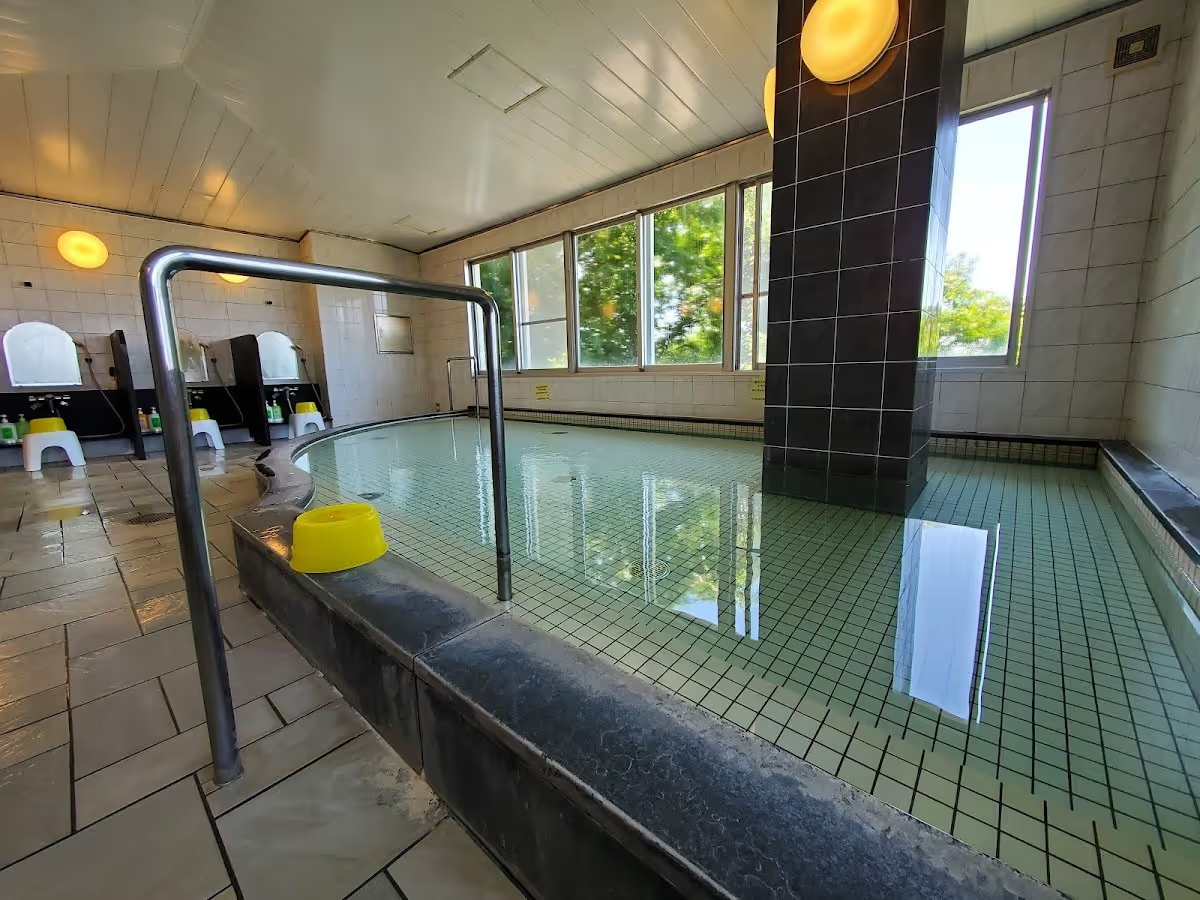
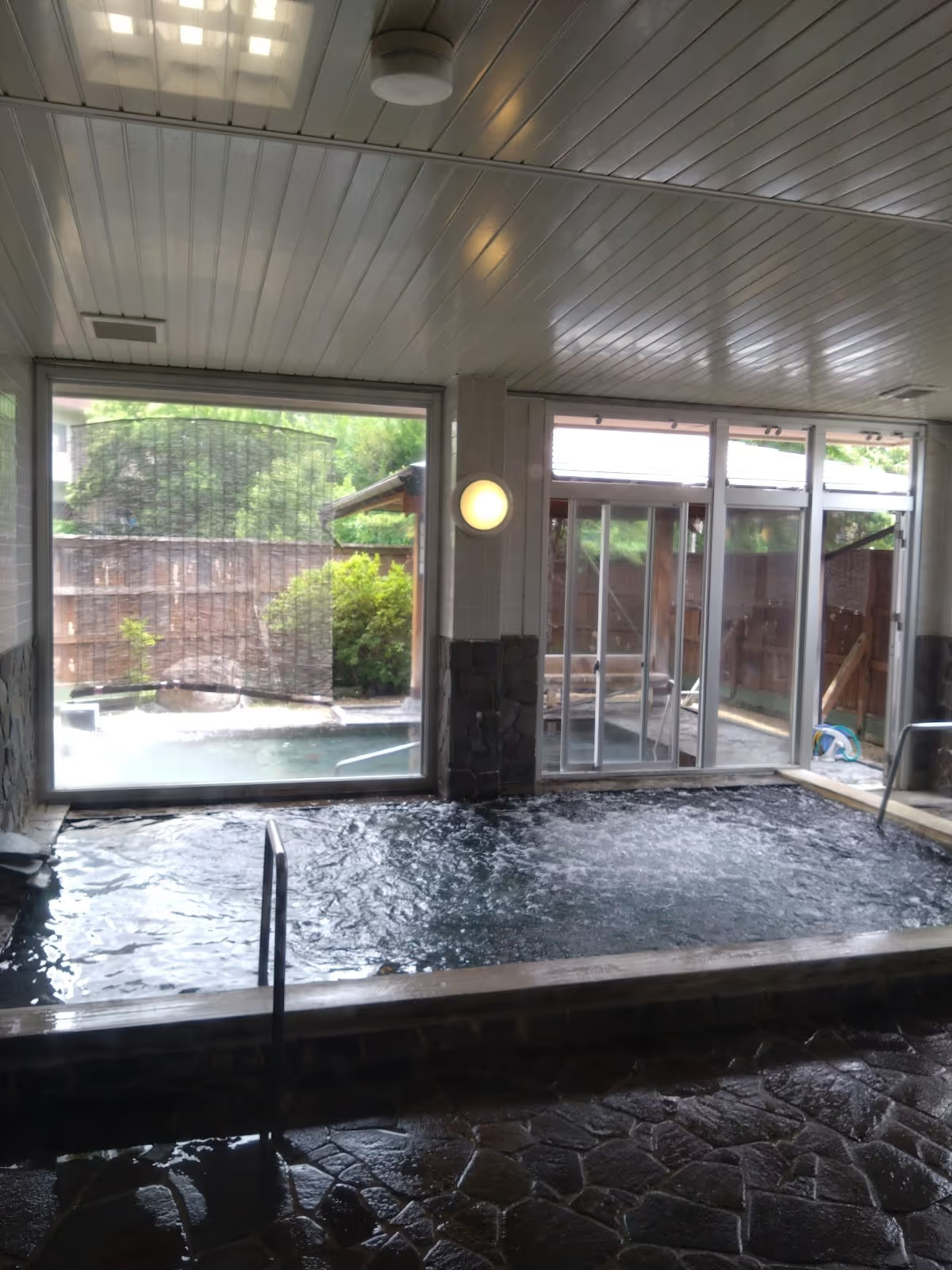
Standard Japanese onsen etiquette applies at all ryokan and public bathing facilities in Kaike. Bathers must shower and wash thoroughly at the provided wash stations before entering any communal bath. Towels must not be submerged in the water. Bathing areas are gender-separated. Swimwear is not worn in traditional indoor baths. The sodium chloride water at Kaike is notably salt-rich and can have a mild drying effect on some skin types with extended exposure. Rinsing with fresh water after bathing and moisturizing afterward is advisable for visitors with dry or sensitive skin. Removing metal jewelry before entering salt-rich spring water is recommended to avoid discoloration over time.
Tattoo policies at Kaike's ryokan and bathing facilities follow general Japanese practice, with communal bathing areas typically not admitting tattooed guests. Some larger ryokan may offer private bath arrangements as an alternative. Visitors with tattoos should confirm policy and availability when booking. Photography inside enclosed bathing facilities is not permitted. Mobile phone use and loud conversation in bathing areas are not appropriate.
Visitors should hydrate before and after bathing, limit session length in hot water, and rest between soaks. Children should be supervised at all times in bathing areas and near the waterfront. The public foot bath near the promenade is a lower-temperature option suited to most visitors including those who prefer not to use a full hot bath. Guests with cardiovascular conditions or skin sensitivities should seek medical advice before bathing in high-mineral saline water.