Quick FactsOverview
About Kurokawa Onsen
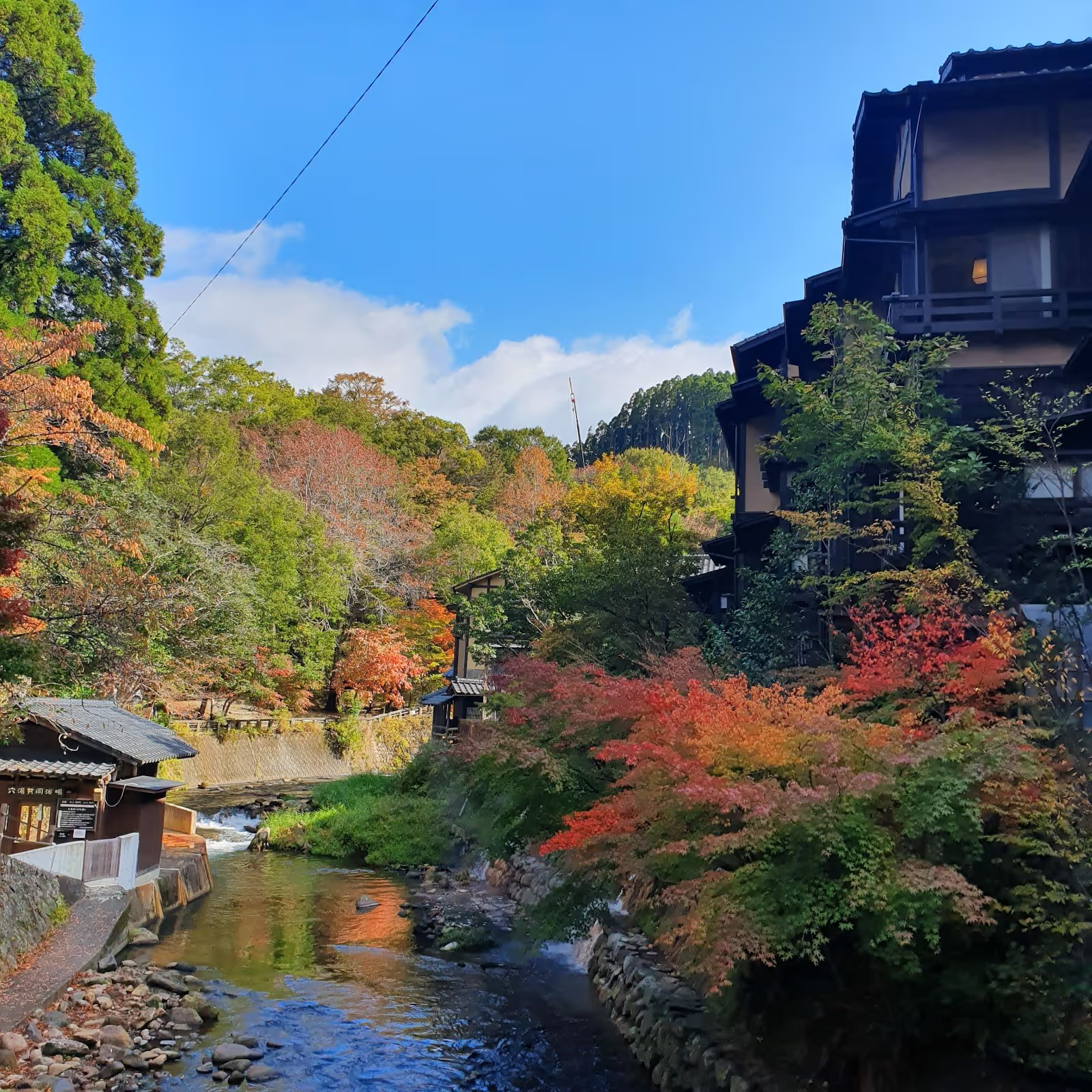
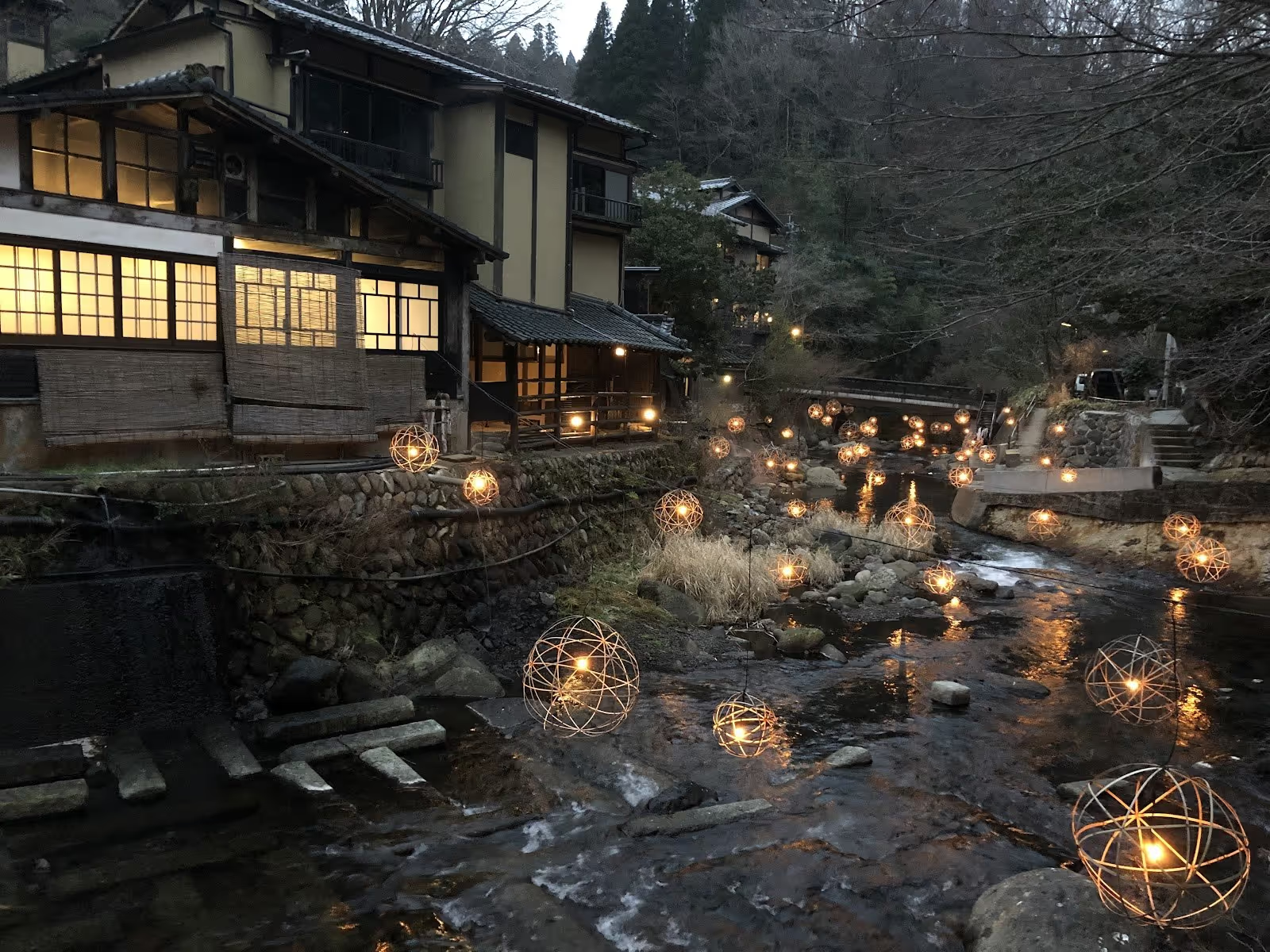
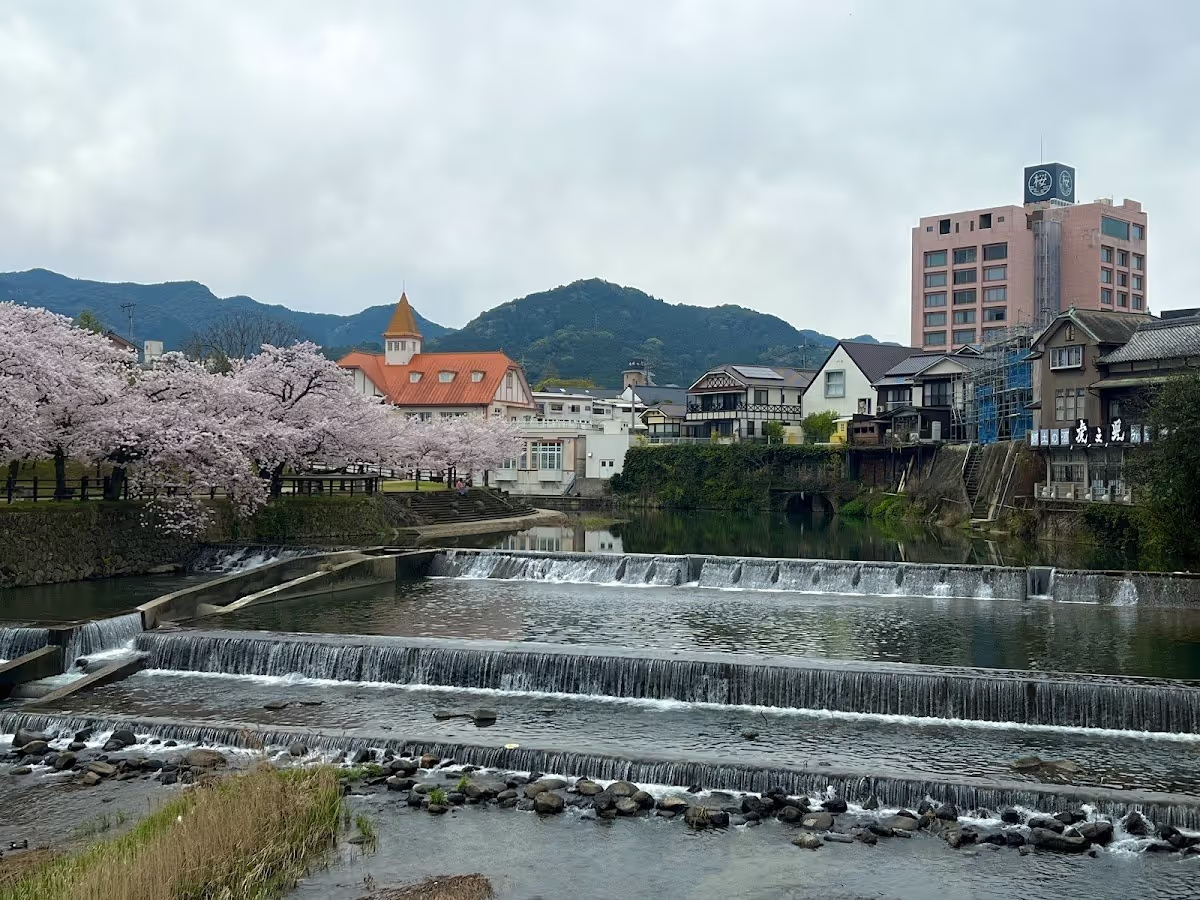
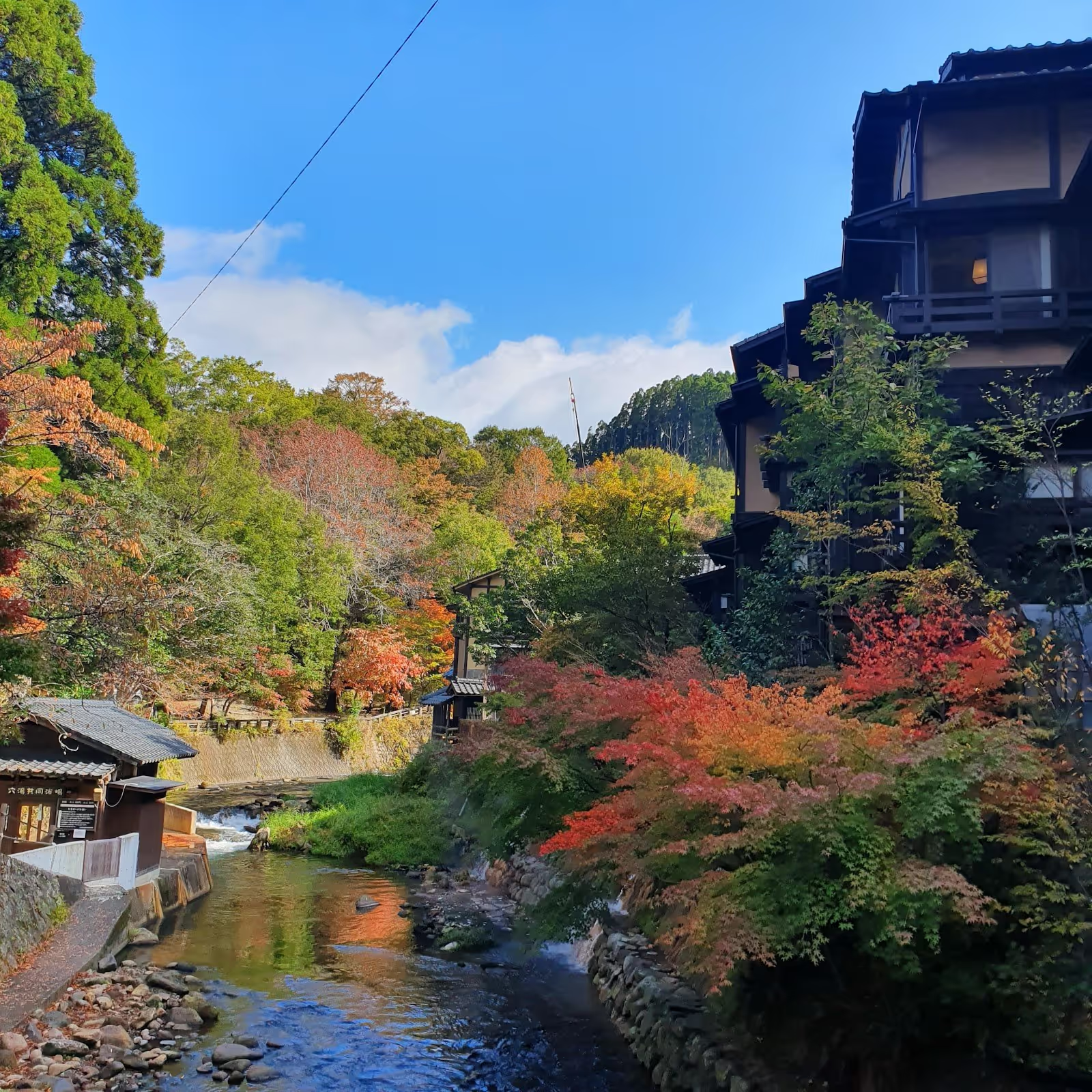
Kurokawa Onsen, Japan is a historic hot spring resort town in Minami-Oguni, Aso District, Kumamoto Prefecture, Kyushu, situated in a forested mountain valley about 20 kilometres north of Mount Aso. The town has over 300 years of history; feudal lords from nearby Kumamoto used it as a recuperation stop during the Edo period. Today, around 30 ryokan are concentrated in the compact valley, connected by stone-paved lanes, a river, and small bridges. There are no large concrete hotels, neon advertisements, or convenience stores; the townscape is defined by natural materials, wooden buildings, and the steaming Tanohara River.
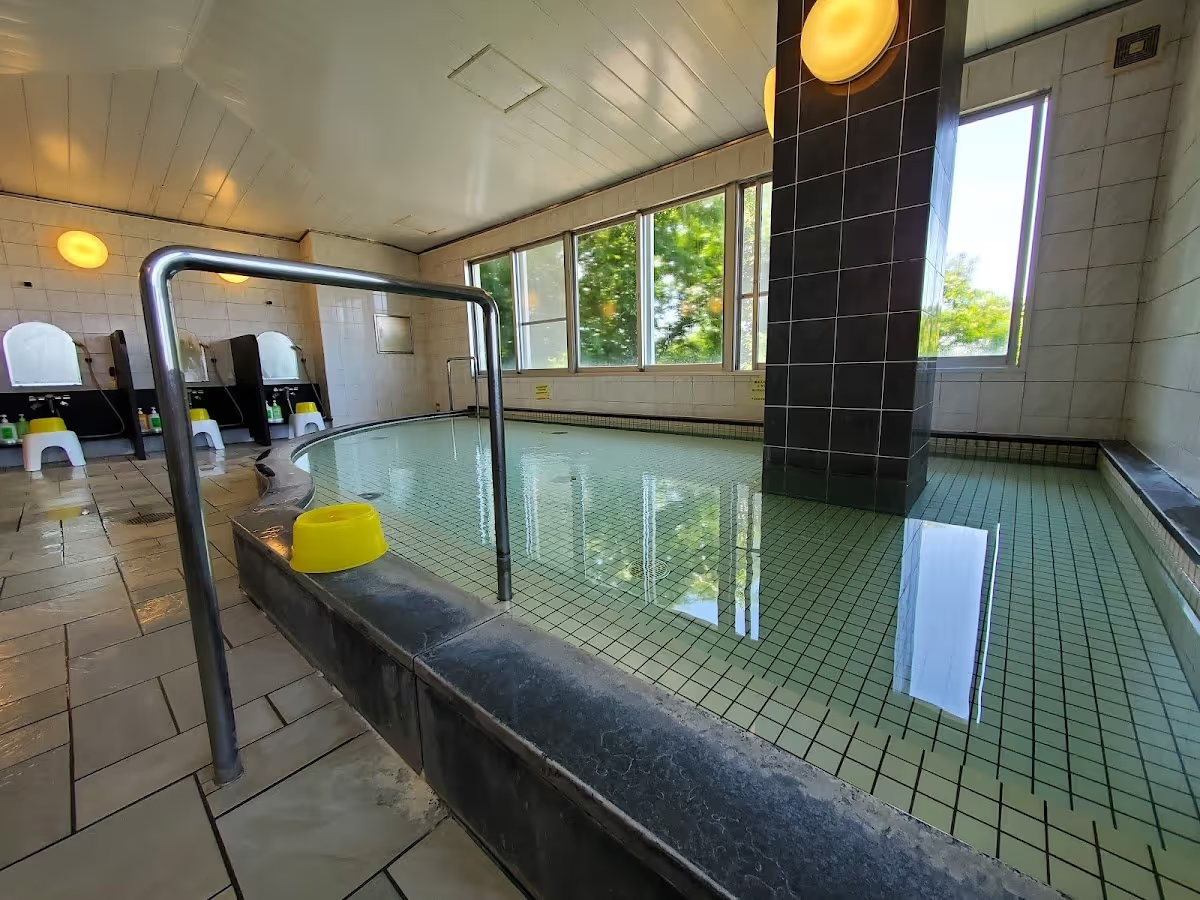
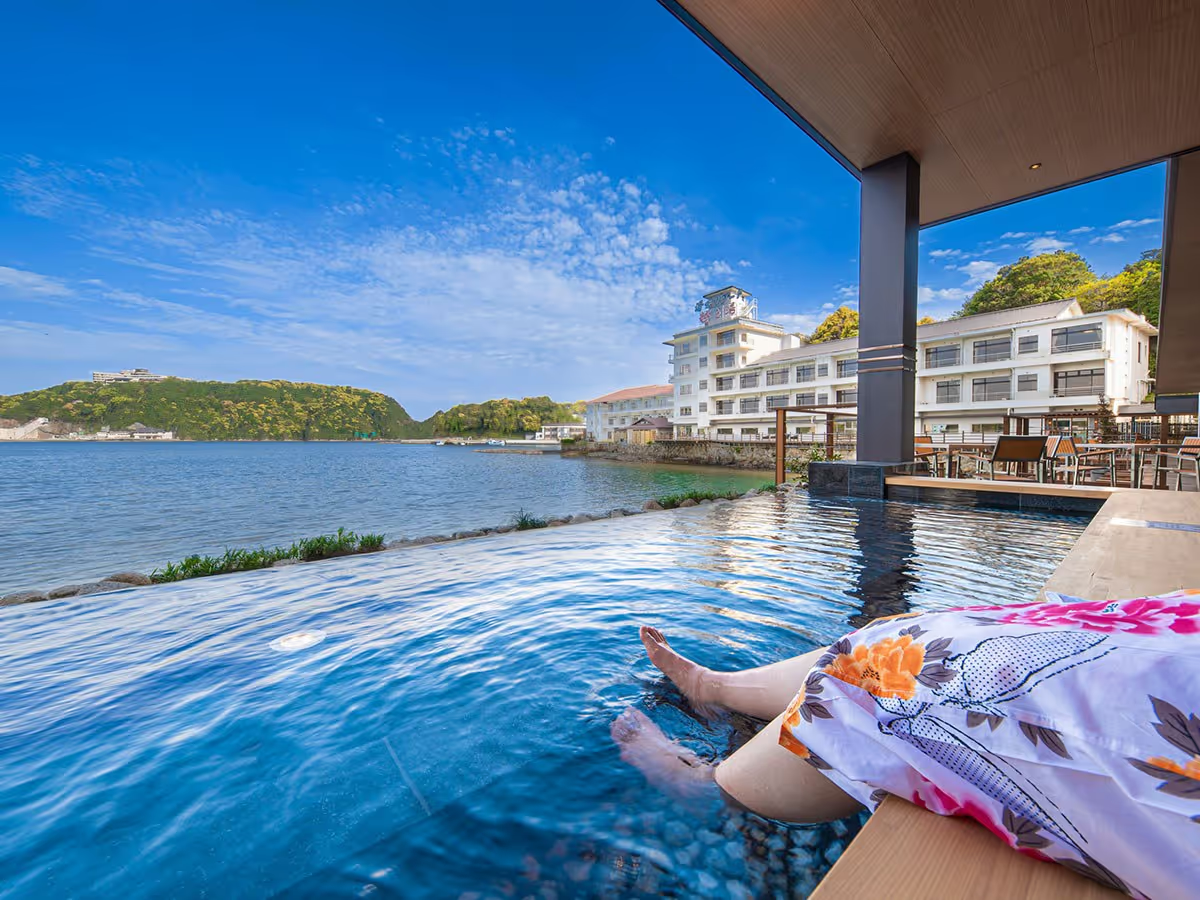
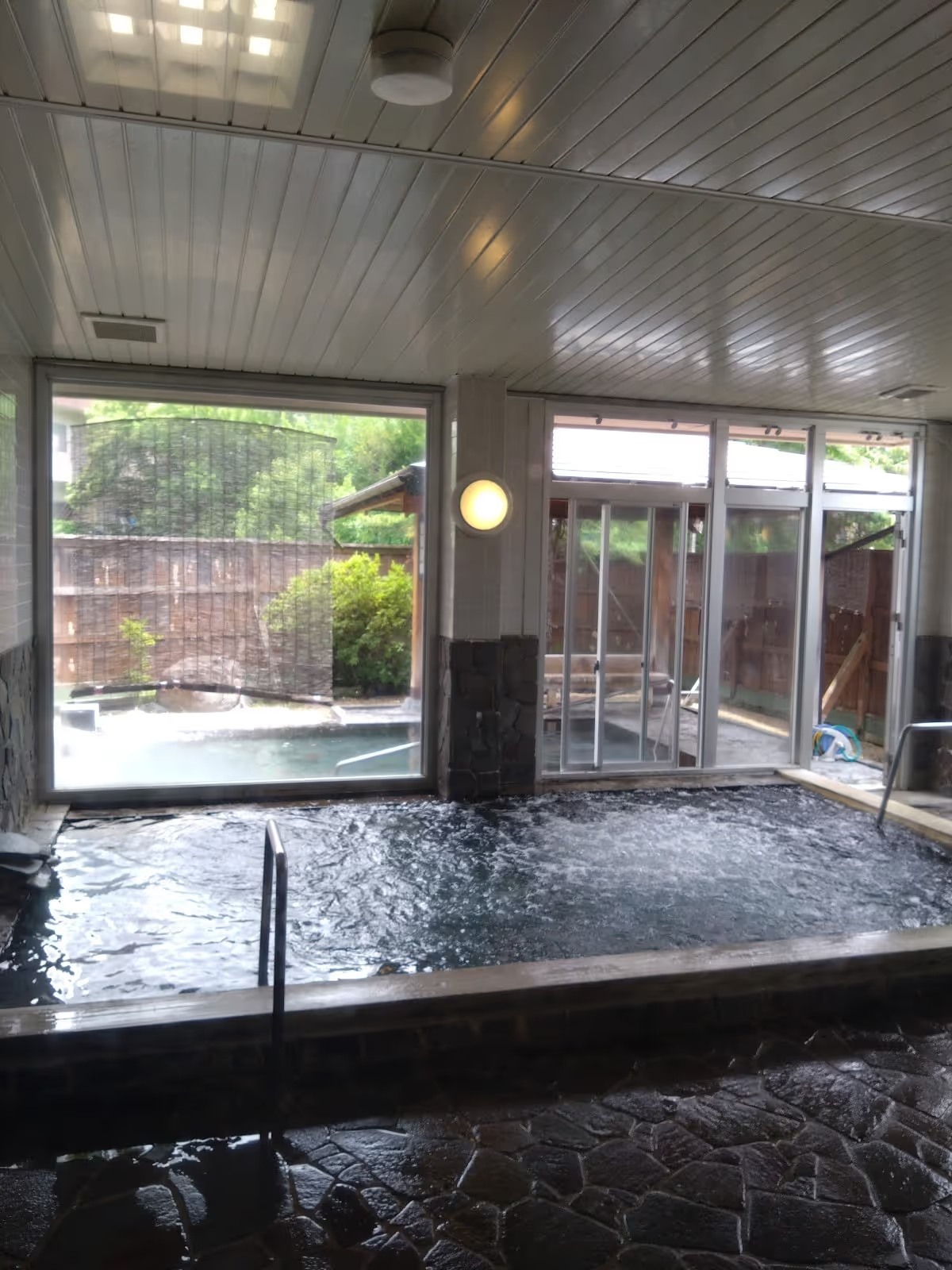
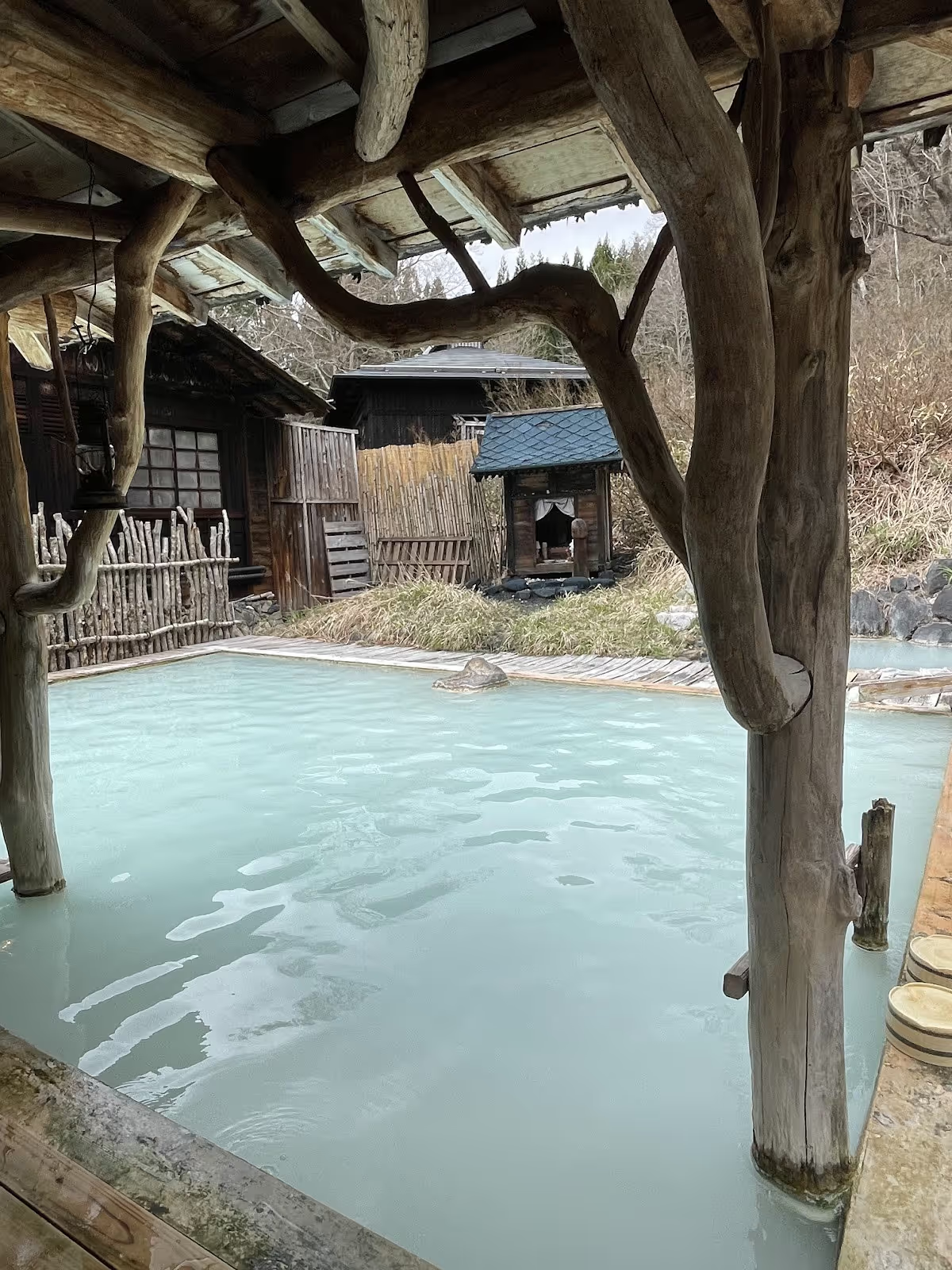
The area has up to seven spring types including weak acid simple springs, sulfur springs, ferruginous springs, and hydrogen carbonate springs. The Nyuto Tegata is a round cedar-bark pass sold for 1,300 yen at the visitor information centre and participating ryokan, valid for six months, giving entry to any three ryokan baths. Individual ryokan bath admission starts from around 500 yen. Notable bath types include riverside open-air rotenburo, hand-carved cave baths, and tree-enclosed forest baths. A free foot bath is available at Ikoi Ryokan. Yukata rental from the visitor information centre allows day visitors to stroll the lanes in traditional dress.
Location & Access
Getting to Kurokawa Onsen
Kurokawa Onsen has no train station and is reached by bus or car. Direct buses from Fukuoka (Tenjin Bus Terminal, Hakata Station Bus Terminal, and Fukuoka Airport) run approximately three times daily and take around two and a half to three hours, costing approximately 3,090 yen one way; advance reservation is recommended. From Kumamoto Station or the Aso area, direct buses also run to Kurokawa Onsen taking approximately two and a half hours. From Yufuin, the Kyushu Odan Bus connects to Kurokawa in approximately 90 minutes. By car from Fukuoka, the journey takes approximately two hours via the Oita Expressway; the scenic mountain approach from the Aso direction is also popular.
The town centre is compact and fully walkable. The visitor information centre and car park near the town centre are the main arrival points; most ryokan and baths are within a 10 to 15-minute walk. A small number of ryokan 1 to 3 kilometres outside the centre, including Hozantei and Yamamizuki, offer pick-up services for staying guests; day visitors without a car face a walk or must arrange transport. Note that there are no ATMs in Kurokawa village; the nearest is approximately 10 minutes by car. Not all businesses accept credit cards; carry cash. The Nyuto Tegata pass is available from the visitor information centre and from most participating ryokan.
Suitability & Accessibility
Who Kurokawa Onsen Suits
Kurokawa Onsen suits visitors who want one of Japan's most atmospheric traditional onsen town experiences in Kyushu. The absence of large hotel chains and commercial signage, combined with the forested valley setting and variety of distinctive bath types, makes it ideal for those seeking a genuine, unhurried hot spring retreat. It is best suited to overnight stays at a ryokan, where a multi-course kaiseki dinner, yukata stroll through the lanes, and unrestricted access to multiple baths form the full experience. One-night stays with the Nyuto Tegata pass are the most common visit pattern.
Families are welcome; many ryokan have private family bath options bookable on a first-come, first-served basis for around 1,000 to 2,500 yen per session. Day visits are possible with the Nyuto Tegata or individual admission, and yukata rental from the information centre allows day visitors to participate in the town's atmosphere. Kurokawa books out far in advance at peak seasons including New Year, Golden Week, and Silver Week; book accommodation several months ahead for these periods.
Tattoo policies vary by individual ryokan; some accept tattooed guests, others do not. Check directly with the specific ryokan before booking. Wheelchair accessibility is limited; the town's stone-paved lanes and most traditional ryokan involve steps and uneven terrain. Visitors with mobility requirements should contact individual ryokan directly.
Safety & Etiquette
Kurokawa Onsen Safety Tips
Kurokawa Onsen is generally safe as a well-managed mountain resort town with staffed ryokan facilities. The main safety considerations are the varying temperatures across different spring types, the physical terrain of the valley, and winter mountain conditions that can affect road access to the area.
With up to seven spring types present in the area, bath temperatures and mineral compositions vary significantly across ryokan. Some springs are strongly acidic and others contain sulfur; rinse thoroughly after soaking and avoid submerging eyes in any strongly acidic water. Test each bath before entering fully and limit soaking to 10 to 15 minutes per session. People with heart conditions, hypertension, or open wounds should consult a doctor before bathing. Some ryokan have mixed-gender outdoor baths; check the schedule and signage at each facility, as gender access typically rotates through the day.
The stone-paved lanes of Kurokawa can be slippery when wet, particularly in rain or after snow. Geta sandals provided by ryokan are atmospheric but require care; rubber-soled footwear is more secure in wet conditions. In winter, the mountain roads approaching Kurokawa can have snow and ice; check road conditions before driving and use winter tyres. The cave baths at Shinmei-kan involve enclosed, humid spaces; those with respiratory conditions should take care. Wash thoroughly before entering any communal bath. No swimwear is permitted in standard ryokan baths; mixed baths typically require a towel wrap.