
Quick FactsOverview
About Minakami Onsen, Gunma
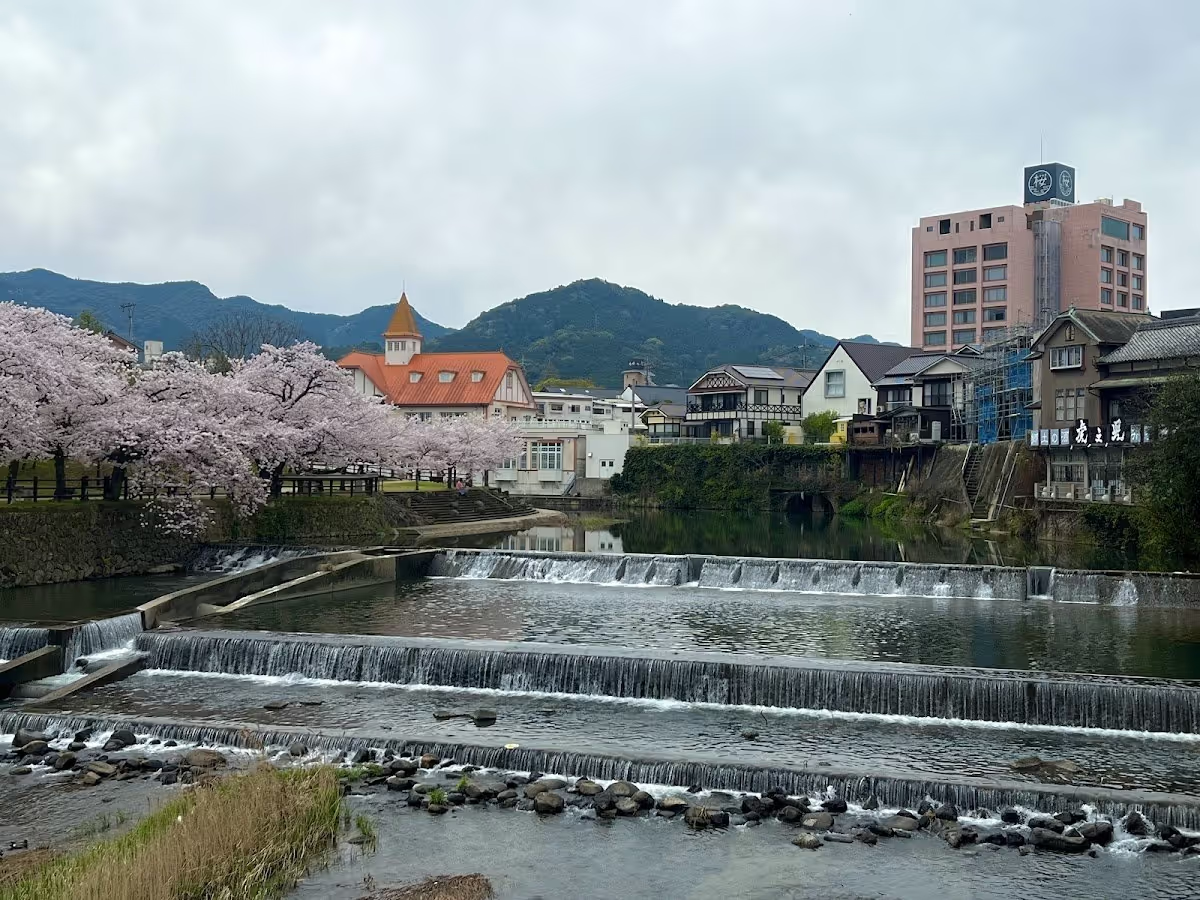
Minakami Onsen, Japan is a hot spring resort area located in Minakami Town, Tone District, Gunma Prefecture, along the upper Tone River valley near the border with Niigata Prefecture. It sits within the southern foothills of the Echigo mountain range at elevations that bring heavy snowfall in winter and cooler summer temperatures than the Kanto plain below, making it a year-round destination with distinct seasonal character. The area encompasses several small onsen districts including Minakami, Yubiso, Tanigawakan, and others, spread along the river valley and connected by road and local bus.
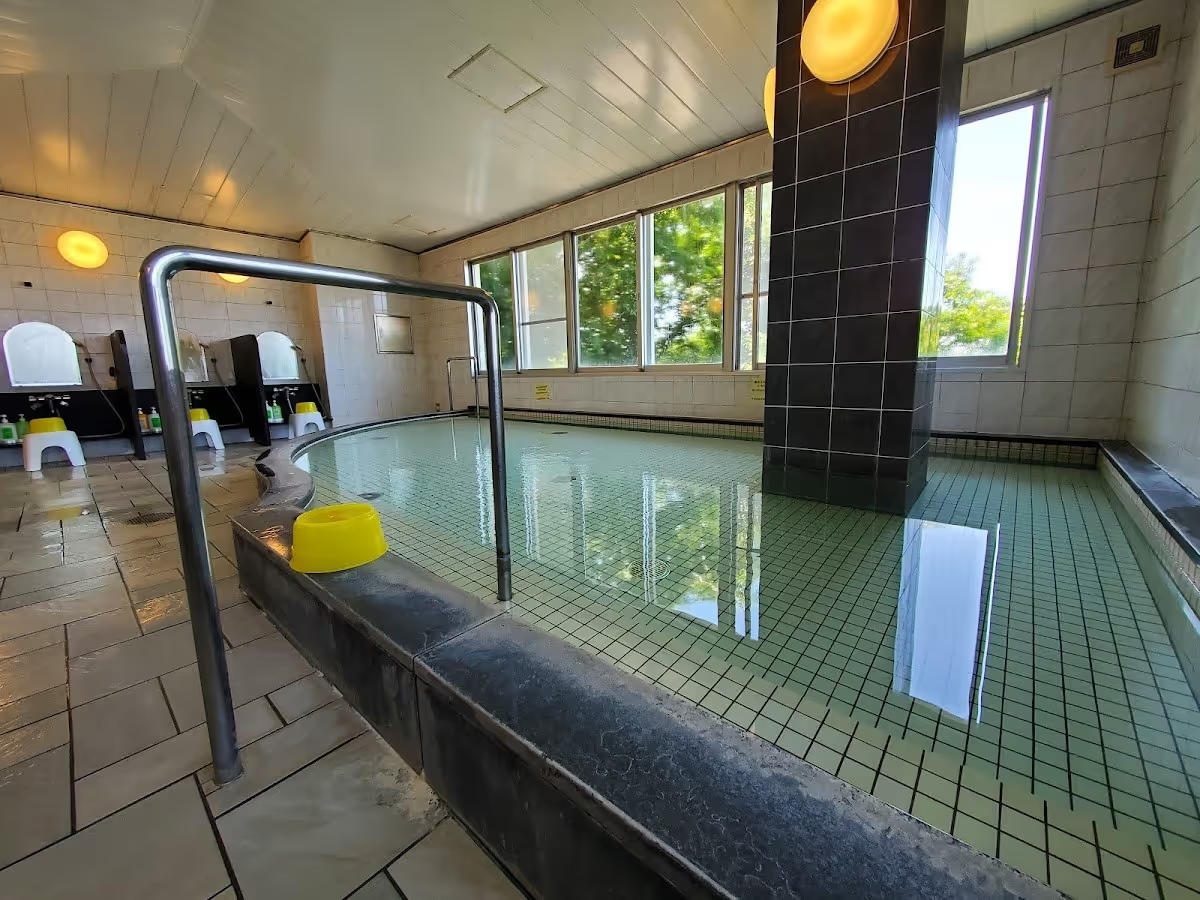
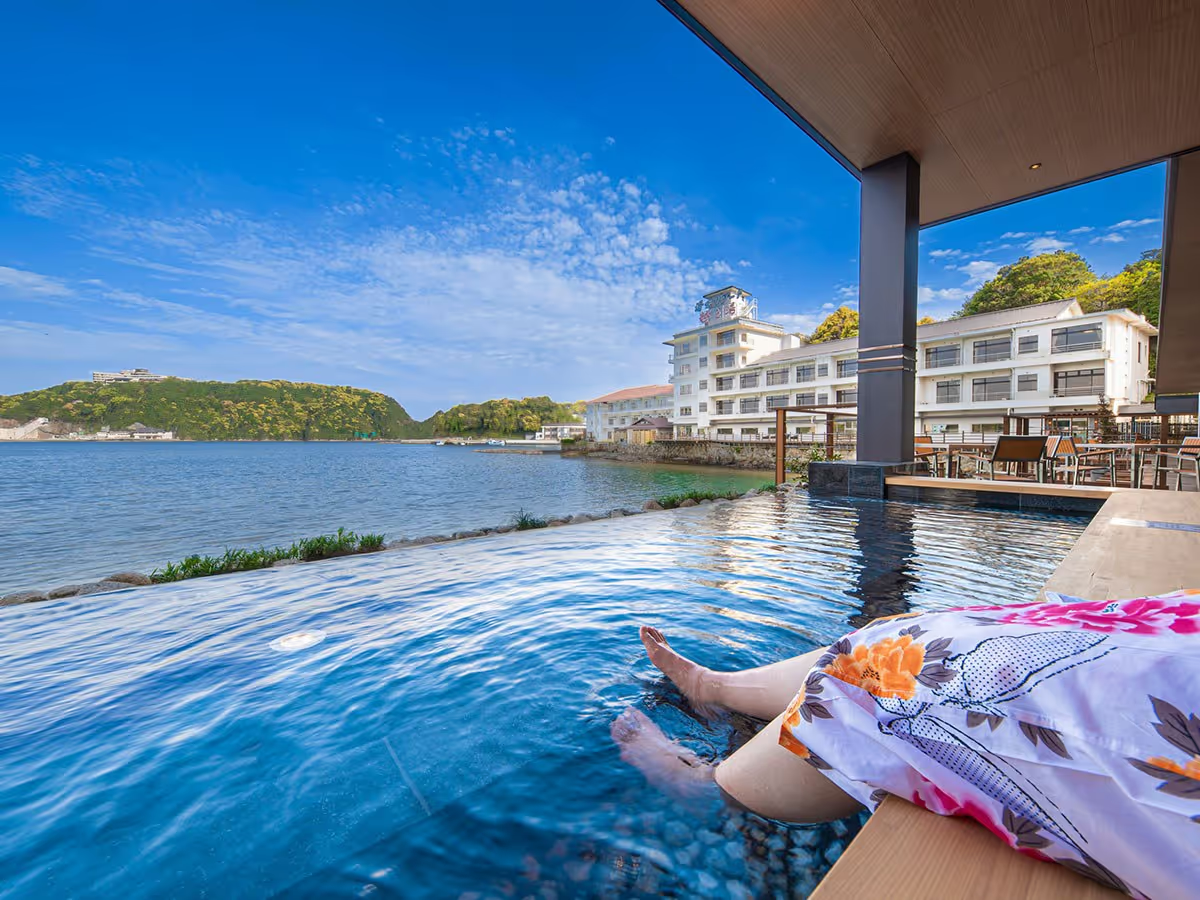
The spring water across the Minakami area varies by source but is generally clear and mild, suited to a broad range of visitors. The town of Minakami itself is the largest settlement in the area and functions as the commercial and transport hub, with a main street near the station that includes restaurants, shops, and several ryokan. The surrounding landscape is defined by the Tone River gorge, forested mountain slopes, and proximity to the Tanigawadake peaks, which gives the area a dual character as both an onsen destination and an outdoor activity base. Rafting, canyoning, skiing, and hiking are all available within the broader Minakami area, and many visitors combine a ryokan onsen stay with one or more outdoor activities. For those seeking hot springs near Minakami town or looking to combine traditional inn bathing with mountain recreation, this area in northern Gunma offers one of the more versatile options in the region.
Location & Access
Getting to Minakami Onsen
Minakami is served by Minakami Station on the JR Joetsu Line. The journey from Takasaki takes approximately 70 minutes by local train, and Takasaki is accessible from Tokyo Ueno Station by the JR Takasaki Line in around one hour and 20 minutes, or more quickly via the Joetsu or Hokuriku Shinkansen to Takasaki Station. Total travel time from central Tokyo to Minakami is roughly two to two and a half hours by the most practical combinations. Direct highway bus services also connect Tokyo with the Minakami area, with journey times of around two hours depending on traffic.
From Minakami Station, local buses and taxis serve the various onsen districts in the valley. The main Minakami onsen area near the station is walkable, but the more distant districts such as Yubiso and Tanigawakan require a bus or car. Visitors intending to stay in the upper valley districts should confirm transport arrangements with their ryokan before arrival, as some properties offer shuttle services. Visitors traveling by car can reach Minakami from the Kan-Etsu Expressway via the Minakami interchange, with the drive from central Tokyo taking around two hours under normal traffic conditions.
For those seeking hot springs near Minakami with straightforward access from Tokyo, the JR Joetsu Line and highway bus options both provide practical connections without requiring a car. Winter visitors driving to the area should be prepared for snow on mountain roads above the valley floor, and snow tires or chains may be required during peak winter months.
Suitability & Accessibility
Who Minakami Onsen Suits
Minakami Onsen suits a particularly wide range of visitors due to the combination of traditional ryokan bathing and easy access to outdoor activities. Visitors who want to use an onsen stay as part of a more active trip will find Minakami one of the most practical options in the Kanto and Koshinetsu region. Rafting on the Tone River is available from spring through autumn and is one of the most popular activities in the area. Skiing and snowboarding at nearby resorts are accessible in winter, with onsen bathing providing a natural complement to a day on the slopes.
Families are well catered for in Minakami. Several ryokan offer family room configurations, and the combination of outdoor activities and onsen relaxation makes multi-night stays engaging for a range of ages. The town center near Minakami Station has a relaxed and accessible layout. Solo travelers and couples seeking a comfortable mountain onsen stay within reasonable reach of Tokyo will find Minakami a practical and rewarding destination, with a range of ryokan price points available across the valley.
Visitors looking for accessible hot springs in Japan should note that the valley floor areas around Minakami Station are relatively flat, but the more remote onsen districts involve hillside terrain and older building stock that may present challenges for guests with significant mobility limitations. Confirming room and bathing facility accessibility directly with accommodation providers before booking is recommended. The variety of options across the Minakami area means that most visitor types can find a property suited to their needs among the hot springs in Gunma that remain accessible by public transport from Tokyo.
Safety & Etiquette
Safety and Etiquette at Minakami Onsen
Minakami Onsen is a safe and well-established destination across all its constituent districts. The managed spring facilities at ryokan and public bathhouses are controlled and present no unusual hazards. The principal safety considerations in the Minakami area relate to the outdoor environment rather than the bathing facilities. Winter conditions bring heavy snowfall to the valley and surrounding mountains, and visitors should be prepared for icy road and footpath surfaces between November and March. Those participating in outdoor activities should use only licensed operators and follow all safety briefings provided.
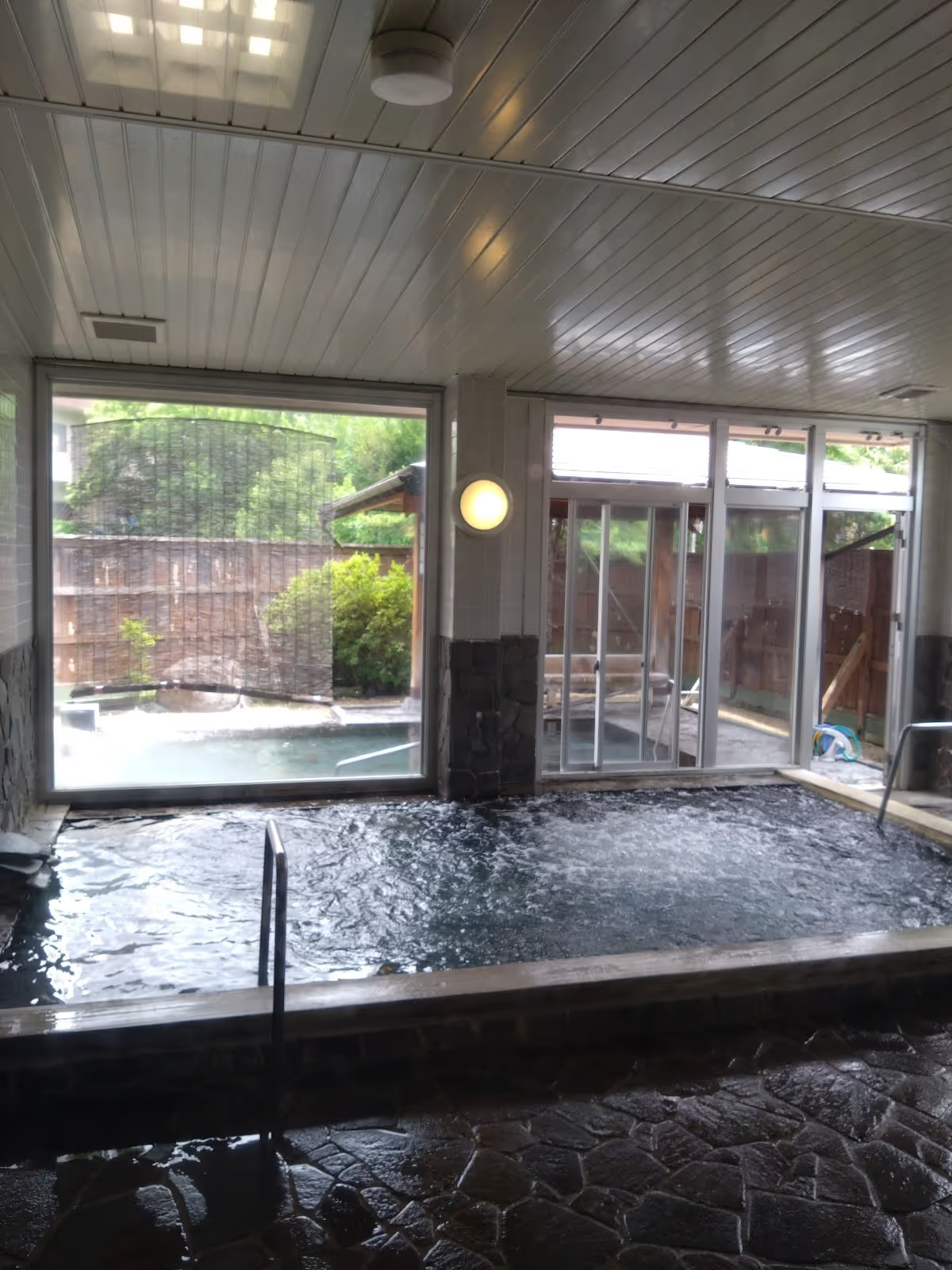
Standard Japanese onsen etiquette applies at all facilities throughout the Minakami area. Bathers must shower and wash thoroughly before entering any communal bath. Towels must not be submerged in the water. Bathing areas are gender-separated at most ryokan and public facilities. Swimwear is not worn in traditional indoor baths. Some ryokan in the Minakami area have mixed-gender rotenburo outdoor baths where swimwear or towel covering may be permitted or required depending on the property. Confirming the bathing format with individual ryokan when booking is advisable.
Tattoo policies in the Minakami area follow general Japanese practice, with communal baths typically not admitting tattooed guests. Some properties offer private bath options as an alternative, and the prevalence of international outdoor activity tourists in the area means that some ryokan have become more accommodating of this issue than properties in more traditional onsen towns. Checking directly with a specific property before booking is the most reliable approach.
Photography inside bathing facilities is not permitted. Mobile phone use and loud conversation in bathing areas are considered disrespectful. Visitors using outdoor rotenburo baths in winter should be aware of the contrast between cold air temperatures and hot water, which can cause dizziness on standing. Exiting the bath slowly and having a towel and warm layer ready is advisable. Children should be supervised at all times in bathing areas, and guests with cardiovascular conditions should seek medical advice before bathing in high-temperature water.