Quick FactsOverview
About Yagen Onsen, Aomori
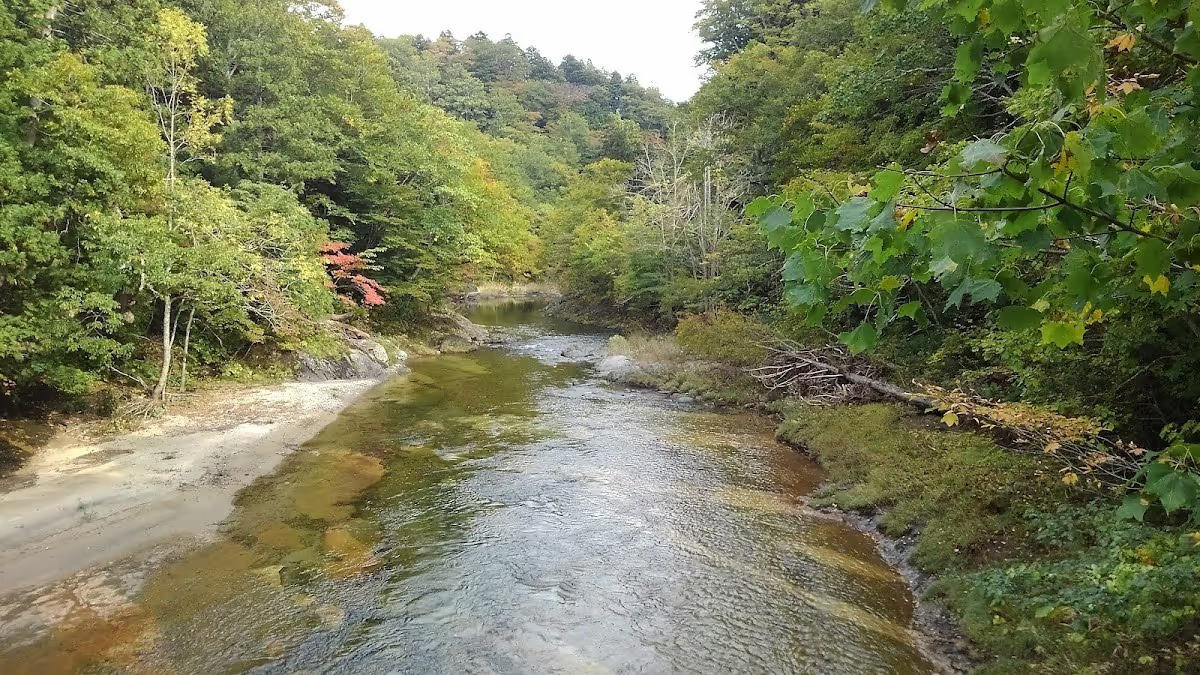
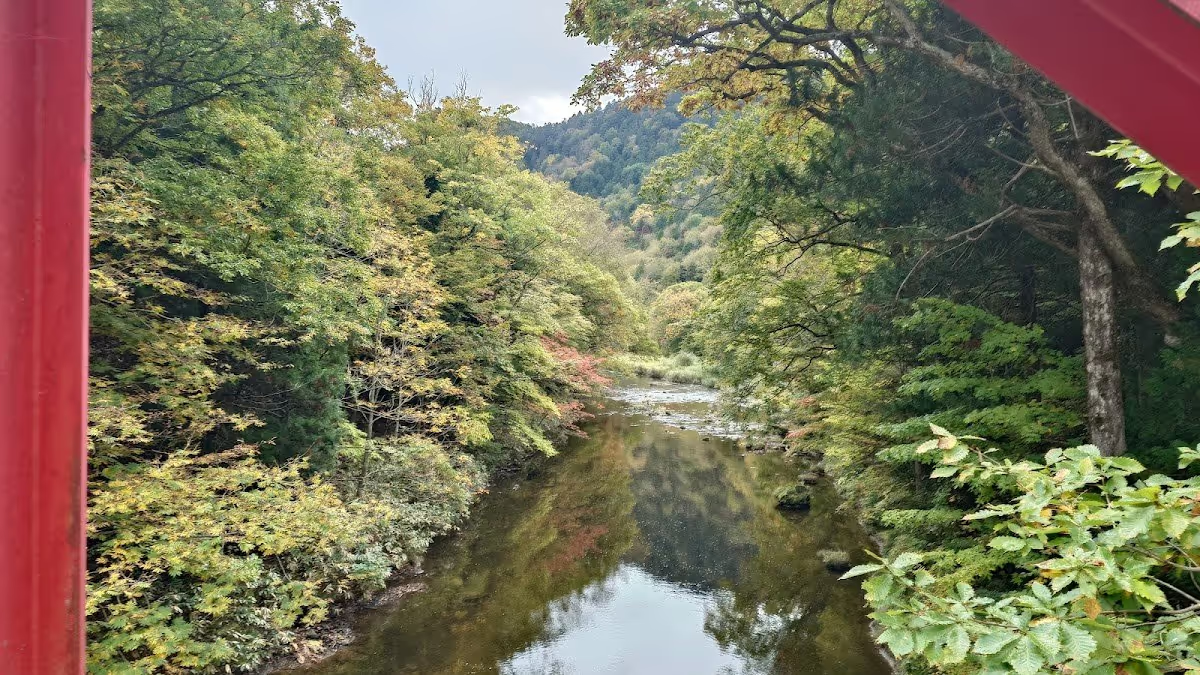
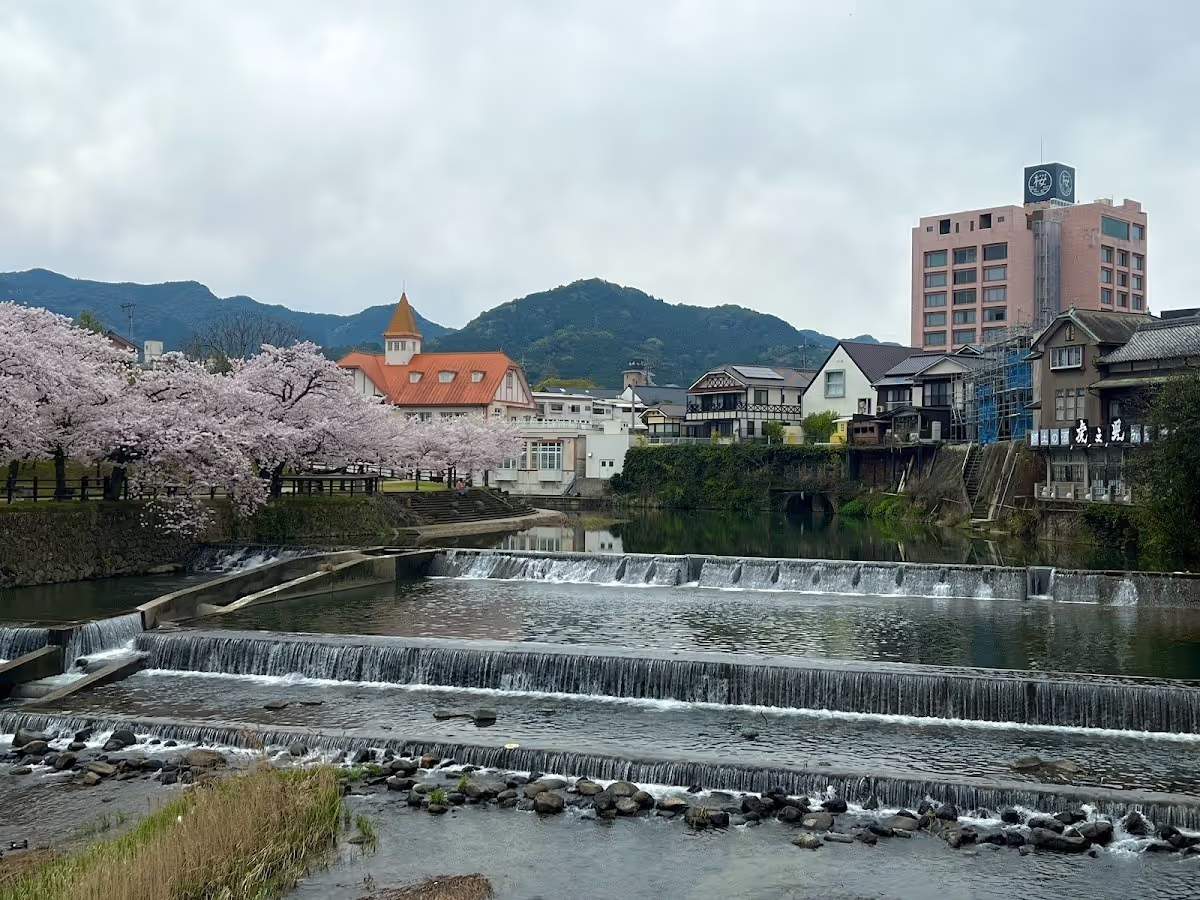
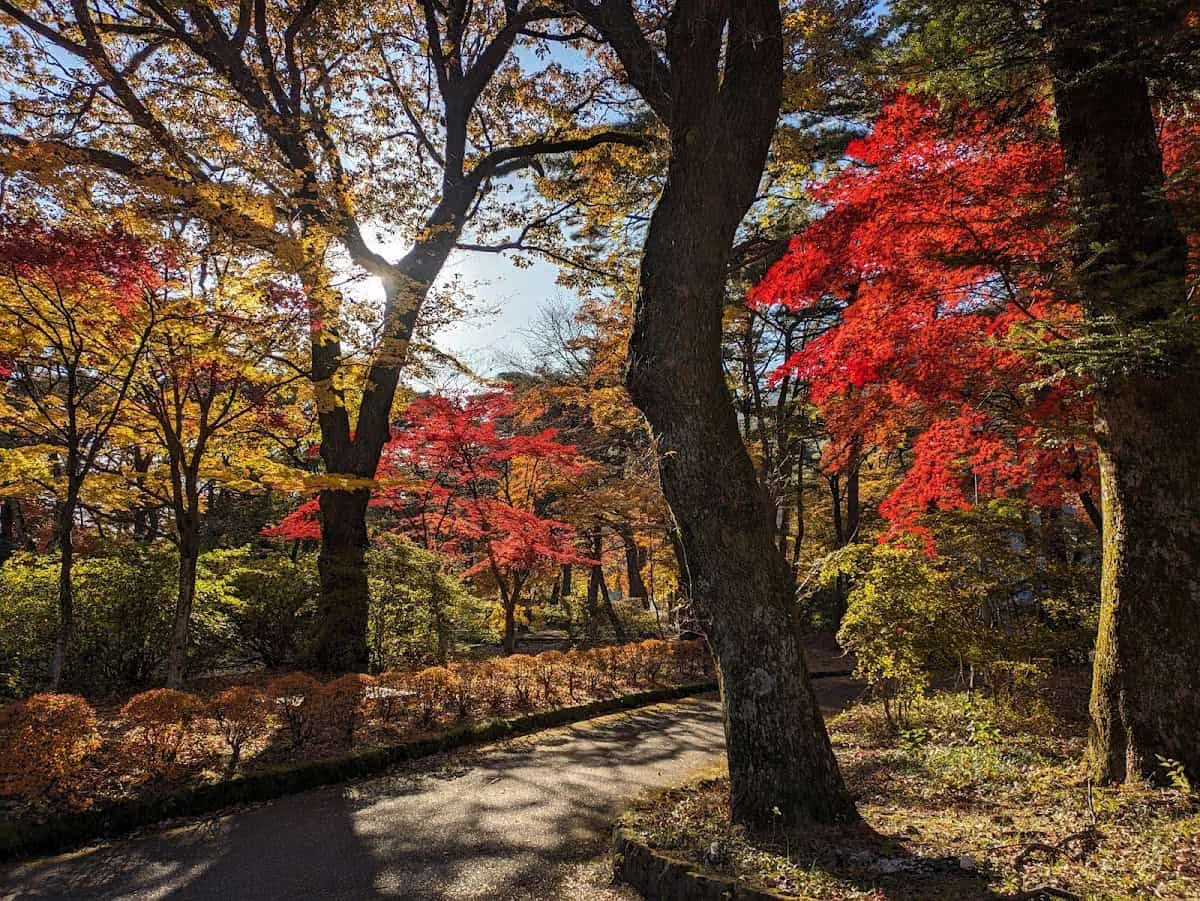
Yagen Onsen, Japan is a secluded hot spring area located in the Yagen Valley in Ohata, Mutsu City, Aomori Prefecture, on the Shimokita Peninsula in the far north of Honshu. It sits along the Ohata River in a narrow forested gorge surrounded by beech woodland that forms part of the broader Shimokita Peninsula area, one of the northernmost beech forest zones in Japan. The valley is remote by Aomori standards and receives relatively few visitors compared to more accessible onsen destinations in the Tohoku region, which contributes to its quiet and unhurried character.
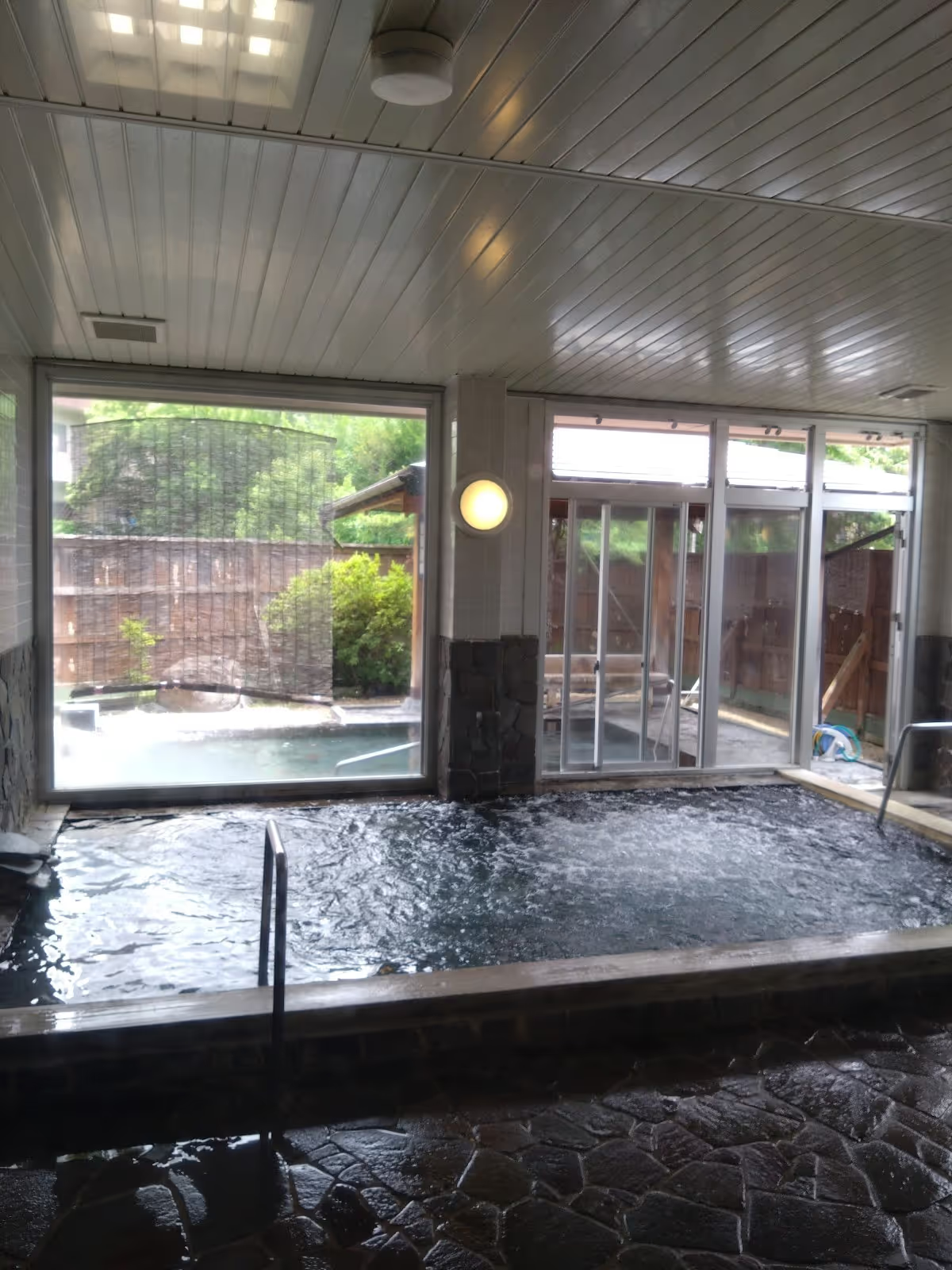
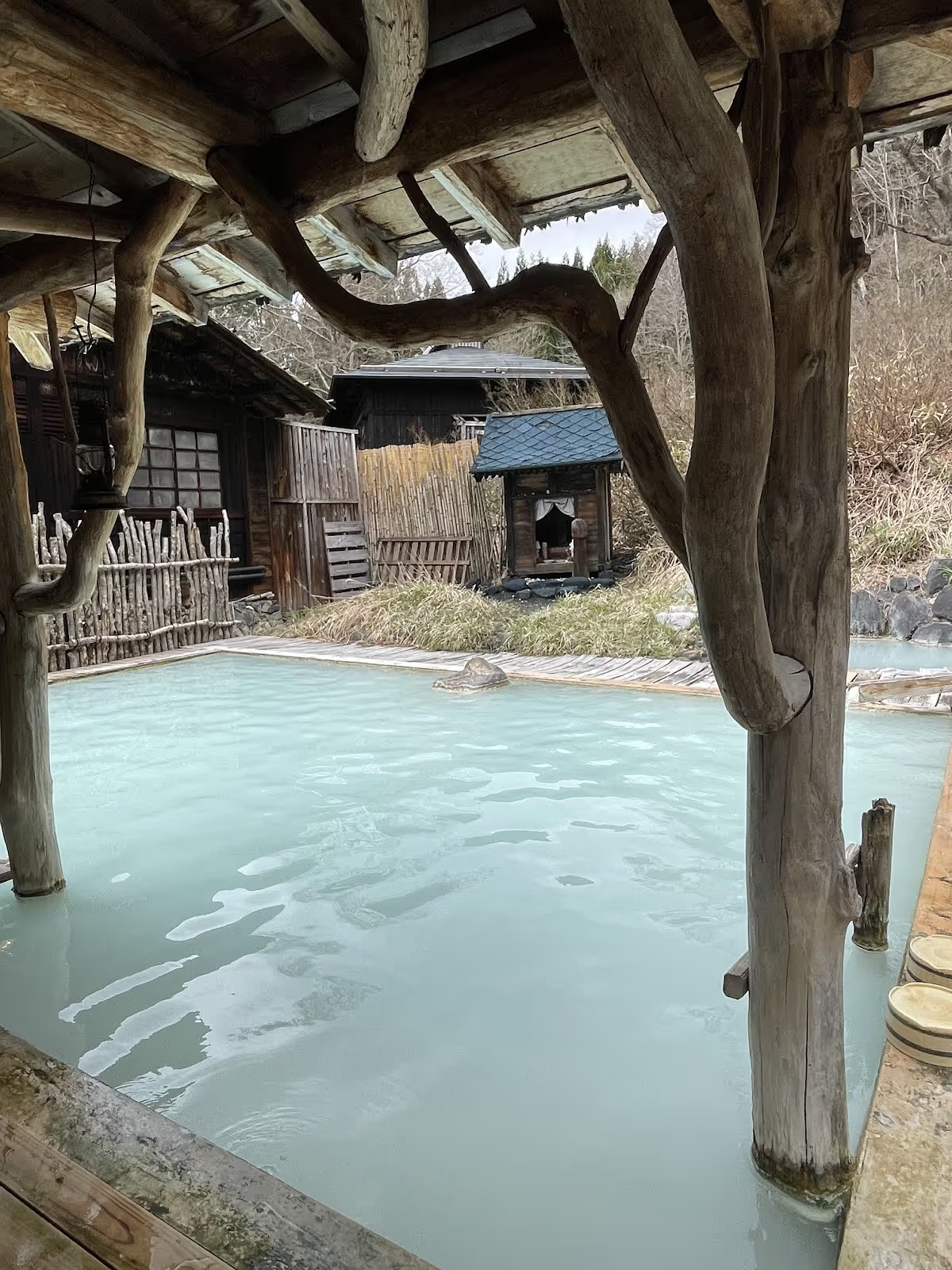
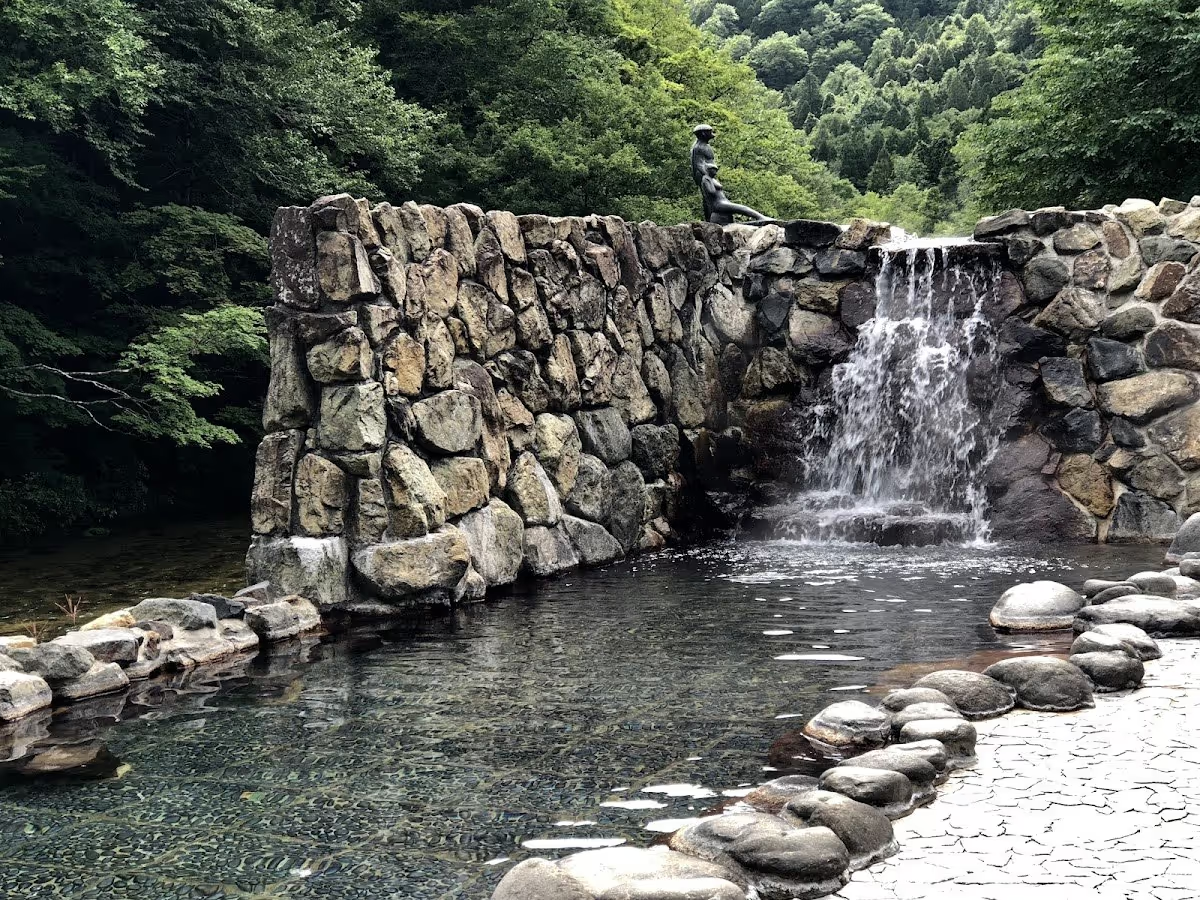
The onsen area at Yagen consists of a small number of ryokan and inn facilities spread along the valley road, with outdoor rotenburo set alongside or close to the river. The spring water is clear and has a mild composition suited to general bathing. The natural setting of the outdoor baths, surrounded by forest and the sound of the river, is the primary draw for most visitors and gives Yagen a character more associated with the natural landscape than with developed resort amenities. The area is known within Aomori as one of the more atmospheric remote onsen experiences available in the prefecture, and it draws visitors who value isolation and forest scenery alongside the bathing experience itself. Yagen is a well-regarded example of a small, nature-embedded rotenburo onsen in northern Japan.
For visitors seeking hot springs near Mutsu, Yagen Onsen is one of the most notable destinations on the Shimokita Peninsula and represents a distinctly different experience from the coastal or town-based onsen found elsewhere in Aomori.
Location & Access
Getting to Yagen Onsen
Yagen Onsen is located on the Shimokita Peninsula, one of the more remote parts of Aomori Prefecture, and reaching it requires some planning regardless of transport mode. The nearest rail access point is Shimokita Station on the JR Ominato Line, which connects to Noheji on the JR Tohoku Main Line. From Shimokita Station, there is no direct public bus to Yagen Onsen, and most visitors without a car will need to arrange a taxi or confirm whether their accommodation offers a pickup service. The journey from Shimokita Station to Yagen by taxi takes approximately 40 to 50 minutes.
Visitors traveling by car have more flexibility. From Mutsu City center, the drive to Yagen follows Route 338 and prefectural roads into the Yagen Valley and takes approximately 40 minutes. From Aomori City, the journey by car takes around two hours via the Shimokita Peninsula road network. The roads into the valley are narrow in places and require care, particularly in winter when snow accumulation is significant and some roads may be subject to closure or restriction. Confirming road conditions before travel between November and April is strongly advisable.
For those seeking hot springs near Mutsu without a car, contacting accommodation in advance to arrange transport from the nearest station is the most reliable approach. An overnight stay is the most practical option for visitors coming from outside the Shimokita area, as the limited transport connections make a same-day return difficult without a private vehicle. The remoteness of the valley is part of its appeal, but it does require more logistical preparation than most onsen destinations in the Tohoku region.
Suitability & Accessibility
Who Yagen Onsen Suits
Yagen Onsen suits visitors who prioritize natural setting and seclusion over convenience or resort amenities. The valley location, forested gorge, and riverside rotenburo make it a strong choice for those who find the most satisfaction in bathing surrounded by undisturbed landscape rather than in polished indoor facilities. It appeals particularly to travelers who are already exploring the Shimokita Peninsula, which is known for its wild coastline, Osorezan volcano, and intact beech forests, and who want to incorporate an onsen stay that matches the remote character of the region.
Couples and solo travelers with an interest in northern Tohoku's natural environment will find Yagen well suited to a one or two night stay. Families are welcome at the ryokan in the valley, though the remote location and limited facilities mean it works best for families who are comfortable with a self-contained stay focused primarily on the natural environment and bathing. Very young children may find the outdoor rotenburo format less manageable than conventional indoor facilities.
Visitors looking for accessible hot springs in Japan should note that the valley terrain and the nature of outdoor rotenburo facilities at Yagen make it less suited to guests with significant mobility limitations. The forest paths and riverside access points near some of the outdoor baths involve uneven ground. Individual ryokan vary in their internal layouts, and confirming room and bath accessibility directly with accommodation providers before booking is recommended. Among the quieter and more nature-embedded hot springs in Japan reachable without a long hike, Yagen Onsen occupies a distinctive position in the far north of Honshu.
Safety & Etiquette
Safety and Etiquette at Yagen Onsen
Yagen Onsen is a remote destination and visitors should approach it with the level of preparation appropriate to a forested mountain valley in northern Japan. The primary safety considerations are seasonal road conditions and the outdoor environment. Winter brings heavy snowfall to the Shimokita Peninsula, and roads into the Yagen Valley can become hazardous or temporarily impassable between late November and early April. Visitors driving to Yagen in winter must use winter tires and should check road conditions before departure.
The outdoor rotenburo at Yagen are set in a natural environment close to the river. Bathers should stay within the designated bathing areas and avoid entering the river itself, which can carry fast-moving water during snowmelt or after heavy rainfall. Paths between facilities and outdoor bath areas may be uneven or slippery when wet, and appropriate footwear when moving between buildings and outdoor areas is advisable.
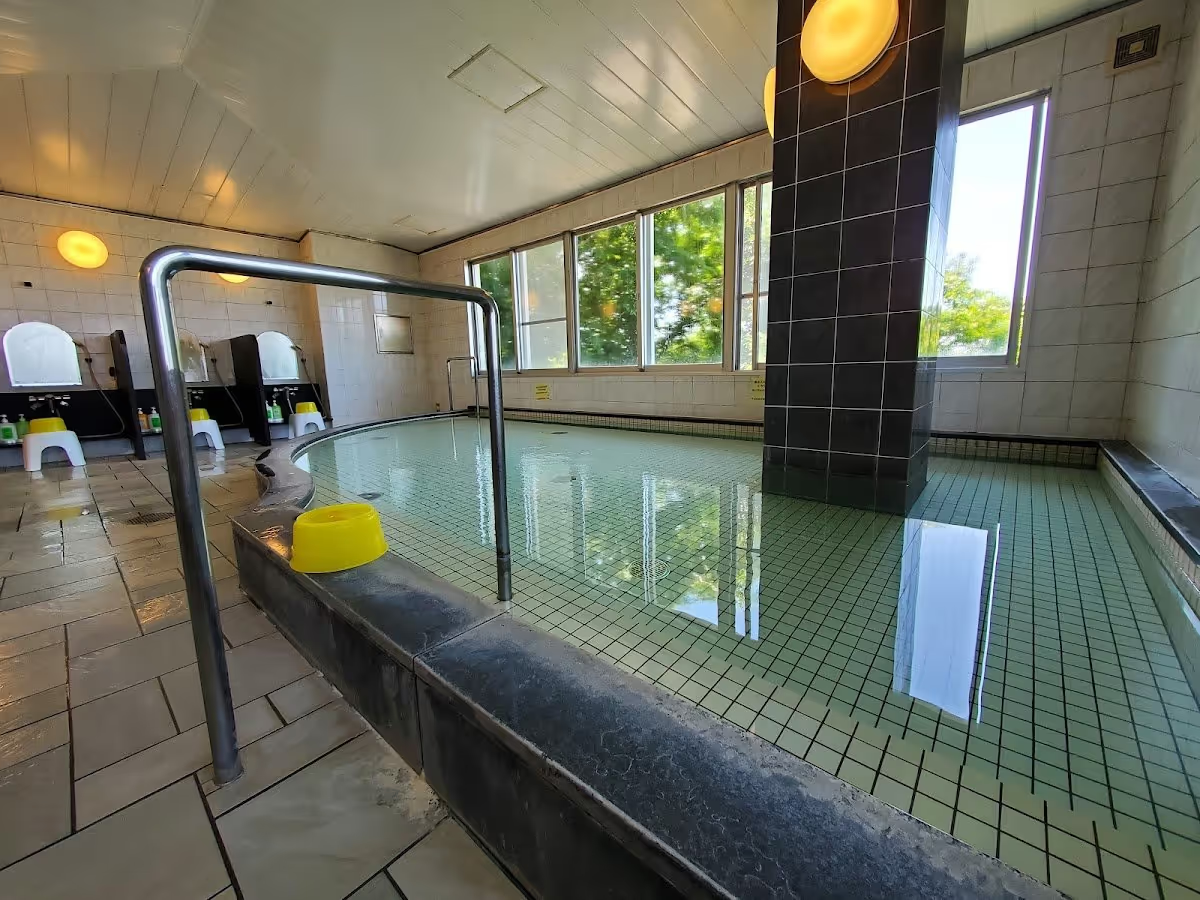
Standard Japanese onsen etiquette applies at all facilities in Yagen. Bathers must shower and wash thoroughly before entering any communal bath. Towels must not be submerged in the water. Indoor bathing areas are gender-separated. Some outdoor rotenburo at Yagen ryokan may be designated as mixed-gender or reserved for private use during specific hours. Confirming the bathing arrangement with the ryokan at check-in is recommended. Tattoo policies follow general Japanese ryokan practice and tend toward restriction in communal settings. Visitors with tattoos should inquire about private bath availability when booking.
The quiet and isolated character of the valley means that noise carries easily, and keeping voices low in outdoor areas during evening and early morning hours is appreciated by other guests. Photography inside enclosed bathing facilities is not permitted. Visitors should hydrate before and after outdoor bathing sessions, particularly in summer when air temperatures can be warm and the contrast with the hot spring water increases the risk of overheating. Children should be supervised at all times near outdoor baths and river areas. Guests with cardiovascular conditions should seek medical advice before bathing in high-temperature water.