Quick FactsOverview
About Nukabira Onsen, Hokkaido
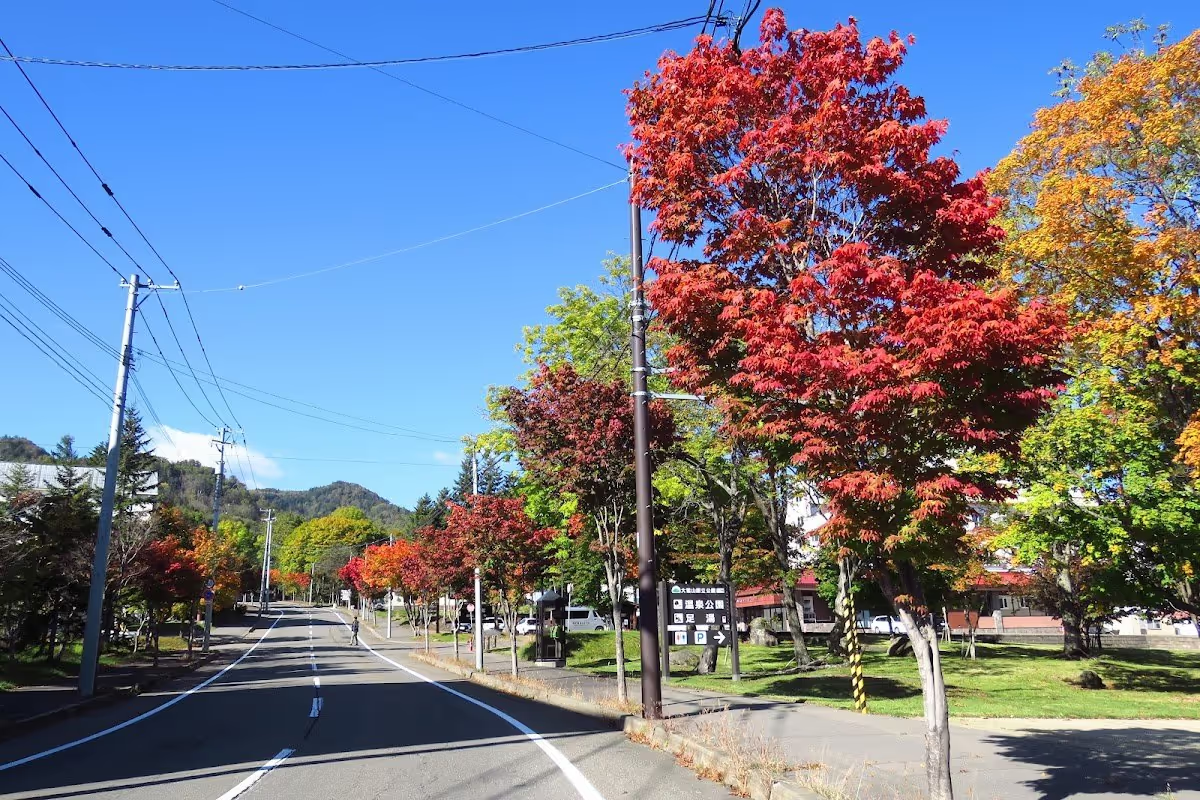
Nukabira Onsen, Japan is a small hot spring village located on the eastern shore of Lake Nukabira in Shikaoi Town, Kato District, Hokkaido, in the Tokachi highland region of central Hokkaido at an elevation of approximately 670 meters. Lake Nukabira is a reservoir formed by the Nukabira Dam on the Otofuke River, surrounded by the dense conifer and birch forest of the Tokachi interior. The village consists of a modest number of ryokan and small hotels arranged along the lakeshore road, with a quiet and unhurried character suited to visitors who want a remote highland retreat in Hokkaido away from the larger and more visited resort areas of the prefecture.
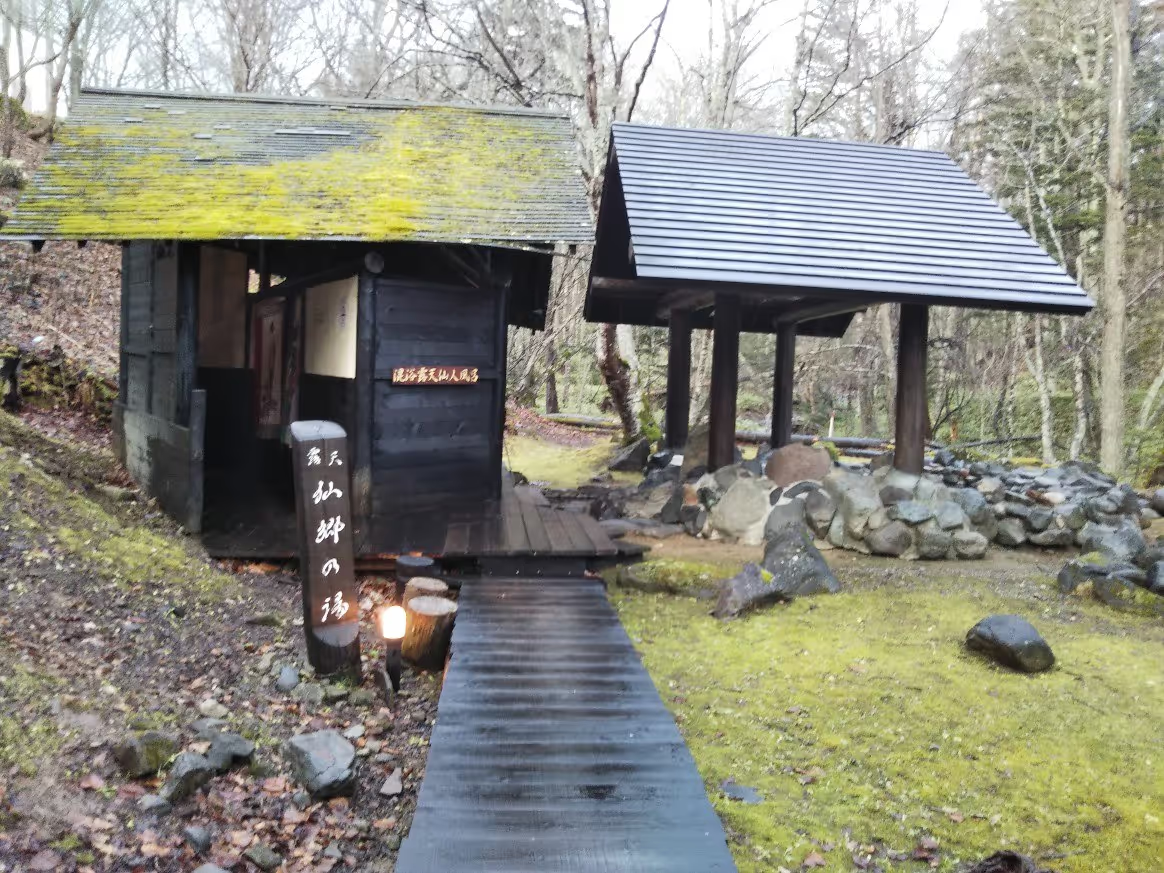
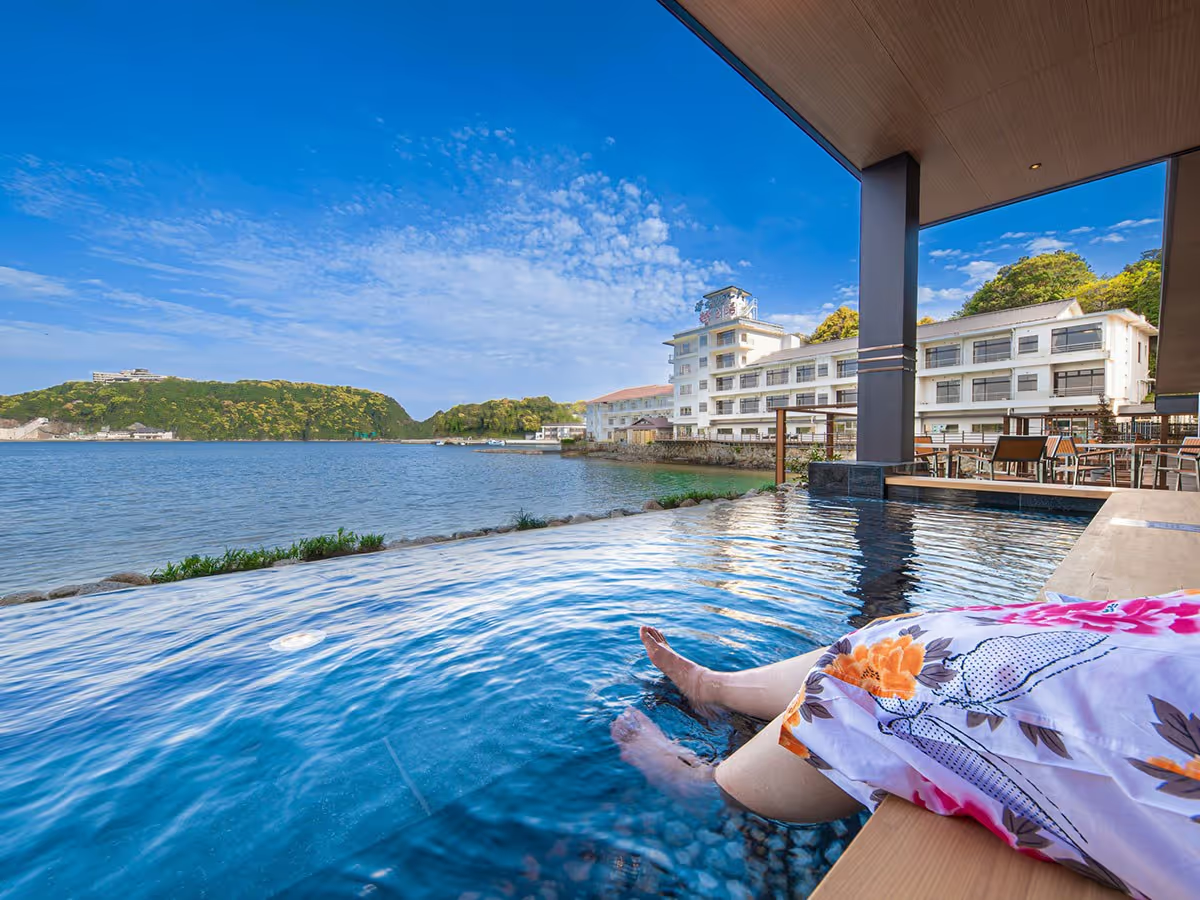
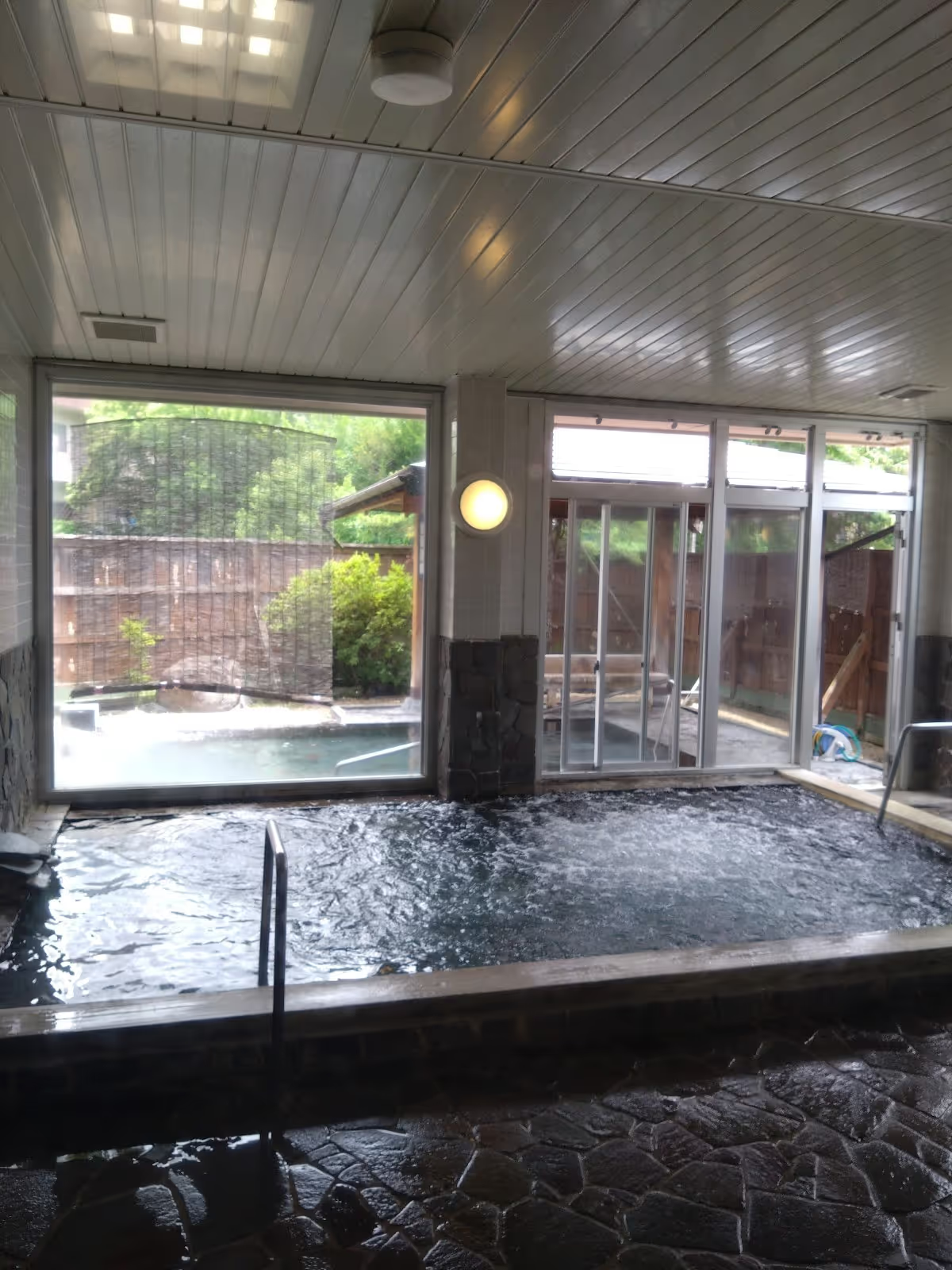
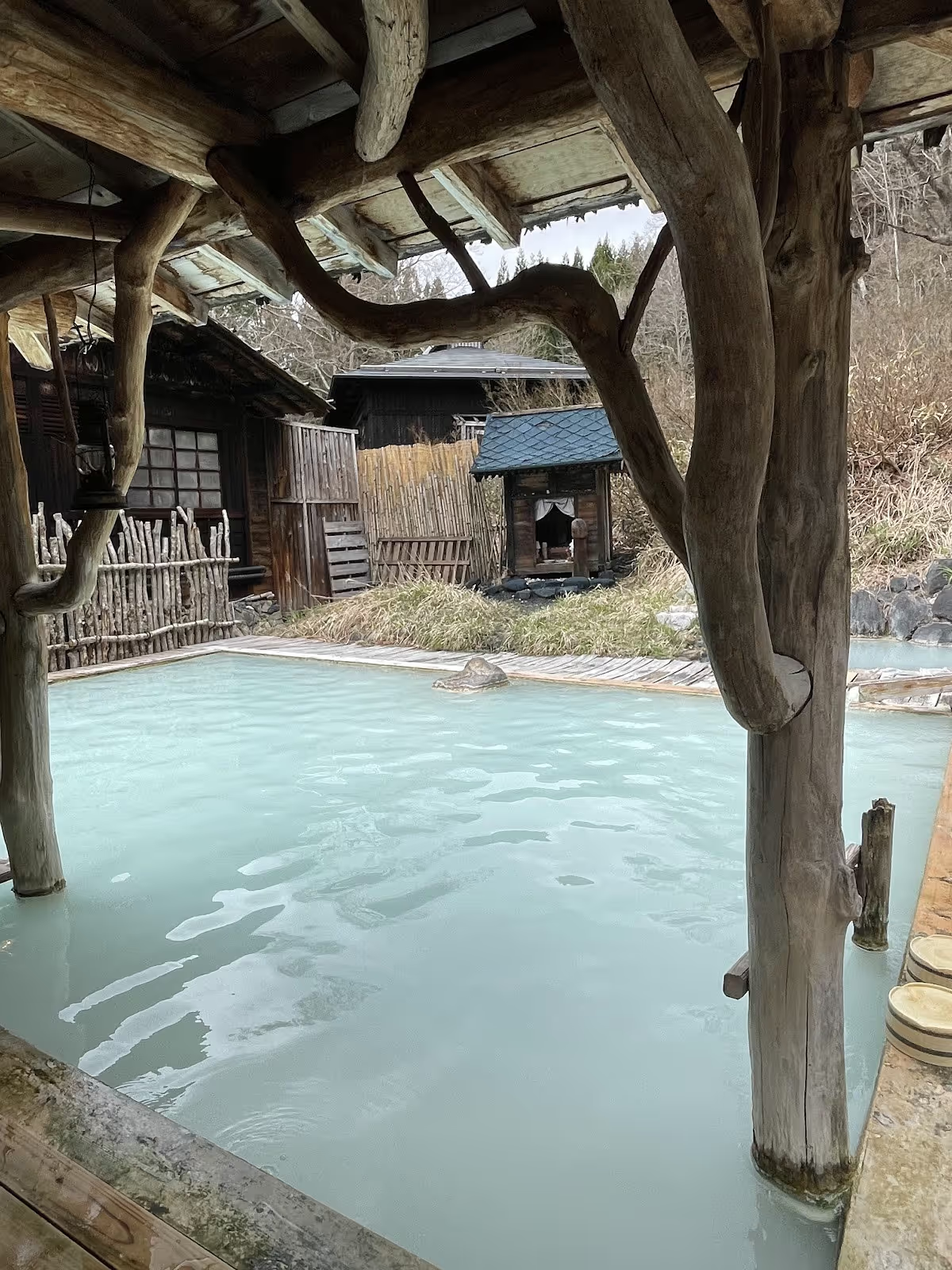
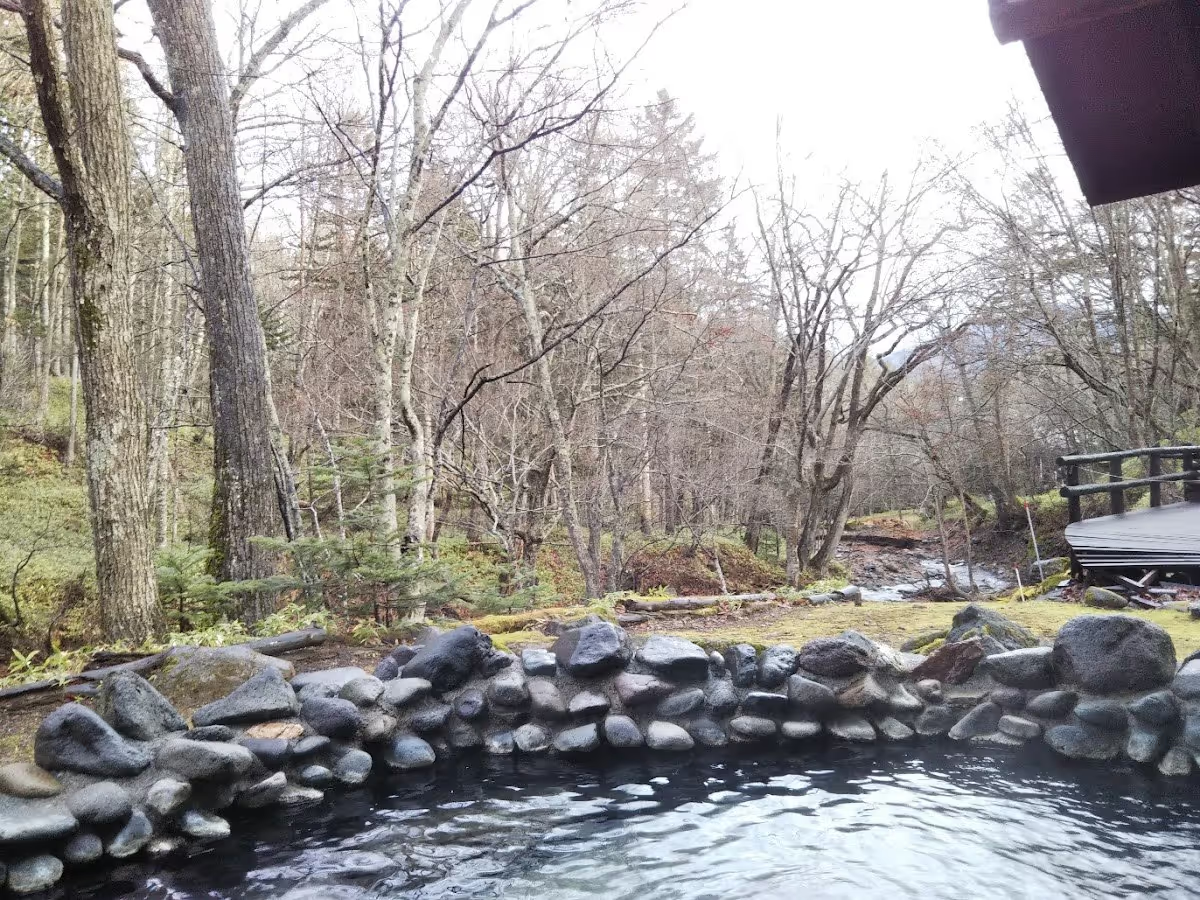
The spring water at Nukabira is sodium bicarbonate in type, clear and mild, with a smooth quality that is generally well tolerated by a wide range of visitors. Several ryokan in the village have outdoor rotenburo with views toward the lake and the forested ridgelines that frame the water, giving the bathing experience a direct connection to the highland landscape. The village is known within Hokkaido as a quiet and restful destination and is valued by domestic visitors who return specifically for the combination of lakeside scenery, mild spring water, and the unhurried pace that the remote Tokachi location provides. Nukabira also serves as a practical base for visiting the nearby Shikaribetsu Kotan ice village in winter and Lake Shikaribetsu in other seasons, as the two lakes are connected by the same highland road corridor. For visitors seeking hot springs near Shikaoi in a lakeside forest setting with year-round access, Nukabira Onsen is the most established and accessible onsen destination in the immediate area and offers a quieter and more conventional alternative to the seasonal Shikaribetsu experience.
Location & Access
Getting to Nukabira Onsen
Nukabira Onsen is located in the Tokachi highland interior and is most practically reached by car. From Obihiro, the main city of the Tokachi region, the drive to Nukabira Onsen takes approximately one hour via Route 274 through the Shikaoi area. From Sapporo, the drive takes approximately two hours and 45 minutes via the Do-o Expressway and Route 274. Obihiro is accessible from Sapporo by the JR Tokachi limited express in approximately two hours and 10 minutes, and from Shin-Chitose Airport in approximately one hour and 40 minutes by limited express.
For visitors without a car, Tokachi Bus operates services from Obihiro Bus Terminal toward the Nukabira Onsen area, though frequency is limited and the journey takes approximately one hour and 30 minutes. Checking current timetables before travel is essential, as services are infrequent and the last bus back to Obihiro can be in the early afternoon on some days. Some ryokan in the village offer pickup services from Obihiro Station or the bus terminal, and confirming this option when booking is advisable for visitors relying on public transport.
The village is compact and walkable within the central lakeshore area once you arrive. For those seeking hot springs near Shikaoi with lakeside scenery accessible from the Tokachi rail network, Nukabira is the most established onsen village in the corridor between Obihiro and the highland lake district. An overnight stay is strongly recommended for visitors coming from Obihiro or further afield, as the journey time and the limited afternoon bus frequency make a comfortable same-day return difficult without a car. Winter road conditions on Route 274 and the highland approach require winter tires between November and April.
Suitability & Accessibility
Who Nukabira Onsen Suits
Nukabira Onsen suits visitors who want a quiet highland retreat in Hokkaido with lakeside scenery and mild spring water, away from the busier and more commercially developed resort areas of the prefecture. The small number of ryokan in the village keeps the atmosphere calm and the visitor numbers low at any given time, making it well suited to those who value an unhurried environment and genuine connection to the Hokkaido highland landscape. Couples and solo travelers seeking a restful stay with outdoor rotenburo views over the lake and forest will find Nukabira particularly rewarding for a one or two night stay.
Visitors with an interest in the broader Shikaoi highland area will find Nukabira a practical base for combining onsen bathing with day trips to Lake Shikaribetsu, the Tokachi highland trails, and in winter the Shikaribetsu Kotan ice village. The two lake destinations are connected by the same road and complement each other naturally on a multi-day highland itinerary. Families with older children who are comfortable with a nature-focused and self-contained stay are welcome, though the limited facilities and lack of commercial entertainment make the village best suited to visitors whose primary interest is the landscape and bathing.
Visitors looking for accessible hot springs in Japan should note that the lakeshore road and central village area are relatively flat and manageable for most visitors, though the older ryokan buildings may have internal layouts with steps and narrow corridors. Guests with significant mobility limitations should confirm specific room and bath accessibility with accommodation providers before booking. Among the quieter and more remote hot springs in Japan accessible from a Hokkaido rail and road hub without specialist outdoor equipment, Nukabira Onsen offers a well-established lakeside retreat in the Tokachi highlands that rewards visitors willing to make the journey.
Safety & Etiquette
Safety and Etiquette at Nukabira Onsen
Nukabira Onsen is a safe and well-maintained village destination. The spring facilities at ryokan are managed and present no unusual hazards. The principal safety considerations relate to the seasonal conditions of the Tokachi highland interior. Winter brings significant snowfall and cold temperatures to the area, and the roads approaching Nukabira on Route 274 can be icy or subject to snowfall between November and April. Winter tires are required for driving in this area during the cold season, and checking road conditions before departure is advisable.
Lake Nukabira is a reservoir lake and is not used for swimming. Visitors should stay on designated paths and viewing areas near the lakeshore and should not attempt to access the water directly outside of managed areas. The forested terrain surrounding the village is home to wildlife including brown bears, which are present in the Hokkaido interior. Visitors walking on trails or roads outside the village center should be bear-aware, carry a bell or noise-making device, and follow any local guidance on current bear activity in the area.
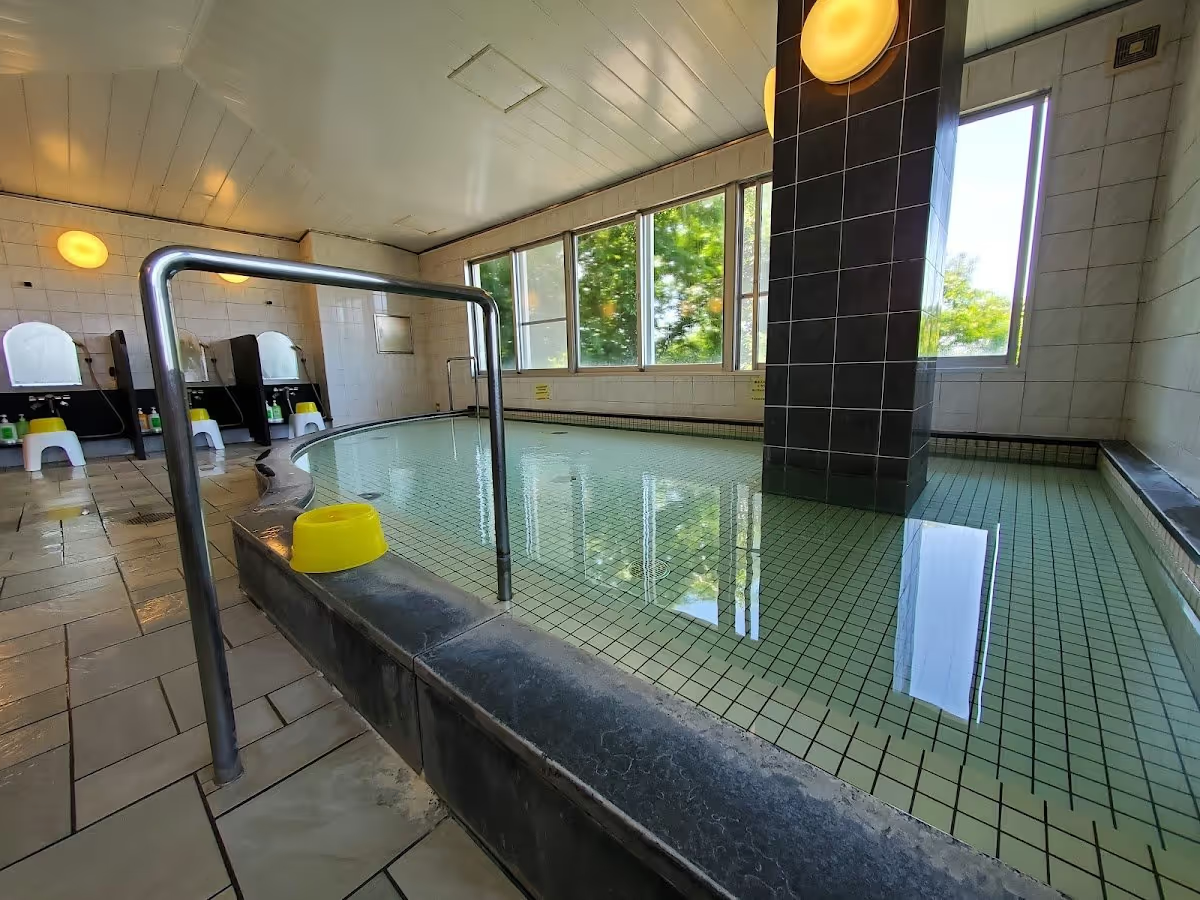
Standard Japanese onsen etiquette applies at all ryokan facilities in Nukabira. Bathers must shower and wash thoroughly before entering any communal or outdoor bath. Towels must not be submerged in the water. Bathing areas are gender-separated at most facilities, though some outdoor rotenburo may operate as mixed or private reservation baths depending on the property. Confirming bathing arrangements with the ryokan at check-in is recommended. The mild sodium bicarbonate water produces no significant staining of fabric or jewelry.
Tattoo policies at Nukabira ryokan follow general Japanese practice. Visitors with tattoos should confirm private bath availability when booking. Photography inside enclosed bathing facilities is not permitted. The quiet village character means noise carries easily between properties, and keeping voices low in outdoor areas during evening and overnight hours is appreciated. Children should be supervised at all times in bathing areas and near the lakeshore. Guests with cardiovascular conditions should seek medical advice before bathing in hot water.