Quick FactsOverview
About Shibu Onsen
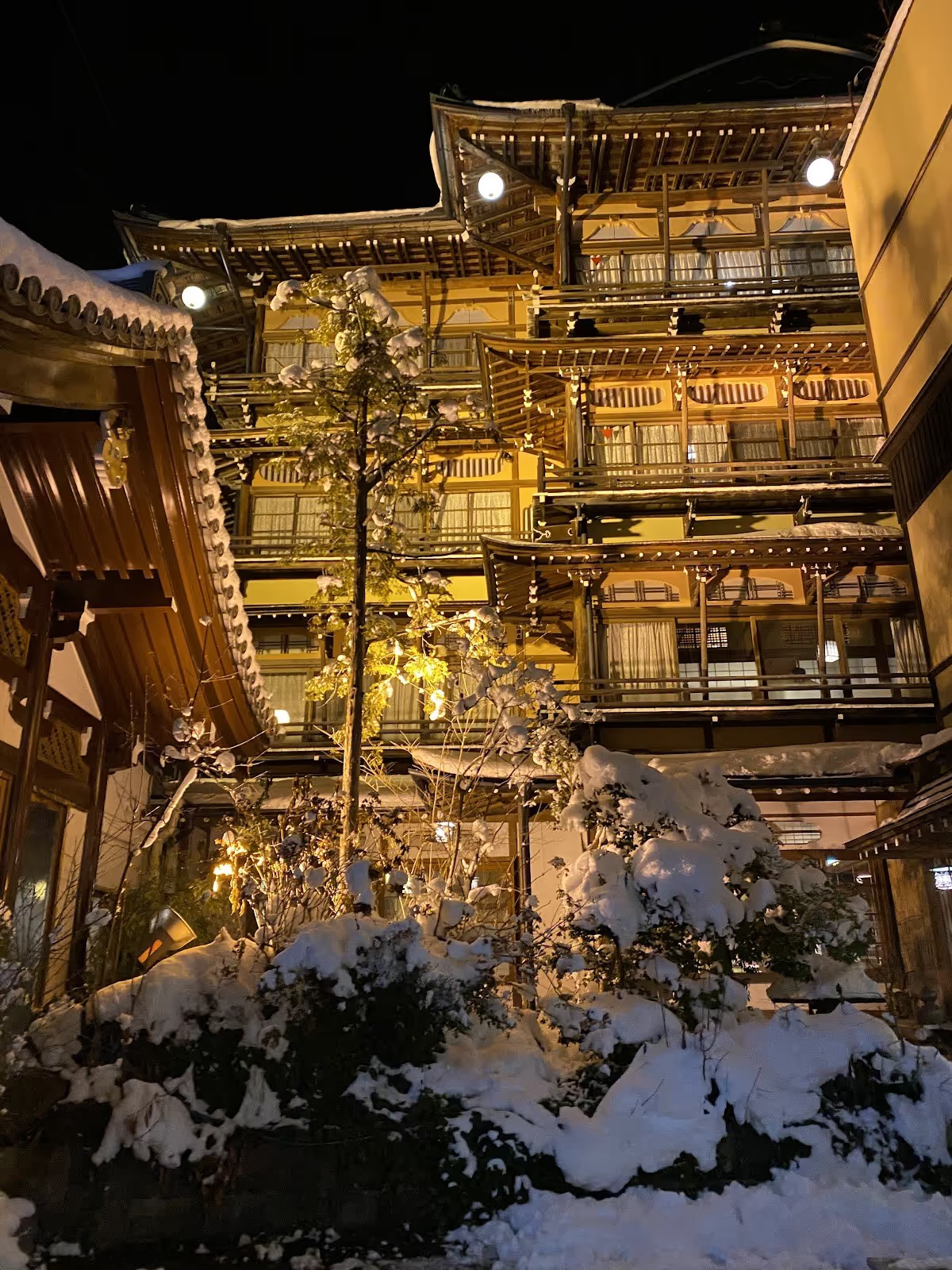
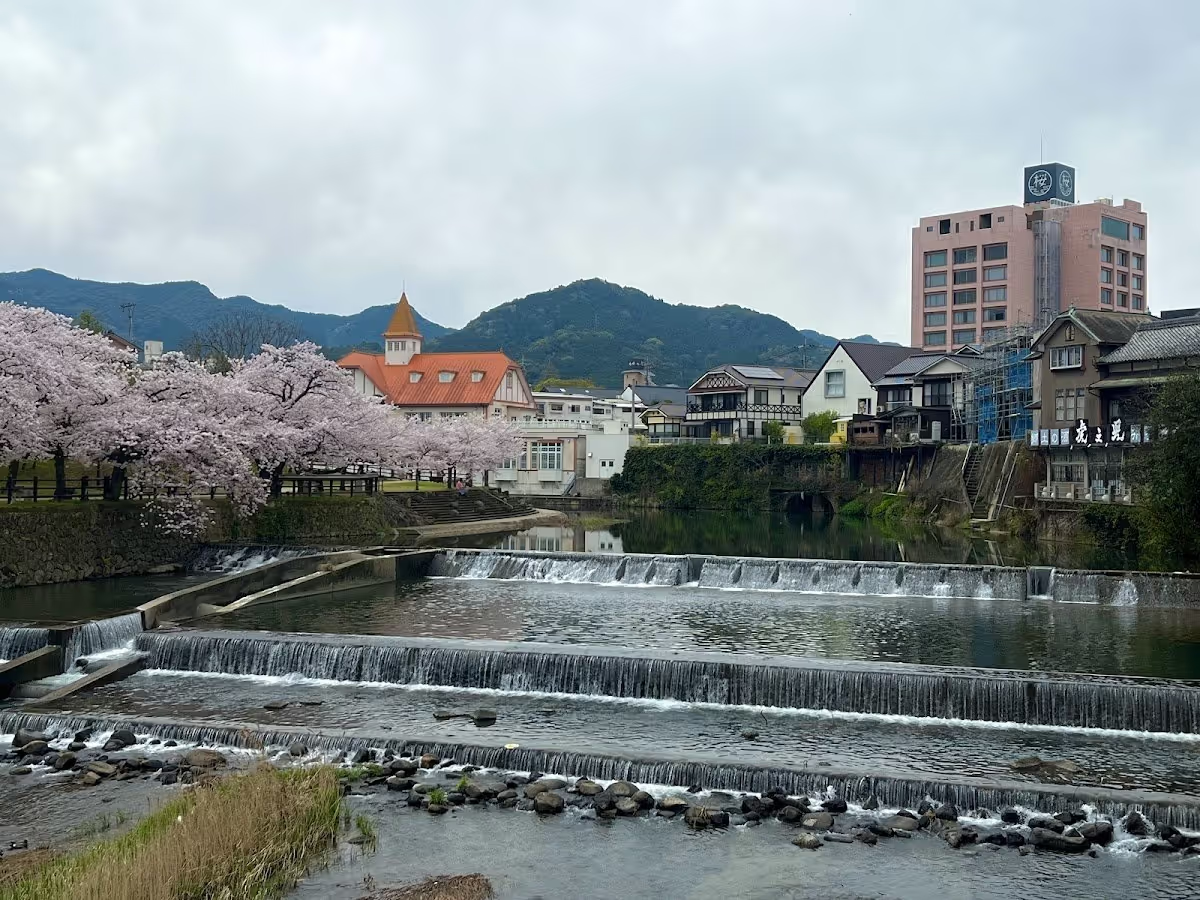
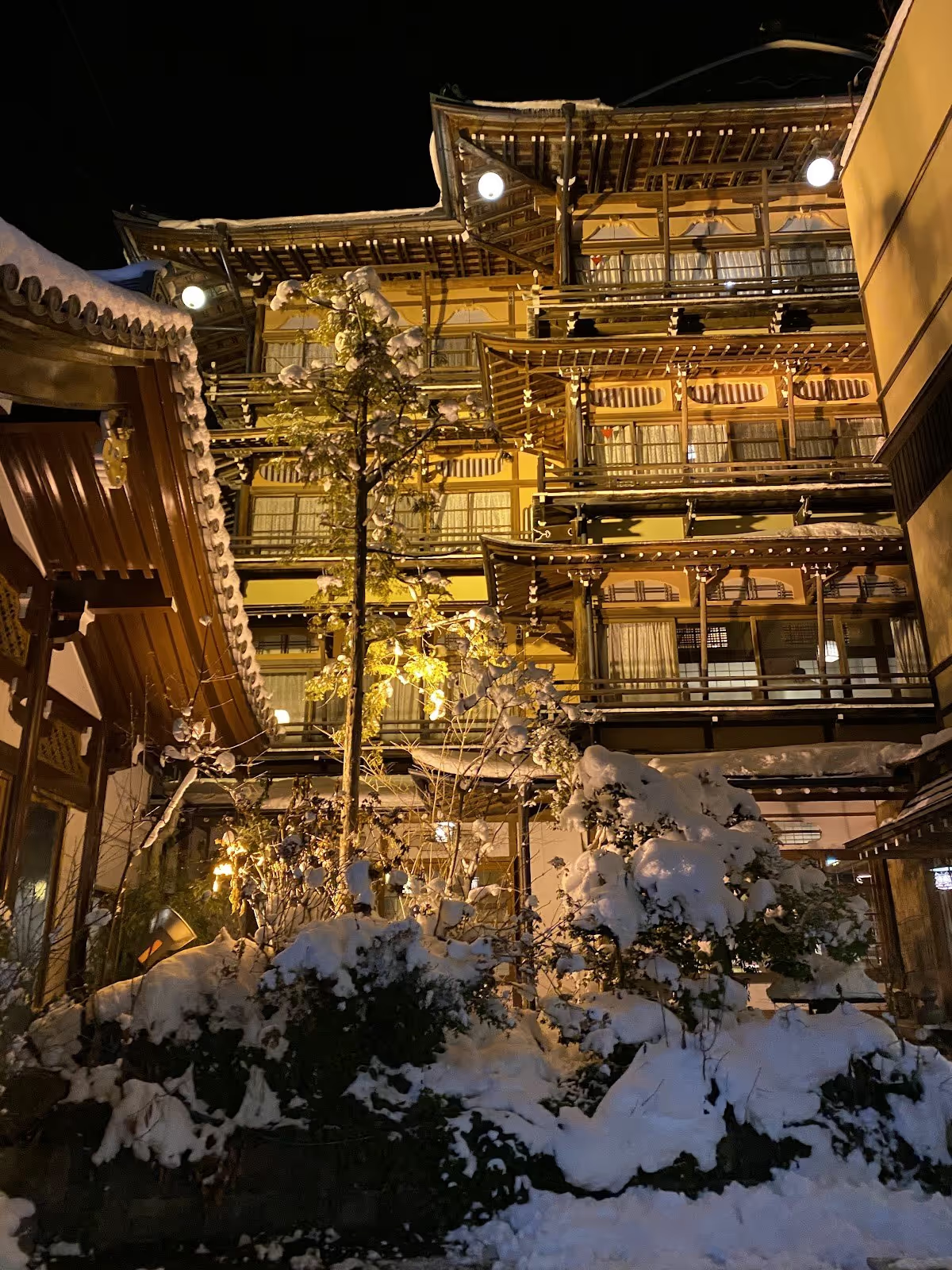
Shibu Onsen, Japan is a historic hot spring town in Yamanouchi, Shimotakai District, Nagano Prefecture, said to have been founded over 1,300 years ago by the Buddhist priest Gyoki. The town is compact, built on cobblestone lanes along the Yokoyugawa River, and lined with traditional wooden ryokan, some several hundred years old. Kanaguya, a registered tangible cultural property, is said to be one of the inspirations for the bathhouse in Studio Ghibli's Spirited Away. The town is the closest onsen settlement to Jigokudani Monkey Park, known for photographs of macaques bathing in hot springs.
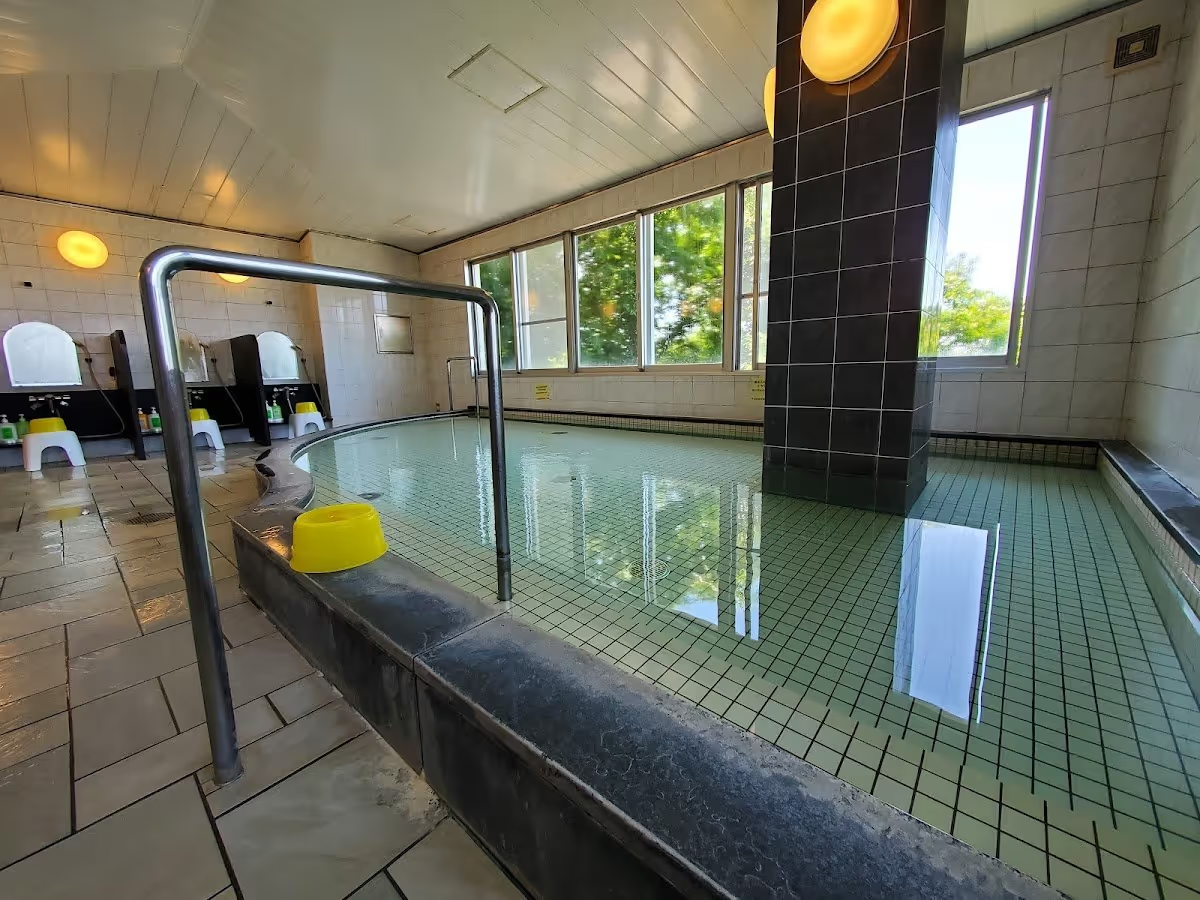
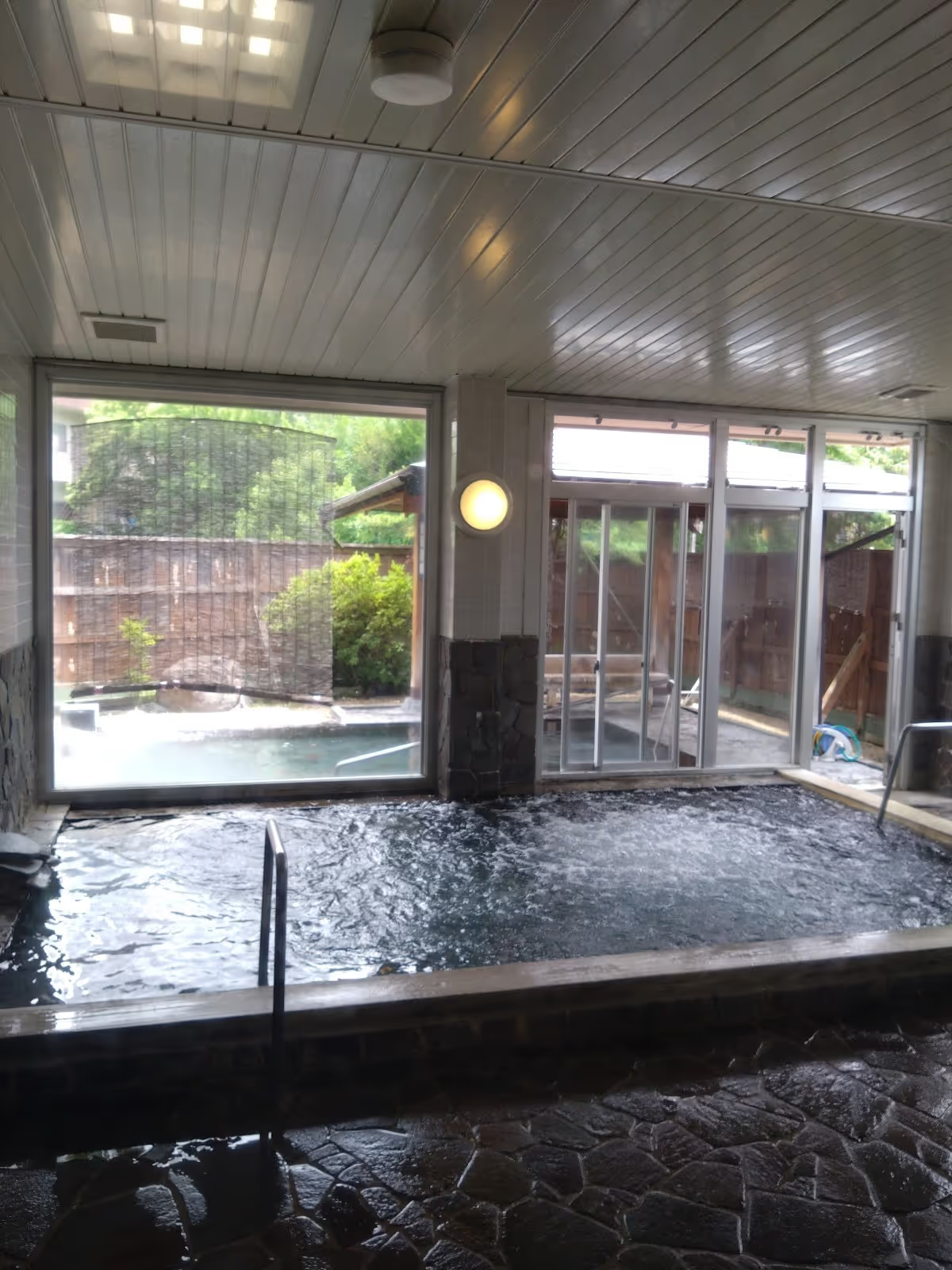
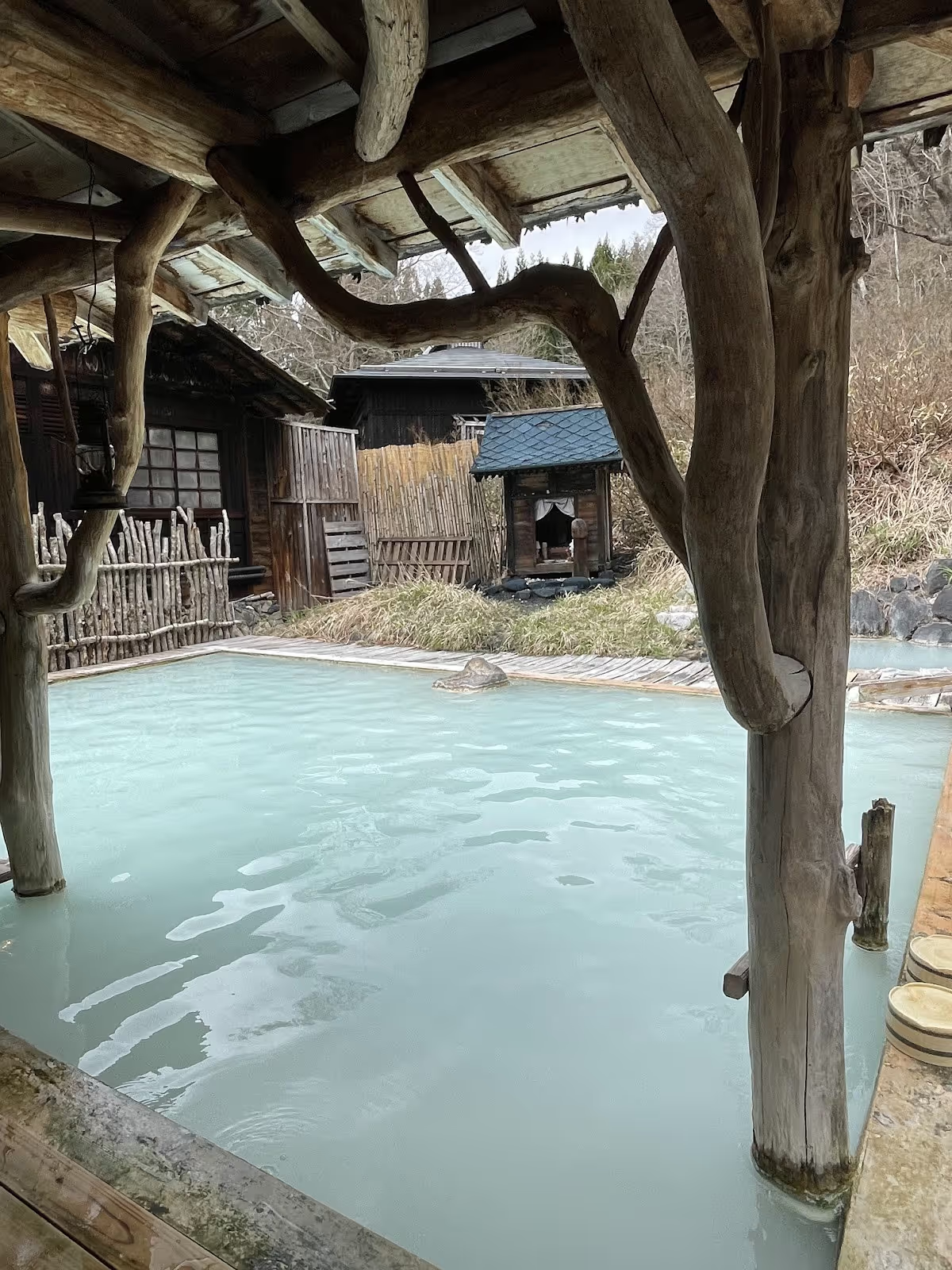
The town draws from 37 spring sources, producing baths with diverse water types including milky, clear, and mineral-rust-coloured water. Eight of the nine sotoyu are locked and accessible only to overnight guests, who receive a master key at check-in. The ninth bath, O-yu, accepts day visitors for 500 yen from 10:00 to 17:00. No soap is provided; the baths use kake-nagashi style with hot spring water flowing continuously. A stamp rally towel (350 yen) lets guests collect stamps from all nine baths and the Shibu Takayakushi Shrine, with tradition holding that completing the circuit brings good health.
Location & Access
Getting to Shibu Onsen
Shibu Onsen is in Yamanouchi, Shimotakai District, Nagano Prefecture, near Yudanaka Station. From Tokyo, take the Hokuriku Shinkansen from Tokyo Station to Nagano Station, approximately 80 to 100 minutes; then take the Nagano Dentetsu limited express to Yudanaka Station, approximately 45 minutes. From Yudanaka Station, take the Nagaden Bus toward Snow Monkey Park and get off at Shibu Wagobashi, approximately 5 minutes, or take a taxi for approximately 5 minutes (around 1,200 yen). The town is approximately a 20 to 30-minute walk from the station. By car from the Joshin-etsu or Hokuriku Expressway, the Shinshu-Nakano Interchange is the nearest exit, with approximately 40 minutes of driving to reach the town.
The nine sotoyu are open for overnight guests from approximately 06:00 to 22:00. O-yu is open to day visitors from 10:00 to 17:00 for 500 yen; tickets are available at the Shibu Onsen Ryokan Association office or the parking lot. Only guests staying at ryokan within Shibu Onsen proper receive the master key; guests at nearby Yudanaka Onsen or Andai Onsen do not. Confirm this at the time of booking. Jigokudani Monkey Park is approximately 10 minutes by car or a 30 to 40-minute walk from Shibu Onsen.
Suitability & Accessibility
Who Shibu Onsen Suits
Shibu Onsen suits visitors who want a genuine, community-managed historic onsen town experience combined with a visit to Jigokudani Monkey Park. The nine locked sotoyu, the cobblestone lanes lit by lanterns at night, and the opportunity to stroll in yukata between baths make an overnight stay the defining Shibu experience. The nine-bath stamp rally is particularly popular with domestic Japanese travellers. The access to all nine baths for overnight guests is a strong reason to base at least one night in Shibu rather than the surrounding onsen area.
Day visitors can experience O-yu for 500 yen but will not access the other eight baths. The variety of water types across the nine baths is unusual and makes the full circuit rewarding for those interested in onsen culture. Families are welcome; most ryokan accommodate children and the monkey park nearby is a popular activity for all ages.
The baths are small (most hold only 2 to 3 people), traditional, and basic; those seeking large, amenity-rich spa facilities will find them minimal. Wheelchair access is impractical; the cobblestone lanes are uneven and narrow. The town's wooden buildings preserve a strong historic atmosphere, but accommodation quality varies; choosing a ryokan within Shibu Onsen proper, rather than adjacent areas, is important for nine-bath access. Tattoo policies vary by individual inn.
Safety & Etiquette
Shibu Onsen Safety Tips
Shibu Onsen is generally safe as a managed hot spring town, but the small, unattended sotoyu bathhouses and the diversity of water types require more self-awareness than a staffed hotel facility.
Bath temperatures in the nine sotoyu are very hot and vary considerably by location; some baths are near the upper limit of comfortable bathing. Each bath is equipped with a cold-water tap to cool the bath before entering; turn this off before leaving the bath. Acclimatise slowly by pouring water over your arms and legs before entering. Limit soaking to 10 minutes per bath, rest outside and drink water between sessions, and keep track of total time in the water across the evening; completing all nine baths in one session involves significant cumulative heat exposure that can cause fatigue or dizziness even for experienced onsen visitors. People with heart conditions, hypertension, or open wounds should consult a doctor. No soap or toiletries are provided at the sotoyu; wash thoroughly at your ryokan before or after the sotoyu circuit.
The cobblestone lanes are uneven and become slippery when wet or in winter snow and ice; take care when walking in geta sandals provided by ryokan. Overnight guests must carry their master key and follow the posted etiquette at each bathhouse. Bathing is nude in all nine sotoyu, which are gender-separated. Monkeys from the nearby forest occasionally descend into the town streets; do not feed or approach them. The small capacity of most baths means they may be occupied when you arrive; wait outside and do not enter if the bath is already in use.